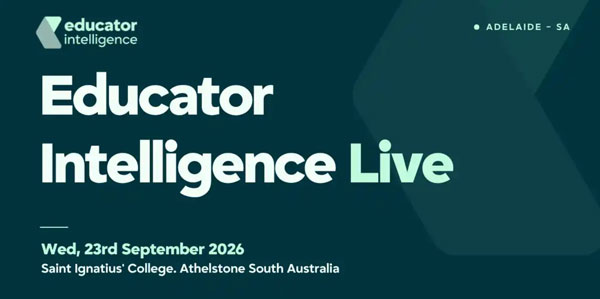
Discover practical AI training designed specifically for educators. The Educator Intelligence courses help busy teachers save time, enhance lesson planning, streamline administration, and confidently integrate AI into teaching and learning. Learn actionable strategies you can use straight away in the classroom.
The most recent episode of Top DigiTips for Busy Teachers is all about Who’s watching your AI conversations? This is a quick guide on how to turn off AI model training features in ChatGPT, Copilot and Gemini. It goes through why these privacy settings matter for protecting student data, assessment content and responsible AI use, while remembering that no AI tool is completely risk-free.
As generative AI rapidly reshapes education, many school leaders are recognising the need for clear governance, practical policies, and sustainable implementation strategies. CulturePathAI works alongside school leadership teams to build the foundations for safe, ethical, and effective AI adoption through a strong governance-first approach.
I am very pleased to be part of the CulturePathAI team as a Senior Consultant and encourage your school or school system to see how we can help.Look up CulturePathAI
Is your school in need of an AI audit, or some extra support and advice about AI use in the classroom? The Next Word is a forward-thinking education consultancy that helps schools navigate the rapidly evolving world of generative AI.
I am very pleased to be on The Next Word team as an Associate and encourage you to look up what we can offer your school.
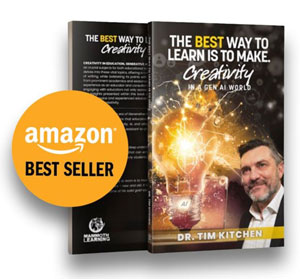
The Best Way to Learn is to Make – Creativity in a Gen AI World is available here through Amazon.
Teacher PD Australia
Have you discovered Teacher PD Australia yet? It’s a growing Australian platform designed to help busy educators easily discover high-quality professional learning opportunities — courses, events, webinars, books, and resources tailored to their subject areas, career stage, interests, and teaching context. An all-in-one, easy-to-navigate directory built specifically for Australian teachers. Well worth sharing with your networks.
Book me to visit your school
If you would like to book some time for me to visit your school(s) to work with key leaders, teaching staff, non-teaching staff and/or students, use this site to help with the planning.
An encyclical is a formal letter written by the Pope to the bishops of the Catholic Church and to the wider world. It is used to provide guidance on important issues relating to faith, morality, society, culture, or global challenges.
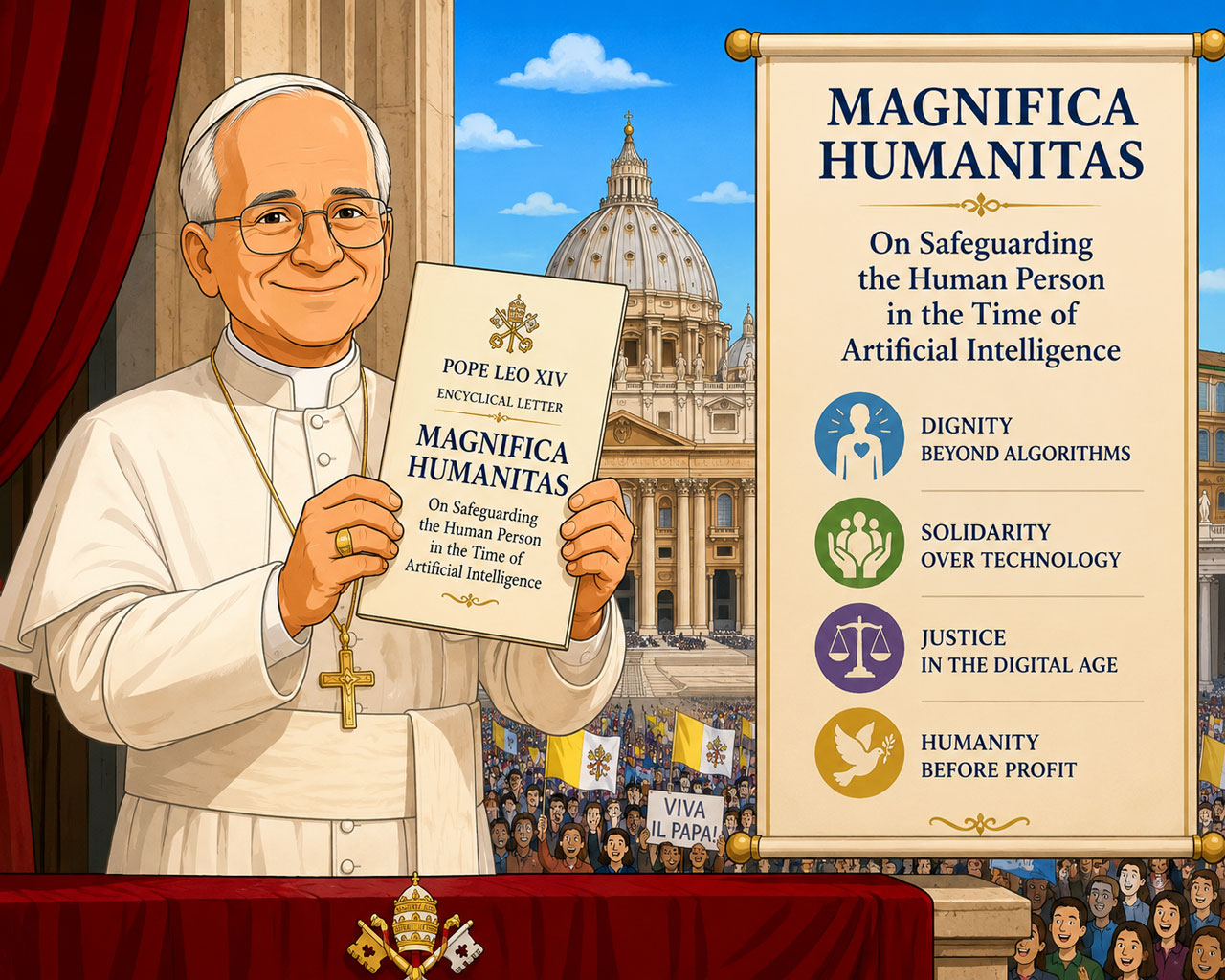
On 25 May 2026, at the Vatican, Pope Leo XIV formally released his first encyclical titled Magnifica Humanitas: On Safeguarding the Human Person in the Time of Artificial Intelligence. Magnifica Humanitas is Latin for Magnificent Humanity or The Magnificence of Humanity. In this letter, the Pope provides all of us (Catholic or not) with a timely reminder that while AI can be a powerful tool for learning, it must never replace the uniquely human qualities that education seeks to nurture.
Pope Leo XIV (2026) says,
Never has humanity had such power over itself.
He is warning us that we are creating technologies with an unprecedented capacity to shape how people think, learn, communicate, work, and make decisions. Unlike previous waves of innovation, these technologies are not just changing the world around us; they are increasingly influencing human behaviour, knowledge, relationships, and access to opportunity on a global scale.
With that level of influence comes significant responsibility. The challenge is no longer simply whether we can build these technologies, but whether we should, how we should, and ultimately who benefits from the choices we make.
The Promise and Peril of Technology
Technology has the power to heal, connect, educate and protect our common home; but it can also divide, exclude and generate new forms of injustice (Pope Leo XIV, 2026).
Here, Pope Leo recognises that technology is not inherently good or bad. Its impact depends on the choices we make about how it is designed, governed, and used. Technology has the potential to bring enormous benefits. It can heal through medical advances, AI-assisted diagnostics, and improved access to healthcare. It can connect people across cultures, enable new forms of collaboration, and strengthen communities. It can support education by creating more personalised learning experiences, expanding access to knowledge, and helping teachers meet the needs of diverse learners.
Technology can also play an important role in caring for our planet. From monitoring environmental change to improving resource efficiency and supporting sustainability initiatives, it offers powerful tools to help address some of the most pressing challenges facing our world.
The Risks We Must Address
At the same time, Pope Leo warns that the very technologies capable of delivering such benefits can also cause significant harm. They can deepen divisions through misinformation, polarisation, and algorithm-driven echo chambers that shape what people see and believe. They can widen existing inequalities by excluding those who lack access to technology, digital literacy, or the resources needed to participate fully in an increasingly digital society.
He also highlights the risk of new forms of injustice emerging when technology is not developed or used responsibly. Biased algorithms can reinforce discrimination, surveillance technologies can erode privacy and personal freedoms, and the benefits of innovation can become concentrated in the hands of a privileged few while others are left behind. The challenge, therefore, is not simply technological but deeply human: ensuring that these powerful tools serve the common good and contribute to a more just and inclusive society.
What This Means for Educators
For teachers, this is a reminder that our role is not simply to teach students how to use technology. We must also help them develop the wisdom, critical thinking, ethical understanding, empathy, and sense of responsibility needed to ensure that technology serves humanity rather than the other way around. In many ways, Pope Leo is calling educators to focus not just on preparing students for the future of technology, but on preparing them to shape that future in ways that uphold human dignity, social justice, and the common good of all mankind.
Choosing the Future We Want
The Pope advises …
As technological development rapidly transforms languages, relationships, institutions and forms of power, we believers must and can choose which projects to work on and in what manner, so as to safeguard and value the grandeur of humanity that has been given to us as a gift. This is a choice not only for our future but also for our present, since artificial intelligence and other emerging technologies are already part of our daily lives (Pope Leo XIV, 2026).
In this quote, Pope Leo recognises that technologies such as AI are reshaping the very fabric of society. They are influencing how we communicate, how we form relationships, how schools, governments and businesses operate, and even who holds influence and power. The pace of this transformation is unprecedented, and its effects are currently being felt in classrooms, workplaces and homes all over our planet.
The Pope rejects the idea that technological change is something that simply happens to us. He argues that people have the freedom and responsibility to shape the future. We can choose which technologies we develop, which innovations we embrace, and the values that guide their use.
Safeguarding the Grandeur of Humanity
At the heart of the Pope’s letter is the belief that every human being possesses an inherent dignity and worth that cannot be reduced to data, efficiency or productivity. The Pope’s phrase “the grandeur of humanity” points to the remarkable qualities that make us human: our creativity, empathy, wisdom, moral judgement, relationships, imagination, capacity to love, and search for meaning. These are not problems to be solved by technology; they are gifts to be cherished and developed.
The Pope reminds us that these issues are not distant concerns for future generations. The decisions being made today about AI, digital technologies and data are already influencing how students learn, how teachers teach, how people access information, and how societies function. The ethical questions surrounding technology are immediate and require action now.
Rather than calling for resistance to technology, Pope Leo acknowledges its reality and growing presence. AI is already embedded in search engines, educational tools, healthcare, communication platforms and countless everyday activities. The challenge is therefore not whether to engage with these technologies, but how to engage with them wisely and ethically.
The Educator’s Responsibility in the Age of AI
For educators, this is a reminder that our role is not simply to help students become competent users of technology. We must also help them become thoughtful, ethical and responsible human beings. In a world where AI can increasingly generate content, answer questions and automate tasks, schools have an even greater responsibility to nurture the uniquely human qualities that machines cannot truly replicate: curiosity, creativity, compassion, critical thinking, wisdom, emotional intelligence and moral courage.
The Pope’s message is ultimately one of optimism. He believes that while technology is transforming society, humanity still has the power to decide what kind of future it wants to build. Education therefore becomes one of the most important places where that future is shaped. By helping young people understand both the opportunities and the risks of AI, teachers play a crucial role in ensuring that technology remains in service of humanity rather than humanity becoming subservient to technology.
Environmental impacts
While much of the conversation around AI focuses on productivity, innovation, and educational possibilities, Pope Leo reminds us that these technologies also have a physical footprint that must be considered ethically and responsibly.
Current AI systems require enormous amounts of energy and water, significantly influencing carbon dioxide emissions, and place heavy demands on natural resources. As their complexity increases, especially in the case of large language models, the need for computing power and storage capacity grows too, which requires an extensive network of machines, cables, data centers and energy-intensive infrastructure. For this reason, it is essential to develop more sustainable technological solutions that reduce environmental impact and help protect our common home (Pope Leo XIV, 2026).
The Pope is drawing attention to the reality that AI does not exist in a virtual world detached from the environment. Every AI interaction relies on physical infrastructure powered by electricity and cooled using significant amounts of water. The data centres that support AI systems require vast quantities of energy and water to operate and prevent overheating. As demand for AI services continues to grow, so too does the environmental cost associated with powering and maintaining these systems. The Pope is not condemning AI, but encouraging society to acknowledge and take responsibility for these hidden environmental consequences.
Rather than rejecting technological progress, Pope Leo calls for innovation that is environmentally responsible. He argues that technological advancement should not be measured solely by capability or profitability, but also by sustainability. Developers, governments, businesses and users all have a role in encouraging more efficient AI systems, cleaner energy sources, and infrastructure that minimises environmental harm. The benefits of AI should not come at the expense of future generations or the health of the planet.
Anthropic at the launch.
Anthropic, the company behind the gen AI tool Claude, was represented at the Pope’s launch. Anthropic’s co-founder Christopher Olah was invited to speak prior to the Pope’s presentation. The 33-year-old (atheist) tech leader and the Pope made an unlikely duo. The Pope personally thanked Olah for his presence, saying:
What a great sign of hope it is that with our differences we can listen to one another (Vatican News, 2026).
In his remarks, Olah was honest about the pressures and shortcomings of the AI industry, acknowledging that AI labs operate inside a set of incentives and constraints that can sometimes conflict with doing the right thing. He raised concerns about the global concentration of AI development, asking how the gains of AI could be shared more equitably, calling it “an unsolved problem, and the kind of problem the Church has historically refused to let the world ignore.” Olah, closed with a call to religious communities, civil society, academics, and governments to follow the Pope’s example, to take the challenges of AI seriously, arguing that the industry needs “informed critics who will tell the labs when we are failing” and “moral voices that the incentives cannot bend (Olah, 2026).”
What the Pope says about school education
Chapter 4 of the encyclical is titled “Safeguarding Humanity at a Time of Transformation: Truth, Work, Freedom”. One section in this chapter particularly stood out to me, under the heading “The Central Role of Schools” …
Many educational systems struggle to keep pace with change and to support the integral development of students. The advance of information technologies and AI is rapidly rendering curricula obsolete that were designed for a different era. Meanwhile, the organization of schools, physical spaces, evaluation methods and the role of teachers themselves must be rethought in order to promote an authentically integral education that addresses every dimension of the person. It is necessary to support the ongoing formation of teachers throughout their professional lives, so that they can engage positively with new technologies, helping students to use them responsibly, critically and creatively, rather than passively succumbing to their influence (Pope Leo XIV, 2026).
This passage speaks directly to one of the greatest challenges facing education today. Pope Leo is not simply commenting on technology; he is questioning whether many of our educational systems are still fit for purpose in a world being transformed by artificial intelligence and rapid technological change.
The Pope acknowledges a reality that many educators experience every day. While society is changing rapidly, schools often struggle to adapt at the same pace. Curricula, assessment systems, structures and policies are frequently built upon assumptions from a different era. At the same time, the Pope reminds us that education should be about far more than academic achievement. The purpose of education is the integral development of the whole person, intellectual, social, emotional, ethical, creative, physical and spiritual. In a rapidly changing world, schools face the challenge of preparing students not only for employment but also for meaningful and responsible lives.
The Pope is not suggesting that traditional knowledge has no value, but rather that many curricula were designed for a world where information was scarce, knowledge was relatively stable, and success often depended on memorisation and routine problem-solving. Today, students can access vast amounts of information instantly, and AI can increasingly perform many routine cognitive tasks. This raises important questions about what knowledge, skills and dispositions should be prioritised in schools.
In an AI-rich world, qualities such as critical thinking, creativity, ethical reasoning, communication, collaboration, adaptability and lifelong learning become even more important. The Pope is challenging educators and policymakers to ask whether current curricula are adequately preparing young people for the realities they will face.
Pope Leo argues that responding to technological change is not simply about adding AI lessons to the curriculum or purchasing new digital tools. It requires a deeper re-imagining of education itself.
The design of schools, the way learning spaces are organised, the methods used to assess students and even traditional assumptions about teaching may need to evolve. Assessment systems that focus heavily on the production of standardised outputs may become increasingly problematic when AI can generate those outputs in seconds. Similarly, classrooms designed primarily around the transmission of information may be less effective when information is available everywhere.
Instead, schools need to place greater emphasis on inquiry, problem-solving, creativity, collaboration, reflection and authentic demonstrations of learning.
The Pope’s vision is not centred on technology but on humanity. The goal is not to create students who are merely technologically proficient. The goal is to help young people flourish as complete human beings. The Pope suggests that if educational reform focuses only on technological competence, it will miss the deeper purpose of education.
Prioritising professional learning
The Pope recognises that teachers cannot be expected to navigate profound technological change without ongoing support and learning opportunities.
Professional learning can no longer be viewed as an occasional event. In a world where technologies evolve continuously, teachers themselves need opportunities to remain informed, develop new skills and reflect on the implications of emerging technologies for learning and assessment.
Importantly, the Pope is not suggesting that teachers need to become technology experts. Rather, they need the confidence and understanding to make informed educational decisions about technology.
The Pope does not advocate blind enthusiasm for technology, nor does he call for rejection of it. Instead, he encourages educators to engage positively and thoughtfully with technological developments.
This balanced approach recognises that AI and digital technologies can offer genuine educational benefits when used wisely, while also acknowledging the risks and limitations that require careful consideration.
Ultimately, Pope Leo XIV is calling for educational transformation that places humanity at its centre. In an age where machines can increasingly generate answers, schools have an even greater responsibility to develop wisdom, character, creativity, compassion and critical thinking. The future of education, in the Pope’s view, is not about competing with artificial intelligence but about cultivating the qualities that make us most profoundly human.
t is refreshing and encouraging to see such progressive and thoughtful statements on education coming from one of our world leaders.
Summary
Pope Leo XIV’s encyclical Magnifica Humanitas arrives at a pivotal moment, offering educators, policymakers, and technologists a clear moral framework for navigating the age of AI. His message is not one of fear or rejection, but of intentional, human-centred engagement. Technology (including AI) holds extraordinary potential to heal, connect, and educate, but only when guided by the values of justice, dignity, and sustainability.
For schools in particular, the challenge is profound and clear: to move beyond preparing students as competent technology users and instead cultivate the curiosity, compassion, critical thinking, and ethical courage that no machine can replicate.
The Pope’s call for ongoing teacher formation, a reimagining of curricula, and a reckoning with AI’s environmental costs reflects a vision of education rooted in the whole person rather than mere productivity. Ultimately, Magnifica Humanitas reminds us that the future of AI is not something that will simply happen to us, it is something we are actively choosing, and the choices we make in classrooms today will shape the kind of humanity we build tomorrow.
References
Olah, C. (2026, May 25). Remarks on Pope Leo XIV’s encyclical Magnifica Humanitas. Anthropic. Anthropic article Pope Leo XIV. (2026). Magnifica Humanitas: On safeguarding the human person in the time of artificial intelligence. Vatican Publishing House.
Pope Leo XIV. (2026). Magnifica Humanitas: On safeguarding the human person in the time of artificial intelligence. Vatican Publishing House.
Portions of the research, summarisation and editing process for this article were supported by ChatGPT 5.5 and Claude. These tools were used to help summarise and analyse Magnifica Humanitas (Pope Leo XIV, 2026), identify key themes, and refine the clarity and structure of the writing. All interpretations, conclusions, and final editorial decisions remain those of the author.
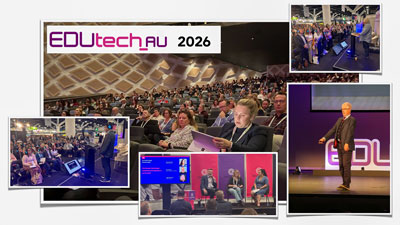
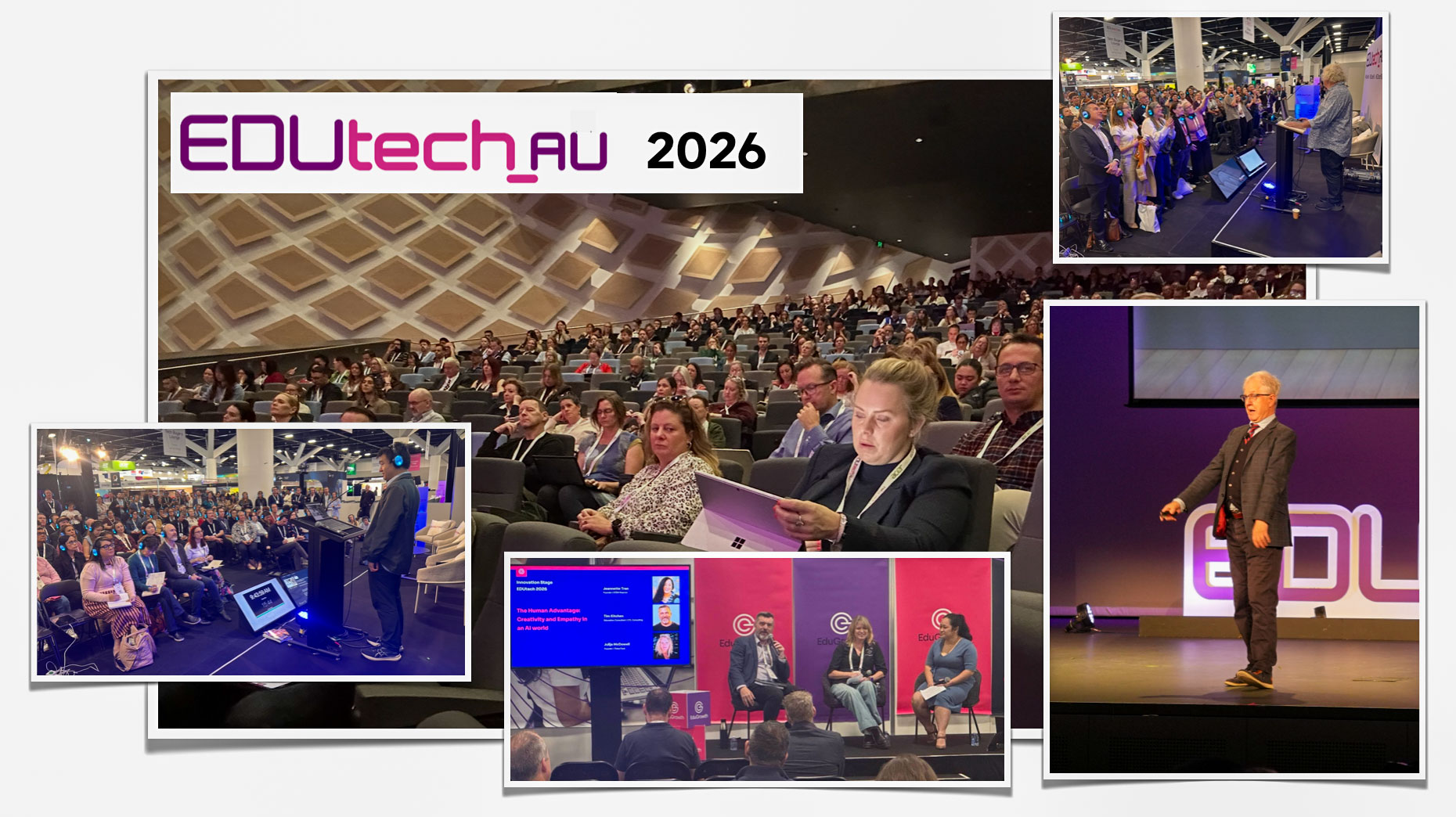
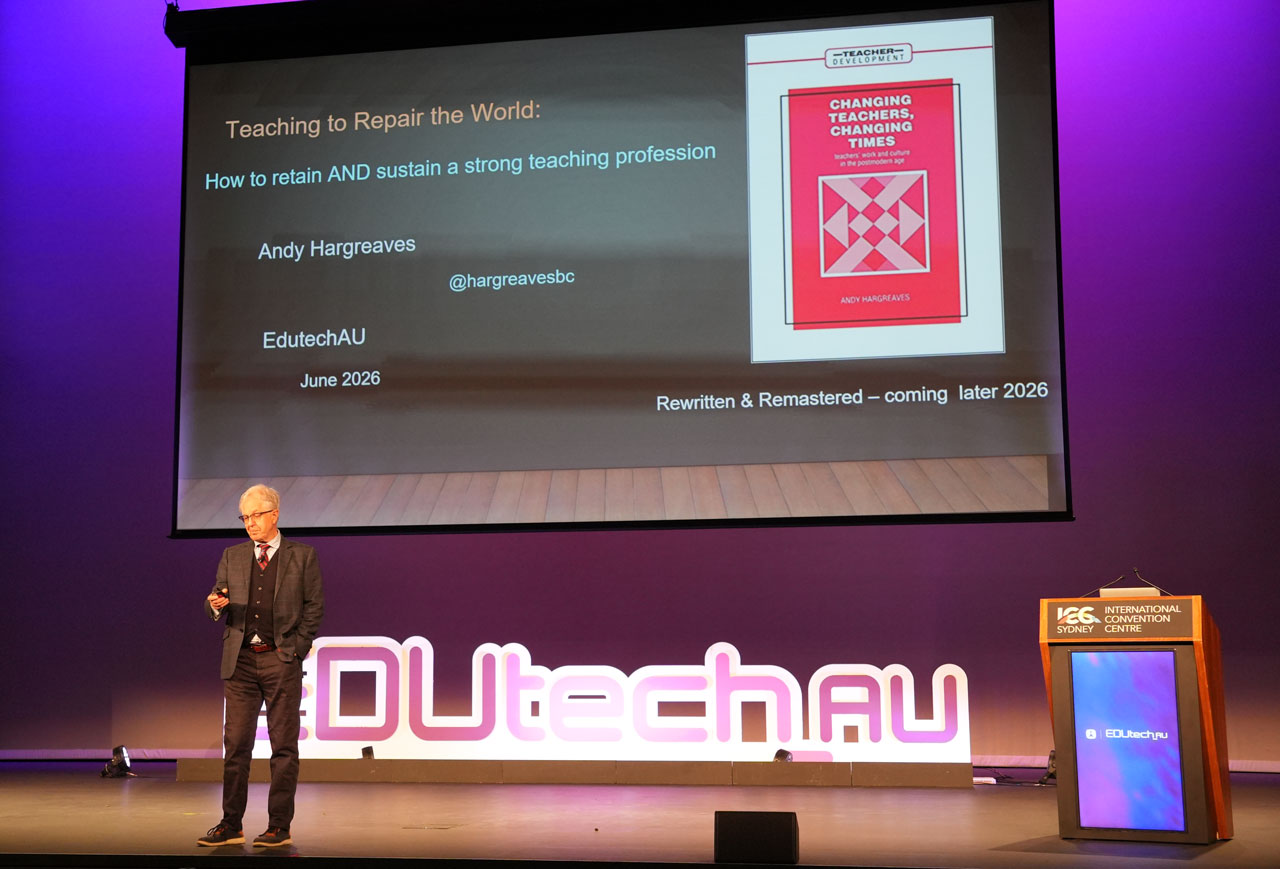
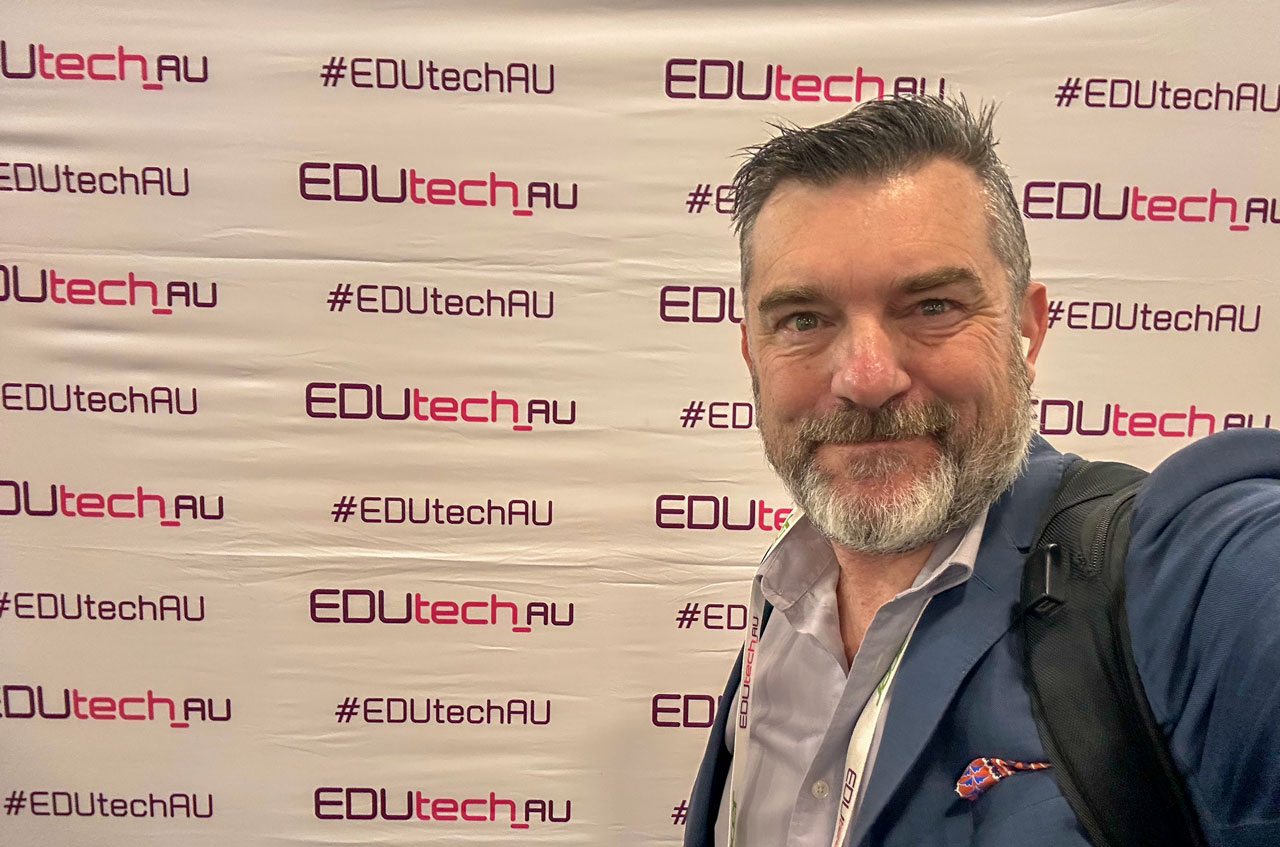
It was inspiring to see about 10,000 passionate educators, school leaders, technology specialists and industry partners at the EDUtech Conference hosted at the Sydney ICC this week (June 3 7 4) who are all working towards a common goal: preparing young people for a rapidly changing world.
Across the conference, one theme kept emerging – the need to move beyond simply adopting new technologies and instead focus on how they can be used to enhance learning, creativity, critical thinking and human connection. As generative AI continues to reshape education, the conversations around safe, ethical and meaningful implementation have never been more important.
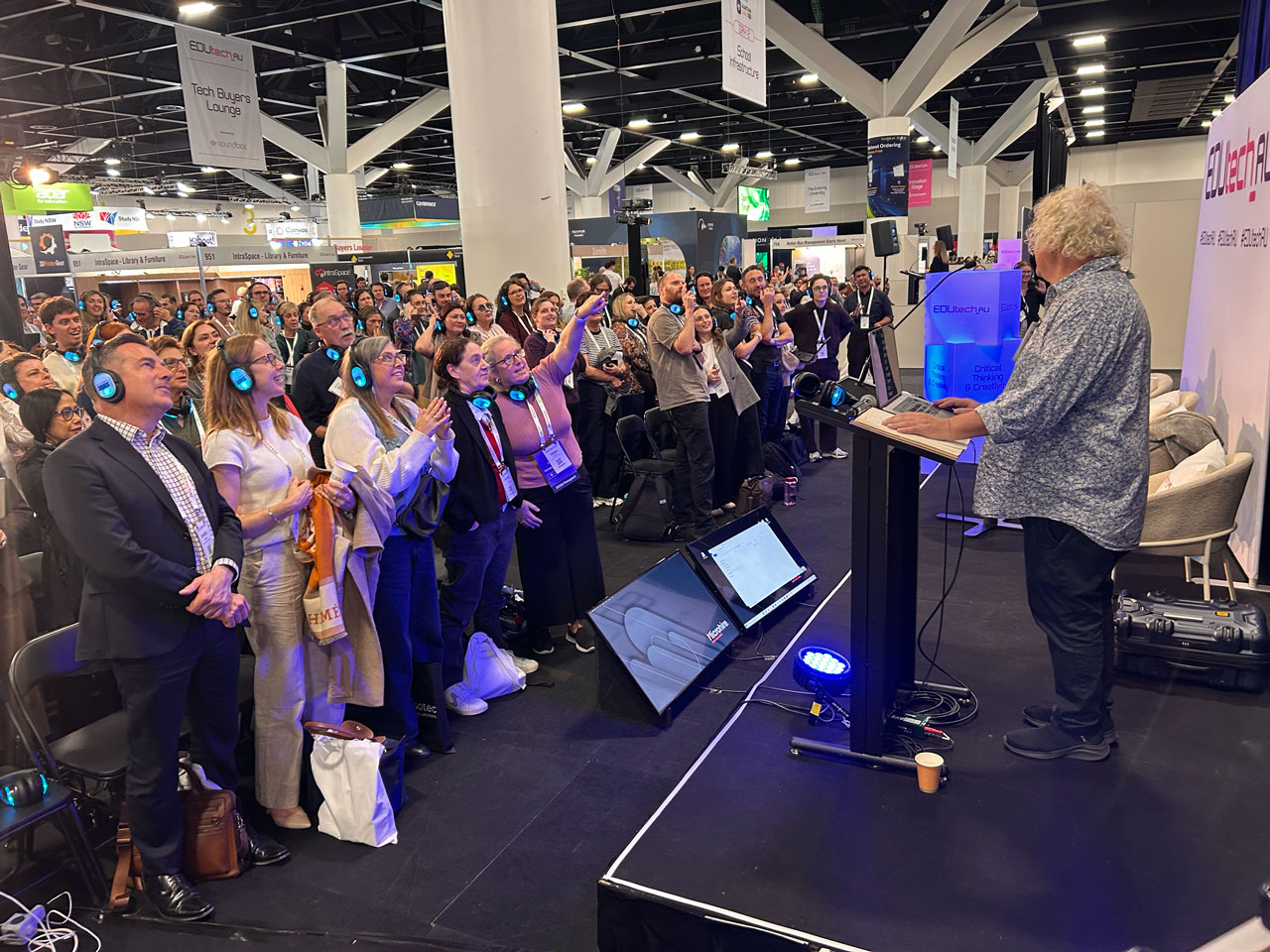
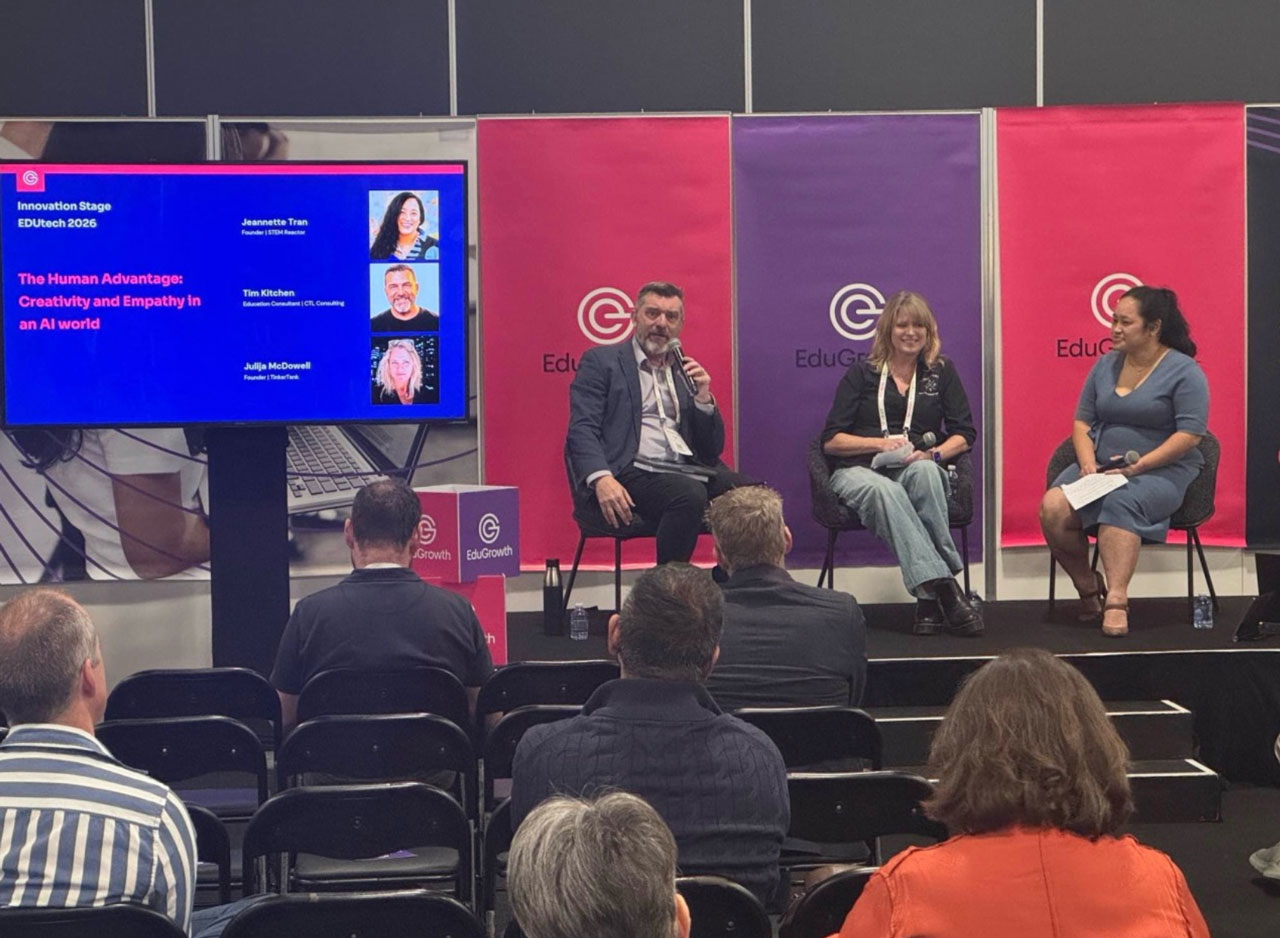
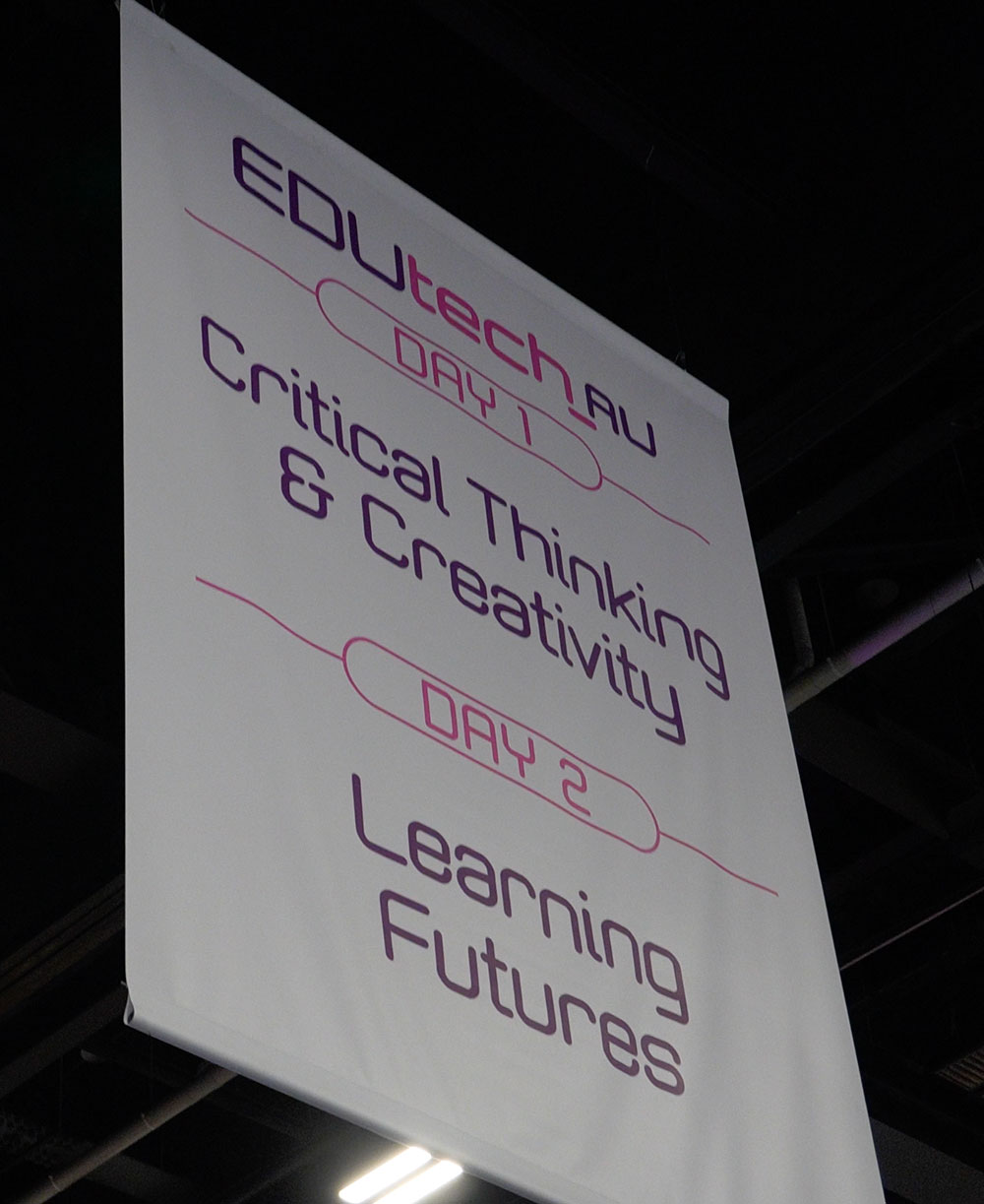
I was very busy throughout this two day event chairing the Critical Thinking & Creativity steam sessions on day 1 and the Future Learning stream on day 2 as well as being on a panel at the EduGrowth Innovation Alley Theater and doing a book signing session.
The opening keynote was presented by Andy Hargreaves who is one of the world’s most influential educational thinkers, renowned for his research into teaching, educational change, leadership and professional collaboration. Best known for his book Changing Teachers, Changing Times, Andy presented the topic Teaching to Repair the World.
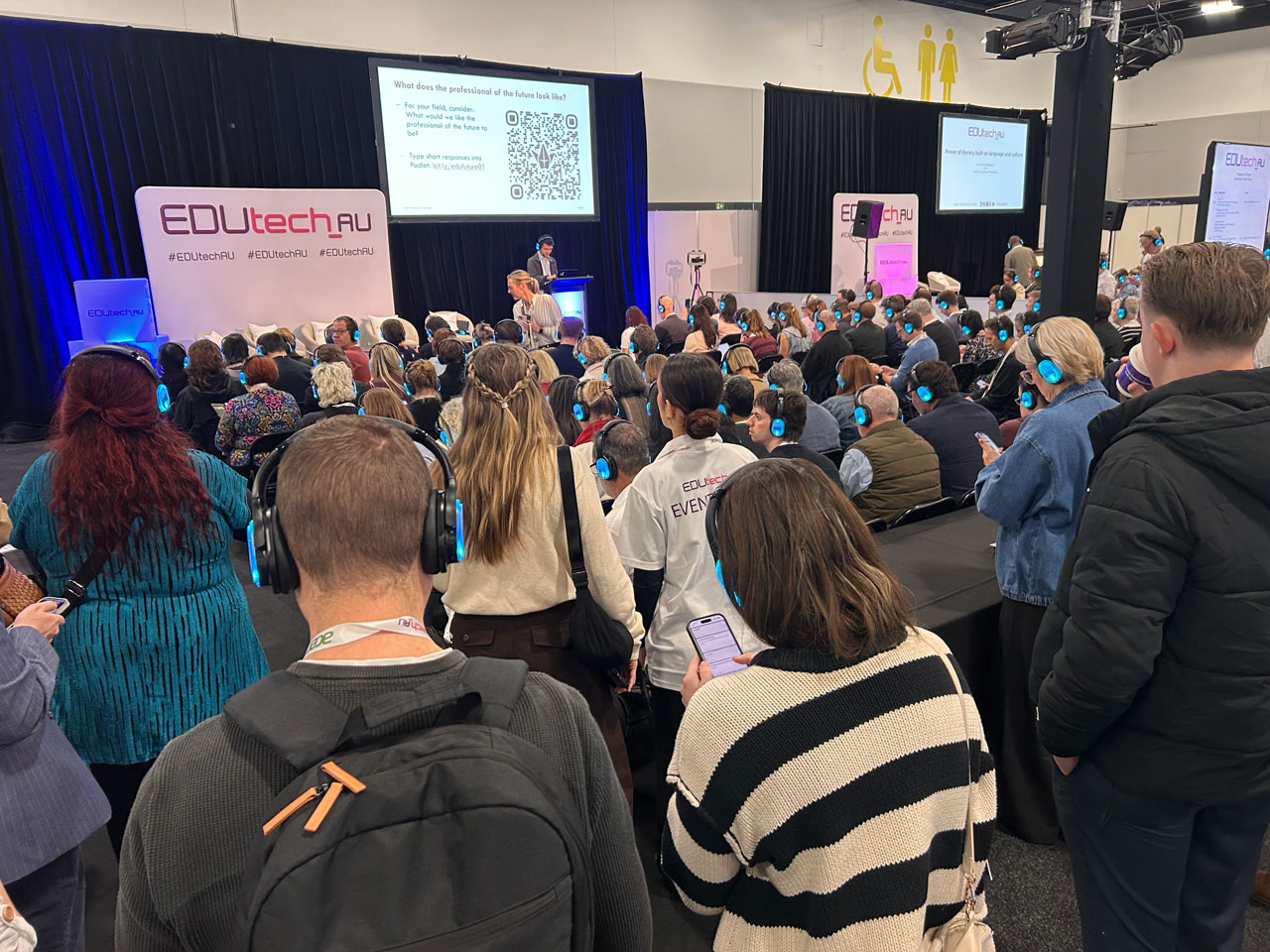
I really enjoyed the opportunity to chair the Critical Thinking & Creativity stream sessions on Day 1 and the Future Learning stream on Day 2.
It was a pleasure to hear from so many educators and professionals who are deeply committed to fostering critical and creative thinking, and to shaping the future of education. The passion, ideas, and conversations throughout the event were both inspiring and encouraging.
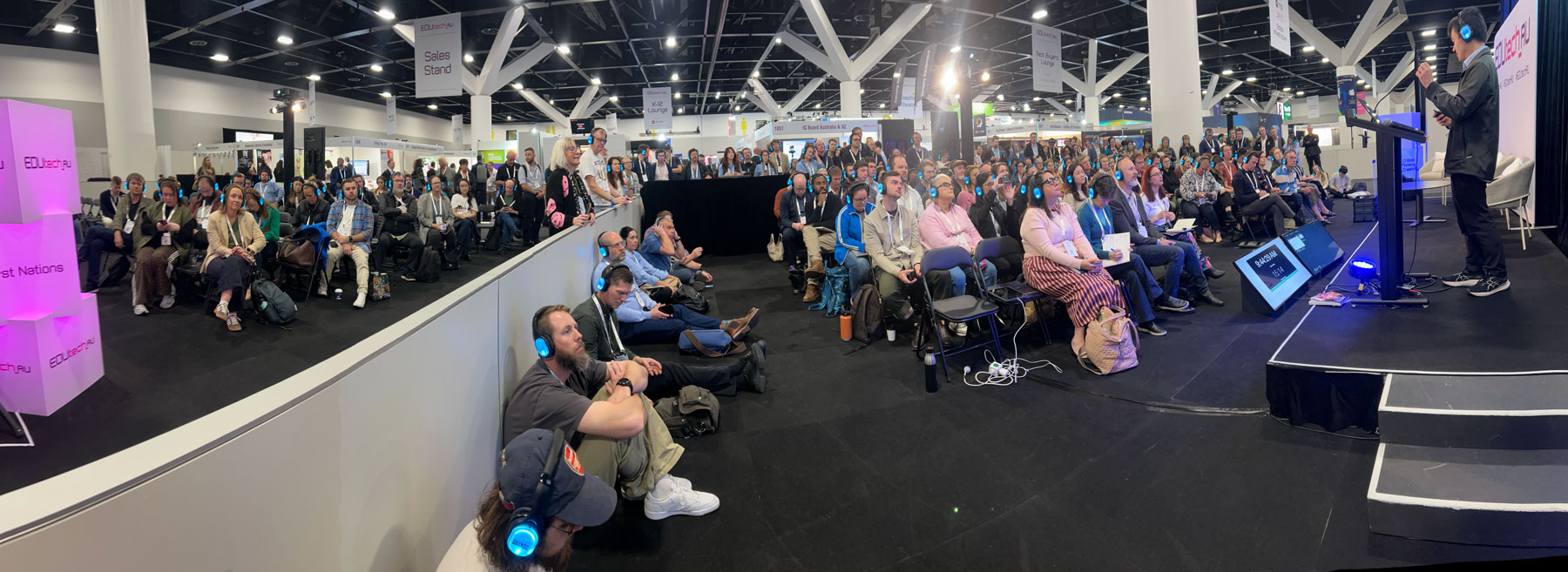
Australian psychologist Dr Andrew Fuller stated the day 1 sessions and Professor Danny Liu commenced the second day proceedings. Both attracted so many attendees our theater overflowed and we ran out of headphones.
Congratulations to the team at Terrapin who always do an amazing job putting this event together each year.
After many years of writing articles, running workshops and speaking with educators around Australia and globally, I’m excited to launch a brand-new podcast/vodcast series largely based on my LinkedIn article series called ‘The Kitchen Think’
I recently added a video to my Top DigiTips for Busy Teachers YouTube playlist titled – Who’s watching your AI conversations? – Managing AI Model Training Features.
This is a quick guide on how to turn off AI model training features in ChatGPT, Copilot and Gemini. It goes through why these privacy settings matter for protecting student data, assessment content and responsible AI use, while remembering that no AI tool is completely risk-free.
The full Top DigiTips for Busy Teachers playlist is available here.
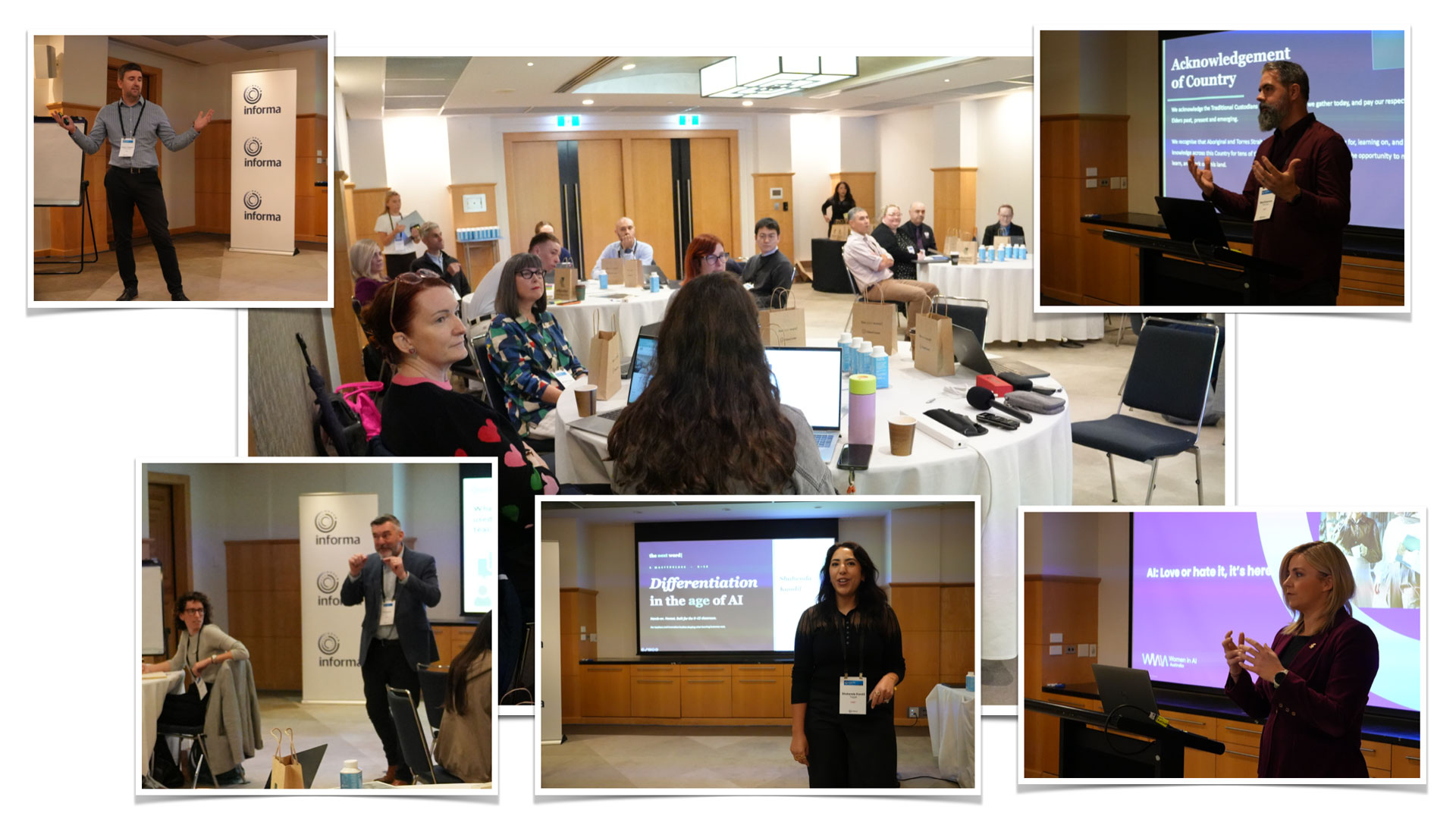
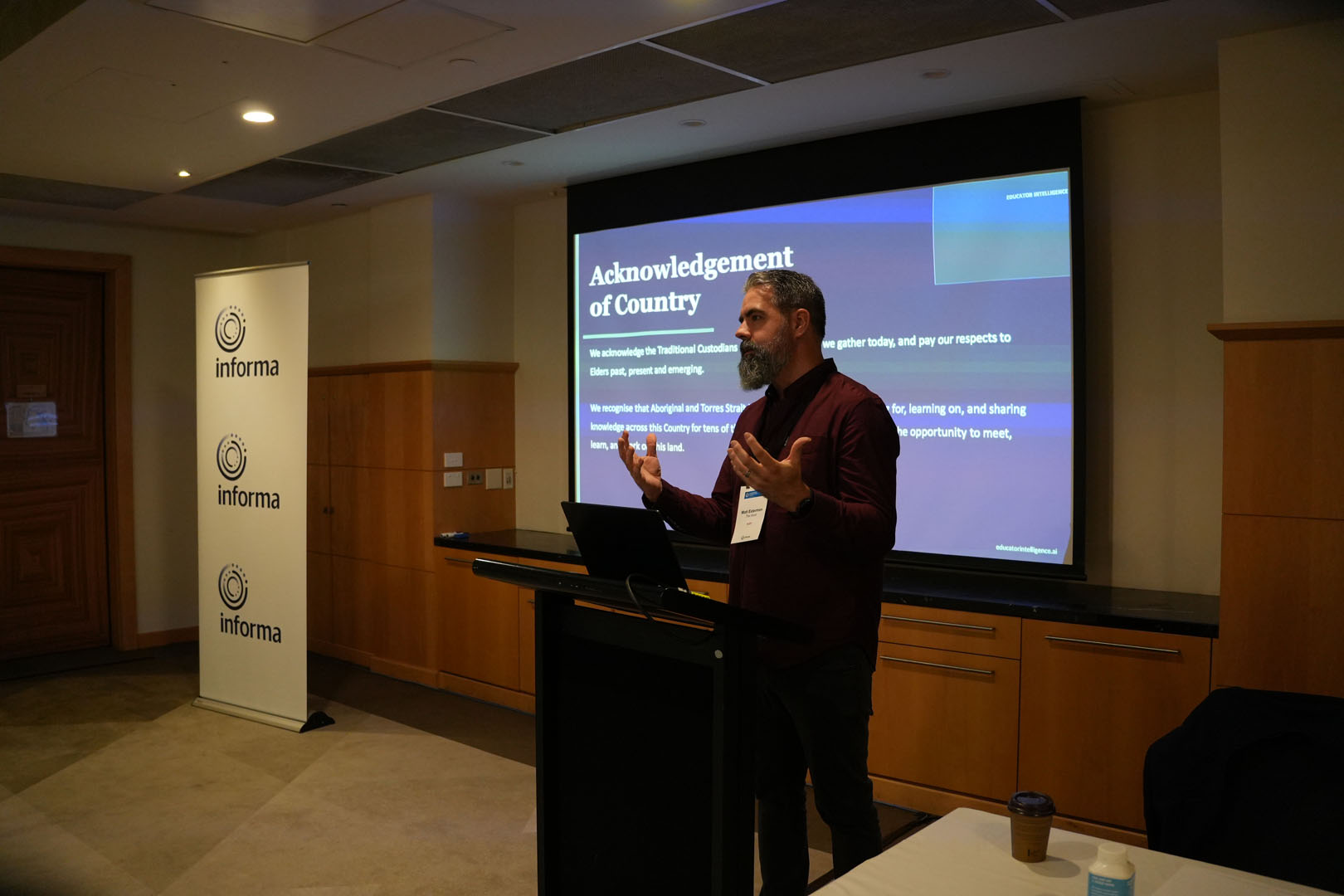
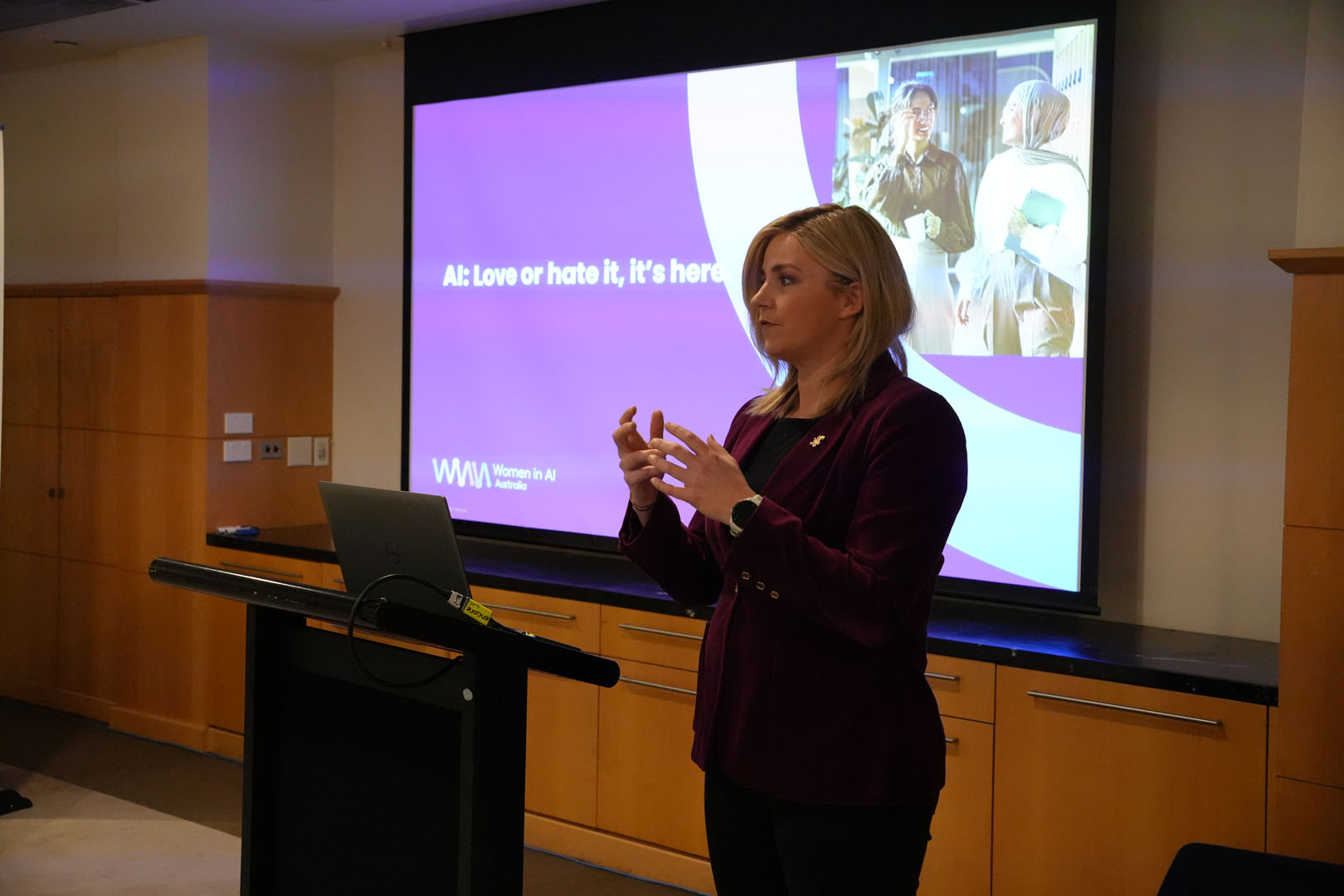
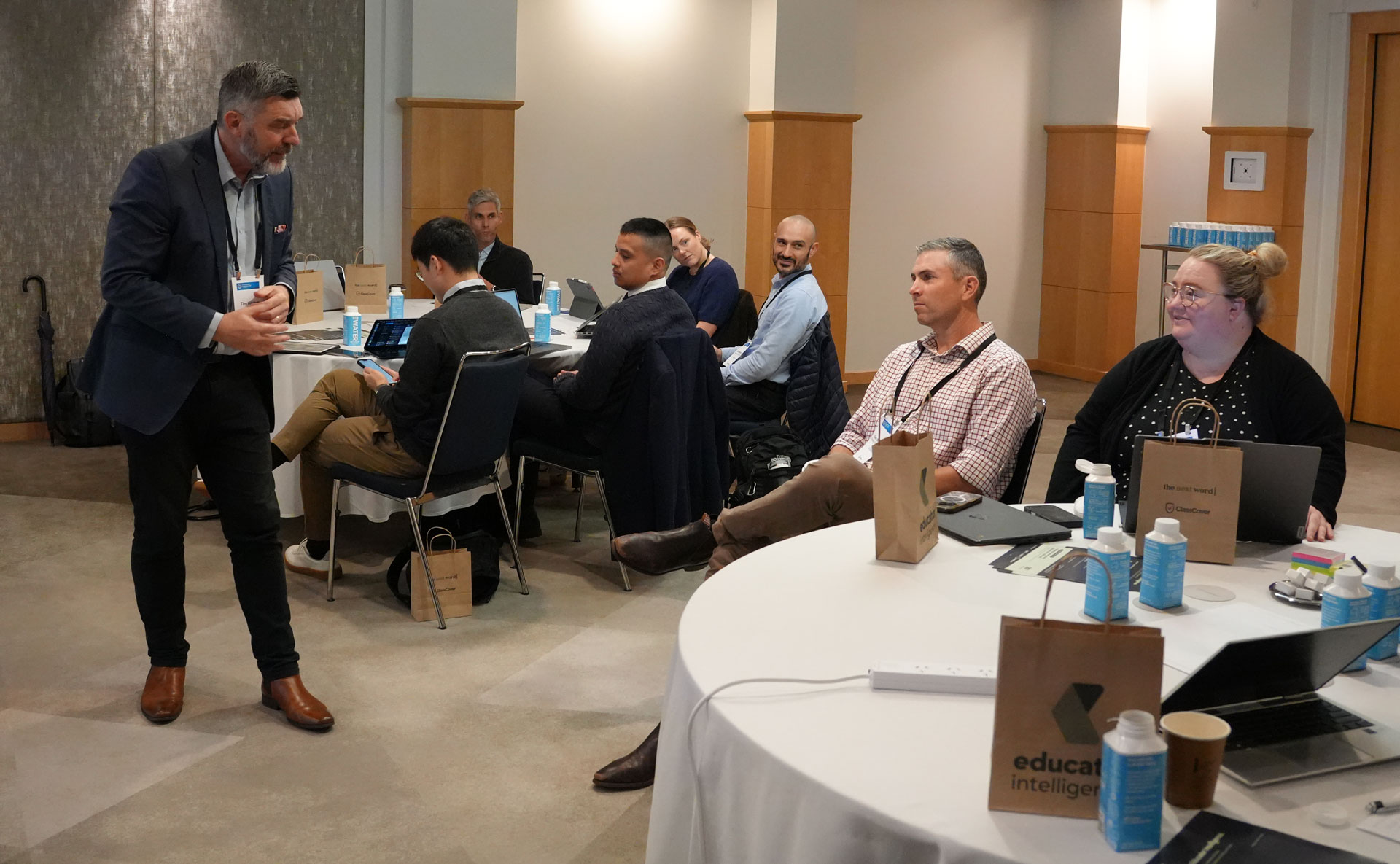
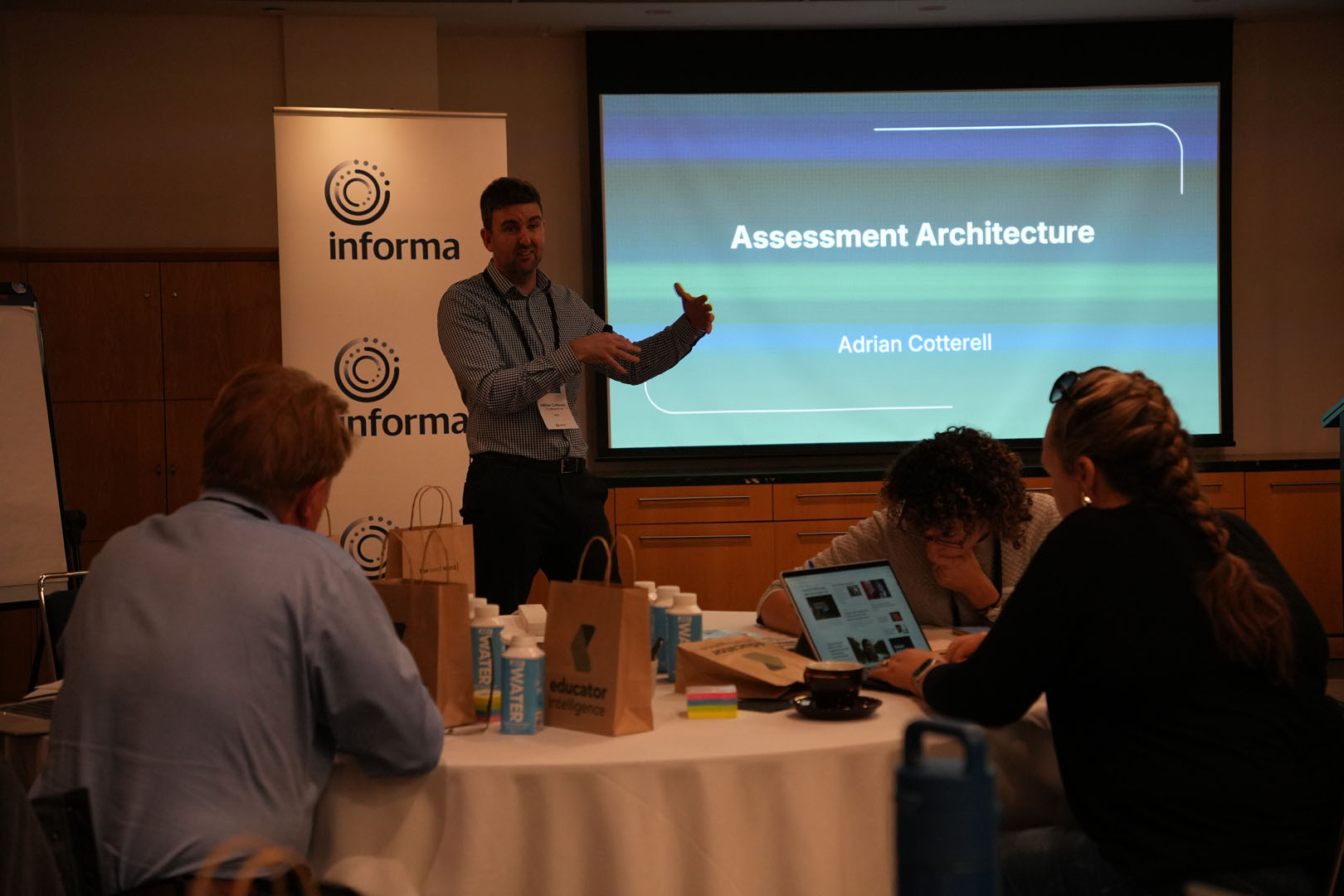
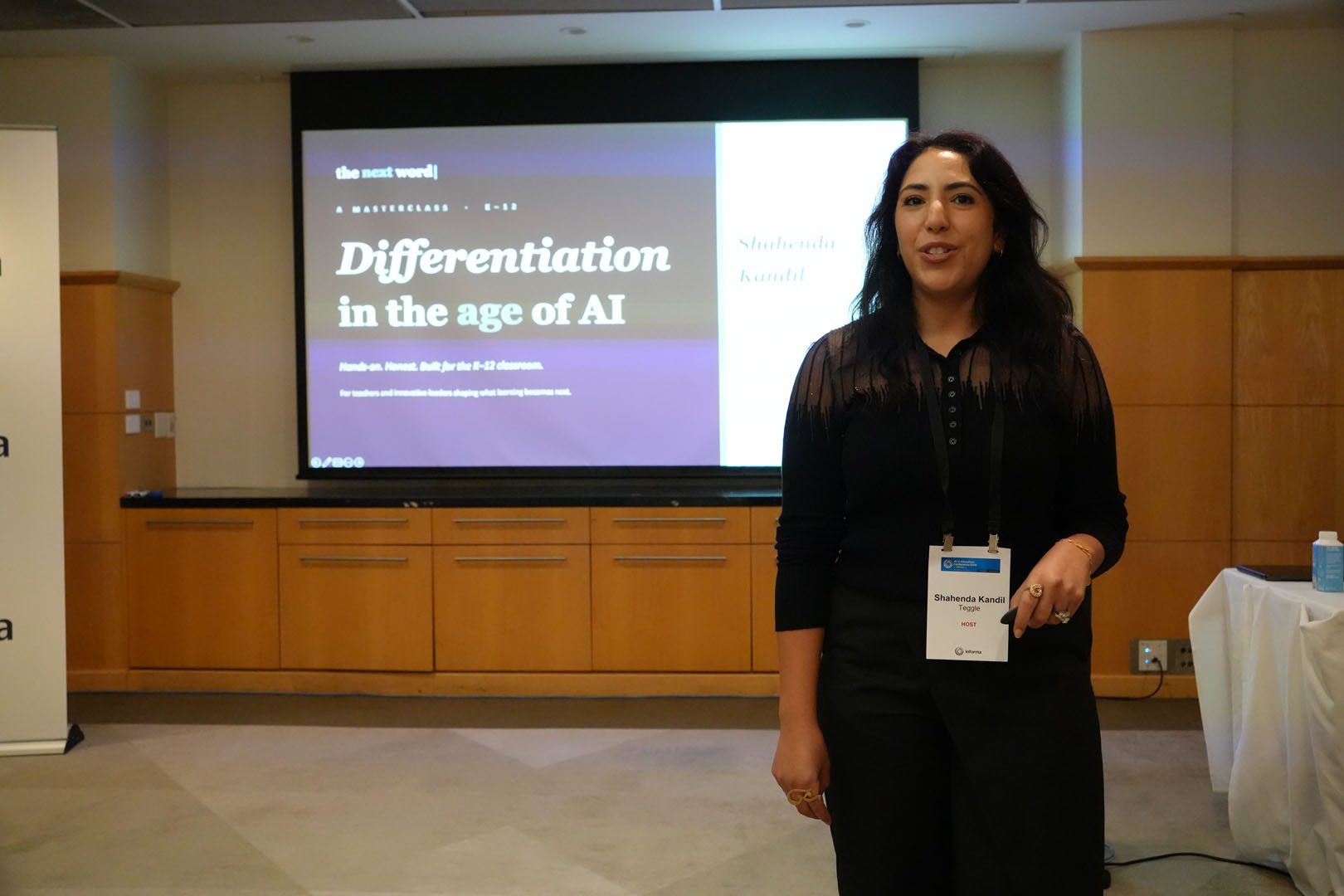
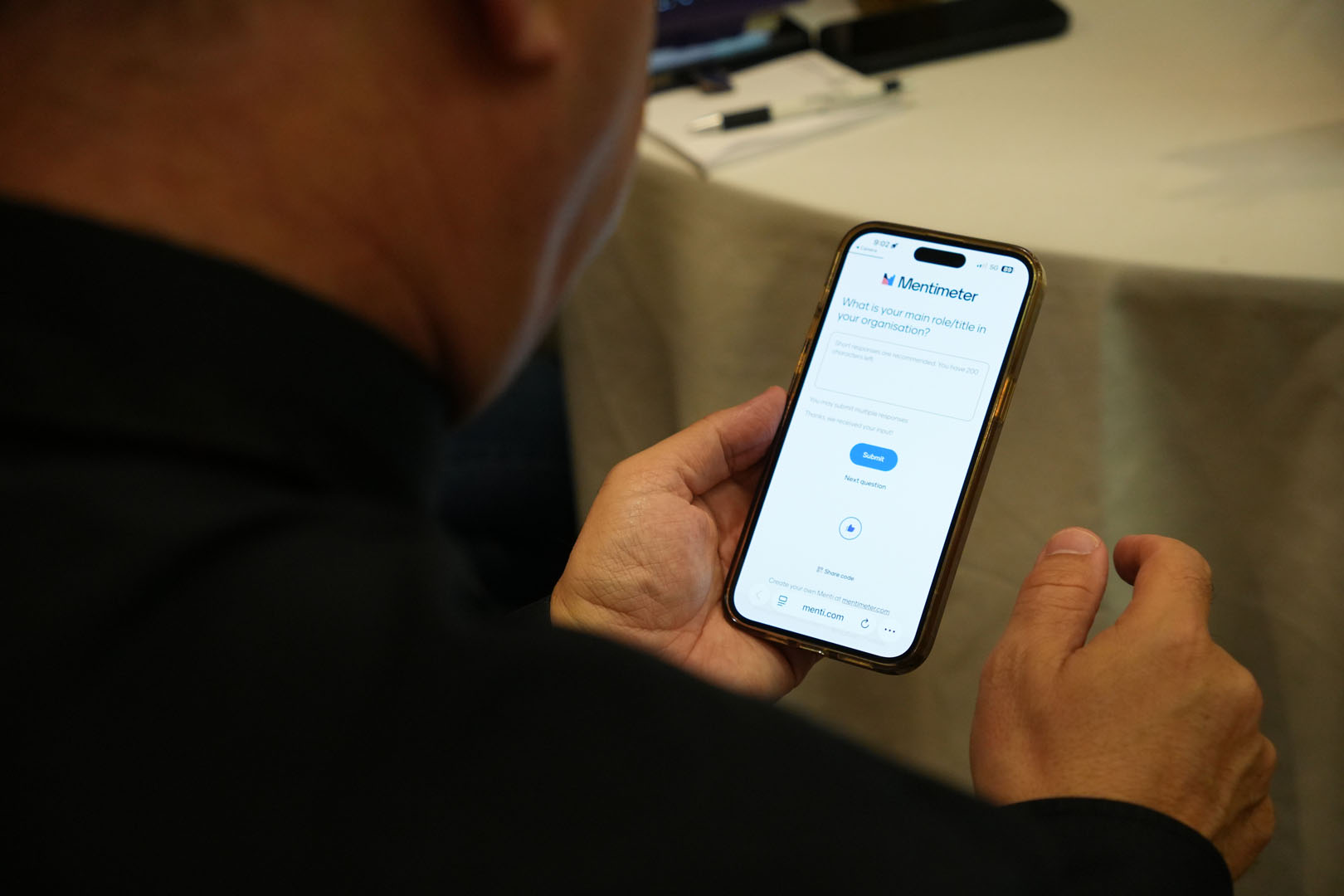
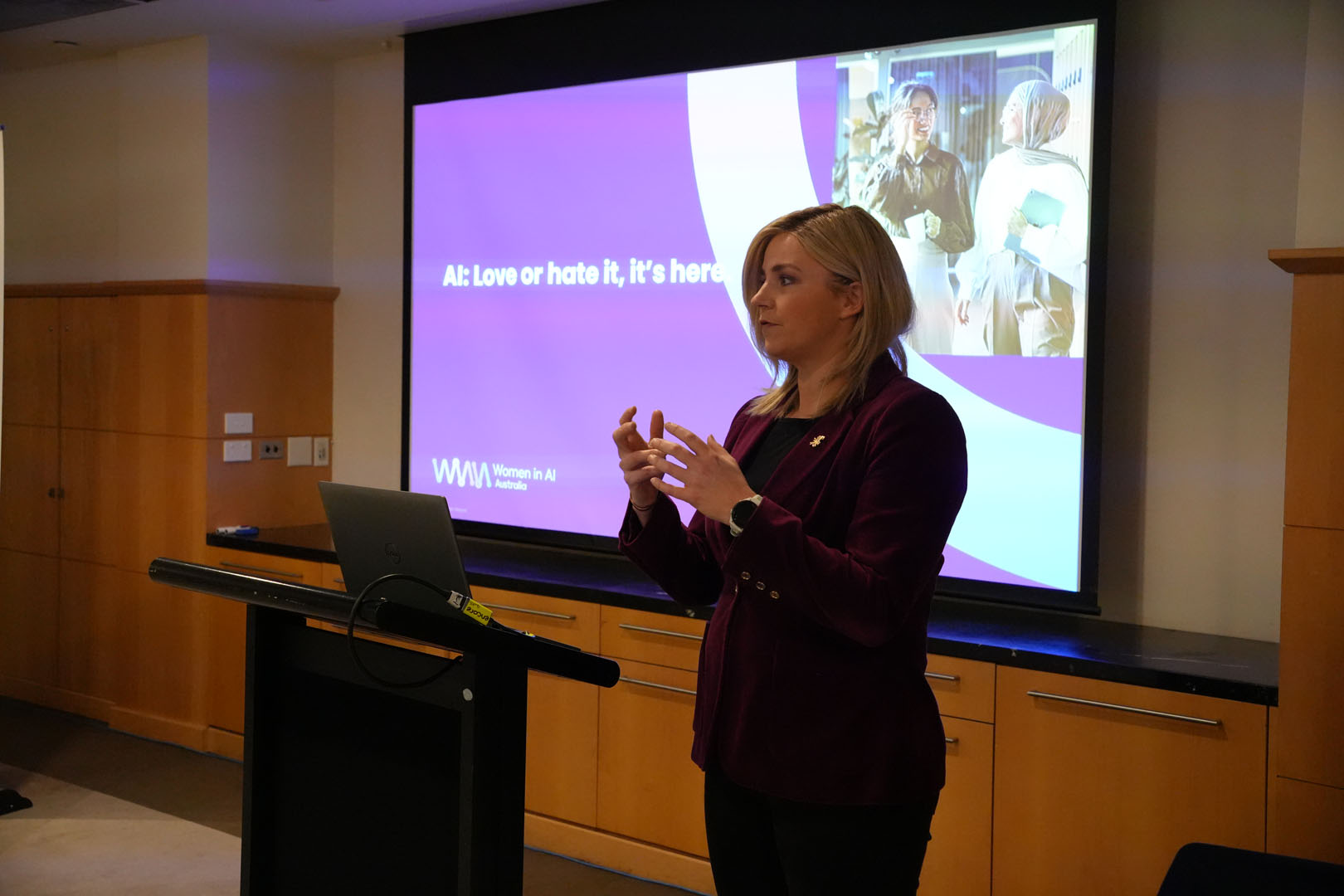
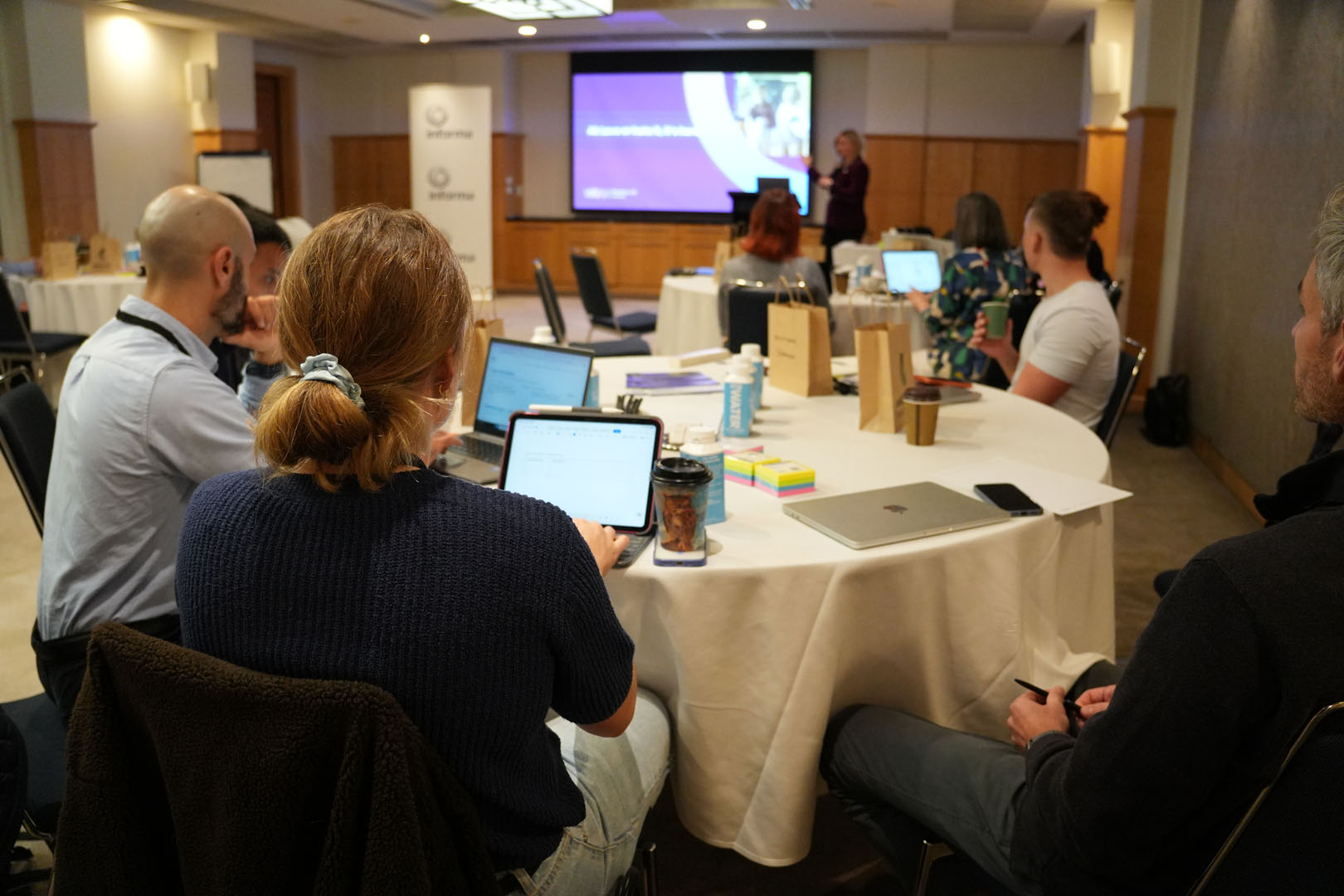
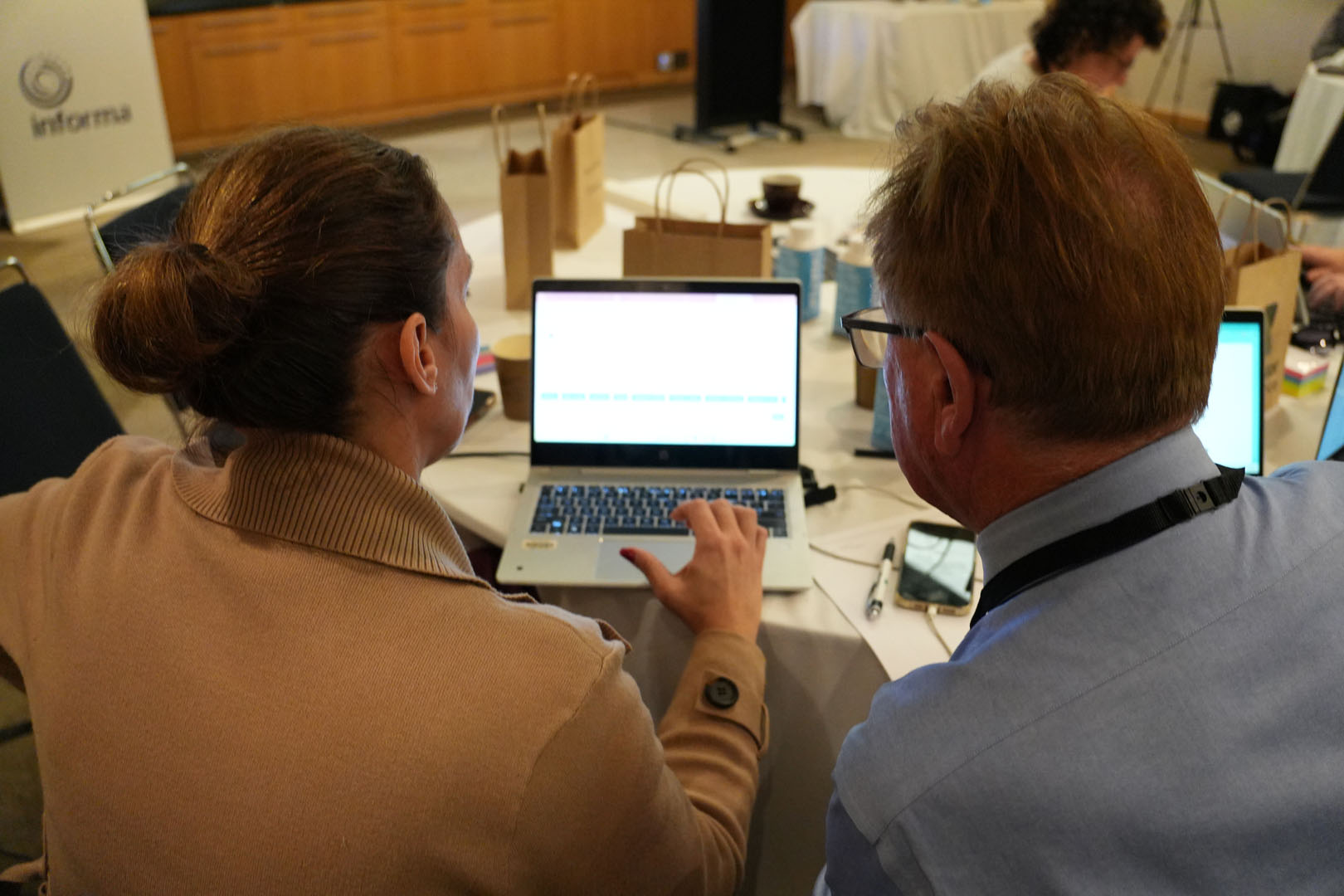
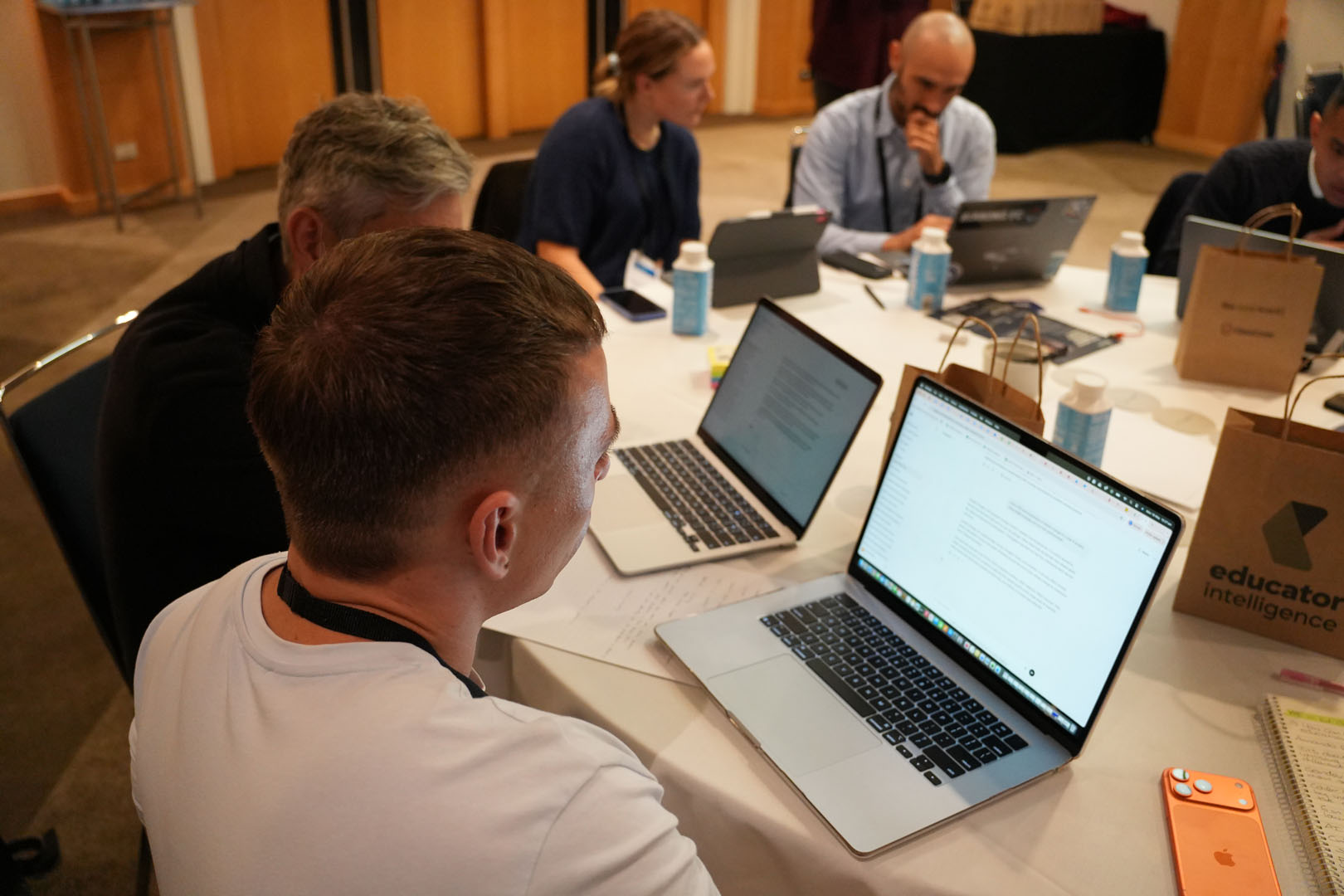
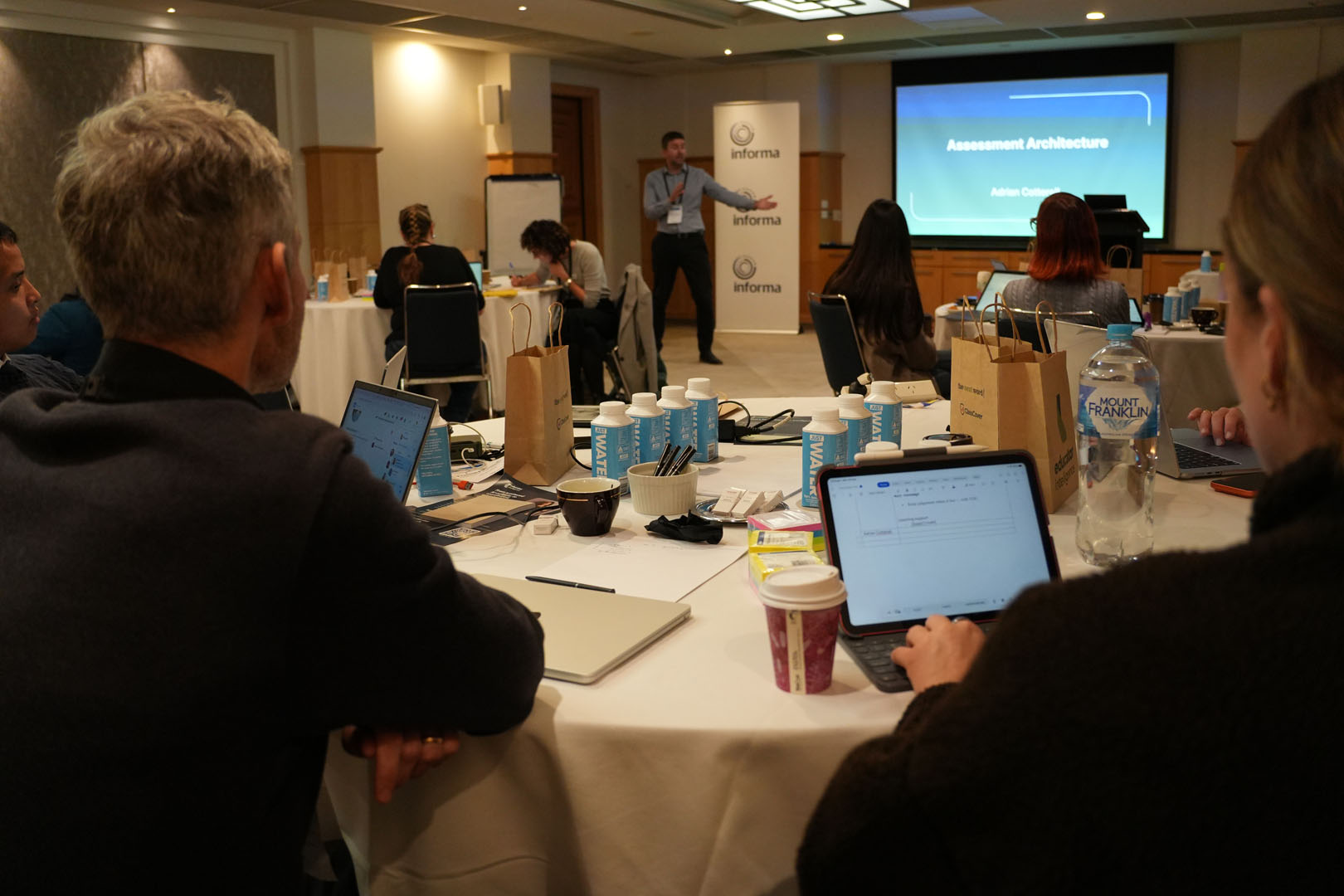
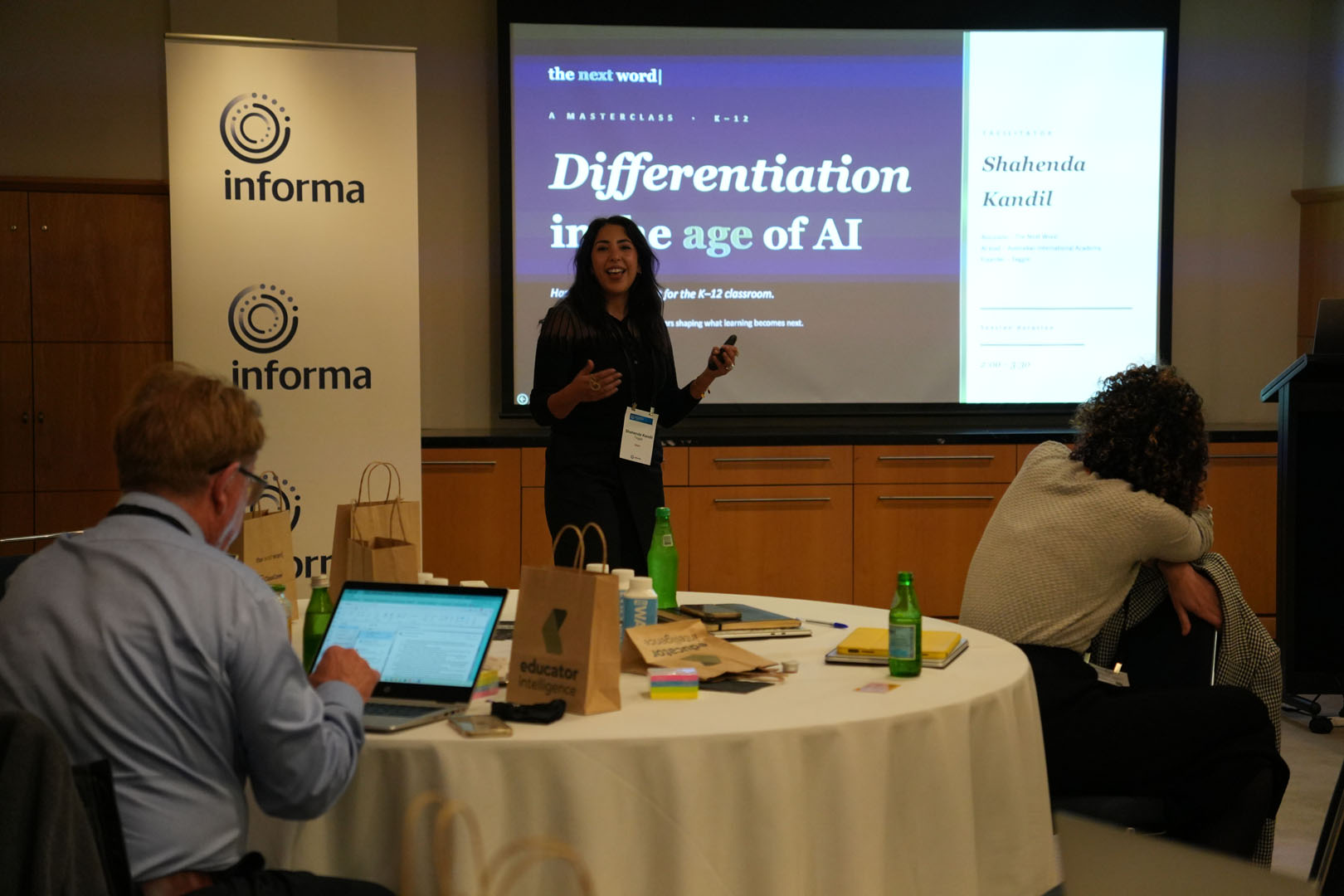
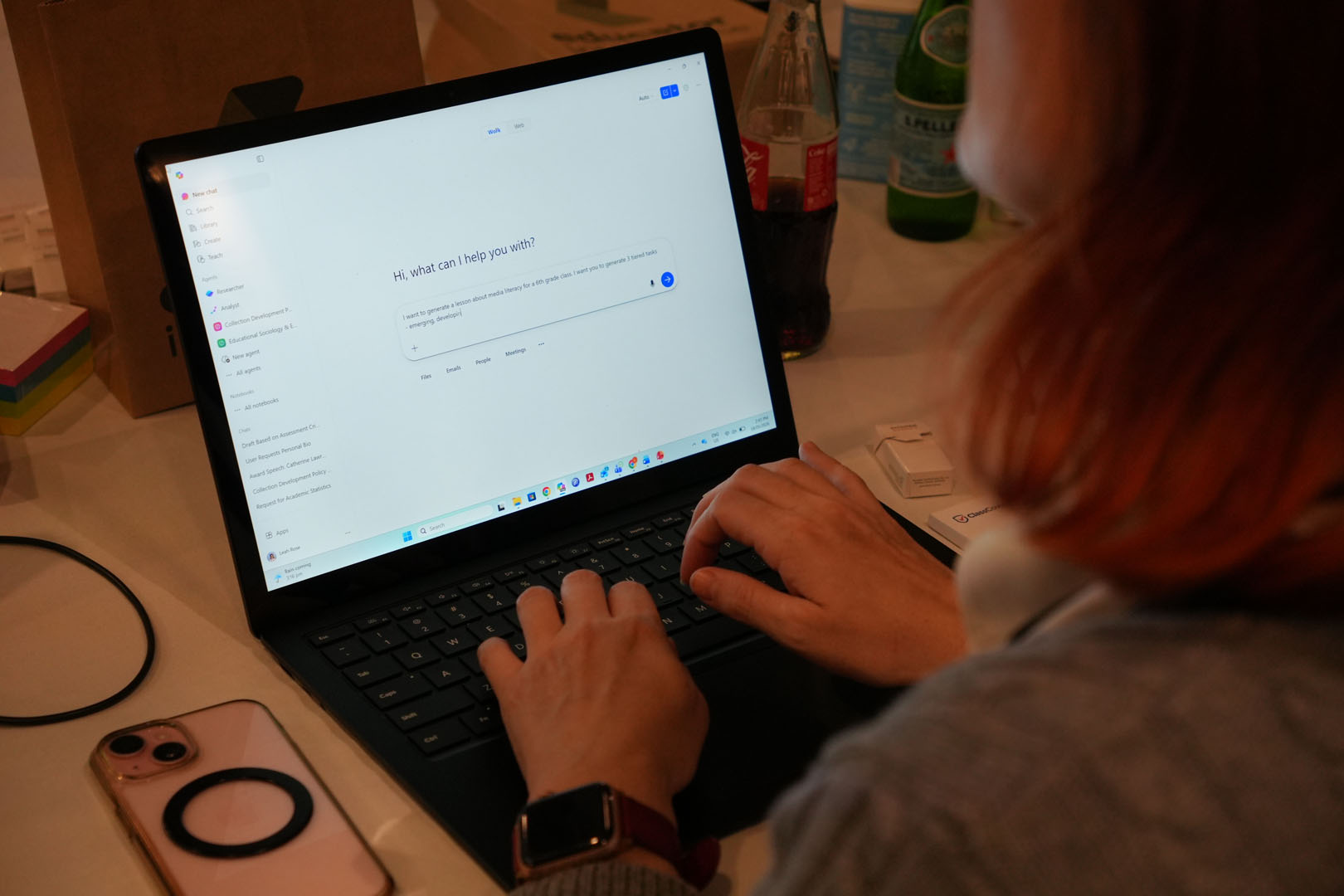
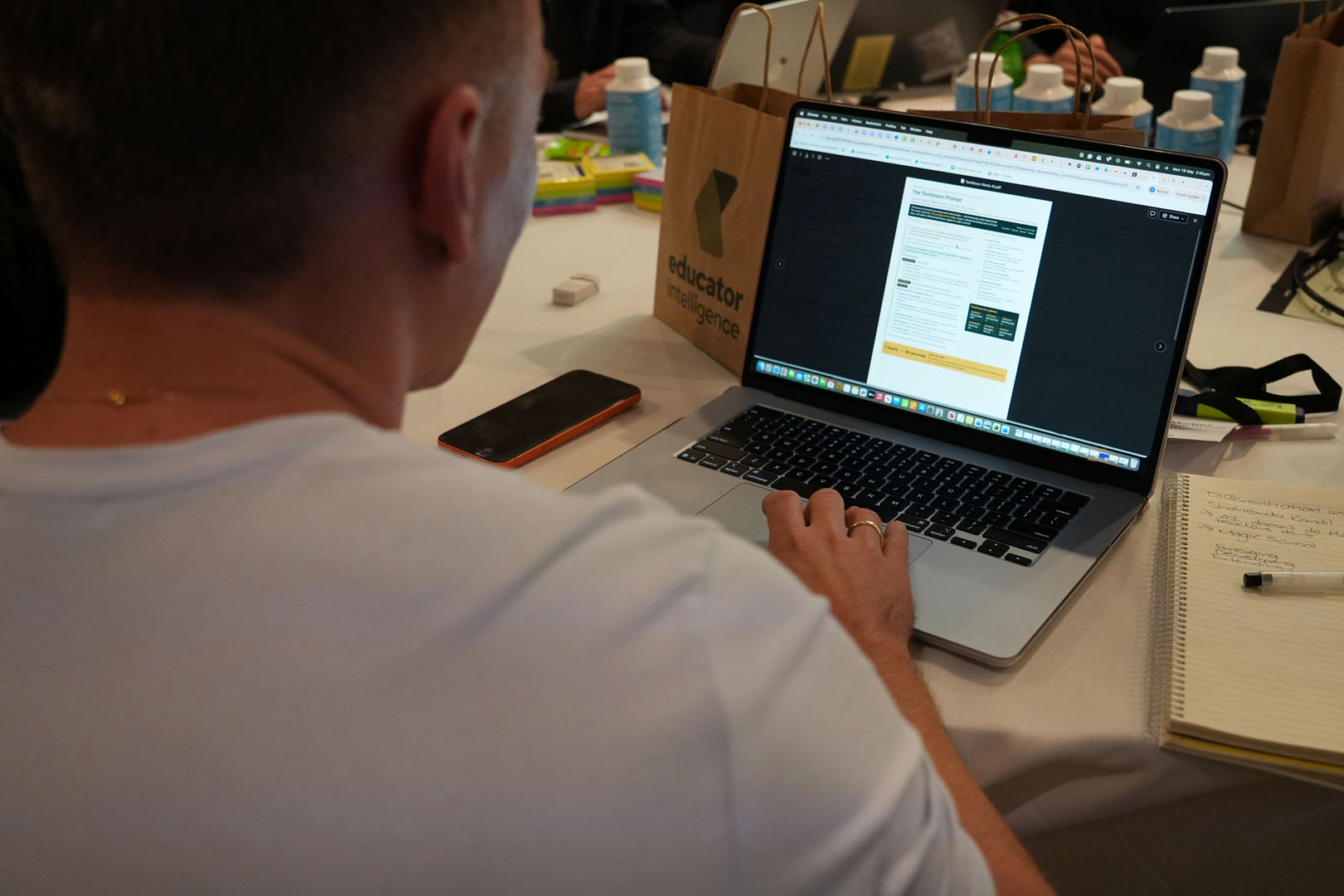
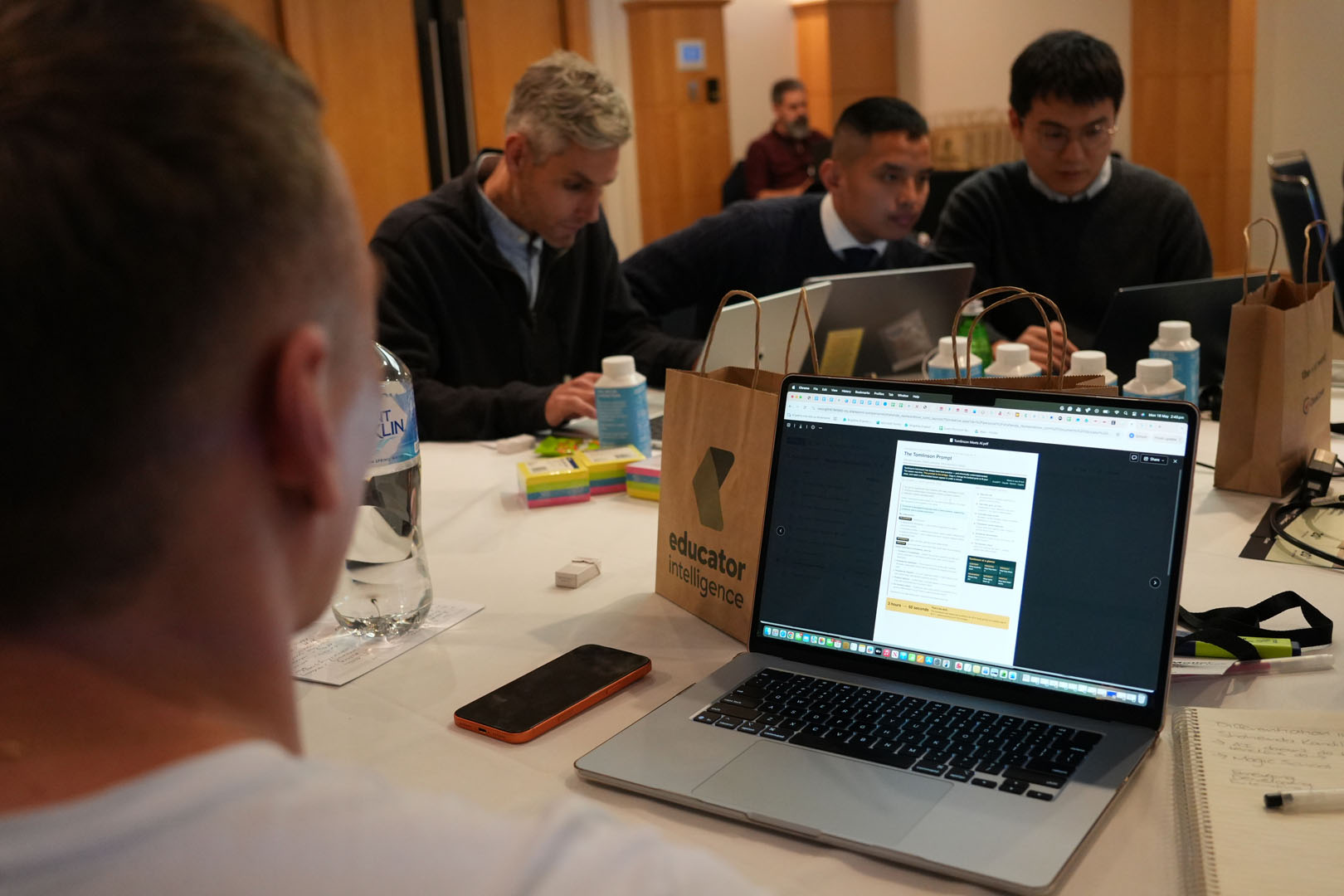
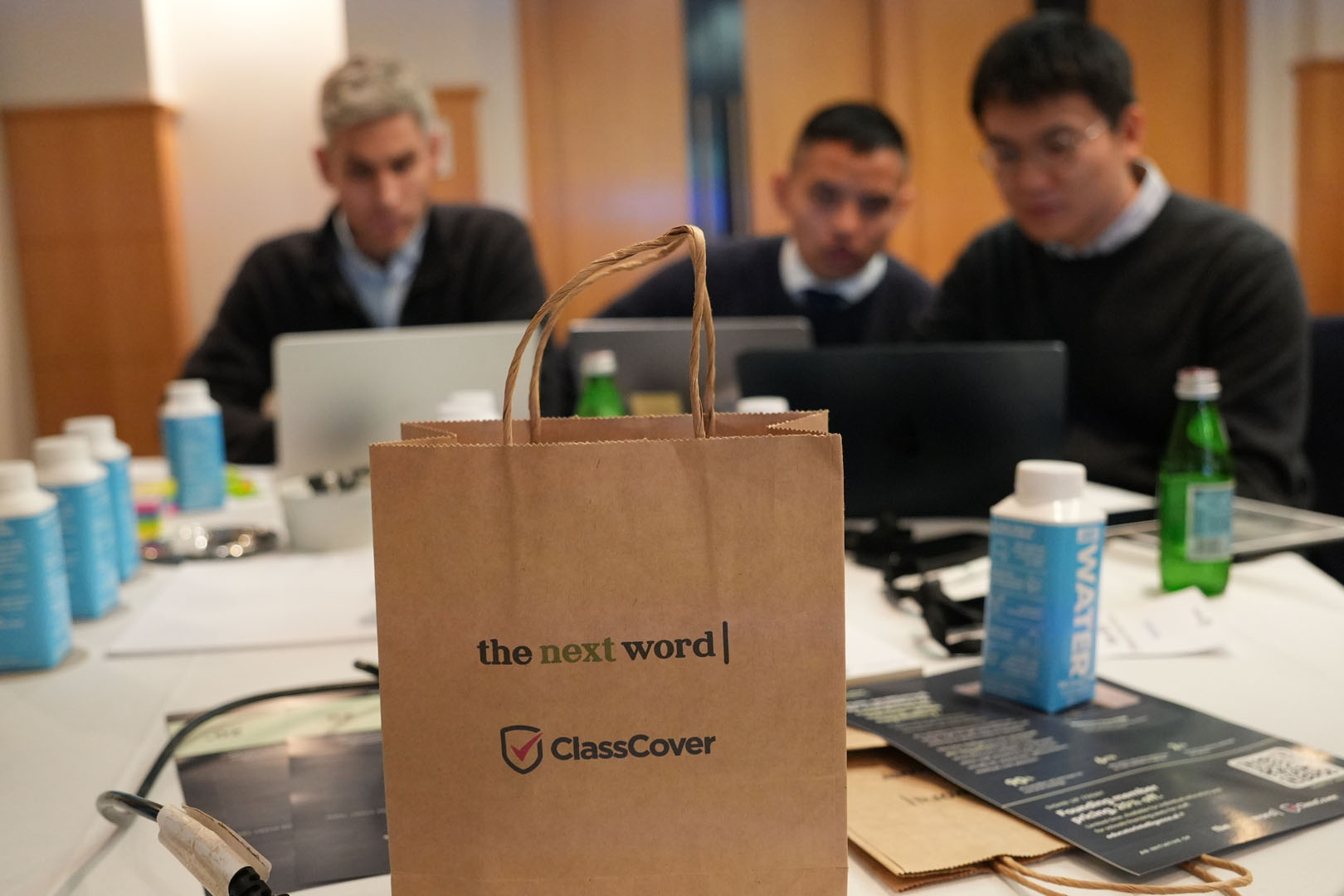
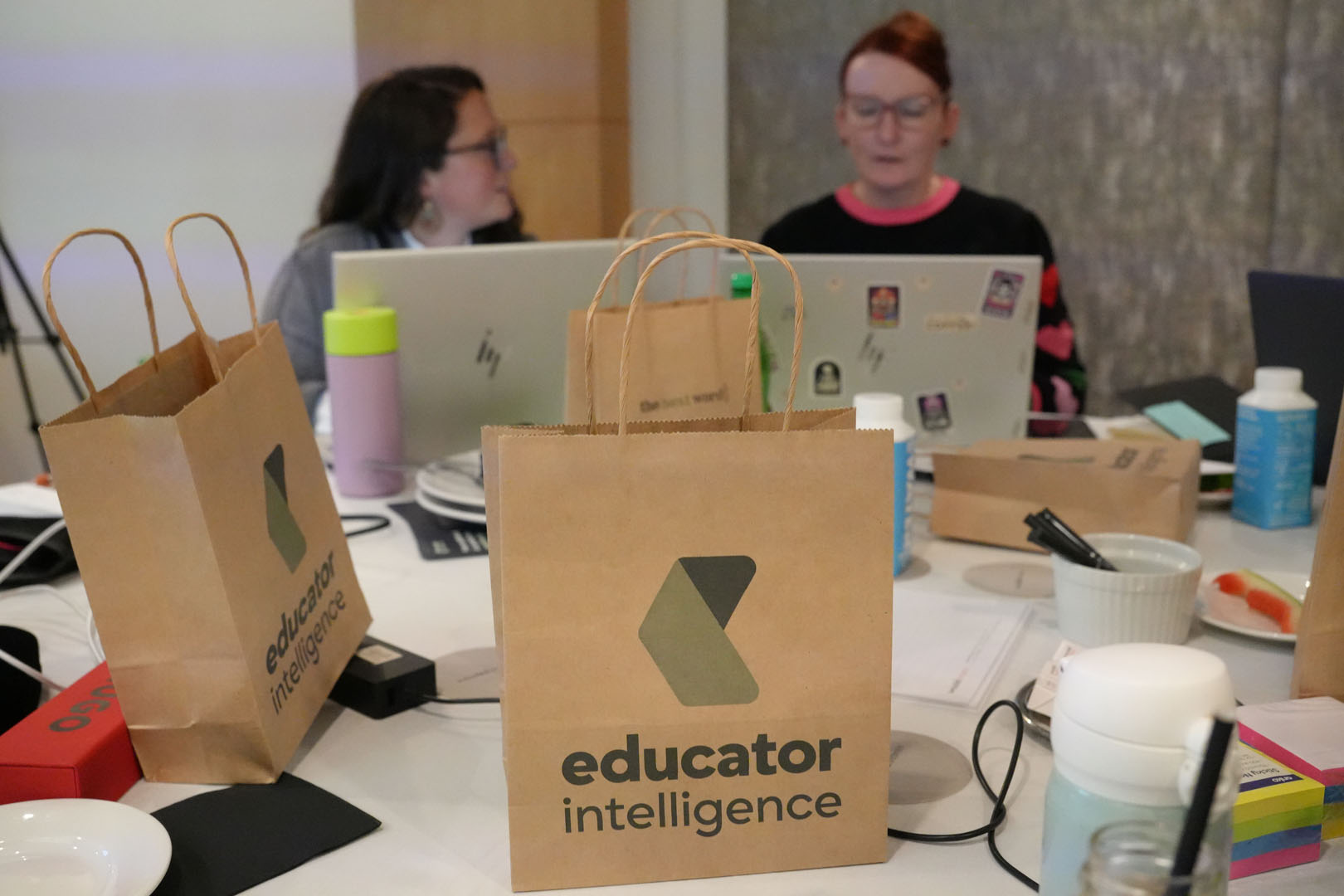
The Informa AI in Education Pre-Conference Masterclass (New South Wales) was held on Monday 18th May 2026 at the luxurious Swissôtel in Sydney. It brought together a passionate group of 25 school leaders and teachers from across New South Wales for a day of deep thinking, practical workshops and collaborative conversations about the future of AI in education. Hosted by the amazing Matt Esterman (from The Next Word and the new Educator Intelligence), the masterclass created a valuable space for educators and leaders to move beyond the hype and explore what meaningful, ethical and sustainable AI integration can actually look like in schools.
Rather than focusing on AI as simply another digital trend, the day centred on a far more important question: how can educators harness AI in ways that genuinely enhance teaching, learning and human capability?
Amanda Rose (Founder & CEO, Western Sydney Women), explored why AI literacy is now becoming a core capability for every educator. Amanda challenged participants to move from simple awareness of AI tools towards meaningful action and implementation. Her session encouraged educators to collaborate with industry and think critically about the role everyone plays in guiding students through an increasingly AI-rich world.
Dr Tim Kitchen led an interactive workshop titled AI First Aid – A 101 on Generative AI for Educators. Designed for educators either starting their AI journey or looking to strengthen their foundational understanding, the workshop covered core concepts behind generative AI, responsible and ethical use principles, practical prompting techniques, and strategies for building a personalised AI toolkit. Participants explored a range of tools hands-on and left with their own personal AI use protocol, a practical framework to guide safe, ethical and effective use of AI in their professional context.
Assessment redesign was another major focus of the day, with Adrian Cotterell from Thinking Mode presenting a highly practical workshop on redesigning assessment for an AI-enabled world. Participants worked through a structured framework to audit existing assessment tasks and rebuild them using principles of authenticity, process visibility and AI resilience. The workshop reinforced a growing reality in education, that assessment must increasingly prioritise critical thinking, creativity, reflection and evidence of learning processes, not simply final products.
The final workshop from Shahenda Kandil (founder of Teggie) explored how AI can support the personalisation of learning at scale. Through hands-on activities, participants developed differentiated resources, scaffolds and learning pathways using AI-supported workflows and protocols. Importantly, the session maintained a strong focus on ensuring that AI-supported personalisation still respects the diverse needs, backgrounds and capabilities of learners.
Across the day, one message became increasingly clear: while AI tools are evolving rapidly, the human side of education has never been more important. Critical thinking, ethical judgement, creativity, empathy and relationship-building remain at the heart of effective teaching and learning. The masterclass highlighted that successful AI integration is not about replacing educators, but about empowering them with better tools, stronger understanding and clearer frameworks.
The energy and openness of the participating school leaders also stood out. There was a strong sense that schools are actively searching for balanced, practical and ethical approaches to AI adoption, approaches that enhance learning opportunities while protecting the human relationships and critical thinking skills that education depends on.
As schools continue navigating the opportunities and challenges presented by generative AI, events like this masterclass play an increasingly important role in helping educators move from uncertainty to informed action.
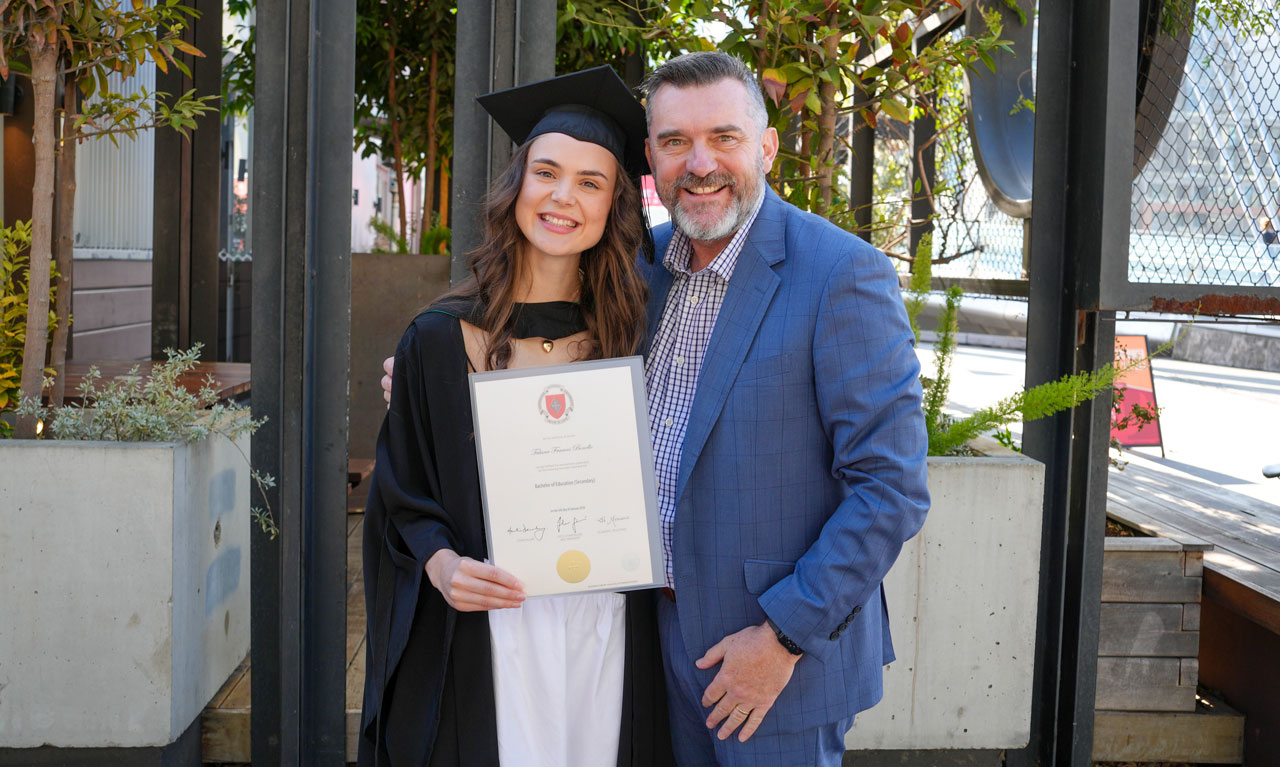
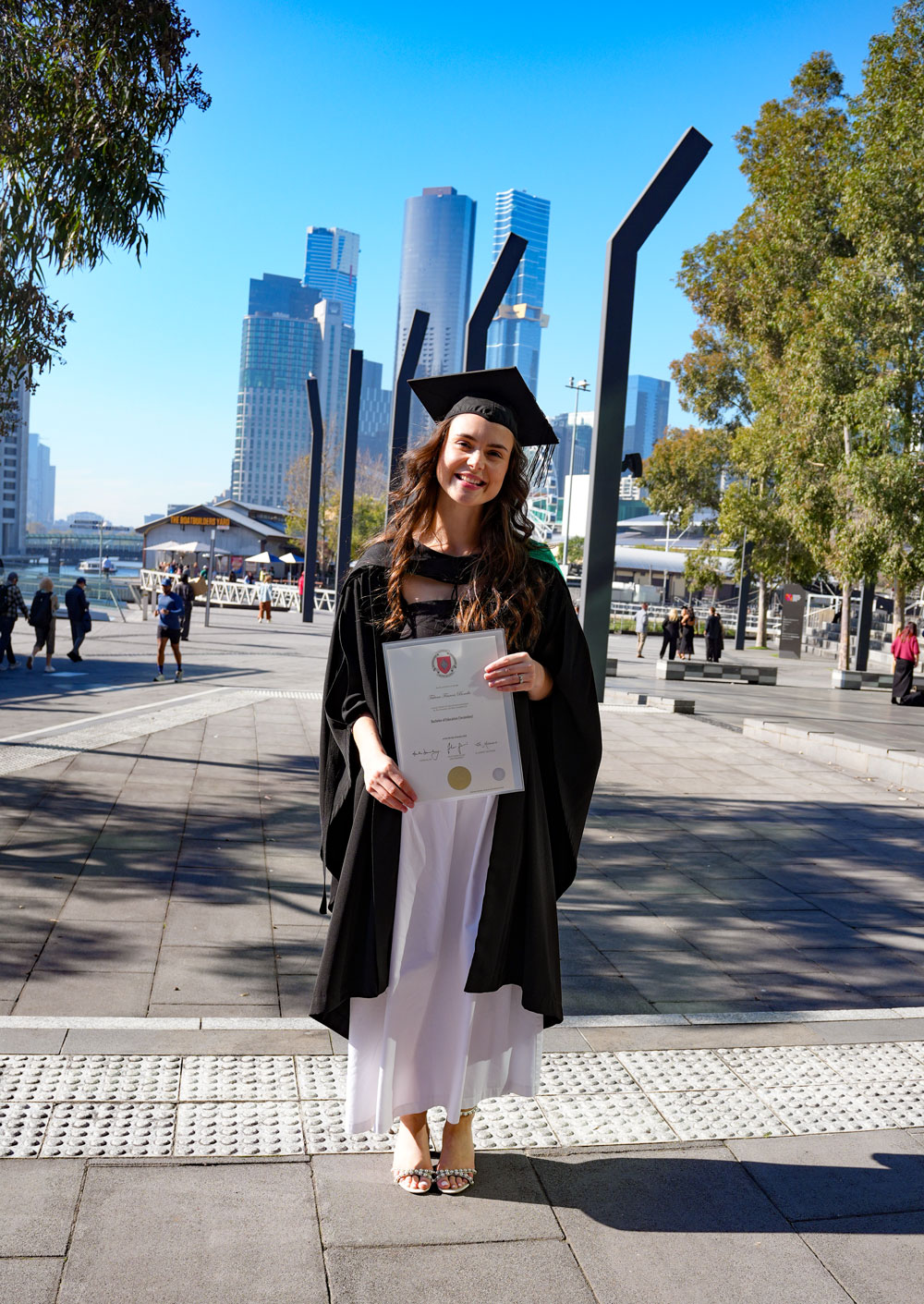
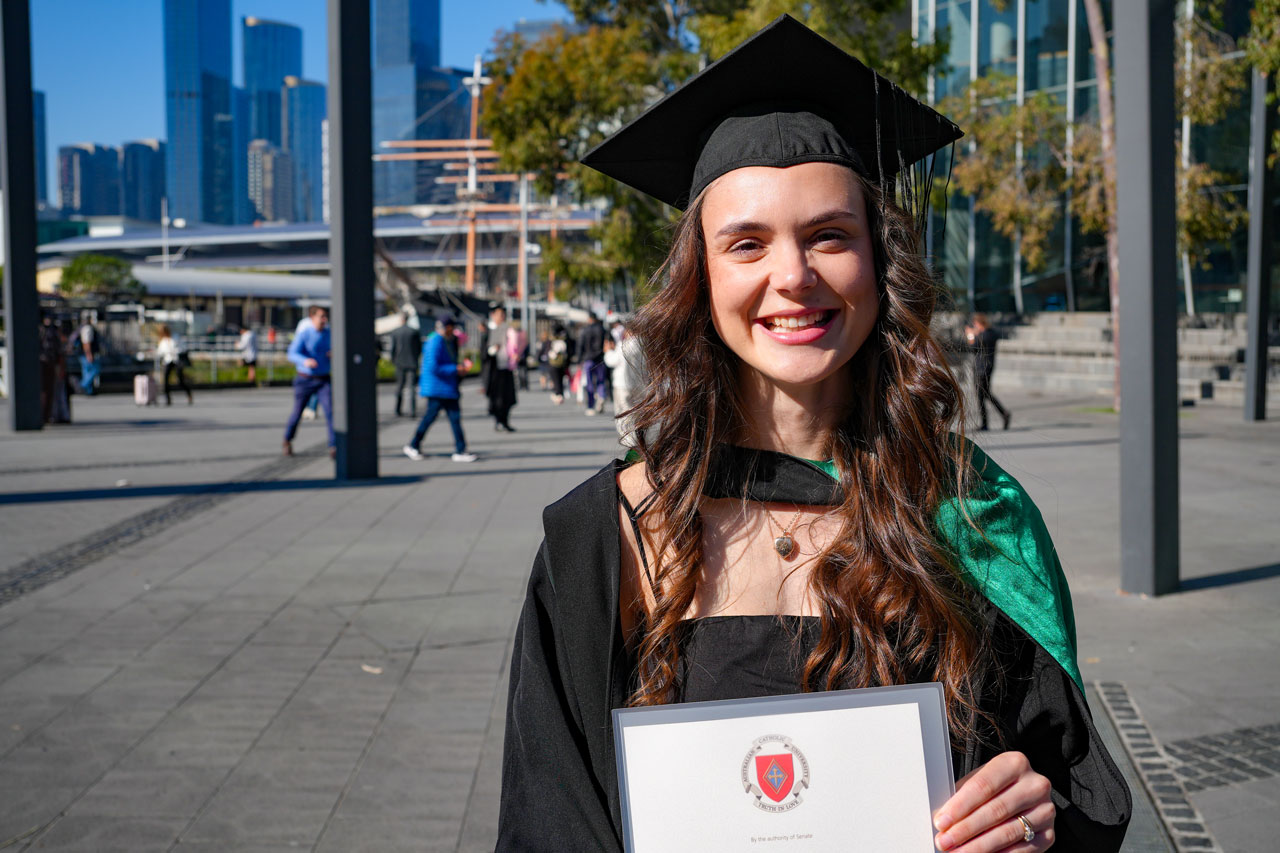
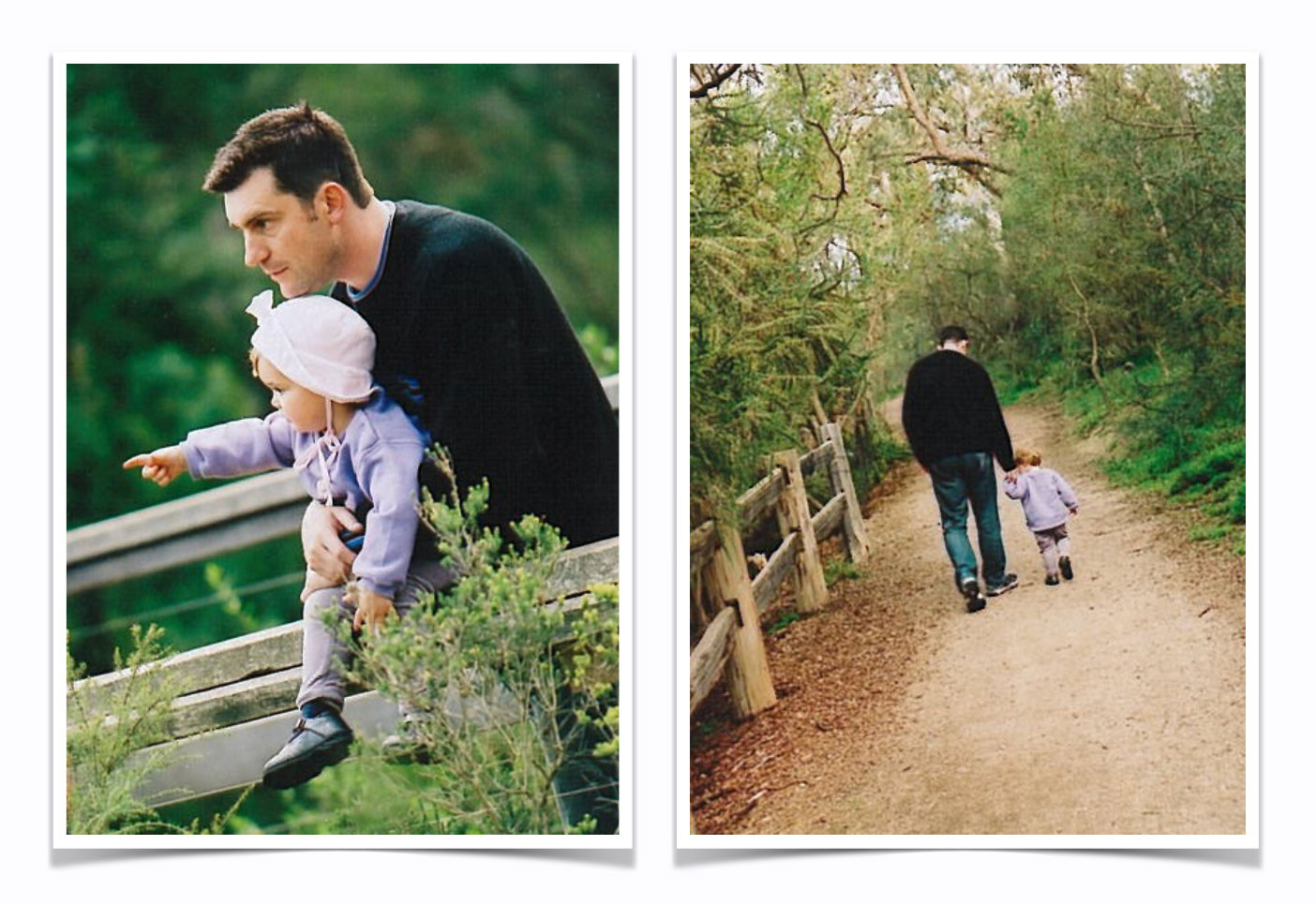
There are moments in life that remind you about the gift education can be. Watching my daughter Talana graduate this week as a secondary school teacher from Australian Catholic University (ACU) was one of those moments.
As both a parent and someone who has spent more than three decades working in education, it is difficult to put into words just how proud I am of her.
Teaching is not an easy profession to step into. It requires patience, resilience, compassion, creativity, adaptability, and an enormous commitment to helping young people grow. In today’s rapidly changing world, especially in an era being reshaped by generative AI and constant technological change, education has never been more important, and neither have great teachers.
What makes this milestone even more special is that she has chosen this path because it genuinely reflects who she is. Teaching is not simply a job to her. It is a passion. It is about relationships, encouragement, curiosity, and making a difference in the lives of others. Watching her develop that passion over the years and now seeing her officially begin her career at Overnewton College as a Mathematics teacher has been incredibly rewarding.
As a parent, there is something deeply moving about seeing your child find meaningful work that aligns with both their strengths and their values. I know the journey ahead will bring challenges, long days, moments of doubt, and steep learning curves, every teacher experiences those. But I also know it will bring moments of joy, connection, laughter, and the privilege of helping young people discover who they are and what they are capable of becoming.
One of the beautiful things about teaching is that its impact often extends far beyond the classroom walls. Great teachers shape confidence. They inspire creativity. They help students feel seen, supported, and capable. Sometimes a single encouraging conversation or moment of belief from a teacher can stay with a student for life. Talana has already experienced the potential of this truth.
As someone who has spent much of my professional life advocating for creativity, curiosity, and meaningful learning, it fills me with enormous pride to see my daughter now joining this profession at such an important time in history. Schools need passionate educators who care deeply about students and who are willing to continue learning themselves as the world evolves around them.
This graduation is not just the completion of a degree. It is the beginning of a career built on service, empathy, and the desire to make a positive difference.
To my daughter Talana, congratulations! I could not be prouder of the person you have become or more excited to watch the educator you will continue to grow into.
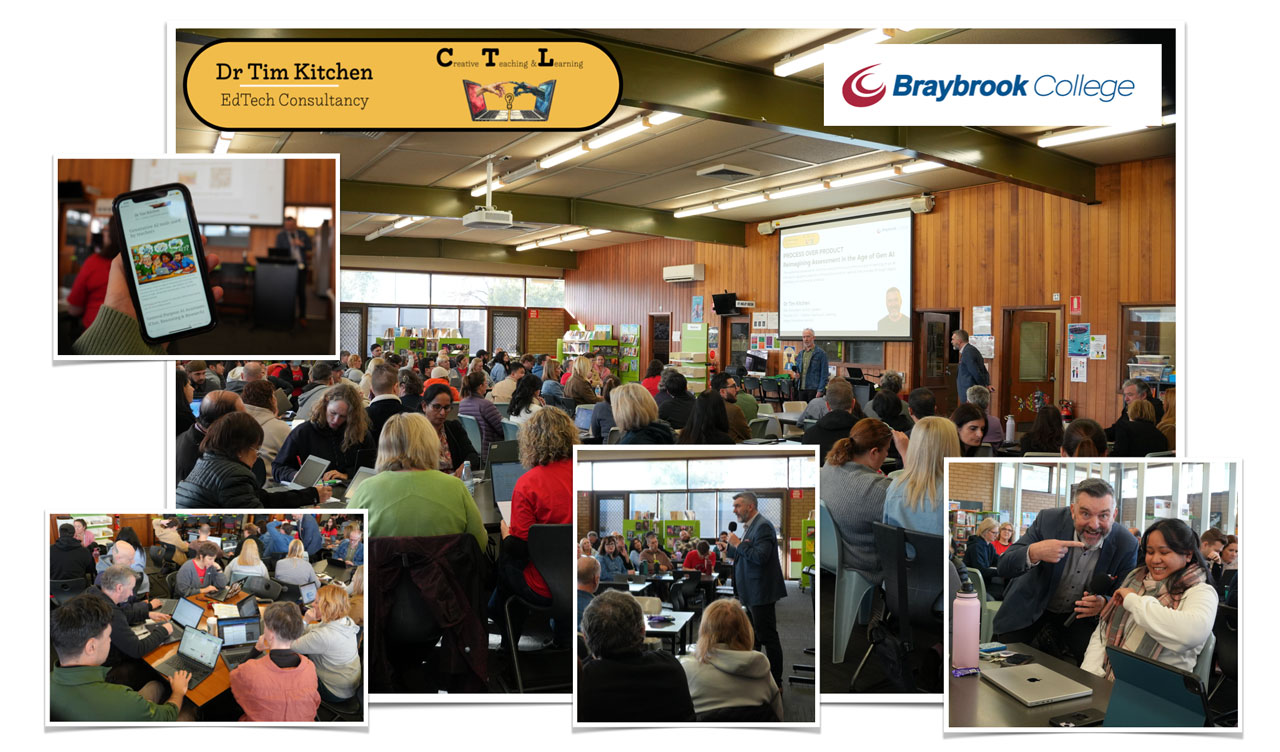
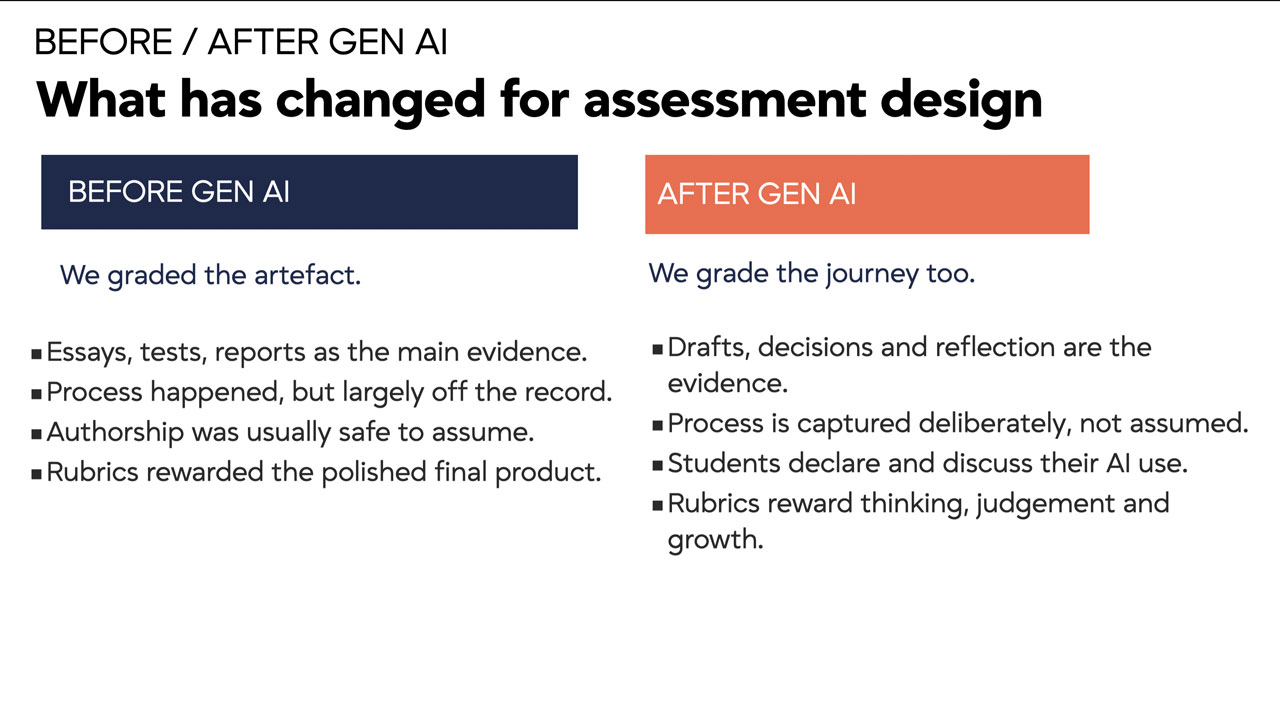
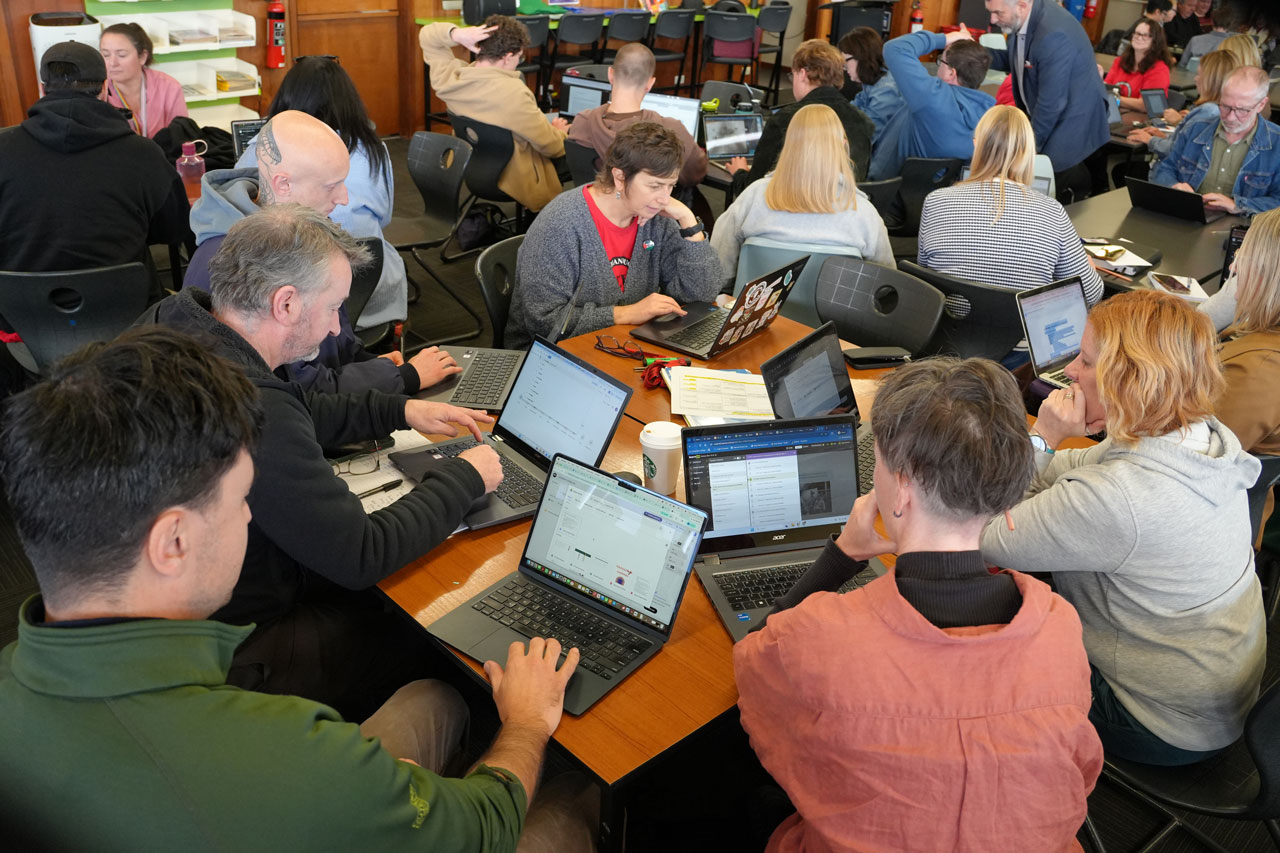
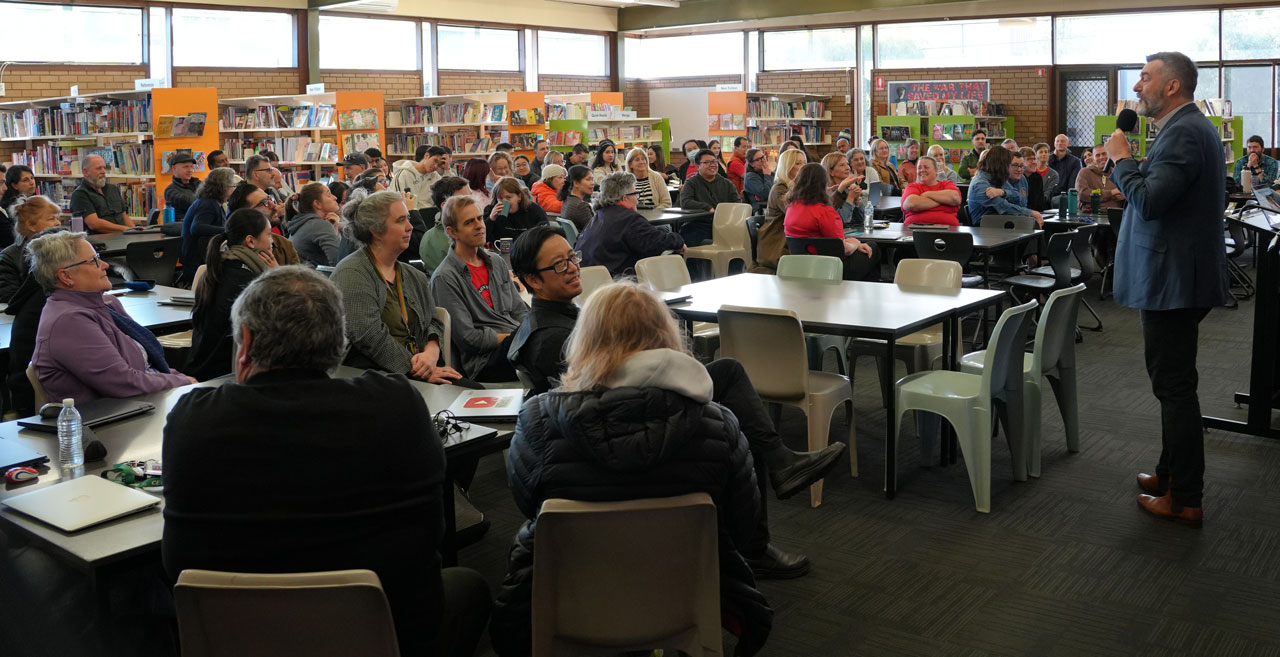
On Thursday 14th May, had the pleasure of visiting Braybrook College to work with approximately 125 staff in a hands-on professional learning session titled PROCESS OVER PRODUCT – Reimagining Assessment in the Age of Gen AI.
The session explored one of the biggest challenges currently facing education, how assessment needs to evolve in a world where generative AI tools can instantly produce polished final products. Rather than focusing solely on the end result, the workshop encouraged teachers to rethink assessment around the process of learning itself – making student thinking, creativity, iteration, reflection, and decision-making more visible and meaningful.
We looked at what we did before gen AI and compared it to what needs to happen these days in a gen AI rich world.
Throughout the morning, staff engaged directly with a range of generative AI and digital creativity tools including ChatGPT, NotebookLM and Adobe Express for Education. The focus was not simply on using AI to save time, but on how these tools can be used to enhance teaching & learning, support creativity, improve feedback cycles, and help capture evidence of learning through digital portfolios and multimodal artefacts.
A key message throughout the session was that in an AI-rich world, schools need to place greater emphasis on the human aspects of learning — critical thinking, creativity, ethical decision-making, communication, and reflection. By shifting assessment toward the learning journey rather than just the finished submission, educators can better prepare students for a future where AI is becoming embedded across almost every industry and profession.
It was wonderful to see staff actively experimenting, collaborating, and discussing practical classroom applications throughout the workshop. The willingness of teachers to engage with these rapidly evolving technologies while keeping student learning at the centre was incredibly encouraging.
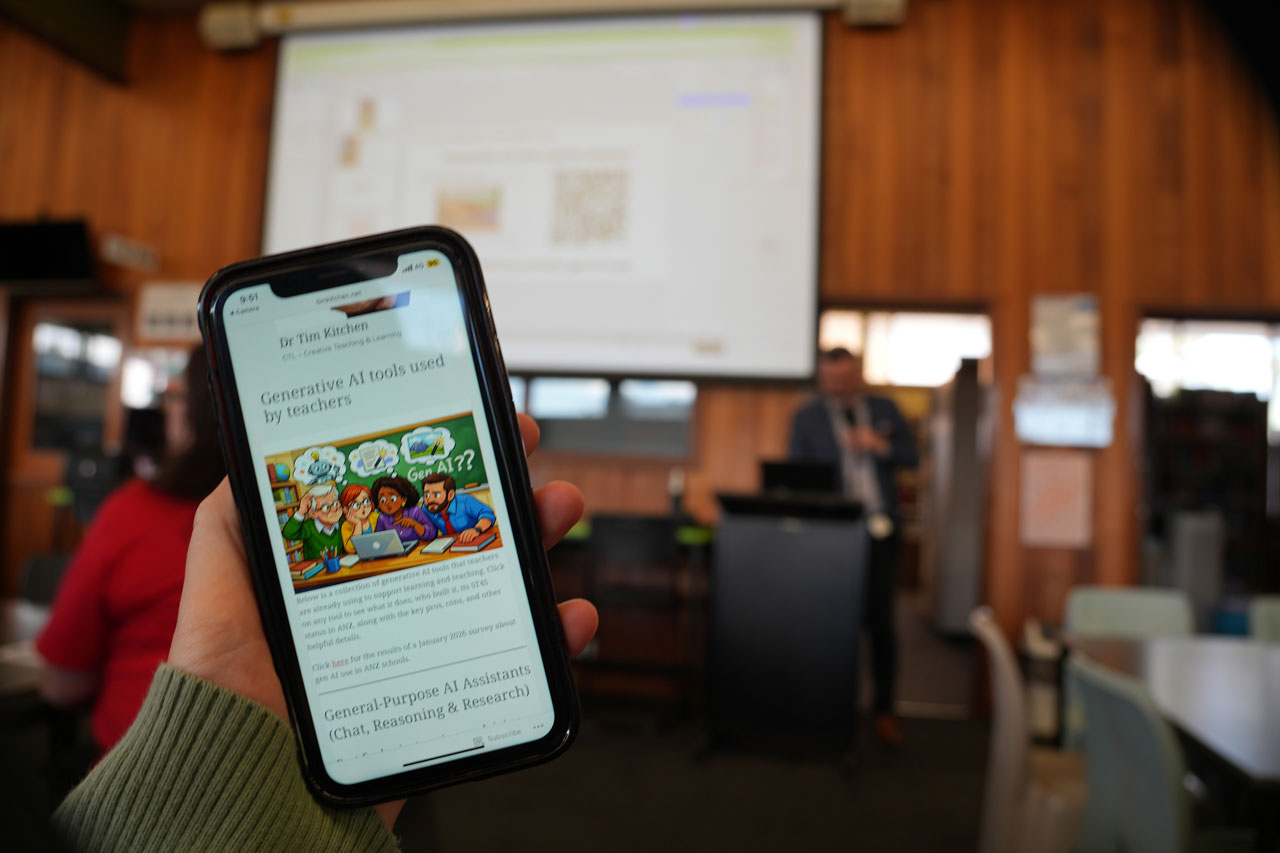
During the session I also shared a range of free resources to support ongoing learning, including my Generative AI Tools Used by Teachers resource, my growing collection of practical videos on my YouTube channel, and my Safe & Ethical AI Use Framework designed to help schools integrate generative AI thoughtfully and responsibly.
Thank you again to the leadership team and staff at Braybrook College, especially Deputy Principal Sean McMahon and Loc Nguyen for organising this event and for the warm welcome and enthusiastic participation throughout the morning.
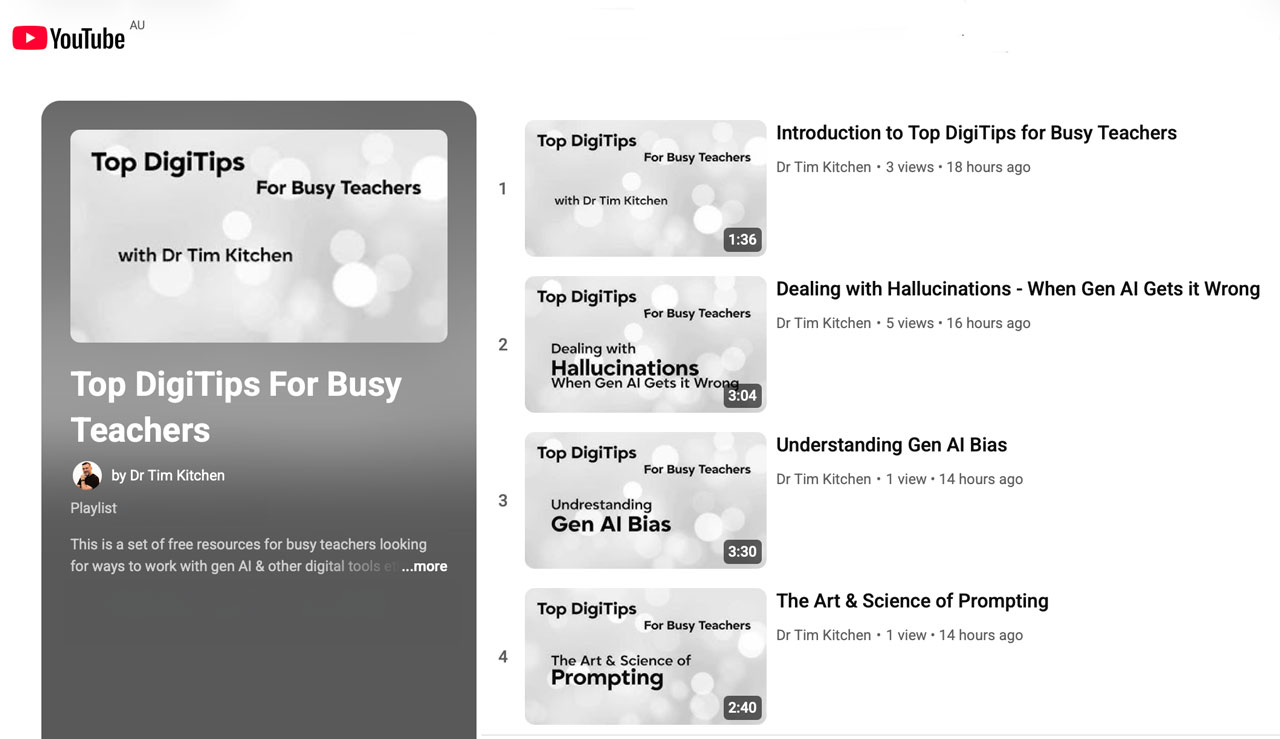
Hopefully you have had a chance to see some of my new (and free) video resources titled Top DigiTips for Busy Teachers. The first three episodes are based on the following generative AI topics:
Dealing with hallucinations — when Gen AI gets it wrong
Understanding Gen AI bias
The art & science of prompting
Please share these with your networks.
To all school leaders
Register soon for the Educator Intelligence Live! Pre-Conference Masterclass, on Monday 18 May, running alongside the AI in Education Conference in NSW.
This isn’t another sit-and-listen session about ChatGPT. It’s a focused, practical masterclass for leaders who are ready to move from curiosity to capability: the landscape of tools at your fingertips, assessment integrity, differentiation, and what responsible implementation actually looks like in a K–12 school.
AI Governance support
As generative AI rapidly reshapes education, many school leaders are recognising the need for clear governance, practical policies, and sustainable implementation strategies. CulturePathAI works alongside school leadership teams to build the foundations for safe, ethical, and effective AI adoption through a strong governance-first approach.
Their support includes strategic planning, policy development, risk management, staff capability building, and practical guidance aligned with emerging Australian frameworks for AI in schools — helping schools make informed, culturally aligned decisions that strengthen leadership confidence while supporting responsible innovation across teaching, learning, operations, and community engagement.
I am very pleased to be part of the CulturePathAI team as a Senior Consultant and encourage your school or school system to see how we can help.
Attention Sydney teachers
Come to my special Gen AI workshop at St Andrew’s Cathedral School on Tuesday 19 May:
This hands-on professional learning event empowers teachers to explore how generative AI can support (not replace) creativity, critical thinking, and authentic learning.
The Next Word — update
Is your school in need of an AI audit, or some extra support and advice about AI use in the classroom? The Next Word is a forward-thinking education consultancy that helps schools navigate the rapidly evolving world of generative AI through practical professional learning, strategic advisory services, leadership support, and human-centred approaches to AI adoption that balance innovation with pedagogy, governance, and wellbeing.
I am very pleased to be on The Next Word team as an Associate and encourage you to look up what we can offer.
The Kitchen Think
The May edition of The Kitchen Think is titled Critical Thinking: The Essential Skill for Students in the Age of Generative AI. I argue that the rapid rise of generative AI has made critical thinking one of the most essential skills for modern education, and highlight that while Critical and Creative Thinking has been part of the Australian Curriculum’s General Capabilities since 2010, it has often been treated as a secondary priority.
Independent Schools NSW ICT Management and Leadership Conference
I was honoured to be invited to run five workshops/presentations at the Independent Schools NSW ICT Management and Leadership Conference on the Gold Coast (29 April to 1 May). Four of those sessions were with my friend and colleague Matt Esterman as we explored a range of topics to help ICT Managers and school leaders manage the influx of Gen AI solutions being used by students and teachers across the education process.
Teacher PD Australia
Have you discovered Teacher PD Australia yet? It’s a growing Australian platform designed to help busy educators easily discover high-quality professional learning opportunities — courses, events, webinars, books, and resources tailored to their subject areas, career stage, interests, and teaching context. An all-in-one, easy-to-navigate directory built specifically for Australian teachers. Well worth sharing with your networks.
Book me to visit your school
If you would like to book some time for me to visit your school(s) to work with key leaders, teaching staff, non-teaching staff and/or students, use this site to help with the planning.
Generative AI has changed the game for what students need to succeed, not just at school, but in work and everyday life. Tools like ChatGPT, Claude, Gemini, and Copilot can now generate essays, write code, analyse complex information, and create impressive content in a matter of seconds.
But there’s another side to that speed and convenience. These same tools can also produce convincing inaccuracies (hallucinations), biased perspectives, made-up references, and misinformation that sound credible on the surface. That’s why, in this new AI-rich landscape, one skill matters more than ever for the next generation of learners: critical thinking.
A Long-Standing Capability, Often Overlooked
Critical and Creative Thinking has been part of the Australian Curriculum’s General Capabilities since 2010 (ACARA, 2010). Alongside Literacy, Numeracy, Digital Literacy (and other capabilities) schools have long been expected to develop these skills across all learning areas.
In reality, though, critical thinking has often sat on the edges of classroom practice. It’s usually been assumed that students would “pick it up” through good teaching, rather than having it explicitly taught, modelled, assessed, and intentionally prioritised. Schools have concentrated on curriculum coverage and a range of standardised assessment requirements, while critical thinking has frequently been treated as a secondary outcome rather than a central one.
That approach is becoming increasingly difficult to justify. With generative AI now woven into classrooms, workplaces, and everyday digital tools, students need far more than the ability to recall information or produce polished answers. They need the capacity to question, evaluate, interpret, and challenge what AI systems generate. Critical thinking is no longer an optional extra sitting alongside the curriculum; it is quickly becoming one of the most essential capabilities students can develop.
From Producing Answers to Evaluating Them
When students can generate an essay draft or solve a mathematics problem with a single prompt, the role of the teacher is no longer simply to help students produce answers, but to help them question, evaluate, refine, and challenge those answers.
That means schools need to place far greater emphasis on explicitly teaching skills such as:
interrogating the credibility of sources;
recognising bias;
testing claims against evidence;
constructing reasoned, evidence-based arguments; and
creatively connecting ideas in ways AI cannot easily replicate.
These are no longer “nice-to-have” capabilities sitting at the edges of the curriculum. They are becoming the new foundations of literacy in an AI-rich world.
Beyond these capabilities, students also need regular opportunities to analyse evidence, reflect on differing perspectives, and understand that AI should support human judgement rather than replace it. In many ways, generative AI has made critical thinking one of the most important forms of digital literacy.
This shift is reflected globally. The OECD’s Future of Education and Skills 2030 framework identifies critical thinking as one of the key “transformative competencies” students will need to navigate uncertainty and shape the future (OECD, 2019). The 2025 World Economic Forum Future of Jobs Report identified analytical thinking as the number one core skill sought by employers, with seven out of 10 companies considering it as essential (World Economic Forum, 2025). UNESCO’s Guidance for Generative AI in Education and Research makes a similar point, arguing that human judgement, ethical reasoning, and critical evaluation must sit at the centre of any meaningful use of AI in learning (UNESCO, 2023).
In other words, the rise of generative AI does not reduce the importance of human thinking, it amplifies it.
Embedding Critical Thinking Across the Curriculum
For educators, the implication is clear: critical thinking can no longer sit on the margins of a unit plan. It must be visible in every classroom experience, every subject, and throughout every course. A science teacher might ask students to fact-check an AI-generated explanation of climate models. A humanities teacher might invite students to deconstruct the assumptions in an AI-written historical narrative. A mathematics teacher might require students to identify and correct errors in AI-generated worked examples. A primary teacher might use AI-generated picture books as a springboard for questions about authorship, truth, and bias.
Teachers can foster critical thinking through inquiry-based learning, ethical discussions, project-based tasks, collaborative problem solving, media analysis, and regular opportunities for students to justify their thinking. The use of generative AI itself can become a powerful teaching tool when students are encouraged to critique outputs, identify inaccuracies, improve prompts and reflect on the strengths and limitations of AI-generated content.
Ultimately, the rise of generative AI is reminding educators of something deeply important. Education is not simply about producing polished answers. It is about developing thoughtful, capable and adaptable human beings who can navigate complexity, uncertainty and rapid technological change.
Preparing Students for the Future of Work
This shift also re-frames student preparation for future employment. Many predictable tasks will be automated, but employers will continue to value workers who can ask better questions, verify information, weigh competing evidence, and apply uniquely human judgement within AI-augmented workflows. Critical thinking is not a defence against AI, it is the skill that allows young people to use it wisely, ethically, and creatively across their working lives.
Importantly, critical thinking is not simply about identifying problems or criticising ideas. It also involves curiosity, reflection, creativity and adaptability. In fact, creativity and critical thinking are increasingly interconnected in modern learning and future employment. As AI takes over more routine production tasks, the uniquely human ability to imagine new possibilities, innovate, collaborate and apply judgement becomes increasingly valuable.
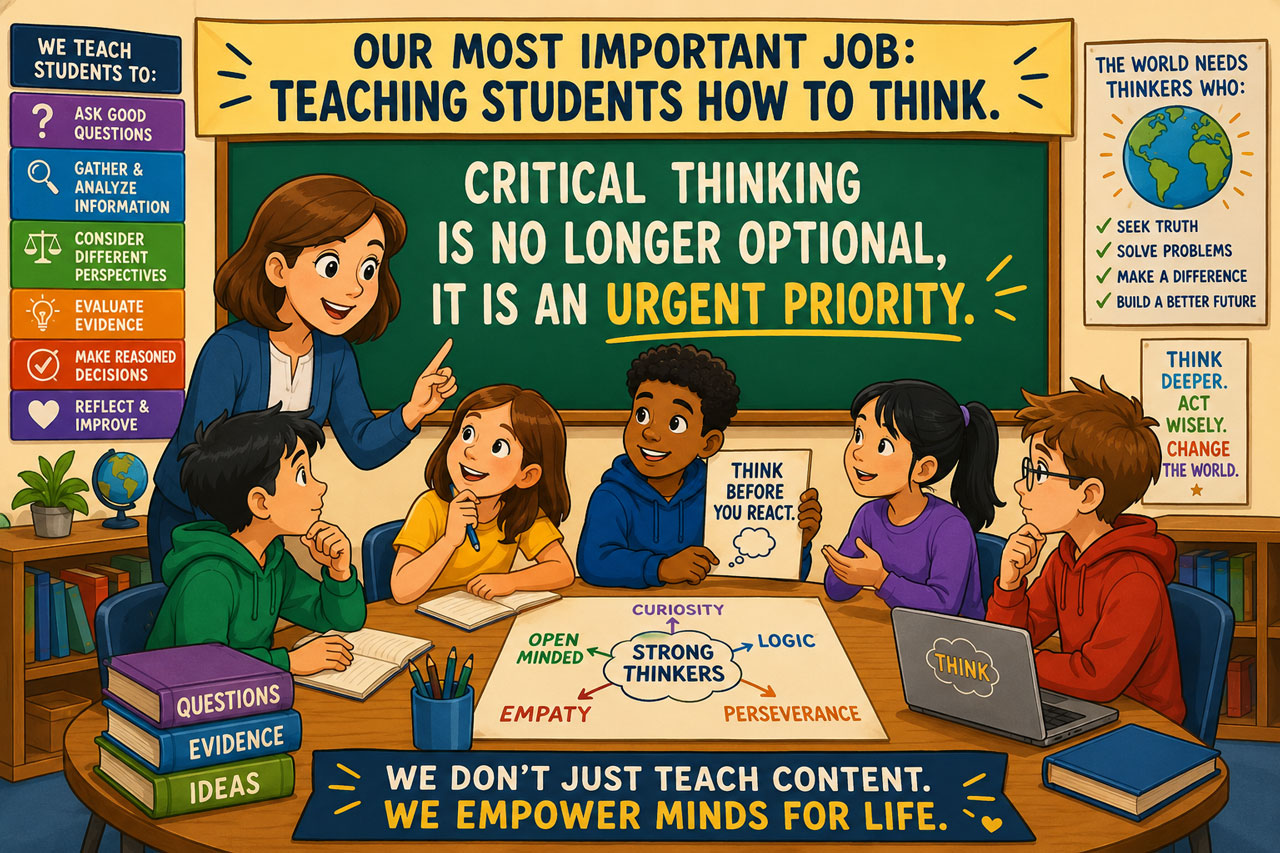
The Australian Curriculum has named critical and creative thinking as essential for sixteen years. The arrival of generative AI has, at last, made it impossible to ignore. For educators, the message is now unmistakable: critical thinking is no longer optional, it is an urgent priority.
In a world increasingly shaped by artificial intelligence, teaching students what to think is no longer enough. Helping students learn how to think may be the most important responsibility education now has.
If you are looking for practical ways to apply what is covered in this article in your classroom, have a look at my new Top DigiTips for Busy Teachers playlist on YouTube.
Australian Curriculum, Assessment and Reporting Authority (ACARA). (2010). Australian Curriculum: General Capabilities — Critical and Creative Thinking. Retrieved from https://www.australiancurriculum.edu.au
OECD. (2019). Future of Education and Skills 2030: Conceptual Learning Framework. Paris: OECD Publishing.
UNESCO. (2023). Guidance for Generative AI in Education and Research. Paris: UNESCO.










 Dr Tim Kitchen