

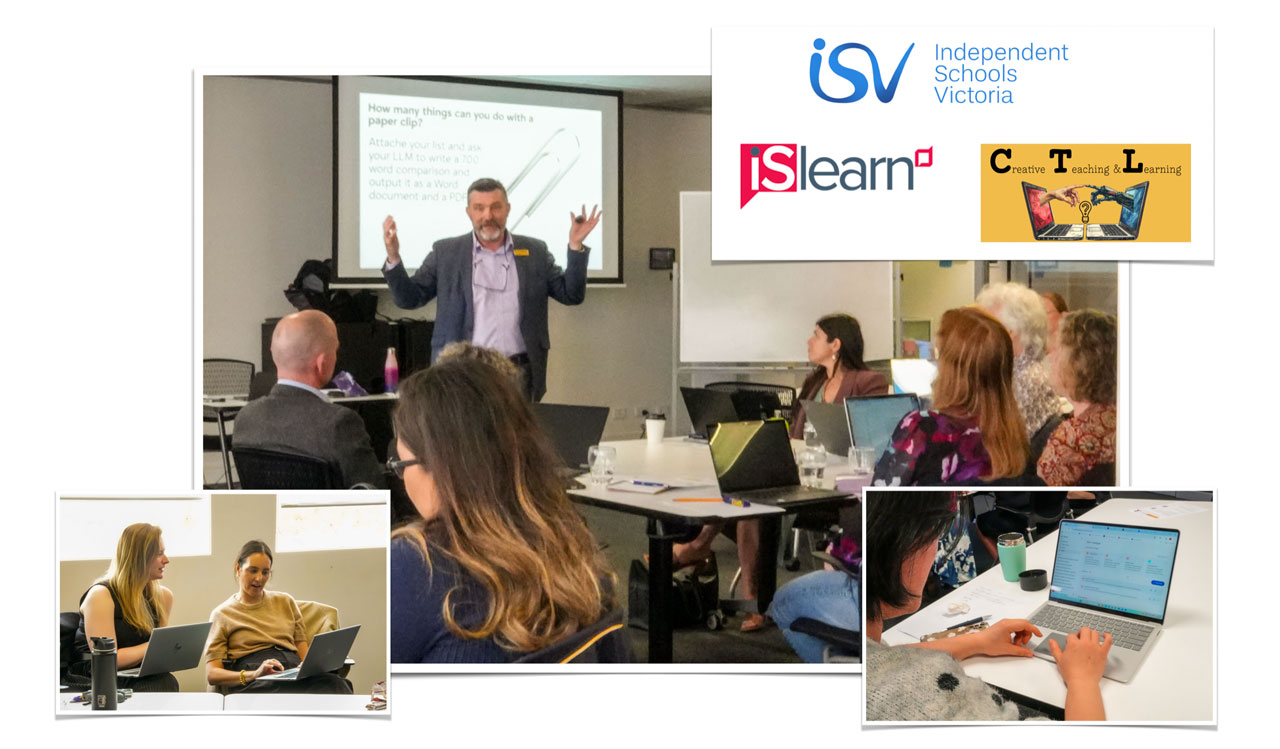
On 14 September, I facilitated a workshop with ISV titled AI for Everyday Communication: Writing Smarter, Not Harder that involved about 30 non-teaching admin staff from 15 different Victorian independent schools. The session was designed specifically for staff who manage much of a school’s daily communication.
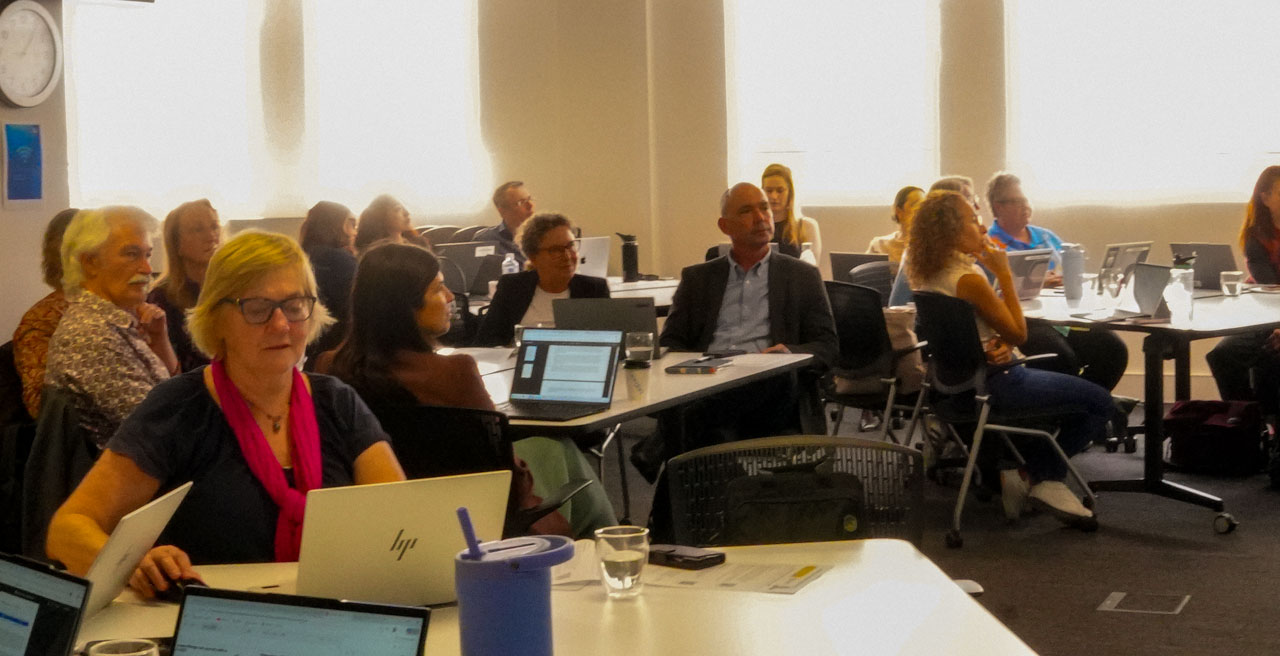
These staff are often responsible for an extraordinary range of writing tasks. On any given day, they may be drafting emails to parents, preparing staff notices, updating newsletters, responding to enquiries, writing event announcements or translating complex information into language that is clear and accessible.
Each task may seem relatively small, but together they consume a significant amount of time. They also carry considerable responsibility. A poorly worded message can create confusion, damage trust or result in a long chain of follow-up emails.
Generative AI can help, but only when it is used thoughtfully.
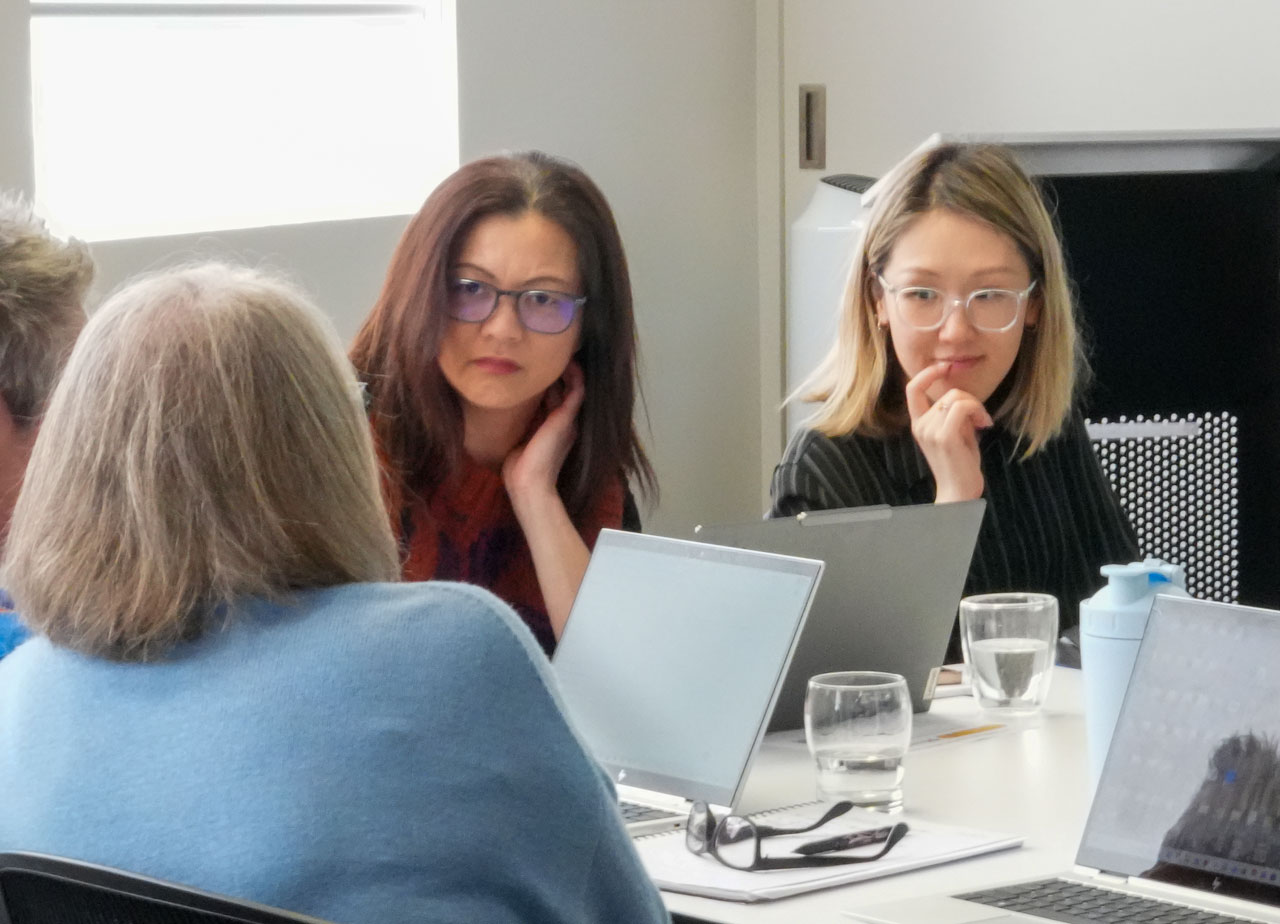

The aim of the workshop was not to hand school communication over to AI. It was to explore how AI could support staff as a drafting assistant, helping them work more efficiently while maintaining the care, professionalism and distinctive voice of their school.
The blank page is often the hardest part
For many people, the most time-consuming stage of writing is getting started. You may know exactly what needs to be communicated but struggle to find the right opening sentence. You might write and rewrite the same paragraph several times, trying to make it sound professional without becoming too formal or impersonal.
Generative AI can be particularly useful at this early stage.
Instead of asking an AI tool to simply “write an email”, we explored how to provide it with the context it needs:
- Who is the audience?
- What is the purpose of the communication?
- What information must be included?
- What tone should be used?
- Is there anything that should be avoided?
- What action should the reader take?

Finding the right tone
Tone is one of the most important (and difficult) parts of school communication.
A message can be factually correct but still sound abrupt, defensive, overly formal or strangely impersonal. This is particularly risky when communicating about complaints, overdue payments, student wellbeing, changes to school procedures or other sensitive issues.
During the workshop, participants explored how AI could help revise a message without changing its underlying meaning.

One message, different audiences
Schools regularly need to communicate the same information to different groups. A policy update might require one version for staff, another for parents and a simplified explanation for students. Information supplied by a government department or external organisation may also need to be rewritten in plain language before it can be shared with the wider community.
Generative AI can help transform a source document into several audience-specific drafts.
Newsletters, notices and announcements
Newsletters and community announcements are another area in which AI can reduce the time spent drafting and editing.
Participants explored how brief notes or dot points could be developed into a polished article. AI could also suggest headings, shorten a long draft, remove repetition or generate several versions for different communication channels.

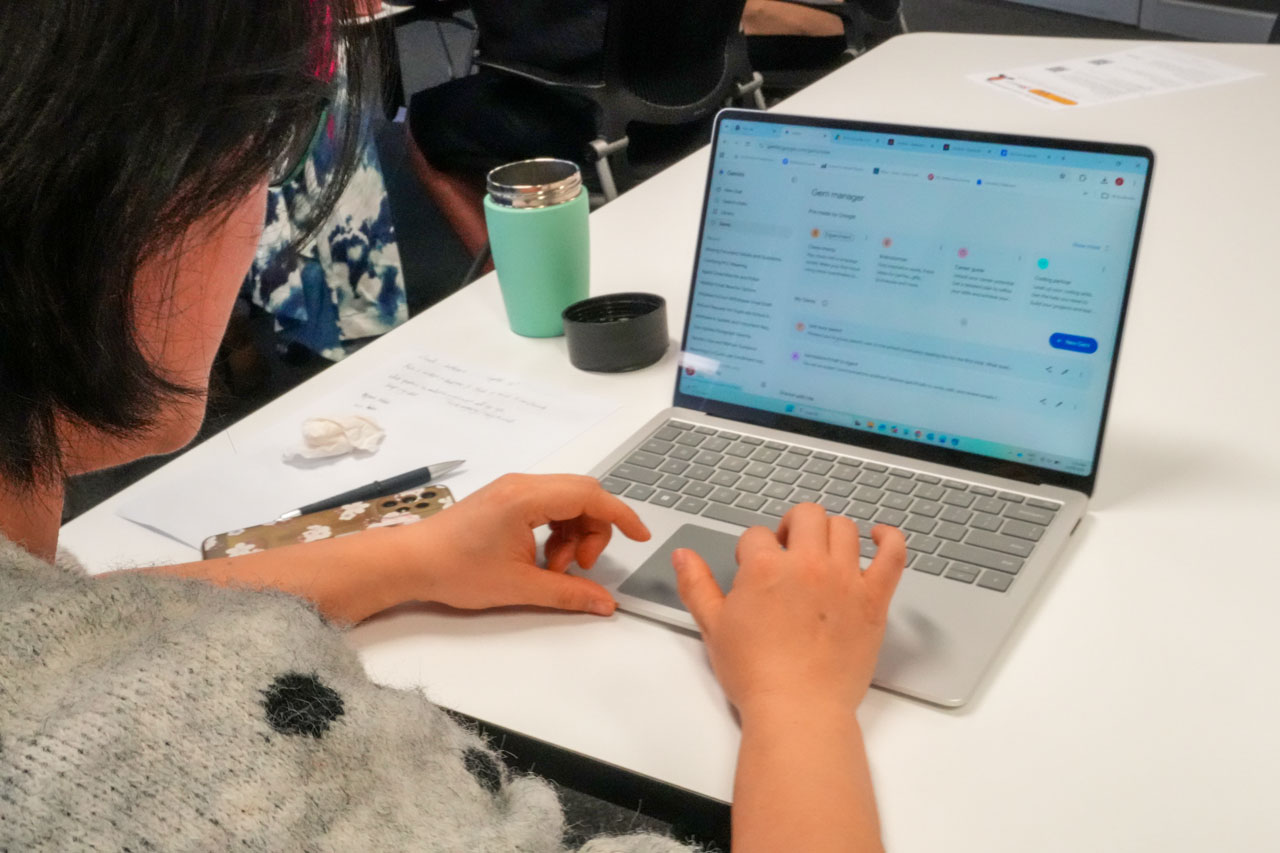
The purpose of using AI for everyday communication is not simply to produce more words, more quickly.
It is about reducing the time staff spend staring at blank pages, restructuring paragraphs and repeatedly rewriting routine messages. That time can then be redirected towards the work that requires genuine human understanding: supporting a concerned parent, helping a colleague, coordinating an event or strengthening relationships across the school community.
The most effective use of AI is not to remove people from communication. It is to give them more time and capacity to communicate well.
Used carefully, generative AI can become a valuable writing partner for non-teaching staff. It can help create first drafts, improve clarity, adjust tone, simplify complex information and adapt messages for different audiences.
But the human contribution remains essential.
The AI may help write the words. It is the people within the school who provide the context, judgement, empathy and authentic voice that give those words meaning.
That is what it means to write smarter – not harder.
If you would like to find out more about Dr Tim Kitchen’s consultancy CTL – click here