

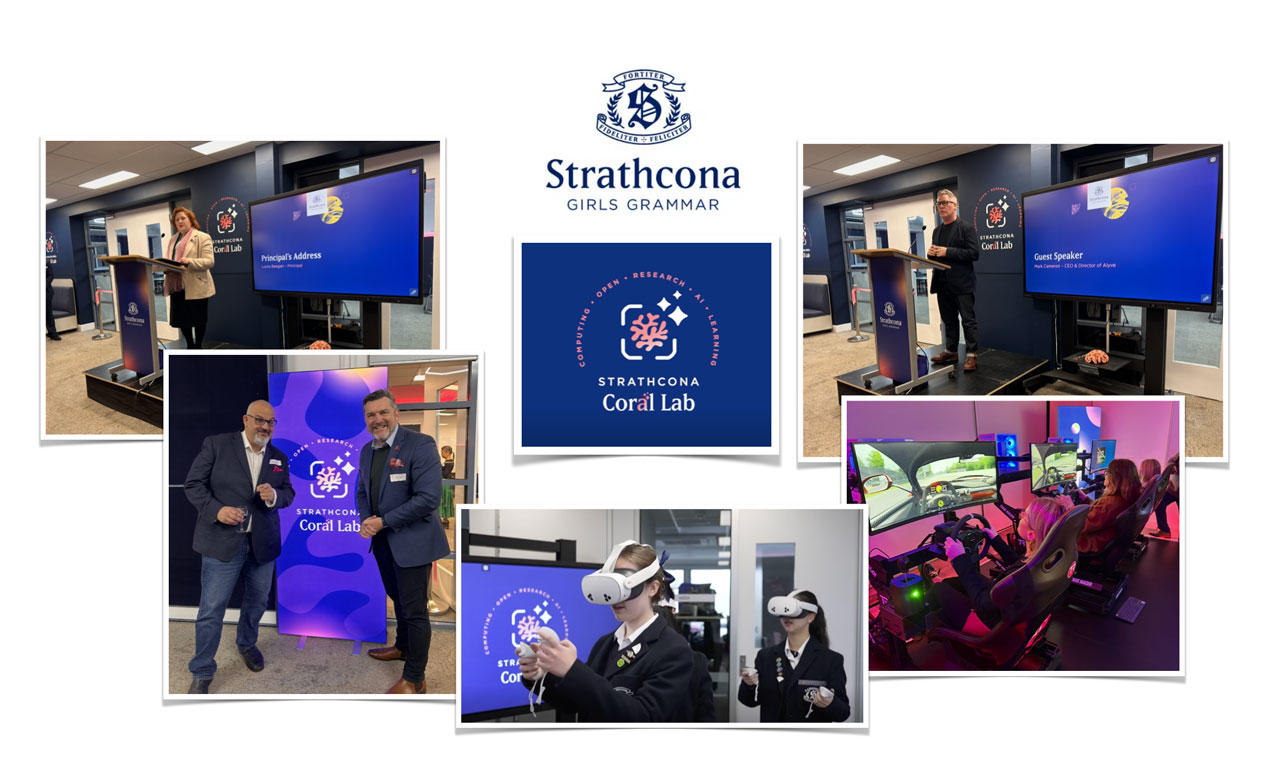
On Monday 1st September, I was invited to the launch of the Coral Lab at Strathcona Girls Grammar in Melbourne along with a number of EdTech legends such as Brett Salakas (HP) and Dan Bowen (Microsoft), Rob McTaggart (Intel) as well as Jess Wilson (Shadow Minister for Education in Victoria) and former student of mine.

In a LinkedIn post, Strathcona describesd their new Coral Lab with the following quote:
More than just a classroom, Strathcona’s Coral Lab is a strategic investment in the future of girls’ education, equipping our students with the digital literacy, innovation mindset and future-focused skills essential for thriving in a rapidly changing digital world.
The Coral Lab Strathcona is a space where students gain technical skills in areas such as coding, robotics, digital design, AI applications, VR and driver simulators, while also developing the critical thinking, creativity and problem-solving abilities that will prepare them for future study and work. The lab is also used for students to learn how to use AI responsibly and ethically, understanding both the potential and limitations of technology.
As quoted in Dan Bowen’s Linked in post about the event:
… this is a much-needed focus on driving equity and AI for young women the workforce tomorrow and facing the future with innovation but also care, kindness and empathy.
Have a look at this clip
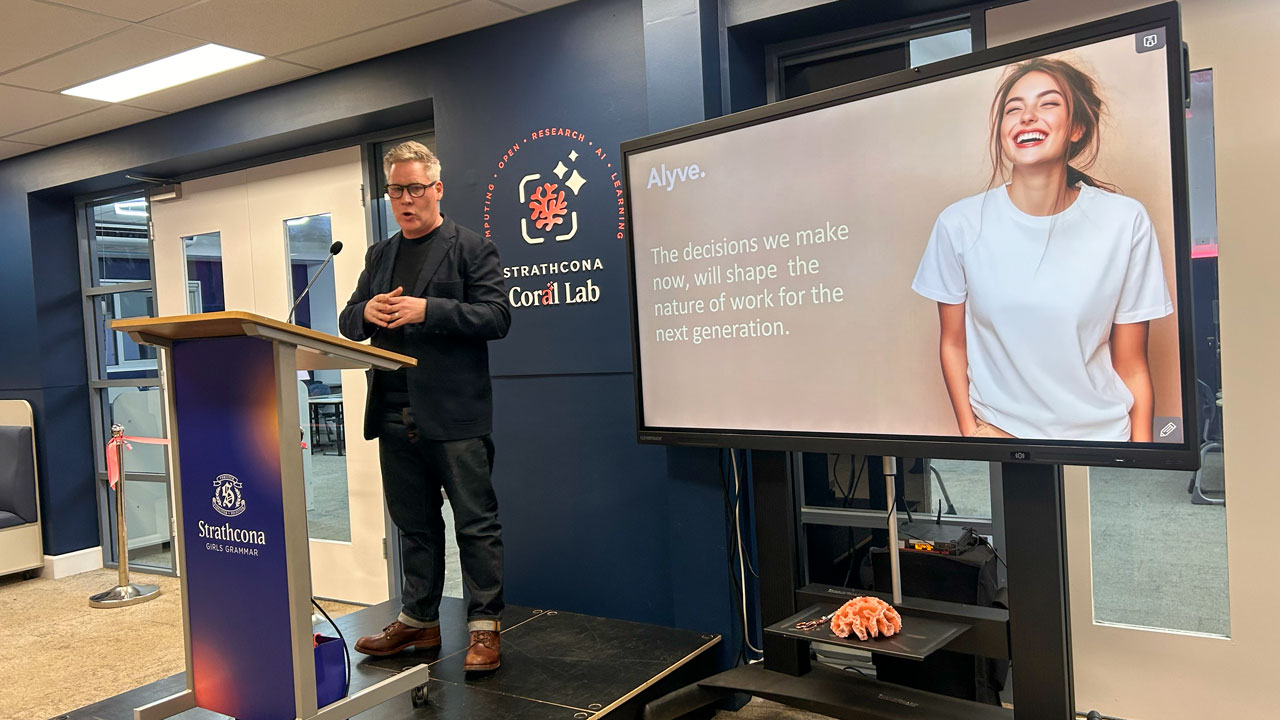
The keynote speaker for this launch was the amazing Mark Cameron, CEO and director of Alyve, an Australian IT company aimed at shaping the future with safe, ethical, & impactful AI.

Mark shared some great insights such as:
- Australia is rated at number 12 in the world in terms of GDP, number 16 in total exports and number nine in GDP per capita but we are ranked 105 globally on the economic complexity index, below Yemen, Senegal, and Botswana and a fallen 42 places on this index in the last 30 years. We need schools and universities to take AI very seriously and help prepare Australian young people for the future..
- According to the world economic forum, artificial intelligence is likely to contribute approximately $15.7 trillion to the global economy by 2030.
- Gen AI is rapidly shaping workplaces. Organisations that get it right see significant returns, but many don’t because they treated as a Technology problem and a way of saving costs. The cost reduction lens is the worst possible way to view AI.
- according to Microsoft work trend index annual report, 66% of business leaders would not hire someone without AI skills
- according to Harvard business school, generative AI can improve a highly skilled workers performance by nearly 40% compared with workers who don’t use it.
- the OECD says that 23% of jobs will change by 2027, and 34% of tasks are automated now firms expect 42% automation by 2027.
- AI isn’t a tech upgrade. It’s a human potential upgrade and is reshaping the world of work. The decisions we make now will shape the nature of work for the next generation so initiatives like the coral lab that are being made in schools are essential to help prepare young people for the future.
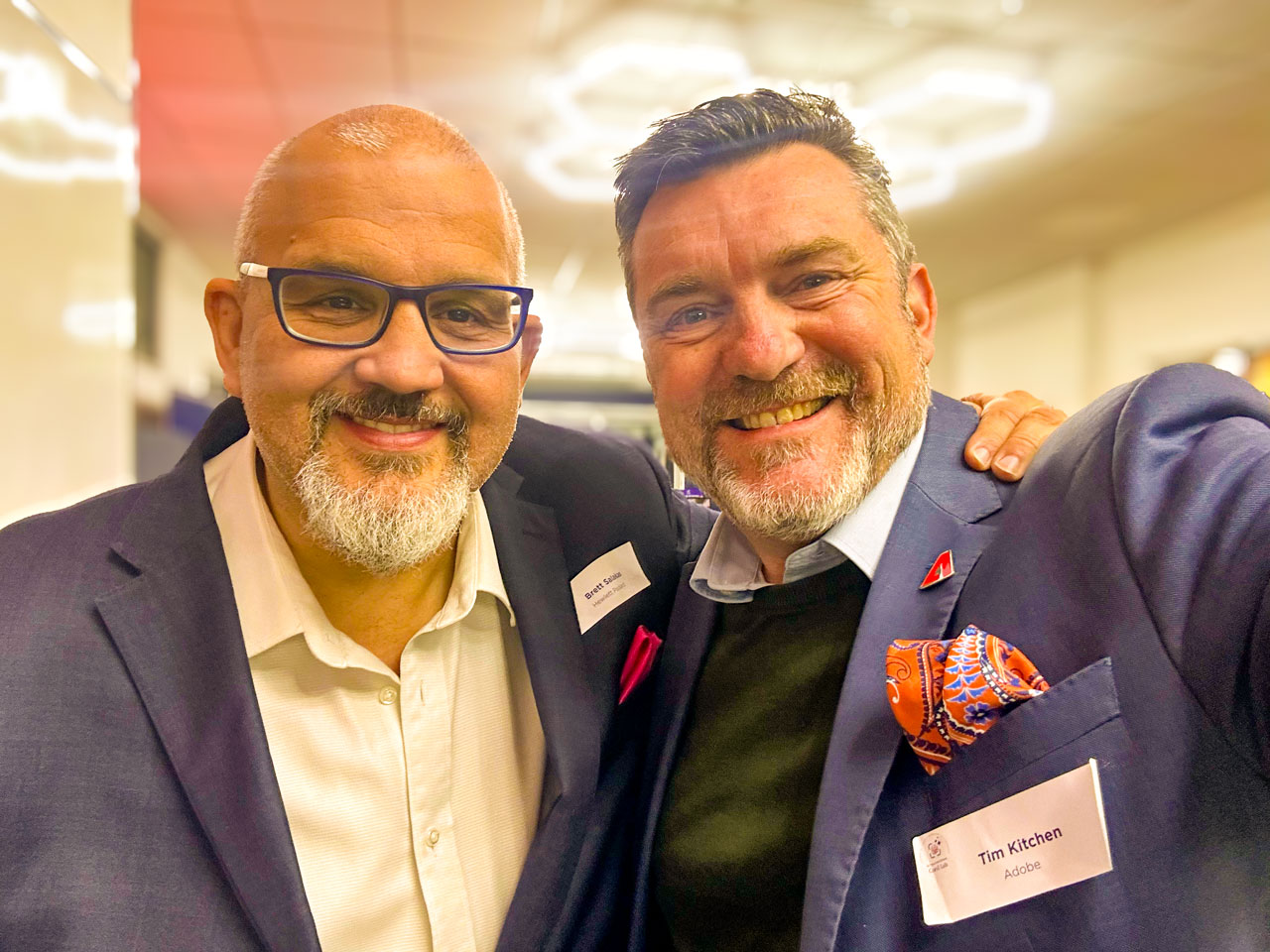
Strathcona Girls Grammar holds a special place in my heart. I had the privilege of teaching there for 13 years, from 2000 to 2013 holding various senior positions including Year 10 Coordinator and Director of Education Technologies. My daughter, Talana (now a teacher), attended the school for her secondary education and served as the Deputy School Captain in 2019. Additionally, my sister Lisa (also a teacher), along with several of my cousins and friends, are proud alumni of Strathcona.
 Dr Tim Kitchen's Journal (CTL - Creative Teaching & Learning)