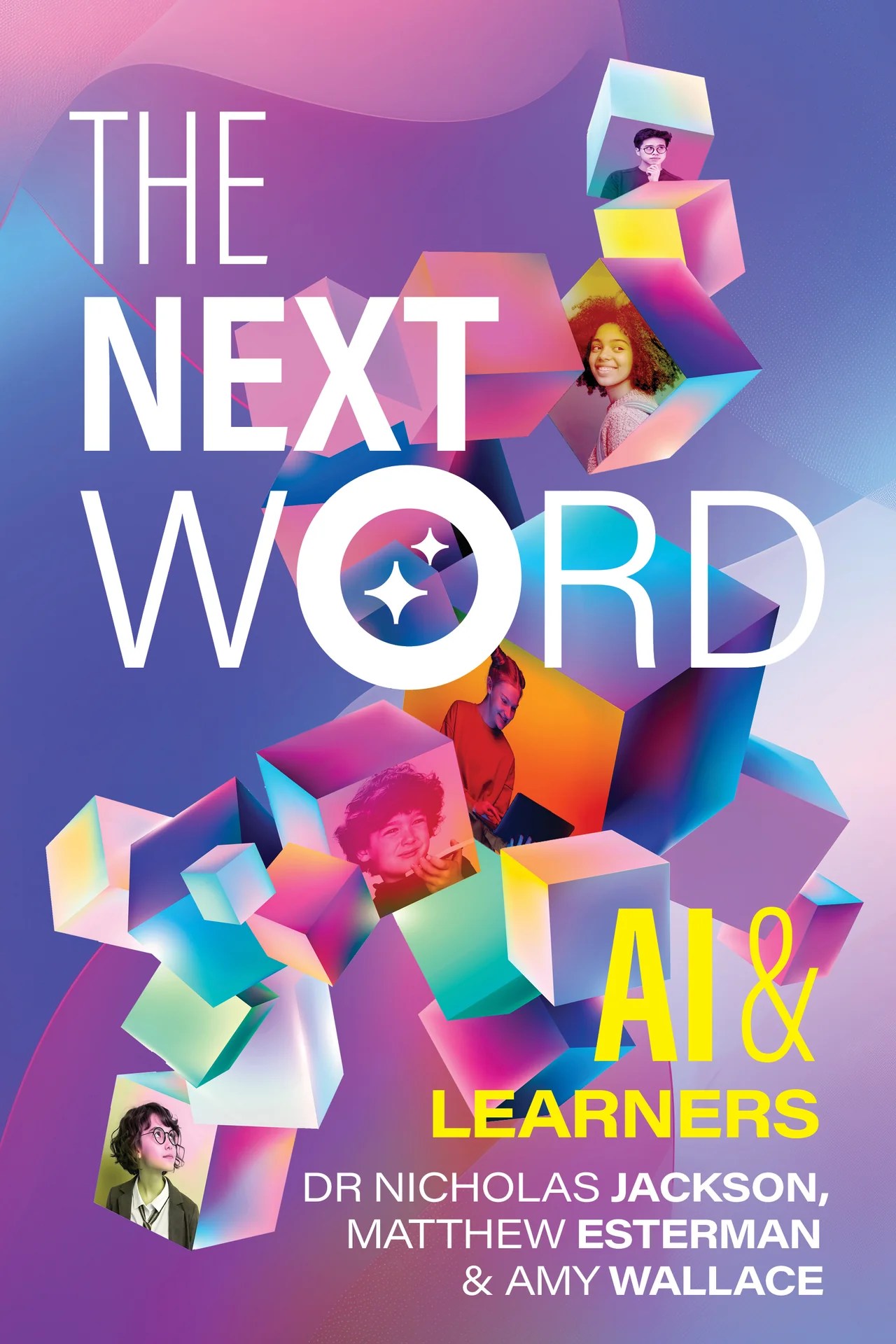
I recently finished reading The Next Word – AI & Learners, Dr Nick Jackson & Matt Esterman’s new book featuring the thoughts of student Amy Wallace on the effective use of gen AI tools in education.
The Next Word – AI & Learners challenges educators to stop asking whether AI should be allowed in schools and start asking what kind of learning really matters in a world where intelligent tools are everywhere. Drawing on research, classroom realities, and powerful student voice, the book re-frames AI not as a cheating threat or a passing trend, but as a learning partner that exposes long-standing cracks in assessment, curriculum design, and school structures.
One of favourite quotes from Amy …
So, here’s the challenge: instead of trying to catch students out, what if schools asked harder questions about the value of their assessments? What’s core and what’s fluff? What’s essential and what’s just tradition?
The book argues that AI hasn’t broken education, it has simply revealed how much schooling has prioritised compliance, performance, and busy work over deep thinking, creativity, and genuine understanding. For teachers and leaders, this is a call to shift focus from controlling learning to understanding how students learn, reflect, collaborate, and grow.
What makes this book especially compelling is its strong ethical lens and its inclusion of student perspectives, particularly through contributions from Amy. The book tackles hard questions around equity, bias, well-being, environmental impact, and the growing cultural disconnect between how students live and how schools operate. It urges schools to move beyond bans and surveillance, and instead prepare young people to use AI wisely, critically, and creatively as thinkers, problem-solvers, and ethical humans.
The Next Word – AI & Learners is not a “how-to” manual for tools; it is a deeply human guide for educators navigating the biggest shift in learning since the internet, reminding us that while AI may be the smartest presence in the room, wisdom, compassion, and courage still belong to us.
The 30th of November, 2022 became a landmark moment for both education and modern society. That was the day OpenAI released ChatGPT to the public as a free, large language model (LLM) and almost overnight, everything shifted.
LLMs had been around for a number of years prior to the launch of Chat GPT. They slowly grew out of decades of work in linguistics, statistics, and artificial intelligence. The big breakthrough came in 2017 with a new approach called Transformer architecture. Instead of looking at words one at a time, it allowed computers to understand how words relate to each other across whole sentences and paragraphs. This made it possible to train AI on huge amounts of text and helped it recognise patterns in meaning, grammar, and intent in ways that had never been possible before (Tucudean et al, 2024).
The secret behind the success of ChatGPT was that it was free and easily available via a browser. Teachers and students alike were drawn to what felt like the next big thing in technology. Suddenly, this new tool was being explored for writing and refining assessment tasks, generating lesson plans, images, songs, videos, quizzes, and streamlining everyday teaching work. What had once felt experimental or futuristic quickly became part of daily conversations in staff rooms and classrooms, signalling that something genuinely different, and potentially transformative, had arrived in education.
Almost overnight, ‘gen AI’ became a buzzword, but for many, it also felt like the latest threat to traditional approaches to schooling. What began as uncertainty and concern quickly turned into widespread curiosity and experimentation. Just over three years on, it’s not unusual to find dozens of gen AI tools being used regularly by both teachers and students to support learning, enhance assessment, help with planning, solve the creativity blank page issue, and problem-solve.
From COVID lock-downs to Gen AI
Those of us who were early adopters of computers in the classroom in the 1990s and advocates for 1:1 laptop programs were constantly fighting against a very traditional, slow to change, system. Even though digital technologies had been in schools since the mid 1980s, there was still a strong reluctance to change. It seemed as though just about every aspect of society (such as banking, shopping, communicating and being entertained) was centred around a digital device but education was still predominantly face to face with a focus on handwritten assessments. The interruptions to traditional classroom experiences caused by COVID lock-downs in 2020 & 2021 forced some quick changes when most teachers and students had to work digitally (many for the first time).
When schools finally emerged from COVID lock-downs, there was a sense of hope that teachers would keep building on the increased access to digital technologies that had become part of their everyday work practice. Instead, almost the opposite happened. Many teachers, understandably exhausted by months of remote learning, were keen to step away from screens altogether, eager to return to familiar, face-to-face practices after being forced to rely so heavily on digital tools during lock-down.
For many teachers, the sudden and sustained shift to remote learning was exhausting, with studies describing heightened stress, increased workload, and a sense of having to “start teaching all over again” in unfamiliar digital environments. Prolonged screen time, constant videoconferencing, and what researchers describe as ‘technostress’ contributed to widespread digital fatigue and burnout. As a result, when face-to-face teaching resumed, many educators were eager to step away from screens altogether, not because they rejected technology outright, but because it had become so closely associated with crisis teaching, emotional strain, and survival rather than thoughtful, creative pedagogy (Bond, 2020).
Then Chat GPT happened and adoption of technology across most of the K-12 curriculum dramatically increased. Researchers have observed that “AI tools are flooding K-12 classrooms,” with solutions like ChatGPT widely adopted despite ongoing evaluation of their effects (Loeb, 2025). These trends suggest that Chat GPT’s emergence has coincided with (and arguably accelerated) a dramatic increase in technology adoption across the K-12 curriculum and a broader rethinking of schooling practice far greater than the adoption forced by COVID lock downs.
A change to teaching & learning
The rapid shift towards the use of a range of gen AI solutions has exposed a long-standing tension in education. For decades, schooling has largely centred on the final product, the exam paper, the test, the essay, or the polished project handed in at the end of a unit. But when gen AI tools can now produce highly convincing end products with very little student input, the spotlight has inevitably moved.
Increasingly, the real value lies not just in what students submit, but in how they got there, the thinking, decision-making, drafts, feedback, reflection, and growth that happened along the way. In many ways, gen AI has forced educators to pay closer attention to the learning process itself. A need in education that has been well over due.
Linking back to Benjamin Bloom
The rapid rise of gen AI tools in schools has quietly pushed educators back to something that had been sitting there all along: Bloom’s Taxonomy and its focus on how learning actually happens. Back in 1956, American educational psychologist Benjamin Bloom mapped out a series of learning stages that moved well beyond memorising facts for a test. Then, in 2001, those ideas were refreshed to better reflect a progression toward deeper thinking and creativity, rather than just recall (Kitchen, 2024).
Now, with gen AI able to produce polished essays, images, code, or presentations in seconds, the final product on its own tells us far less than it once did. As a result, teachers are paying much closer attention to the processes Bloom highlighted such as questioning, analysing, evaluating, creating, reflecting, and revising. The real value lies in how students plan their work, test ideas, make decisions, explain their thinking, and respond to feedback, not just in what they hand in at the end.
Used transparently and ethically, gen AI can actually strengthen this shift. It can support brainstorming, help students refine drafts, and encourage reflection on their thinking, making the learning journey more visible. In many ways, gen AI hasn’t made Bloom’s work outdated; it has reinforced its relevance. It is a timely reminder that deep learning isn’t best measured by a finished product, but by the growth, thinking, and decision-making that happen along the way.
Rethinking assessment
Well before gen AI entered classrooms, research on formative assessment and visible learning emphasised the importance of drafts, feedback, and reflection in supporting student growth. The landmark work of Paul Black and Dylan Wiliam demonstrated that formative practices such as peer feedback, iterative drafts, and metacognitive reflection have a significant impact on learning outcomes (Black & Wiliam, 1998). Similarly, the OECD has consistently argued that modern assessment must value problem-solving, reasoning, and learning progression, not just task completion, particularly in complex, real-world contexts where answers are rarely linear or fixed (OECD, 2023).
In practical terms, schools are responding by redesigning assessment tasks requiring annotated drafts, design journals, digital portfolios, version histories, reflective commentaries, reflective podcasts, oral explanations of thinking and video reflections. Many teachers now also ask students to document how AI tools were used, what prompts were tried, what outputs were rejected, and how ideas were refined, turning AI from a shortcut into a thinking partner. This aligns with guidance from Education Services Australia (ESA), which encourages schools to focus on transparency, ethical use, and student reflection when integrating gen AI into assessment design (Australian Framework for Generative Artificial Intelligence (AI) in Schools, 2023).
The gen AI evolution has exposed an over-reliance on the end product in traditional schooling. It has accelerated a necessary correction, pushing educators to value growth, judgement, and decision-making as core learning outcomes. Both the Australian Curriculum, Assessment and Reporting Authority and the OECD note that future-ready learners must be able to explain how they think, adapt feedback, and justify choices, skills that cannot be meaningfully assessed through a single artifact alone (Australian Curriculum, Assessment and Reporting Authority, 2022).
Gen AI has forced education systems to confront a truth long overdue: authentic assessment has always been about the journey, not just the destination.
Invite Tim Kitchen to your school …
With more than three decades in education, including 23 years in the classroom and 13 years as Adobe’s Senior Education Specialist for Australia, New Zealand & South East Asia, Dr Tim Kitchen now runs CTL – Creative Teaching & Learning, an education consultancy supporting schools to implement safe, ethical, and creative AI practices that strengthen teaching and learning.
Anderson, L. W., & Krathwohl, D. R. (Eds.). (2001). A taxonomy for learning, teaching, and assessing: A revision of Bloom’s taxonomy of educational objectives. Longman.
Bond, M. (2020). Schools and emergency remote education during the COVID-19 pandemic: A living rapid systematic review. Asian Journal of Distance Education, 15(2), 191–247. Online available (January 2026) https://zenodo.org/records/4425683
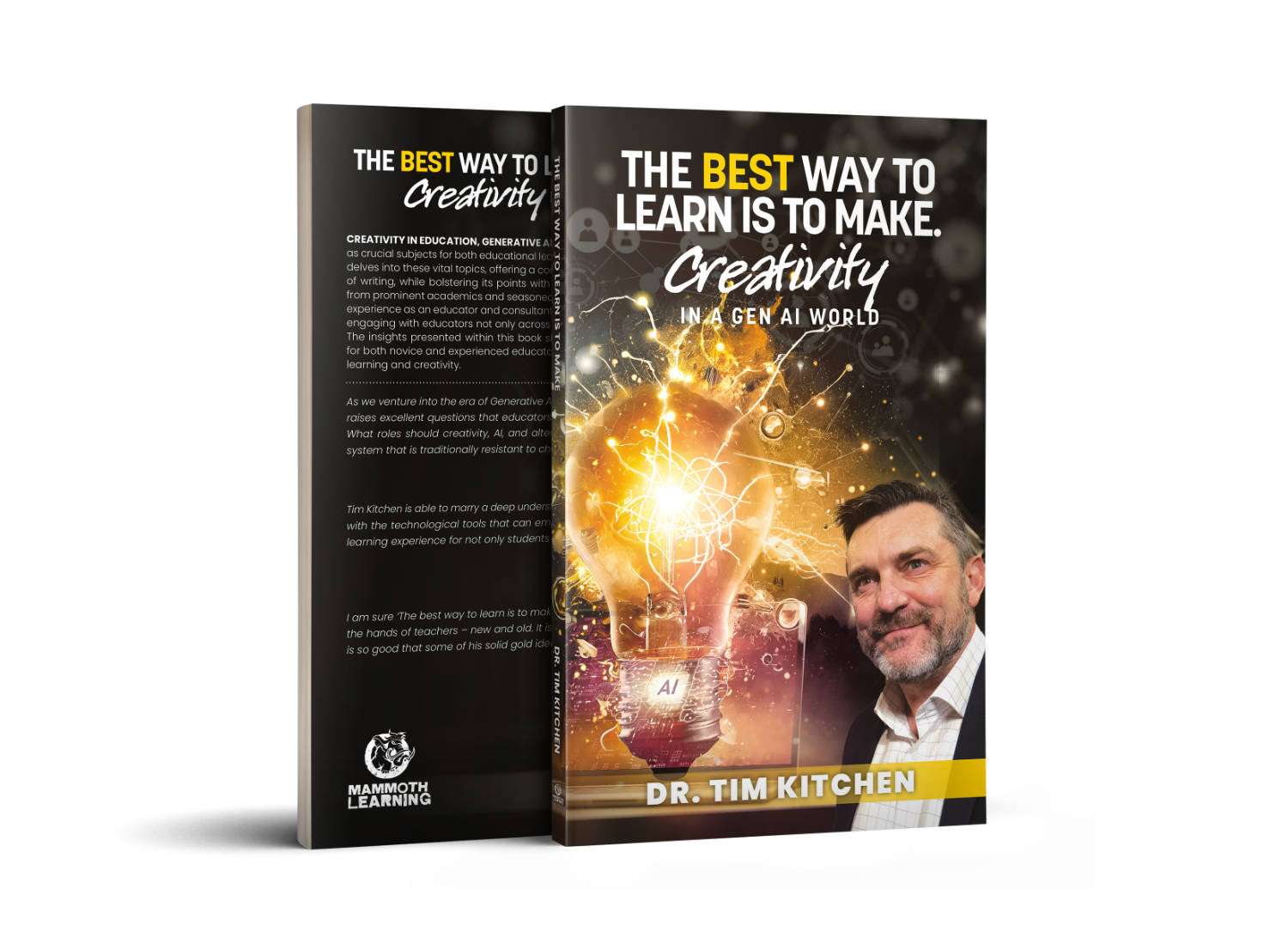
Kitchen, T. (2024). The Best Way to Learn is to Make – Creativity in a Gen AI World. Mammoth Learning
Tucudean G, Bucos M, Dragulescu B, Caleanu CD. 2024. Natural language processing with transformers: a review. PeerJ Computer Science 10:e2222. online available (January 2026) https://doi.org/10.7717/peerj-cs.2222
Tim’s book
The Best Way to Learn is to Make – Creativity in a Gen AI World
This book draws together Tim’s understanding of future directions in technology as well as his deep understanding of what students need in our classrooms. It is essential reading for all teachers (Dr Helen Hughes).
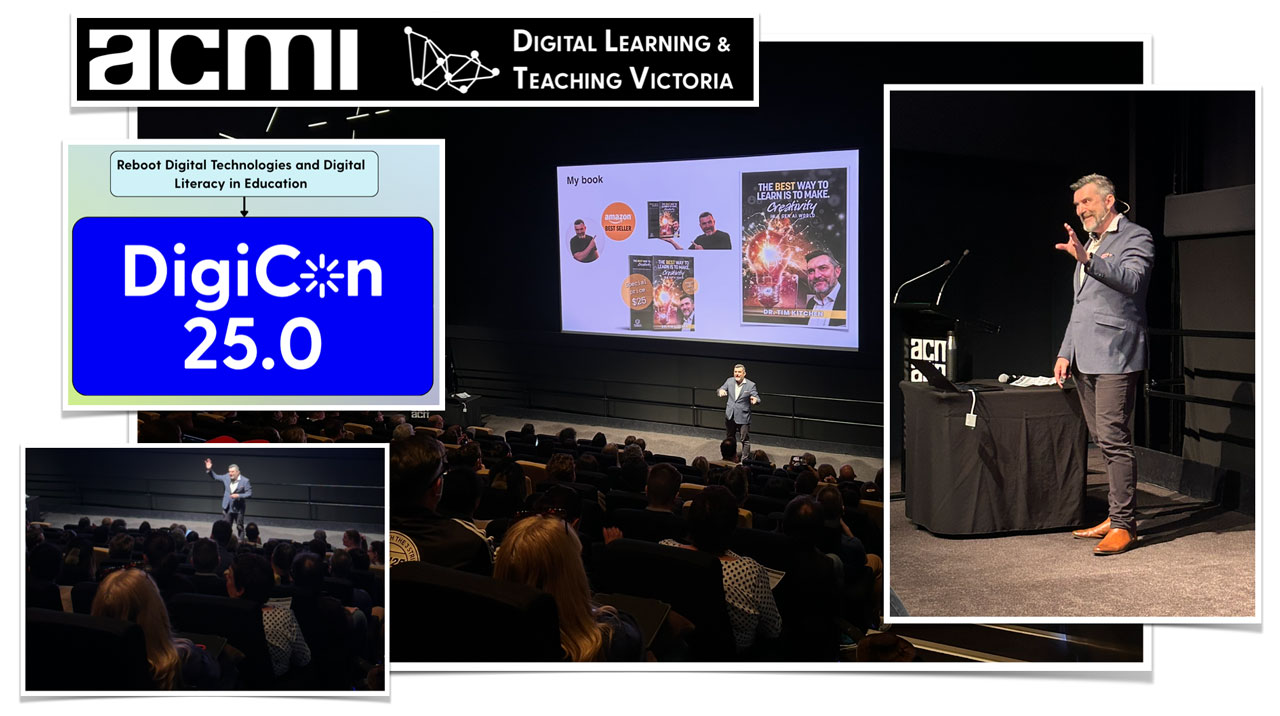
On Thursday 27 November 2025, I had the pleasure of doing the opening keynote address at DigiCon in Melbourne, a fantastic conference jointly run by ACMI and DLTV. It felt a bit like coming home. I bumped into so many familiar faces, people I’ve known since my days as the inaugural VP of DLTV and VP of VITTA.
At the same time, it was wonderful meeting a whole range of new educators, all buzzing with ideas and just as passionate as ever about strengthening digital literacy and creativity in their classrooms.
A real highlight was spending some time with the lovely Paula Christopherson, who was recognised as a Life Member of DLTV. Seeing her honoured for her dedication and contribution over so many years was truly special.
With Paula ChristophersonWith Catherine Newington from ACS
There was a lot of interest in my book and a number of teachers has purchased it previously and shared how much they enjoyed reading it.
I would like to thank the conference committee and especially Jacqueline Manison, the current President of DLTV for inviting me.
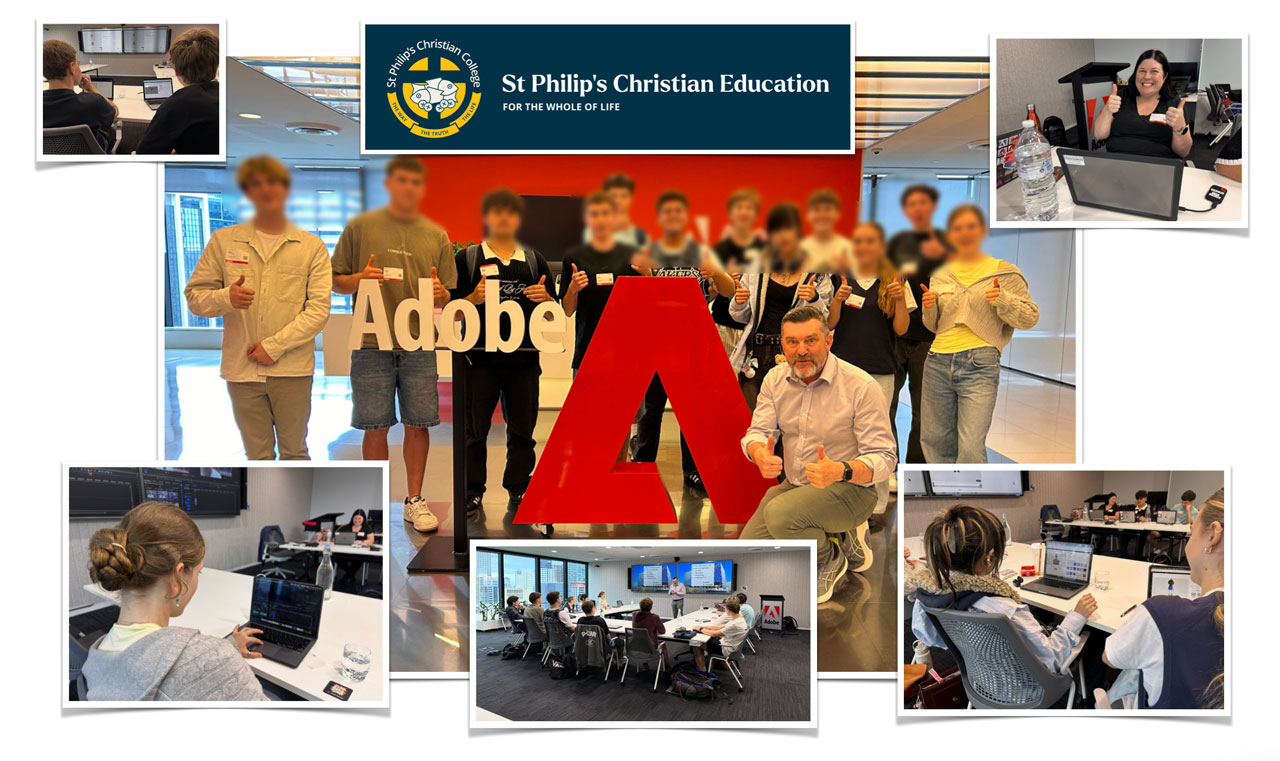
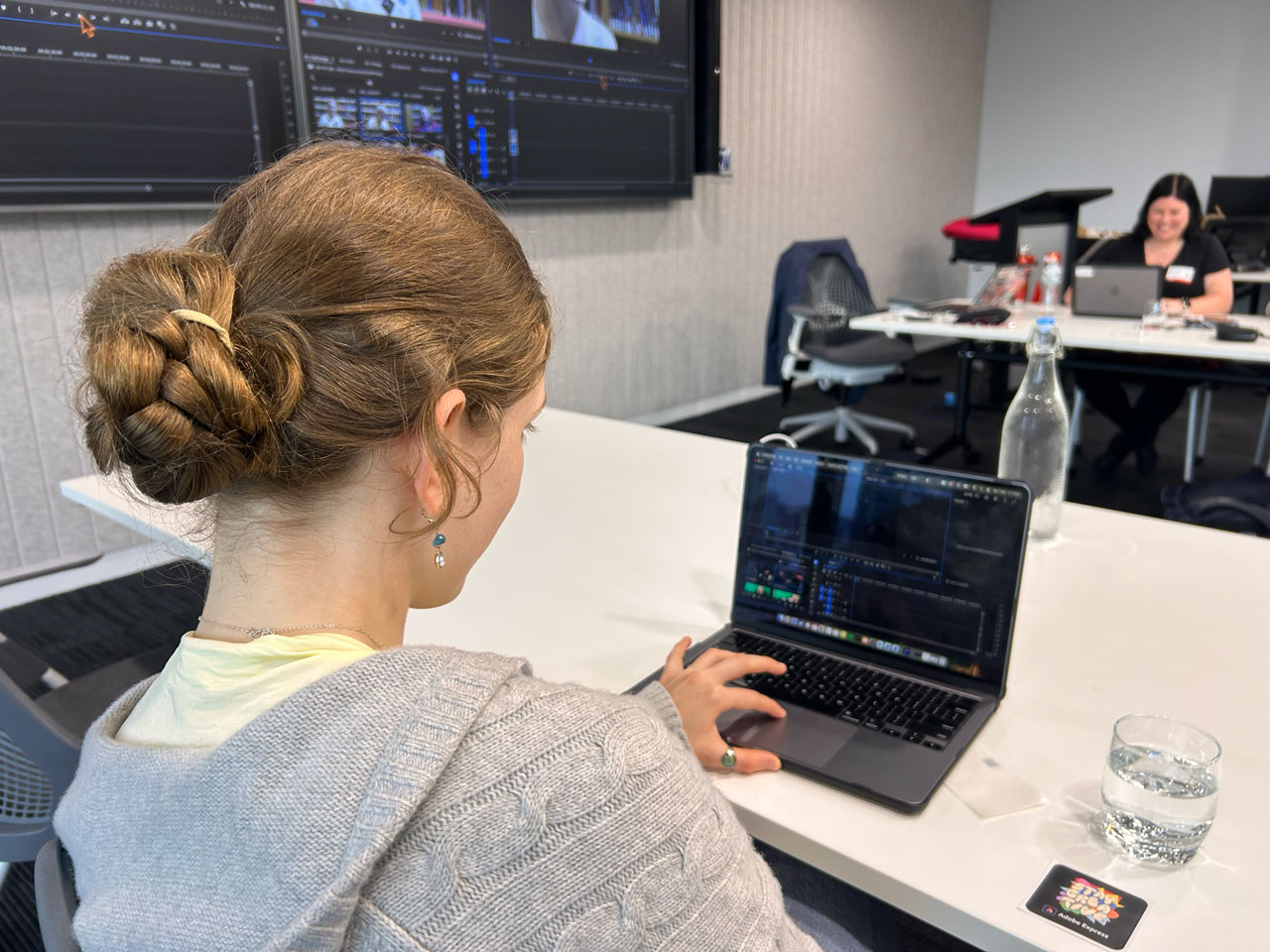
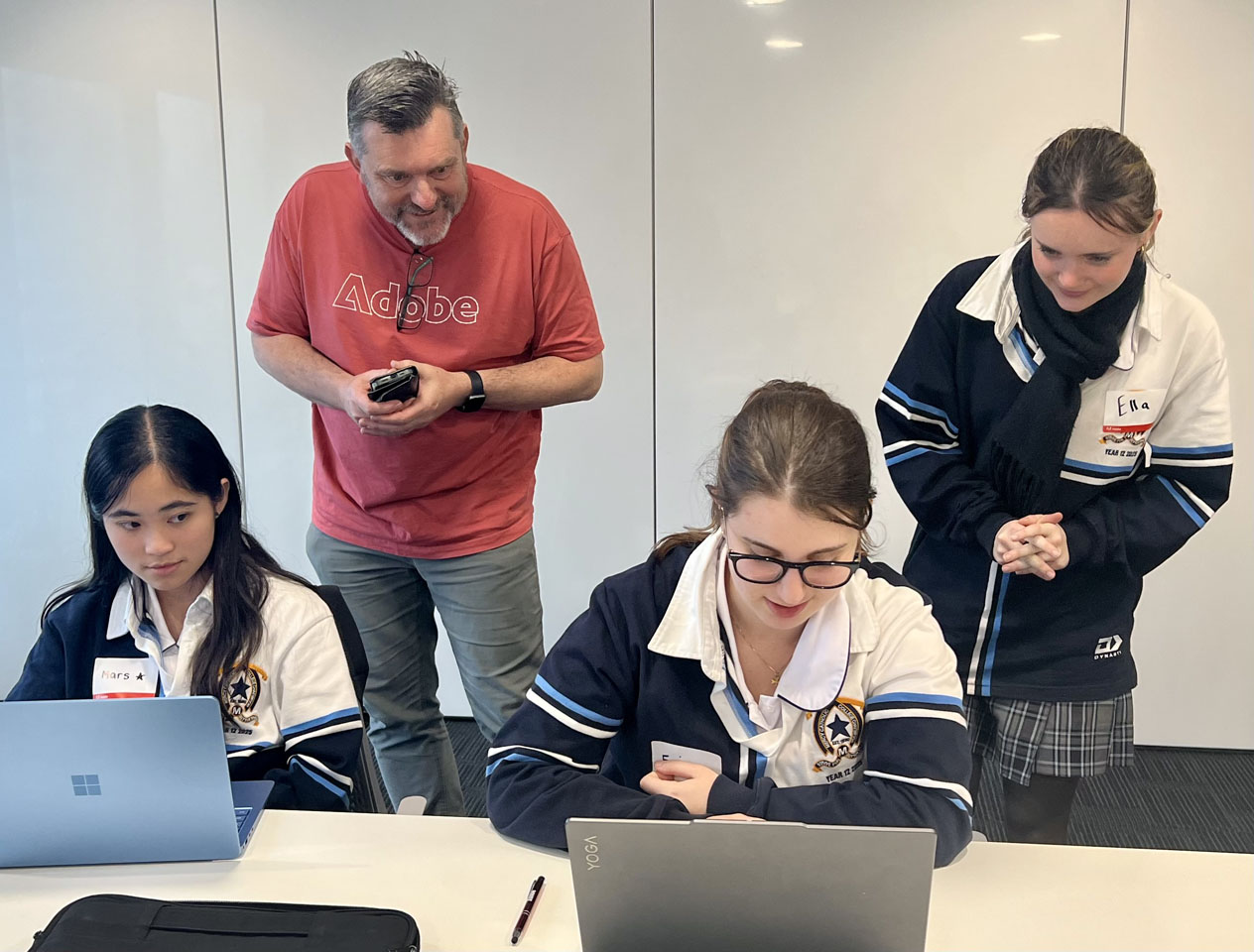
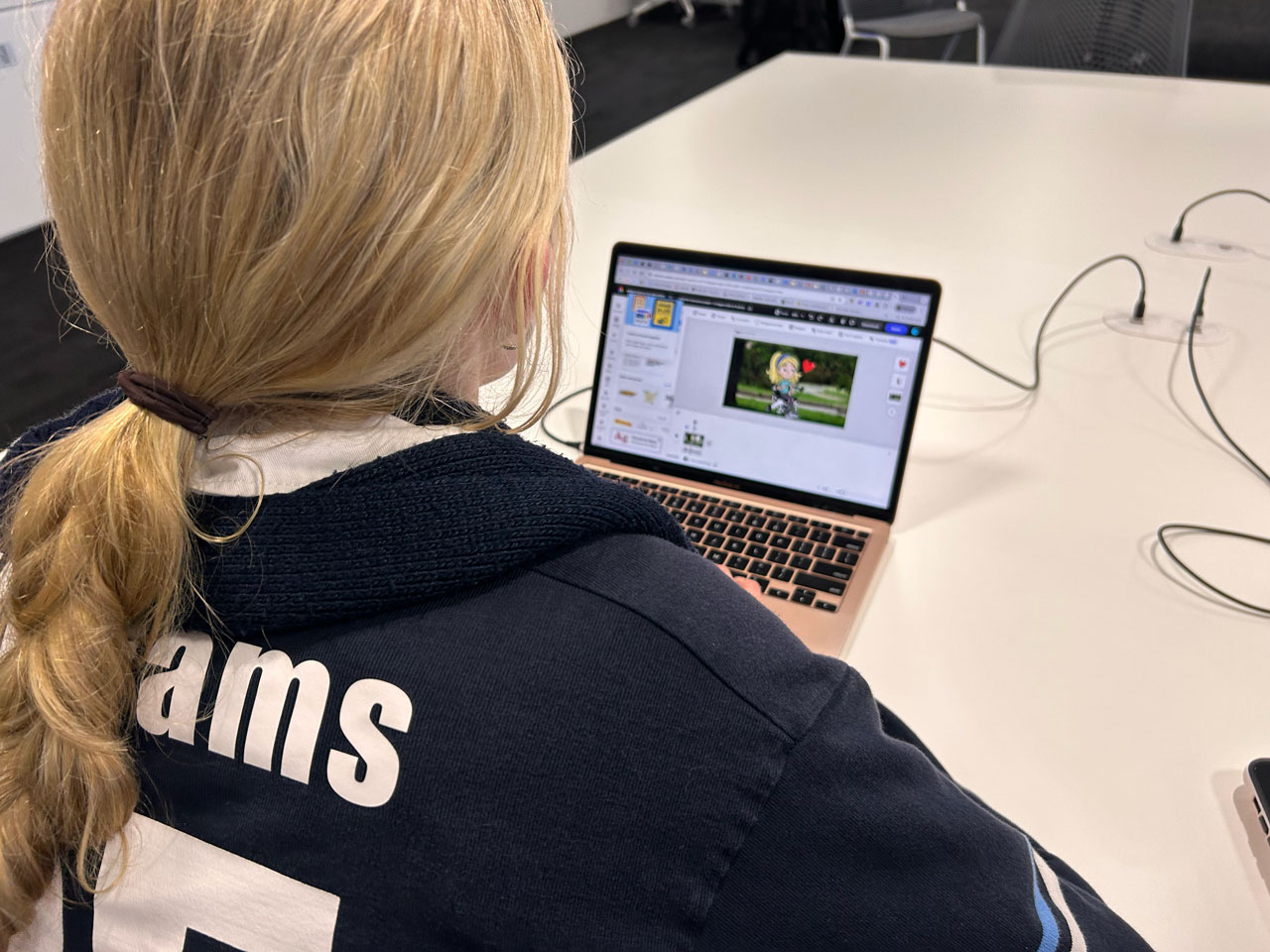
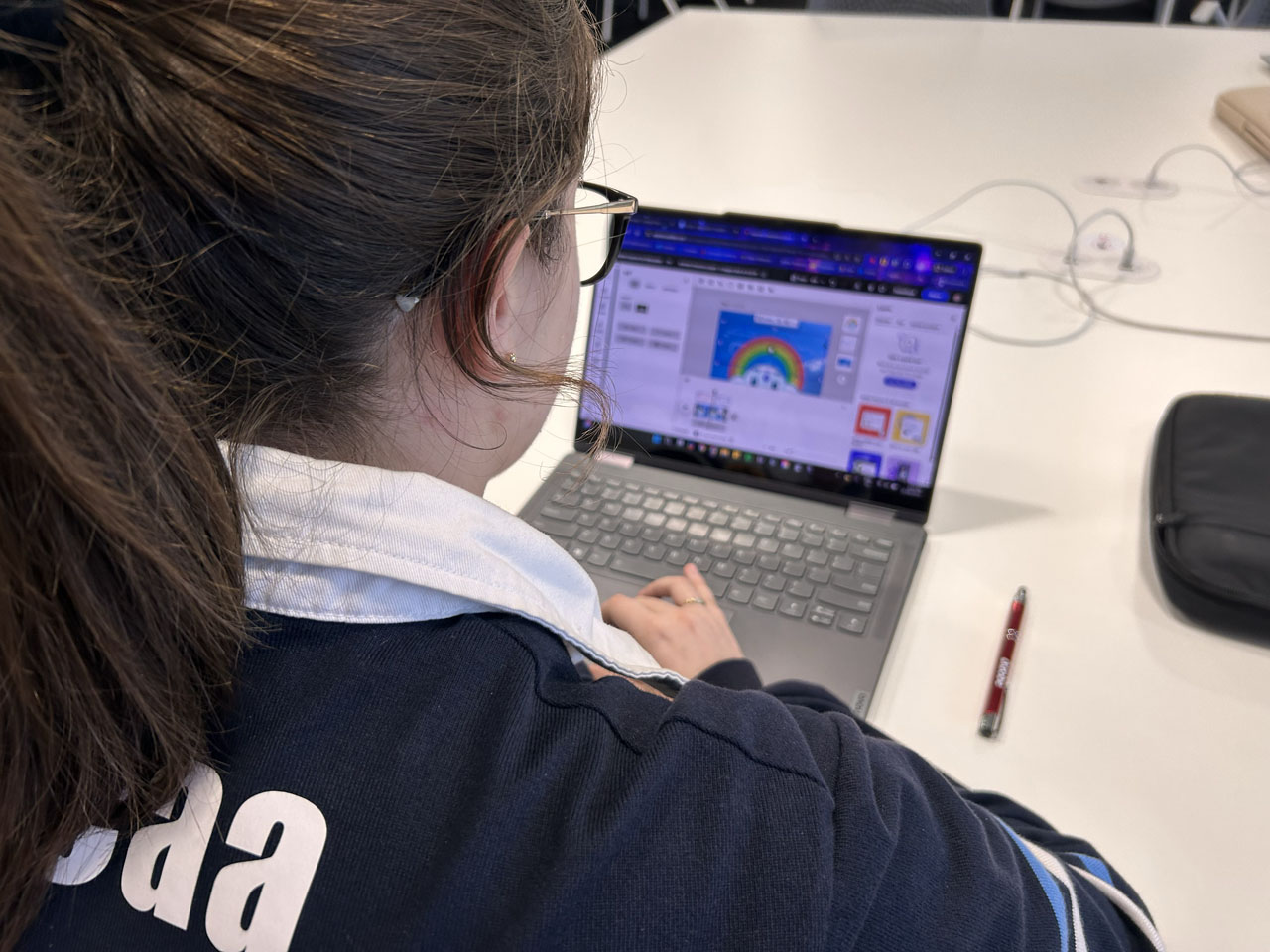
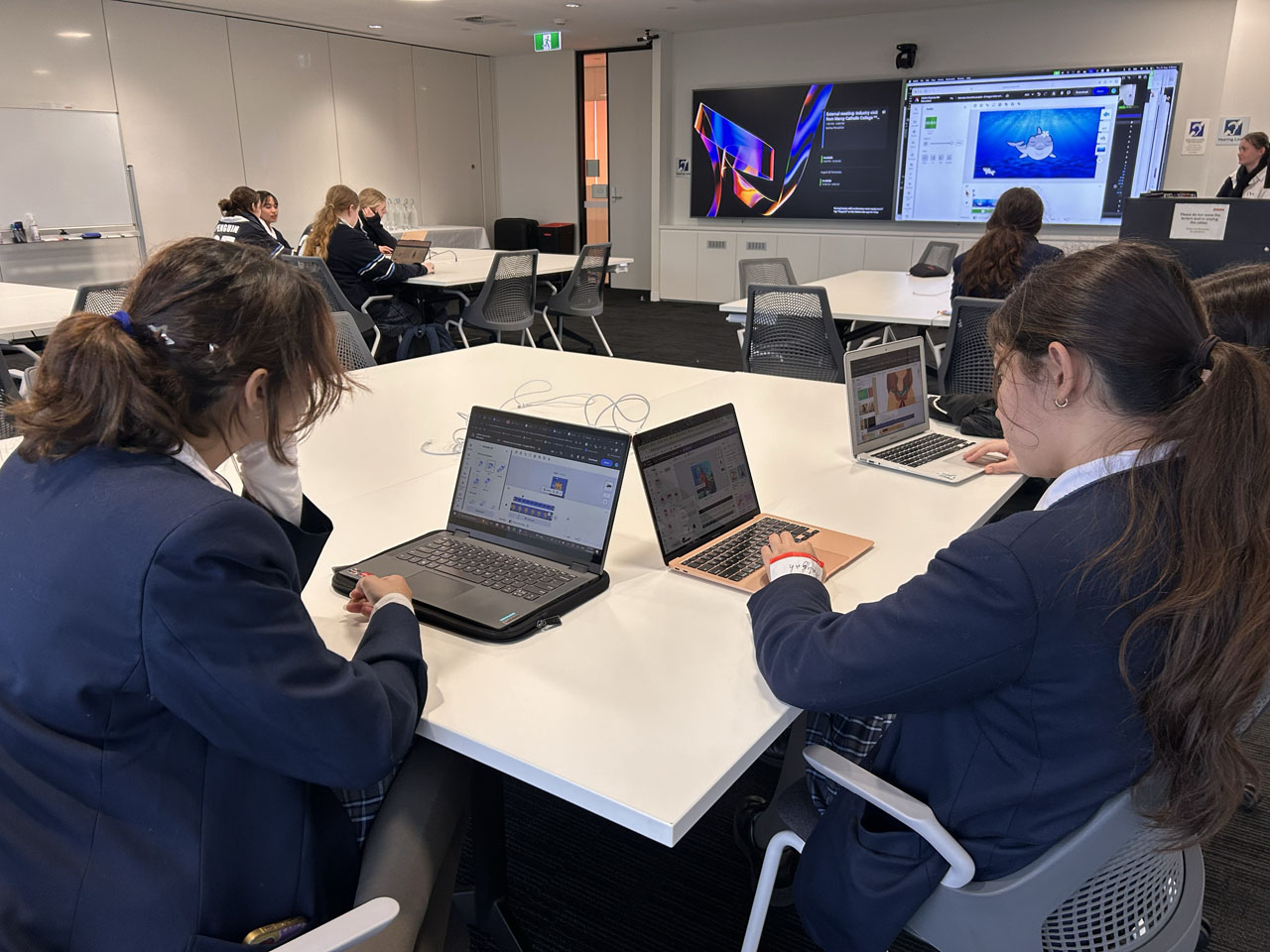
On Saturday 1st November, a wonderful group of media and arts students from St Philip’s Christian College in Newcastle visited the Adobe Sydney office as part of a city experience camp.
The aim of this event was to spend 4 hours getting to know more about Adobe Premiere Pro to help prepare the students for a range of media projects and for a future life of video communication.
Learning Adobe Premiere Pro is a great way for students to build powerful communication and video literacy skills. In today’s world, video is one of the most engaging ways to share ideas, tell stories, and make an impact — and Premiere Pro gives students the tools to do just that. As they plan, film, edit, and produce their own videos, they learn how to communicate clearly, think critically about visual storytelling, and collaborate creatively. These are skills that go far beyond the software — they’re essential for success in any modern career.
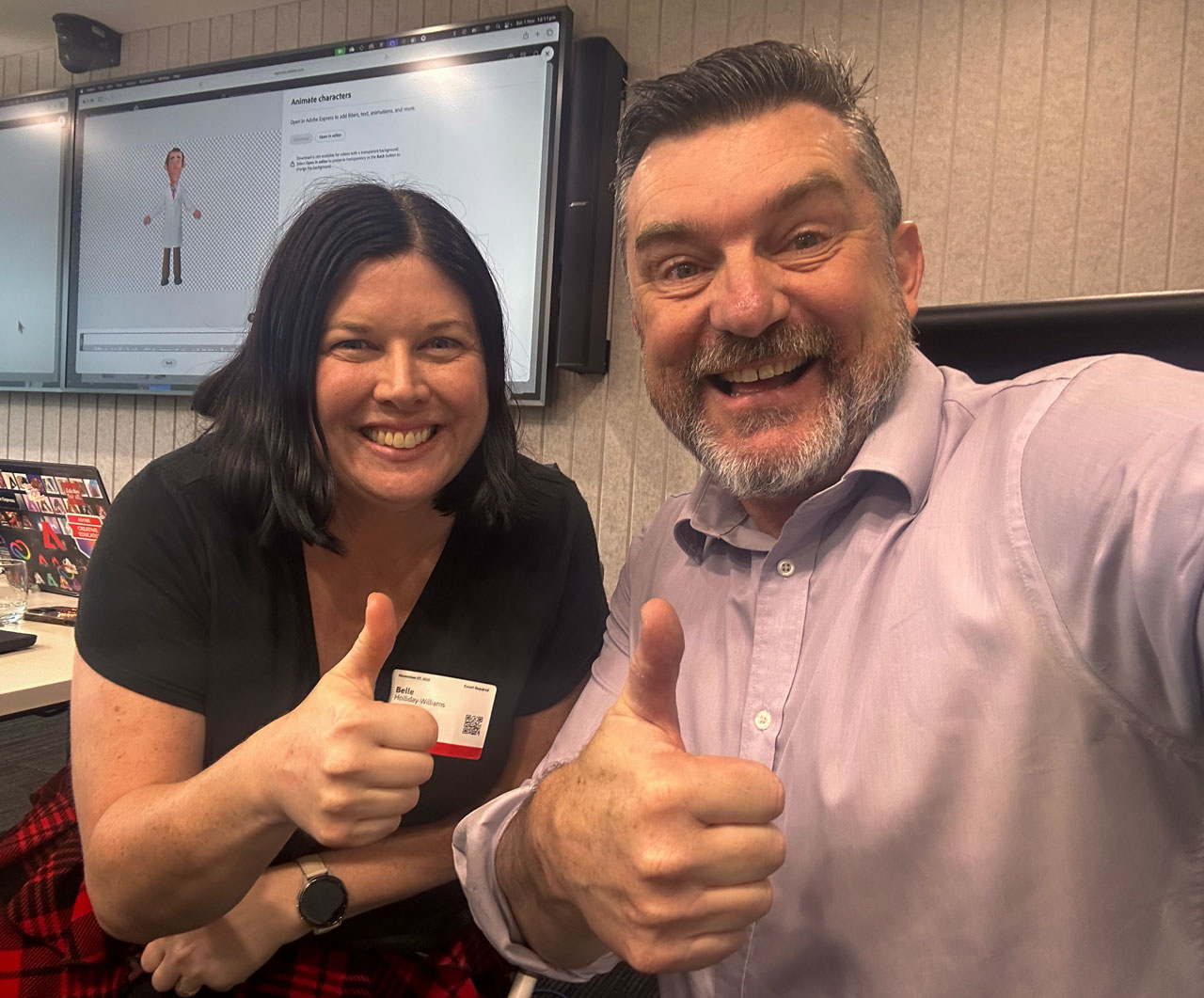
It was a pleasure to work with Adobe Creative Education (ACE) Belle Holliday-Williams (Leader of Student Media) at St Philips to make this experience possible for her students.
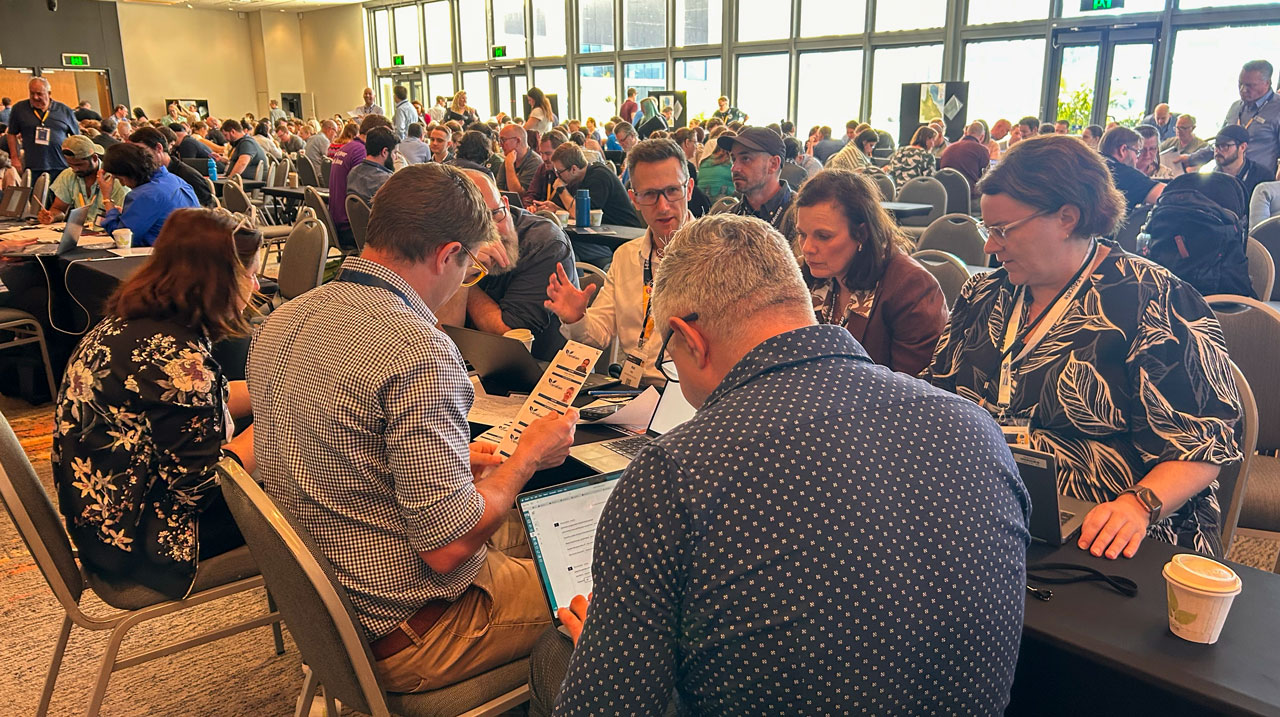
On Friday, 31 October, I had the pleasure of joining the 50th anniversary celebration of the Careers Advisors Association of NSW & ACT at their annual conference in Sydney. It was a fantastic event at the Sheraton Grand Sydney Hyde Park, with around 500 careers advisors, partners, and vendors all coming together to mark this special milestone.
The delegates included teachers from Government, Catholic, and Independent schools across NSW and the ACT, along with career development professionals from a range of sectors. Their work plays such an important role in education — helping young people make sense of their options when it comes to study, training, and future careers.
I was invited to the event as an author and education consultant. My session wasn’t focused on Adobe’s education solutions this time, but rather about the key skills students will need to thrive in the future — a topic that really connects with the work of careers advisors everywhere.
I also had the chance to do a book signing and loved chatting with so many passionate educators who are deeply committed to helping students discover their paths.
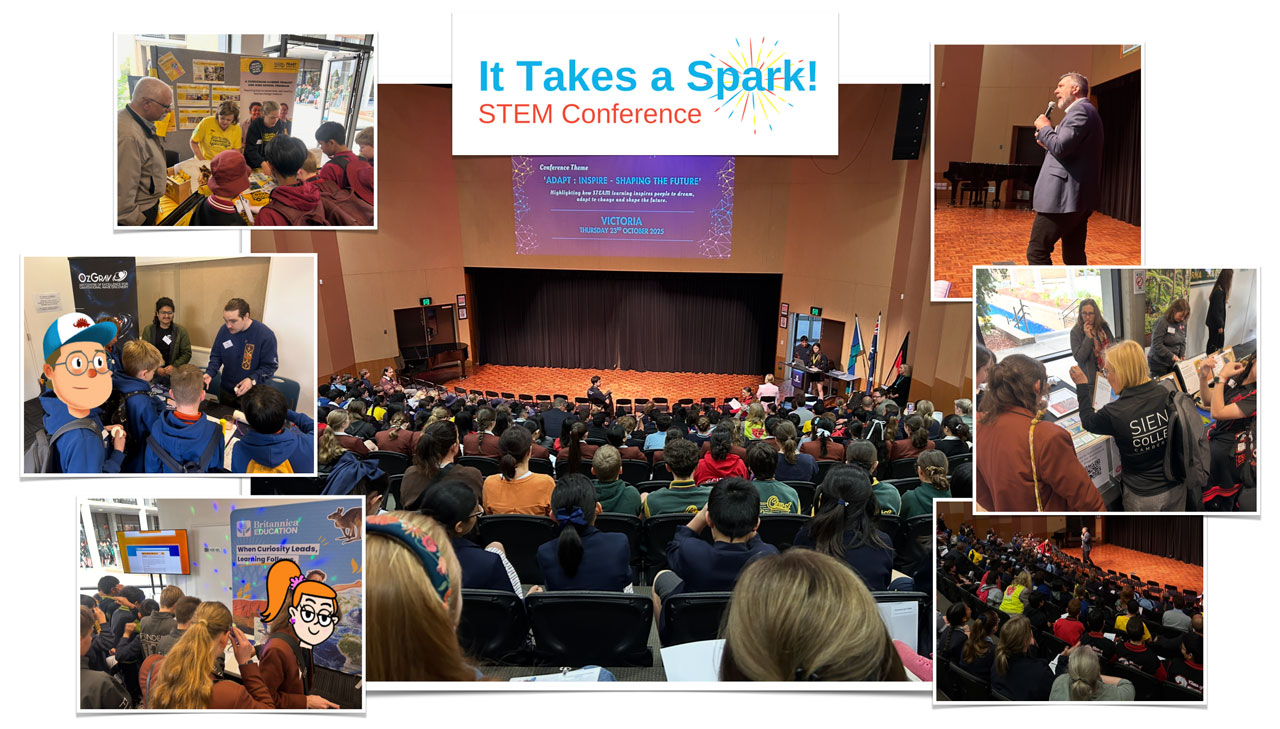
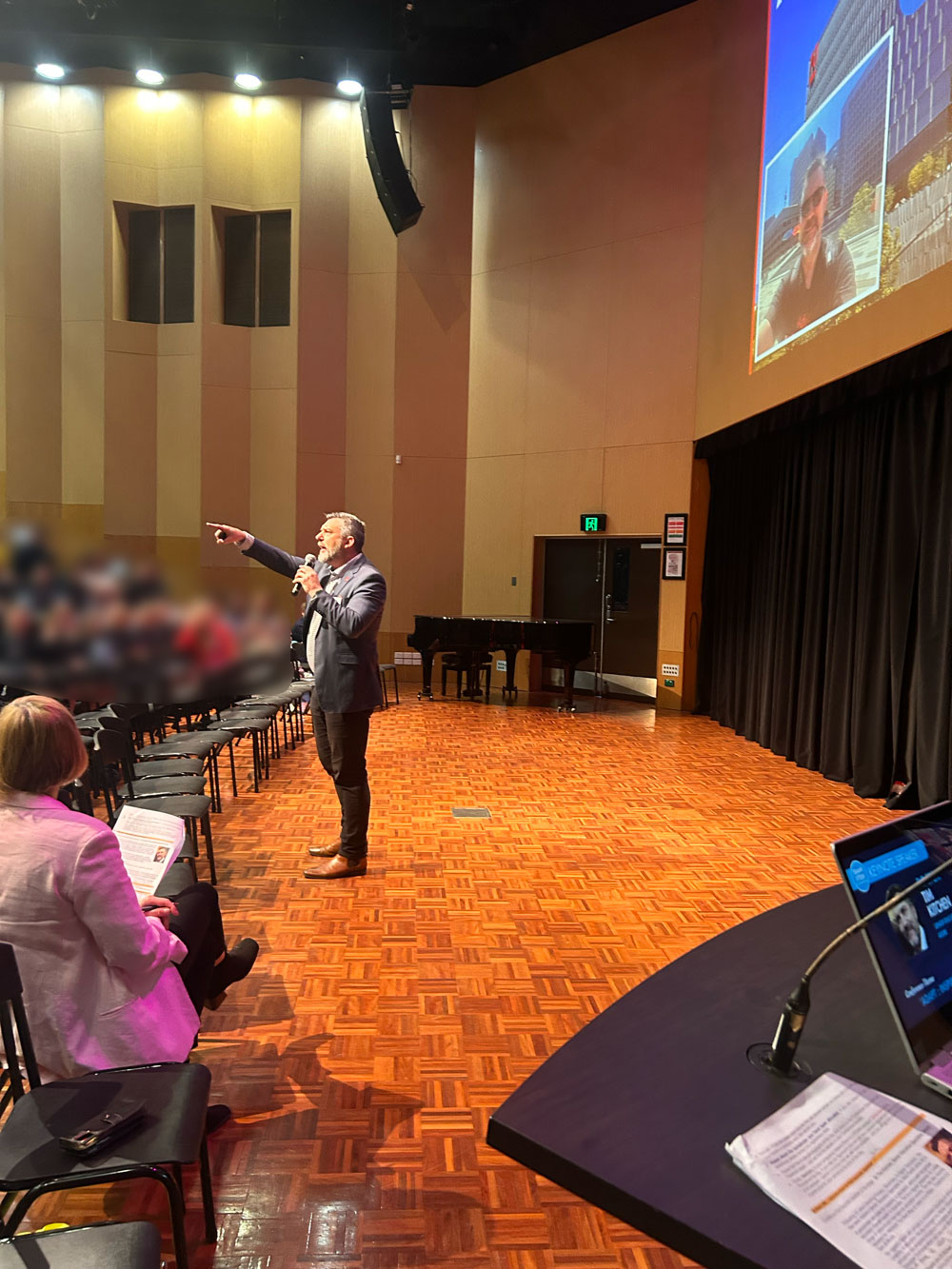
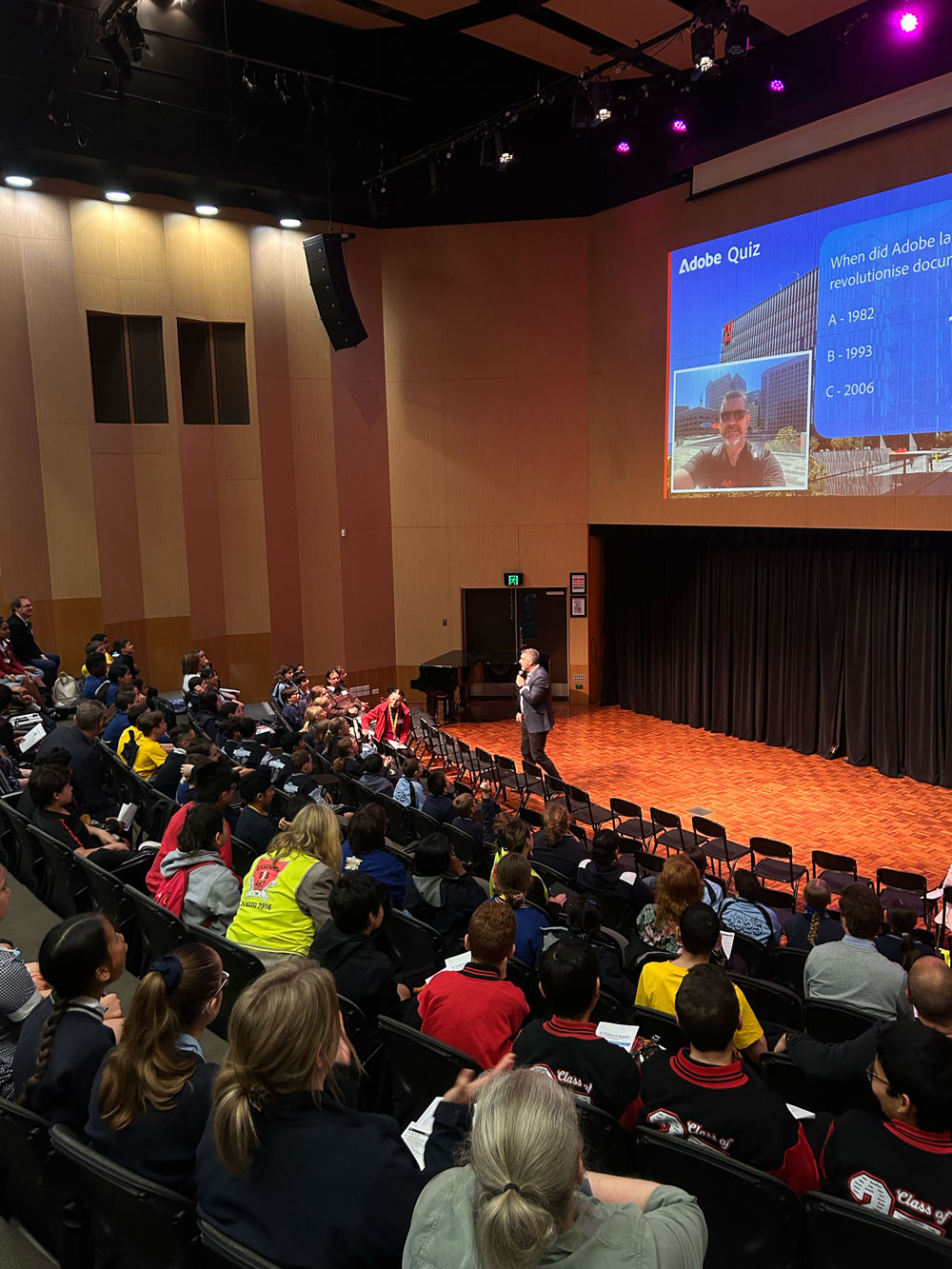
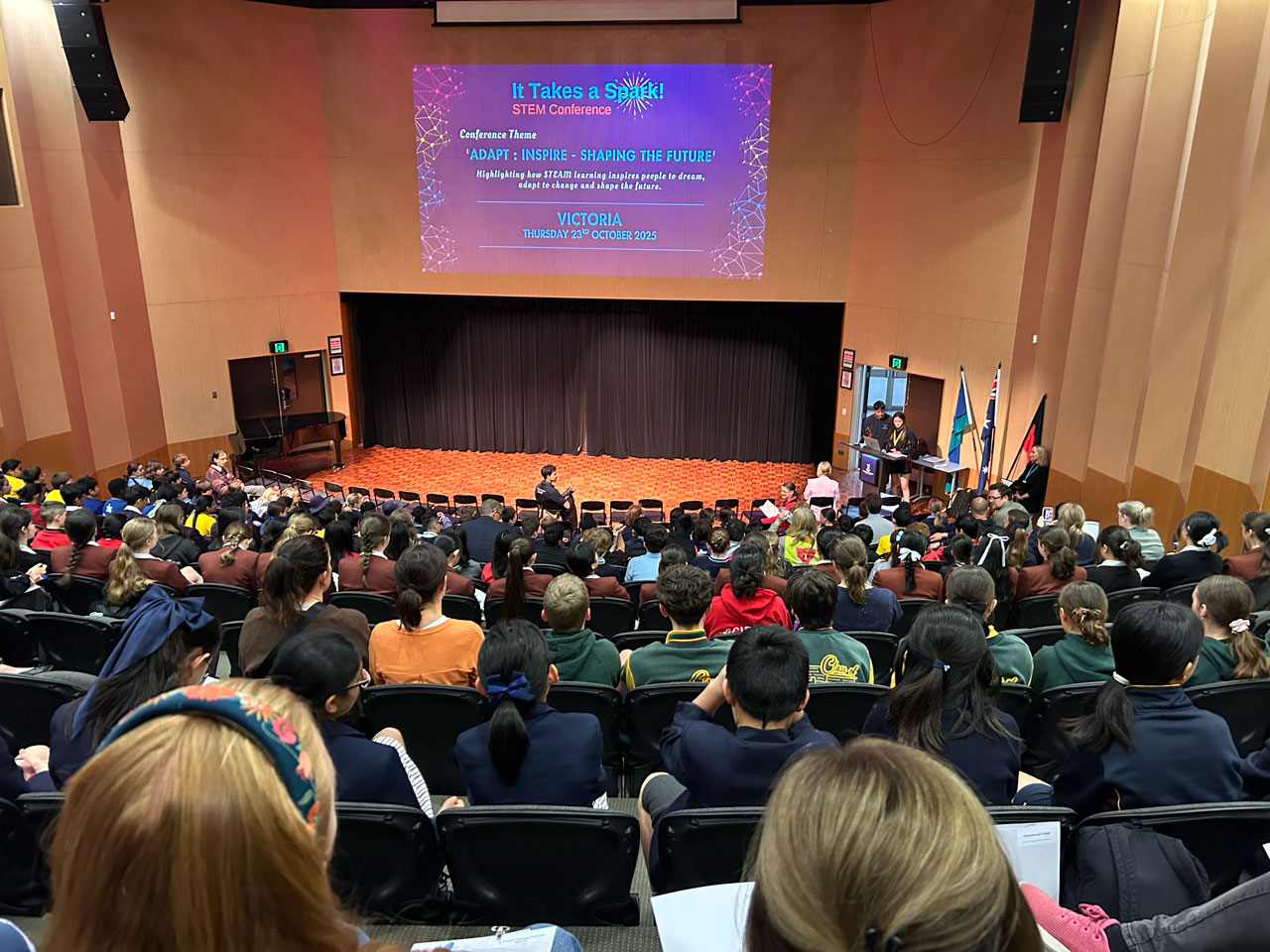
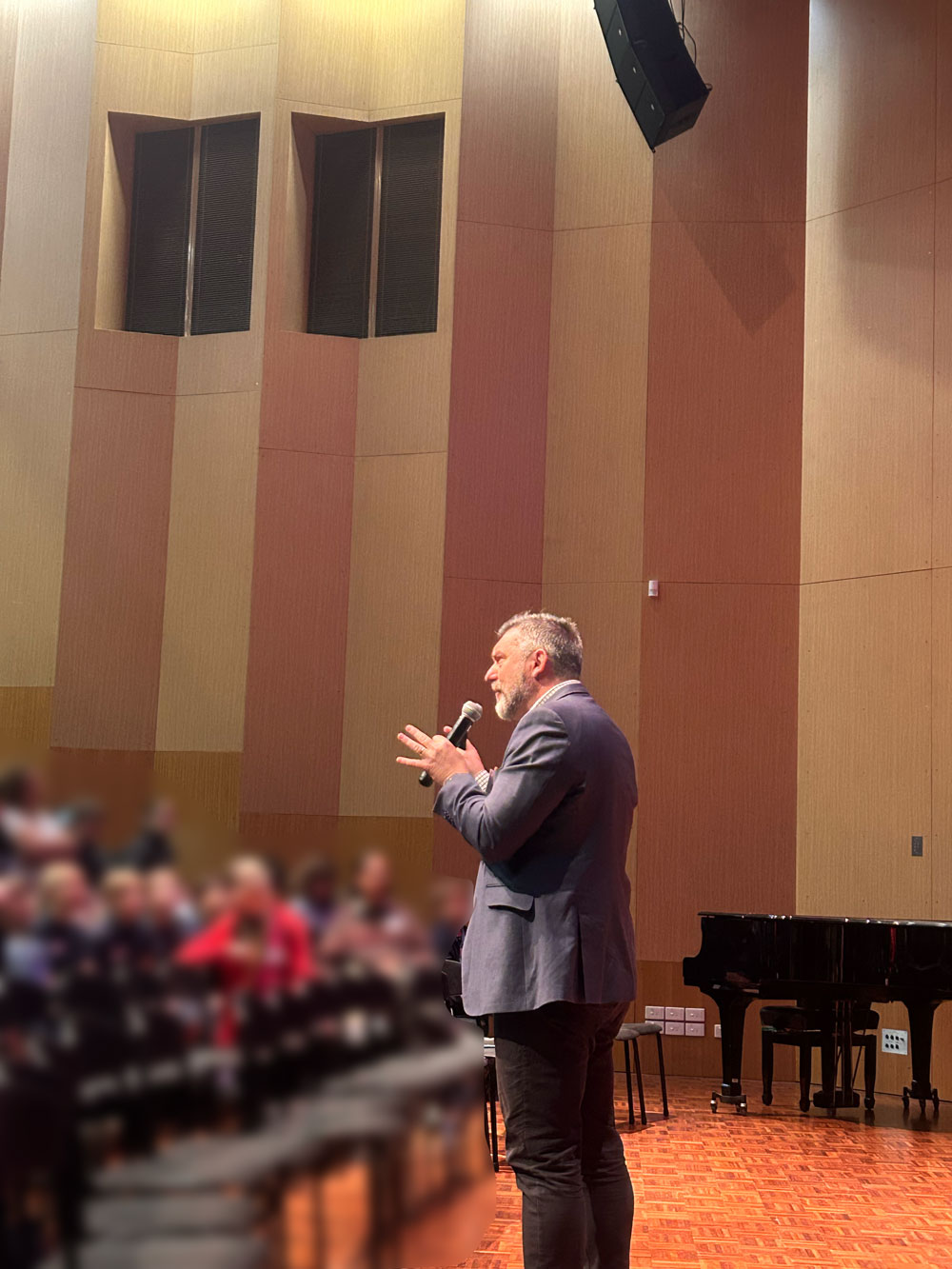
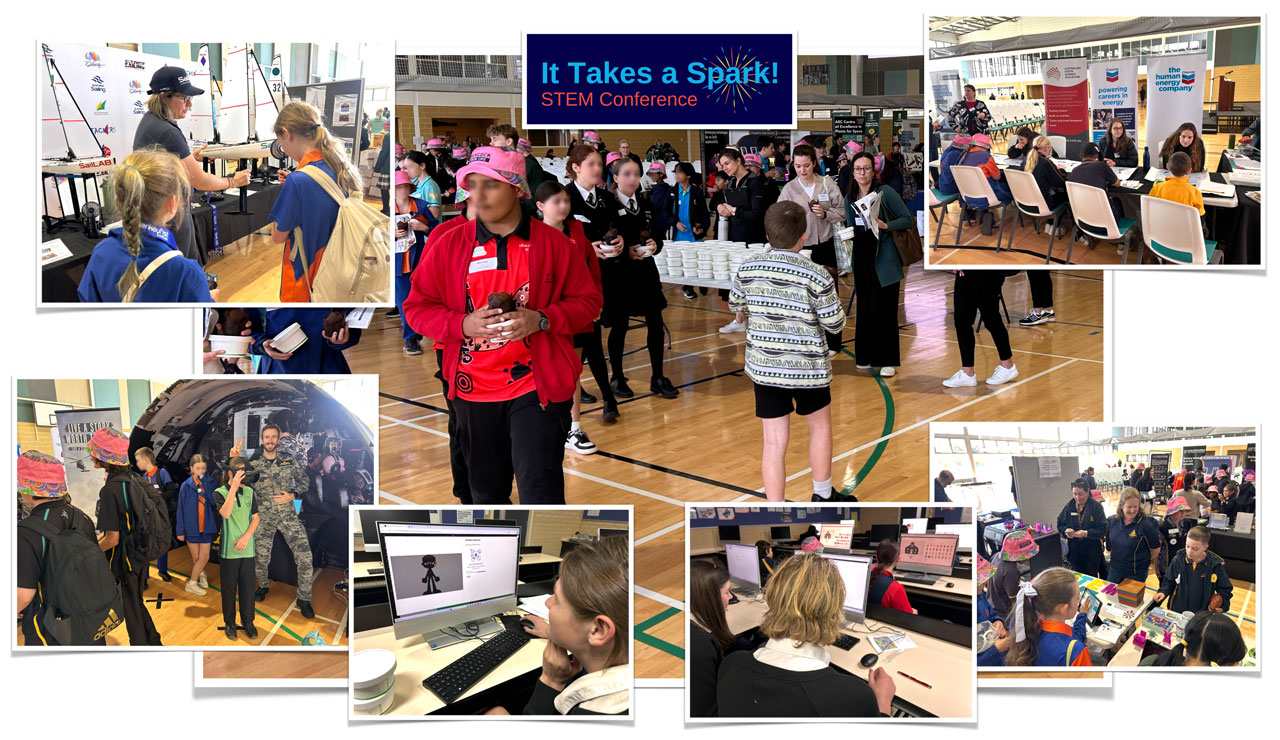
It was an absolute pleasure to deliver the opening keynote at the Victorian It Takes a Spark! STEM Conference, held at The Knox School in Melbourne on Thursday, 23 October 2025. The event brought together approximately 520 students and teachers from over 20 schools across Victoria, creating a vibrant and collaborative atmosphere.
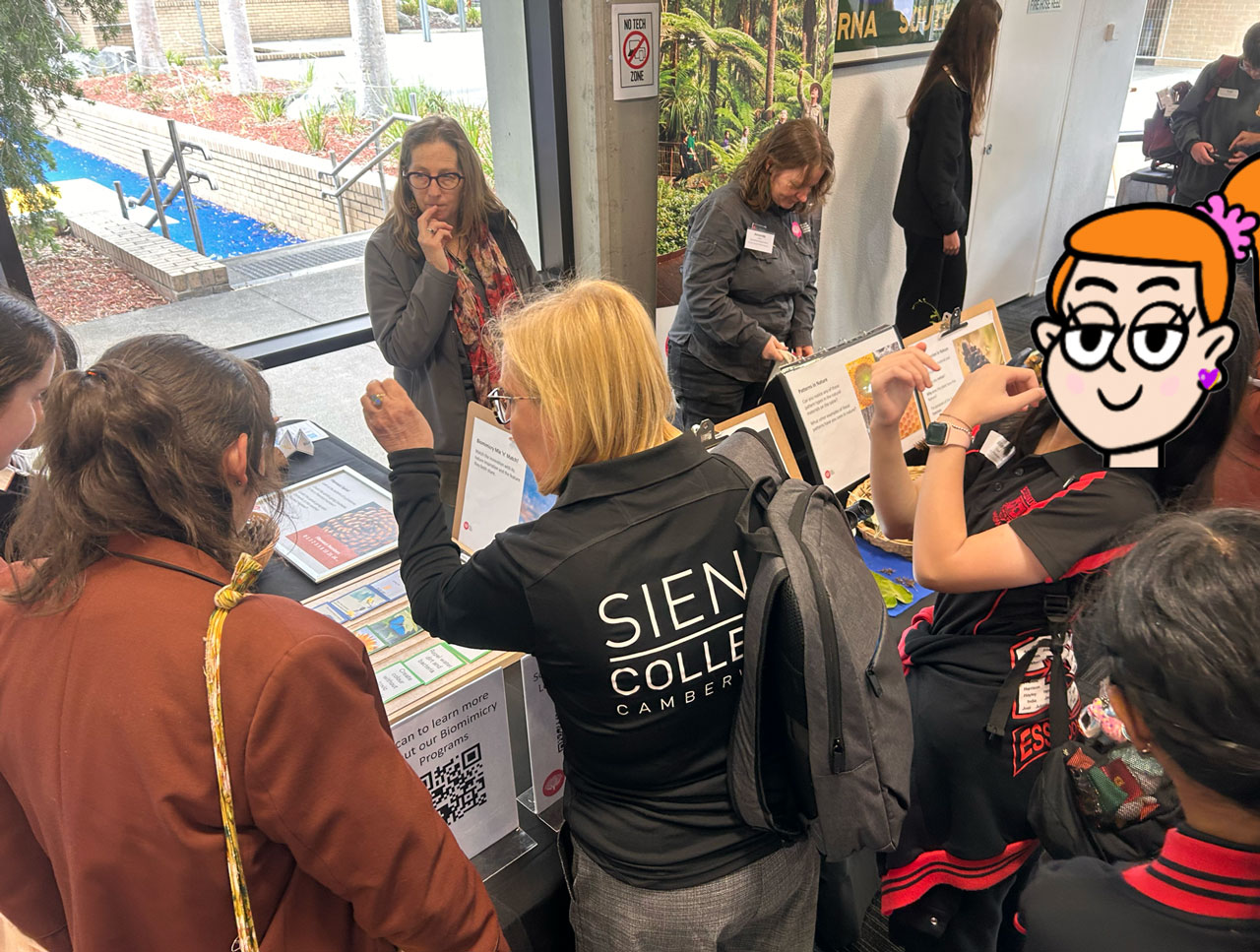
This inspiring conference is held annually in Victoria, Western Australia, and Queensland. I was also fortunate to lead a workshop at the WA event in Mandurah this past September.
What sets It Takes a Spark! apart is its unique focus on both educators and students. Throughout the day, participants engaged in a range of interactive sessions including a Digi-Design Mini Workshop, a Problem Solvers Design Challenge, and keynote presentations. Teachers also had the opportunity to attend exclusive Mini Masterclasses and networking sessions, which featured Adobe Creative Educator Level 1 and 2 micro-credential courses.
I would like to thanks Dr Adrian Bertolini for inviting me to be involved.
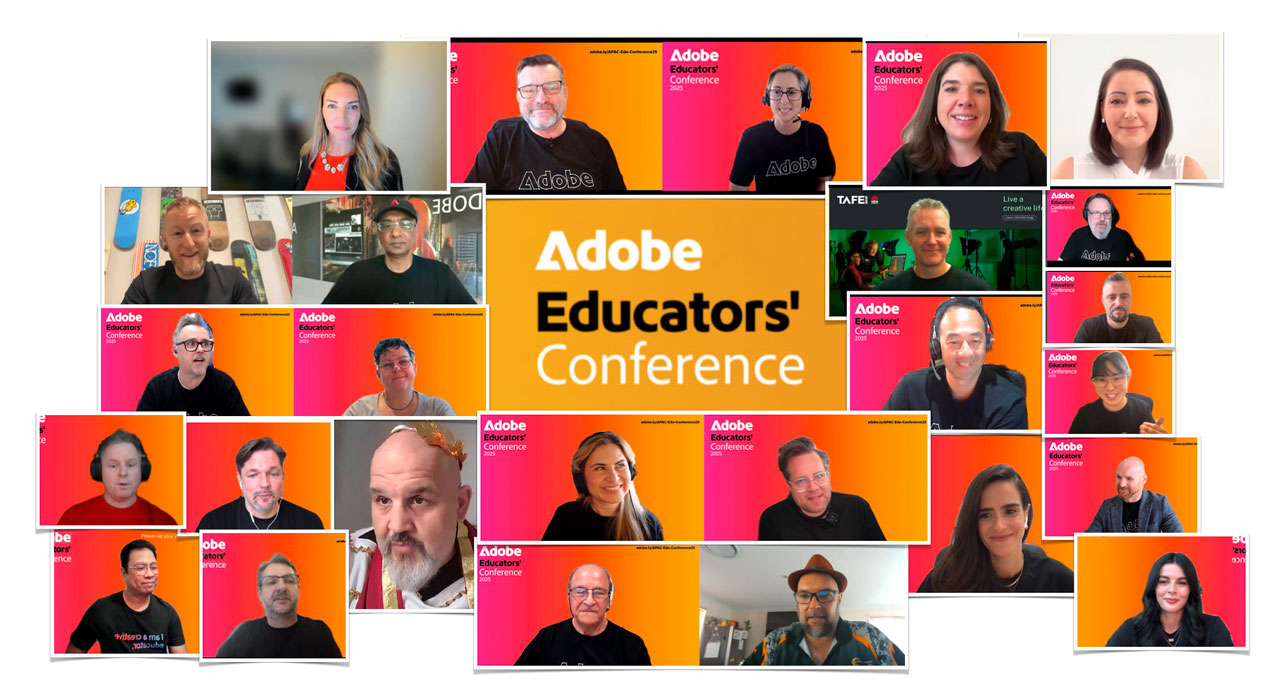
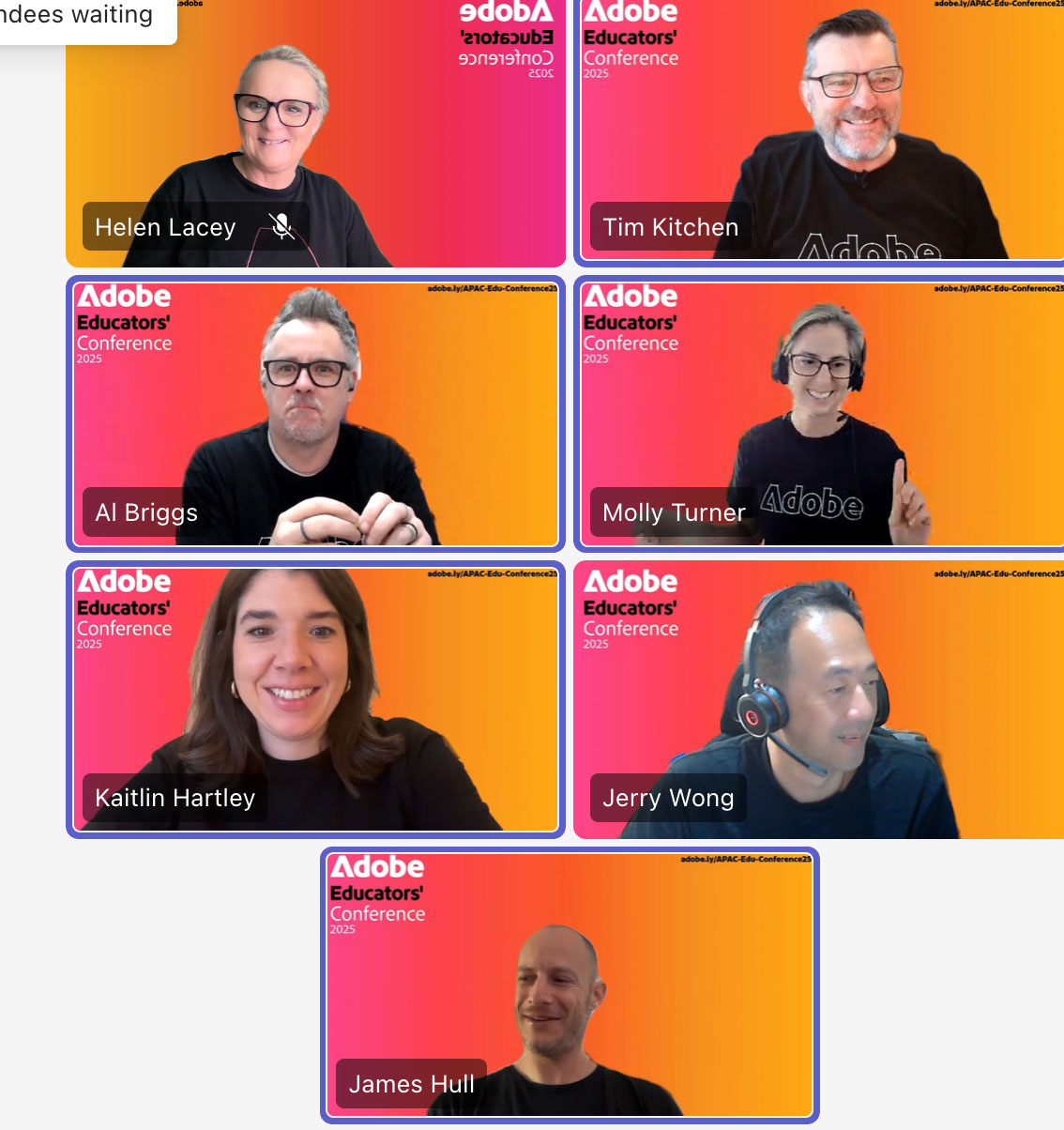
The 2025 Adobe Educators’ Conference was a live and on-demand professional learning event run by the ANZ Adobe Education Team aimed at K-12 & Higher Ed teachers with a focus on encouraging creativity in the teaching & learning process with the use of a range of Adobe applications.
Just over 4,000 teachers viewed the Conference site in anticipation of this event with hundreds registering to watch sessions live or on-demand.
Most of the workshop/presentation sessions were run and moderated by Adobe Creative Educator (ACE) Leaders and Innovators.
Conference opening video
Opening plenary session
K-12 Keynote 1
Improving Student Outcomes with Adobe Express for Education with Therese Adams (Global Adobe Edu Team)
HED Keynote 1
Future-Ready Learners: Embedding Digital and Transferable Skills in Tertiary Education with Cherie Diaz (Western Sydney University)
K-12 Keynote 2
An AI Odyssey: Navigating the Future of Education with Brett Salakas (HP Education Ambassador)
HED Keynote 2
Storytelling as a Skillset: Creativity, Critical Thinking, and Digital Fluency in Action with Manuela Franceschini (Adobe Senior Business Developer – Education)
93% agreed that the overall quality of this event was excellent.
95% agreed that the content of this event met their expectations.
93% agreed that they will be able to apply much of what they learned in their work.
Highlights (key comments)
The Adobe session was definitely well presented, engaging, and very informative. The presenters explained concepts clearly, and I learned valuable strategies that I can apply in my work. Overall, it was a great and inspiring online session.
All the sessions that I attended were very well-presented with hands-on demonstrations and plenty of interaction.
The range of seminars covering range of creative digital elements that can be applied in a classroom – so inspiring – love the mini workshops and useful links provided
Other comments
This is a brilliant initiative which brings like-minded educators of the future together to learn and share ideas.
Thank you very much appreciate being able to attend and be inspired
The information gathered from both sessions will enable me to effectively help my students use Adobe Express and support my colleagues through teaching and knowledge sharing.
I needed this PL to give my teaching some more flavour and to answer some of my concerns about AI
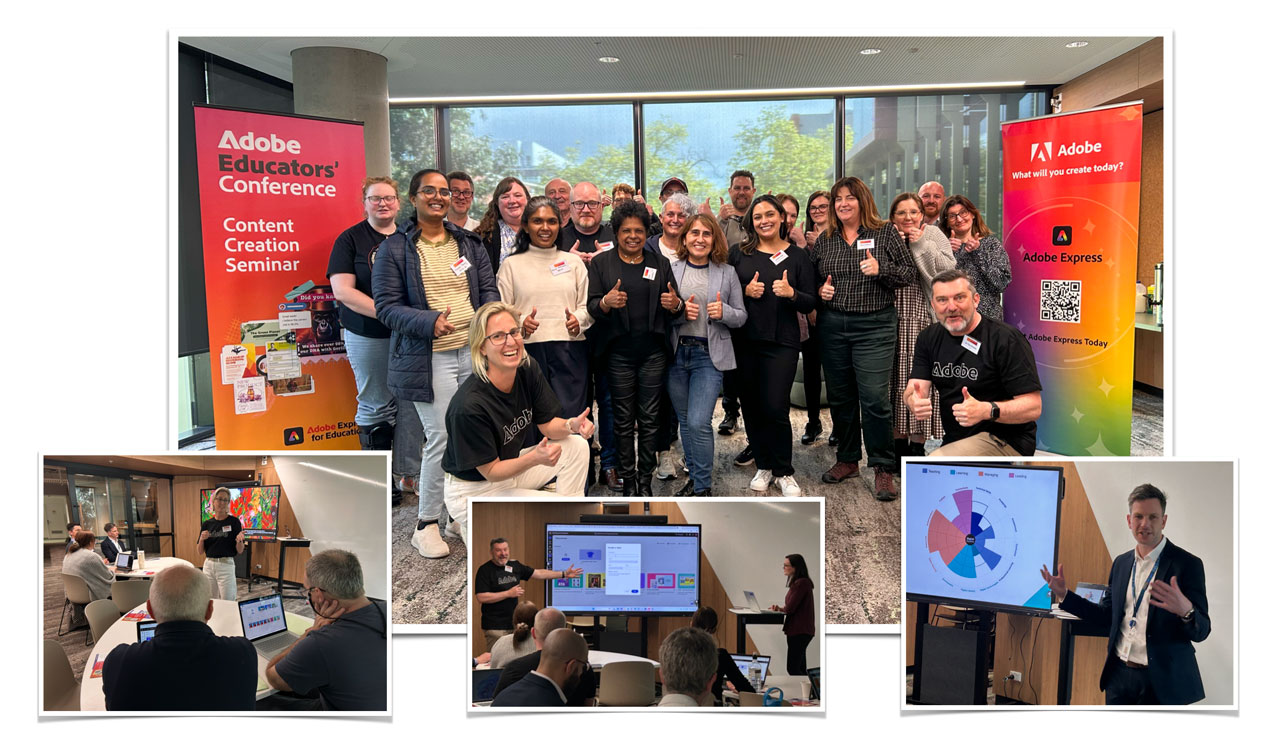
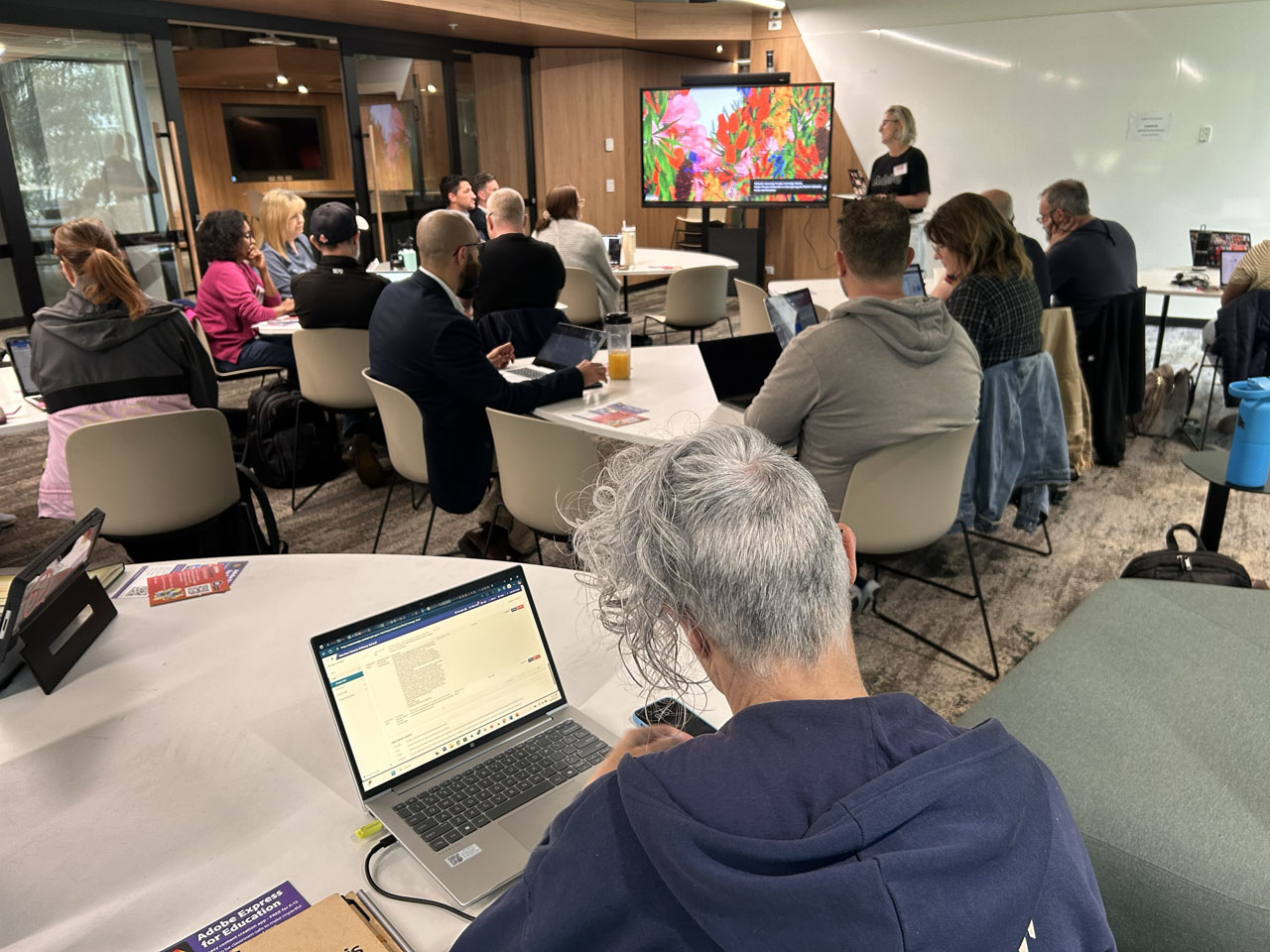
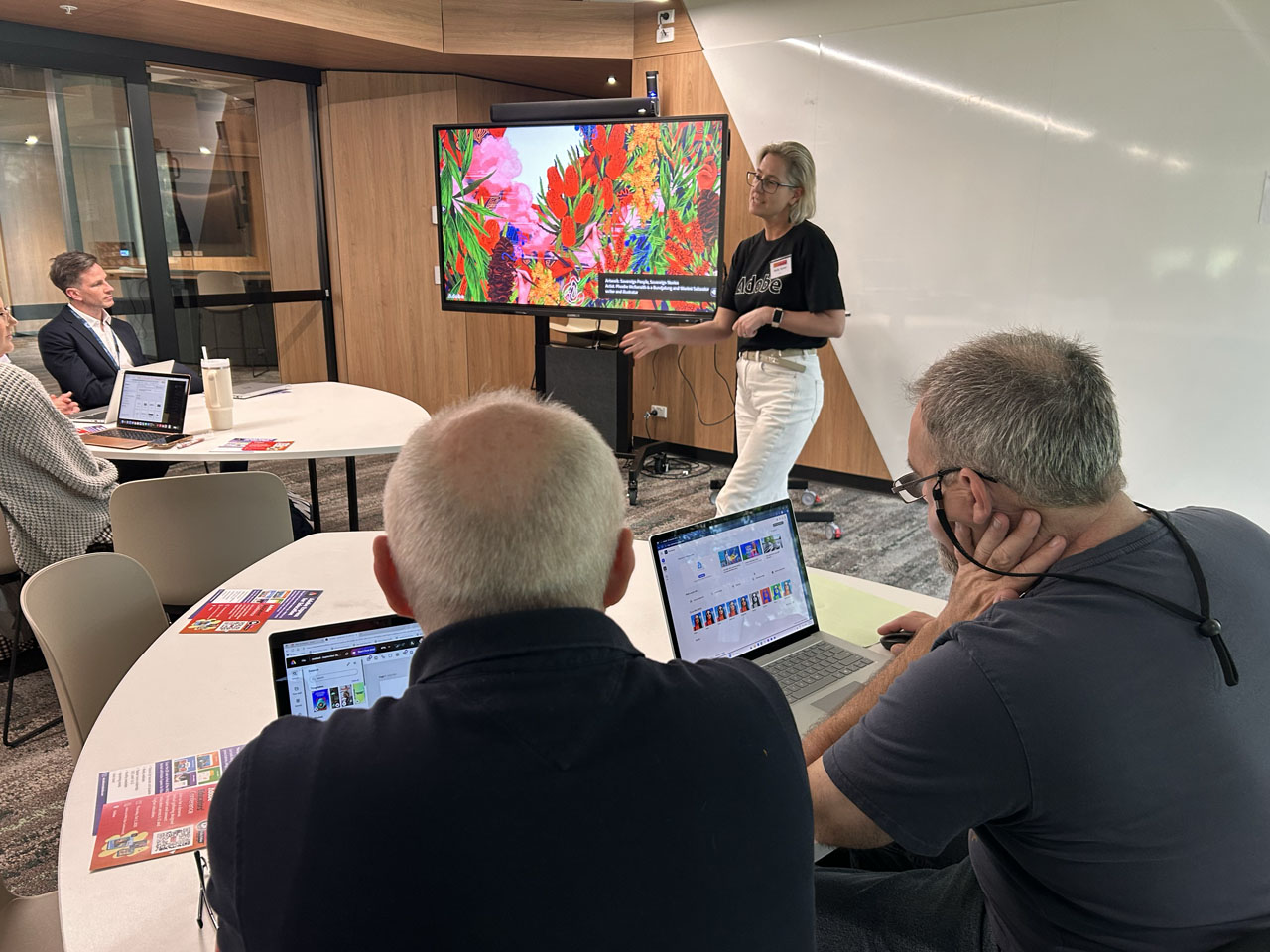
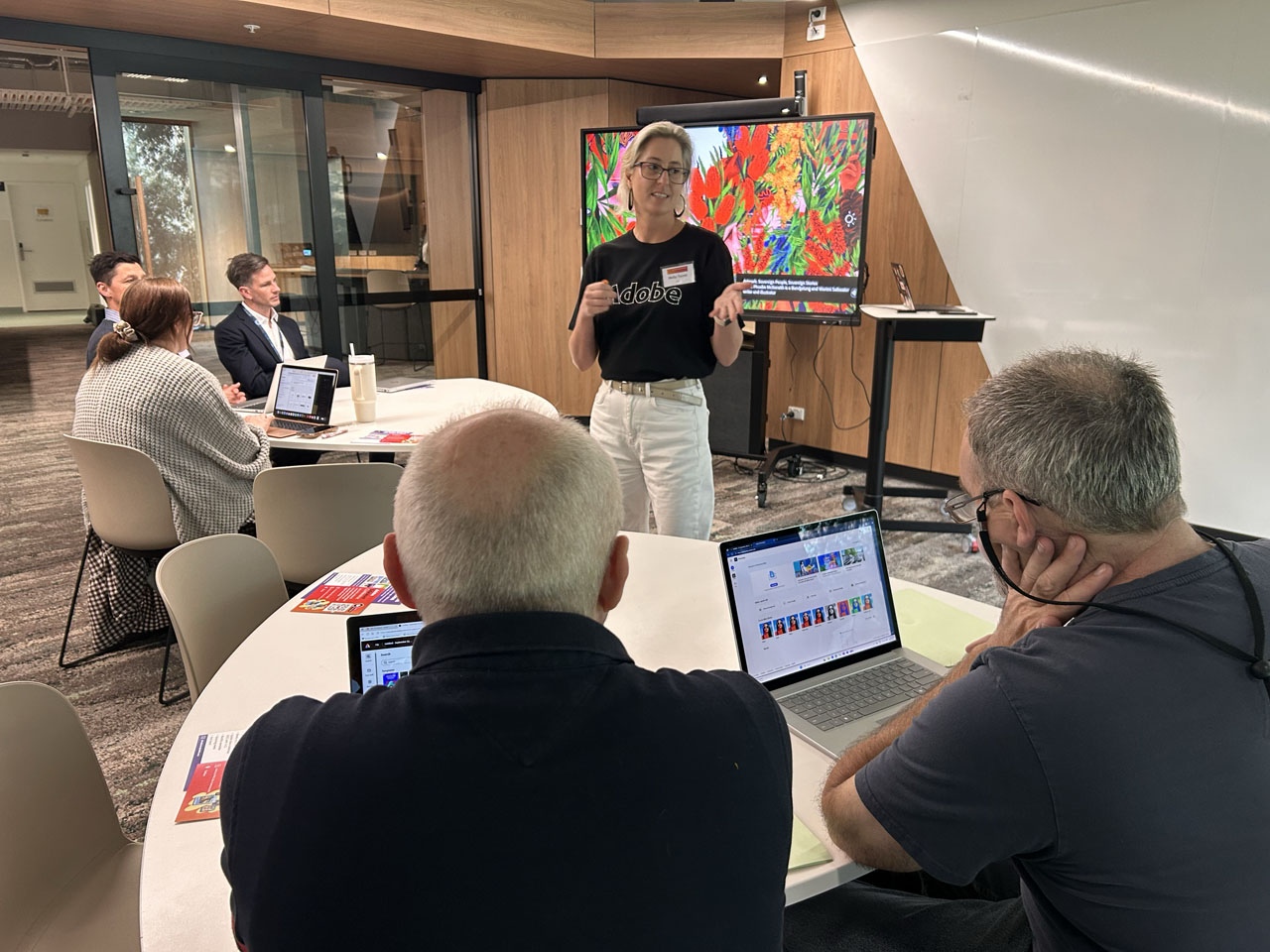
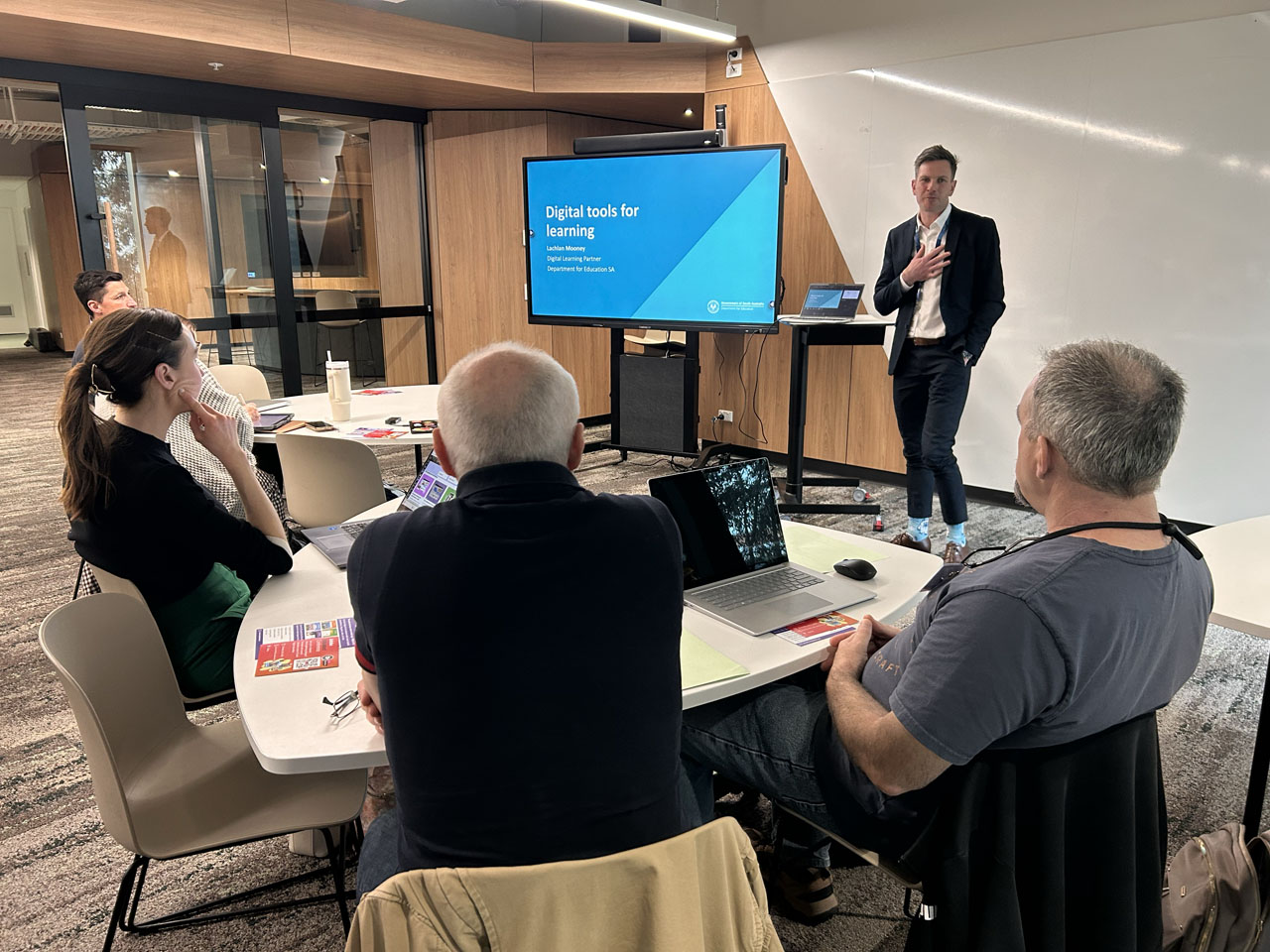
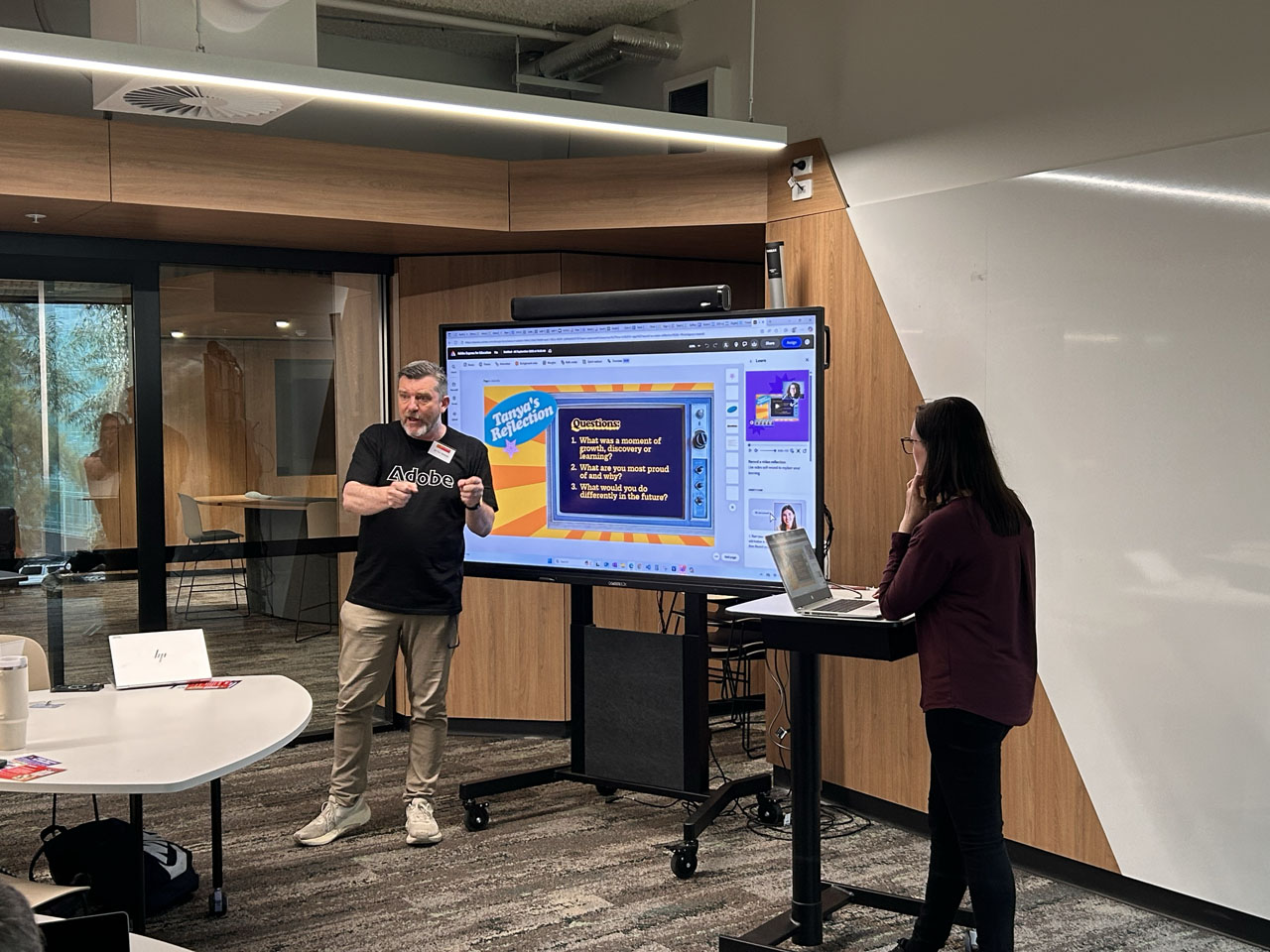
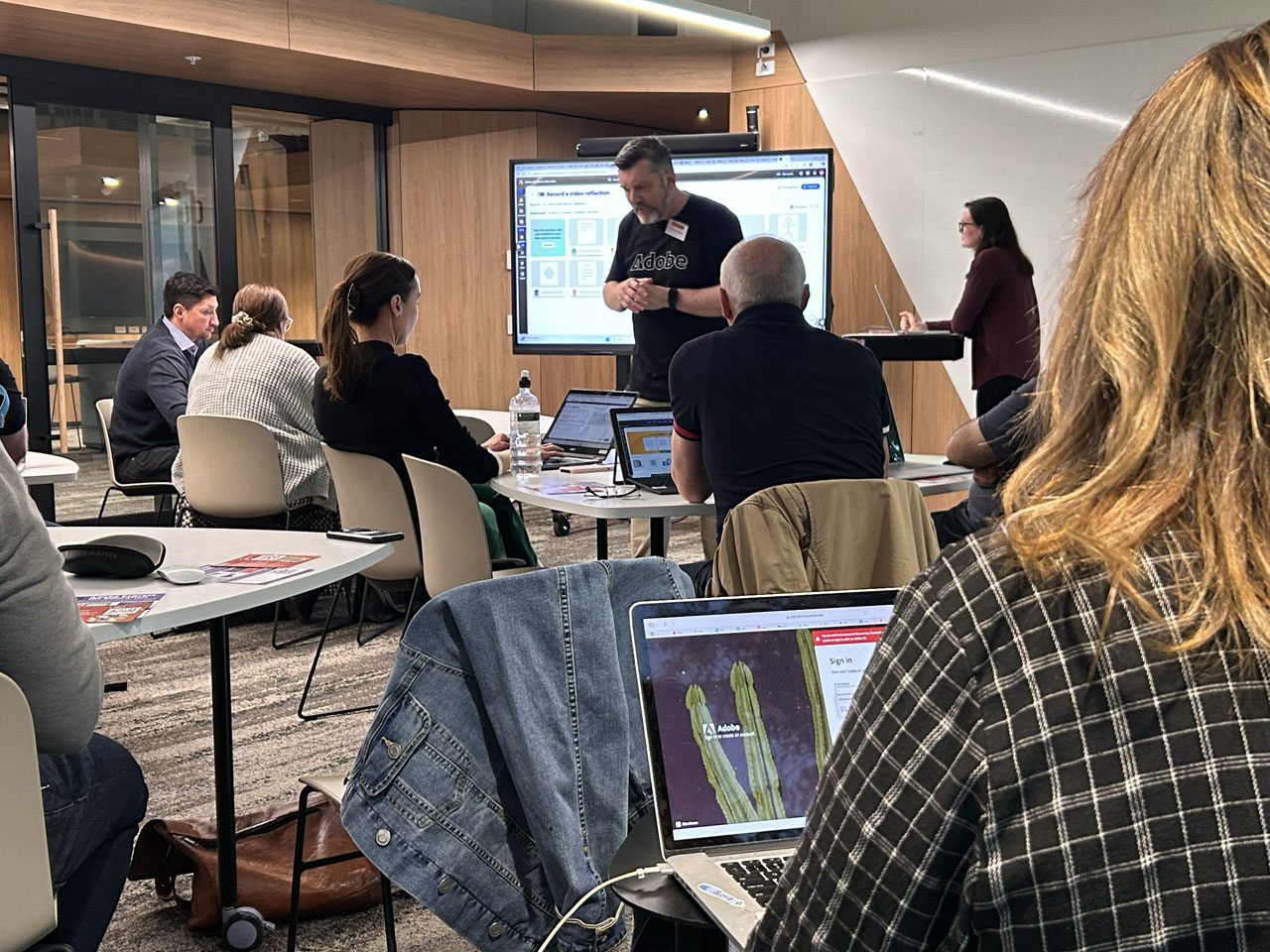
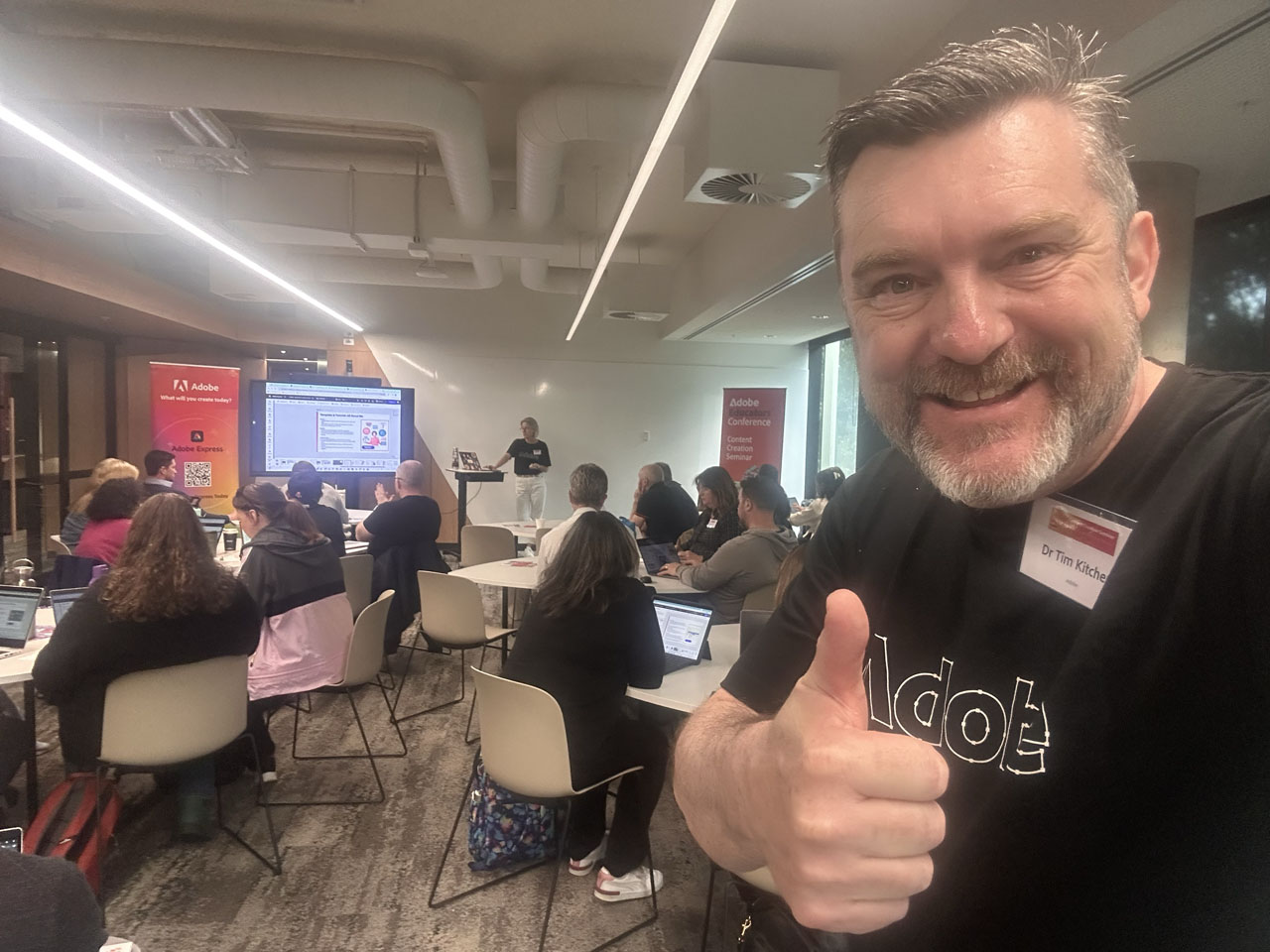
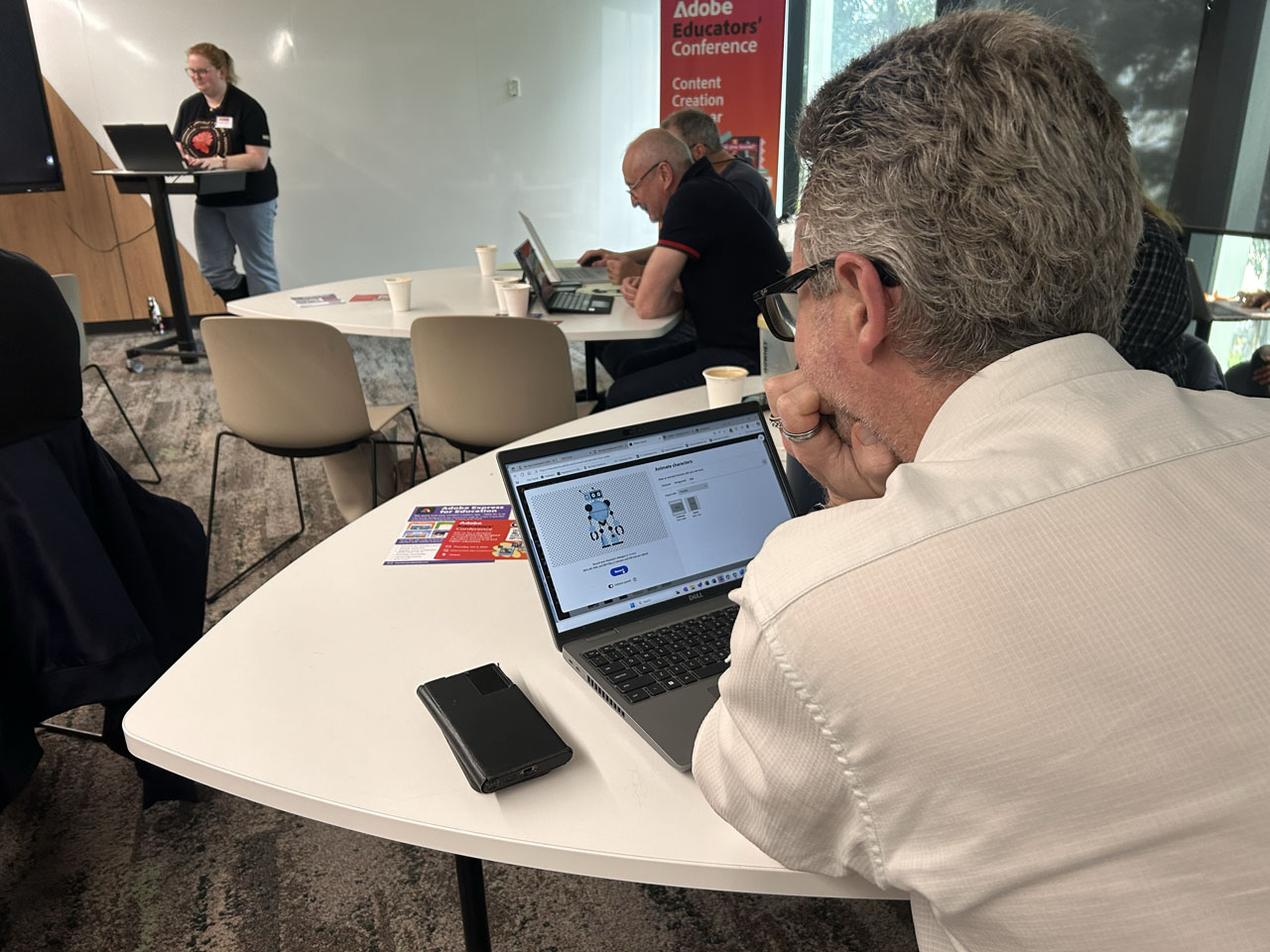
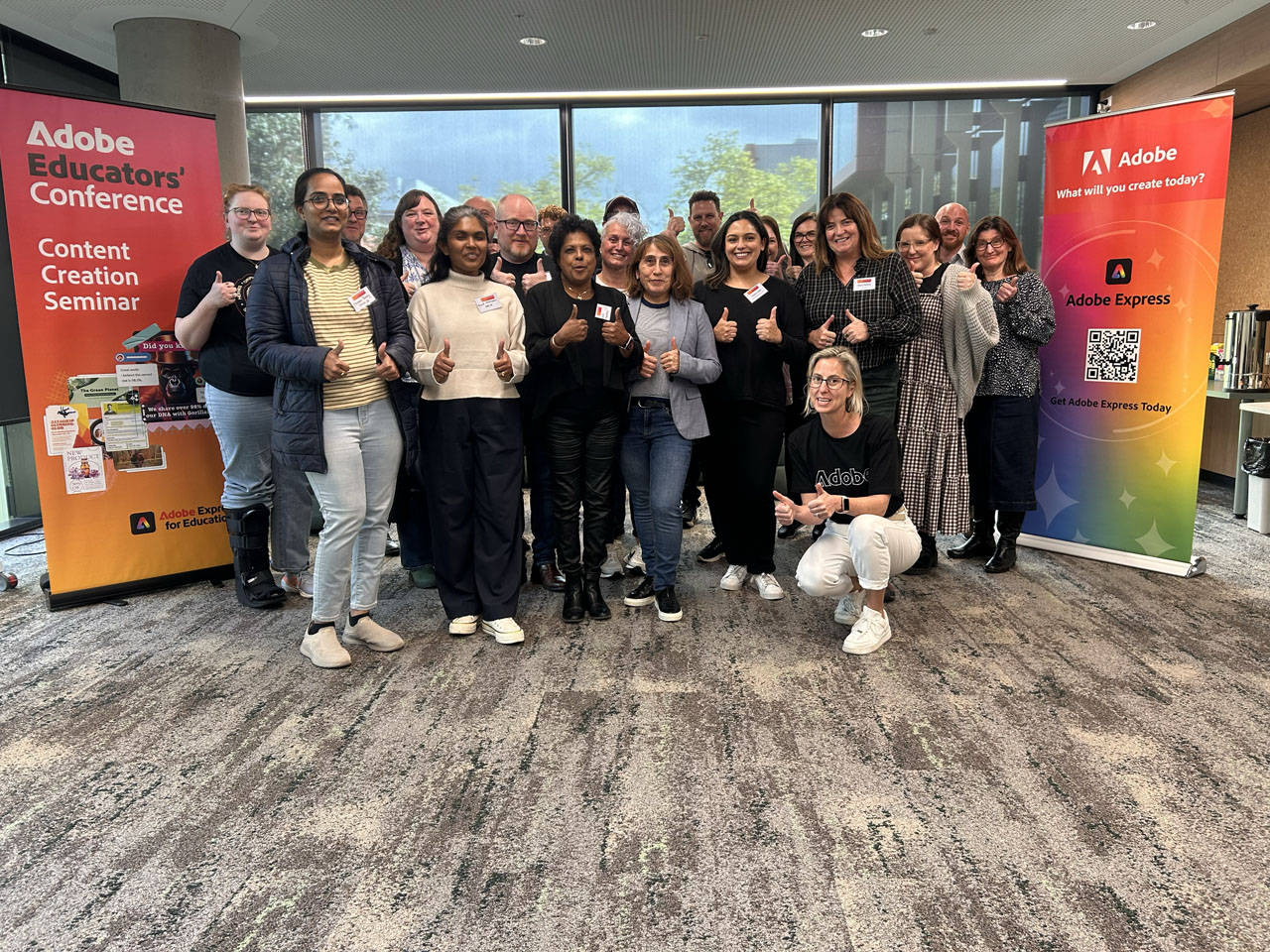
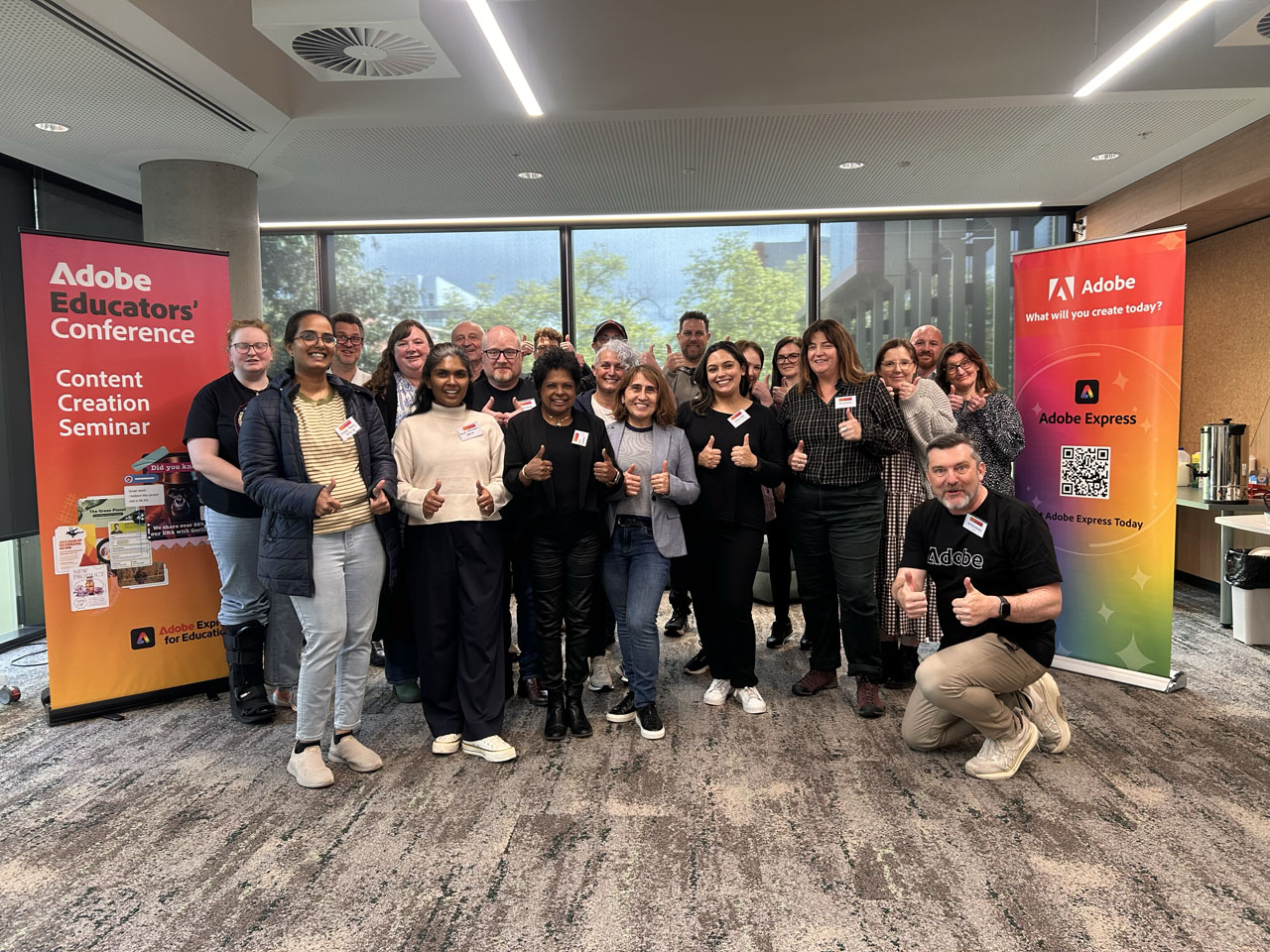
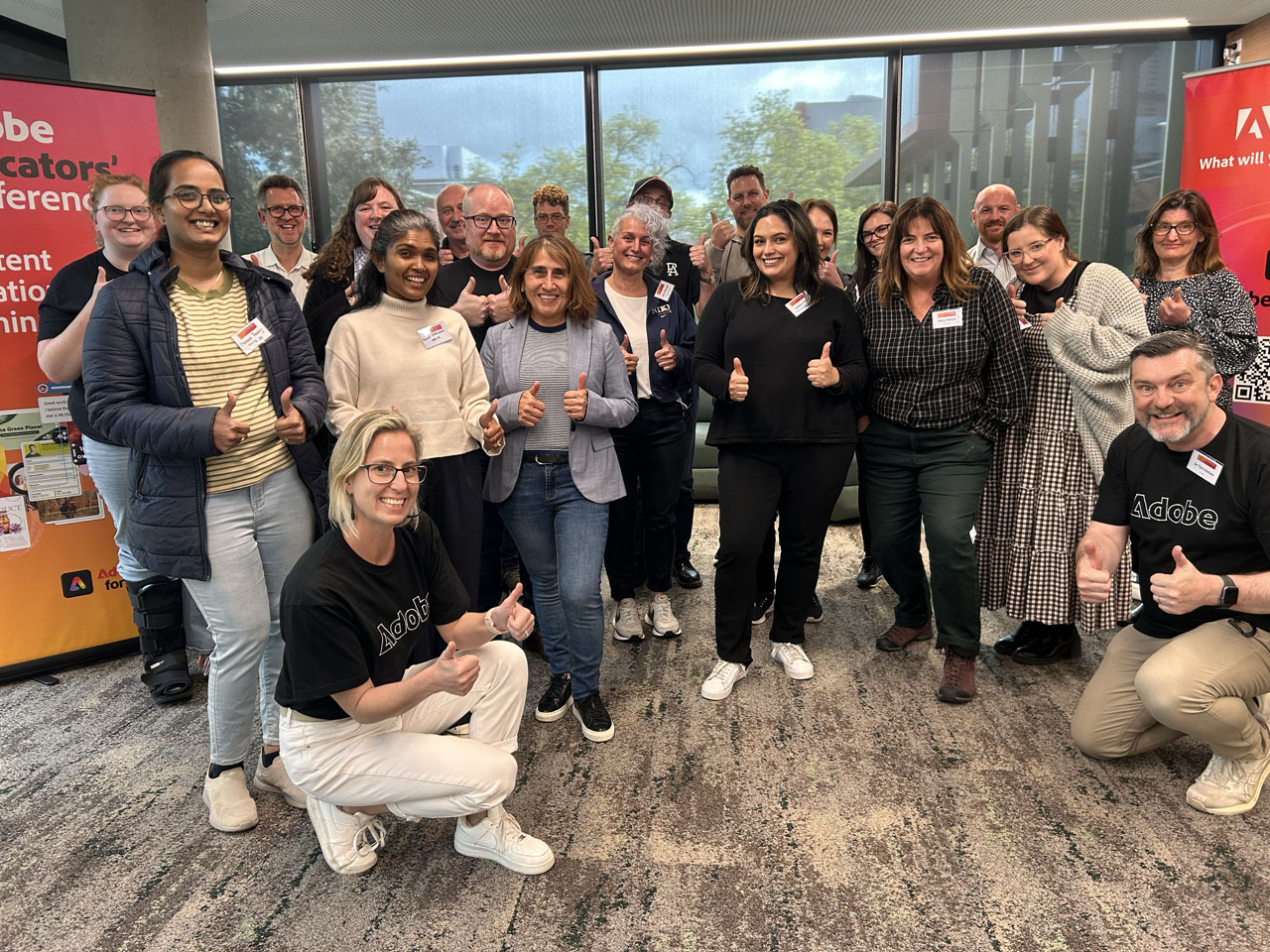
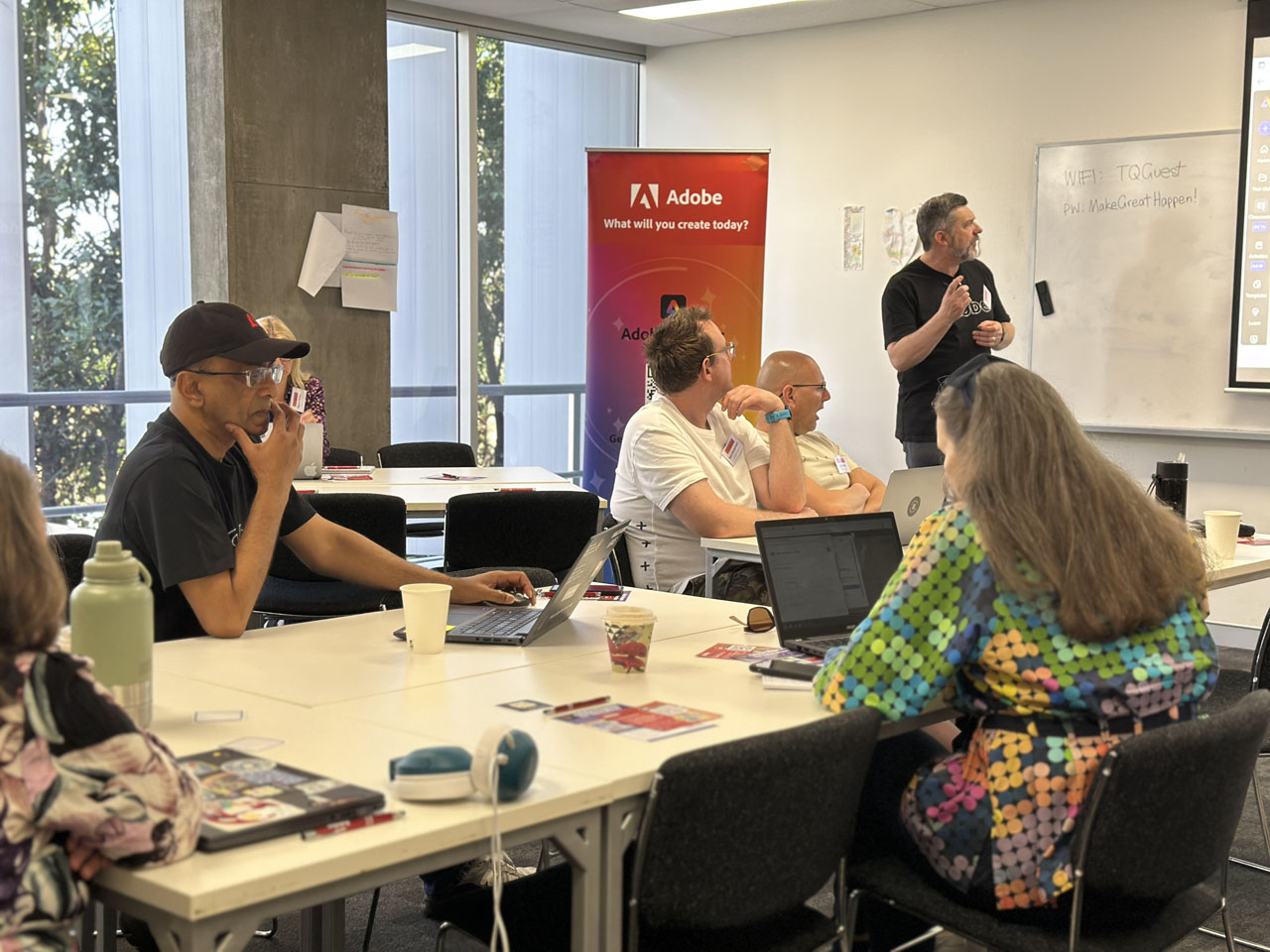
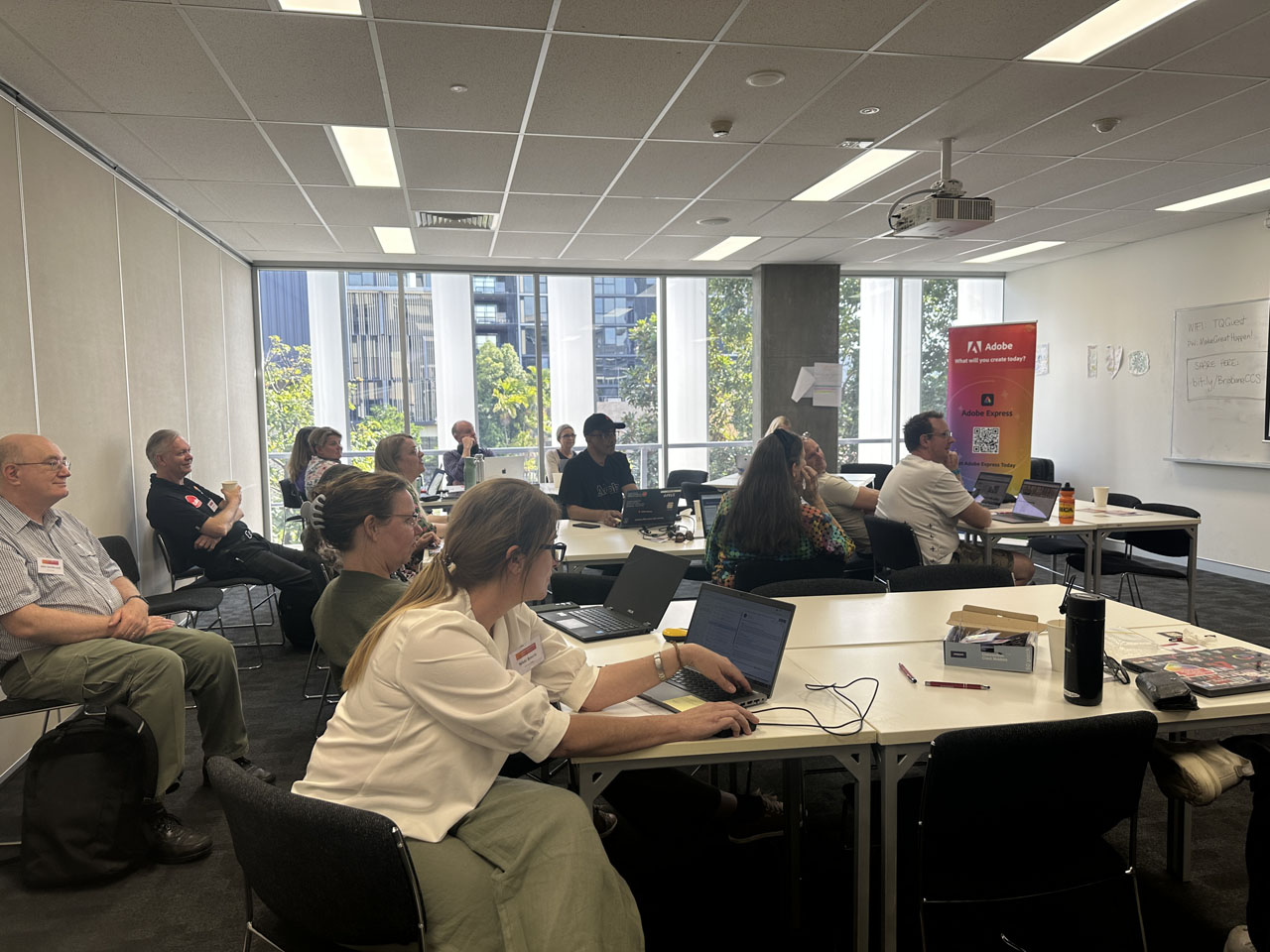
About 30 educators from South Australia traveled to the spectacular Adelaide Botanic High School for the Adelaide Adobe Content Creation Seminar on Tue 30th September.
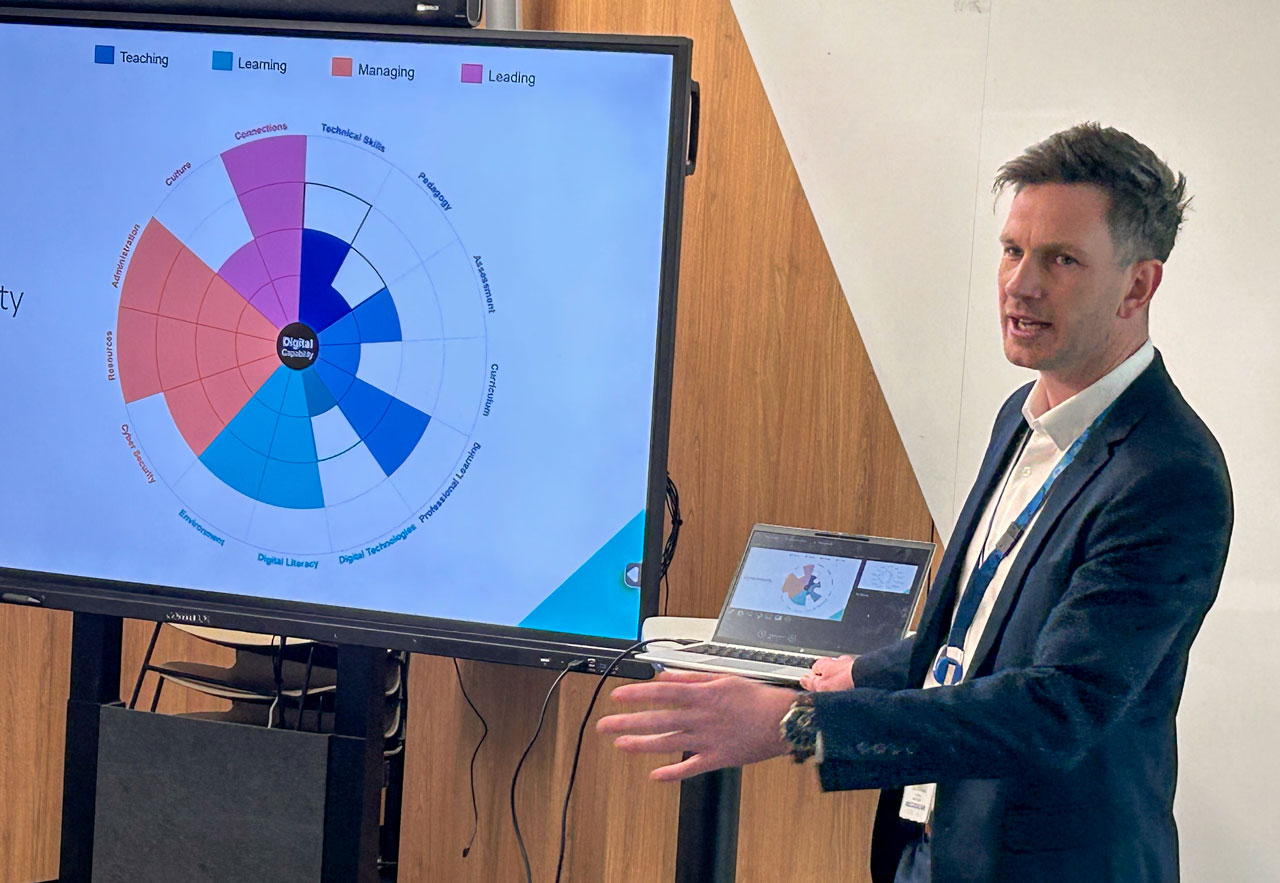
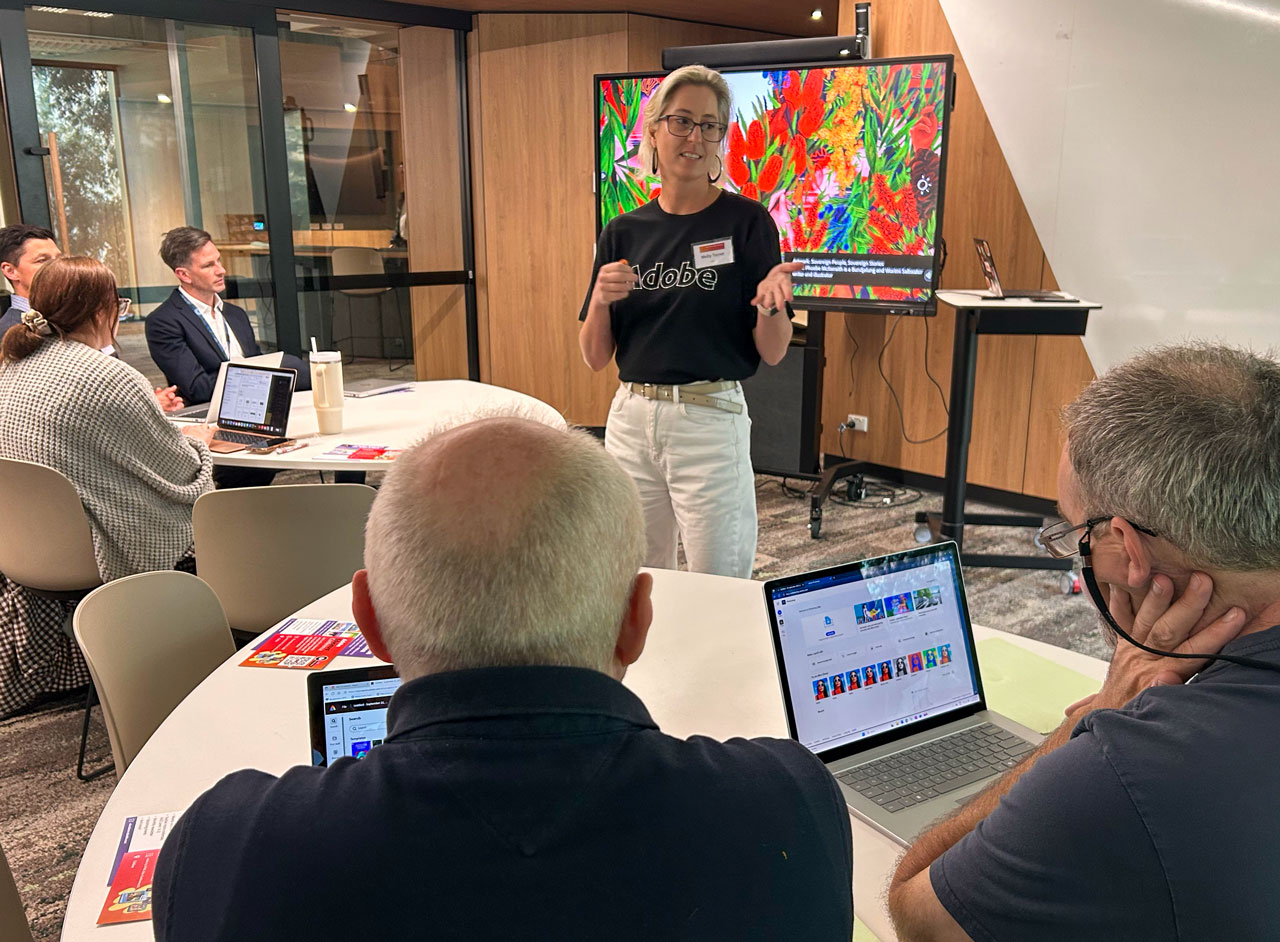
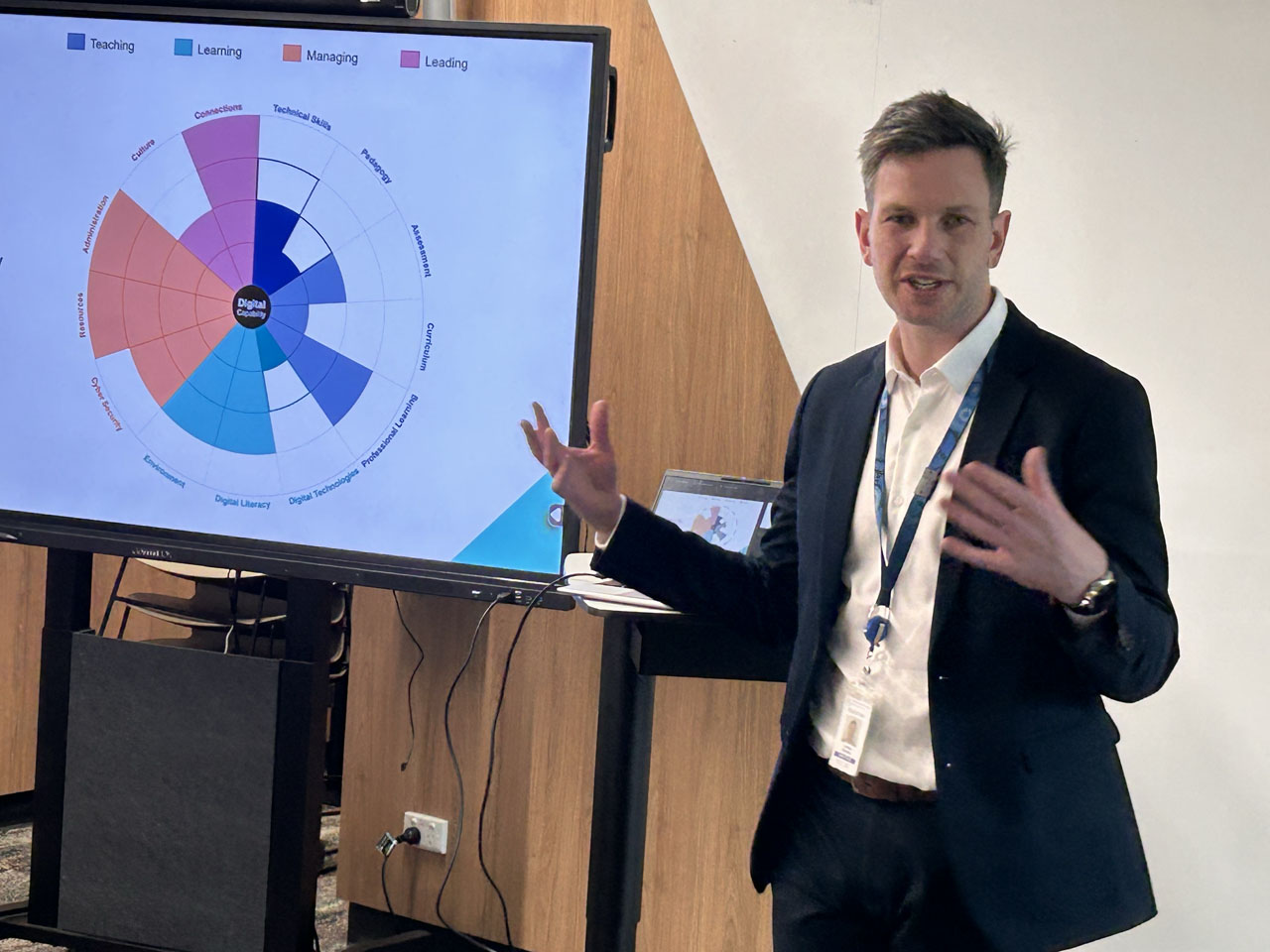
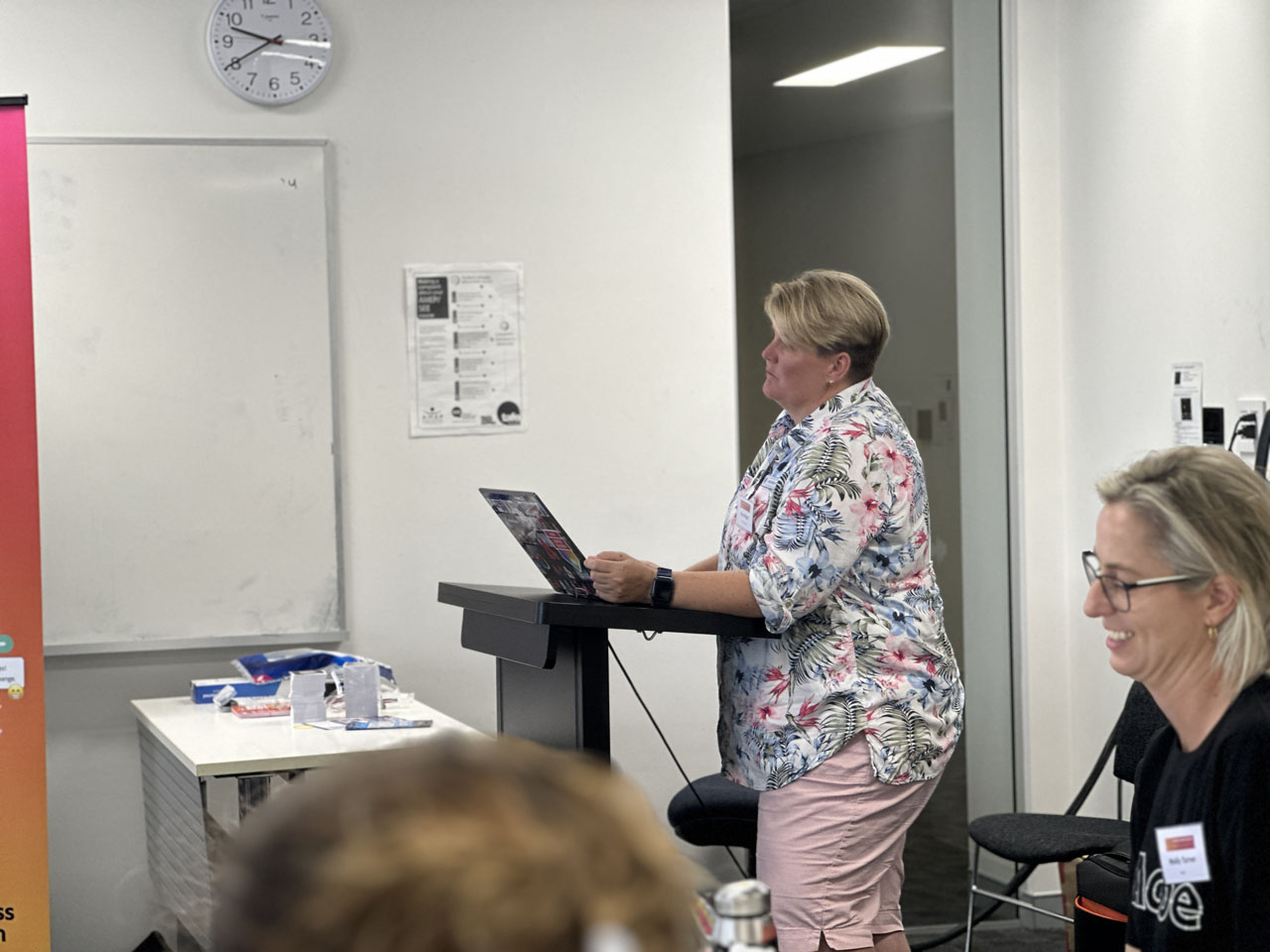
Lachlan Mooney from the SA Department for Education set the scene by sharing some of the work they have been doing to link digital technologies to pedagogy. This aligned nicely with Molly Turner’s introduction about the value of working with Adobe Express in K-12 & in the TAFE sector.
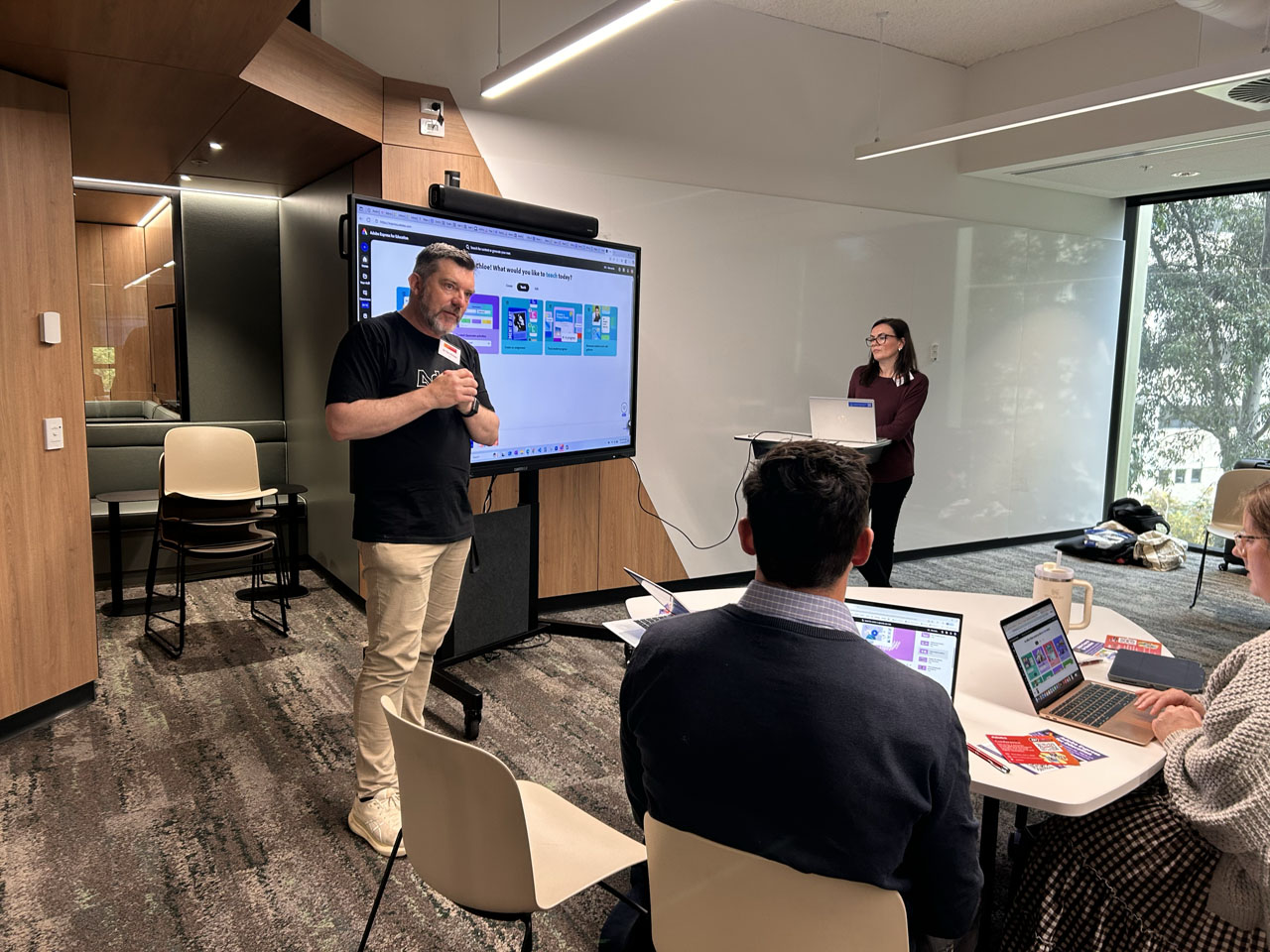
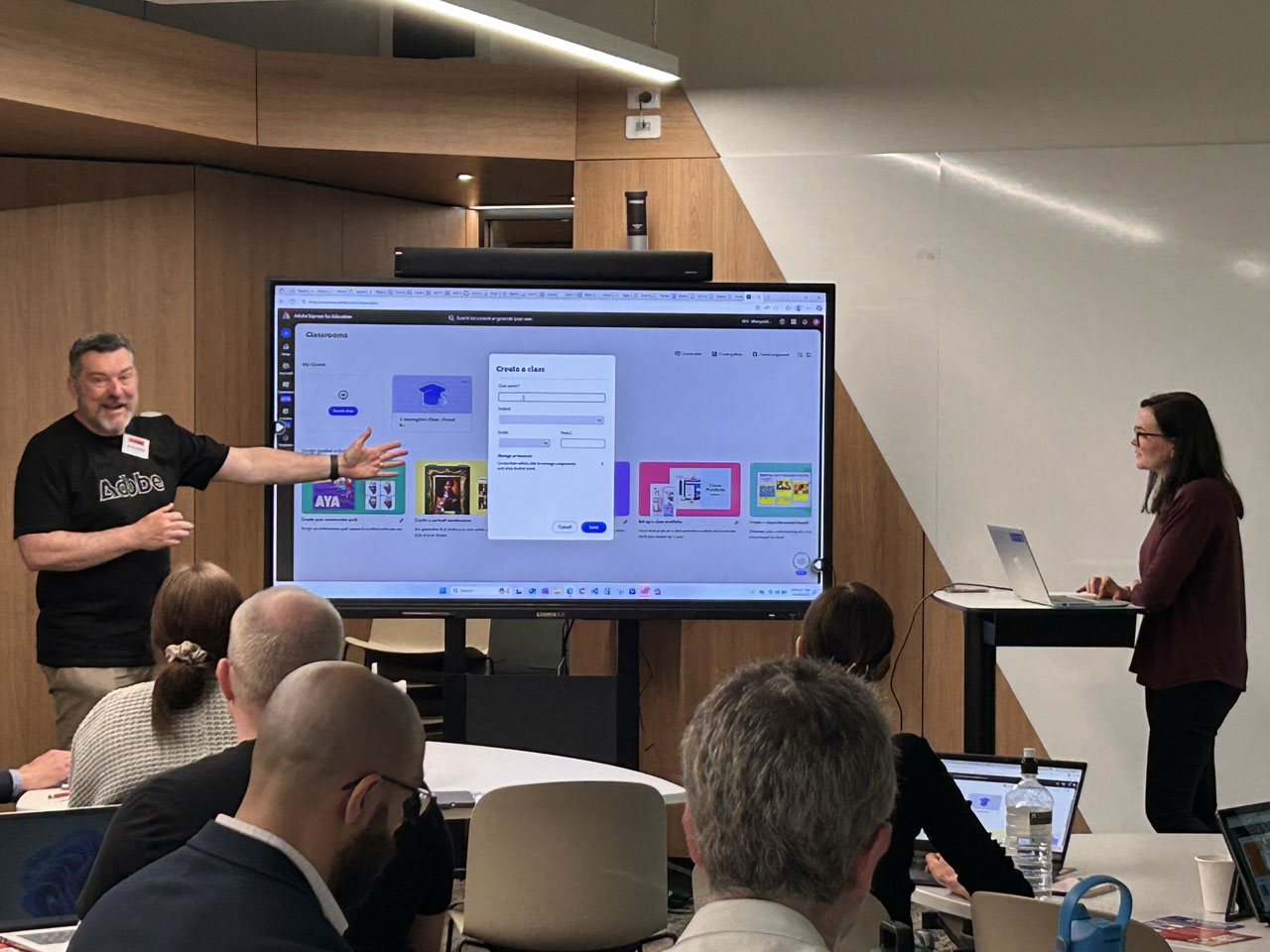
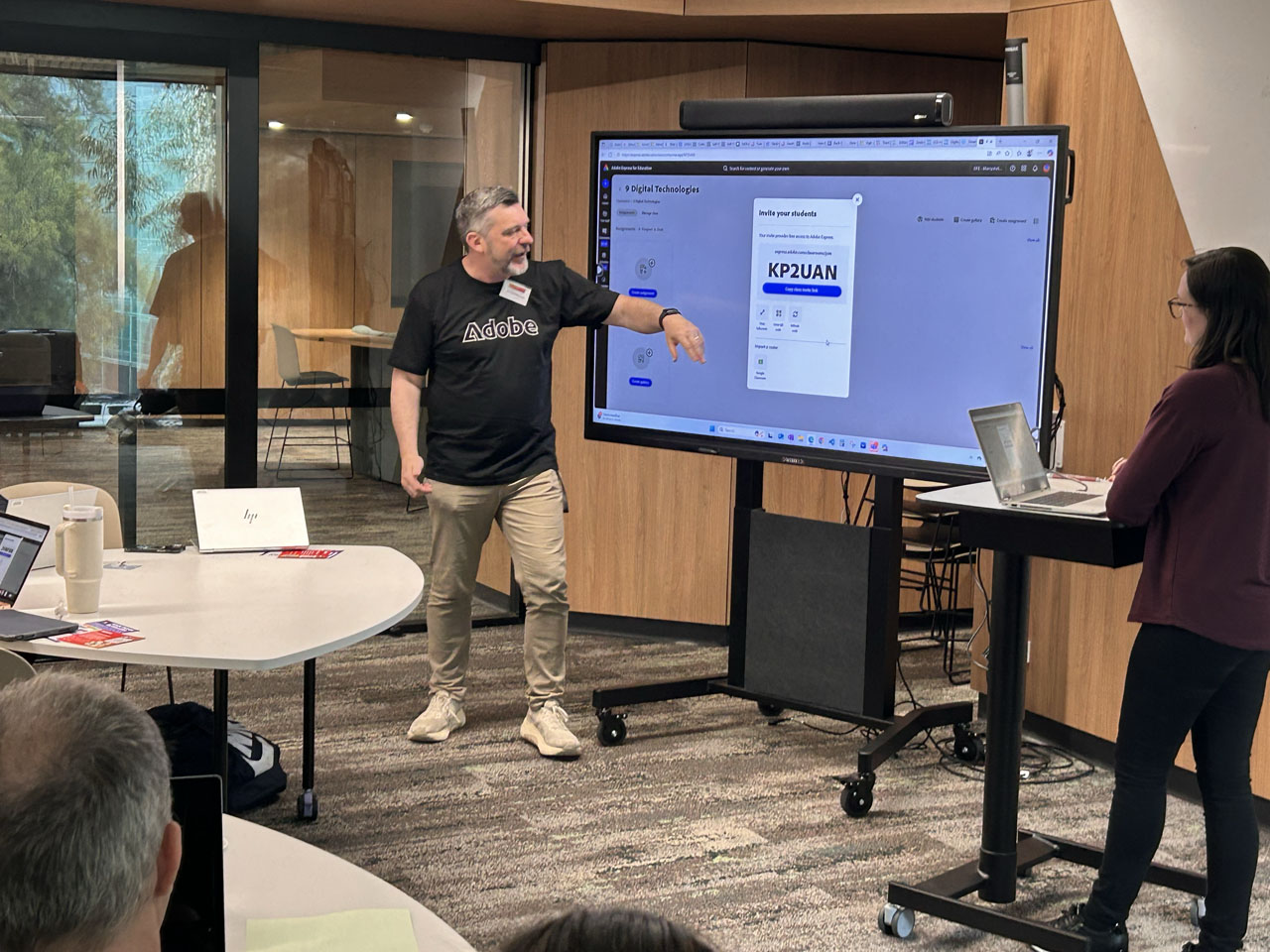
The new Adobe Express classrooms features was highlighted within an overall tour of Adobe Express and the teachers were encouraged to explore some of the various features that were most relevant to them.
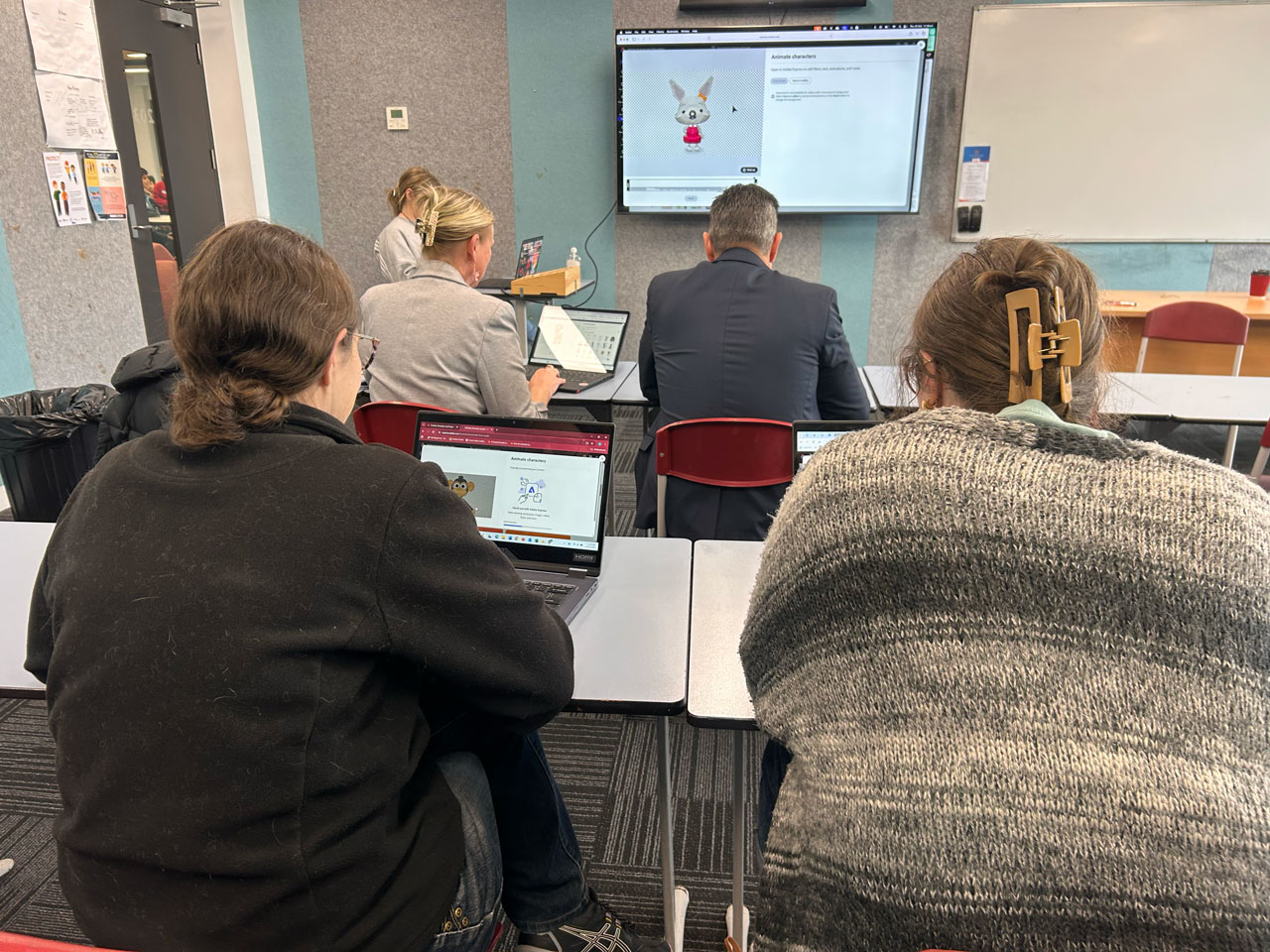
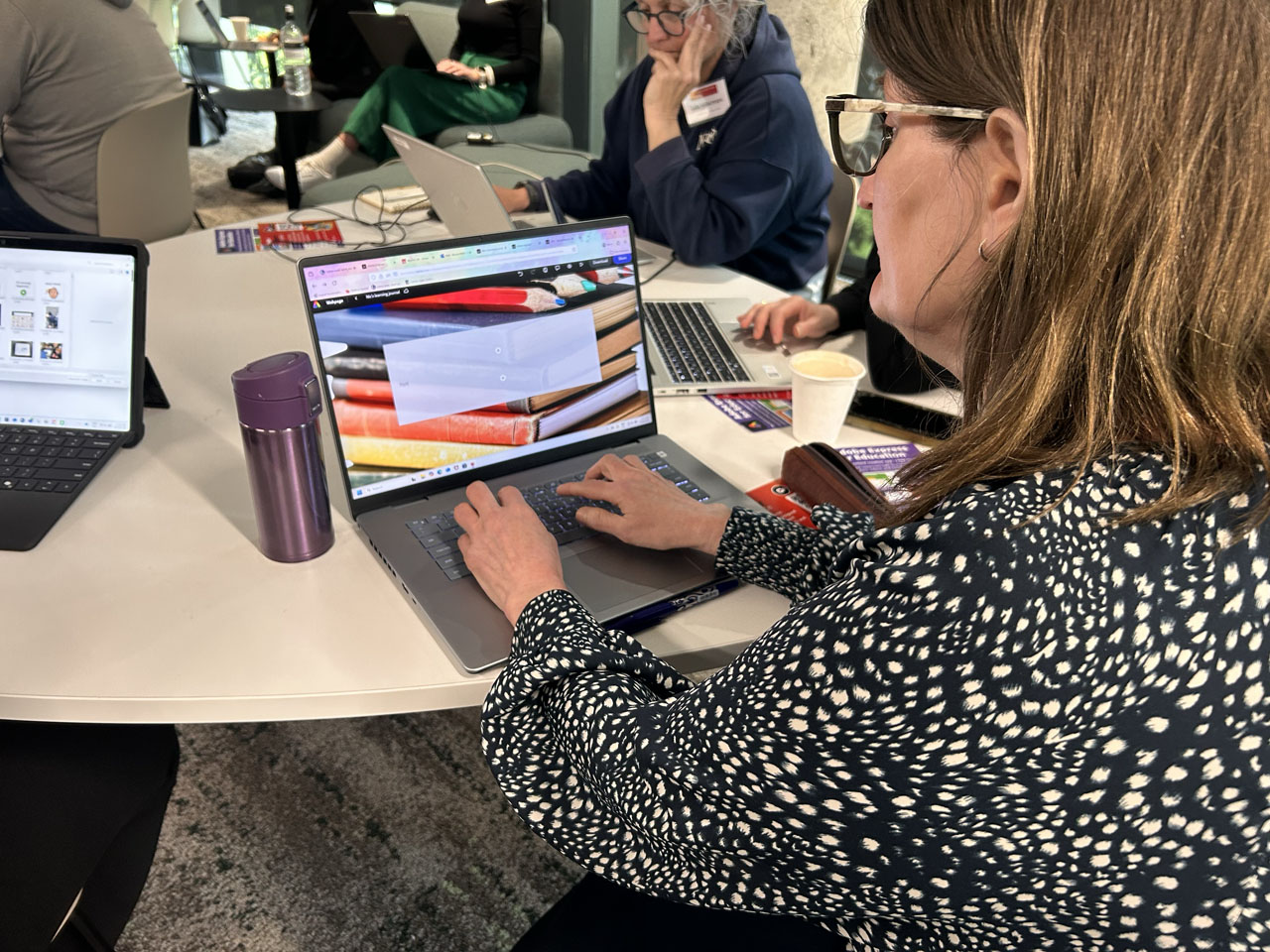
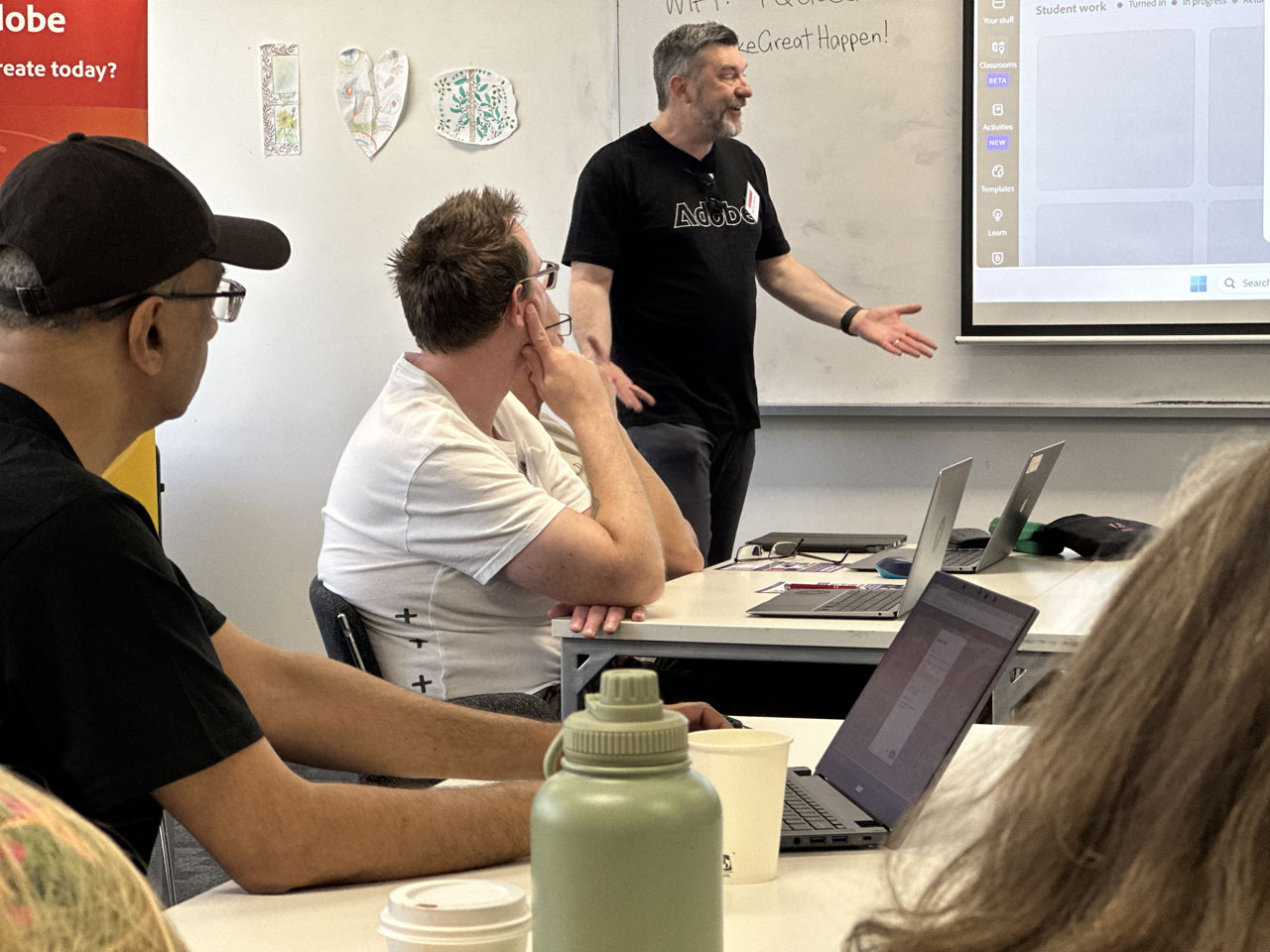
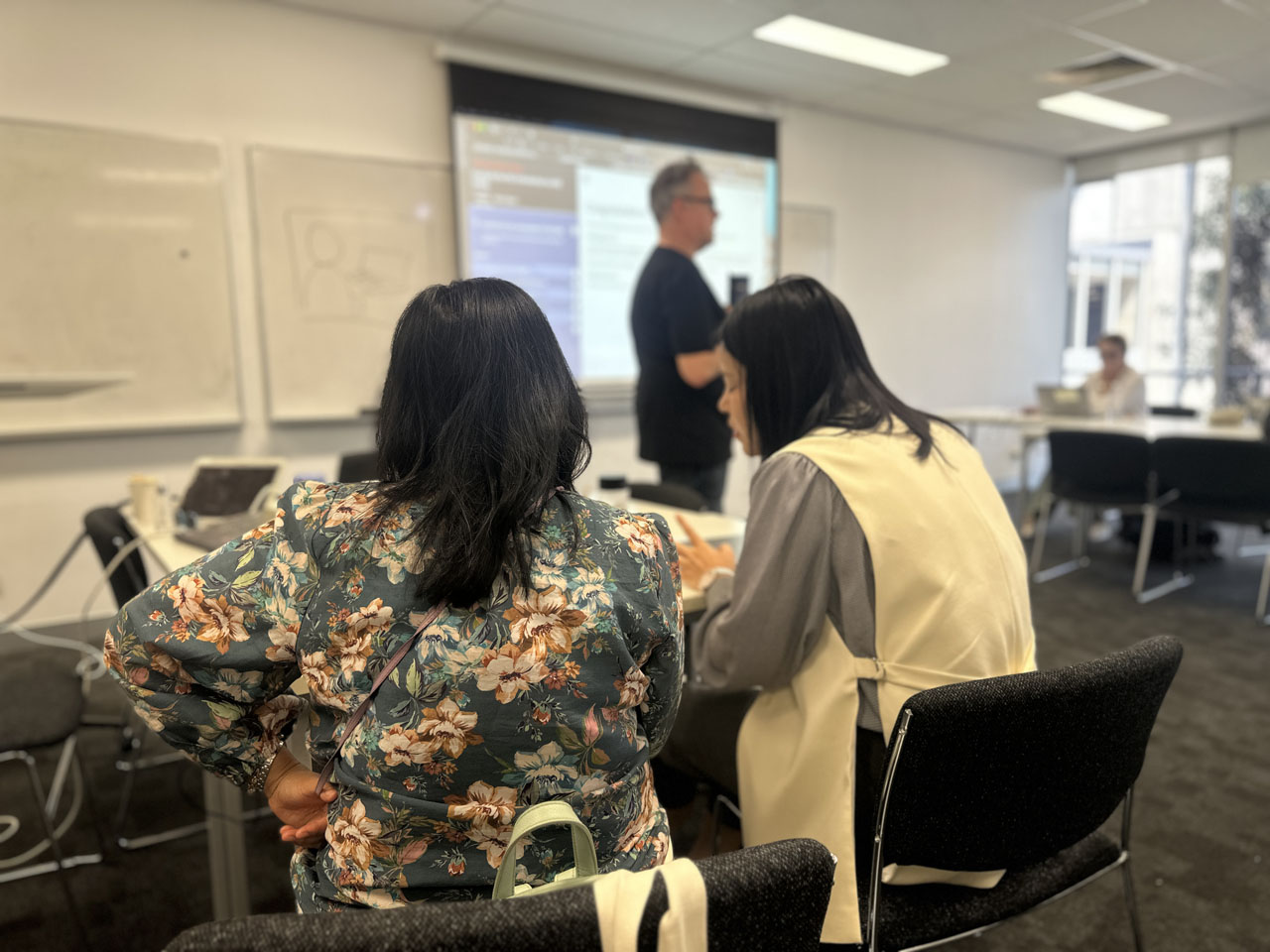
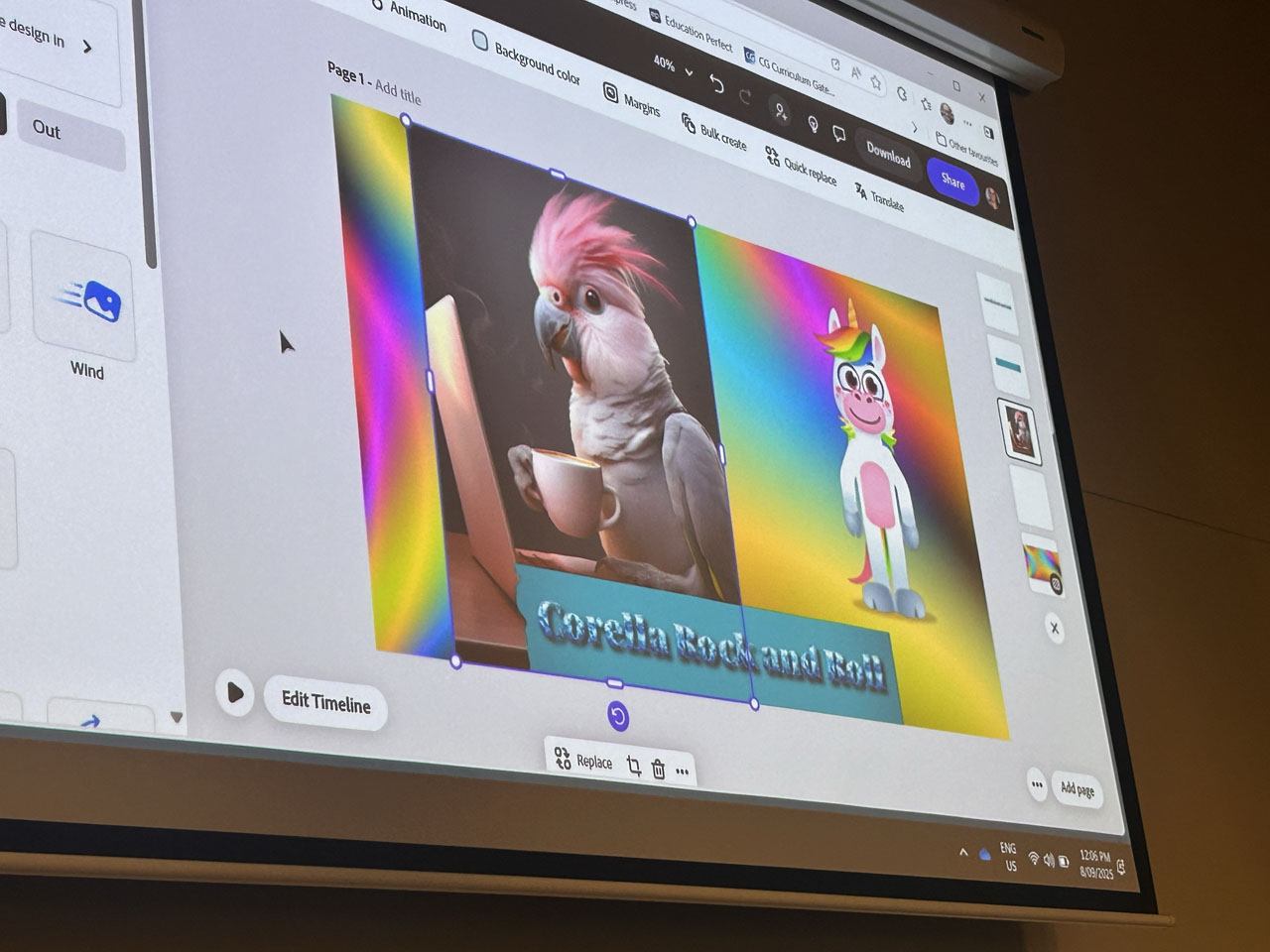
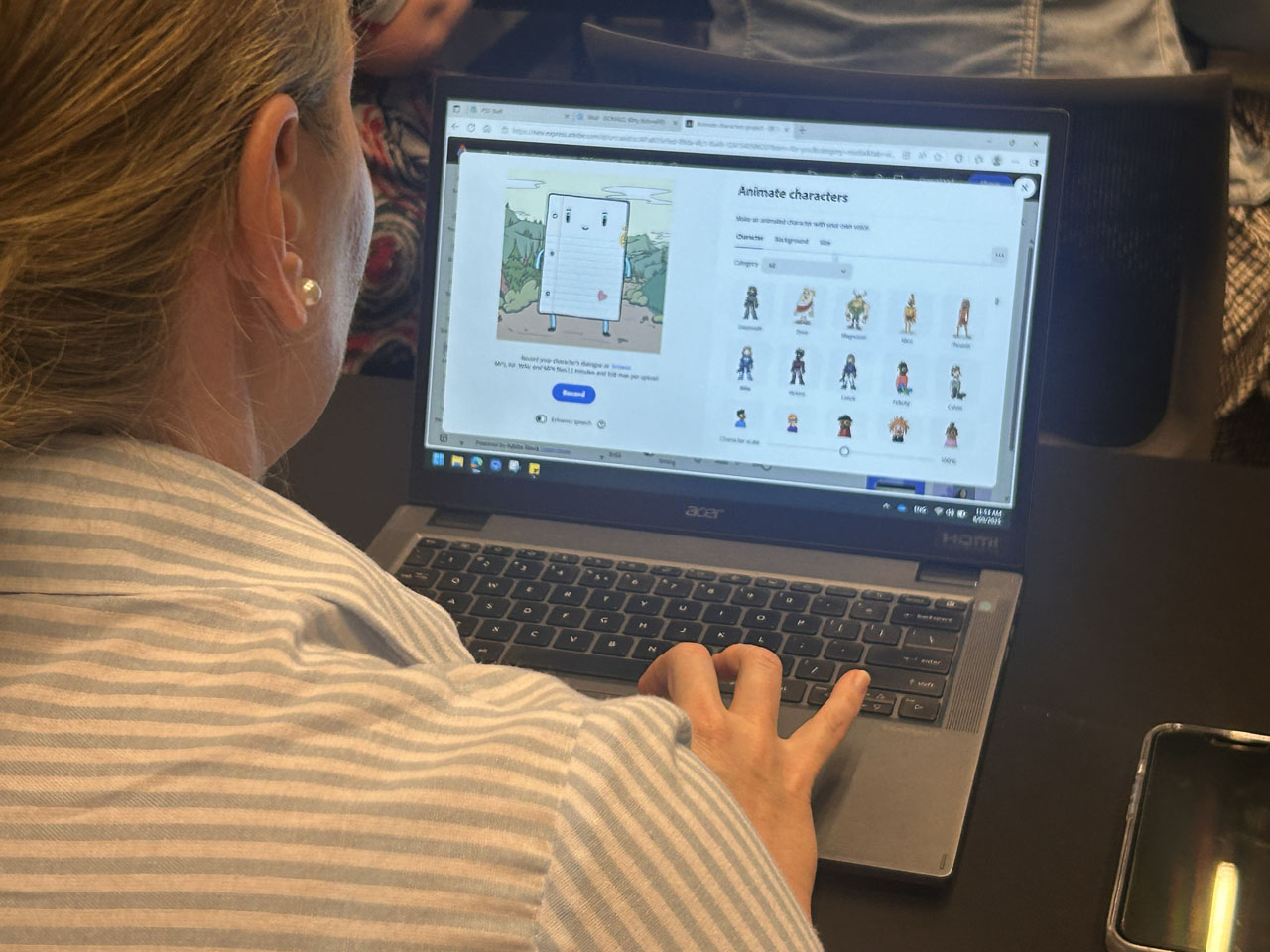
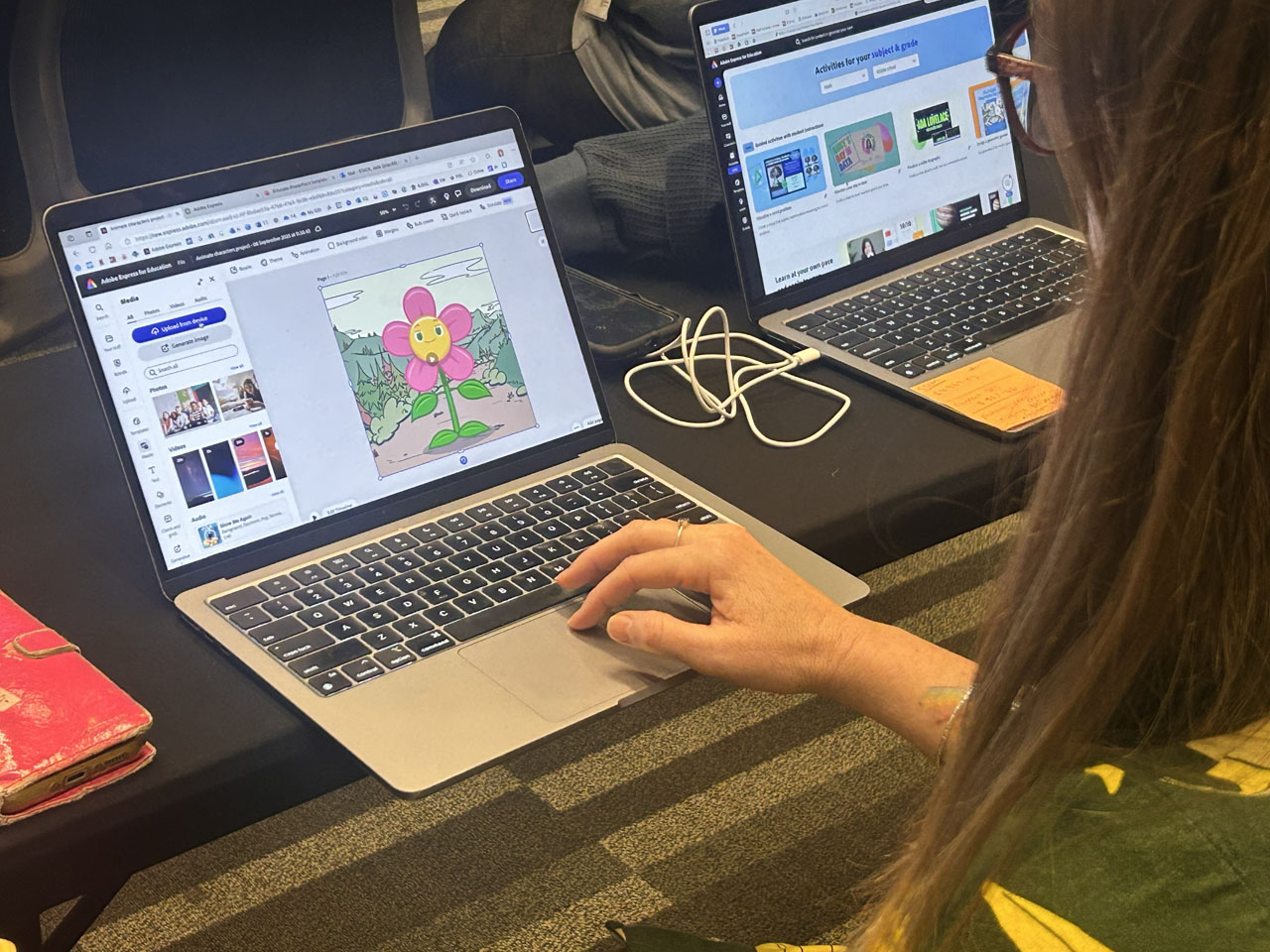
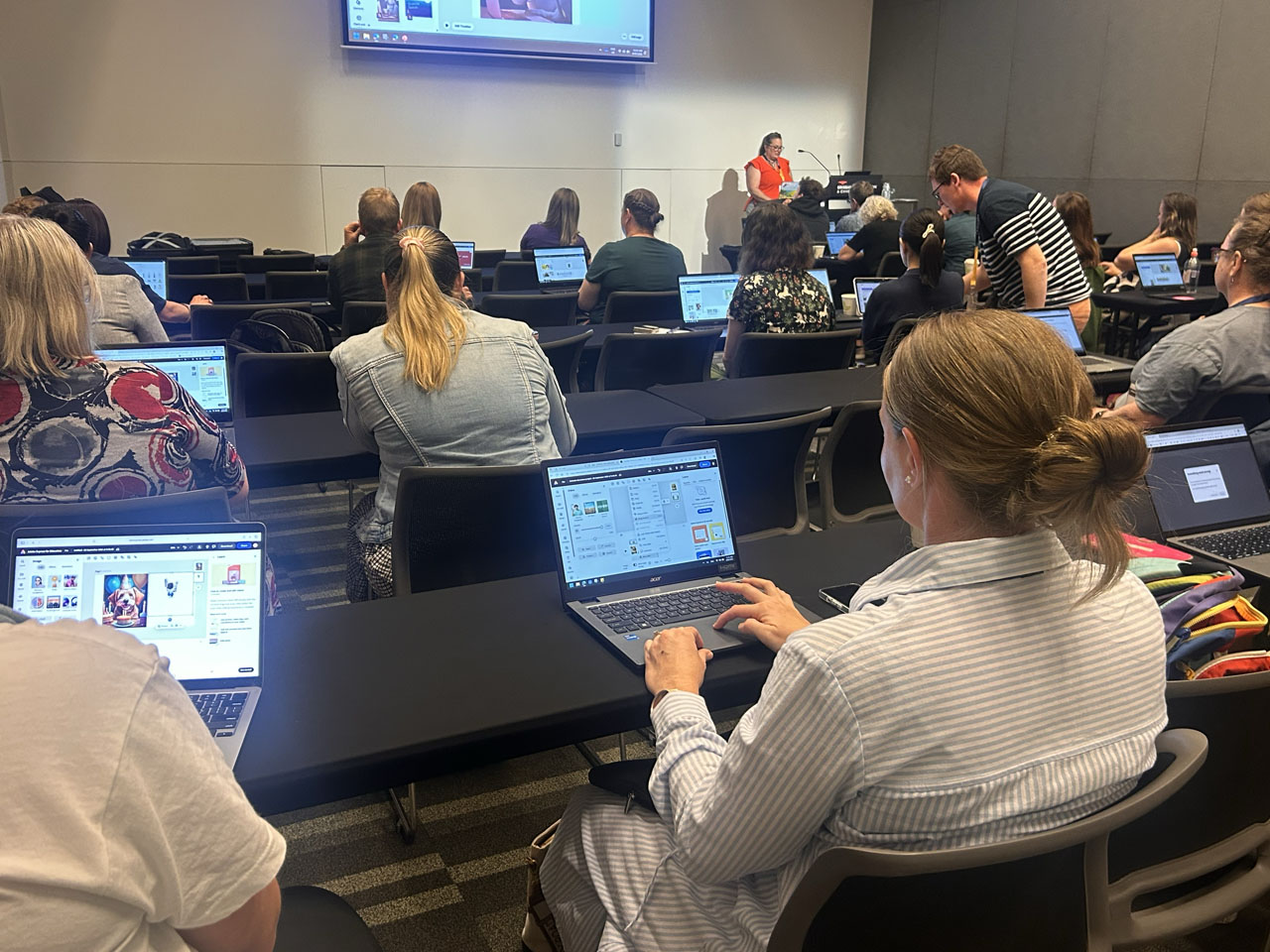
Molly ran a session on Express Classrooms and I ran a session on animation & video with Adobe Express. The the teachers were given time to apply this new knowledge and create some resources that they could use in the classroom next term and throughout 2026.
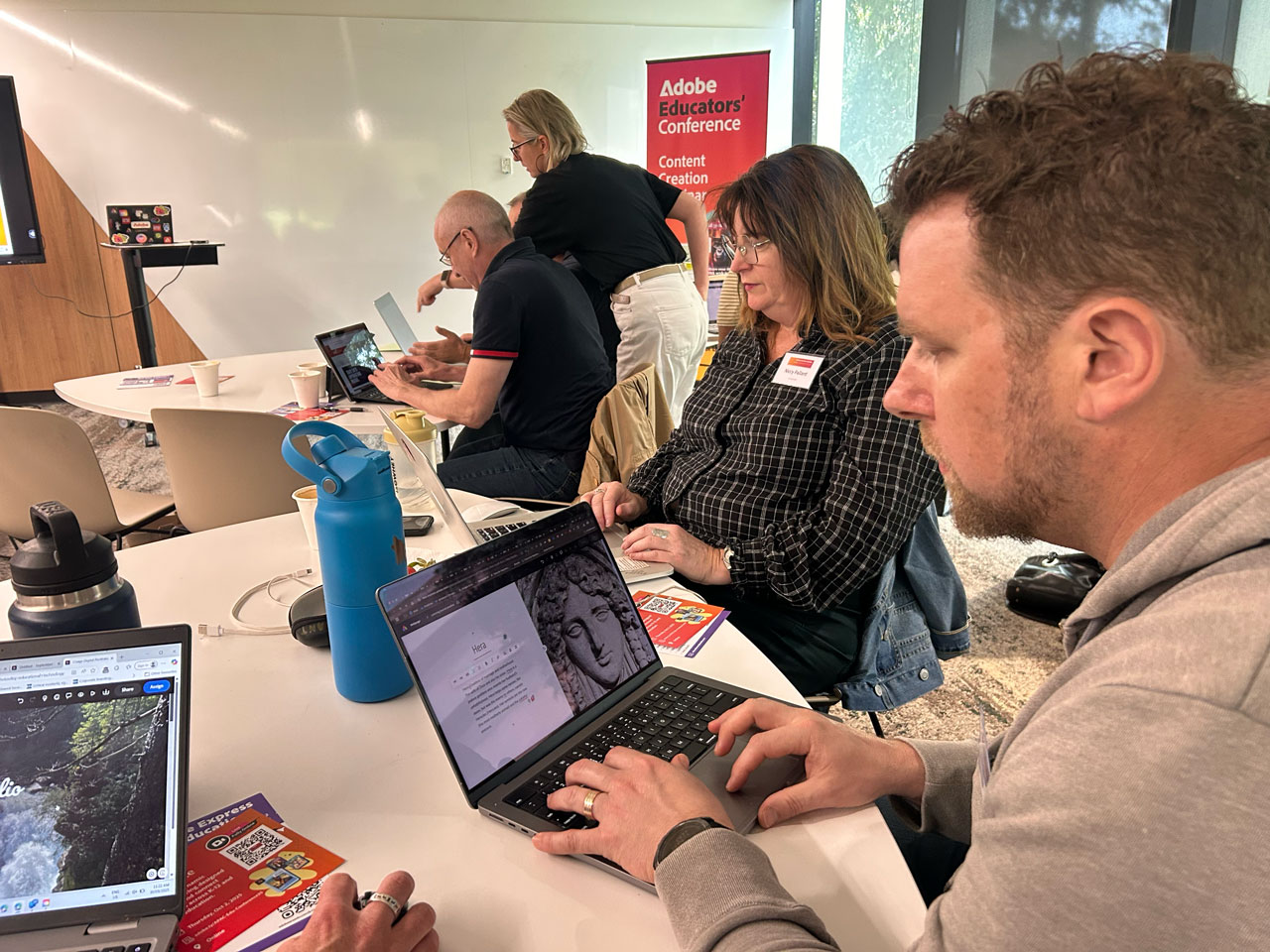
The teachers all worked through the requirements of achieving the Adobe Creative Educator s(ACE) Level 1 & 2 micro-credential.
Feedback highlights
Getting some more in depth instruction for creating videos and adding layers.
Learning about all of the new tools within Adobe Express. The way that we can animate characters, create more powerful presentations, it was all brilliant!
Being able to create a video and use the animate tools
Seeing the practical applications of systems was the biggest highlight.
Presenters were helpful
Obtaining my ACE level 2 Badge
Getting to actually work on the video while we learned
Making my own projects that I can see being useful in my work and for personal interest. Getting an accreditation was a bonus too.
Overall content was great . Especially the website for presentations will use this in my role.
All activities were great and useful.
Wonderful seminar
Getting to know the hidden features
Other feedback comments
Thank you for coming to Adelaide! It was great to be able to attend a session in person and to learn about all of the new amazing updates and offerings from Adobe Express.
I really appreciate that the program was not necessarily targeted towards people with no prior knowledge of Adobe systems.
Bring Dr Tim Kitchen back to Adelaide for another F2F session for TAFE SA lecturers.
Thank you for your expertise.
Want more!
Great day, thanks so much for your time and efforts. Would love to see more like this in the future.
I used Adobe education products a while ago (maybe 5 years ago) … this has renewed my interest in the Adobe education suite again. Thanks.
I really enjoyed the session and having time to play with the different features.
Gallery
Special thank you to the staff at Adelaide Botanic High for kindly offering the use of their facilities.
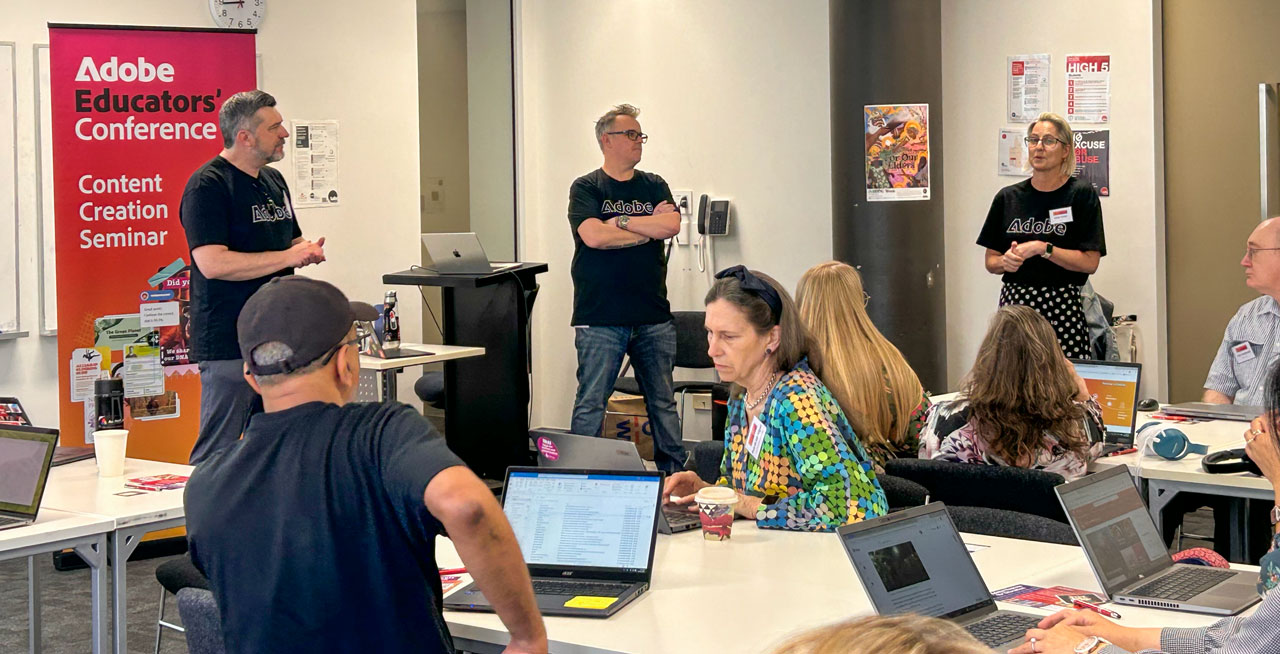
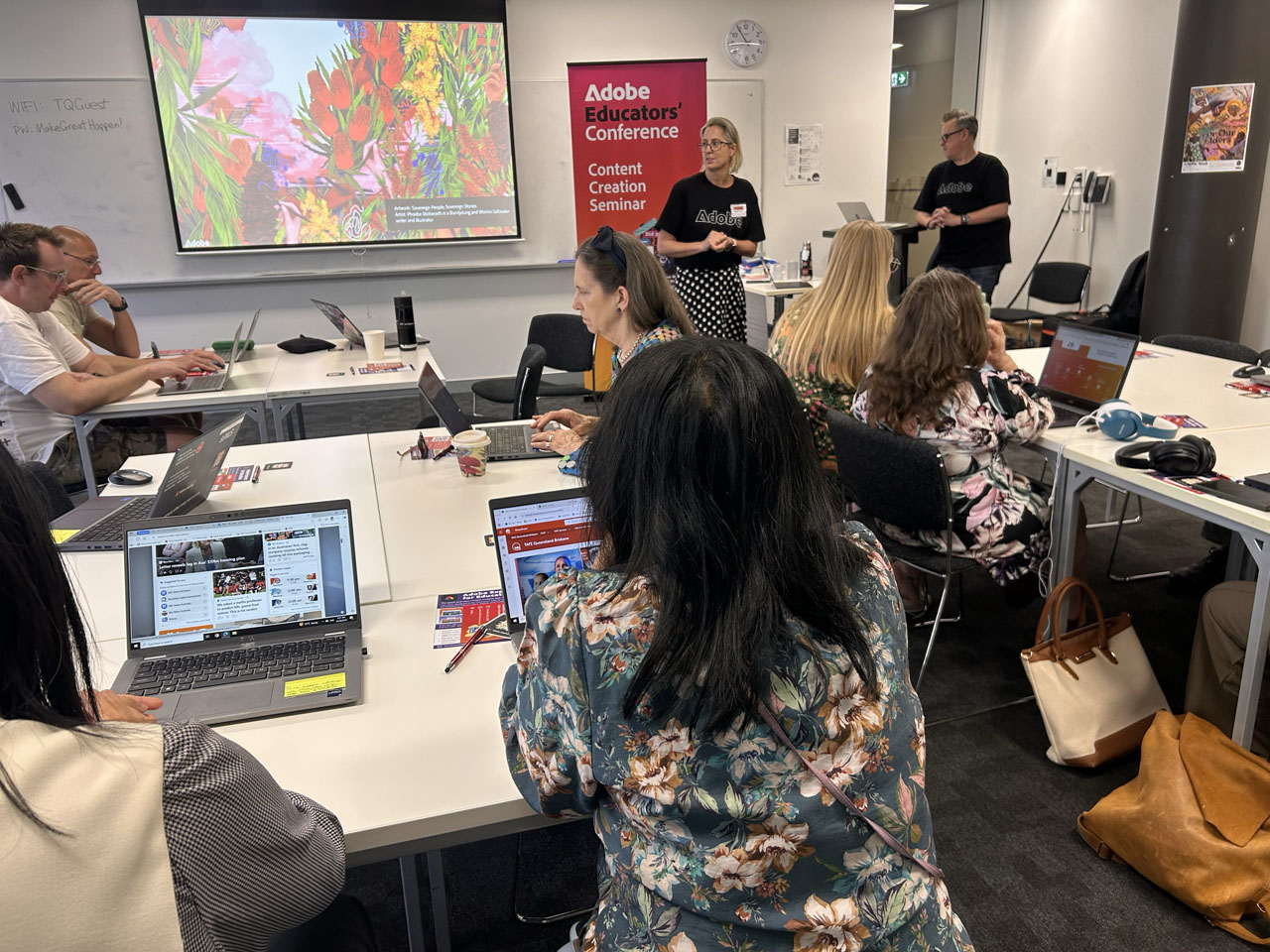
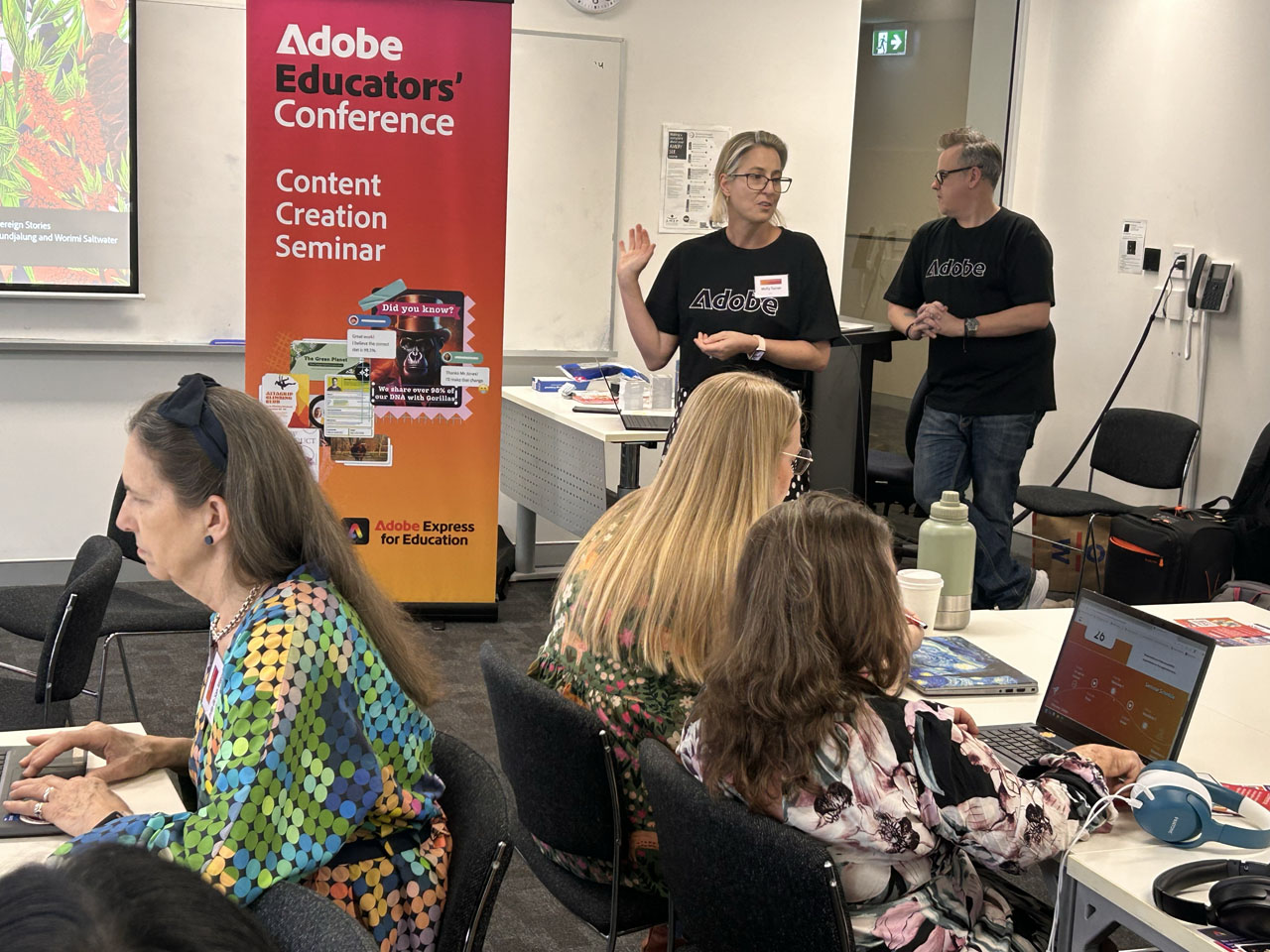
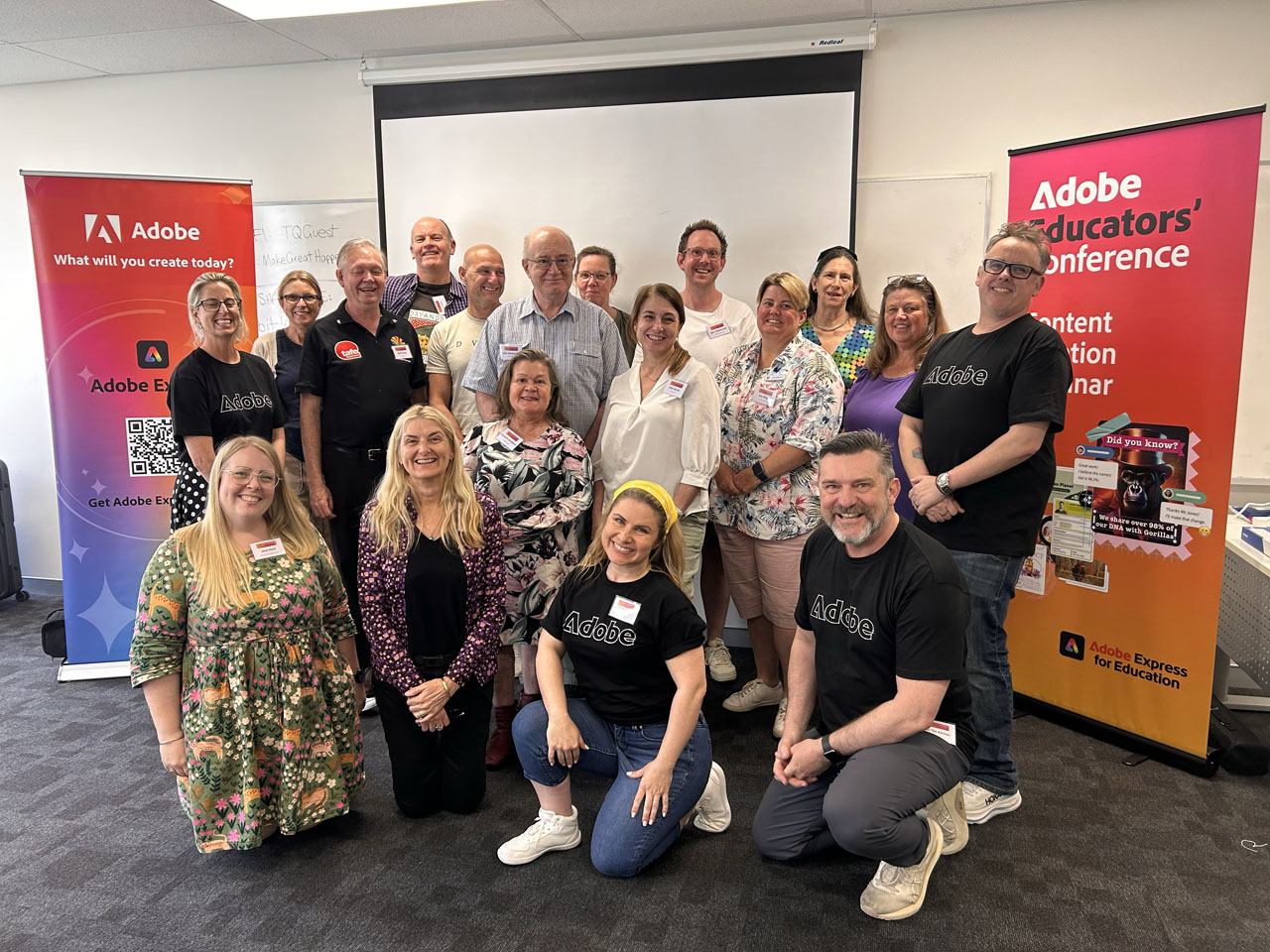
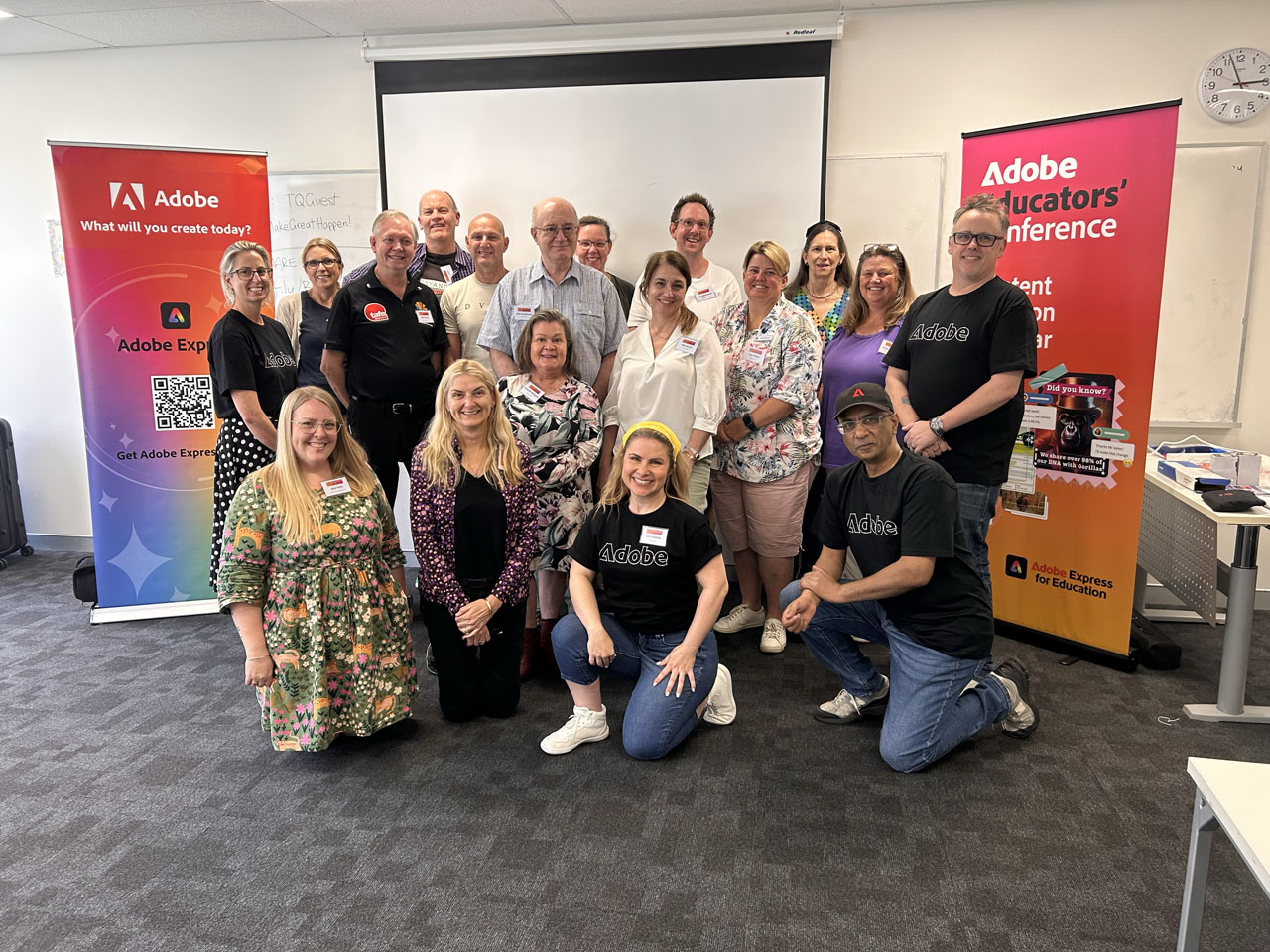
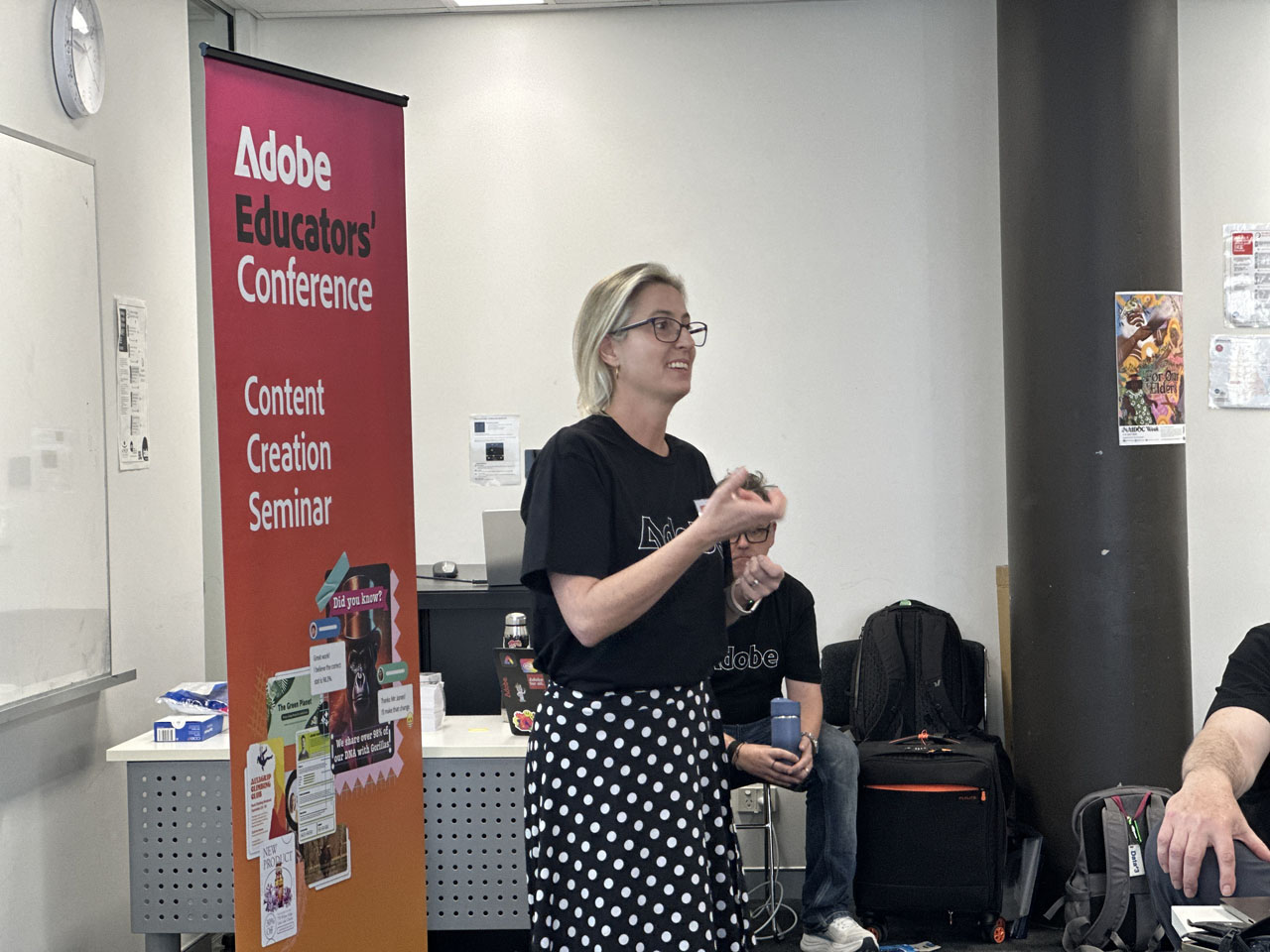
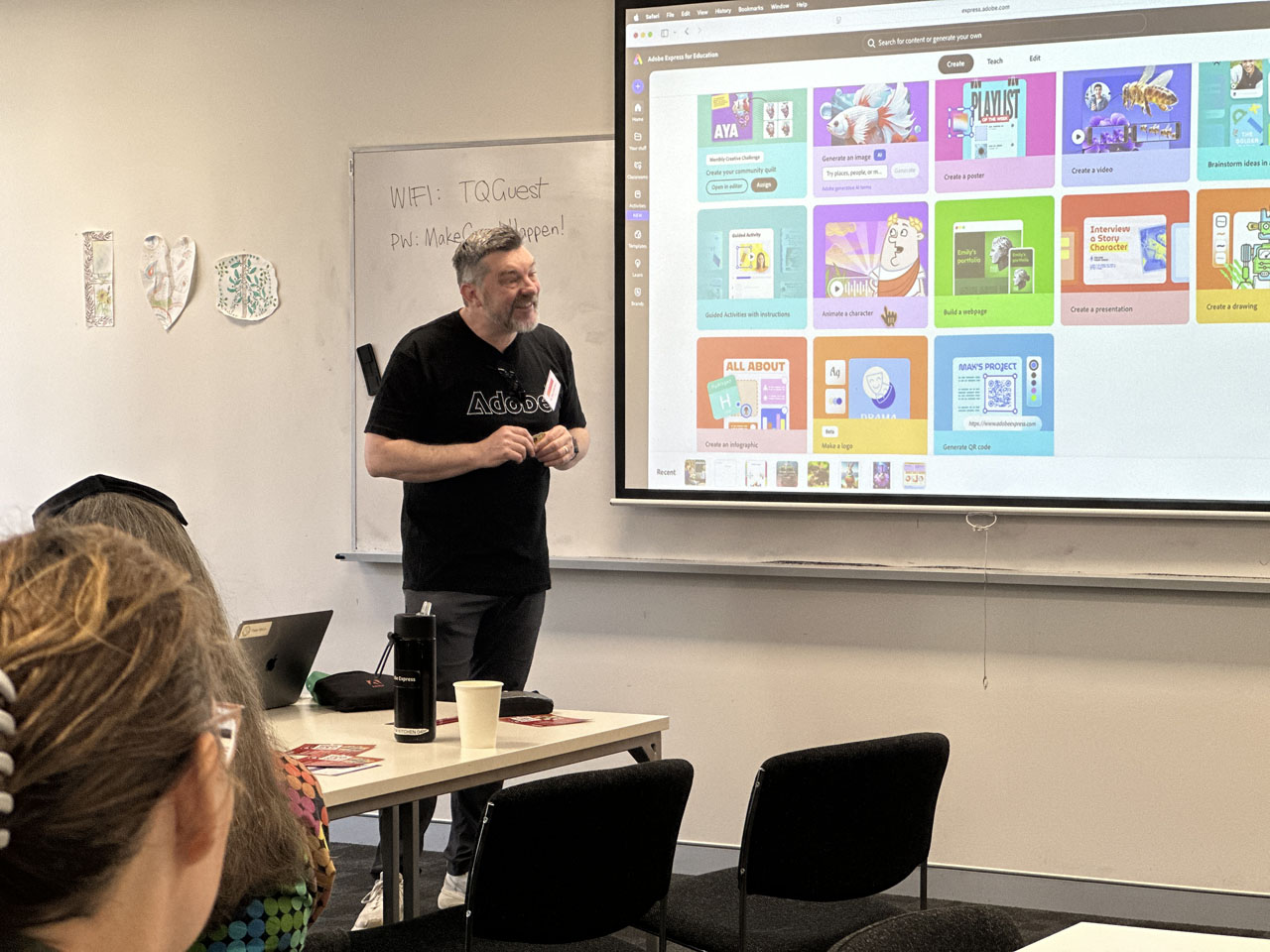
On Friday 26th September, 2025 a fabulous group of teachers (TAFE & K-12) from around the Brisbane area took part in Adobe’s first ever Content Creation Seminar hosted at TAFE QLD, Southbank. This was part of the 2025 Adobe Educators’ Conference.
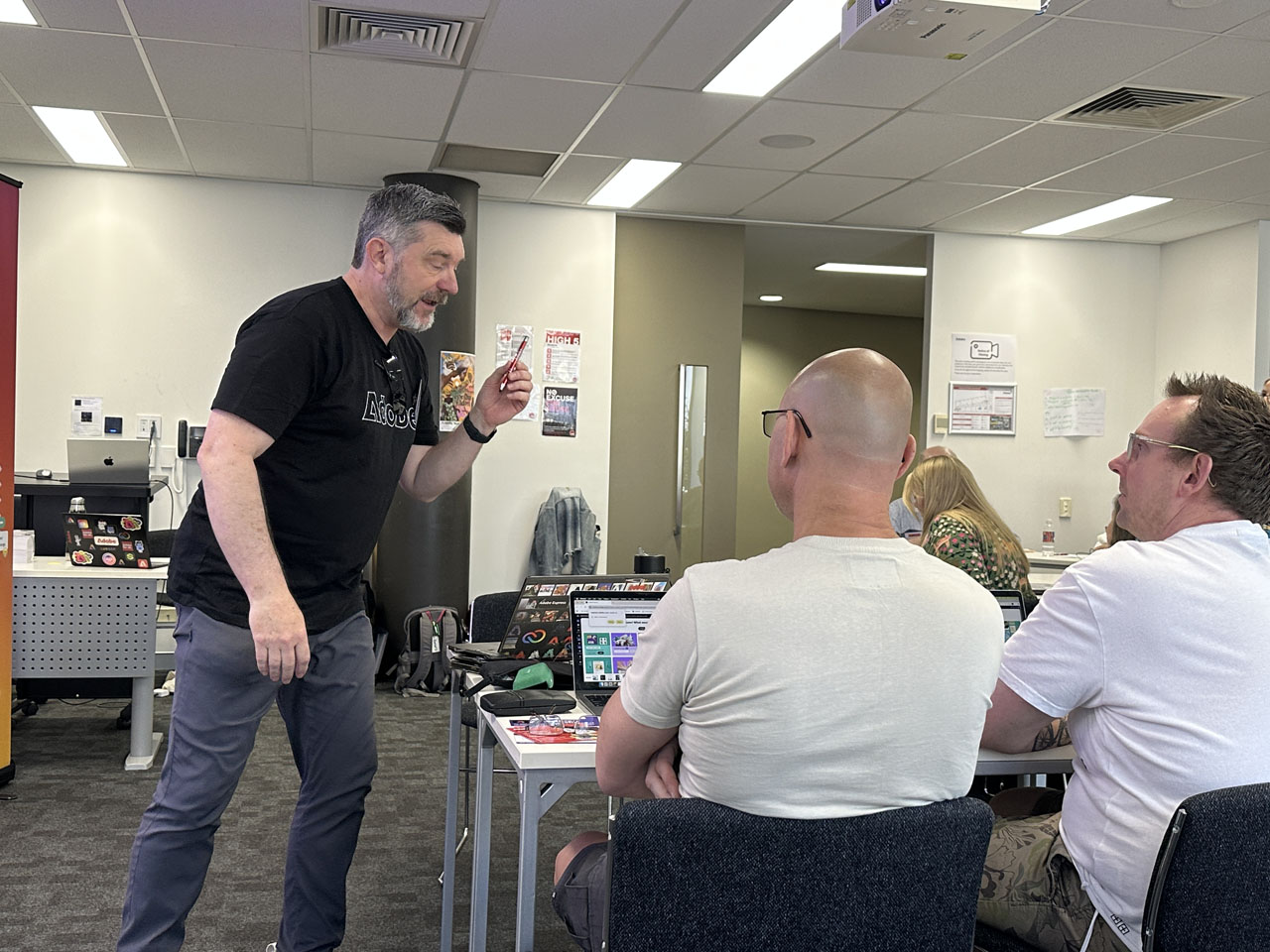
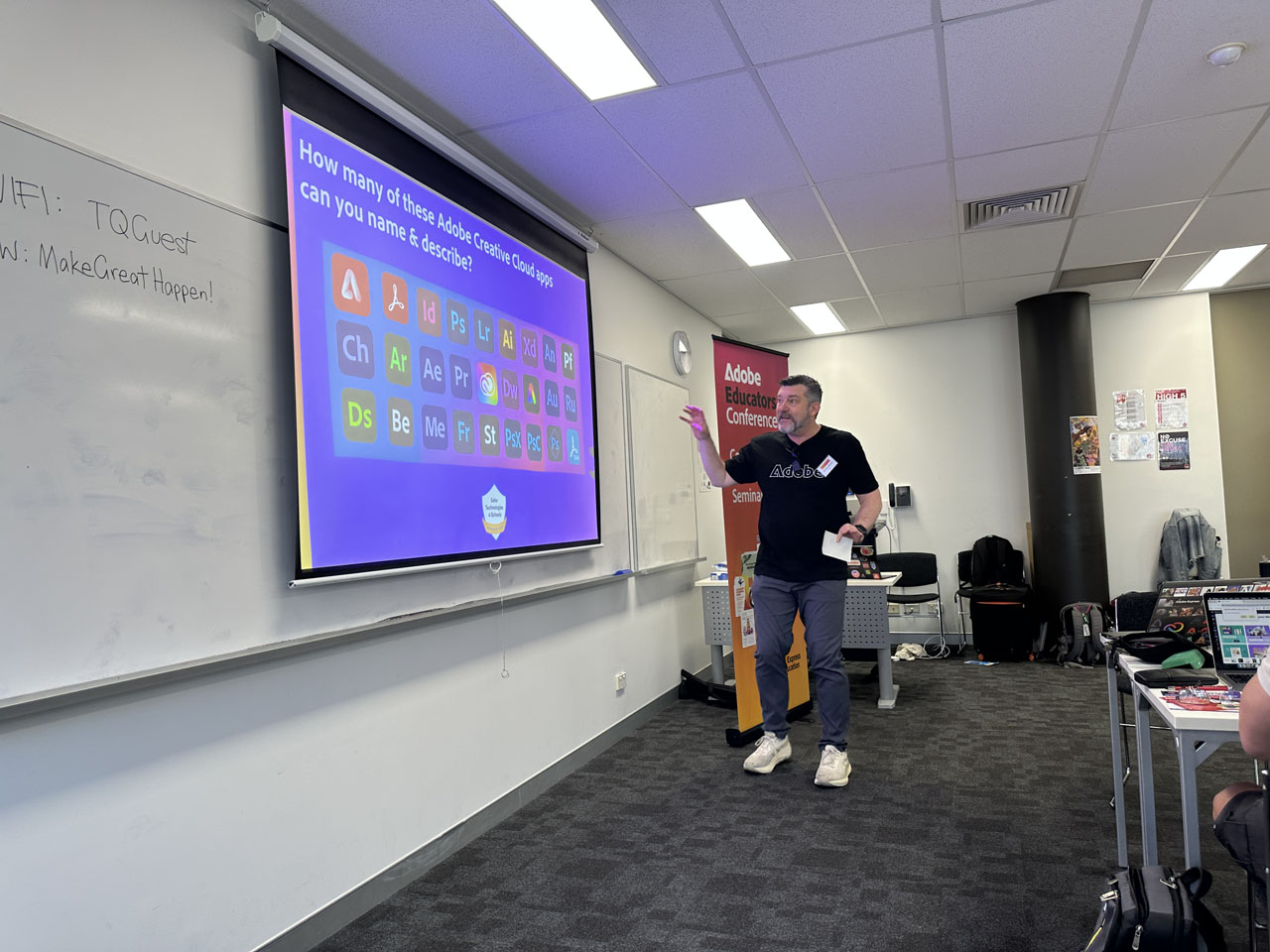
This was an opportunity for teachers to join a hands-on day of creativity with Adobe Express and build curriculum-aligned, multi-modal content that fuels digital literacy and fluency – setting students up for success in learning and life.
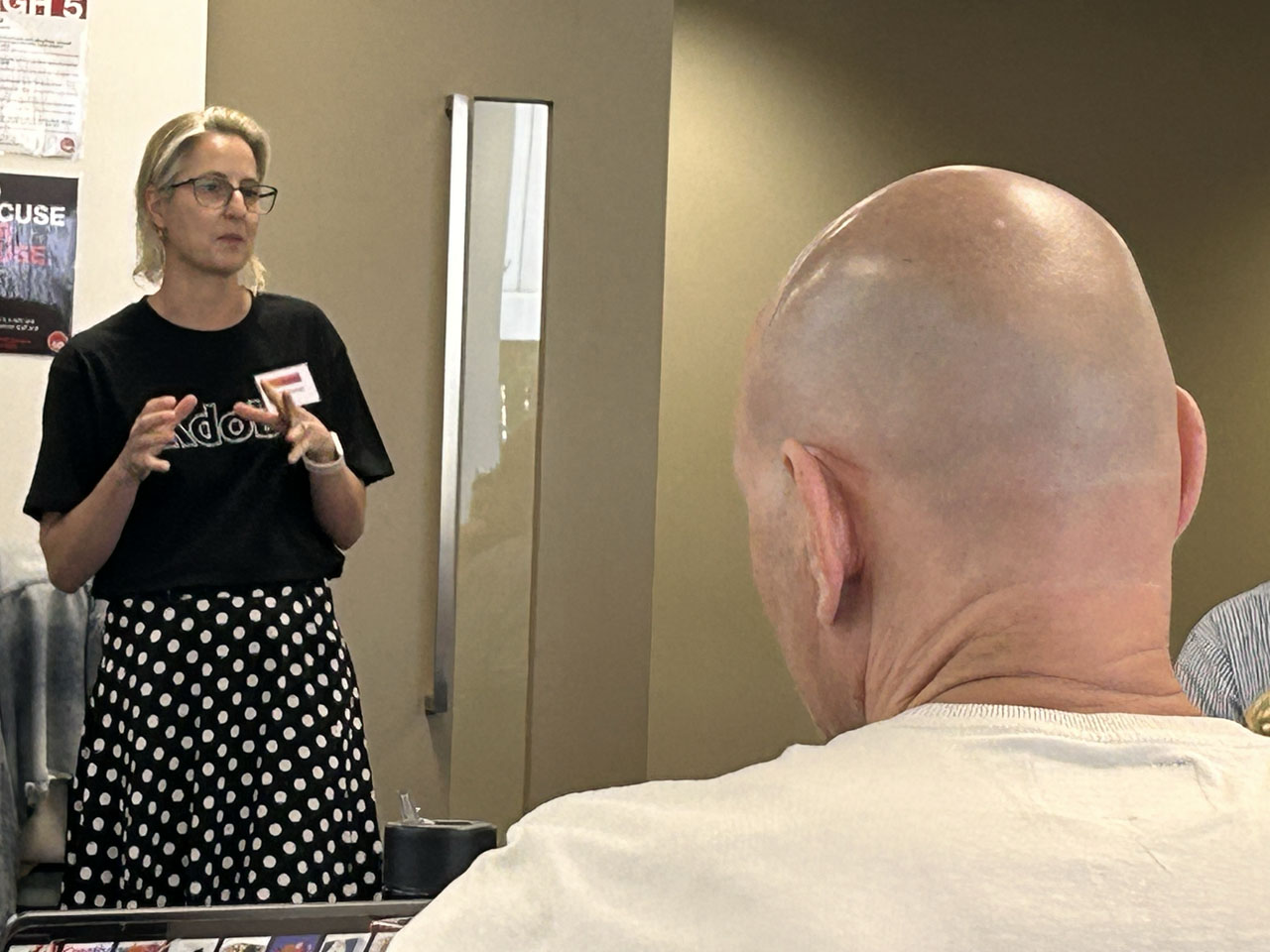
Molly Turner from the Adobe Edu Team set the scene at the start of the session linking Adobe Express solutions to the Australian Curriculum as well as TAFE priorities.
With expert guidance from ACE-Leaders/Innovators Erin Raethke, Nalin Naidoo as well as Adobe Edu team members Al Briggs, Molly Turner and myself, the teachers were shown how to use Adobe Express to create curriculum-aligned resources that spark curiosity, build digital literacy and fluency, and set students up for lifelong success.
Being able to easily add an Auslan interpreter and captions to a video. It was much simply than other platforms that I’ve tried.
I really liked learning about classrooms and the guided activities
It was great getting a refresher of the tools learned in the ACE Level 2 training.
Seeing Adobe Express
Discovering the new updates every time I get into Adobe Express.
Time to explore and people more knowledgeable than me to ask!!
Appreciated the time to immerse into Adobe Express
Improving knowledge of tools
Just the support- I did not feel inadequate or stupid – I am confident to take this back to my classroom.
The handson aspect of the workshop – experiential learning is everything! Jumping into Adobe express and trying this out.
Having already done the Adobe Educator Level 1 training, it was great to extend my skills. Top highlight: adding captions to videos and importing existing presentations to make them better in Adobe Express
Working through the guided activities with help.
Other feedback comments
Thank you for a great day.
Great holiday opportunity
Looking forward to next learning opportunity
Great work all
Please do a presentation at the Queensland Art Teachers Association conference in July 2026 in Brisbane.
Thanks so much team!
The templates provided by Molly and video examples were great examples I could incorporate in classroom activities.
These conferences provide a valuable opportunity for teachers and students to collaborate while developing a wide range of STEM skills. According to the organisers …
The It Takes a Spark! STEM Conference inspires and engages forward thinking students, teachers and leaders in STEAM.
Established in 2017 by engineer, education consultant and author Dr. Adrian Bertolini, together with event specialist Rachel Manneke-Jones, the conference has since made a direct and positive impact on more than 8,220 educators and students. In 2025, events will be hosted in Queensland, Western Australia, and Victoria.
At the WA conference, I was invited to deliver an Adobe Express workshop. Looking ahead, I am honoured to have been asked to present the keynote address at the Victorian event on Thursday, 23 October.
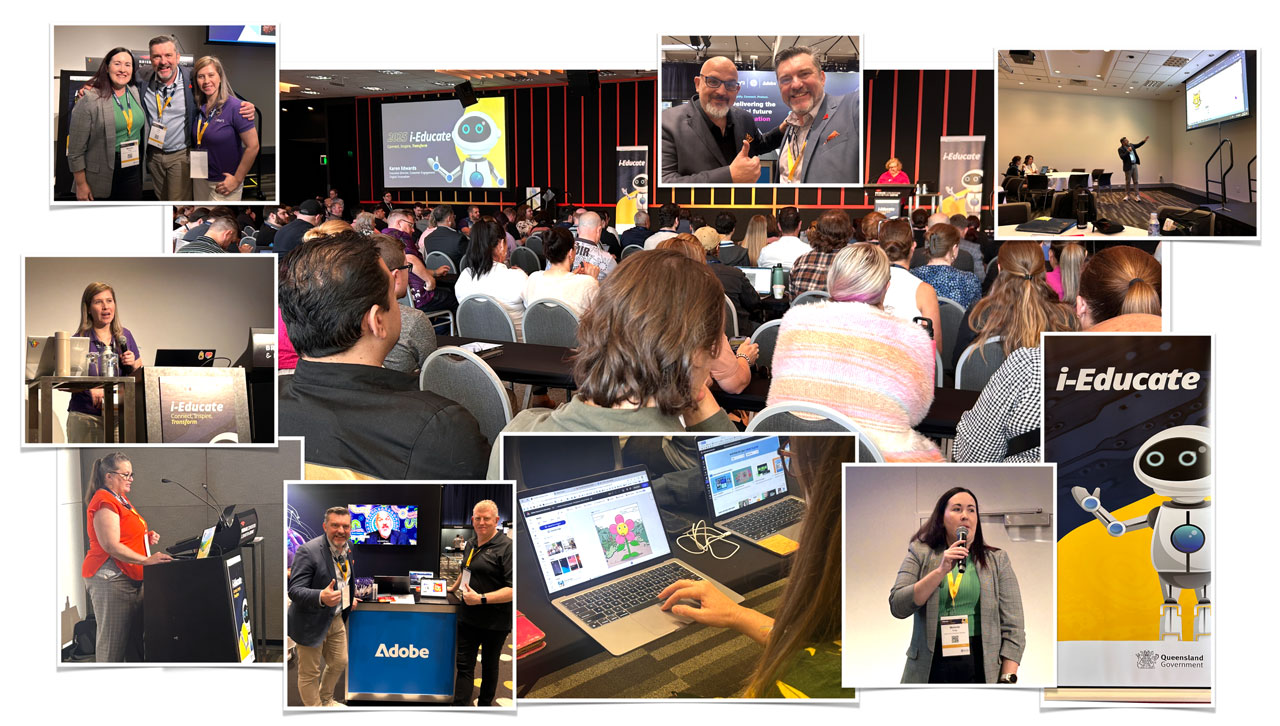
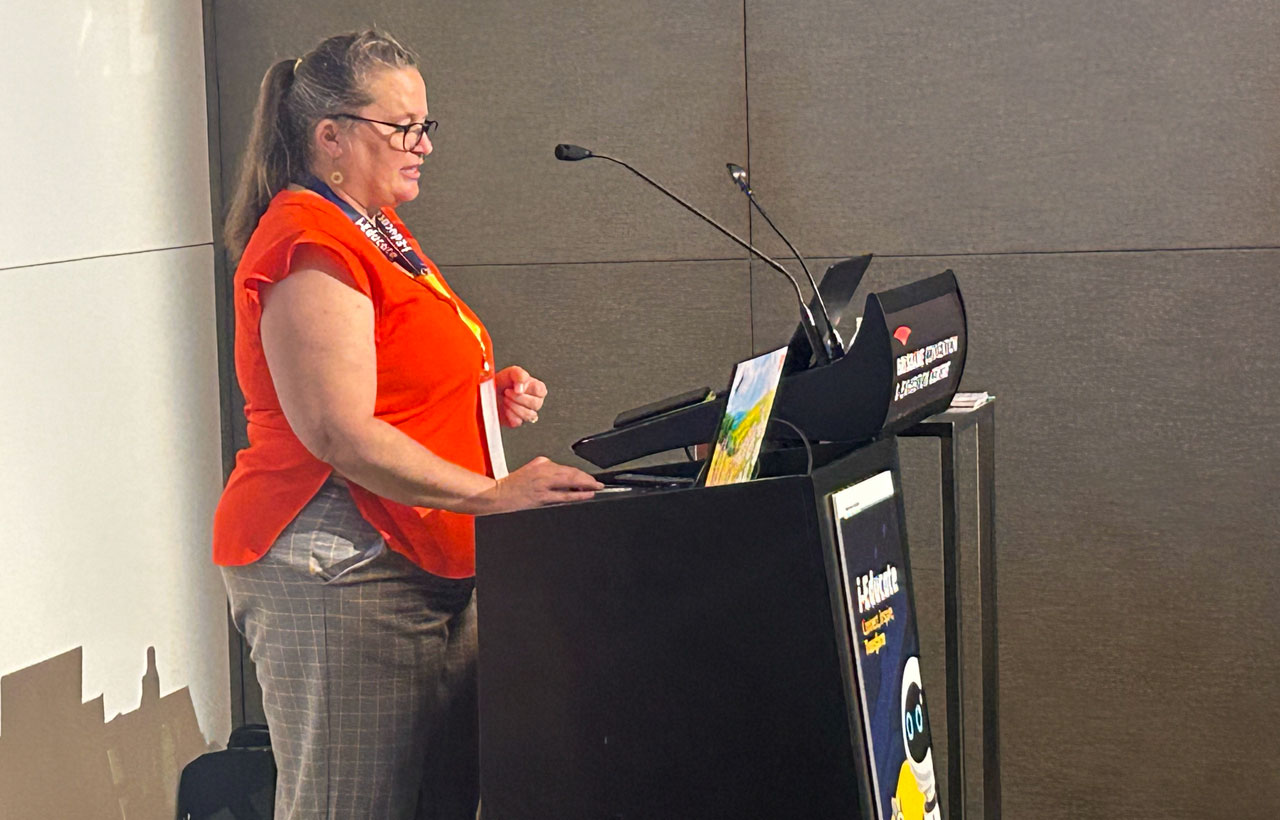
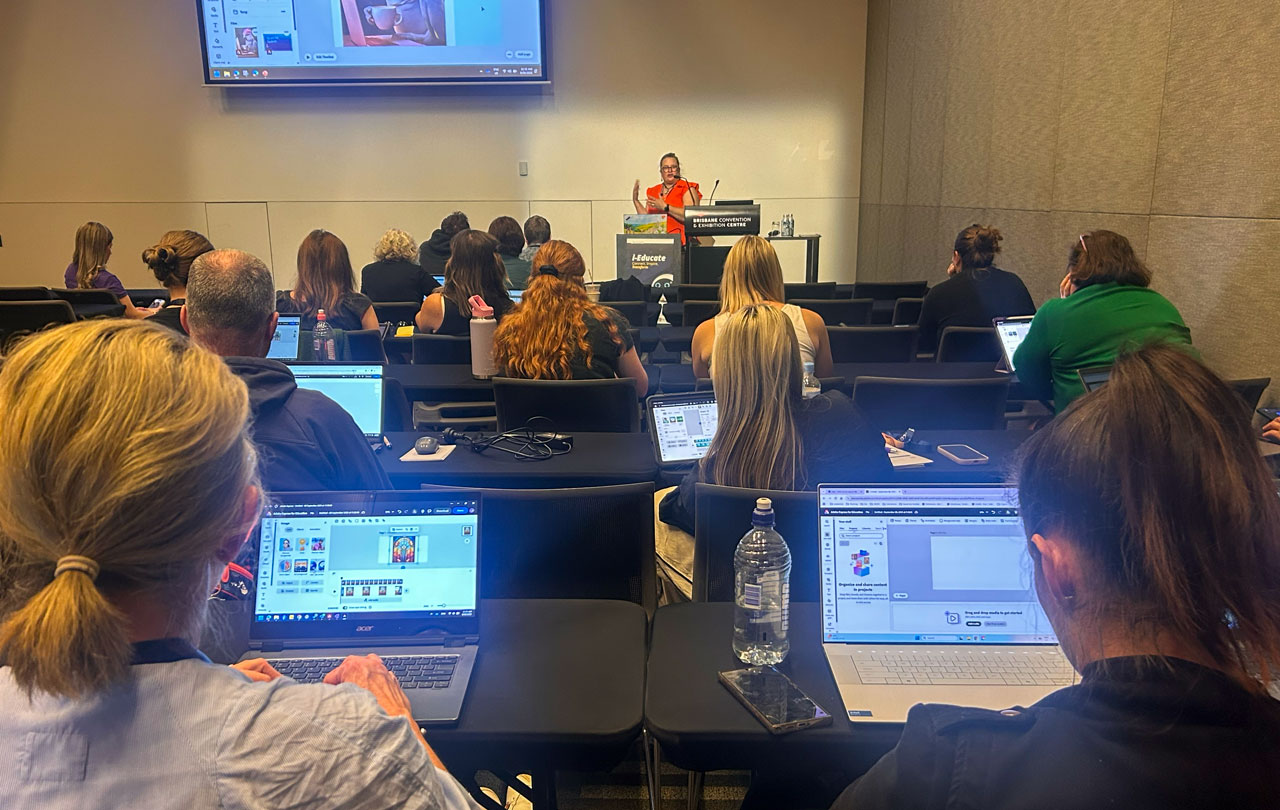
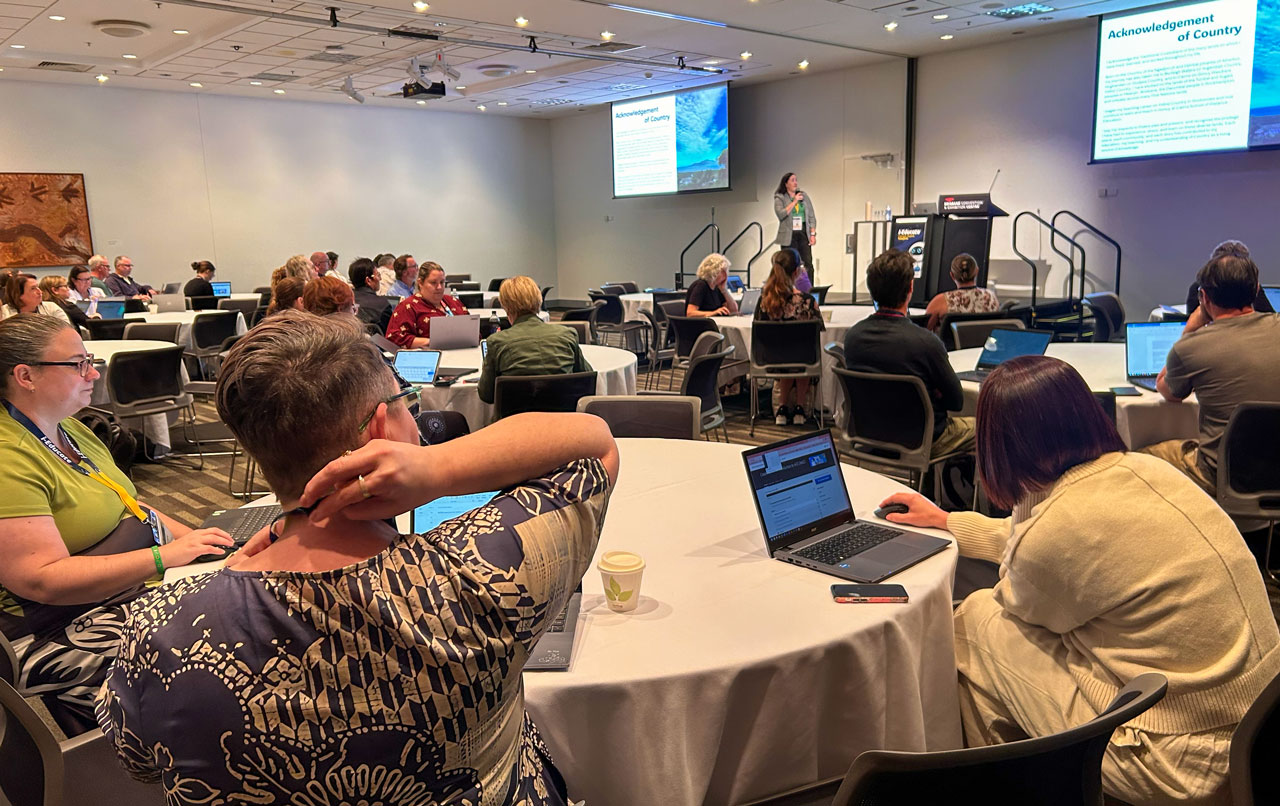
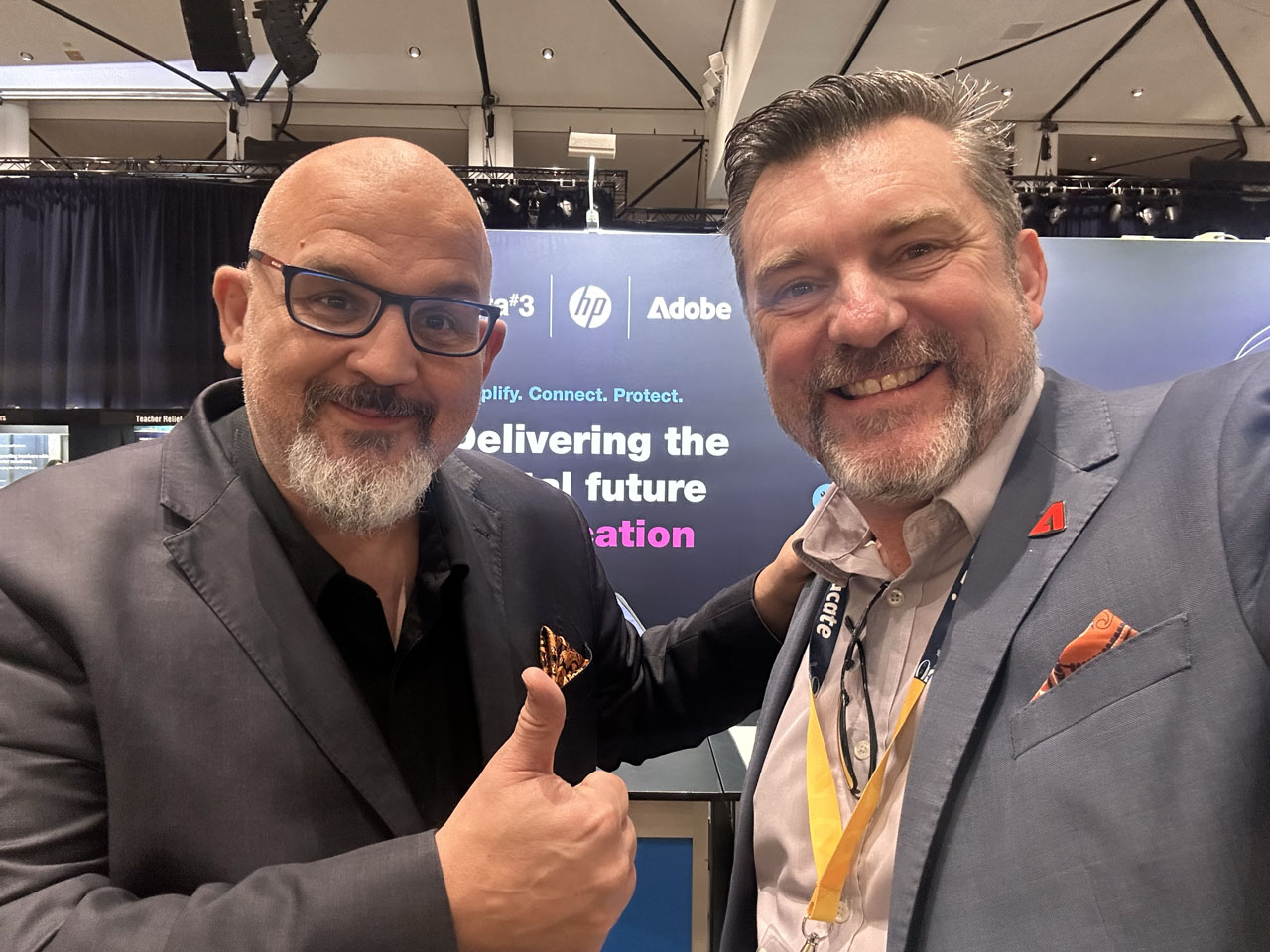
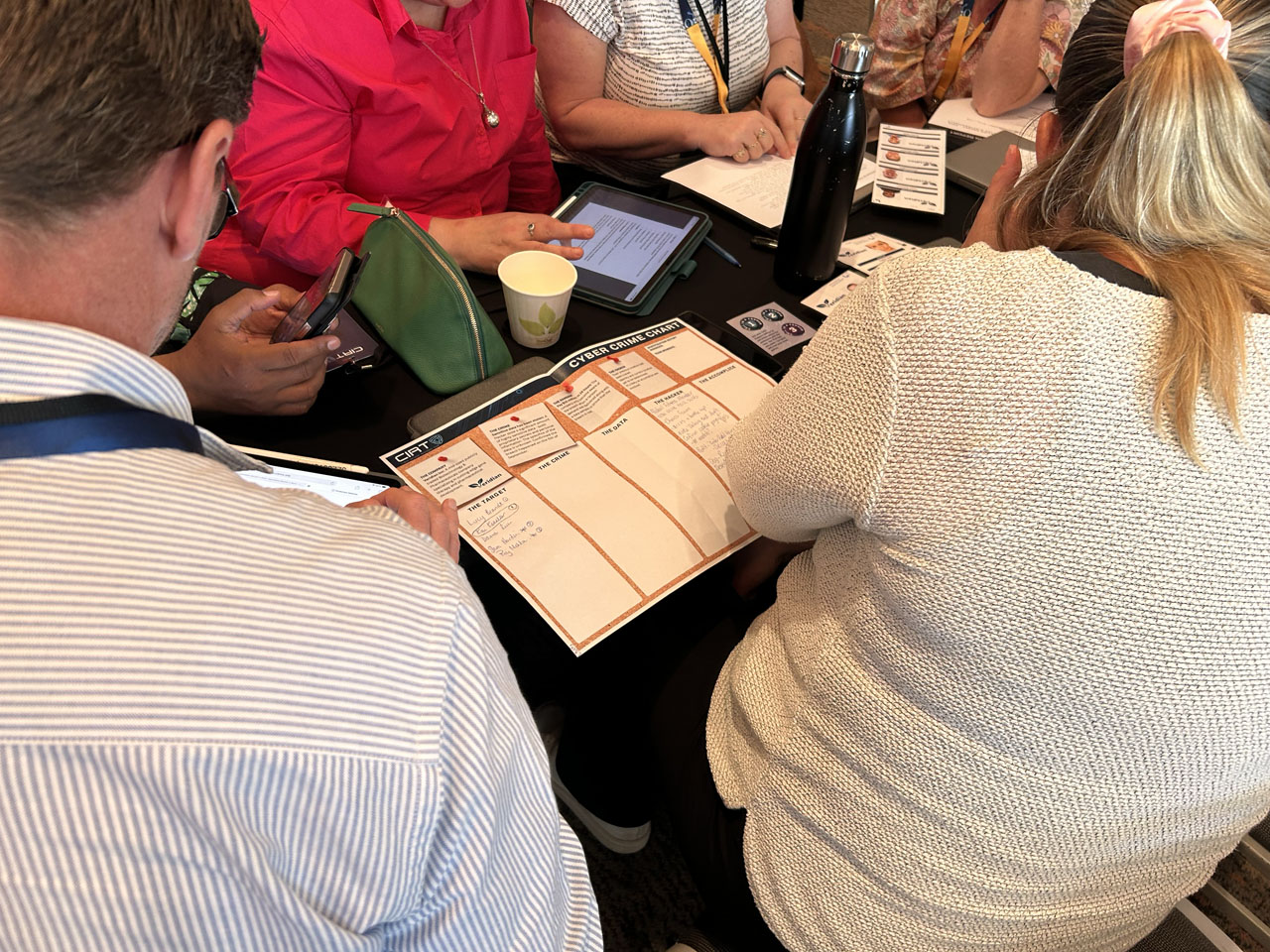
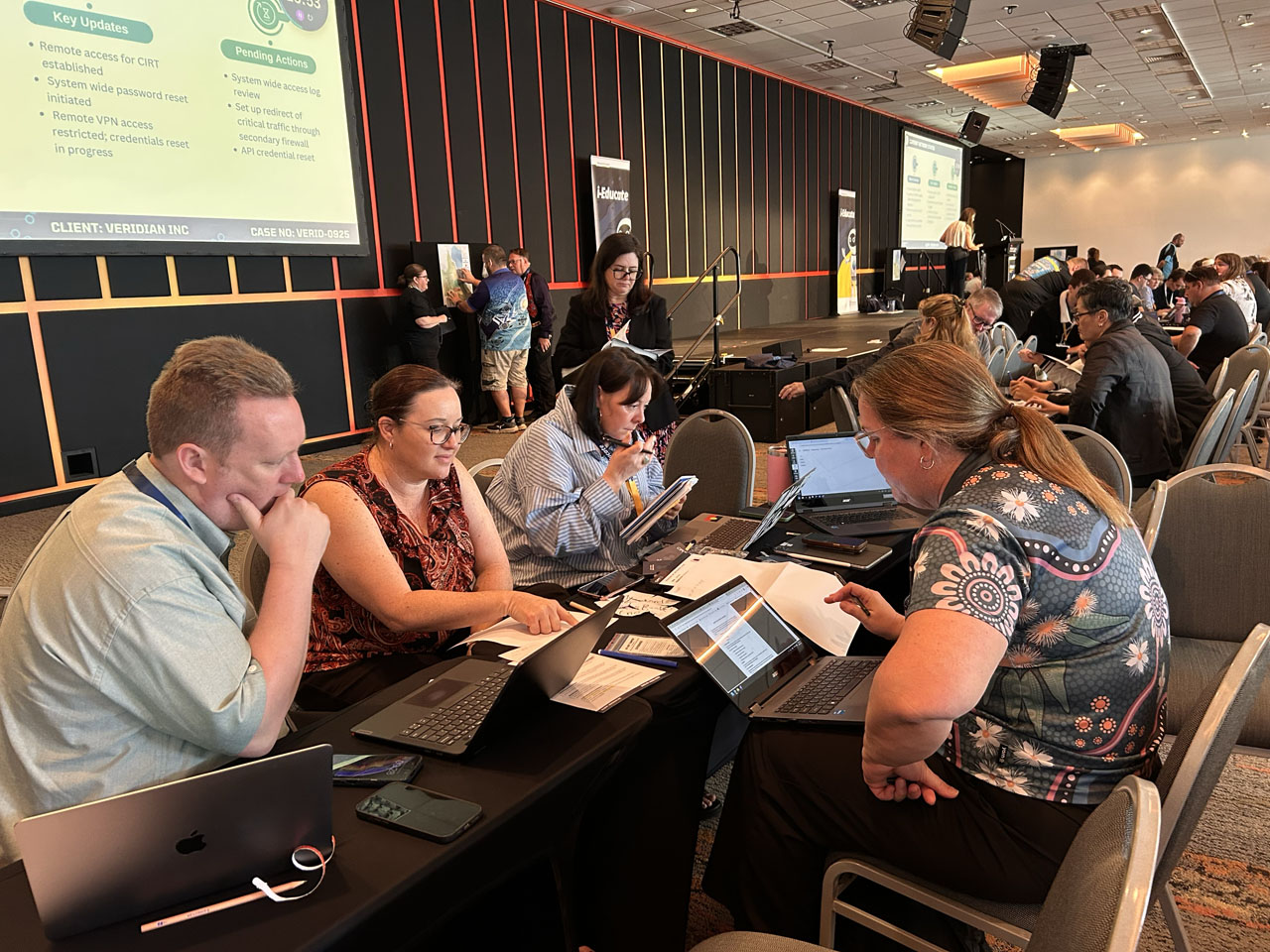
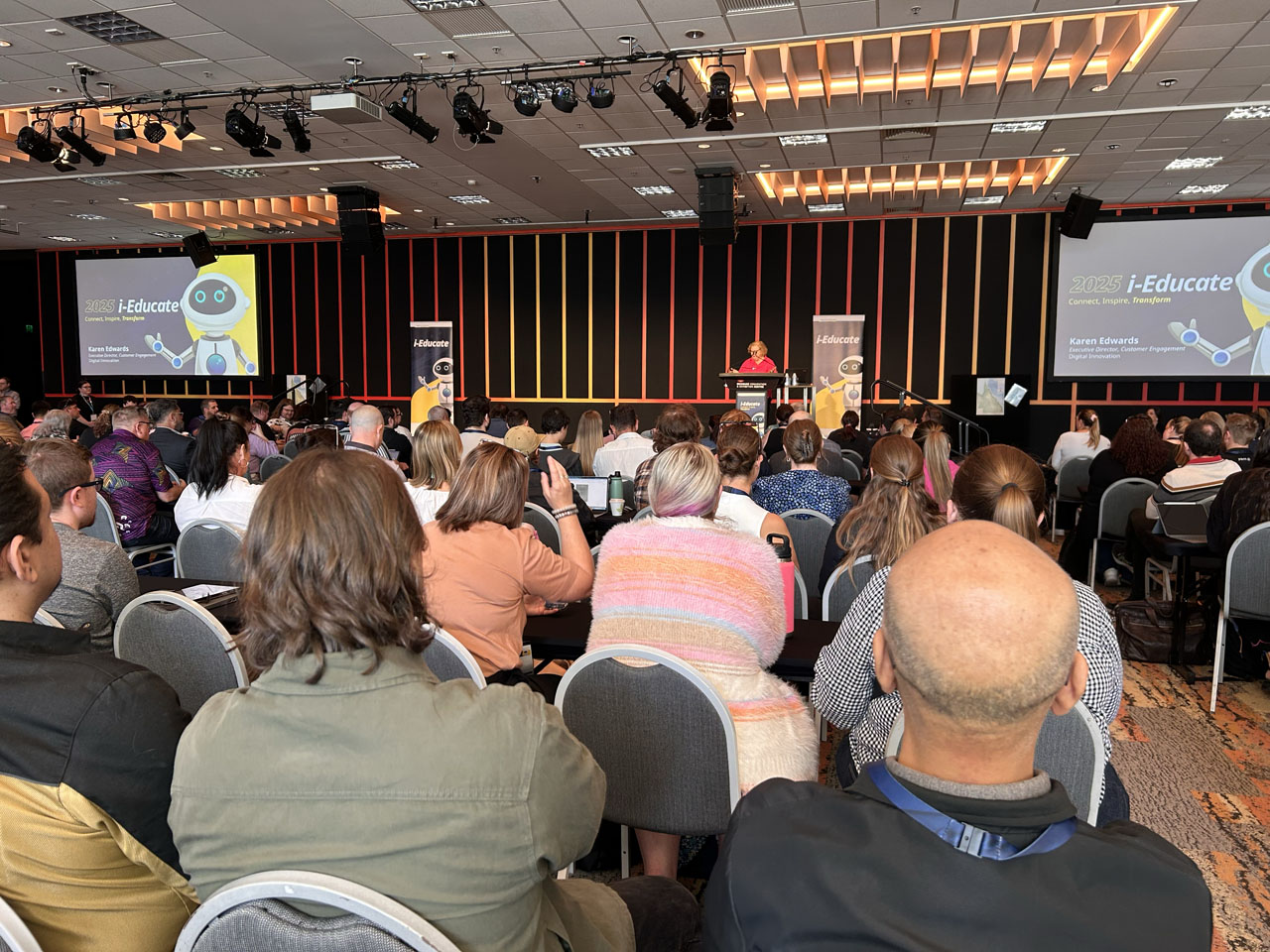
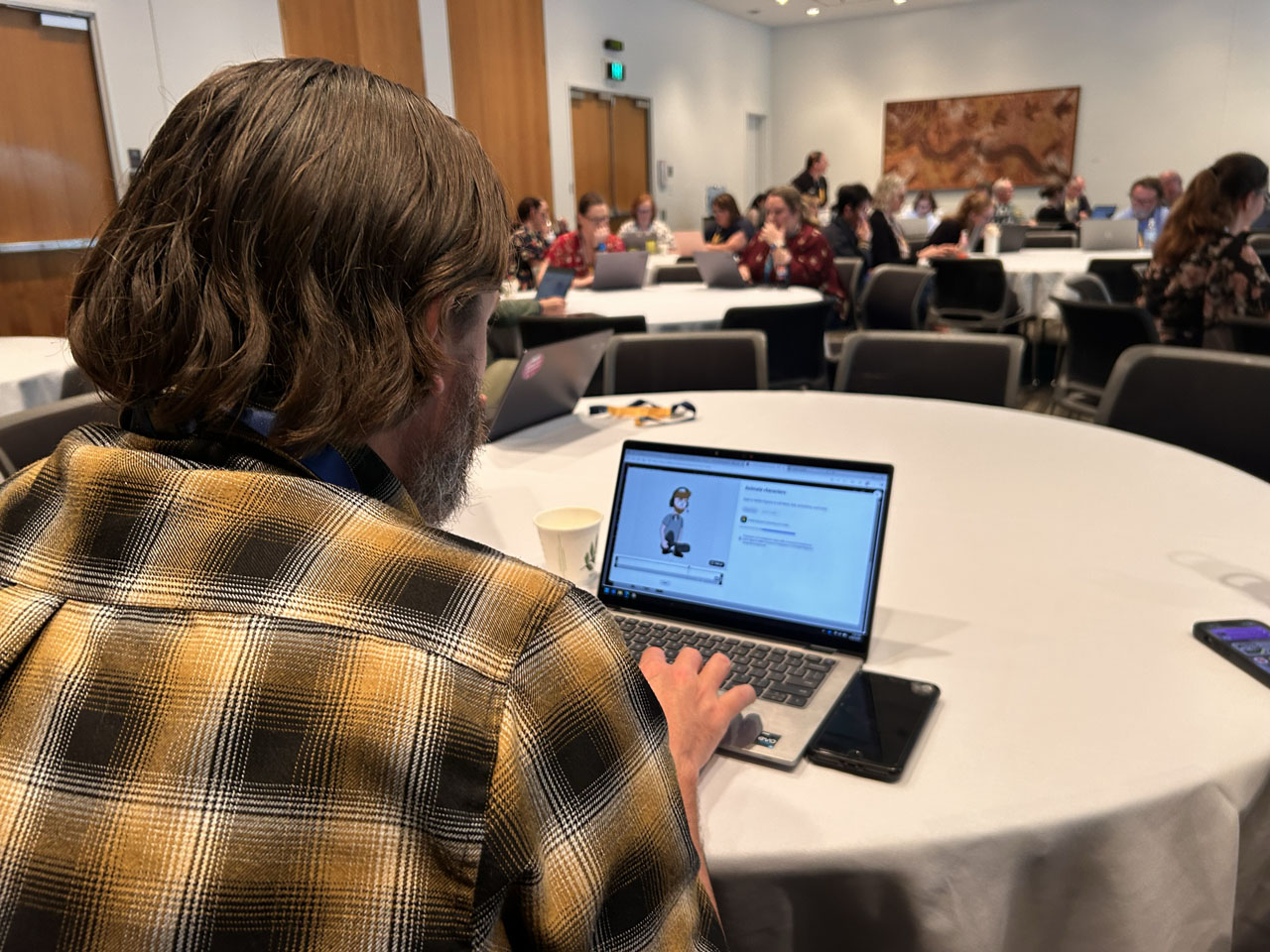
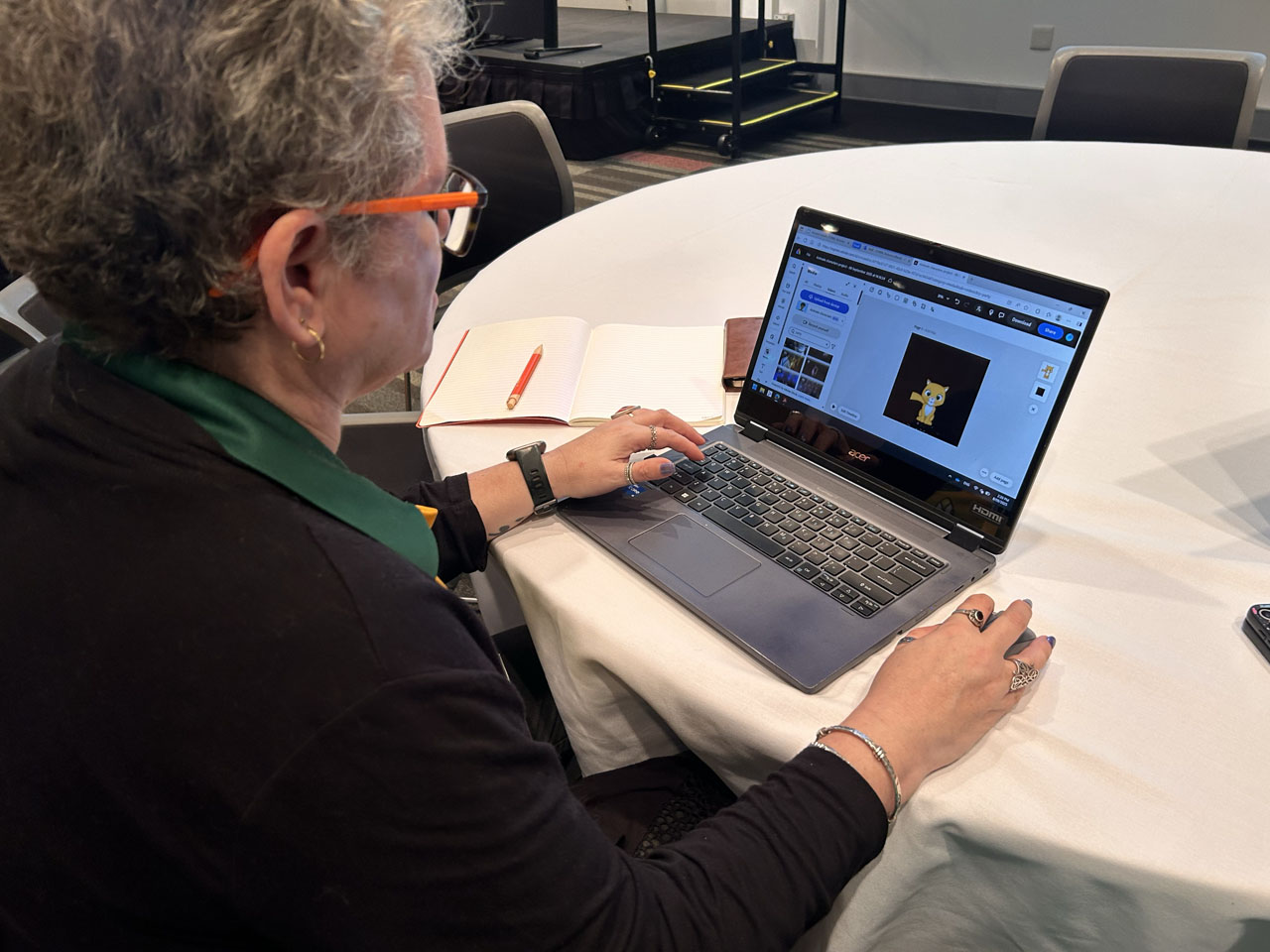
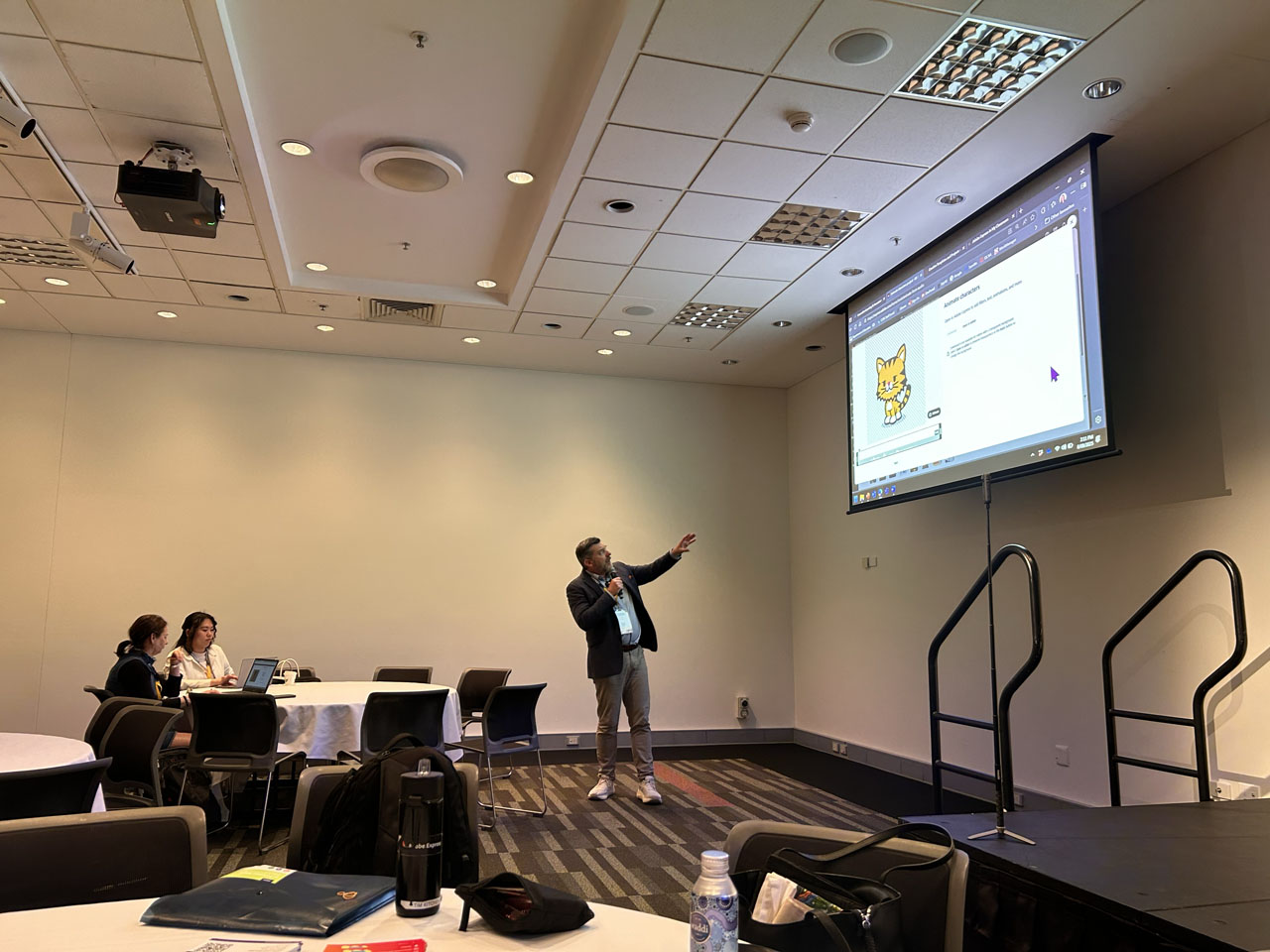
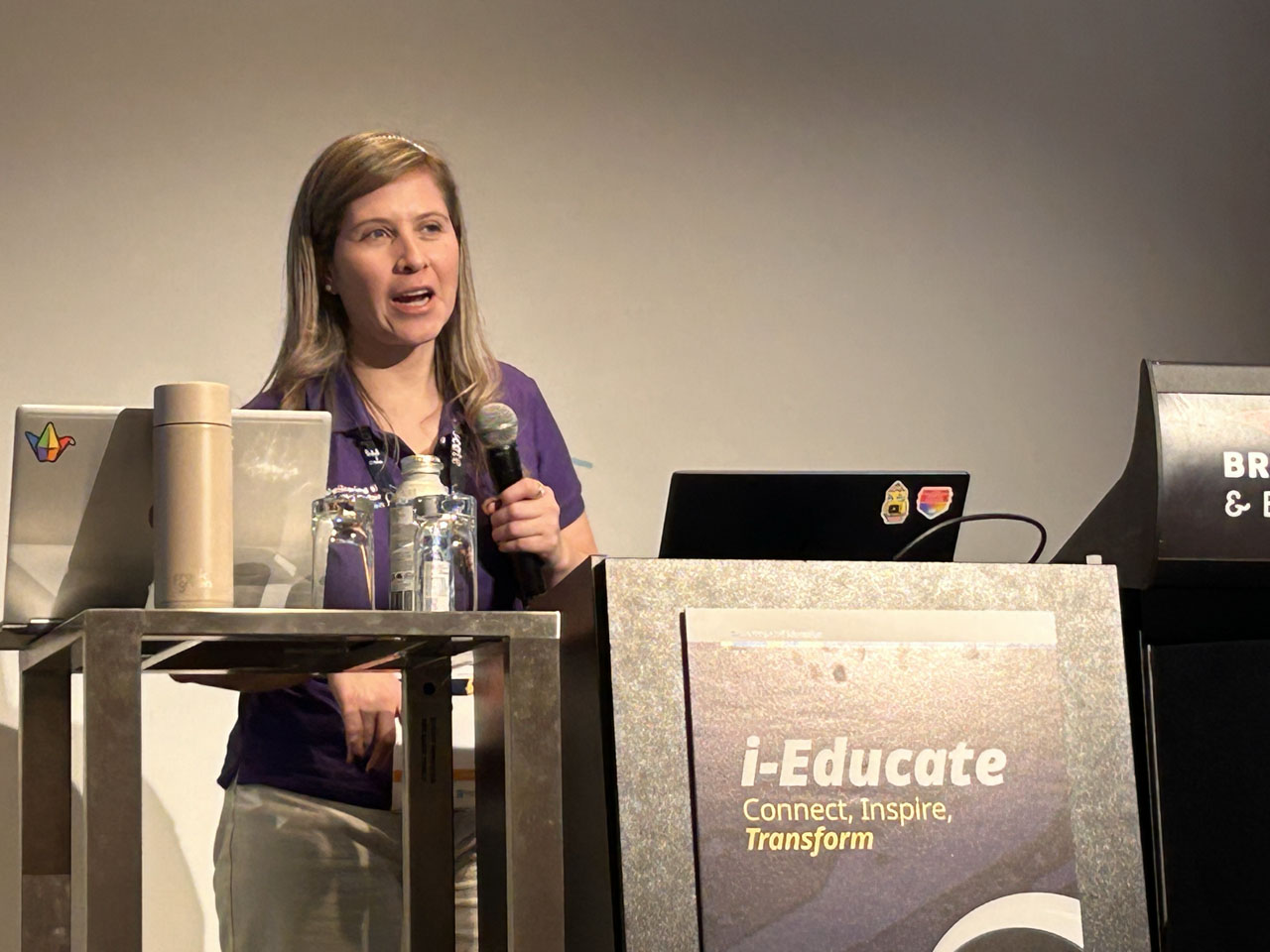
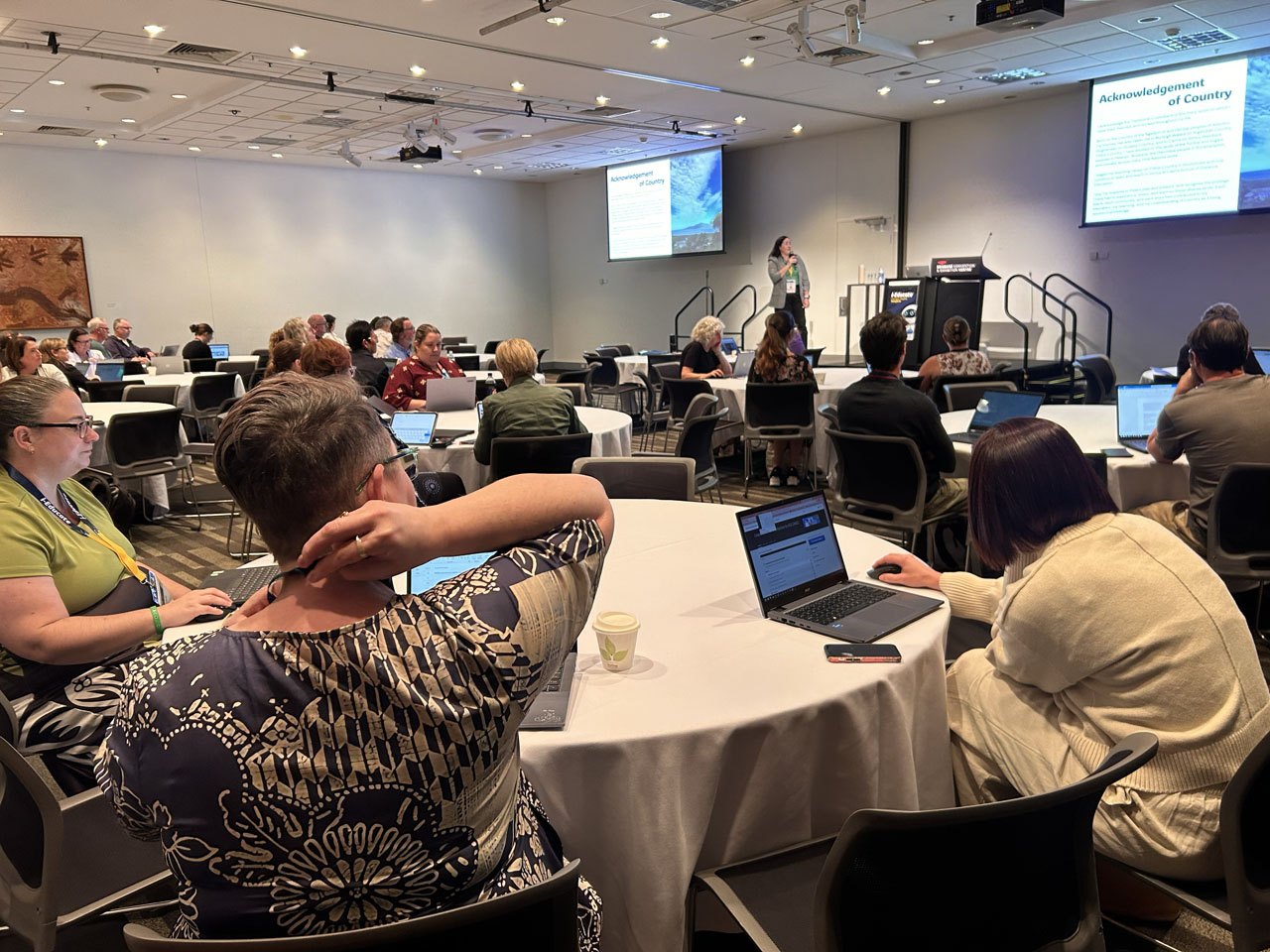
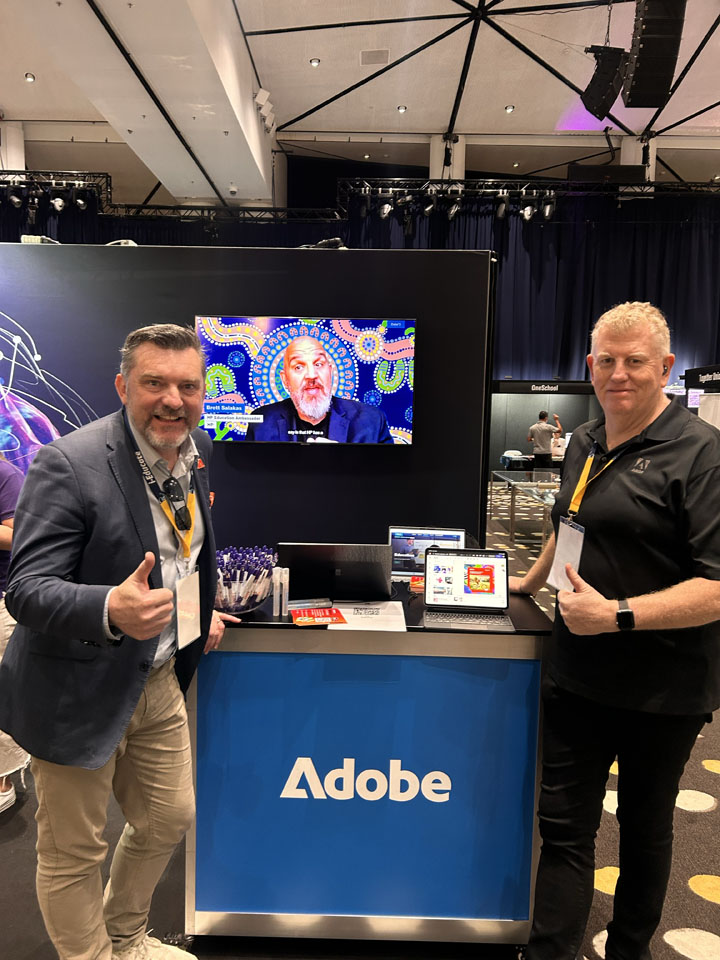
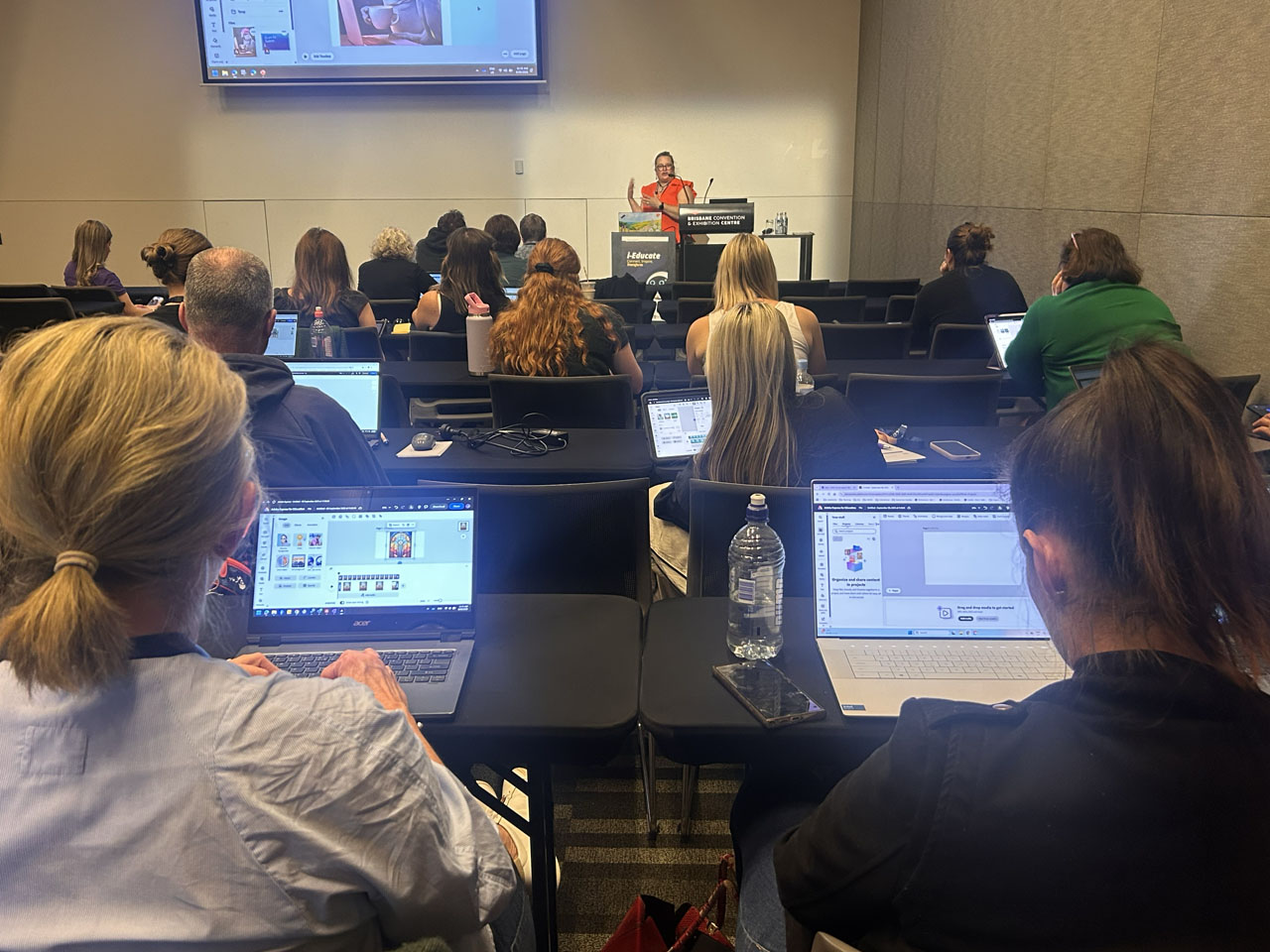
The Queensland Education Department (QED) hosts an annual ICT in Education conference called i-Educate at the Brisbane Convention & Exhibition Centre. Adobe was delighted to collaborate with Data#3 for this event. This year, the conference took place on the 8th and 9th of September. Under the leadership of Michael O’Leary (Assistant Director-General, Department of Education) and the Information and Technologies Branch, QED stands out as the only K-12 education system in Australia that organises such an event.
This year’s conference involved about 500 school leaders, teachers, IT professionals, administrators, and support staff from across the state and about 100 presenters & industry vendors from around Australia for two full days of inspiration, learning, and collaboration.
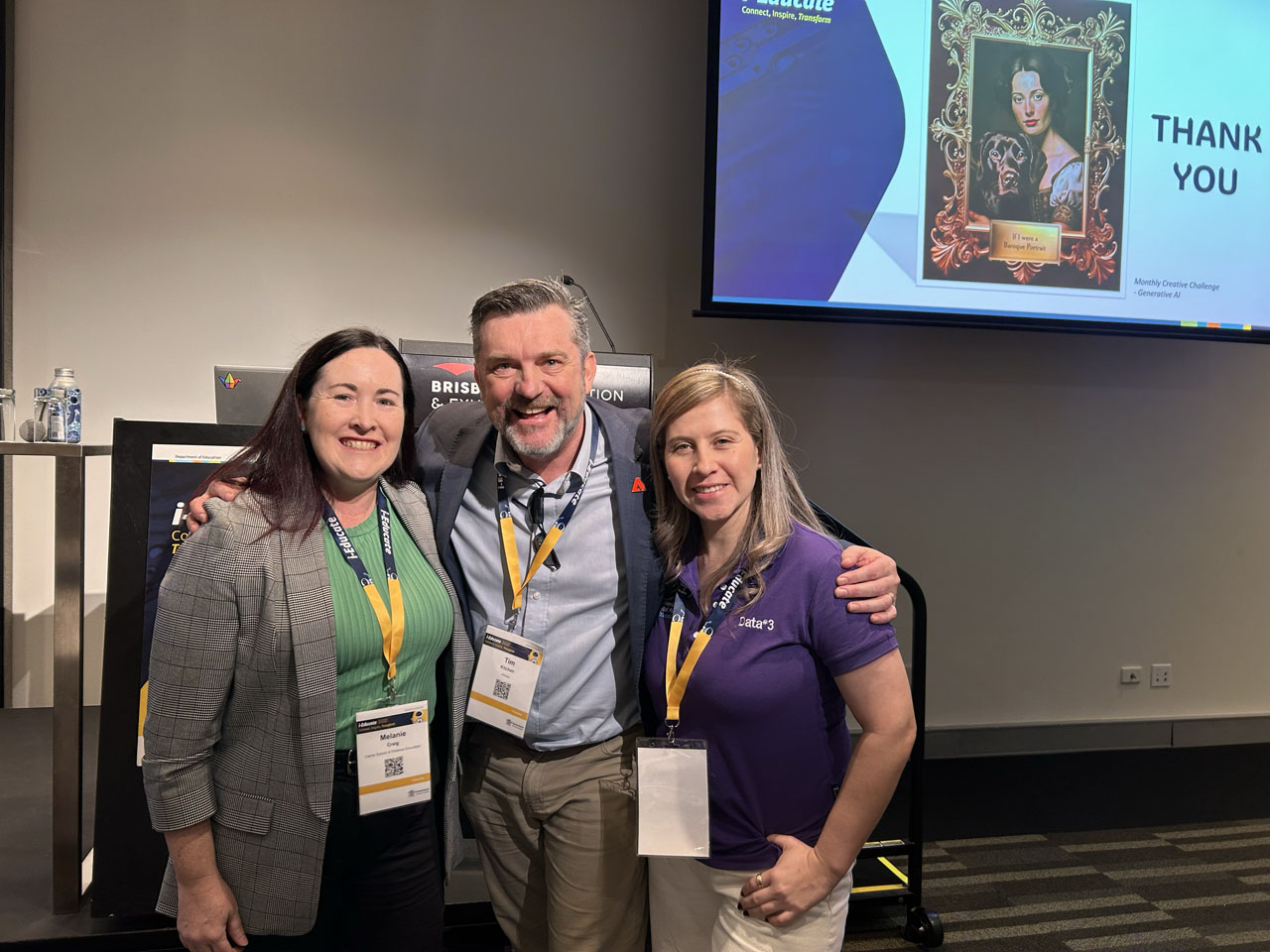
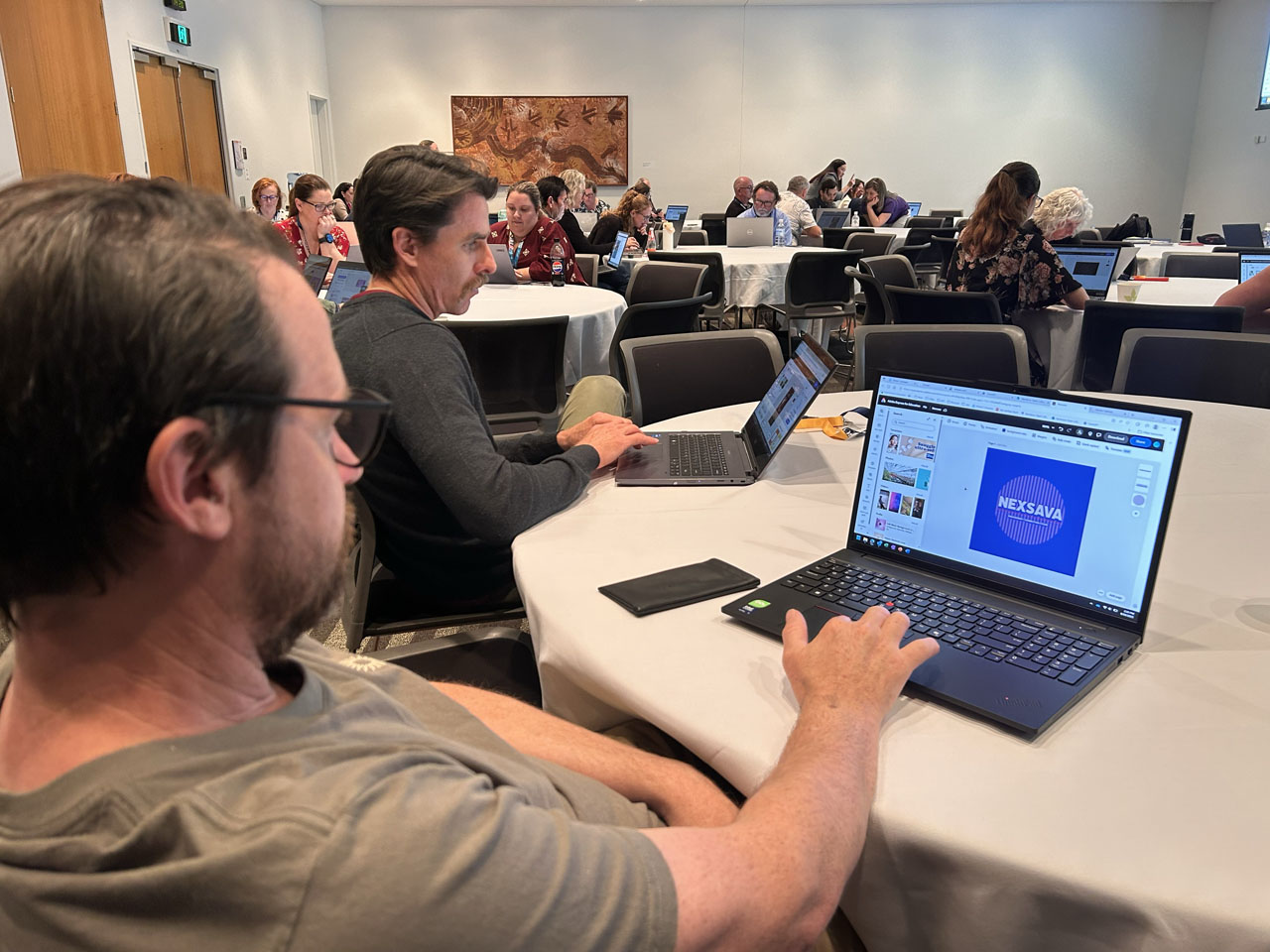
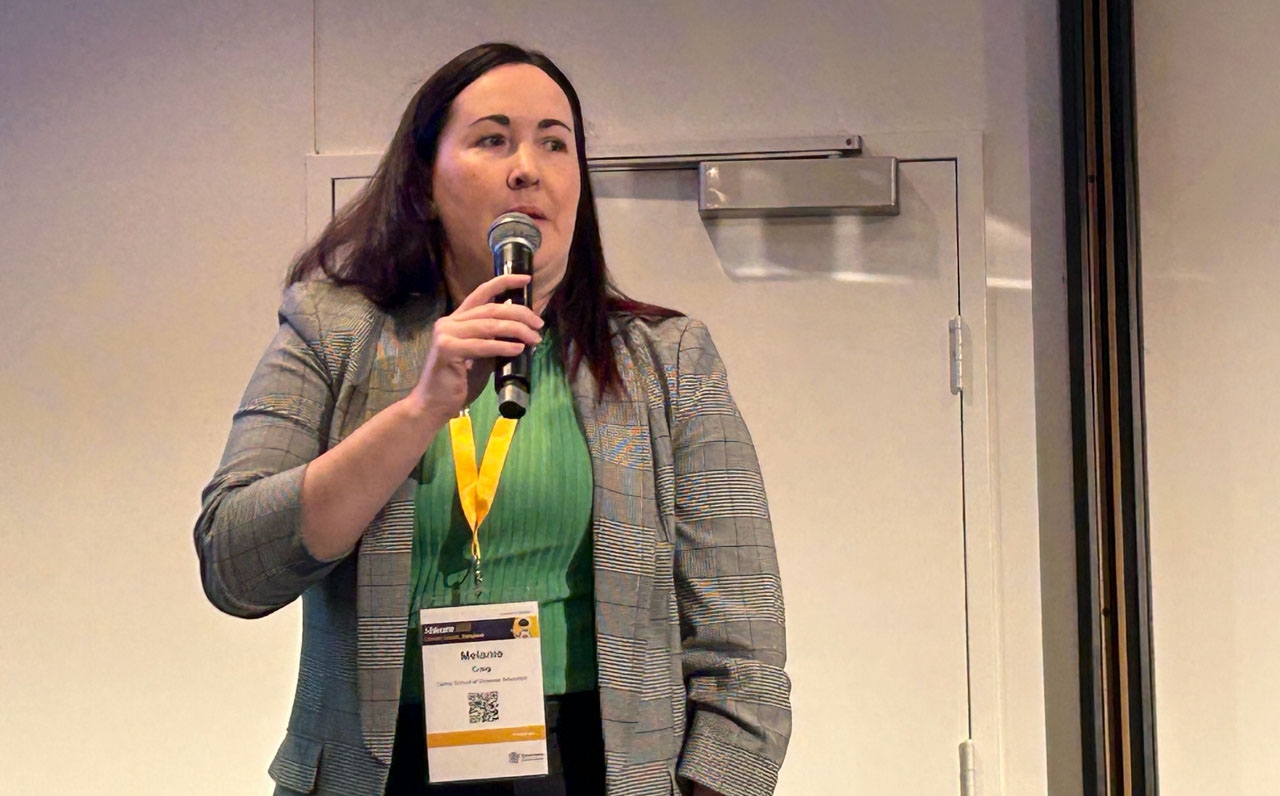
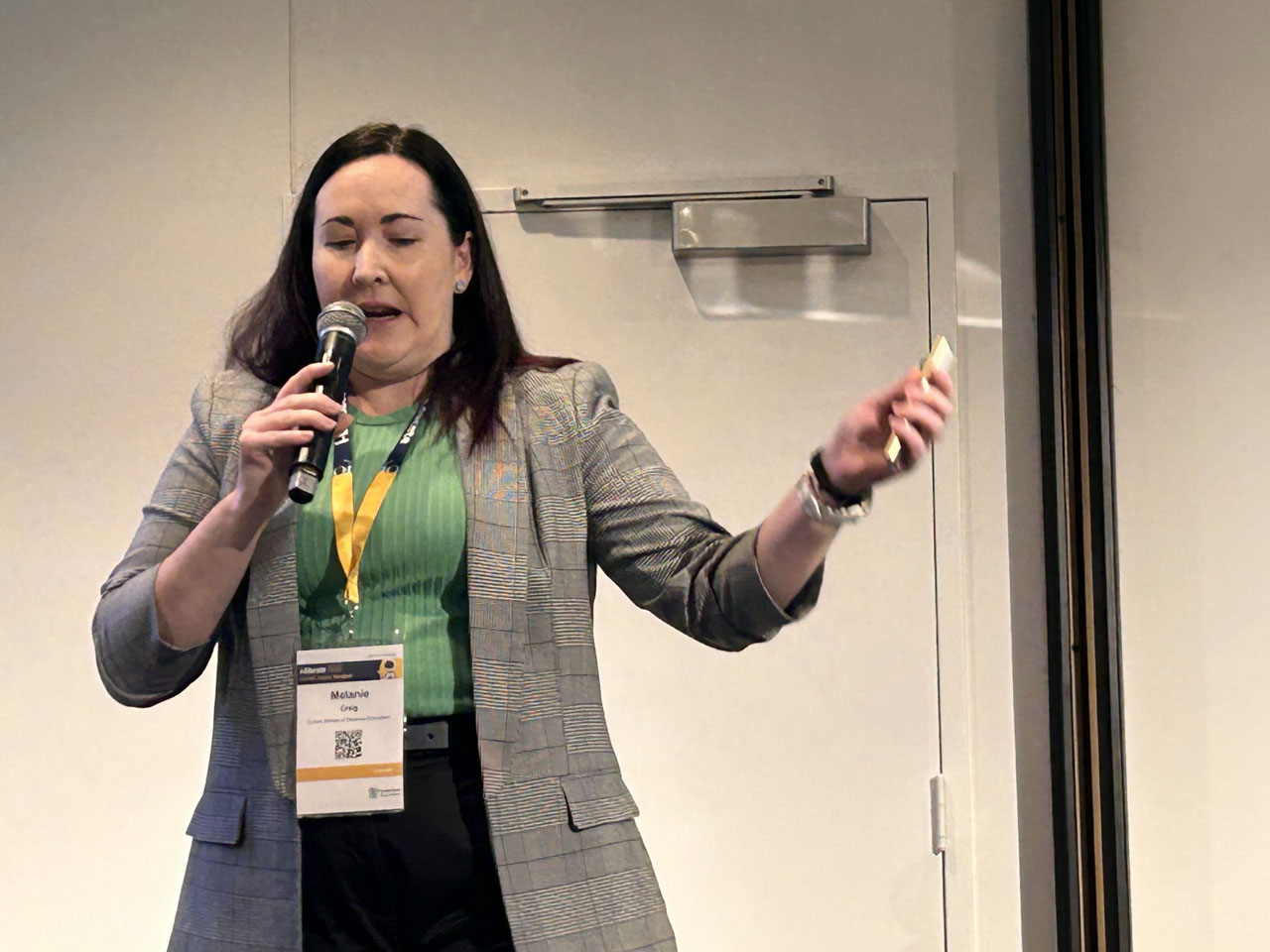
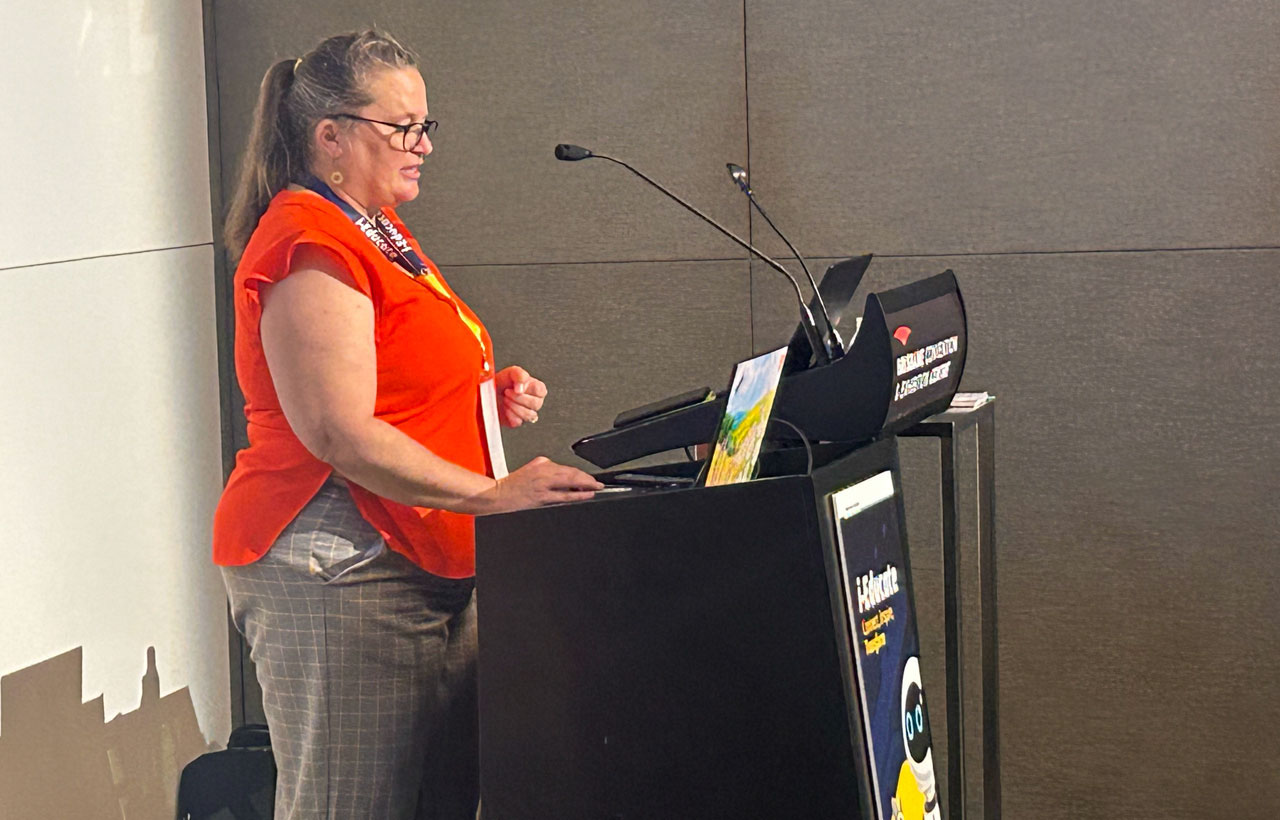
I was particularly impressed with the sessions ran by Adobe Creative Education Leaders Mel Muller from Mountain Creek State High School and Melanie Craig from Cairns School of Distance Education who presented the following two 1.5hr workshop sessions.
Mel Muller – Adobe Express Across the Middle School
Melanie Craig – Innovating Learning and Assessment with Adobe Express
Mel MullerMelanie Craig
Most of the teachers who took part in these sessions also earned the Adobe Creative Educator Level 1 micro-credential.
Adobe Express has become very popular in QED schools ever since it was linked their single-sign-on system allowing very simple free access to every student & teacher.
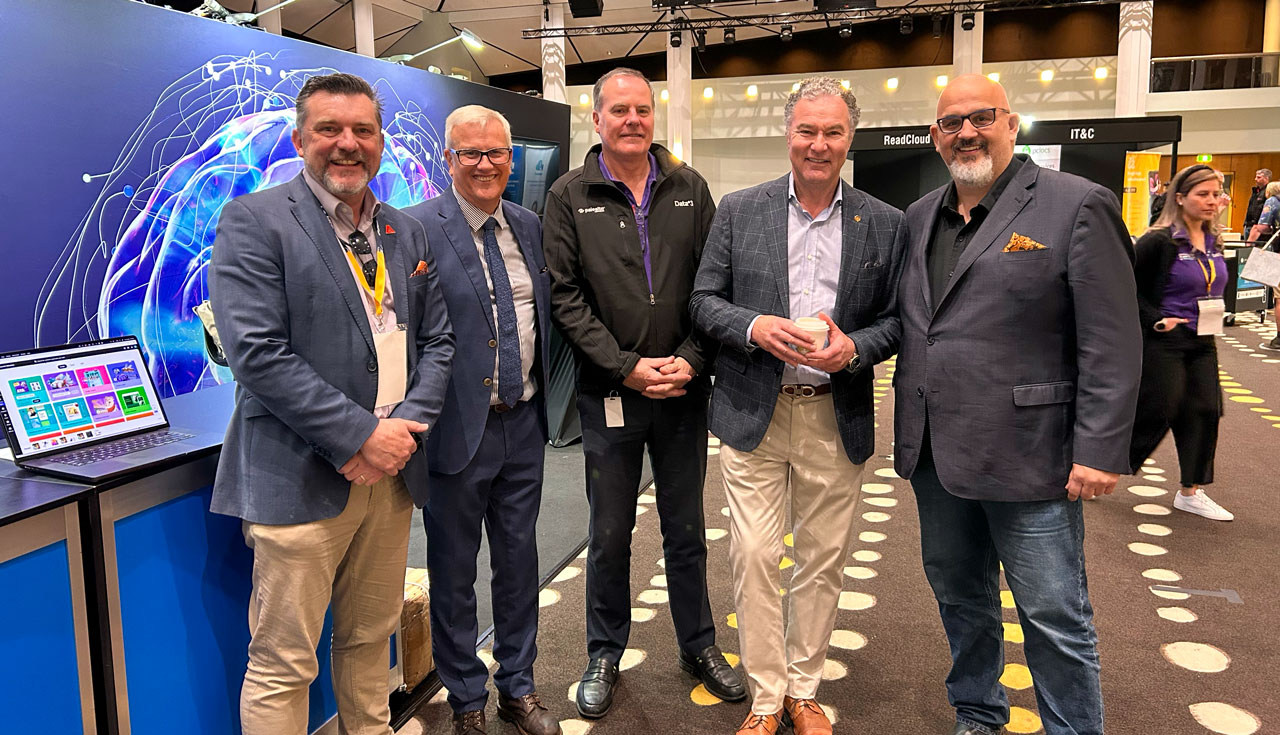
Another highlight was when Brett Salakas (HP’s Education Ambassador), David Waine (Data#3 National Practice Manager – Education Sector) and I were introduced to the QLD Minister of Education The Hon John-Paul Langbroek MP by Michael O’Leary.
Me, Mick O’Leary, Dave Wain, The Minister & Brett Salakas
I would like to congratulate Amy Whitehouse for all the work she (and her team) put into make this event such a success. I’m looking forward to i-Educate 2026.
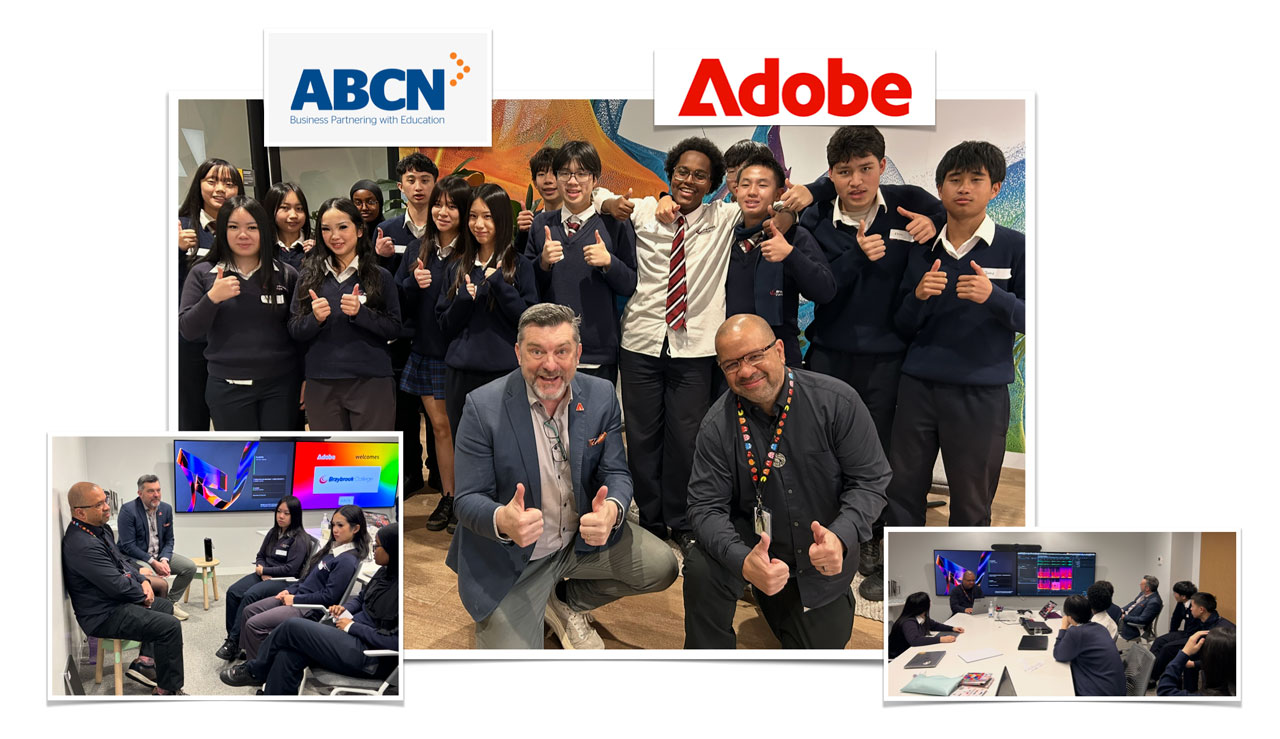
Every time I have the opportunity to work with John Penn II, I am inspired and proud of the contributions Adobe is making to the field of law enforcement. On Wednesday, 3rd October, I had the pleasure of introducing a group of students from Braybrook College to John at the Adobe Melbourne office during his visit to Australia.
John Penn II serves as Adobe’s Senior Architect for Law Enforcement Technologies. His unique role involves being on call 24/7 to assist law enforcement agencies worldwide in solving crimes using Adobe’s technologies, such as Photoshop and Audition. Before taking on this role, John was a developer on the Photoshop team and previously worked for Apple.
Since John began this role, over 40,000 children have been rescued from abduction and other crimes, thanks to the power of Adobe’s software. You can find out more in a recent webinar I recorded with him here.
This particular session with Braybrook College was organised by the Australian Business Community Network (ABCN) who have partnered with Adobe for several years to provide students from economically disadvantaged areas with opportunities to engage with industry mentors.
The students had some very insightful questions for John, and we were also joined by Cristina Fletcher from Adobe’s PR & Communications team on the panel.
John shared some examples of how Adobe’s tools help solve a range of crimes. The students were all learning how to use Photoshop at school so they were very please to meet someone who actually helped build Photoshop. Later, the student were introduced to the power and flexibility of Adobe Express as a creativity tool.
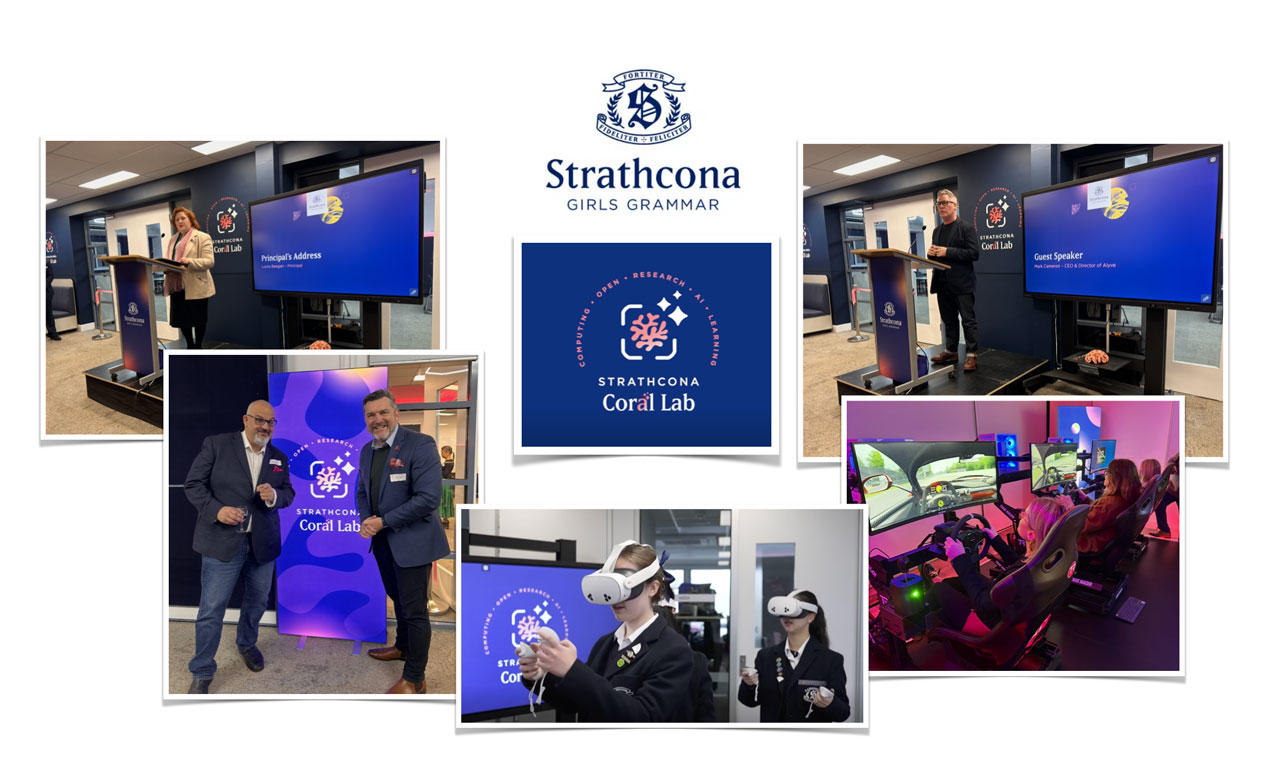
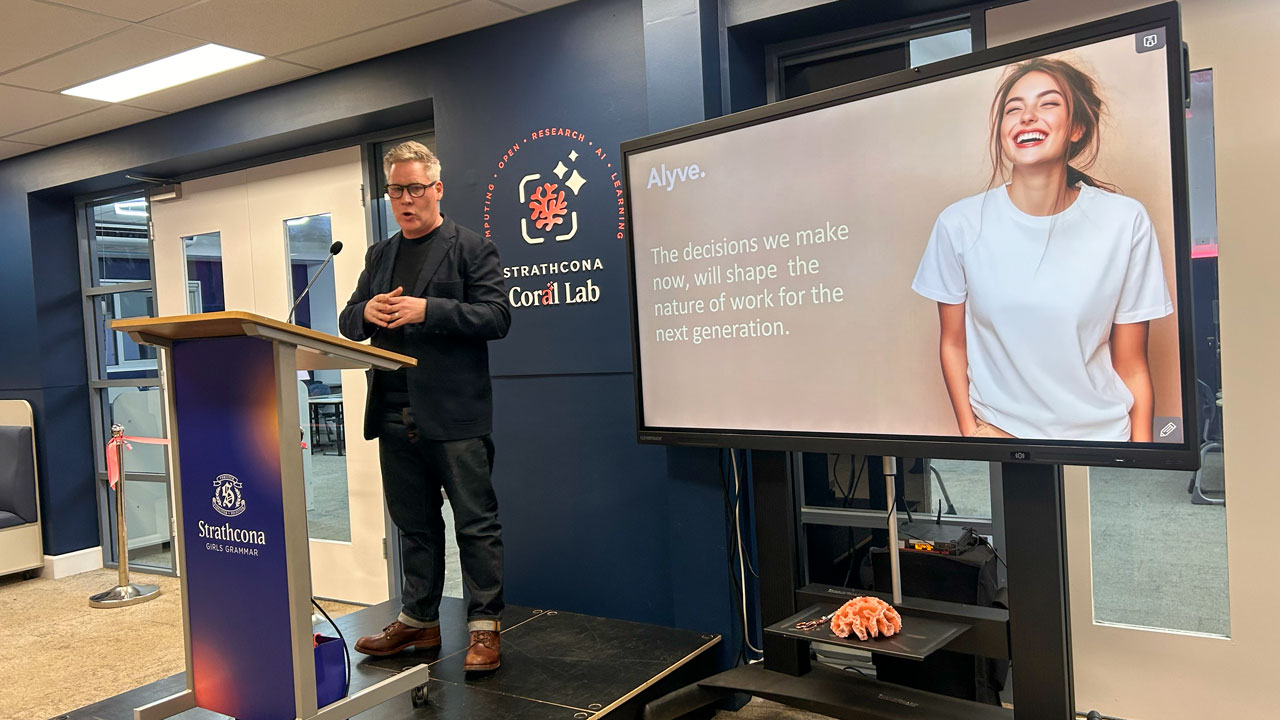
On Monday 1st September, I was invited to the launch of the Coral Lab at Strathcona Girls Grammar in Melbourne along with a number of EdTech legends such as Brett Salakas (HP) and Dan Bowen(Microsoft), Rob McTaggart(Intel) as well as Jess Wilson (Shadow Minister for Education in Victoria) and former student of mine.
In a LinkedIn post, Strathcona describesd their new Coral Lab with the following quote:
More than just a classroom, Strathcona’s Coral Lab is a strategic investment in the future of girls’ education, equipping our students with the digital literacy, innovation mindset and future-focused skills essential for thriving in a rapidly changing digital world.
The Coral Lab Strathcona is a space where students gain technical skills in areas such as coding, robotics, digital design, AI applications, VR and driver simulators, while also developing the critical thinking, creativity and problem-solving abilities that will prepare them for future study and work. The lab is also used for students to learn how to use AI responsibly and ethically, understanding both the potential and limitations of technology.
As quoted in Dan Bowen’s Linked in post about the event:
… this is a much-needed focus on driving equity and AI for young women the workforce tomorrow and facing the future with innovation but also care, kindness and empathy.
Have a look at this clip
The keynote speaker for this launch was the amazing Mark Cameron, CEO and director of Alyve, an Australian IT company aimed at shaping the future with safe, ethical, & impactful AI.
Mark shared some great insights such as:
Australia is rated at number 12 in the world in terms of GDP, number 16 in total exports and number nine in GDP per capita but we are ranked 105 globally on the economic complexity index, below Yemen, Senegal, and Botswana and a fallen 42 places on this index in the last 30 years. We need schools and universities to take AI very seriously and help prepare Australian young people for the future..
According to the world economic forum, artificial intelligence is likely to contribute approximately $15.7 trillion to the global economy by 2030.
Gen AI is rapidly shaping workplaces. Organisations that get it right see significant returns, but many don’t because they treated as a Technology problem and a way of saving costs. The cost reduction lens is the worst possible way to view AI.
according to Microsoft work trend index annual report, 66% of business leaders would not hire someone without AI skills
according to Harvard business school, generative AI can improve a highly skilled workers performance by nearly 40% compared with workers who don’t use it.
the OECD says that 23% of jobs will change by 2027, and 34% of tasks are automated now firms expect 42% automation by 2027.
AI isn’t a tech upgrade. It’s a human potential upgrade and is reshaping the world of work. The decisions we make now will shape the nature of work for the next generation so initiatives like the coral lab that are being made in schools are essential to help prepare young people for the future.
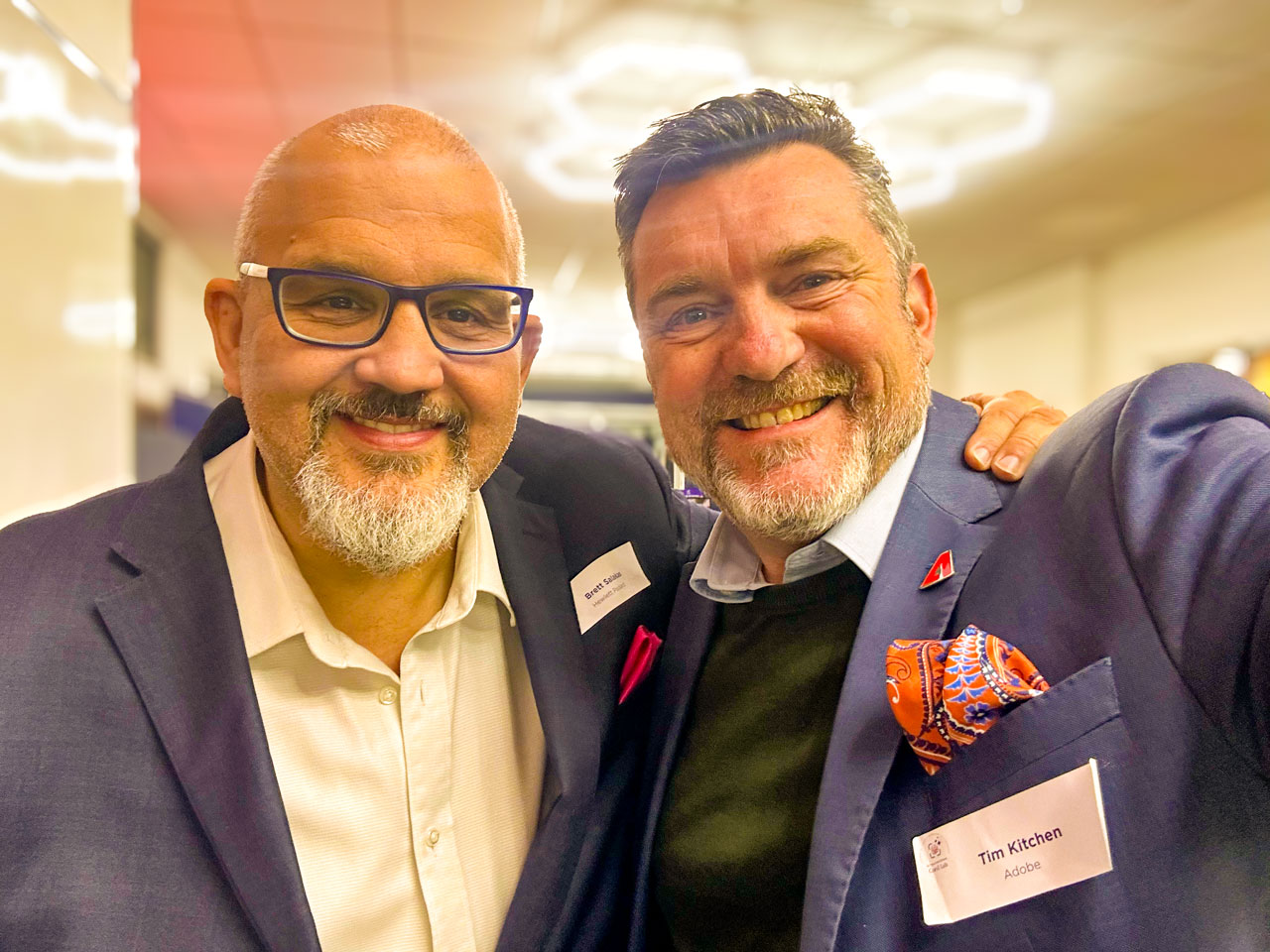
The obligatory Brett Salakas and Tim Kitchen selfie
Strathcona Girls Grammar holds a special place in my heart. I had the privilege of teaching there for 13 years, from 2000 to 2013 holding various senior positions including Year 10 Coordinator and Director of Education Technologies. My daughter, Talana (now a teacher), attended the school for her secondary education and served as the Deputy School Captain in 2019. Additionally, my sister Lisa (also a teacher), along with several of my cousins and friends, are proud alumni of Strathcona.
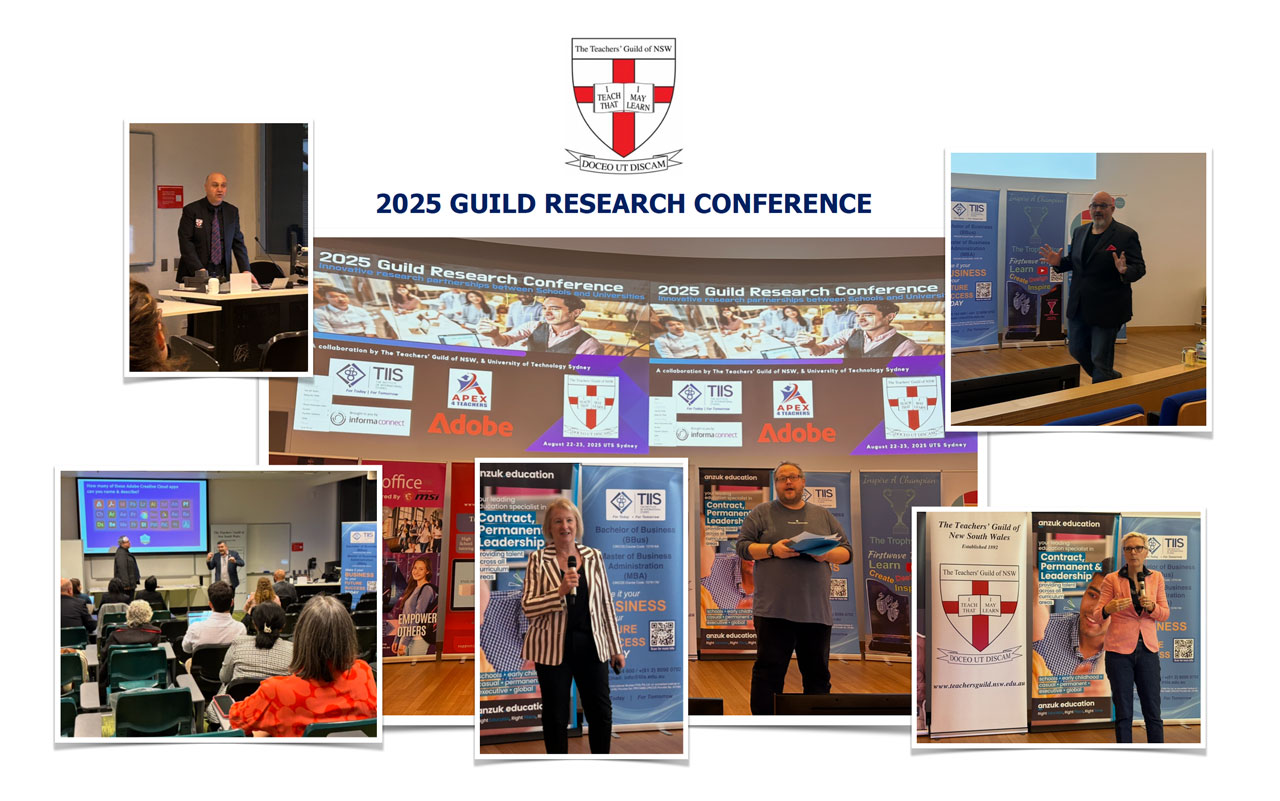
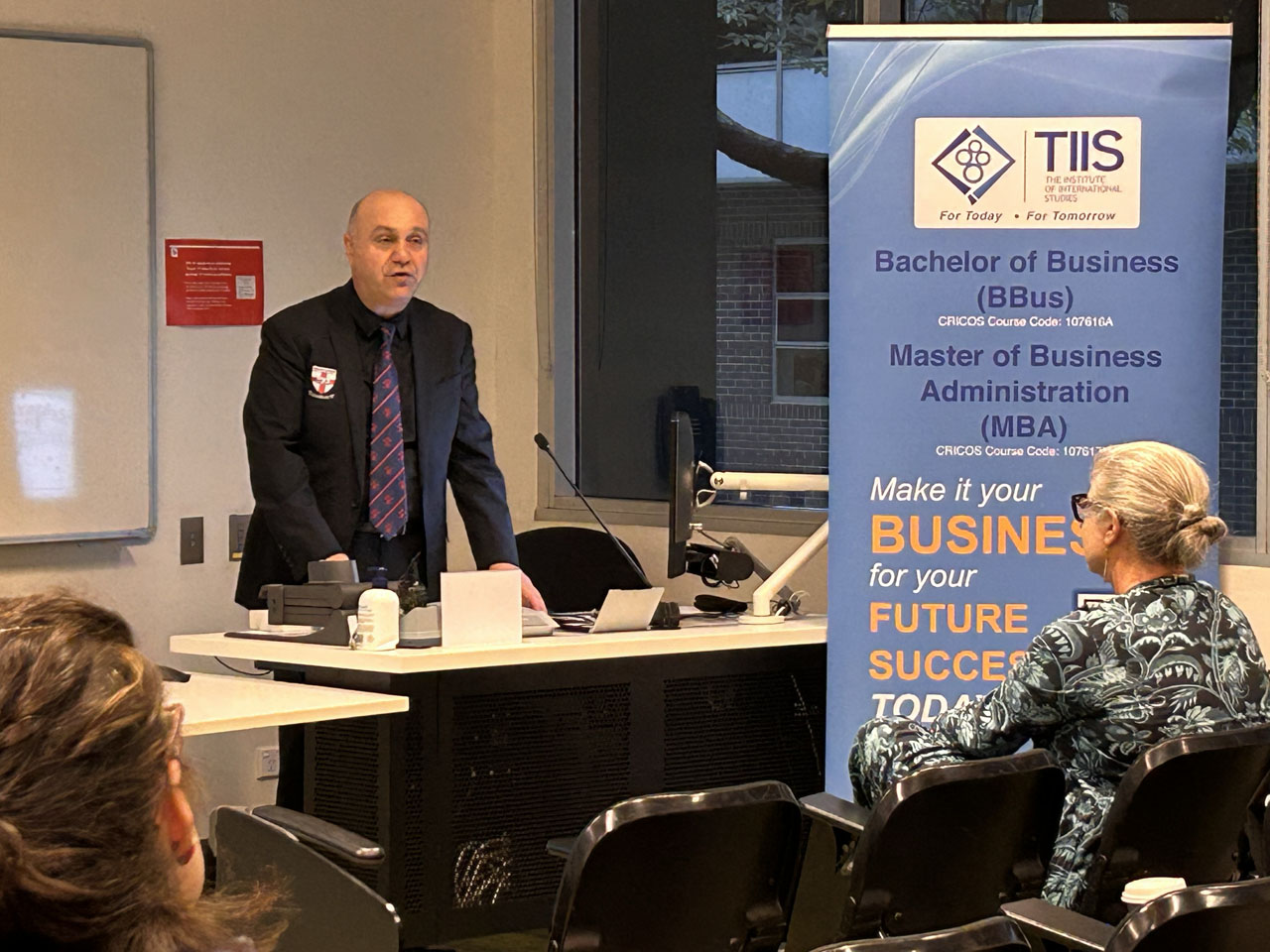
The aim of this conference was about exploring innovative research partnerships between schools and universities. Lead by Dr Fred Osman and Dr Keith Heggart the highlights of this event for me included hearing from the followng educators and hearing about their research:
Brett Salakas, HP Education Ambassador
Laureate Professor Jenny Gore, University of Newcastle
Associate Professor Penny Van Bergen, SFHEA, Macquarie University
Professor Michele Simons, University of Western Sydney
Dr Nicole Archard, Loreto Kirribilli
Ros Moore, University of Technology Sydney
Nadene O’Neill, Trinity Grammar Preparatory School
Karen Yager, The Hills Grammar School
Dr Bronwen Wade-Leeuwen, Macquarie University / Boston University Sydney
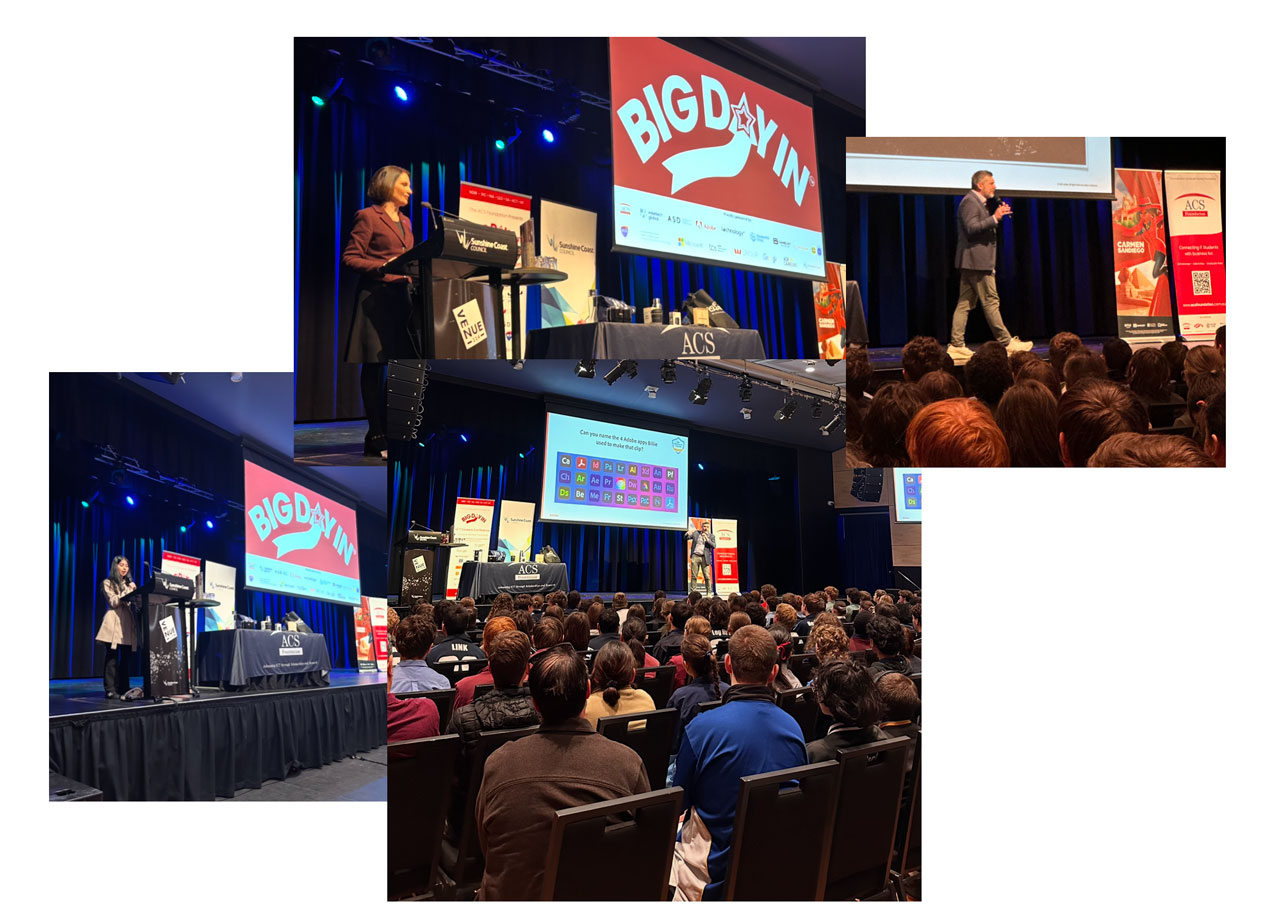
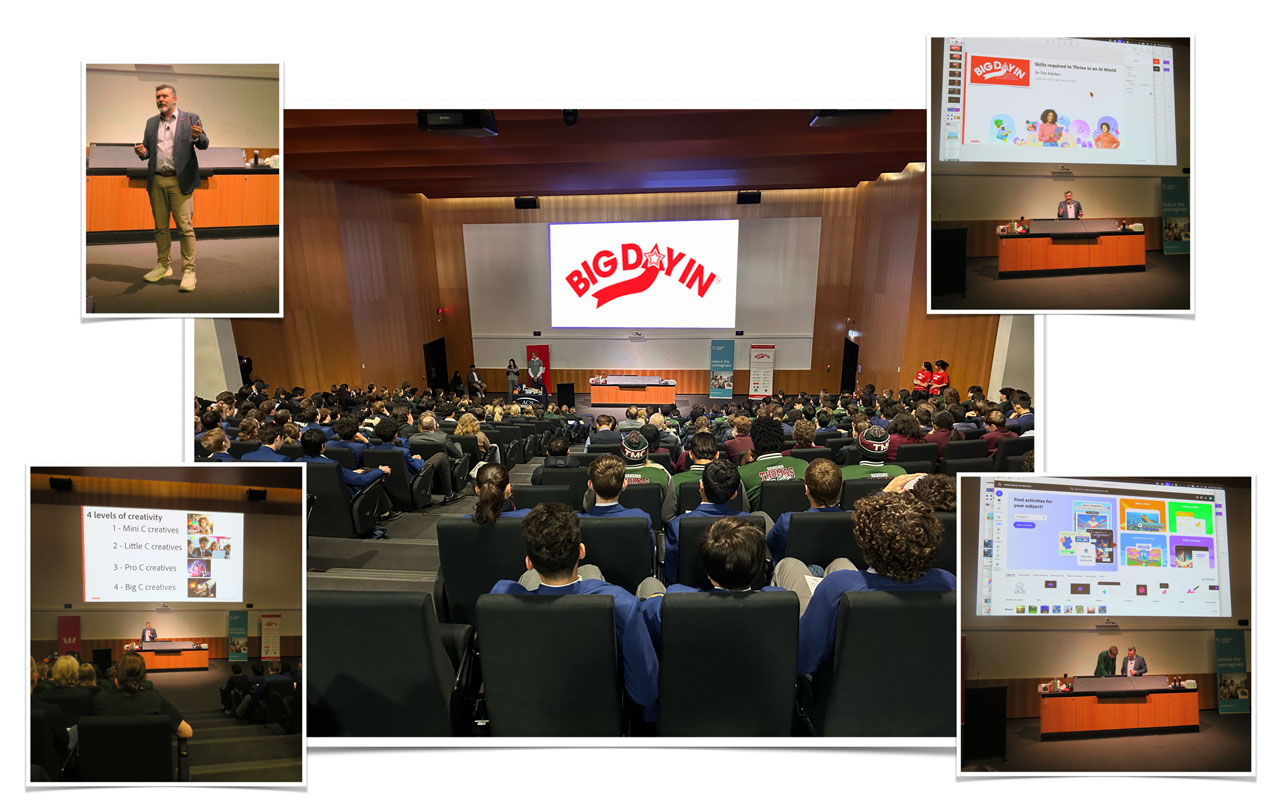
It was great to be back at the Gold Coast Big Day In event at Griffith University with about 300 high school students on Thursday 14th August.
The event was opened by Mr Rob Molhoek MP, State Member for Southport, QLD. He shared insights about his journey into politics and encouraged the students to actively seek out opportunities, develop a diverse set of skills, and work diligently to achieve success.
This link explains more about Big Day In events –
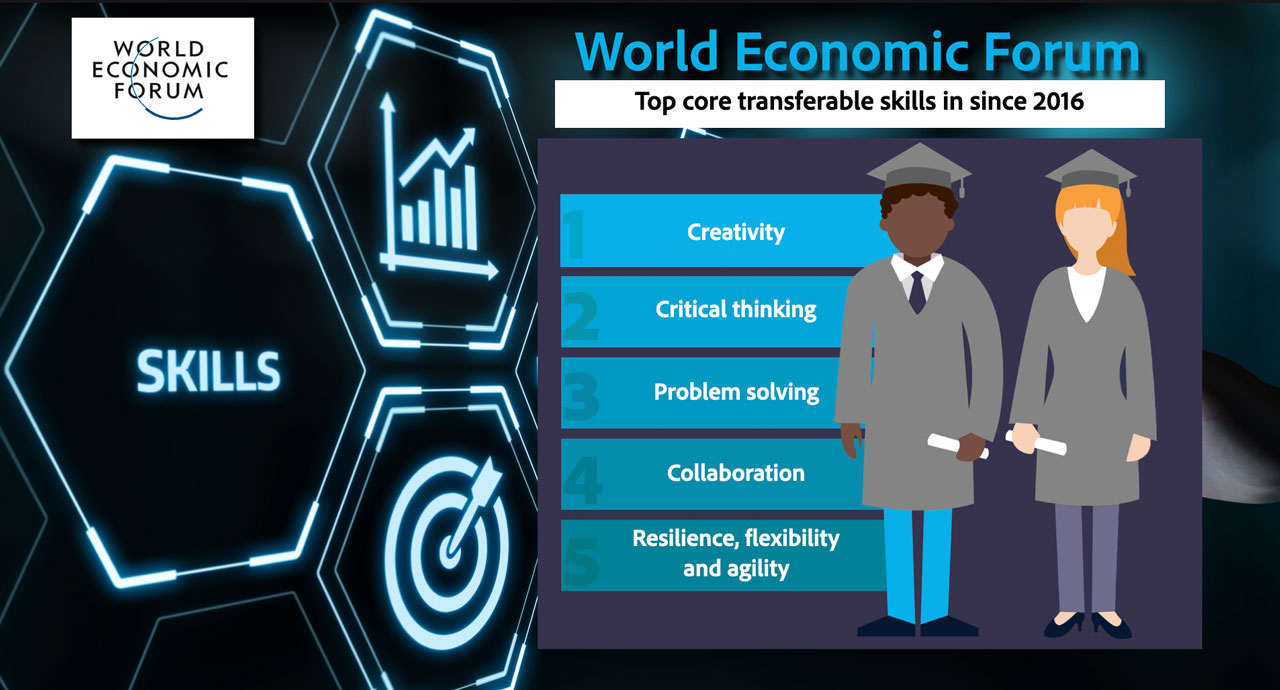
It was a pleasure to complement Mr Molhoek by sharing an analysis of the most common top skills required to thrive according to the World Economic Forum Future of Jobs Reports since 2016.
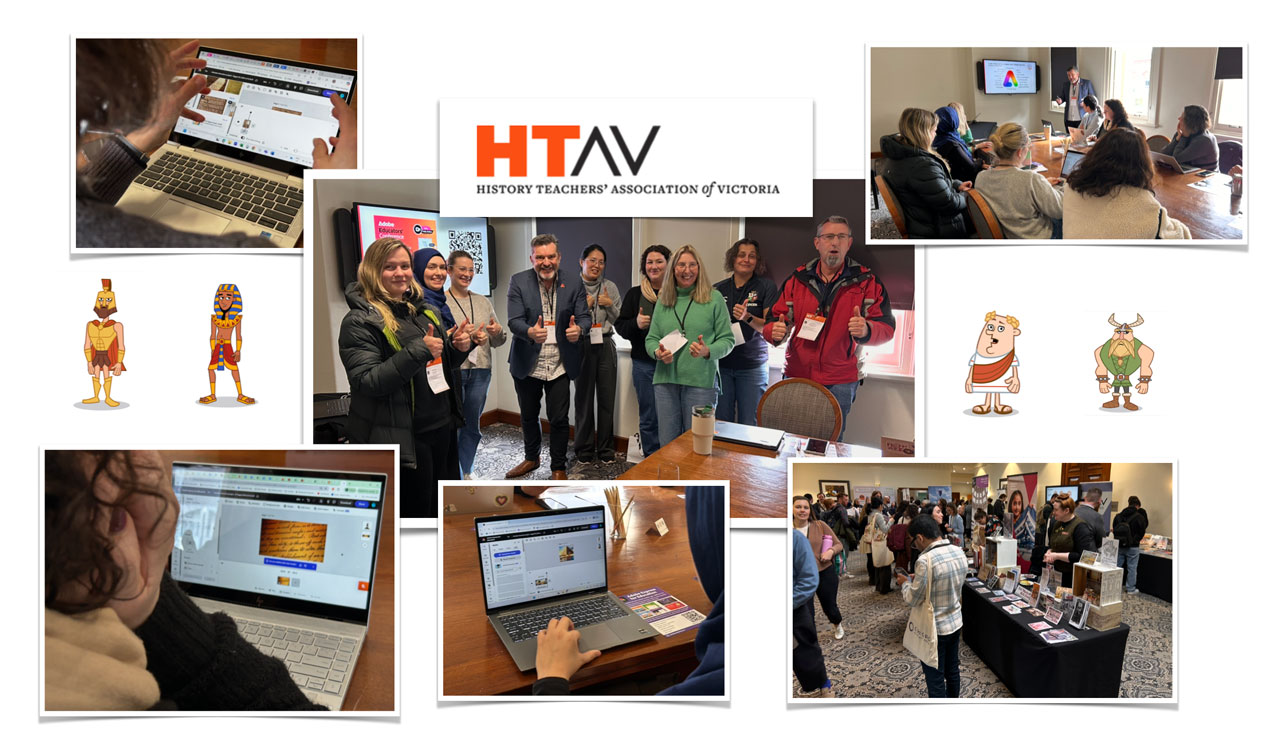
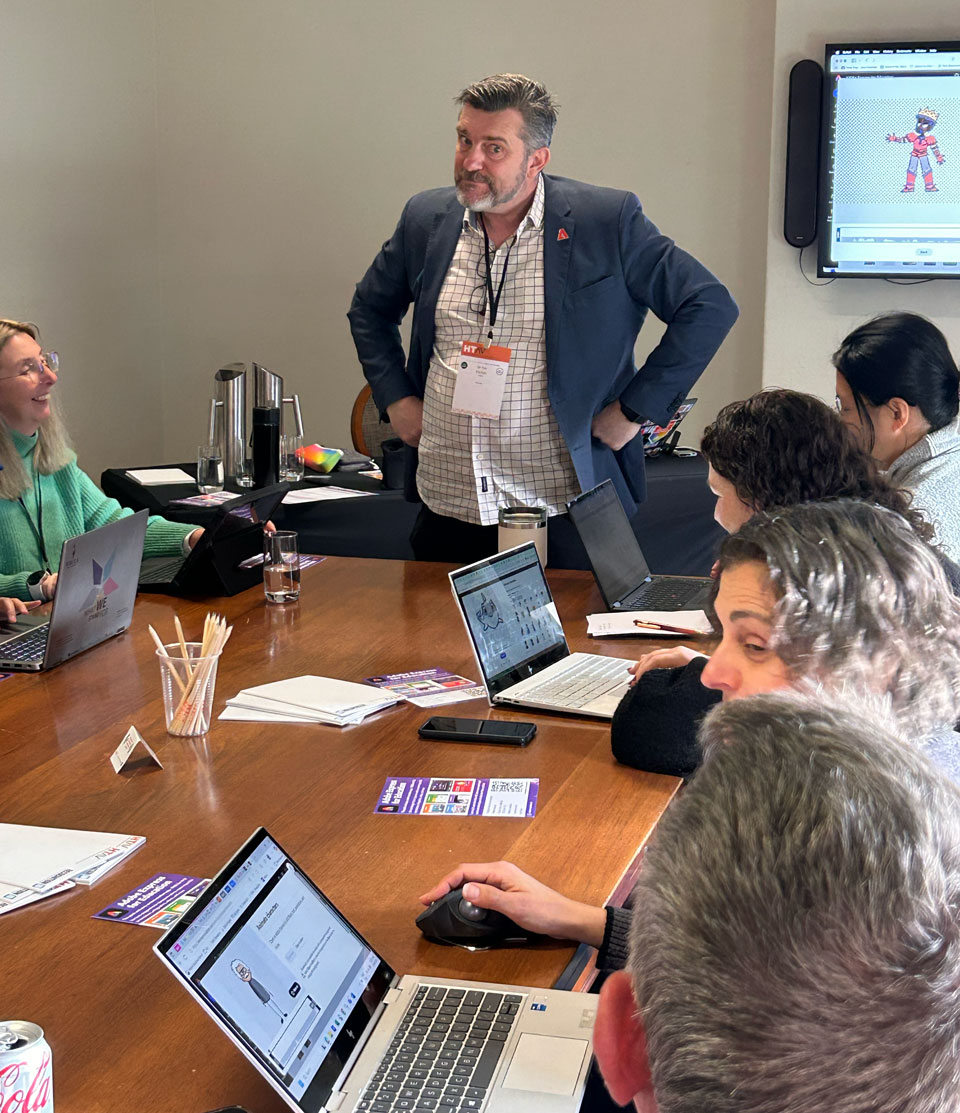
For all the teachers involved, it was their first time using Adobe Express. It was a pleasure to see these teachers light up with a sense of what is possible with Adobe Express to engage students in History lessons and help inspire life-long love of historic discoveries.
I showed them how simple it is to create a great looking history video documentary with Adobe Express using animation and lots of relevant stock images, videos and audio files. I also showed them a number of History activities and curriculum resources built into the Adobe Express for Education application.
Due to popularity of this workshop, the HTAV have supported a free webinar version of this workshop that we are planning for 11th Sept at 4 pm (AEST). Click here to register.
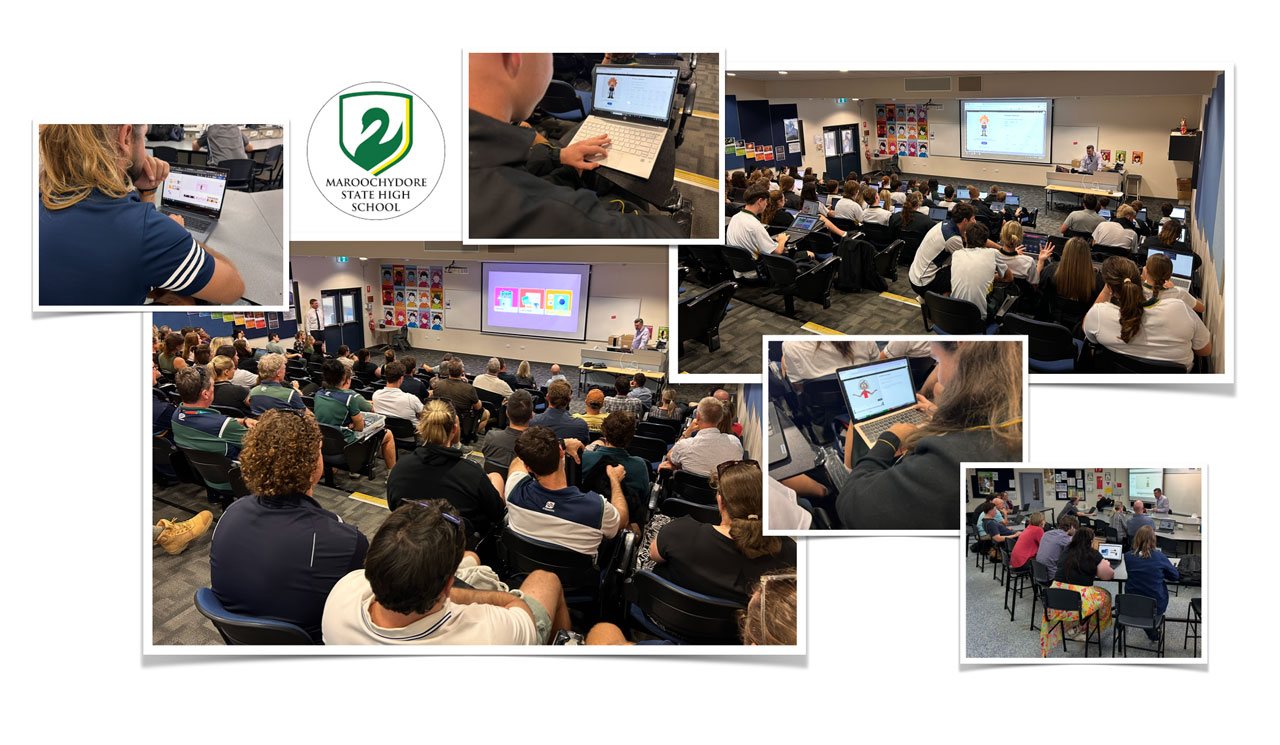
On Tuesday 5th August, I was invited to meet with all teaching staff at Maroochydore State High School to share the value of Adobe Express as a digital creativity tool for every subject area.
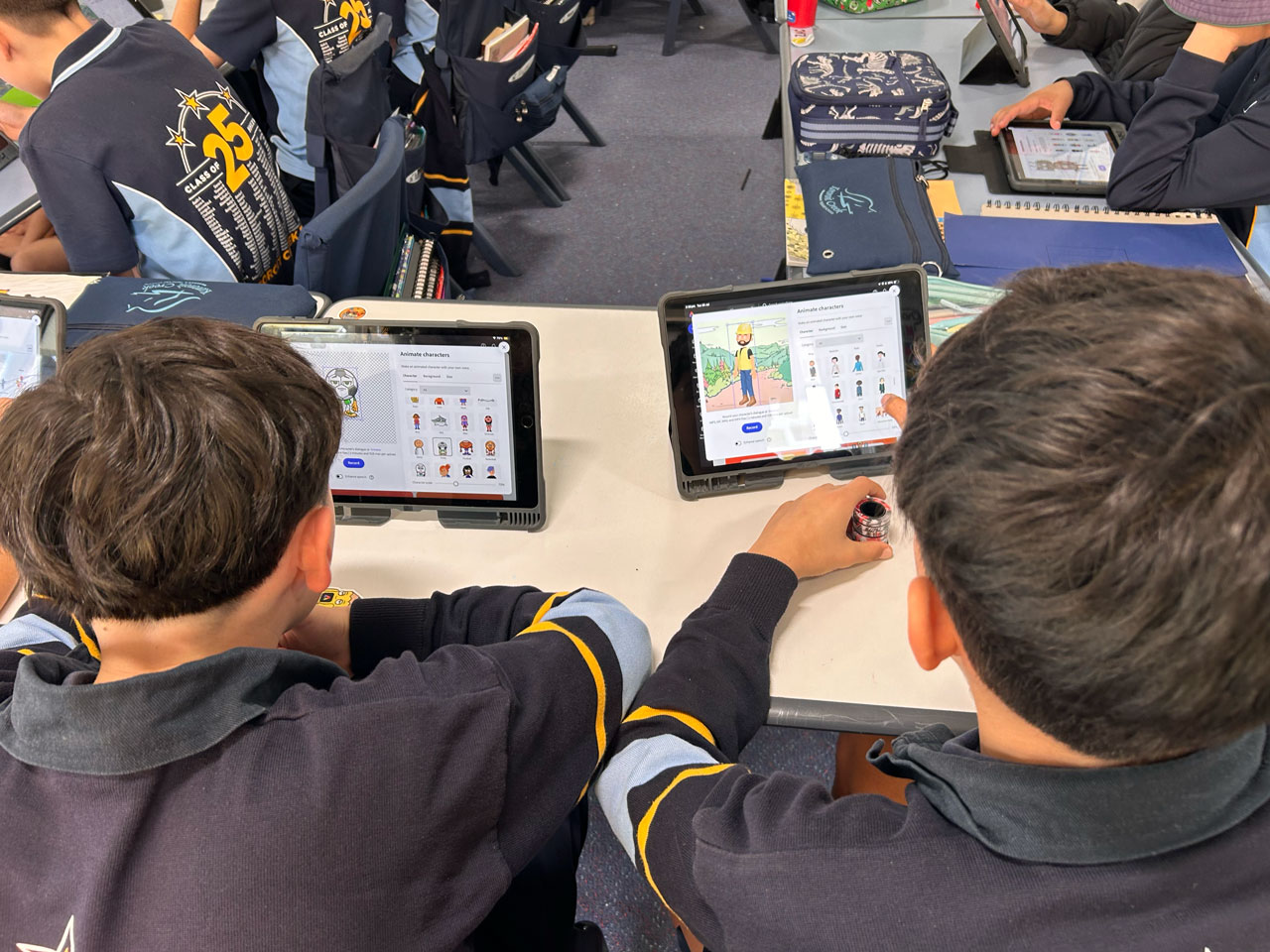
I also had the opportunity to work with a number of Year 7 and Year 10 students doing a workshop with the Animation features of Adobe Express and introducing Adobe Podcast.
It was great to see a whole school, from the Principal (David Samaha) down, interested in finding out more about Adobe Express as a tool to help teaching and learning.
The Big Day In event on the Sunshine Coast was held on Tuesday 5th August with about 360 QLD students. It was originally to be held in March but due to Cyclone Alfred, it was postponed.
This link explains more about Big Day In events –
Mayor Rosanna Natoli, the Mayor of the Sunshine Coast, opened the event by encouraging the students to take onboard all the sessions, ask lots of questions and make the most of this unique opportunity to engage with a range of experts from various IT focused industries.
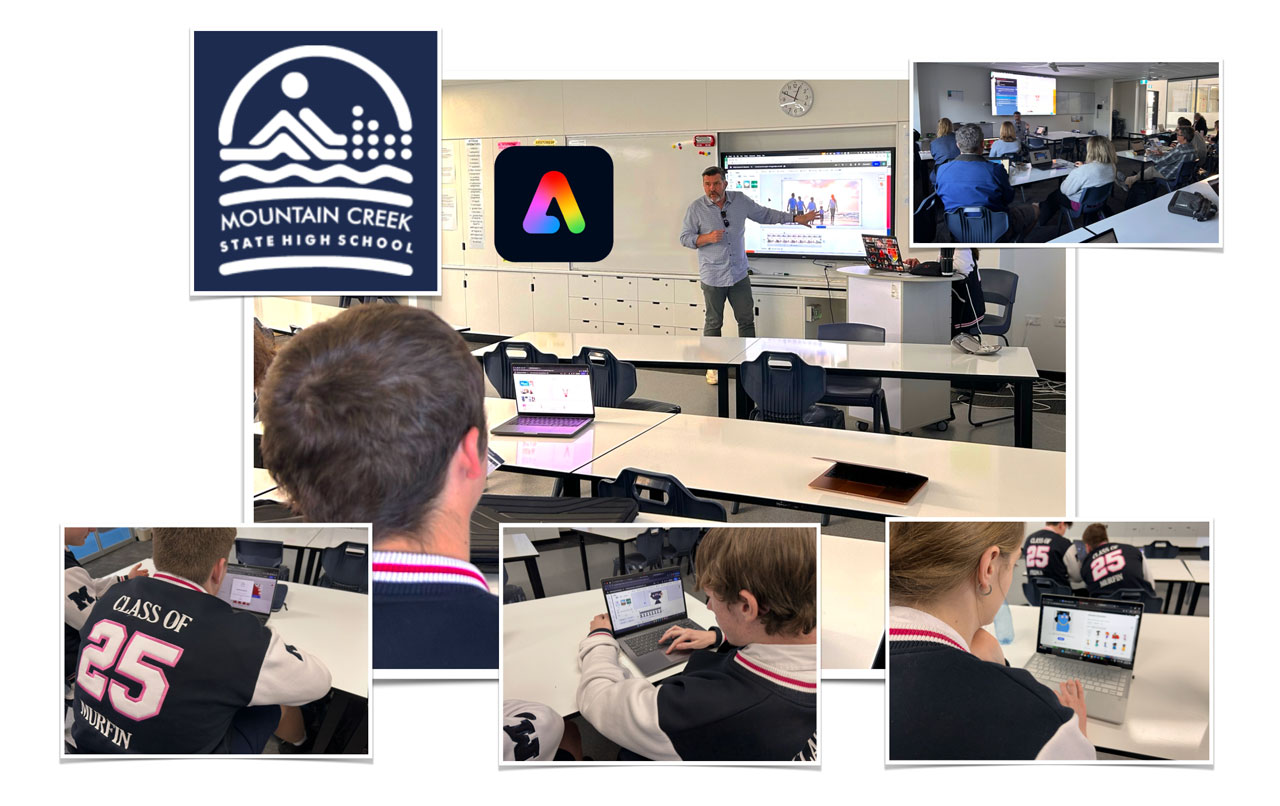
On Monday 4th August, 2025 I was invited to run some Adobe workshops at Mountain Creek State High School on Queensland’s Sunshine Coast.
The focus for the students Adobe Express and Adobe Podcast as a tool for making creative presentations. The focus for the teaching staff was the Adobe Creative Educator (ACE) Level 1 micro-credential.
Almost 100 km north of Brisbane and just 4 km from surf beaches at Mooloolaba, Mountain Creek State High School was established in 1994 on the former Mooloolaba Airport site to serve a growing coastal community, it has grown into one of the largest high schools in Queensland, with around 2,200 students enrolled from Years 7 to 12.
Newly appointed Adobe Creative Educator (ACE) – Leader Mel Muller organised for over 20 teachers from a range of faculty areas completed the ACE micro-credential.
More information about the Adobe Creative Educator program can be found here.
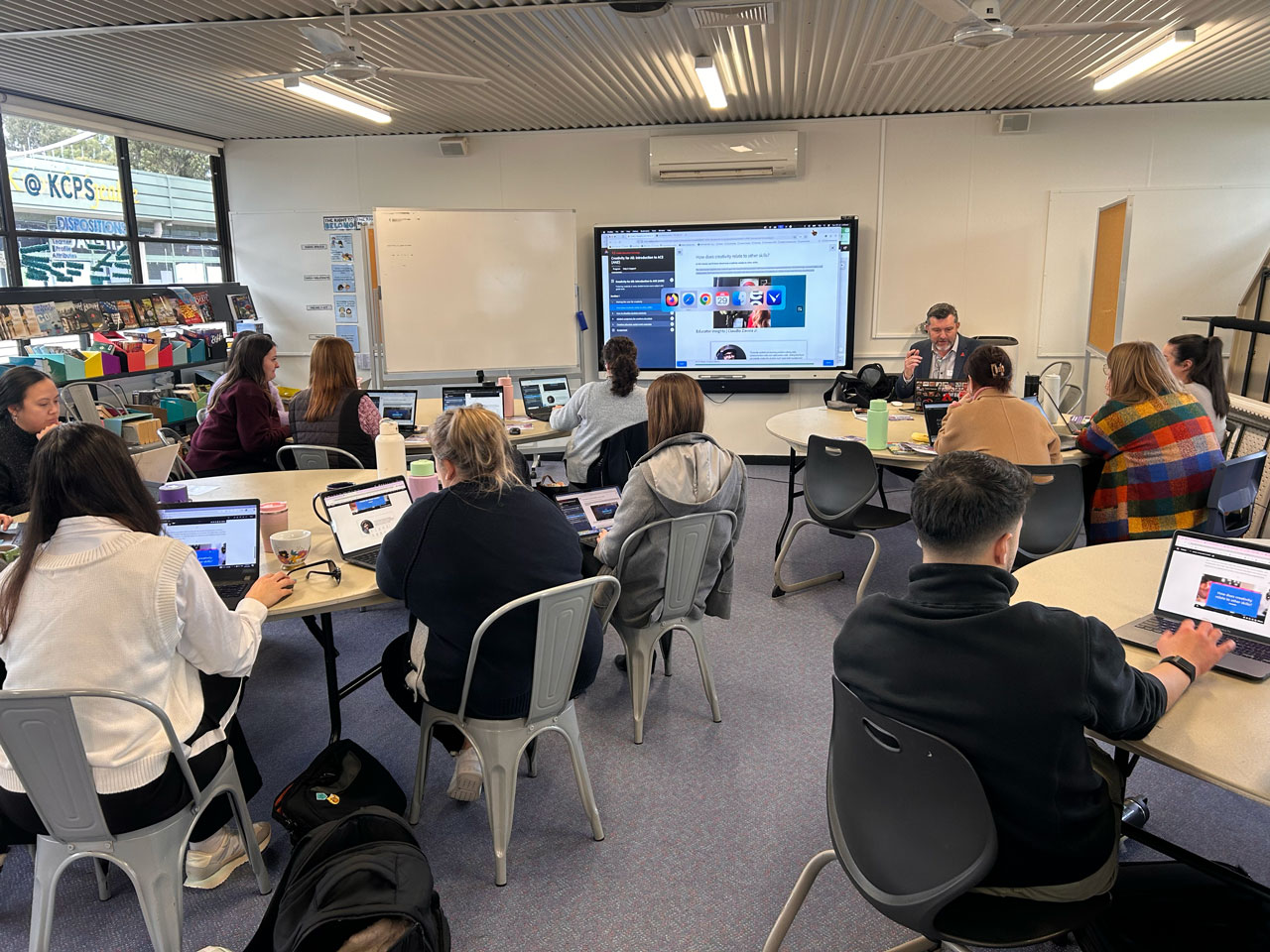
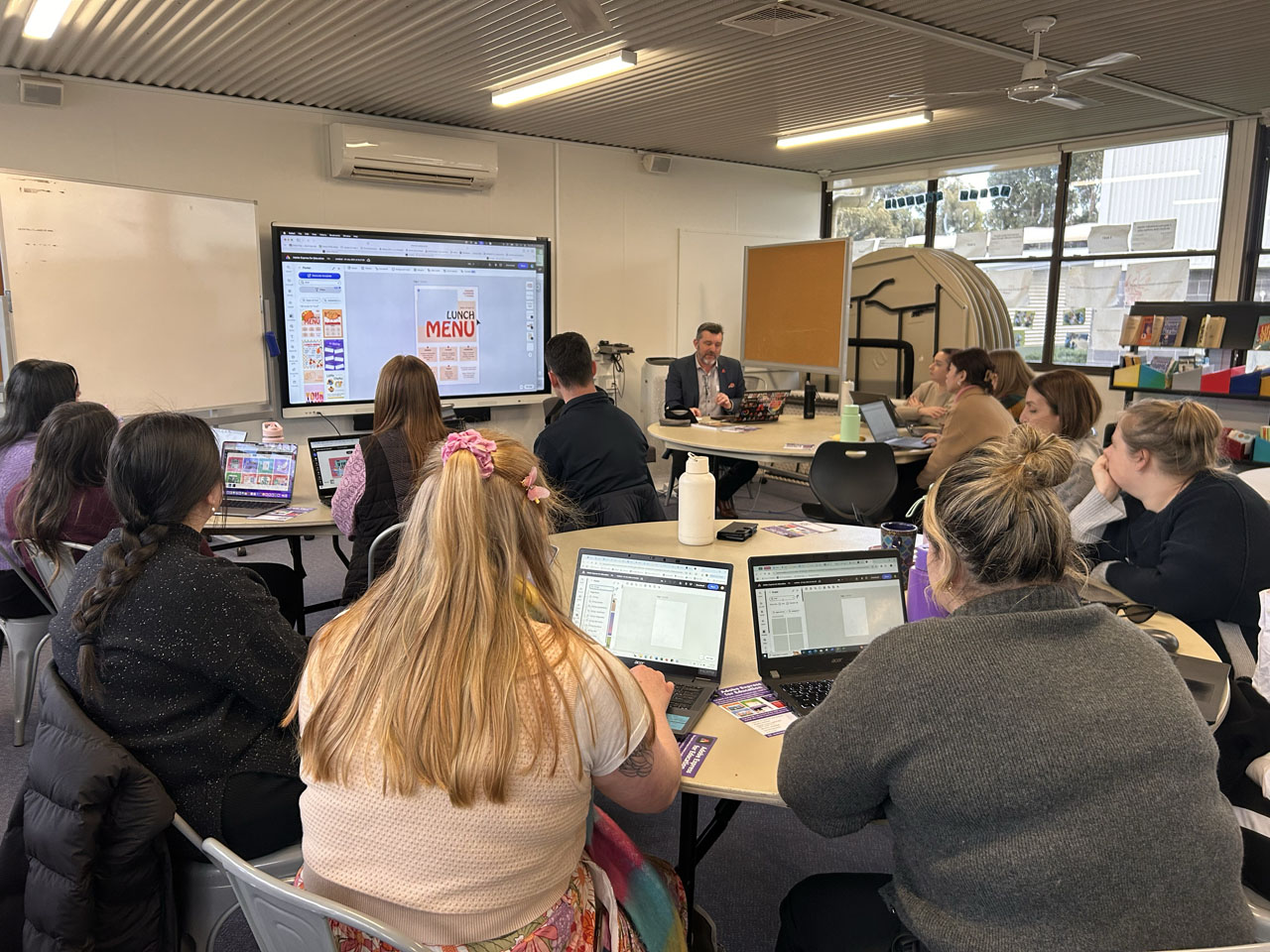
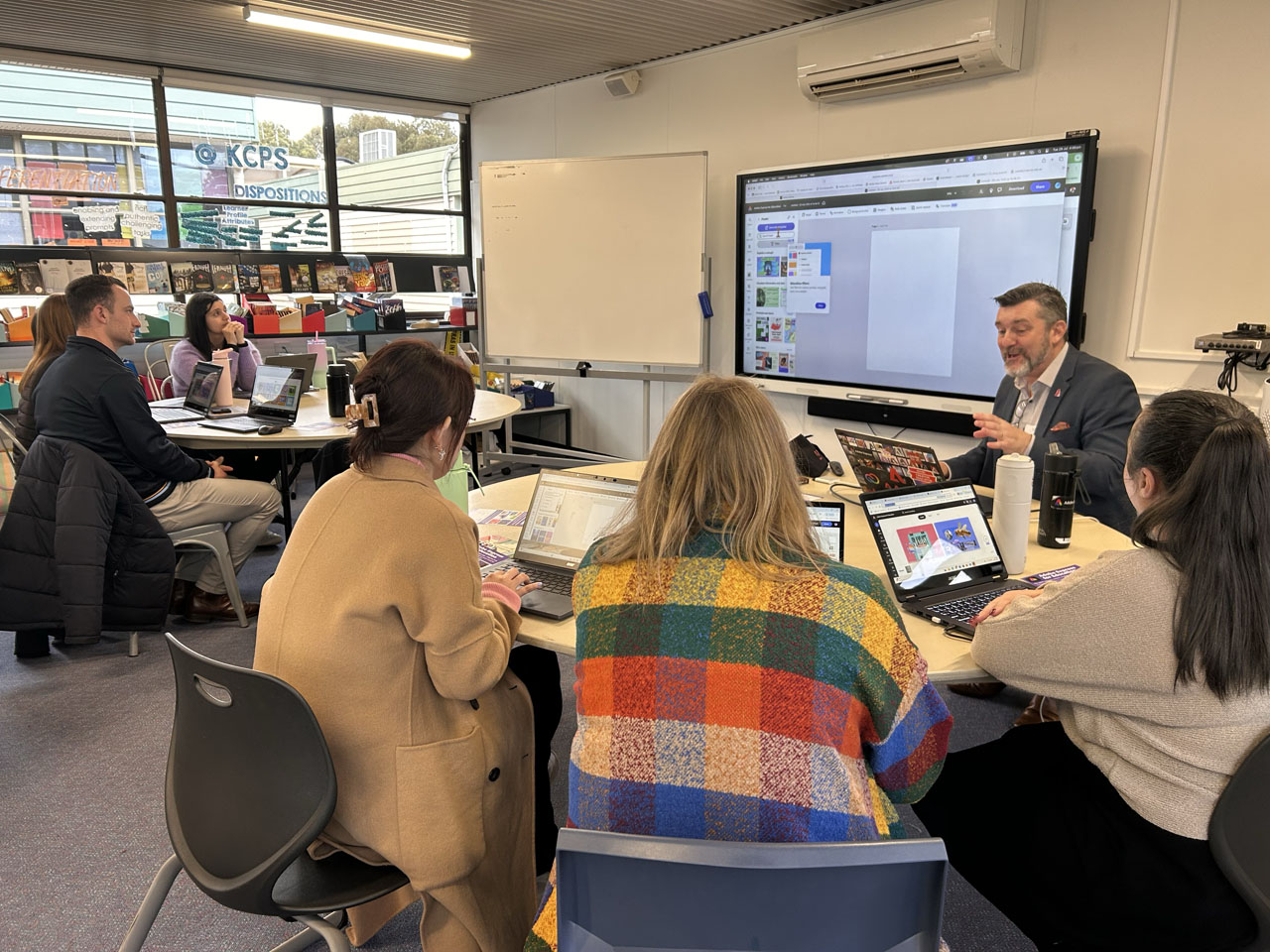
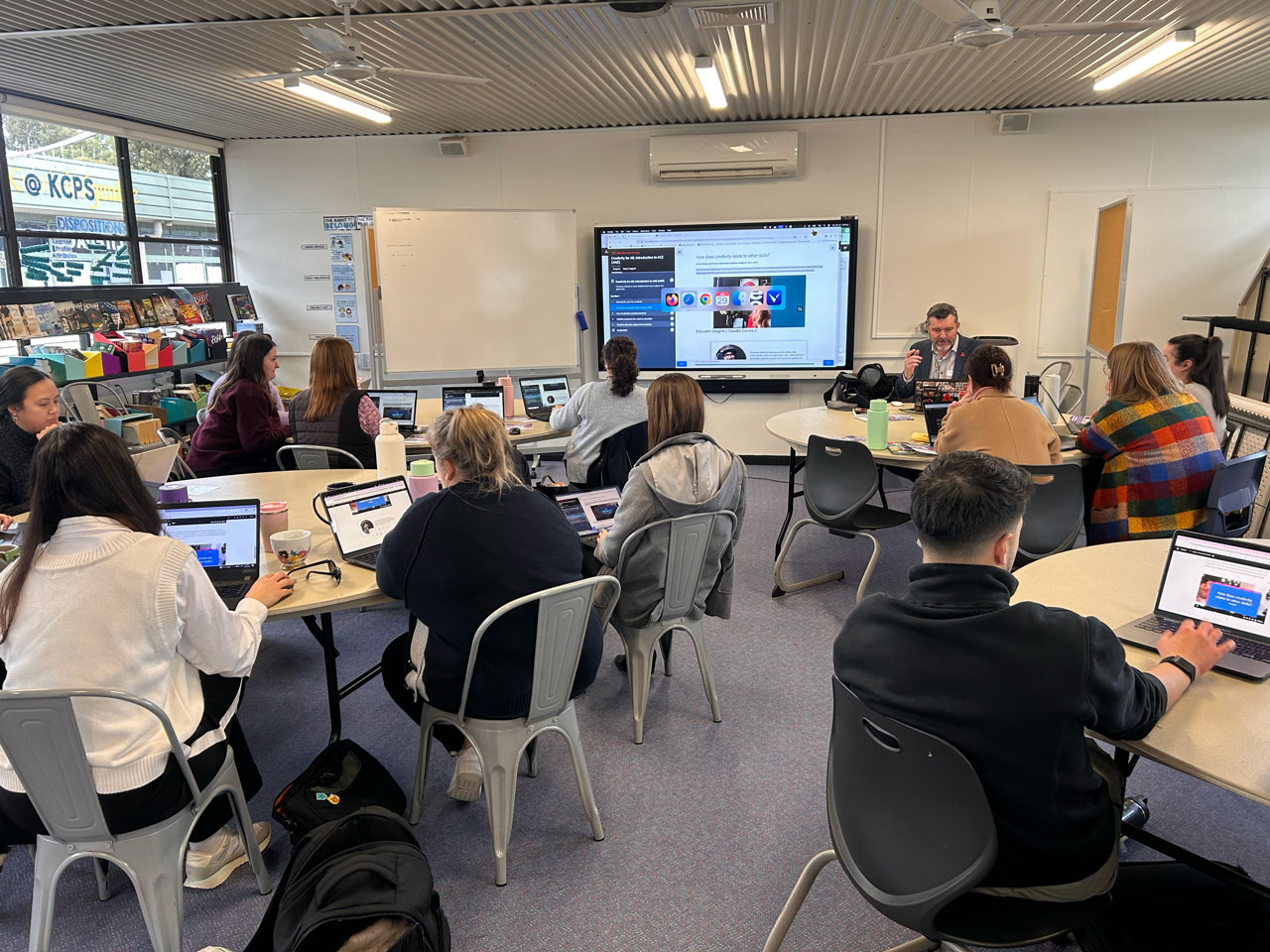
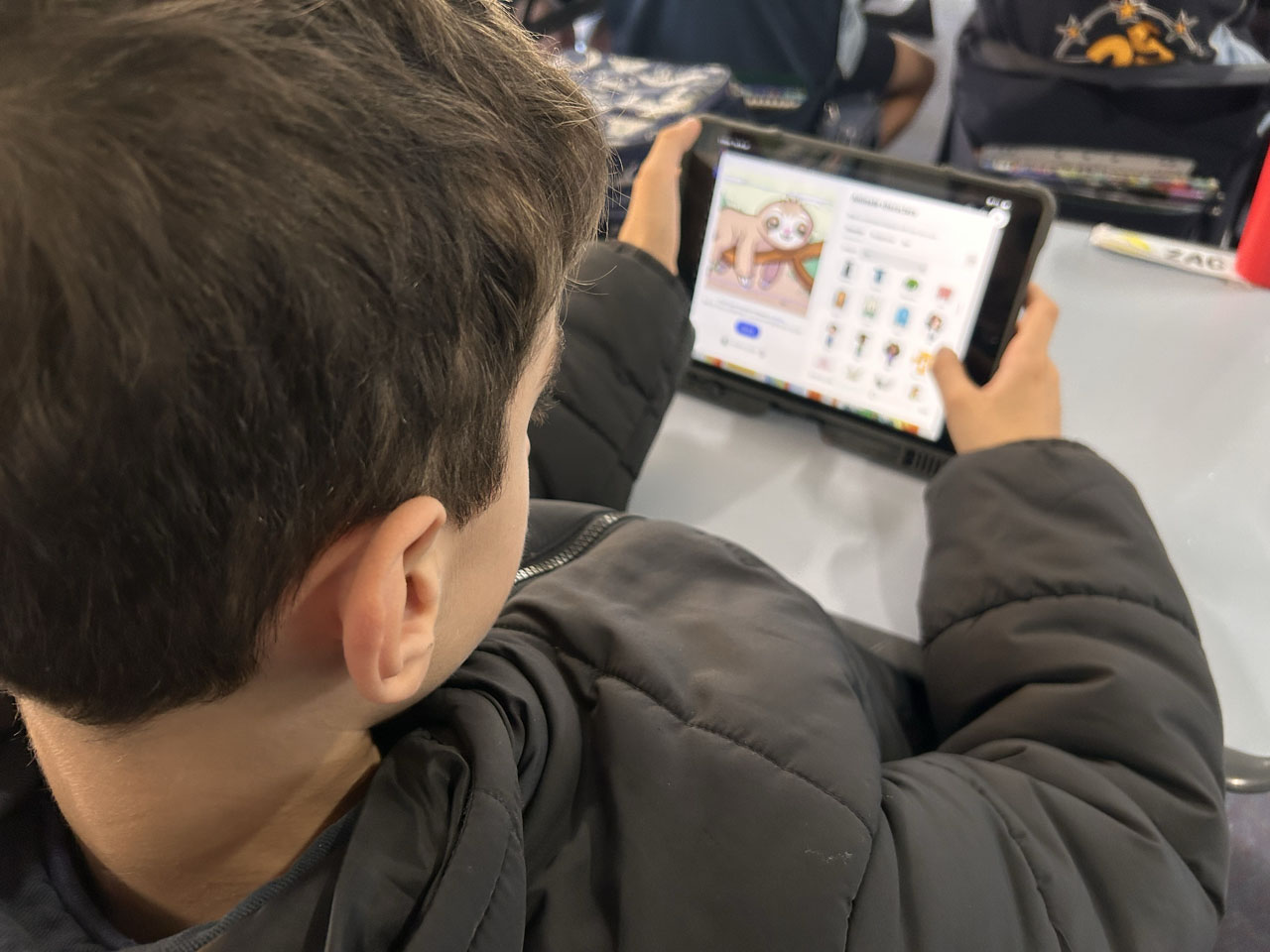
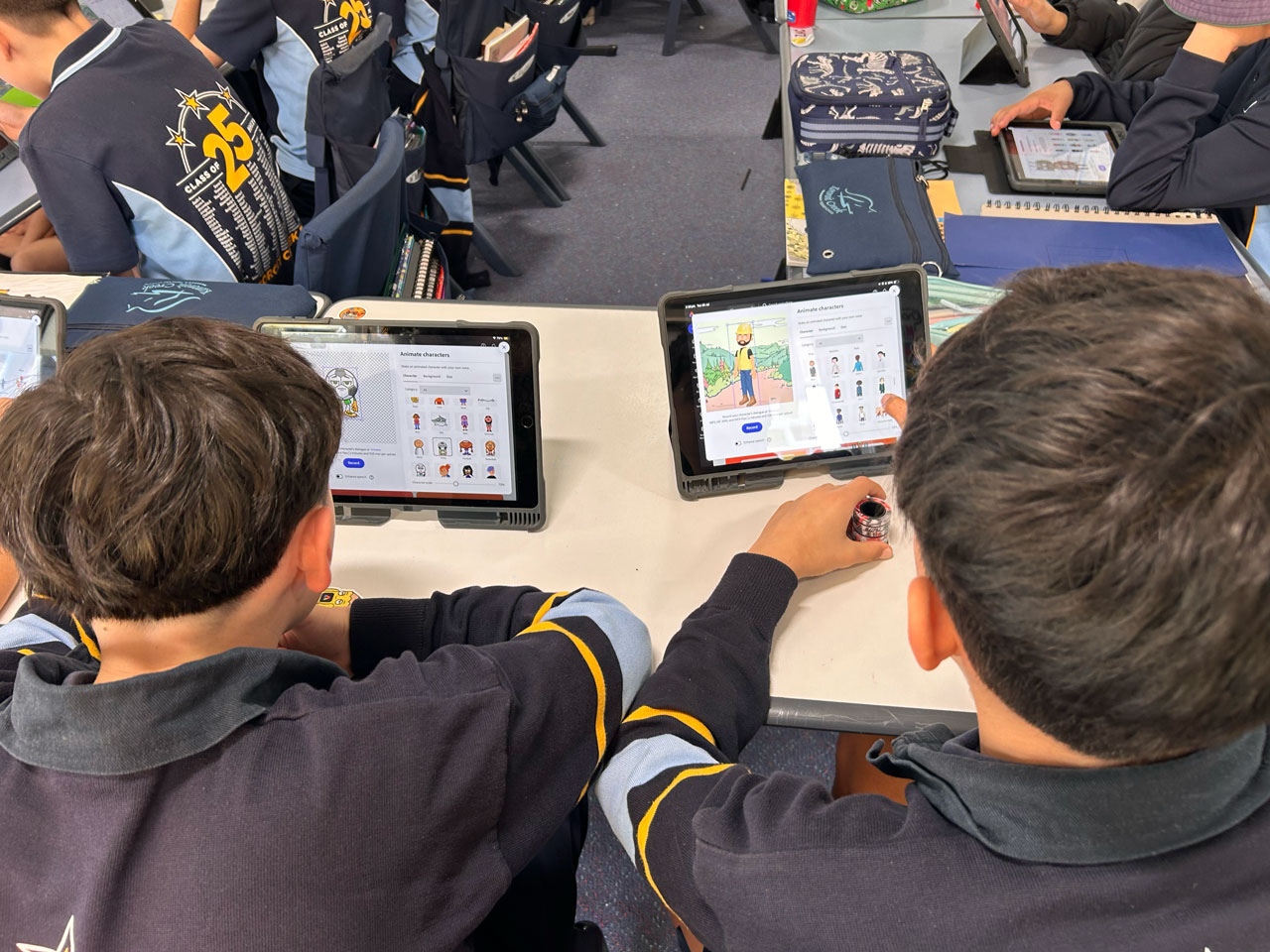
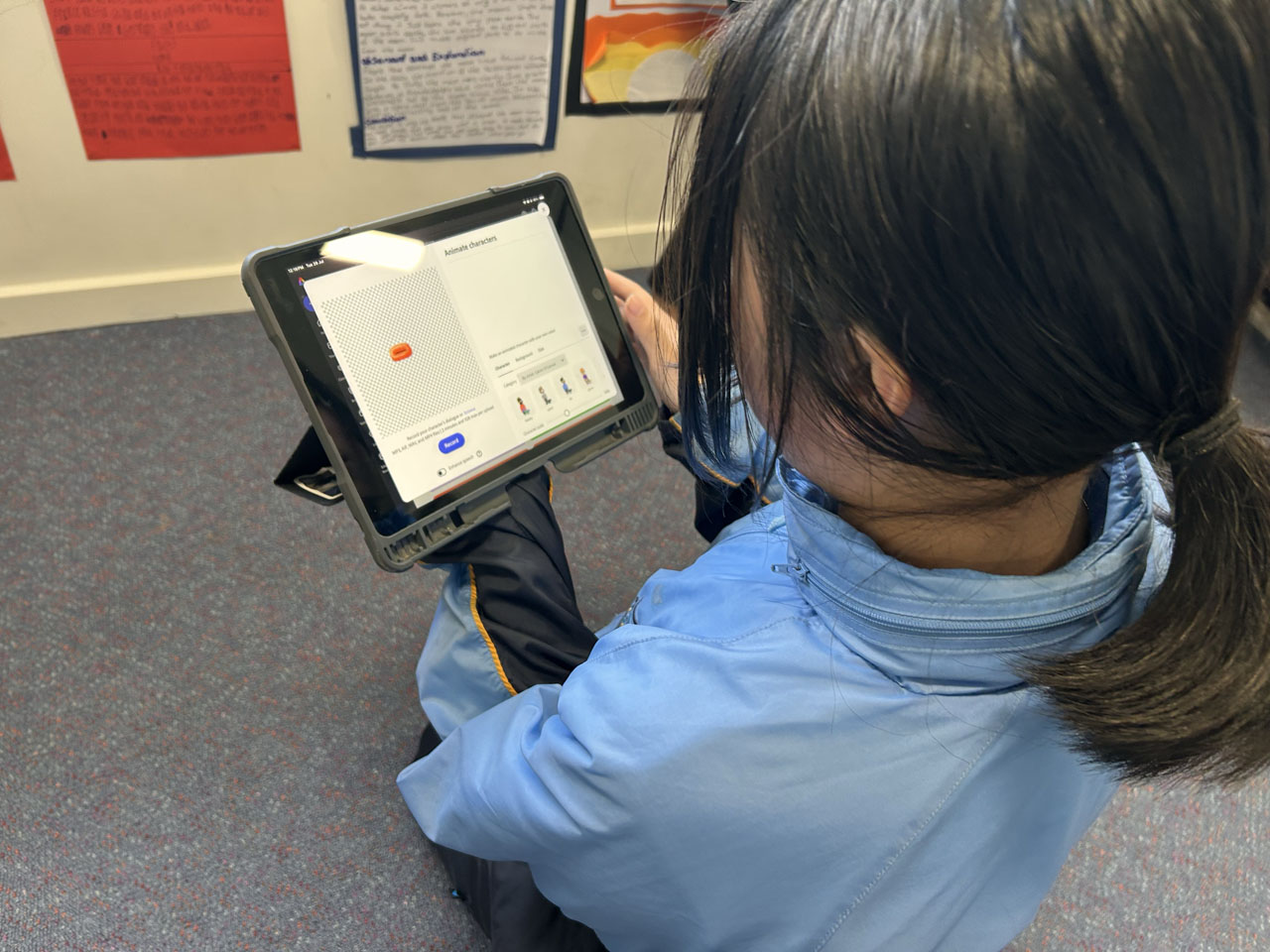
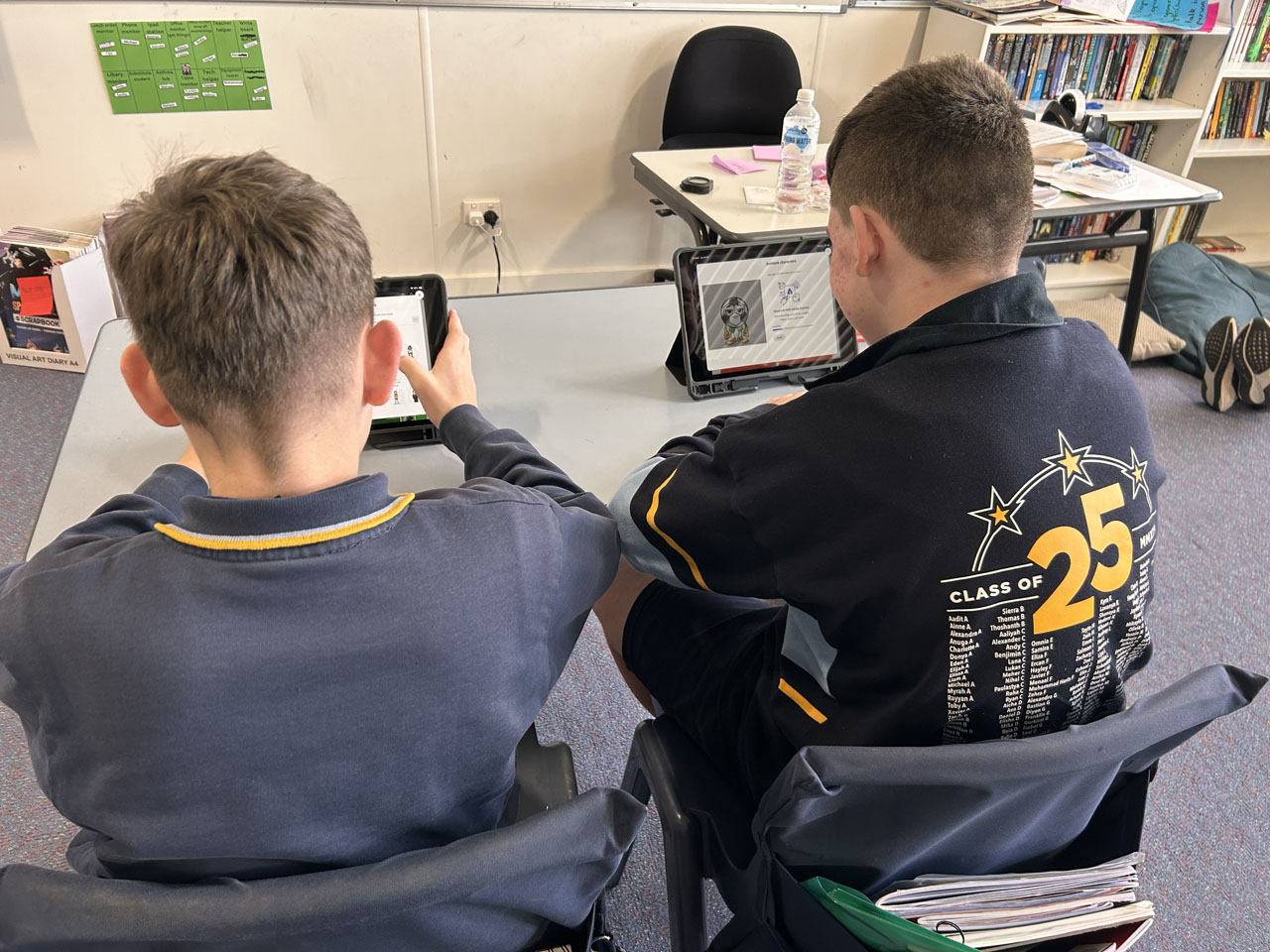
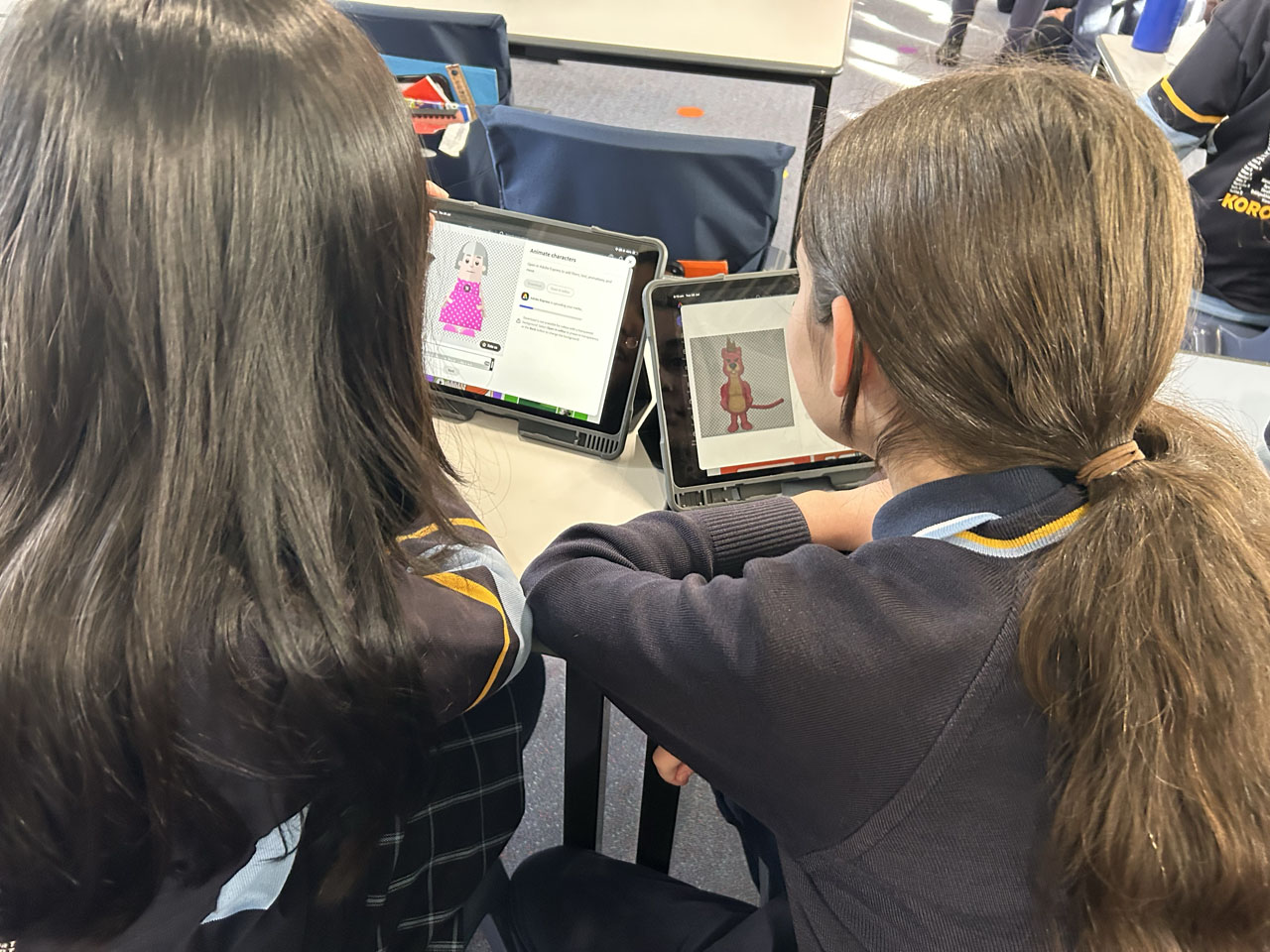
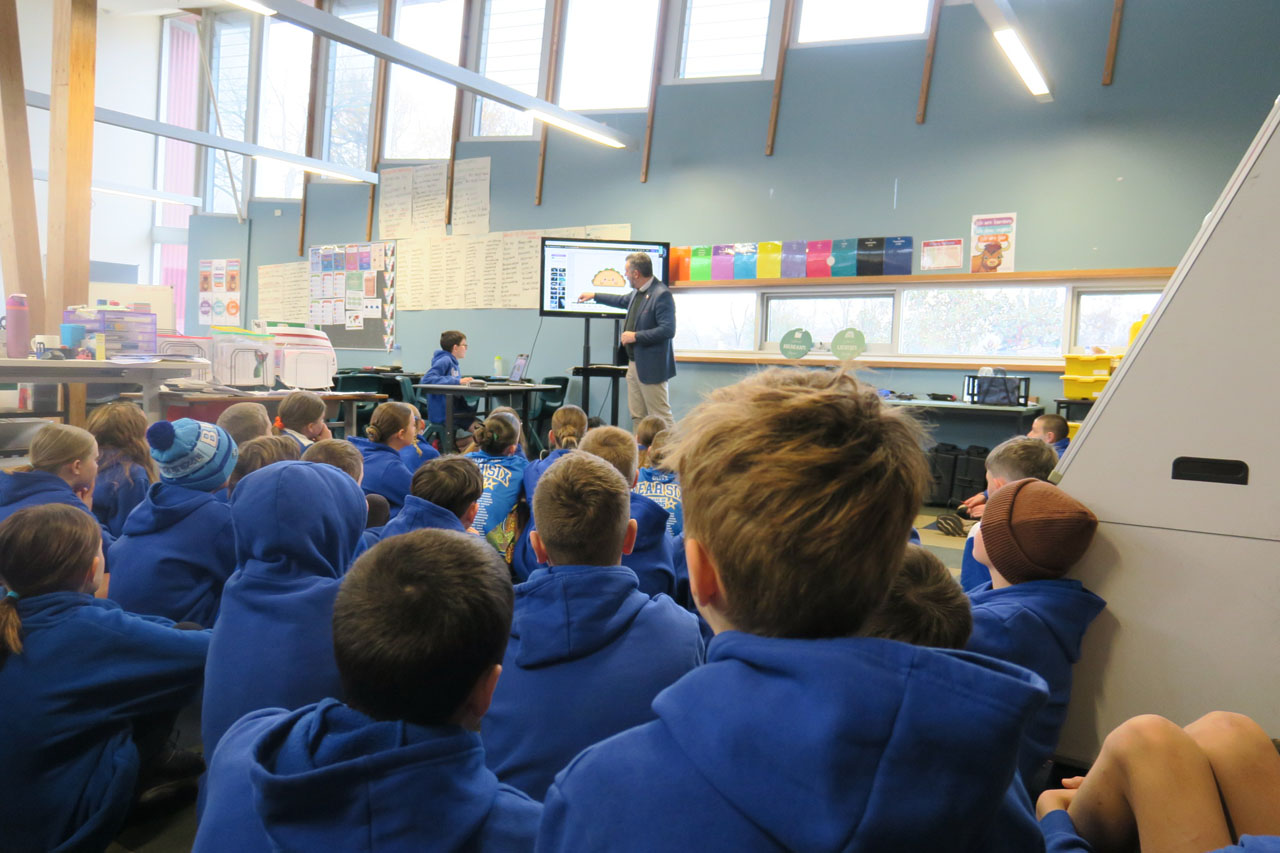
On Tuesday 29th July, I had the great pleasure to spend the day with Kororoit Creek Primary School (KCPS) Year 6 classes as well as a number of the teaching staff for an Adobe Day.
With over 1,300 students from Prep to Year 6, KCPS is one of Victoria’s largest primary schools. The school is a fully authorised International Baccalaureate (IB) Primary Years Programme (PYP) school, delivering inquiry‑driven learning framed through the Victorian Curriculum and designed to develop internationally minded, creative, and engaged young learners.
With a strong focus on evidence-based teaching, moderation of assessments, personalised feedback, and whole-school approaches to wellbeing, inclusion, and engagement, the school has earned a positive reputation for delivering high-quality, holistic education in a supportive environment.
The PYP is a globally recognised curriculum framework designed for students aged 3 to 12. It focuses on developing the whole child—academically, socially, emotionally, and physically—through inquiry-based learning and international-mindedness.
The PYP encourages students to explore big ideas across subject areas, ask questions, and take ownership of their learning. It promotes key skills such as critical thinking, collaboration, communication, and reflection, while nurturing values like respect, empathy, and responsibility.
The aim of this Adobe Day was to give the students an introduction to Adobe Express as a tool for the exhibition stage of of the PYP where students are required to present their learnings.
After school I worked about 25 teachers from KCPS and helped them to achieve the internationally recognised Adobe Creative Educator micro-credential.
I would like to thank Assistant Principal Leesa Cilia and Acting Learning Specialist Clayton Bonello for making this day a possibility.
The 2025 Adobe Creative Educator (ACE) Innovator Summit was held in San Francisco from July 16 to 18. It involved about 100 ACE Innovators (in-person) from the US & Japan as well as members of the Adobe Education Team and also included about 30 other ACE-Innovators from around the globe live online.
The 2025 ACE Innovators are members of the wider Adobe Creative Educator community who are prominent influences in K-12 education within their district, state and country. Find out more about the ACE-Innovators here.
This clip was filmed when everyone gathered together for the open reception event with many of the ACE-Innovators sharing what they were most looking forward to at the Summit.
This clip was filmed during the first full day of the Summit with the ACE-Innovators sharing some of their highlights.
Quotes from the Innovators …
… it was so heartwarming and fantastic to see all of the things that Adobe is doing to make sure that their products are meeting the needs of teachers.
One of my favorite highlights of today was getting to do the updates with the product developers and actually having them listen to real teachers and letting us voice our opinions–that is really great.
This conference has the heart. Other conference events do not have that feel.
The way we’ve been treated so well and been elevated– and this is making me think of how I can use my library ambassadors as teenage evangelists and showcase their amazing work.
So for me today listening to Charlie Miller and specifically when he said ‘lowering the floor while raising the ceiling,’ was very impactful as an ESL learner. I work with a lot of English language students and to be able to use these tools to lower the floor so that they can actually succeed to be able to raise the ceiling for them.
On Saturday 5th July I had the pleasure of running three Adobe Express workshops for teens at risk in Vietnam involving about 125 participants. This is the 6th year I’ve been involved with this program called Camp Connect, organised by the Pacific Links Foundation.
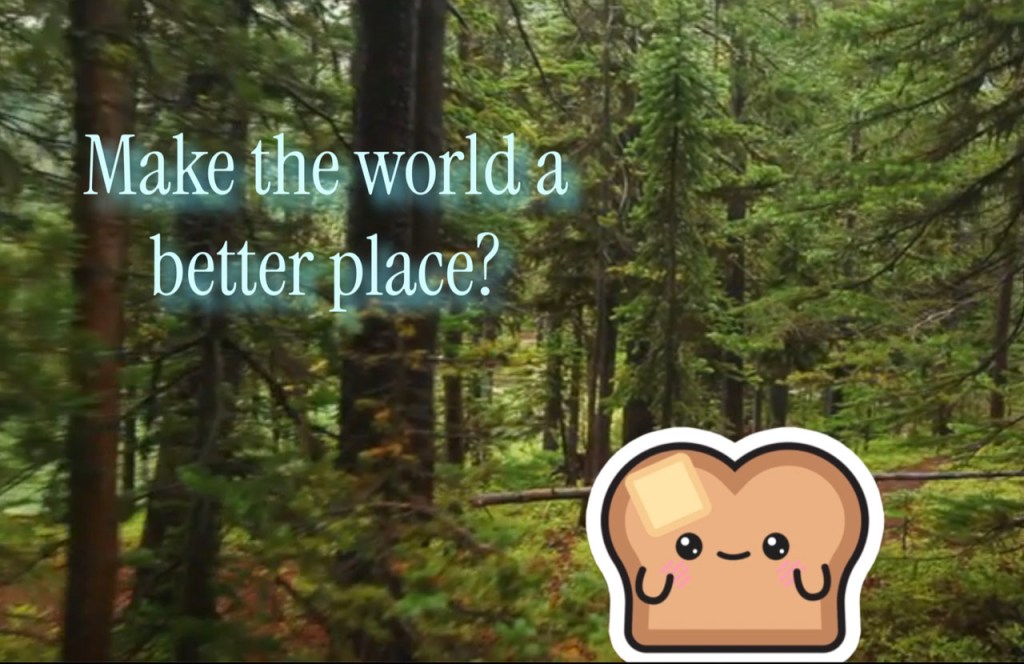
With the assistance of Ann, a fantastic translator and a previous participant in my workshops, the participants were encouraged to use the free version of Adobe Express. Together, we explored the process of animating a character and creating a video story about how we can make the world a better place for everyone.
Comments from participants
Through this workshop, I discovered Adobe — an incredibly useful and exciting tool where I can freely express my creativity and create amazing products. I’ll definitely share this app with my friends and those around me. A big thank you to Mr. Tim!
A memorable moment was when I asked the instructor to create a cat character for me, and he made an incredibly cute one. I felt so happy and surprised.
I remember most how to create animated characters and add voiceovers for them. It was super fun and cute, and I really want to try making more videos like that in the future.
One of the goals of Camp Connect is to inspire and up-skill the participants, providing them with opportunities to apply and further develop their skills, potentially leading to future employment opportunities.
The Pacific Links Foundation (PALS) is a U.S.-based nonprofit organization founded in 2001, dedicated to combating human trafficking and supporting vulnerable youth and women in Vietnam. It focuses on prevention, protection, and reintegration efforts to address the root causes of trafficking.
A cornerstone of PALS’s work is its education and scholarship programs, which provide at-risk girls aged 11–18 with the resources to stay in school. By covering costs such as tuition, supplies, and uniforms, these programs aim to reduce the likelihood of girls dropping out and becoming vulnerable to trafficking. Vocational training and job placement services further equip young women with skills for stable employment, enhancing their economic independence.
The Camp Connect program by the Pacific Links Foundation is a transformative initiative aimed at empowering disadvantaged youth in Vietnam, particularly girls aged 14 to 18. These participants are often scholarship recipients from the foundation’s GEMS and SEEDS programs, residing in areas vulnerable to human trafficking. Held virtually, Camp Connect provides a safe and supportive environment where over 1,200 students engage in workshops led by more than 150 volunteer professionals from diverse fields and time zones. The program focuses on developing life skills, self-awareness, and career exploration, equipping participants with the tools to thrive academically and professionally.
In essence, Camp Connect is more than just a summer camp; it’s a pivotal step in the Pacific Links Foundation’s mission to break the cycle of exploitation by investing in the potential of Vietnam’s youth.
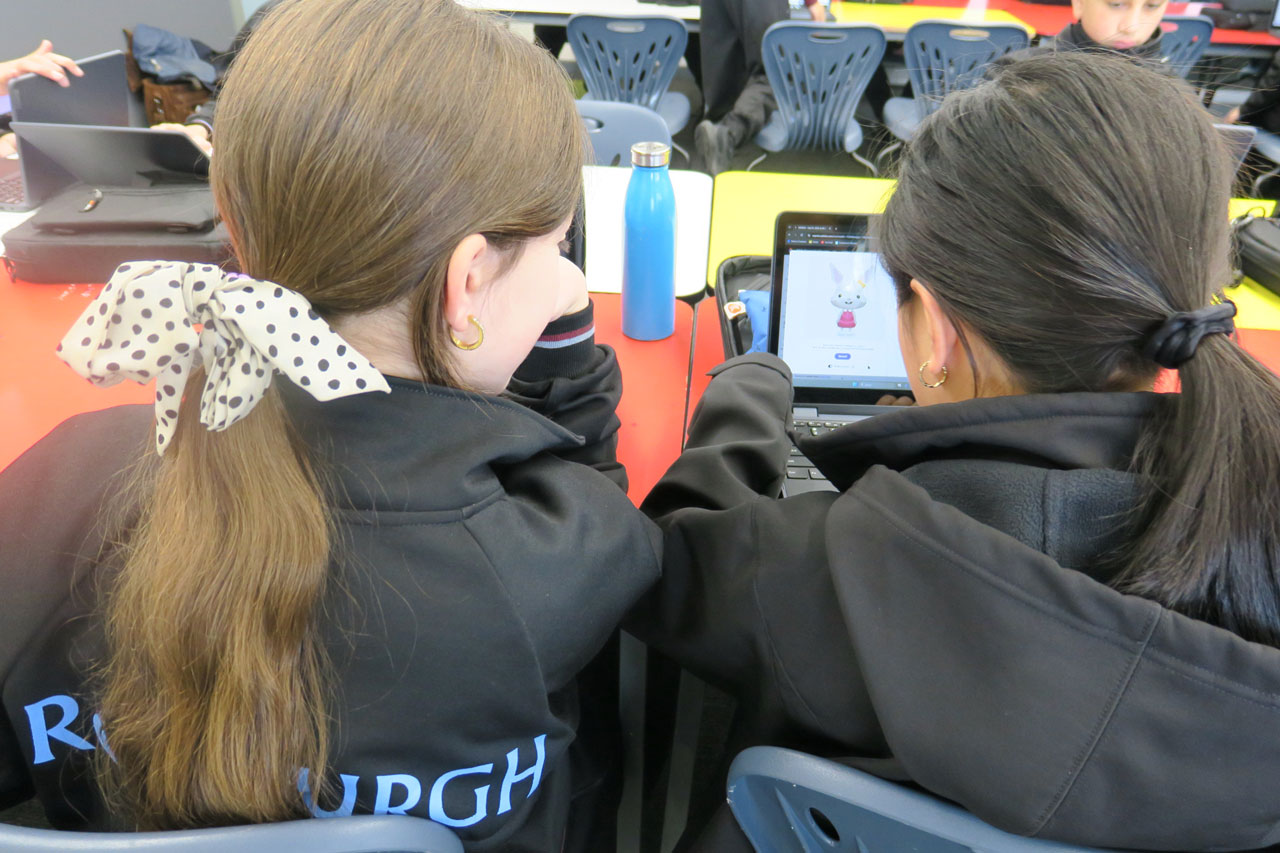
On Tue 1st July I visited Roxburgh College in Melbourne’s north for an Adobe Day with four classes of Year 7 students. None of the 100 students had ever used Adobe Express before, nor did they know it was available for them. So, it was a great opportunity to share the value of Adobe Express to the school.
It was late in 2024 when the Victorian Department of Education opened up Adobe Express via their single sign-on system (Edupass) to all of their students and teachers.
Established in 2003 through the merger of Upfield Secondary College and Roxburgh Park Secondary College, Roxburgh College offers a diverse range of educational pathways, including the Victorian Certificate of Education (VCE), Vocational Education and Training (VET), and the Victorian Certificate of Applied Learning (VCAL), catering to various student interests and career aspirations.
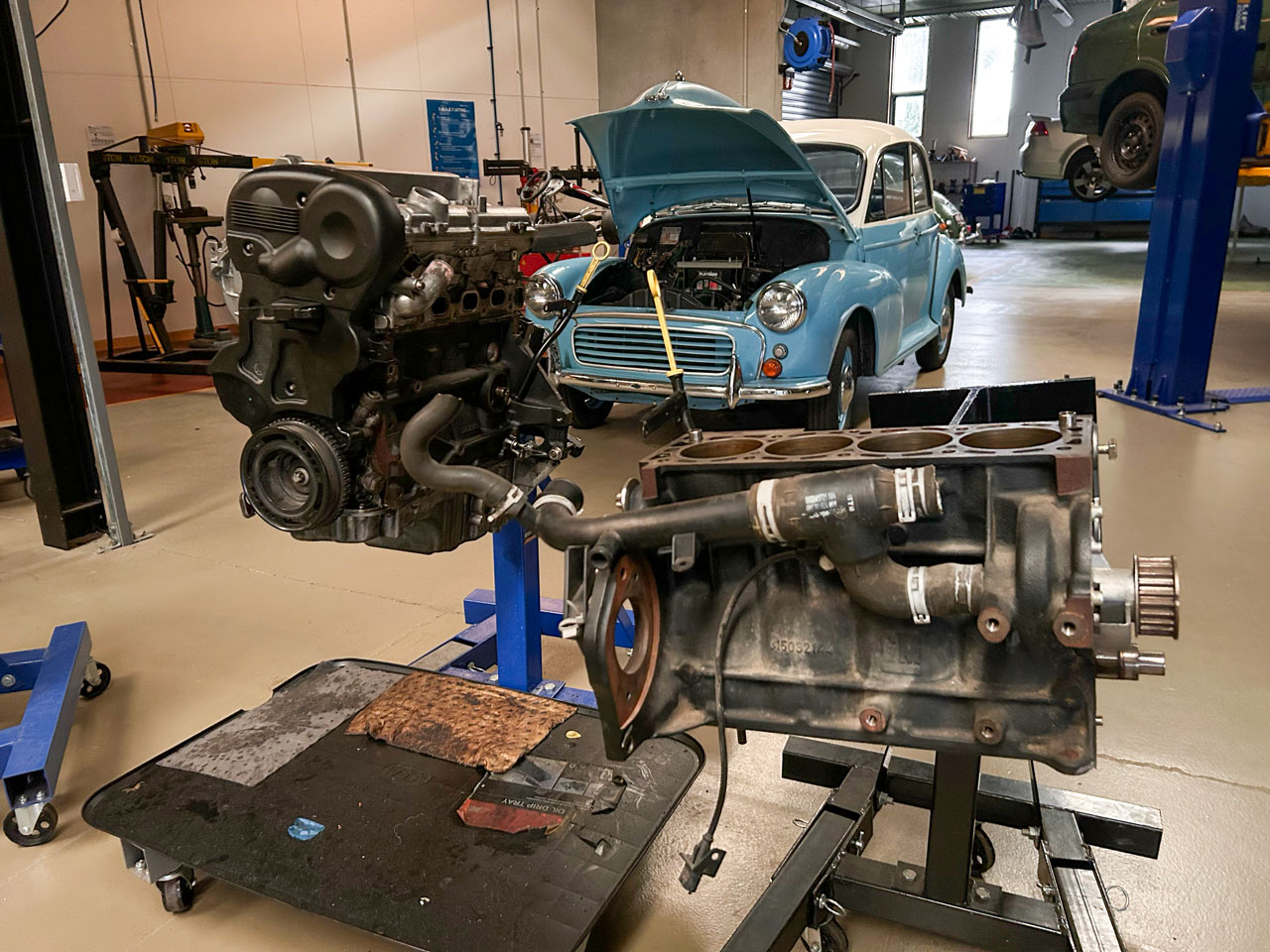
I was given a tour of their engineering classrooms including an area to learn about motor mechanics.
I would like to thank Allan Barnes (Learning Specialist – VET & RTO) for organising this event for his school.
On Wednesday 25th June 2025 I was invited by AISSA (Association of Independent Schools of South Australia) & Data#3 to share the value of Adobe in Education to a group of school ICT Managers and leaders in-person and online.
Ben Beaton from Data#3 hosted this event which included a warm welcome from Glen Shipley the CFO of AISSA.
The first speaker was Amir Bukan from Snapdragon who shared the value of their new laptop technologies.
I was the second speaker covering the following topics:
One of the highlights was a demonstration of some of capabilities of Adobe Express for Education which involved a participant (Darren) who has never used the tool before but was guided by me through the process of making a video/animation.
Eastern Fleurieu R-12 School is a multi-campus government school located in the Fleurieu Peninsula region of South Australia, approximately 50 km southeast of Adelaide. On Tuesday 24th June, I was invited to run an Adobe Express workshop with their Year 7 English classes.
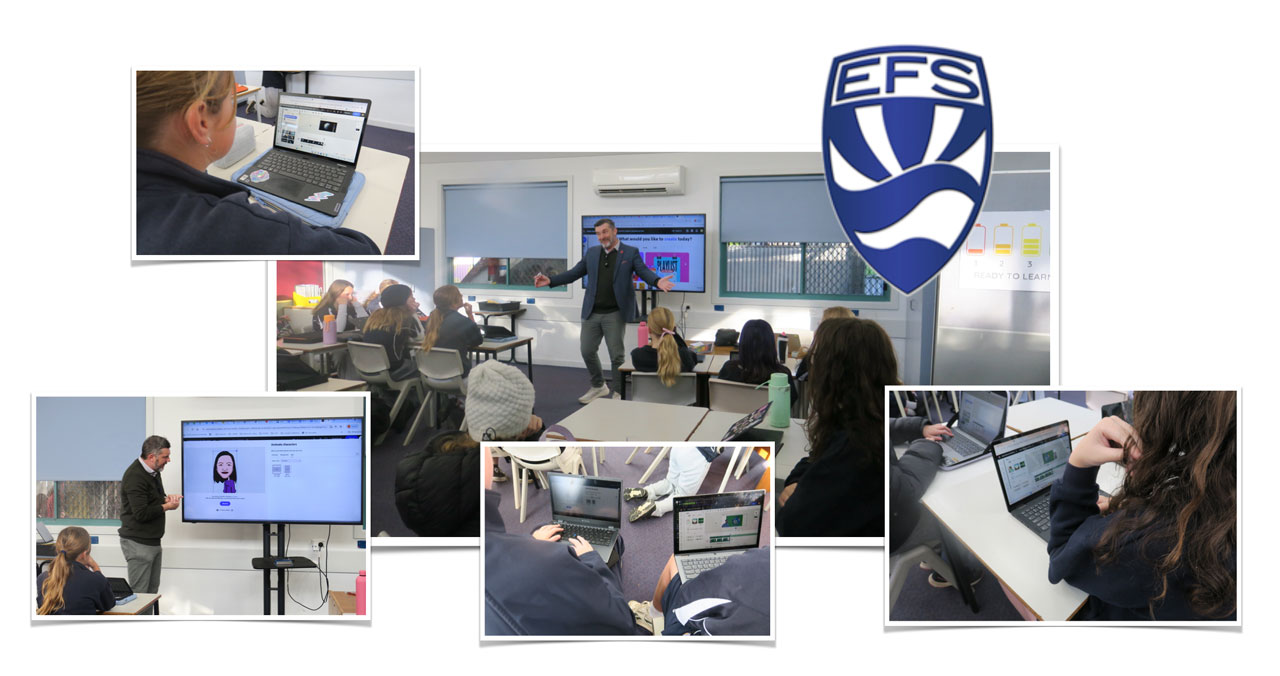
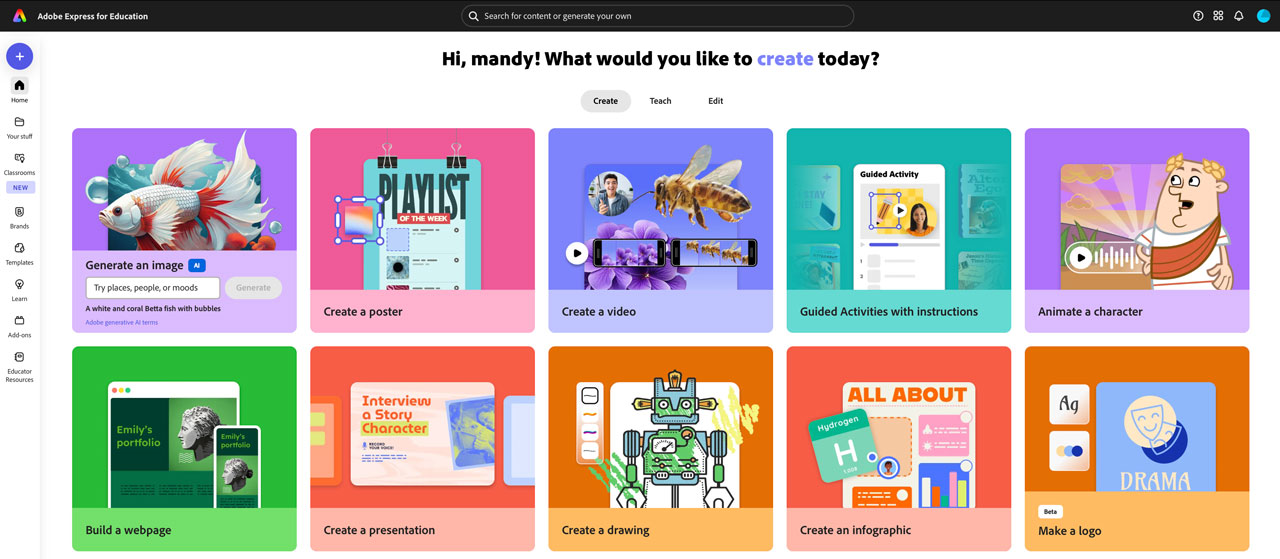
During the night prior to this event, Adobe Express for Education changed the look and feel of it’s homepage dashboard.
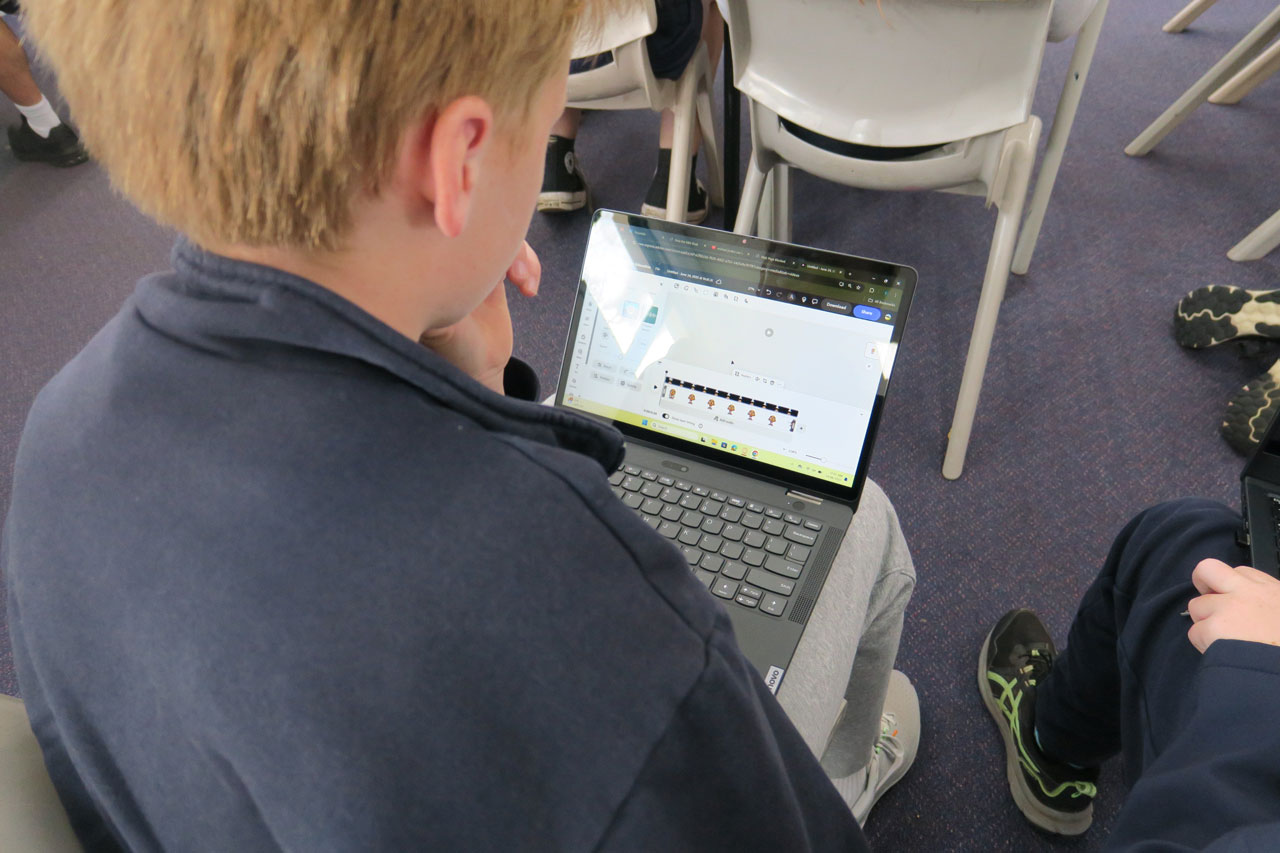
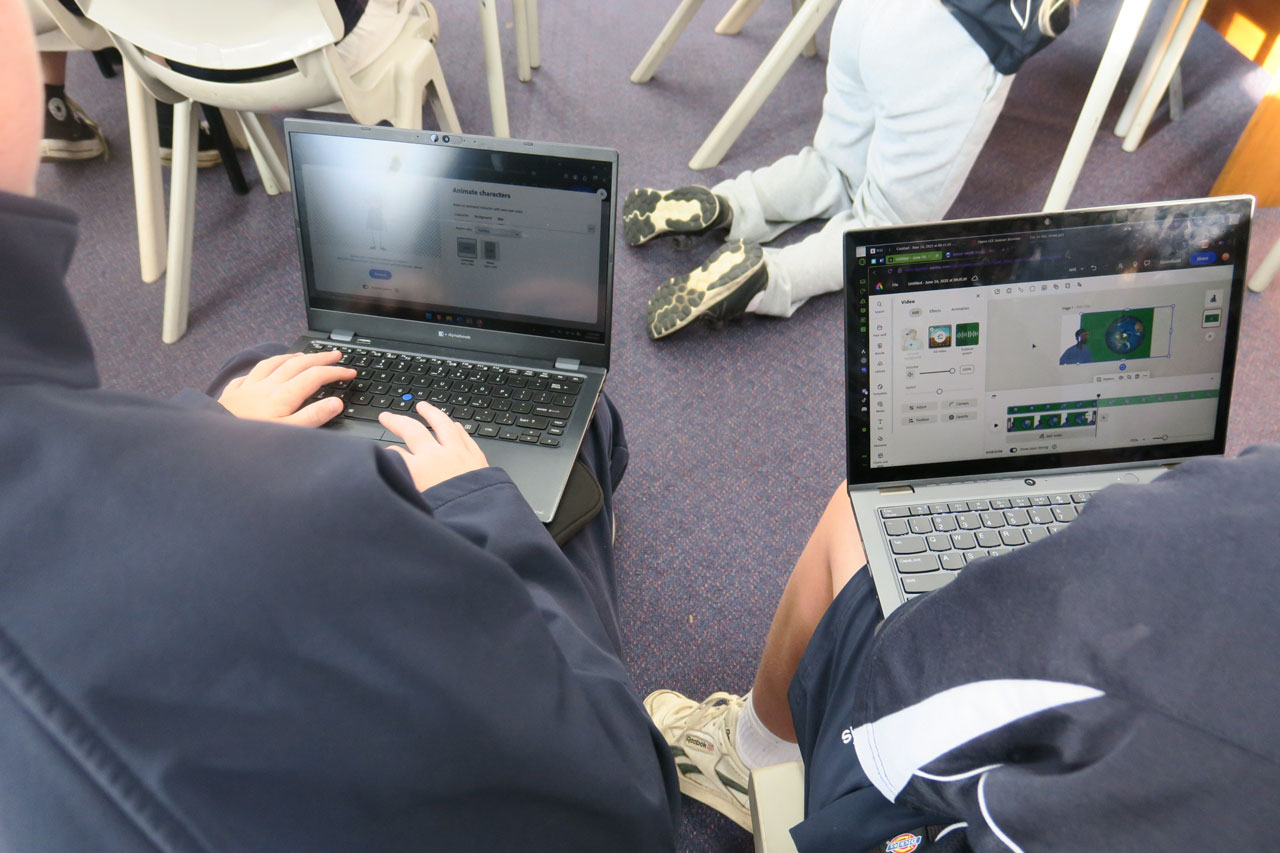
Together, we explored this new exciting layout and the students all made short video animations both individually and in small groups with the collaboration feature.
I would like to thank Adobe Creation Educator David Fawcett for inviting me to be part of his school community.
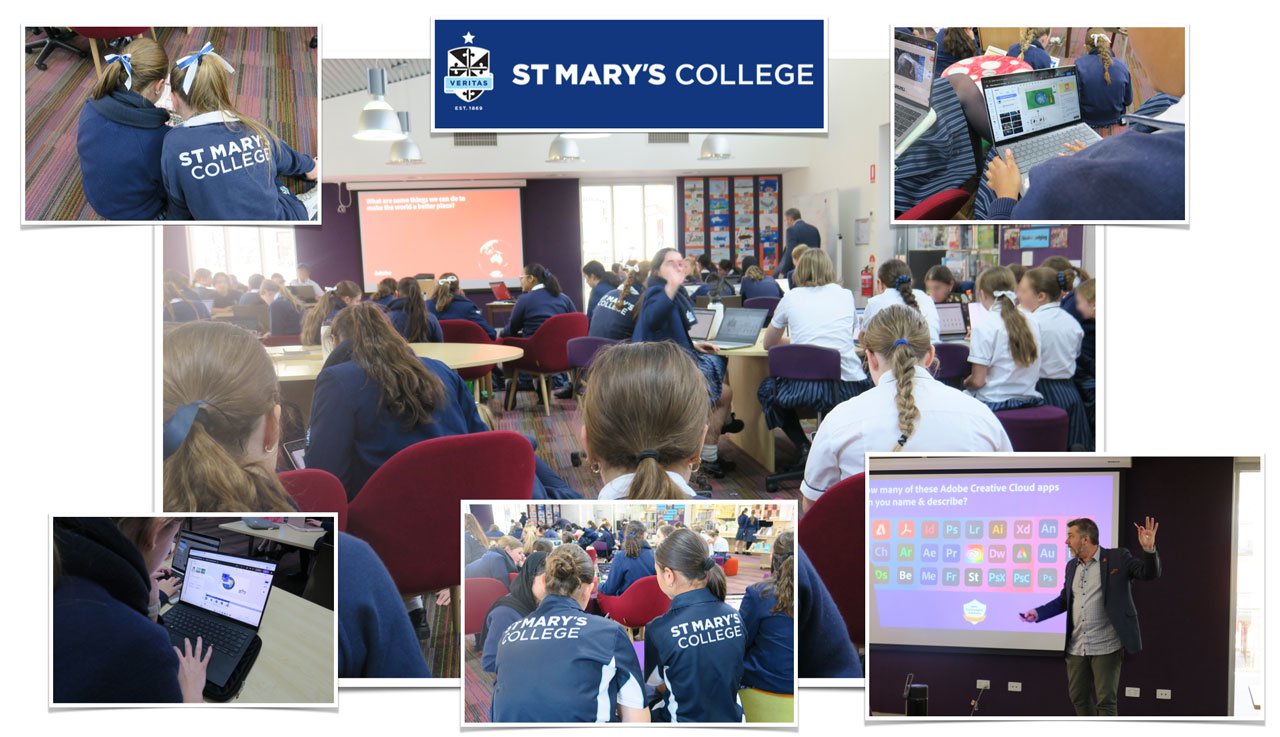
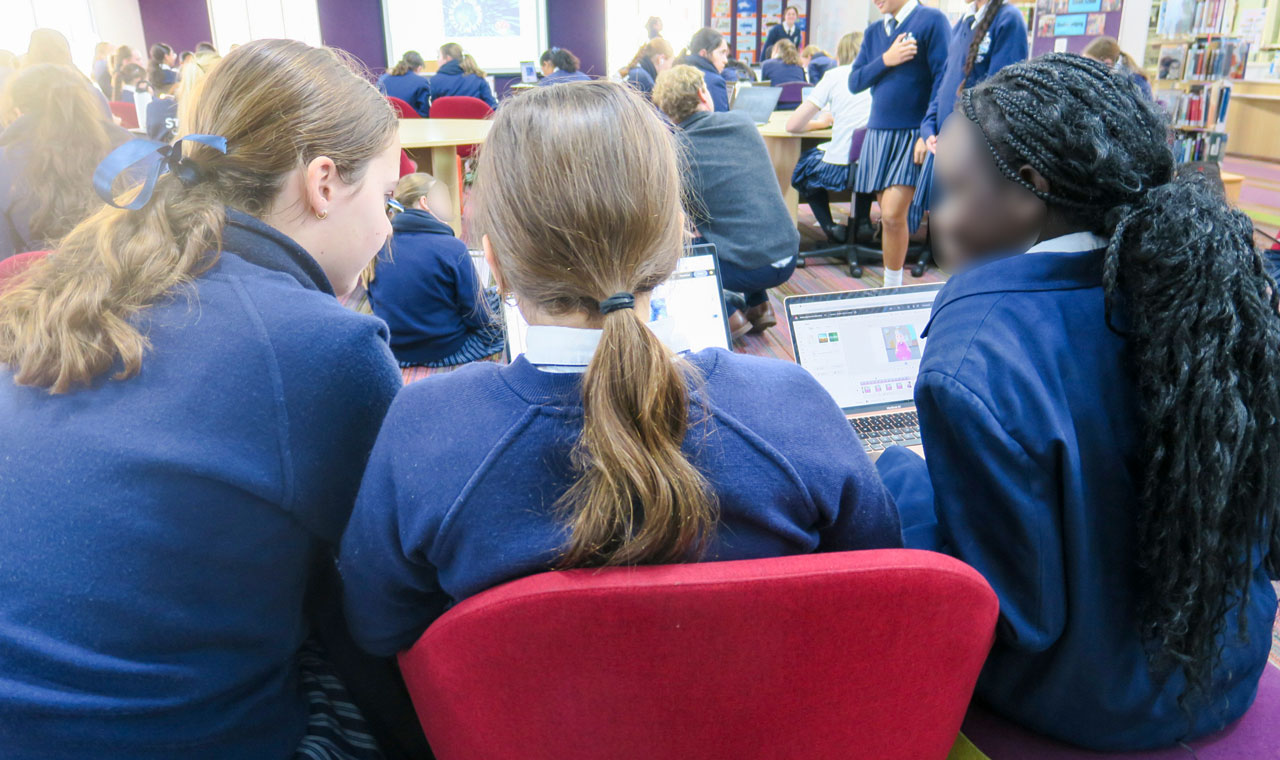
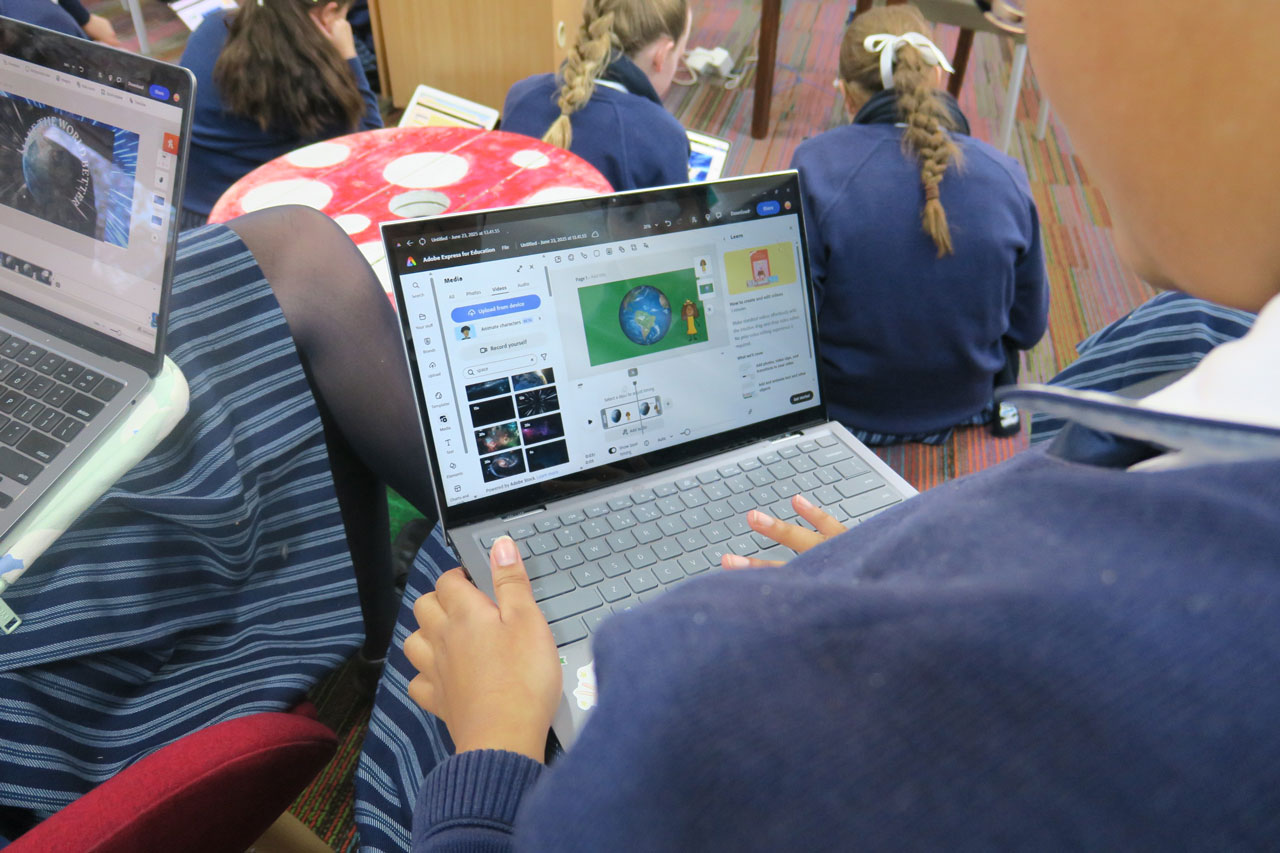
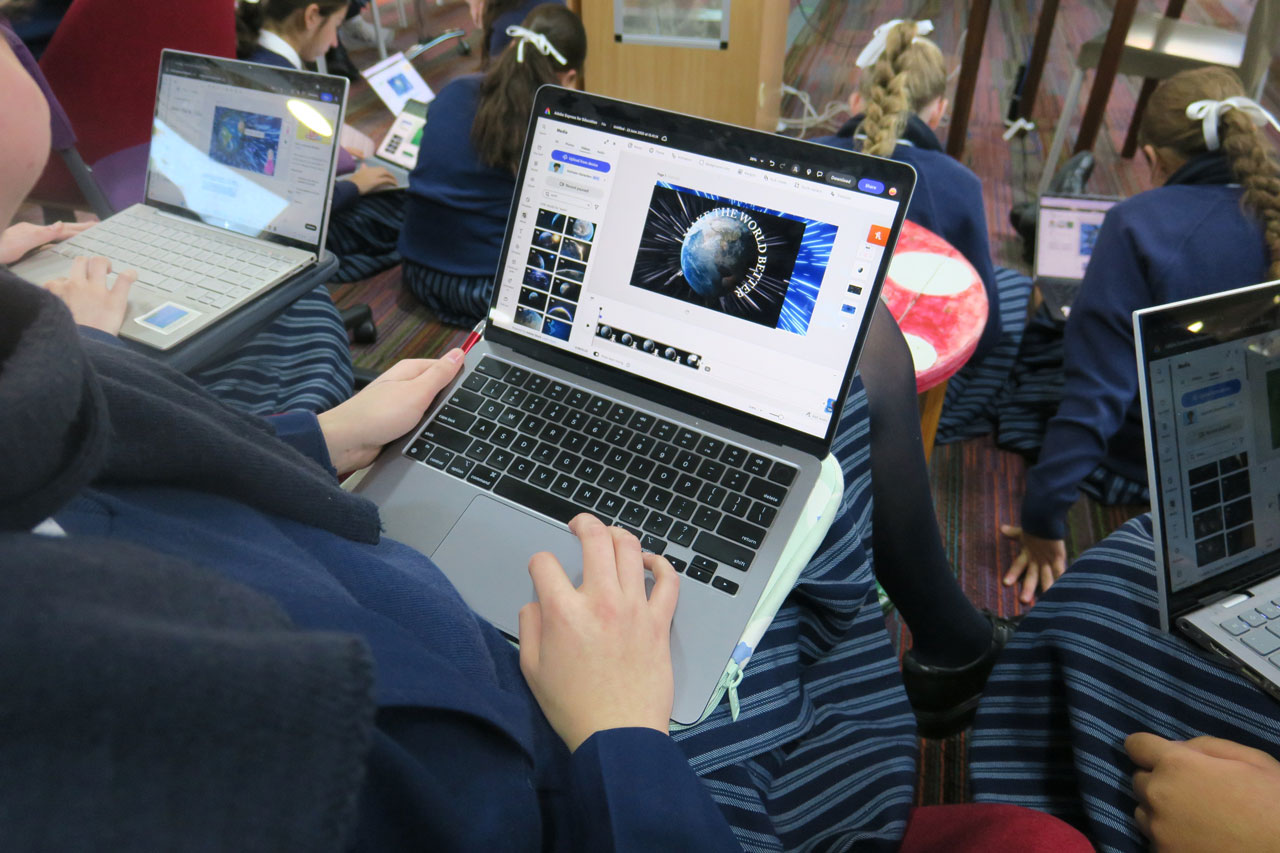
On Monday 23rd June, I had the pleasure of running an Adobe Express workshop with all about 150 Year 7 & Year 9 students from St Mary’s Collegein Adelaide.
It was lovely to be back at this very special school since my last visit in 2017. Adobe Creative Educator – Leader Giovanna Iannicelli organised this opportunity to work with these students while I was visiting Adelaide for a number of events. Most of the students were new to Adobe Express so this was an introduction as I encouraged them all to create an animated video.
I was so impressed with how quickly they took to the software. Many of them shared how excited they are to explore Adobe Express further and use it in a range of subject areas.
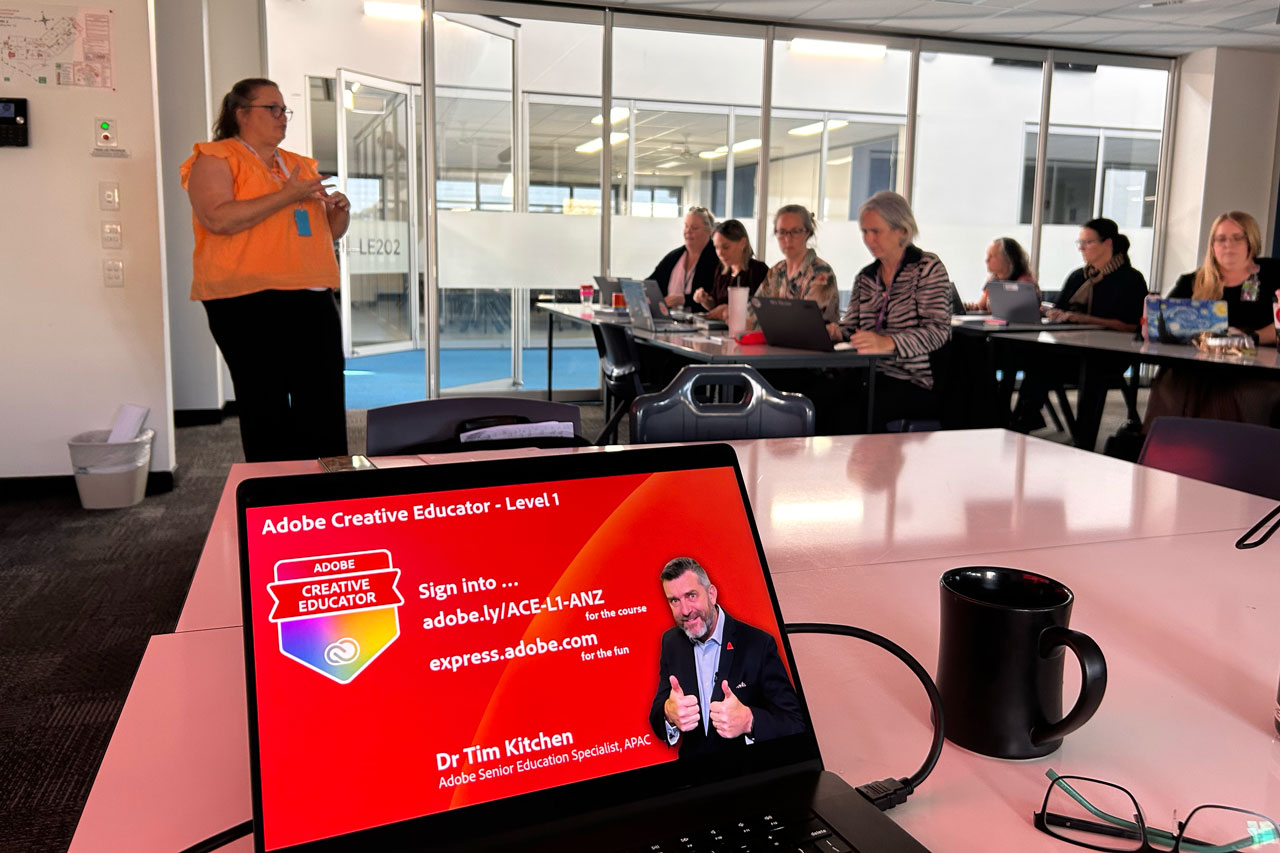
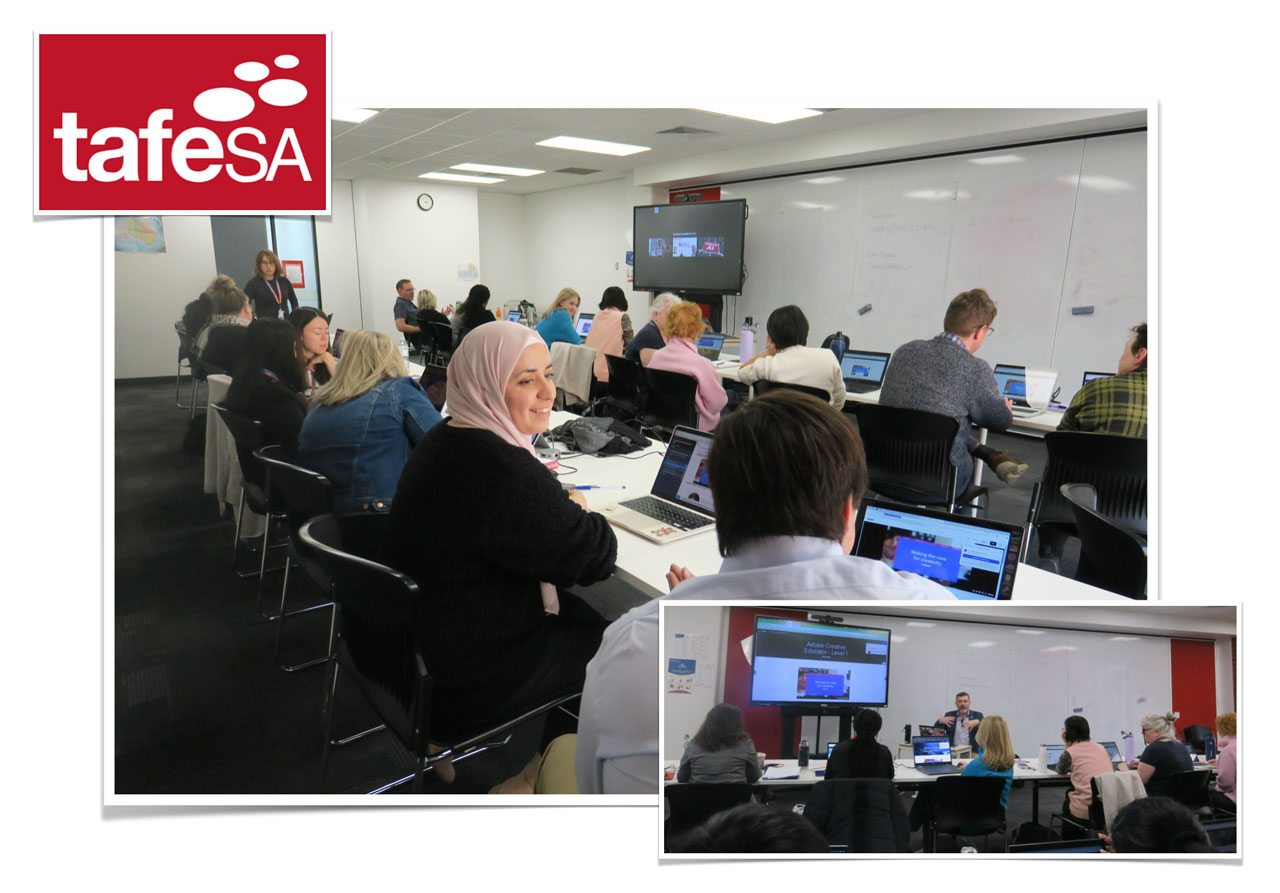
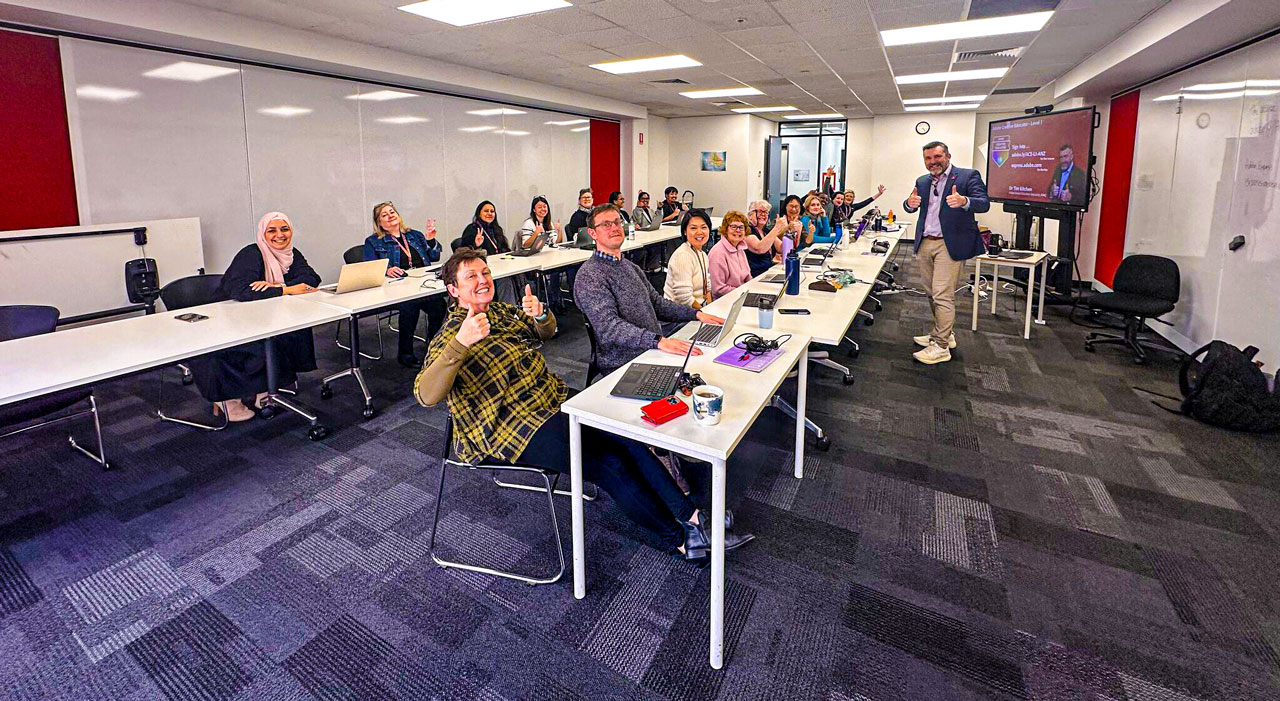
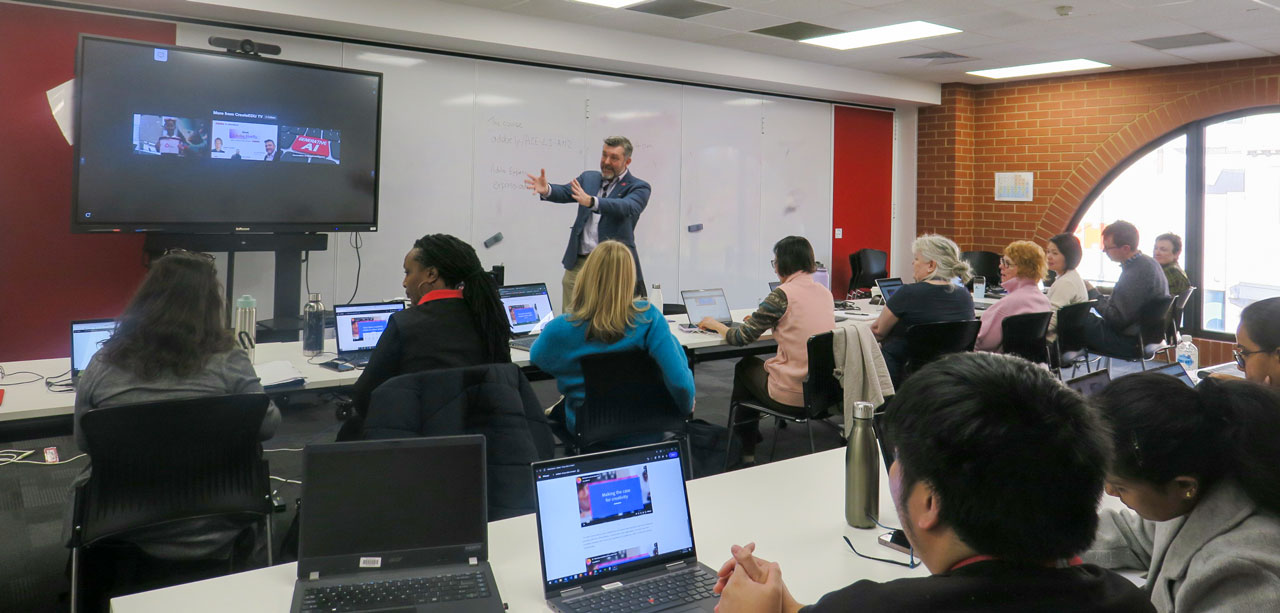
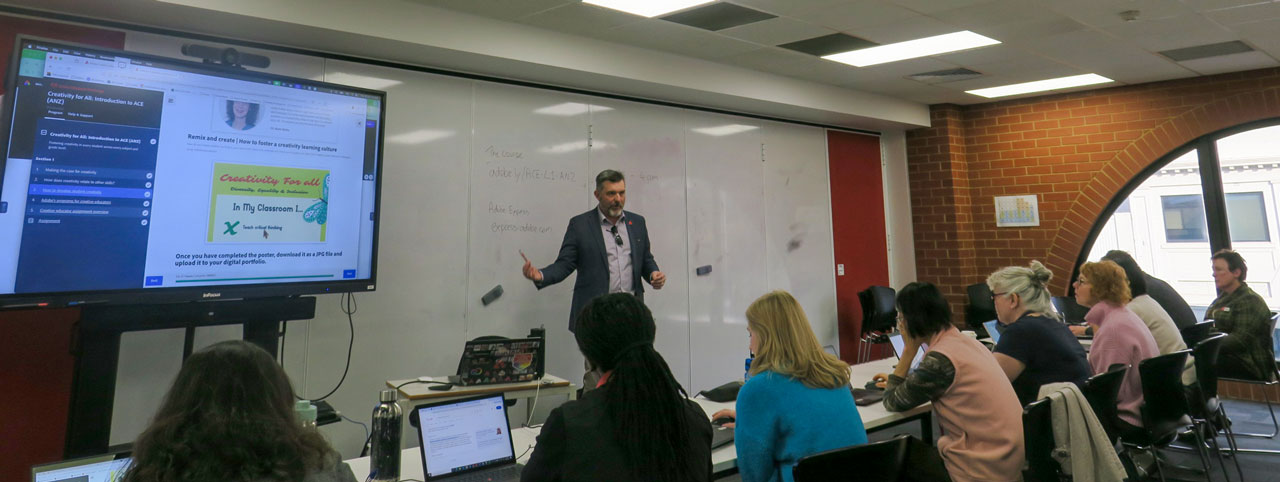
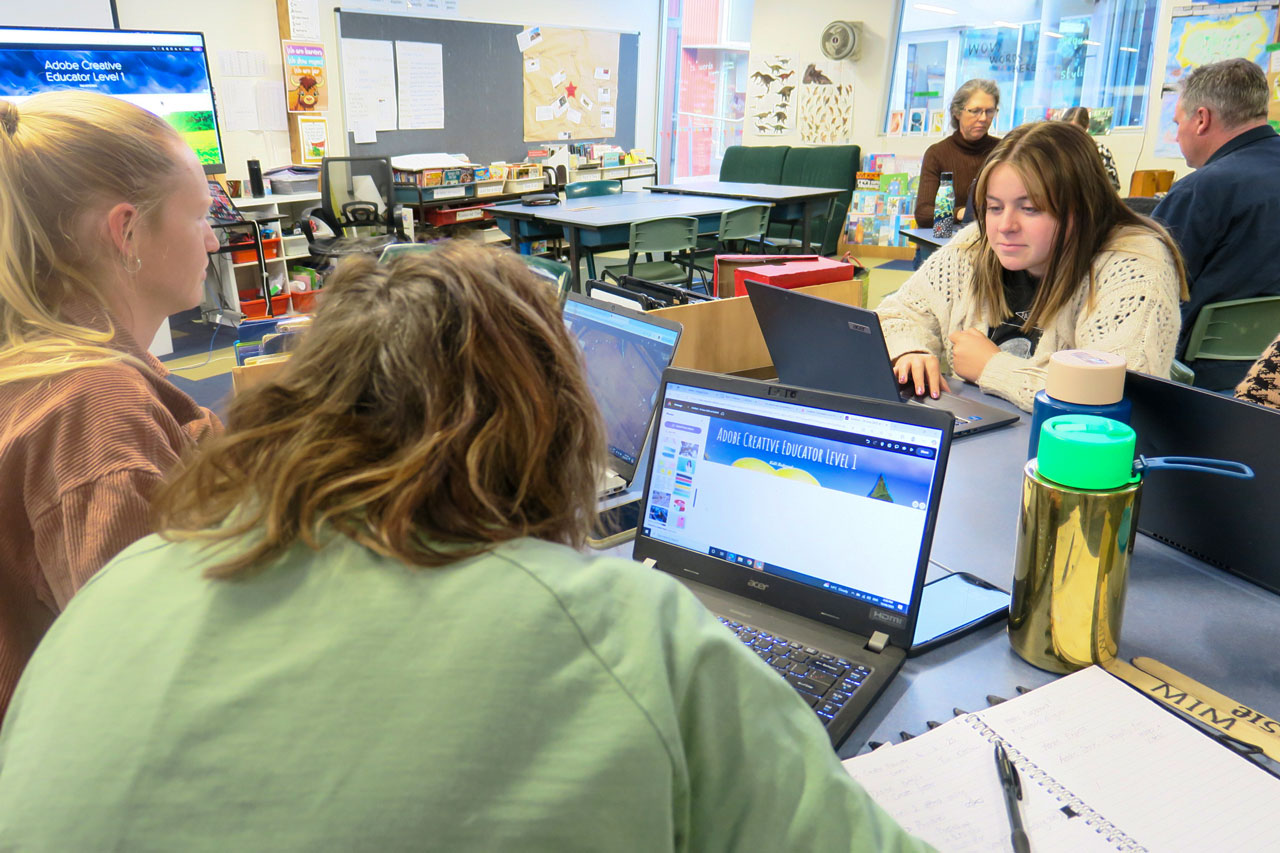
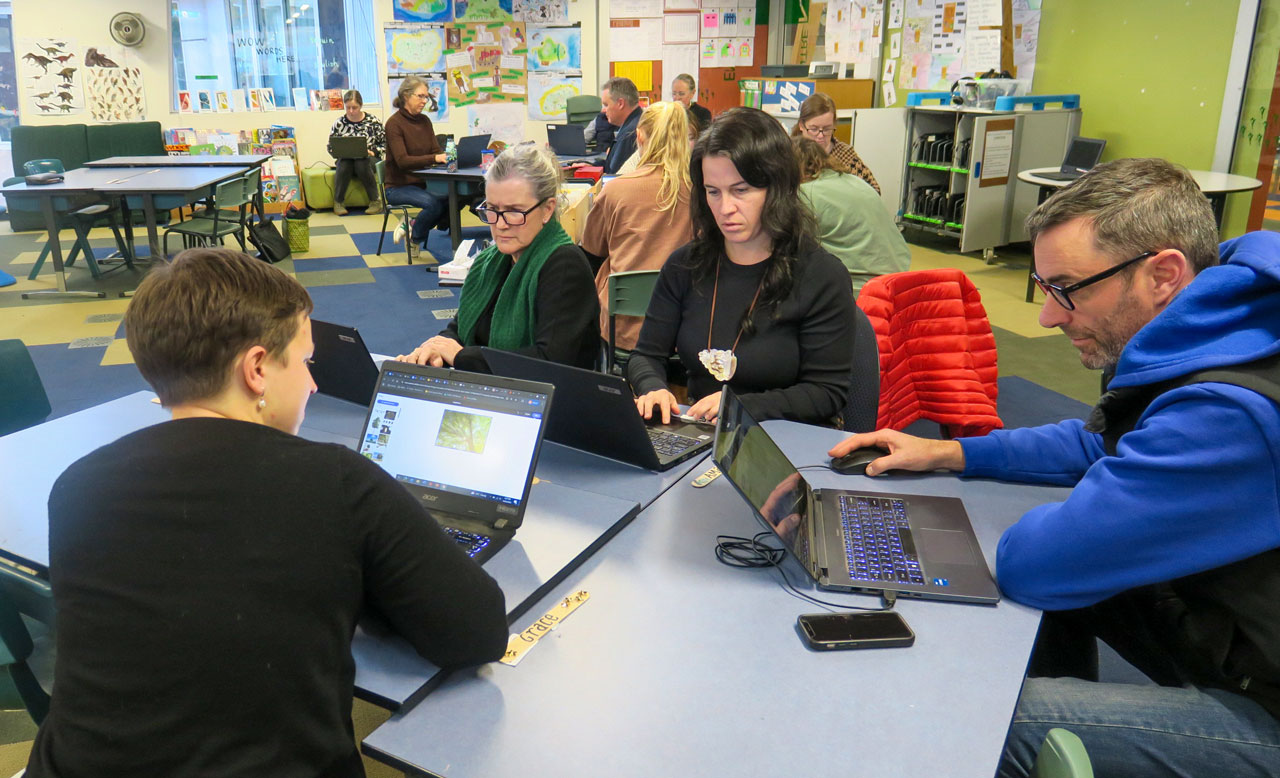
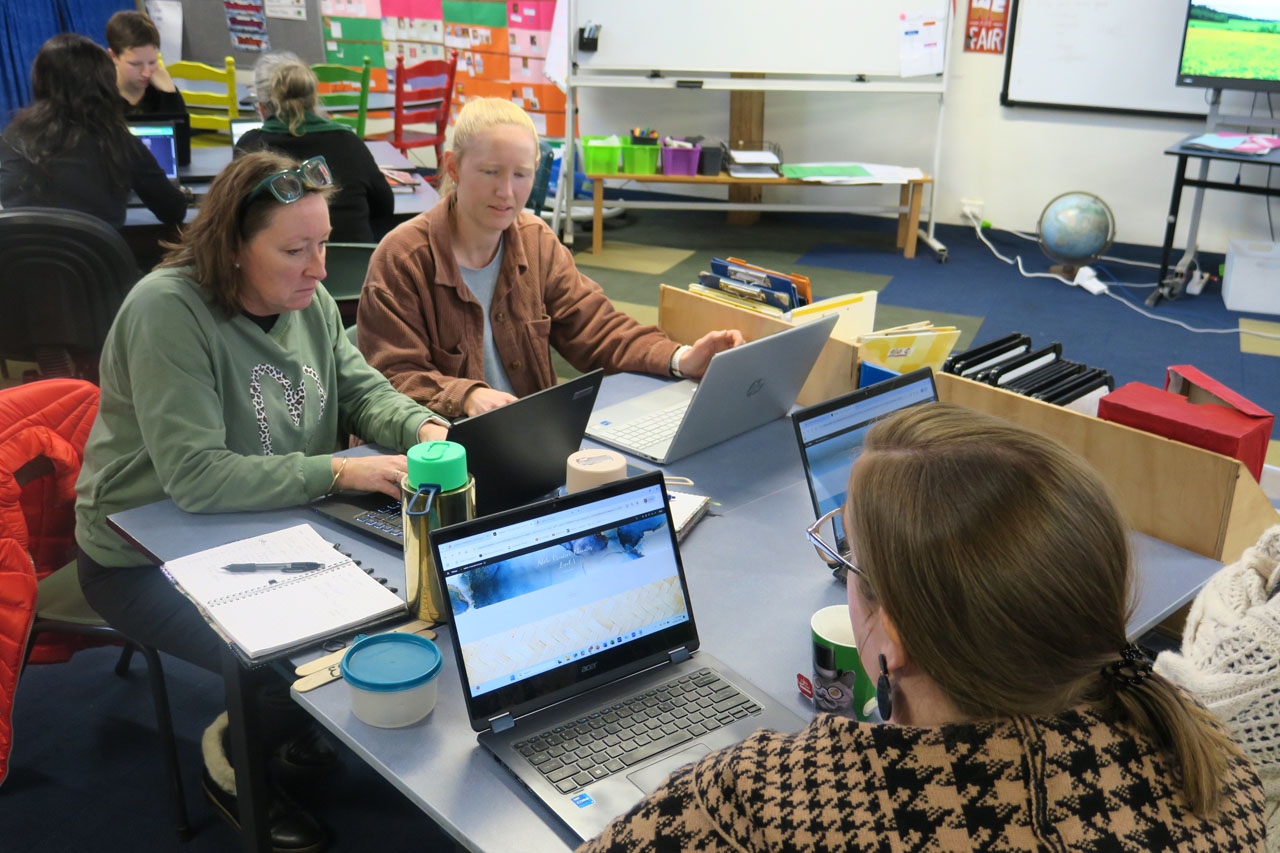
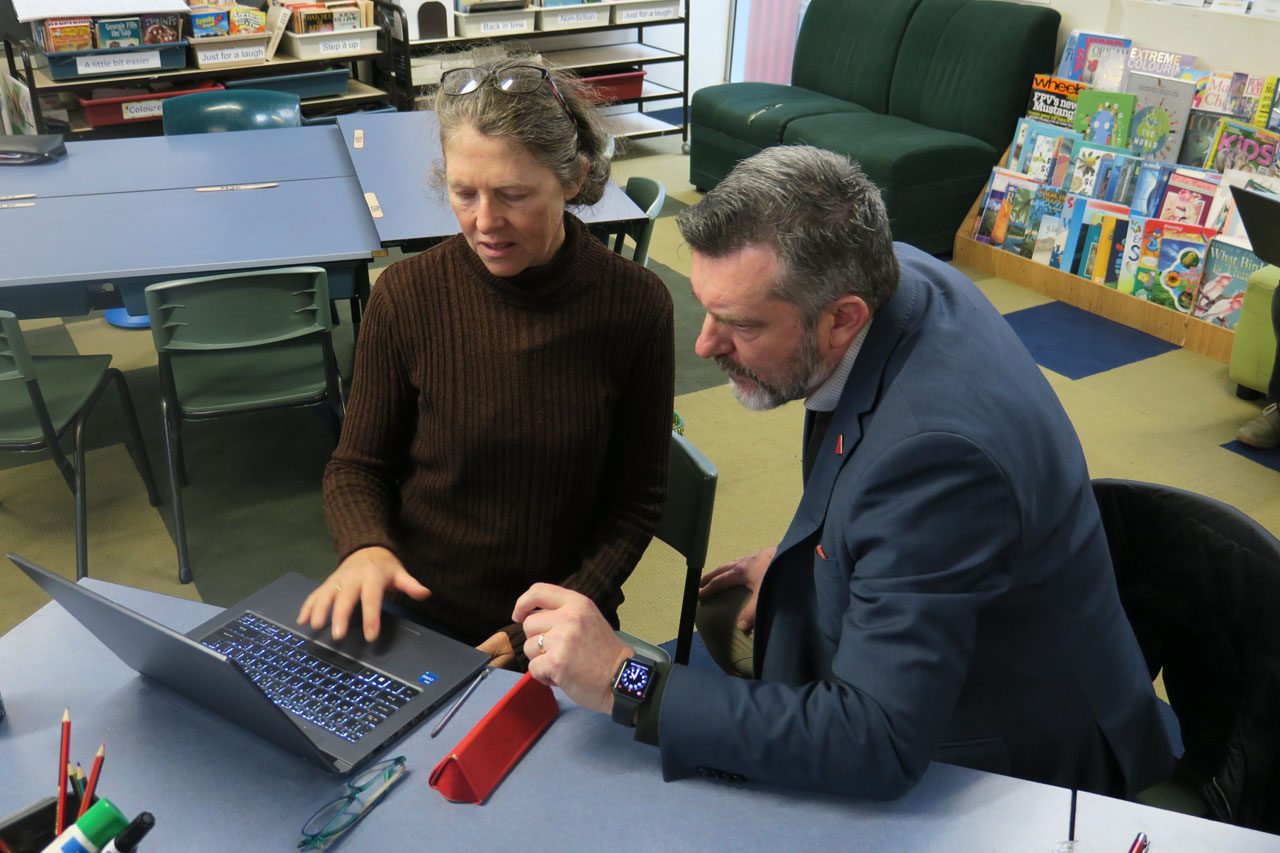
On Thursday 19th June, over 25 lecturers from TAFE SA in Adelaide took part in the Adobe Creative Educators (ACE) level 1 micro-credential.
The ACE course offers a balanced blend of theory and practice. The theoretical part includes insights from various experts on the significance of fostering creativity across all aspects and levels of education. The practical component involves using Adobe Express to create a digital portfolio and a poster.
Click here to find out more about the Adobe Creative Educator program which now involves well over 2000 ANZ teachers.
These lecturers come from a diverse range of faculties within TAFE SA. Each of them left with practical examples of how to integrate Adobe Express into teaching and learning across all areas of TAFE.
I would like to thank Viviana Nunez (Principal Consultant – People and Culture – TAFE SA) for organising this event for her colleagues.
The Big Day In – Adelaide was held on Thursday 19th June at the University of Adelaide with about 400 students in Years 9 to 12 from around South Australia.
I was the opening keynote presenter speaking on the topic – Skills required to thrive in an AI wold.
Professor Abelardo PardoProfessor Abelardo Pardo, Head of School of Computer Science at the University of Adelaide opened the event my encouraging the students to consider IT as future career. Other presenters were from:
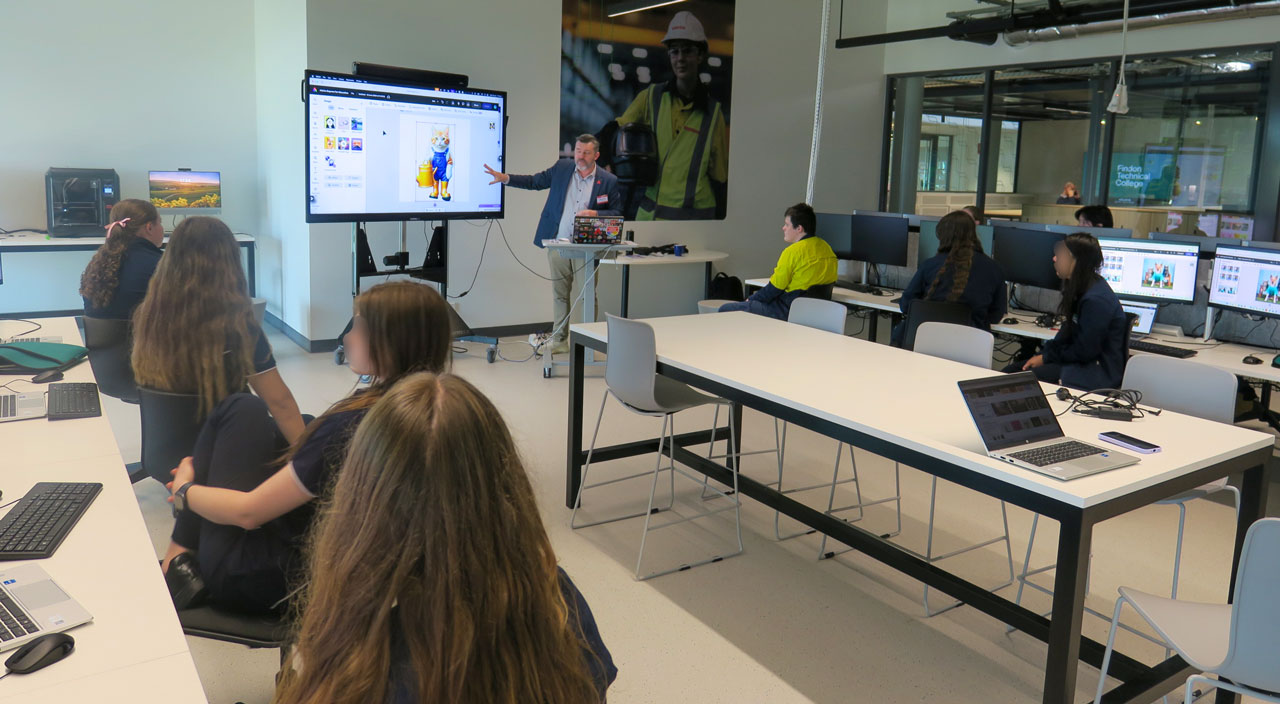
On Wednesday 18th June 2025, I was invited to run an Adobe Day at the new Findon Technical College in Adelaide.
Opened in January 2024 and co-located with Findon High School, Findon Technical College is South Australia’s first purpose-built government technical college. Offering a unique blend of SACE completion and vocational education, it serves students in Years 10 to 12 who are looking for a fast track to industry or university within modern, industry-style facilities. This is the first of five similar colleges across the state and part of a $208.8 million investment aimed at bridging education and workforce needs.
This Adobe Day began with many of the teachers completing the Adobe Creative Educator Level 1 micro-credential. The plan was then to work with groups of students on podcasting with Adobe Podcast, introducing Adobe Express and then running a video editing masterclass on Premiere Pro. However, once the teachers saw the value of Adobe Express, that then became the focus for most of the other sessions with a number of classes taking coming in at the last minute to take advantage of my visit.
I would like to thank Eric Drew (former colleague of mine who now workers with the SA Department for Education) as well as Luke Northcote (Head of Findon Technical College) for organnising this day.
On Tuesday 17th June 2025, I was invited to run the Adobe Creative Educator Level 1 micro-credential course to a group of teachers at the exclusive St Peter’s College boys school in Adelaide.
One of the oldest establishments in Adelaide, St Peter’s was founded in 1847 only 11 years after the establishment of South Australia. Situated on a 90-acre campus just 2 km from Adelaide’s city centre, the school features historic and modern buildings, extensive sports fields, and boarding facilities for around 100 students.
I would like to thank John Papazoglou (Head of Technology) for the opportunity to work with his colleagues.
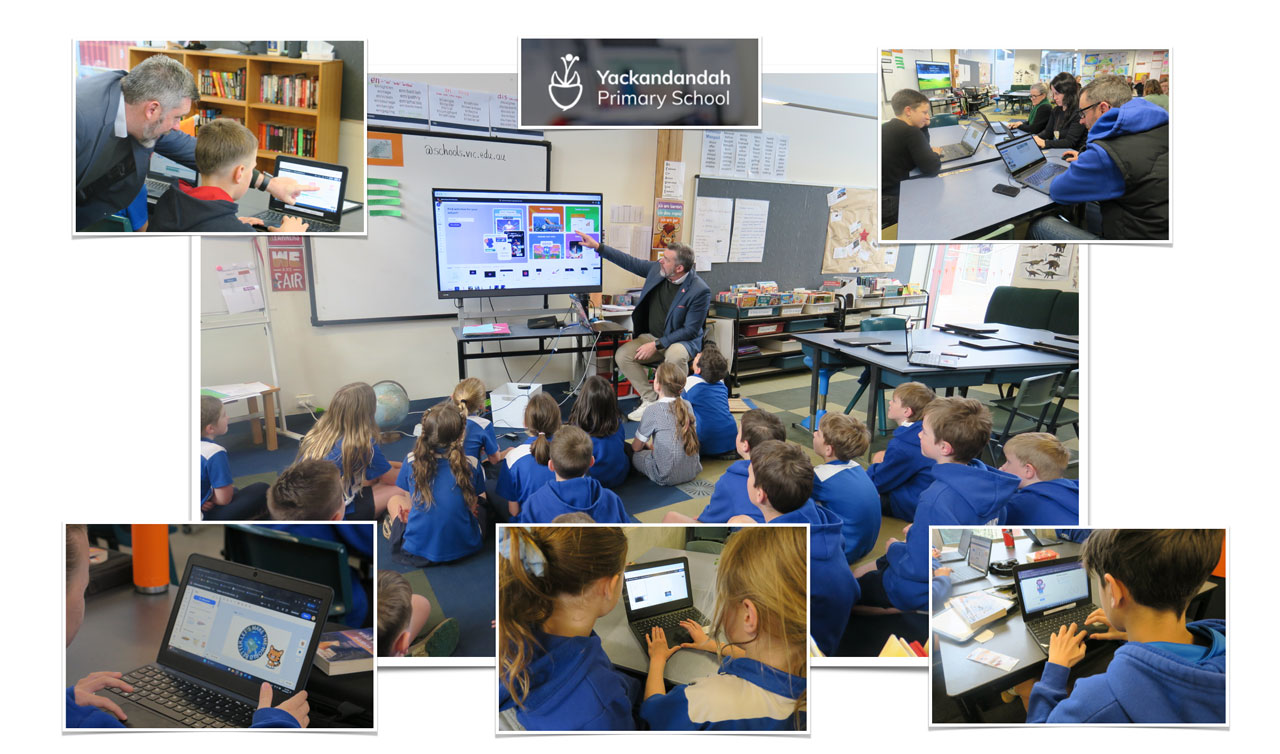
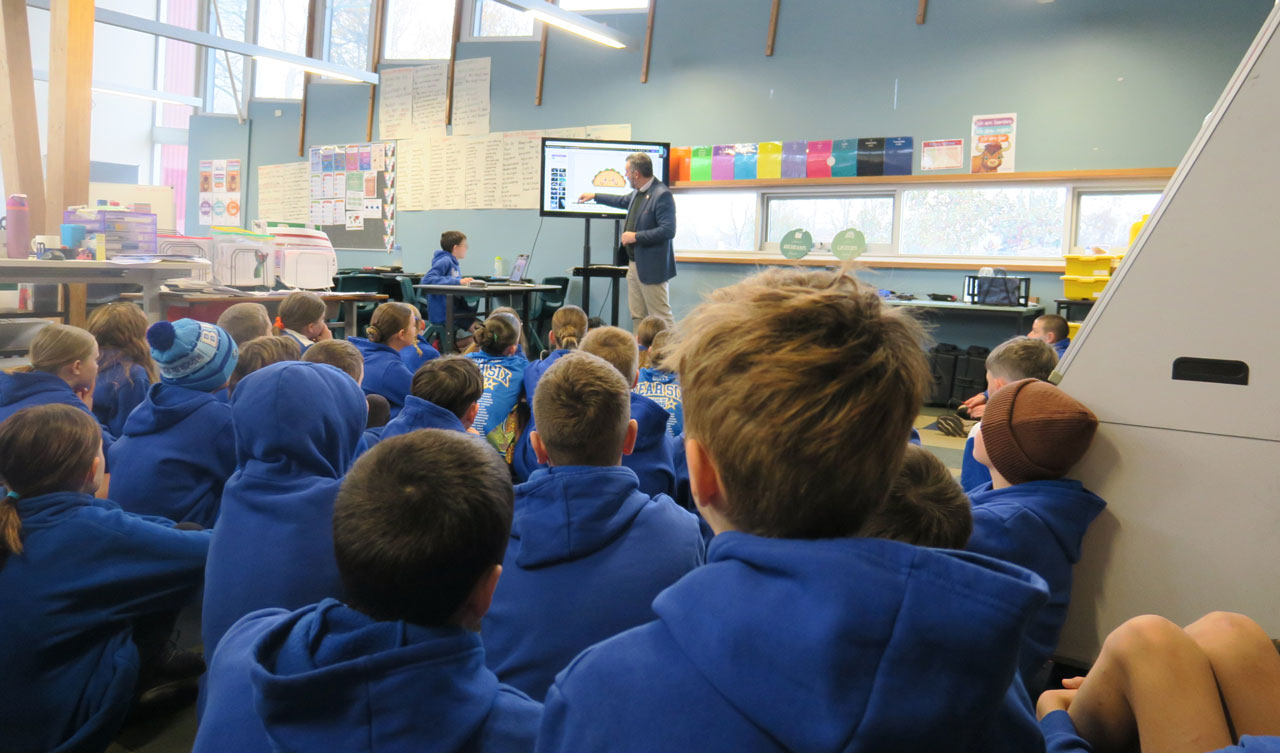
Yakandandah Primary School, located in Victoria’s magnificent north-east, hosted an Adobe Day on Monday 16th June involving all of their students from Years 3 to 6. The students were introduced to the power and simplicity of Adobe Express with the Year 5 & 6s creating animated videos and the young students creating posters.
The Victorian Department of Education have centrally provided access to Adobe Express to all of their students and teachers.
Click here to access a wide range of Adobe Express tutorials and resources.
After school, most of the teaching staff undertook the Adobe Creative Educator level 1 micro-credential course.
I would like to thank Year 5 & 6 teacher Earle Mason for organising this event for his school.
EduTECH 2025 was back at the Sydney Convention & Exhibition Centre on June 11 & 12 involving about 10,000 delegates and 280 vendors.
Following a wonderful opening keynote presentation at EduTECH 2024, Sal Khan (the founder and CEO of the Khan Academy) returned as the opening keynote again this year.
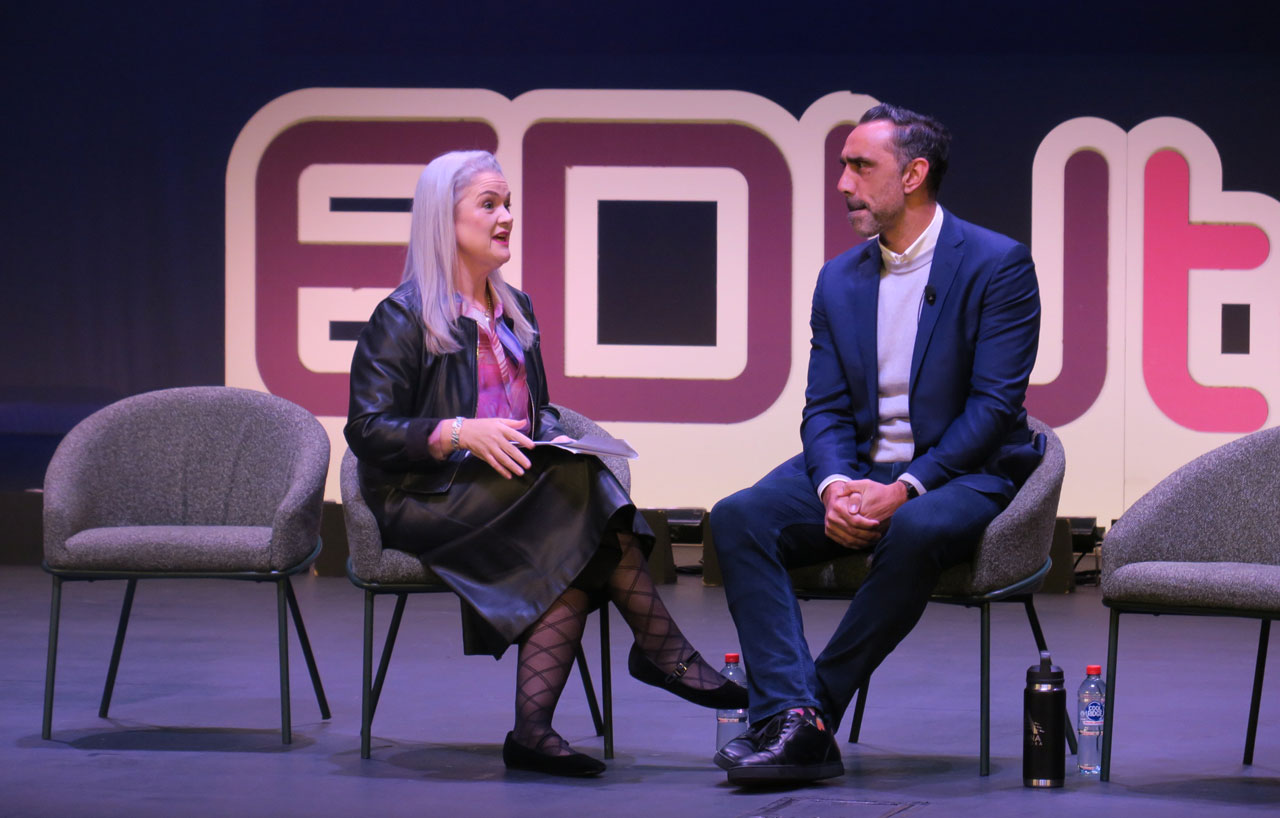
Another highlight was hearing former AFL star Adam Goodes sharing his story as he developed his leadership skills while being interviewed by the wonderful Annabel Astbury (Head of Education at the Australian Broadcasting Corporation).
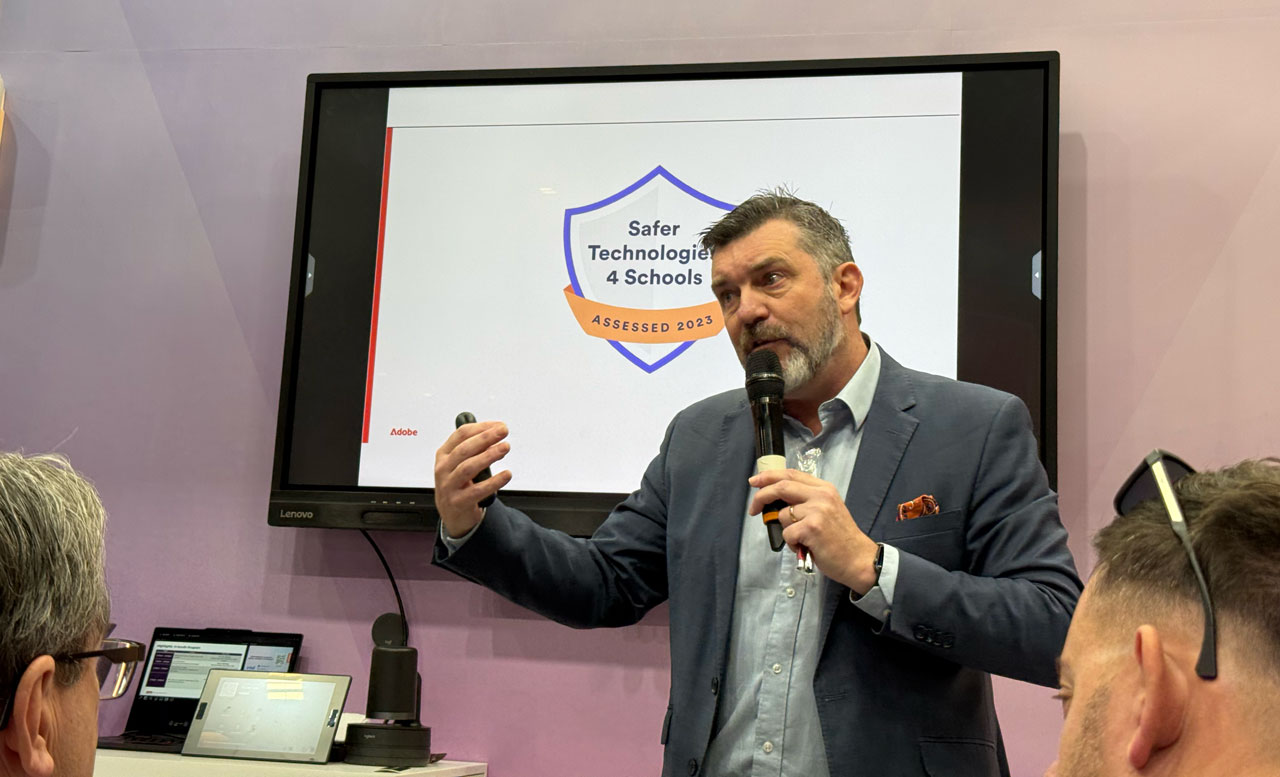
Adobe’s main involvement this year was to partner with Lenovo to do a presentation at their stand titled Making the most of Adobe with Lenovo.
It was great seeing a number of members of the Adobe Creative Educator (ACE) – Leaders and Innovators community involved running presentations. One of the highlights was watching Krissa Diamate share about her recent trip after winning a NSW Premier’s award.
ACE-Innovators Matt Esterman, Brett Salakas and Michelle Dennis were involved in a number of session throughout the conference.
A unique part of the EduTECH conference for 2025 in Sydney was the NSW EduTECH Summit, an education technology festival, showcasing NSW capabilities as a leading Asia Pacific destination for EdTech.
Western Sydney University (WSU) partnered with Adobe to offer it’s pre-service teachers, education faculty staff as well as teachers from Western Sydney an opportunity to do the Adobe Creative Educator Level 1 micro-credential course.
This was held at the WSU Kingswood campus on Tuesday 10th June and involved about 20 participants.
A special thank you to Jo Dunbar and her team at WSU as well as Kaitlin Hartley from the Adobe Edu team for organising this opportunity.
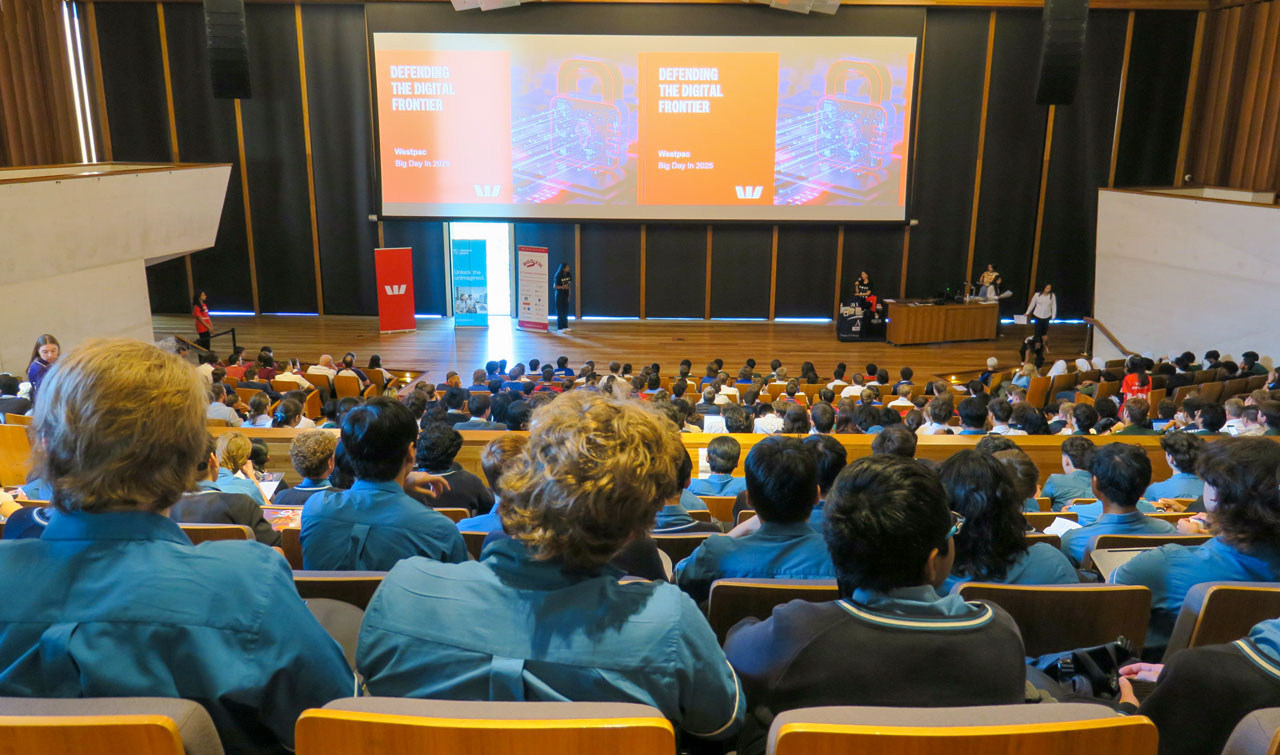
The 2025 Big Day In in Brisbane was held on Tuesday 3rd June involving about 500 Queensland High School.
This year’s event was opened by Jonty Bush the QLD State Member for Cooper who encouraged the students to take onboard the industry representatives and think about how important it is to understand a range of Information Technology areas.
The following industries and organisations presented to the students in Brisbane this year:
Adobe
Canstar
Technology 1
Westpac
Wisetech Global
Deloitte
Australian Defense Force
Woolworths Group
When I asked how many of the students were using Adobe Express, I was please to see about 30% of the hands go up. This is largely due to the Queensland Education Department approving Adobe Express as part of their single-sign-on system for all students and teachers late in 2024.
It was a pleasure to introduce the value of Adobe Express to many of the students and teachers who were yet to experience it. About 350 students came past the Adobe stand in the expo area to scan the following QR code that linked to our localised Adobe Express tutorials.
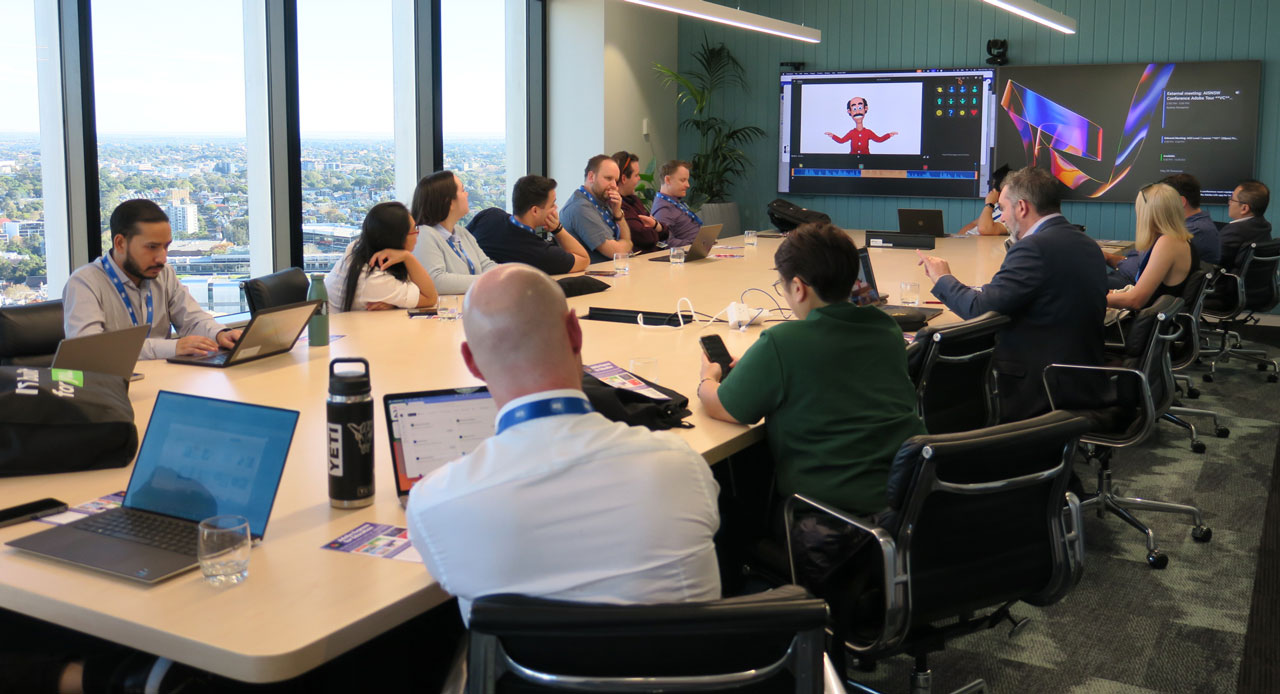
Being held so close to the Adobe Sydney office, we were invited to host tours as part of the conference program. About 60 delegates took advantage of this opportunity which included a tour of the the amazing workplaces overlooking some of Sydney’s best views of Darling Harbour.
These lucky delegates also had the opportunity to create a short animated video with Adobe Express and achieve the Adobe Creative Educator Level 1 micro-credential.
I would like to thank our sales partner Data#3 for inviting the Adobe Edu team to be part of their expo booth.
It’s always nice to catch up with some of my favourite people in the EdTech work at these types of event.
With Brett Salakas from HPWith Dan Bowen from Microsoft
On Friday 23rd of May, I had the pleasure to beaming into all three Year 6 classes at Kardina International College near Geelong in Victoria for a lesson on podcasting with Adobe Podcast.
Adobe Podcast is a web-based tool designed to help create high-quality podcasts and voiceovers using AI-powered features. With Adobe Podcast, students can enhance speech, remove background noise and echo, edit audio, transcribe text, and access royalty-free music to help them create amazing sounding podcast to help explain a topic or do an assessment task.
Adobe Podcast is designed to make voice recordings sound as if they were recorded in a professional studio, even if you don’t have professional equipment. You can start recording and editing your podcast right in your browser without downloading any software.
This was an example of a virtual short Adobe Day where I taught all three classes at the same time to get them started. I am looking forward to hearing what the students now produce.
In March last year, I visited this school and introduced them to Adobe Express. Click here to see what happened then. It has been great to following this up with this virtual Adobe Podcast session.
If you are interested in a virtual or in-person Adobe Day at your school, click here or contact the ANZ Adobe Education Team via – educationanz@adobe.com
Kardinia International College is a private K-12 school that operates on three campuses: the main campus in Bell Post Hill, another in Lovely Banks, Geelong, and a third in Chiang Mai, Thailand 1 2. It offers a diverse curriculum, including the International Baccalaureate program at both the primary and diploma levels. The school emphasises student wellbeing, individual learning, and developing globally minded students.
I would like to thank Aisha Kristiansen, the Kardinia Director of Innovation & Technology K-12 for organising this session.
The 2025 Big Day In – Melbourne event was held at RMIT’s beautiful Capital Theatre on Thursday 22nd May with just under 500 school students from throughout Victoria.
This event was officially opened by Hon Danny Pearson MP (Minister for Economic Growth & Jobs & Minister for Finance) and Professor Karin Verspoor, Executive Dean, School of Computing Technologies, STEM College, RMIT. I was the opening keynote, with the topic What is Your Dream Job. Here is the blurb …
Chances are, you’ll experience a variety of jobs throughout your life & ideally, some of them will be your dream jobs at different points. Regardless of the shape your future career takes, there are essential skills crucial for achieving success. Dr. Tim Kitchen, who has held various dream jobs such as being a teacher, school administrator, university lecturer, author & consultant, currently serves as Adobe’s Education Specialist for the Asia Pacific region. In this session, he will delve into research on the most critical skills for thriving & guide you on developing these skills using the free Adobe applications accessible to all K-12 schools worldwide.
Other speakers included representatives from the following organisations:
Wisetech Global
Australian Signals Directorate.
Westpac Group
Australian Defence Force
TIC Group
Tata Consultancy Services
Canstar
The primary goal of the Big Day In events across Australia is to inspire high school students to explore IT as a potential career path. In my presentation, I highlighted research from the World Economic Forum and the Future of Jobs Report, which identified key jobs expected to be prevalent in 2030 and the essential skills required for success in the future.
Minister Danny Pearson (left), John Ridge – Executive Director at ACS Foundation (centre) & me (right)
The Big Day In events are managed by the Australian Computer Society Foundation. Find out more here.
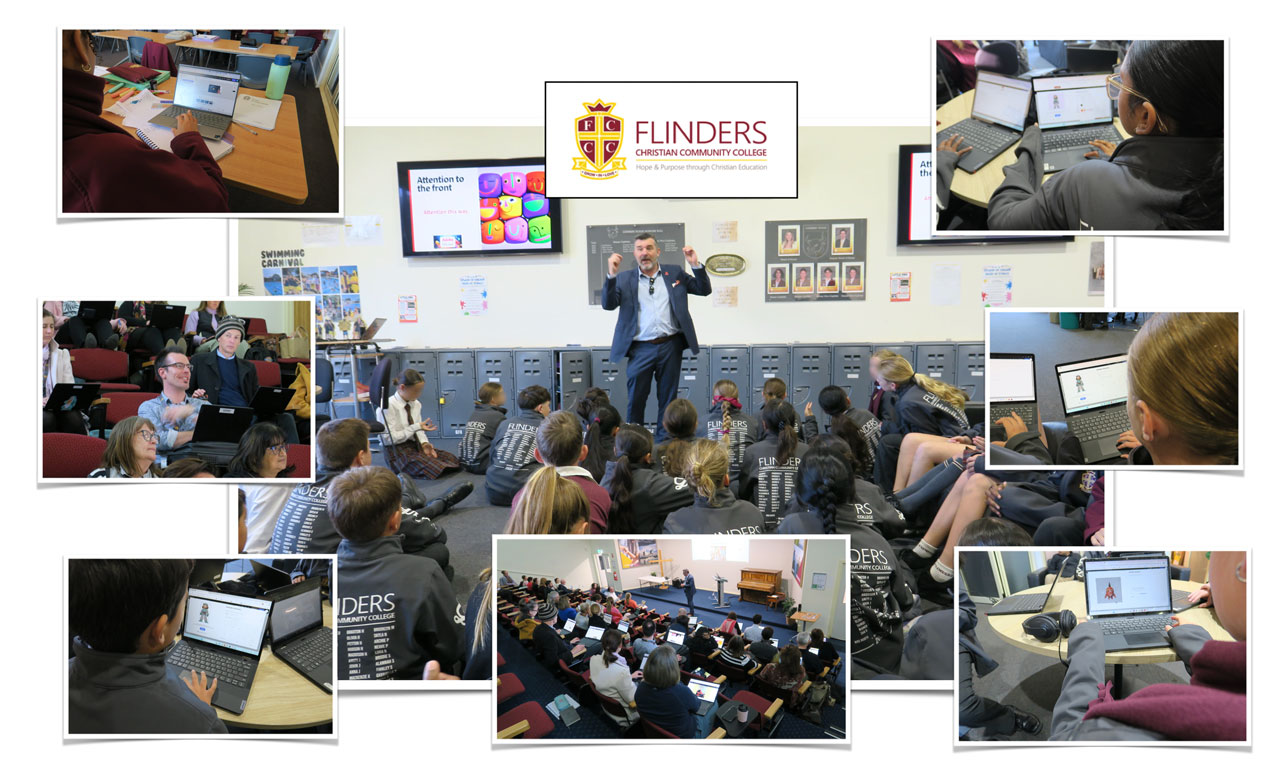
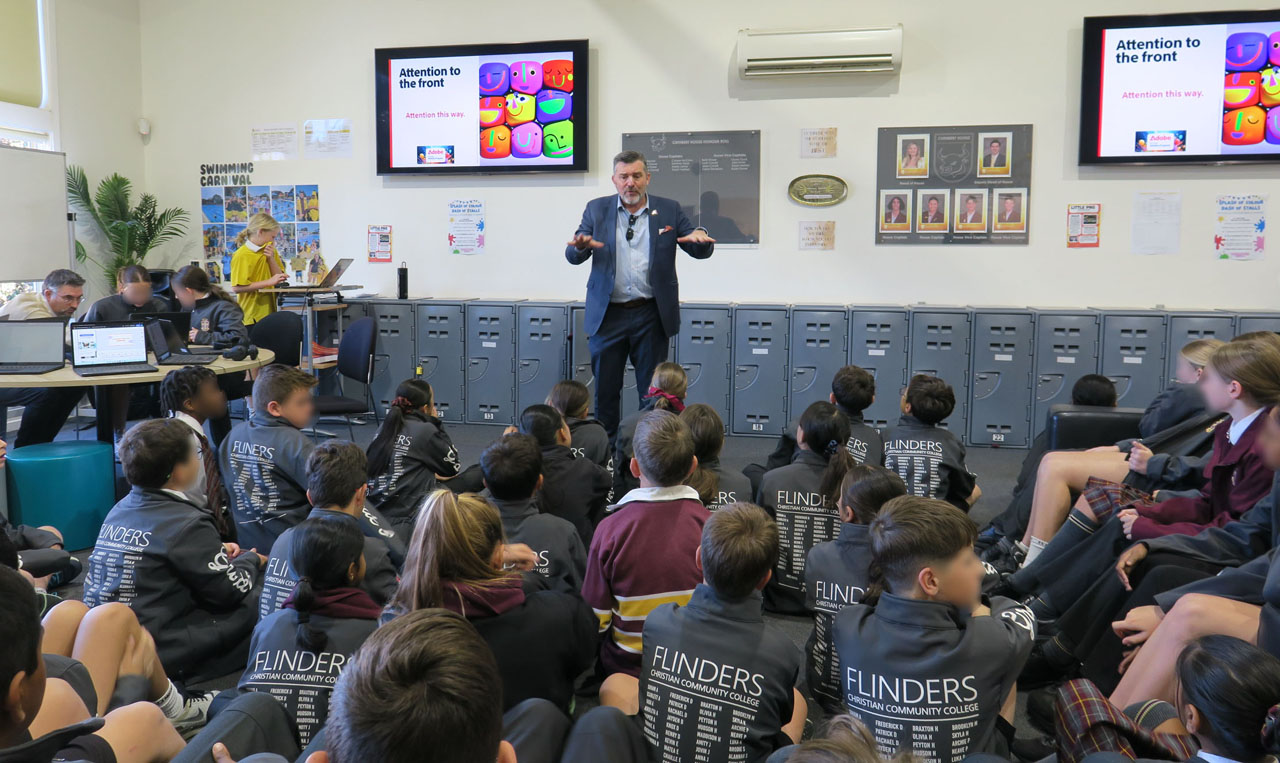
On Tuesday, 20th May, I had the pleasure of spending a day at the Carrum Downs and Tyabb campuses Flinders Christian Community College in regional Victoria. At Carrum Downs, I worked with all the Year 6 students, introducing them to Adobe Express as a tool for creating creative videos and animations.
Later, I traveled to the Tyabb campus, where I engaged with a Year 9 science class before joining all the Year 5 students. It was delightful to see the growth of this school since the last time I visited in the early 1990s when my wife was teaching there.
After school, over 50 teachers from multiple campuses participated in the Adobe Creative Educator Level 1 course. It was wonderful to see a mix of primary and secondary teachers focusing on the importance of creativity across all curriculum areas and levels.
A personal highlight for me was catching up with Mark Hamilton (Head of Secondary), a former colleague of mine from Strathcona, and also spending the day with Adobe Creative Educator Matt Smith. Matt was instrumental in organising this event and is currently the acting principal of the primary school at the Tyabb campus.
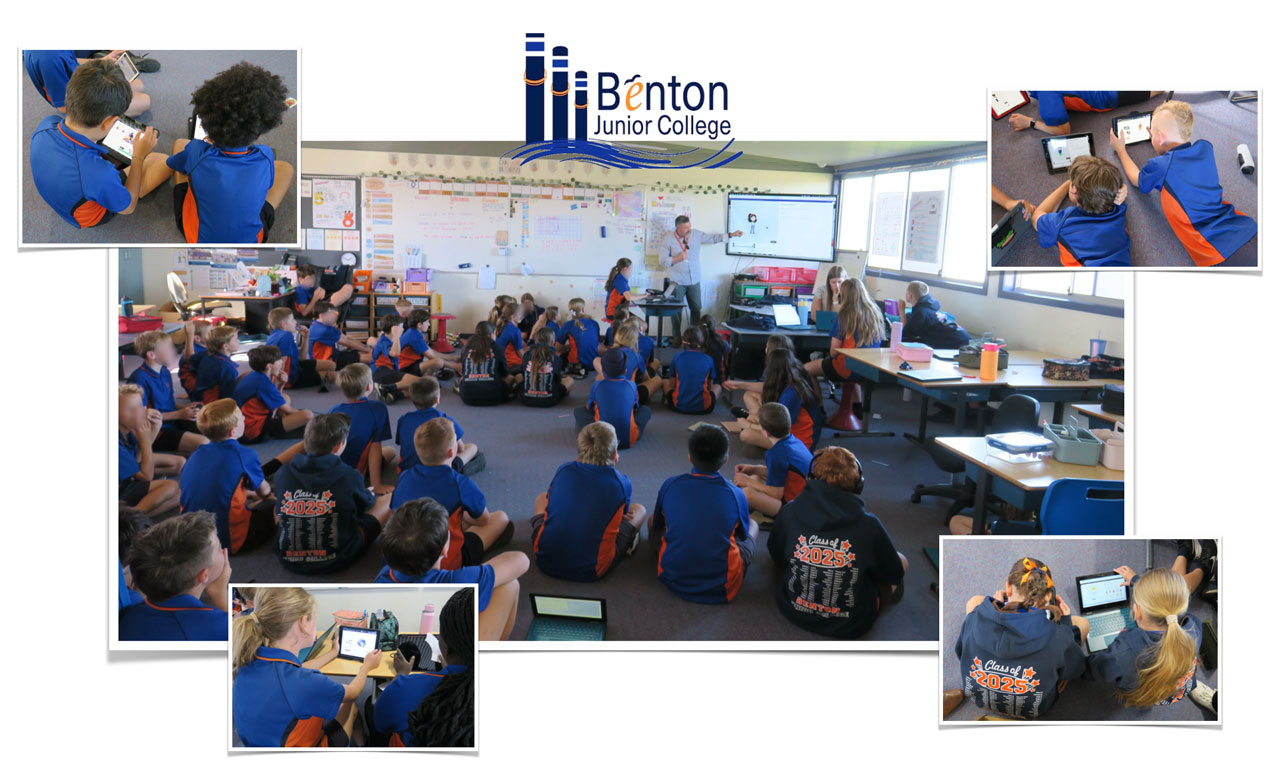
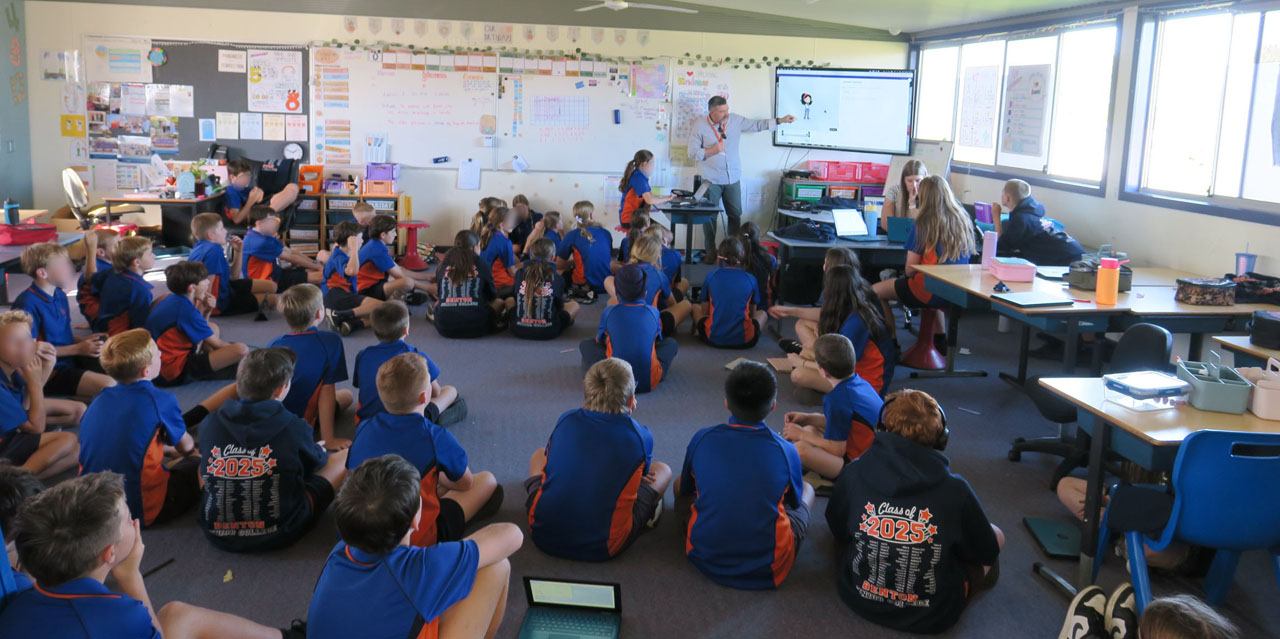
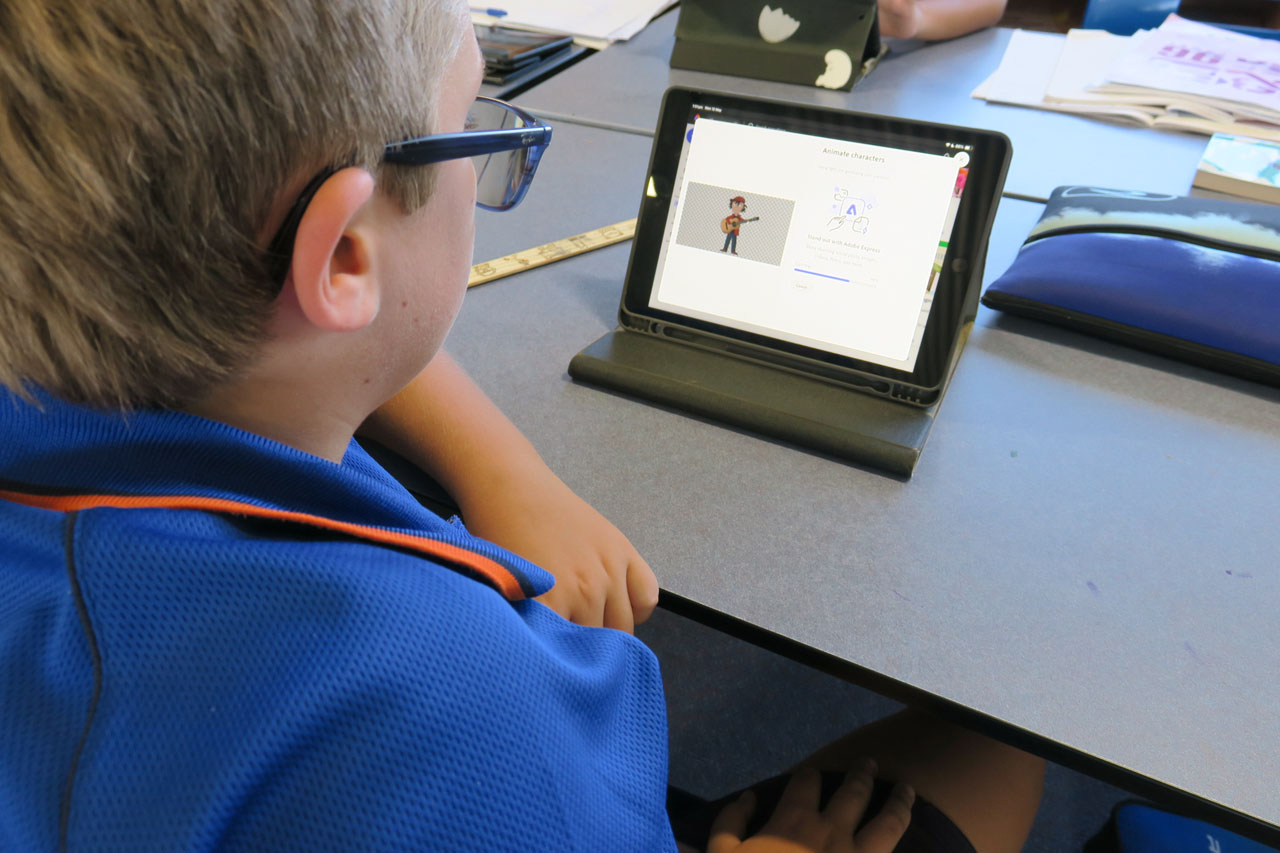
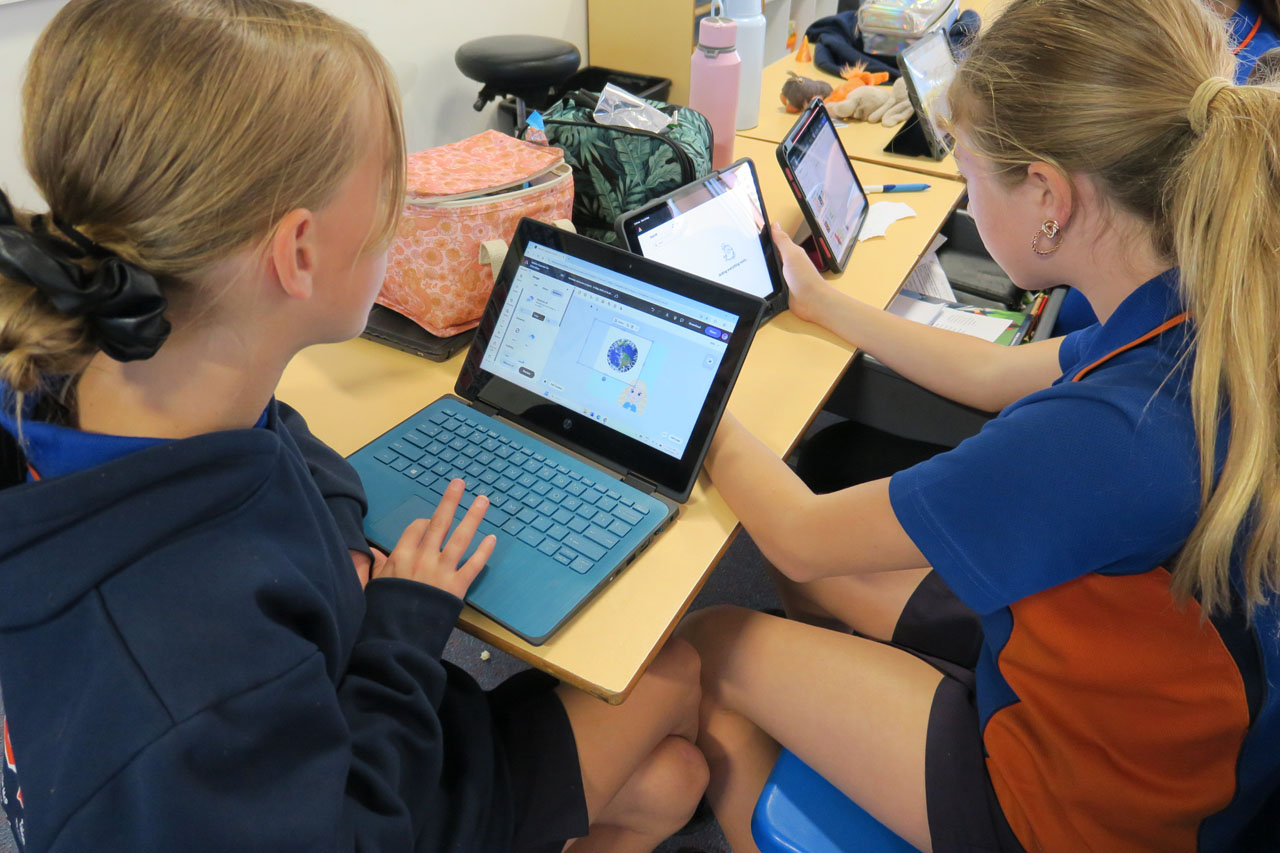
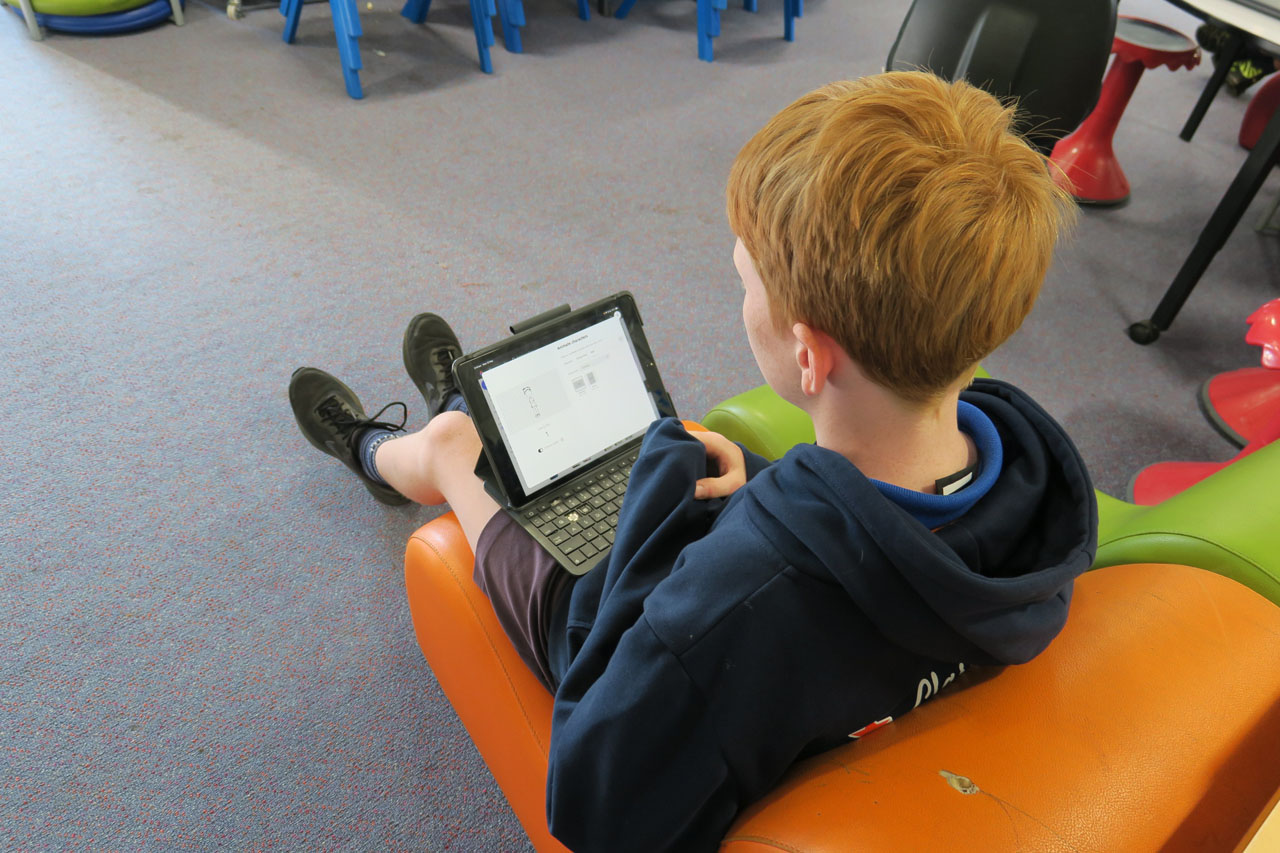
On Monday 12th May 2025, I visited all the Yr 6 classes at Benton Junior College on Victoria’s Mornington Peninsular for an Adobe Day.
Adobe Days are opportunities for schools to have a member of the Adobe Education team visit and run class activities based around the use of Adobe Express to enhance digital literacy and creativity skills within a range of curriculum areas. Find out more via here.
Benton Junior College is named in honour of the Benton family, early settlers who arrived in the Mornington area in the mid-19th century and contributed significantly to the local community.
A special thank you to Year 6 teacher Jodie Brasher for organising this day.
On Thursday 8th May, I had the pleasure of visiting Morisset High School in NSW to run an Adobe Day with their Year 7 & 8 English classes where the students were introduced to some of the things that can be created with Adobe Express.
Morisset High is a public secondary school located in the southwestern shores of Lake Macquarie, New South Wales near the Hunter Valley. Approximately 22% of its students identify as Aboriginal and Torres Strait Islander, and the school supports these students through the Itji-Marru Aboriginal Education Resource Centre, which is where we ran the Adobe Day.
The students created some wonderful video animations and were encouraged to keep using Adobe Express as a tool for a wide range of future publications.
A very special thank you to Rhianna Long for organising this day of digital creativity.
The University of Newcastle proudly hosted the 2025 Big Day In event for secondary school students across the Hunter Valley and regional New South Wales. More than 350 students attended to hear from leading IT professionals representing organisations such as Adobe, the Australian Defence Force, Microsoft, the Australian Signals Directorate, and Westpac.
The event was opened by Professor Craig Simmons, Pro Vice-Chancellor of the College of Engineering, Science and Environment and Sharon Claydon MP, Federal member for Newcastle and deputy Speaker of the House of Representatives.
Sharon Claydon MP & Dr Tim Kitchen
I had the privilege of presenting insights from Adobe and the World Economic Forum on generative AI in education, along with the skills students will need to thrive in the future workplace. I also conducted a live Adobe Express demonstration, showcasing video and animation tools. Around 250 students accessed a curated set of my Adobe Express tutorial resources, bringing the total number of educators and students who have engaged with these materials to over 3,400.
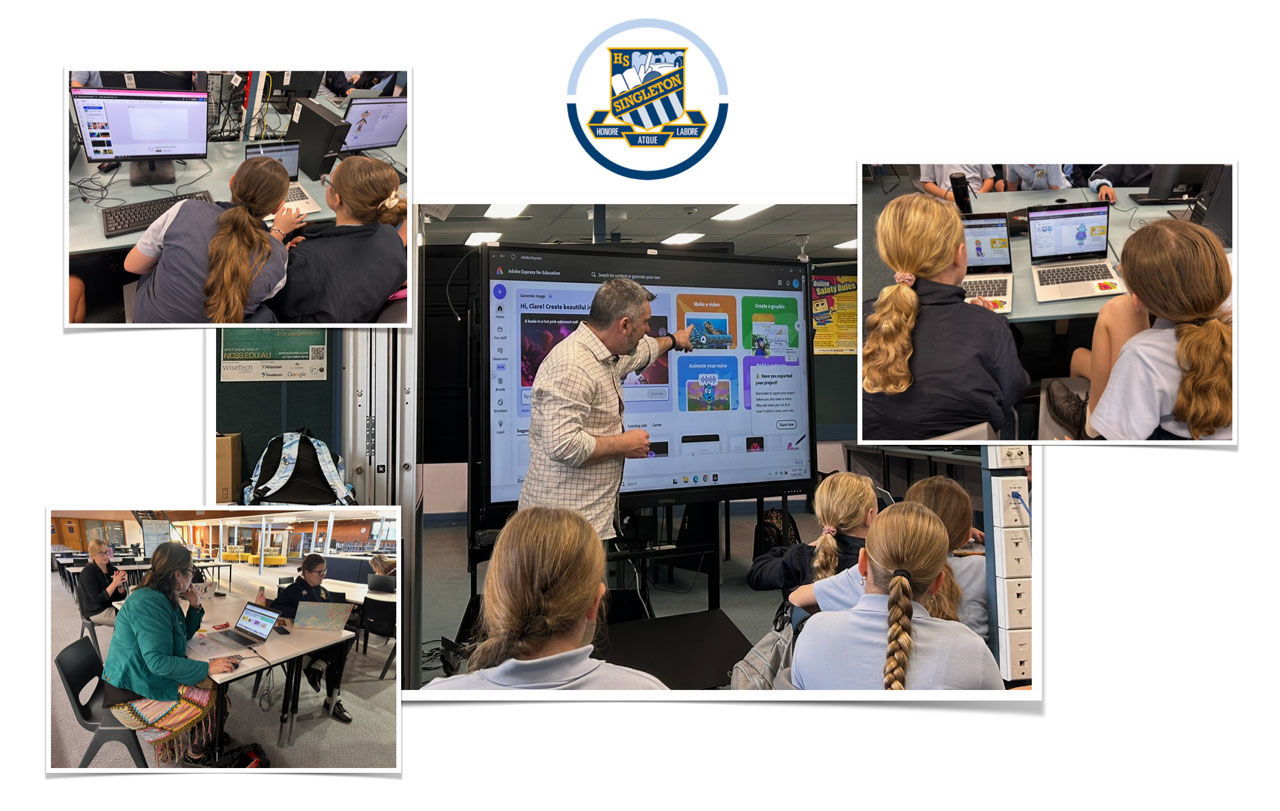
Singleton High School is located about an hour’s drive northwest of Newcastle in the Hunter Valley, regional NSW. On Monday, 5th May, I visited the school to conduct an Adobe Day with their Year 7 & 8 students and teachers.
During the visit, I introduced Adobe Express to the students and guided them in creating short video animations. The students quickly grasped the app and produced impressive results. The teachers were very impressed with the potential of Adobe Express as a tool they could utilize in various curriculum areas.
After school, I worked with a number of the teaching staff to graduate them through the Adobe Creative Educator (ACE) Level 1 course. These teachers joined the 1,956 ANZ teachers who are currently part of the ACE community.
I would like to thank Adobe Creative Educator – Leader Martin Gray (former teacher at Singleton High) and Dayna Cowmeadow (Deputy Principal) for organising this event and inviting me.
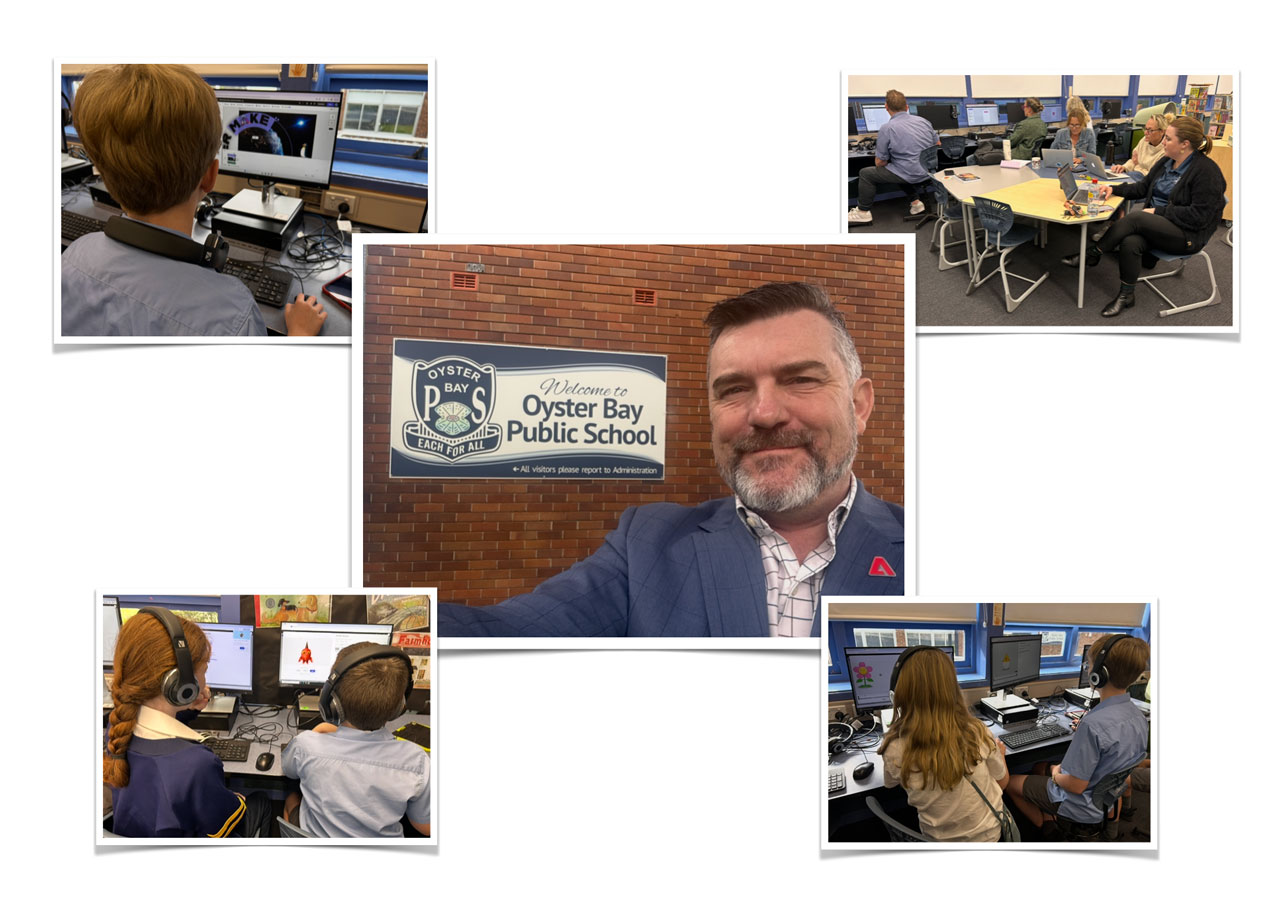
On Wednesday 30th April, I was invited to Oyster Bay Public School to work with their Year 3 to 6 students and teachers to help develop their digital literacy and creativity skills with Adobe Express.
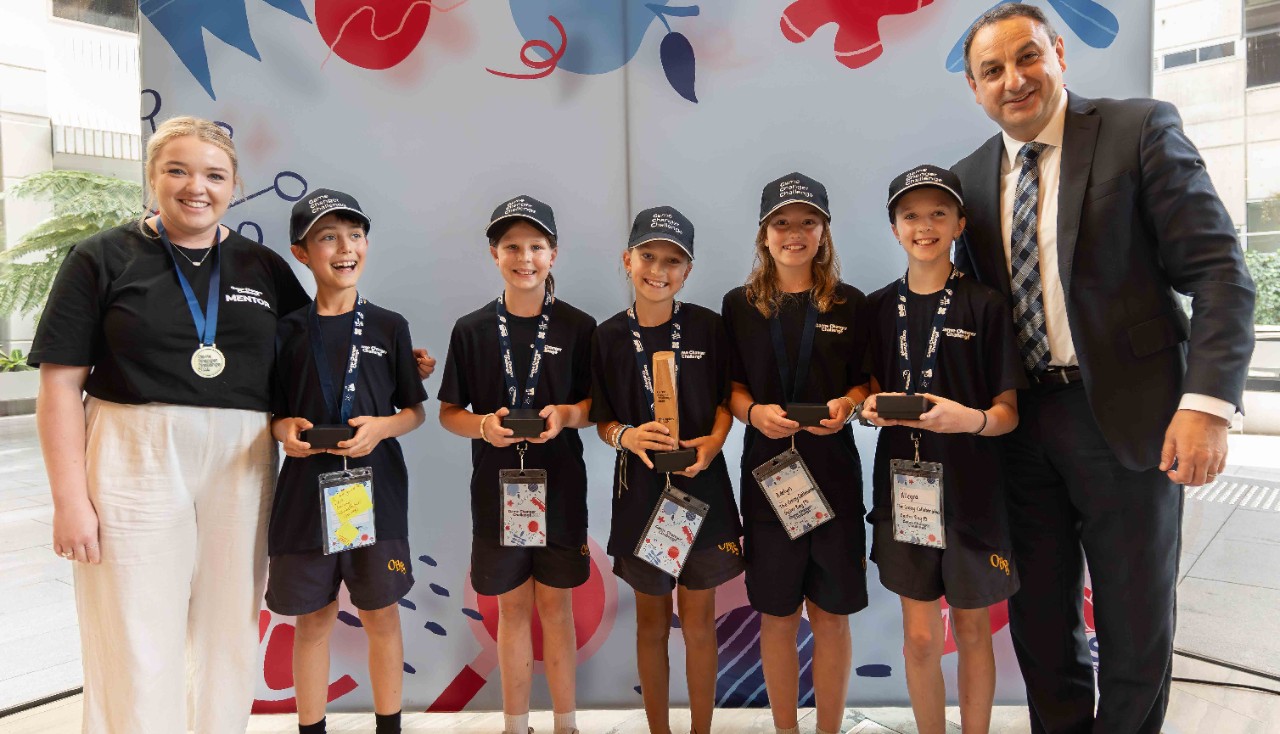
I first discovered this school in 2023 when a group of their Year 4 students (and their teacher Ashley Napier) won the Primary School section of the NSW Department of Education Game Changer Challenge Final, beating a range of older Year 5/6 groups. Watch the video on this link to find out more.
Primary Champions: The Crazy Collaborators from Oyster Bay Public School. Photo credit: AM Visuals.
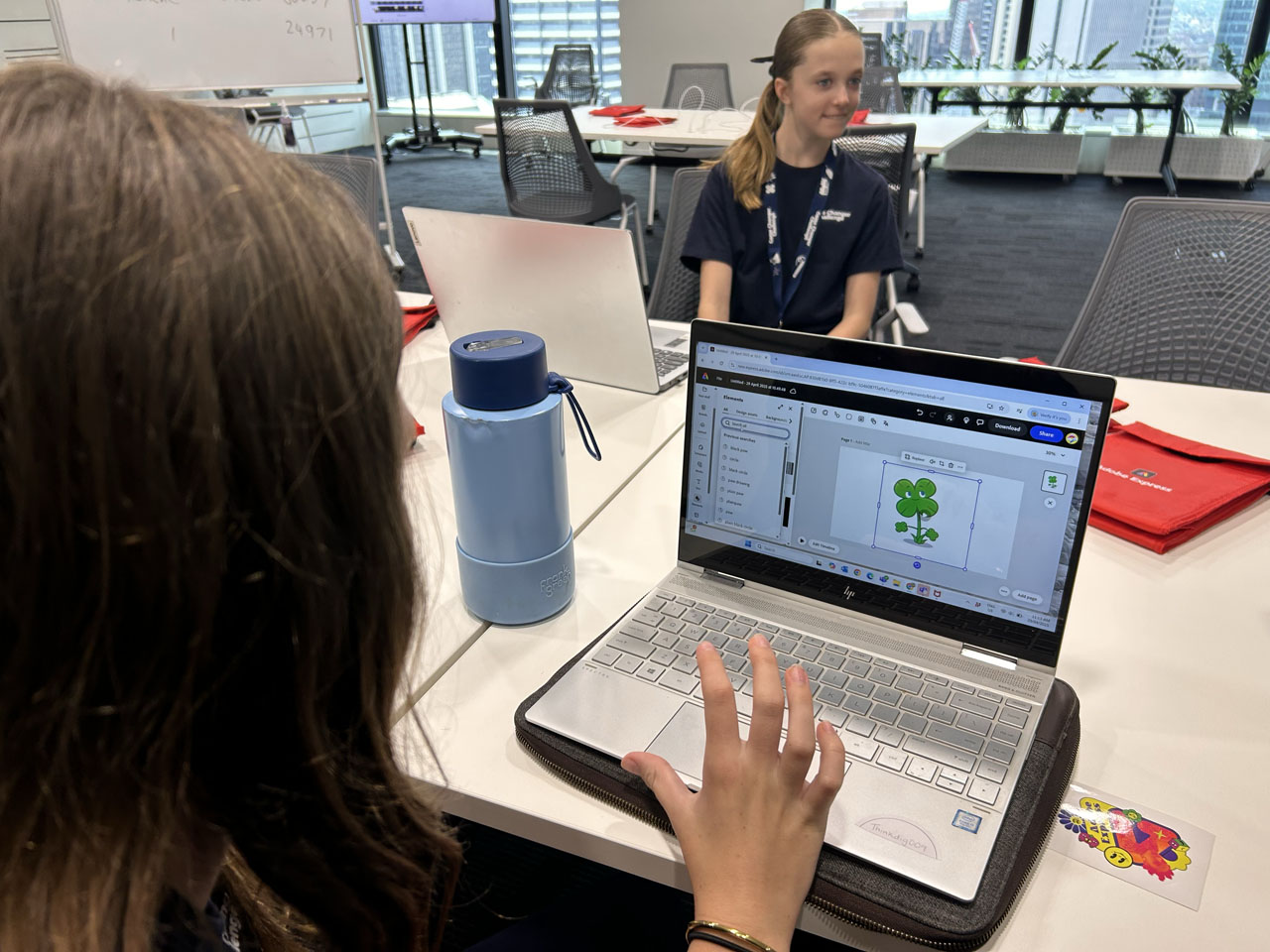
Ashley and the school principal Mat Egan organised for these talented students (who are now in Year 6) to visit me at the Adobe Sydney Office the day prior to my visit to their school. We spent a couple of hours learning some new techniques with Adobe Express and had a tour of the office.
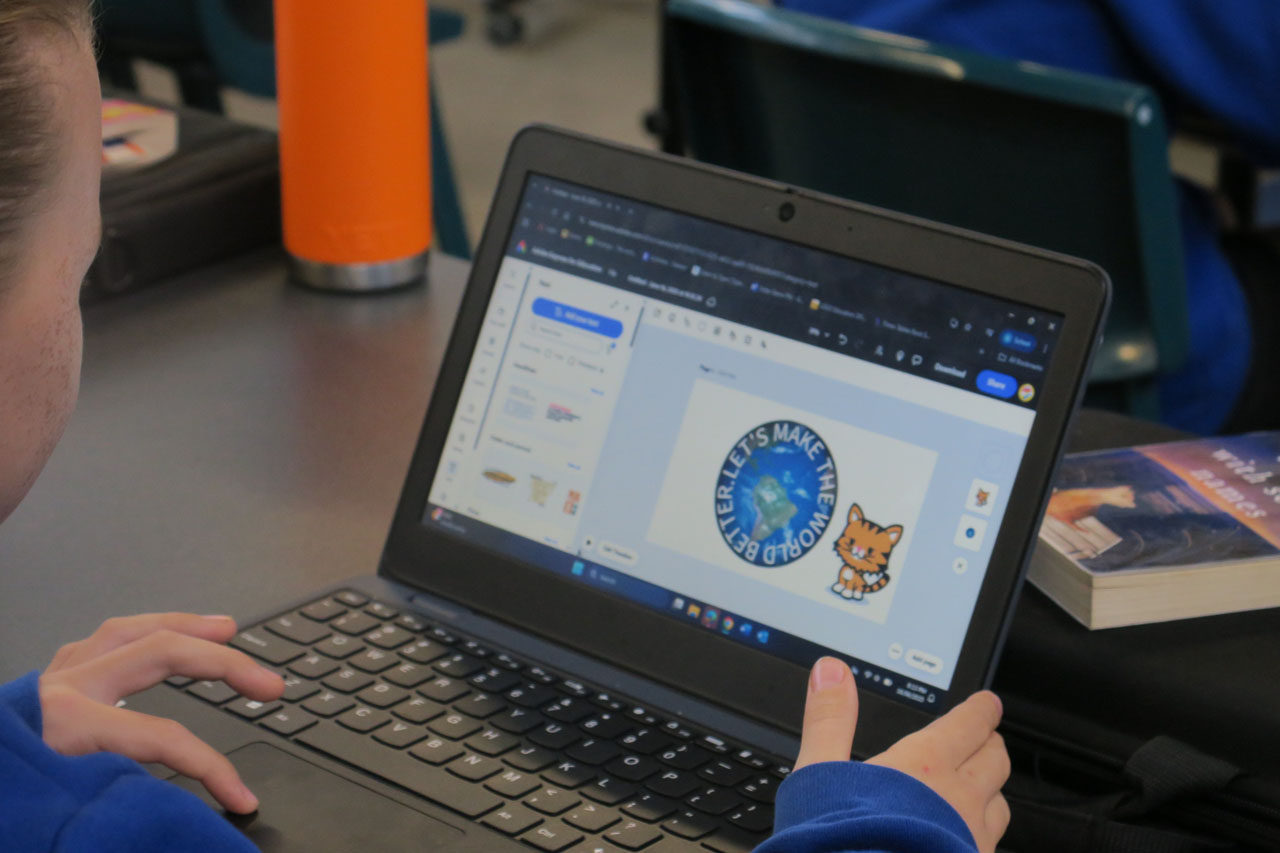
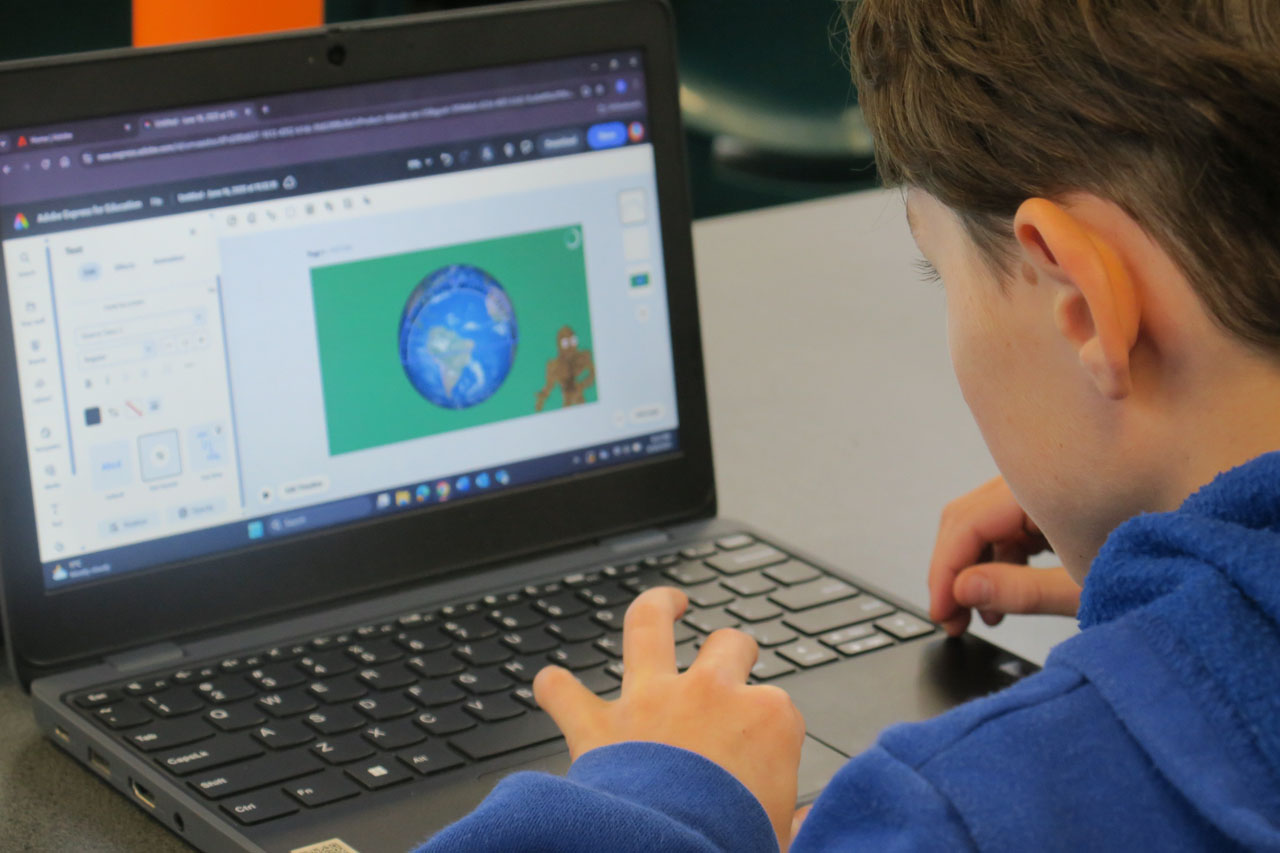
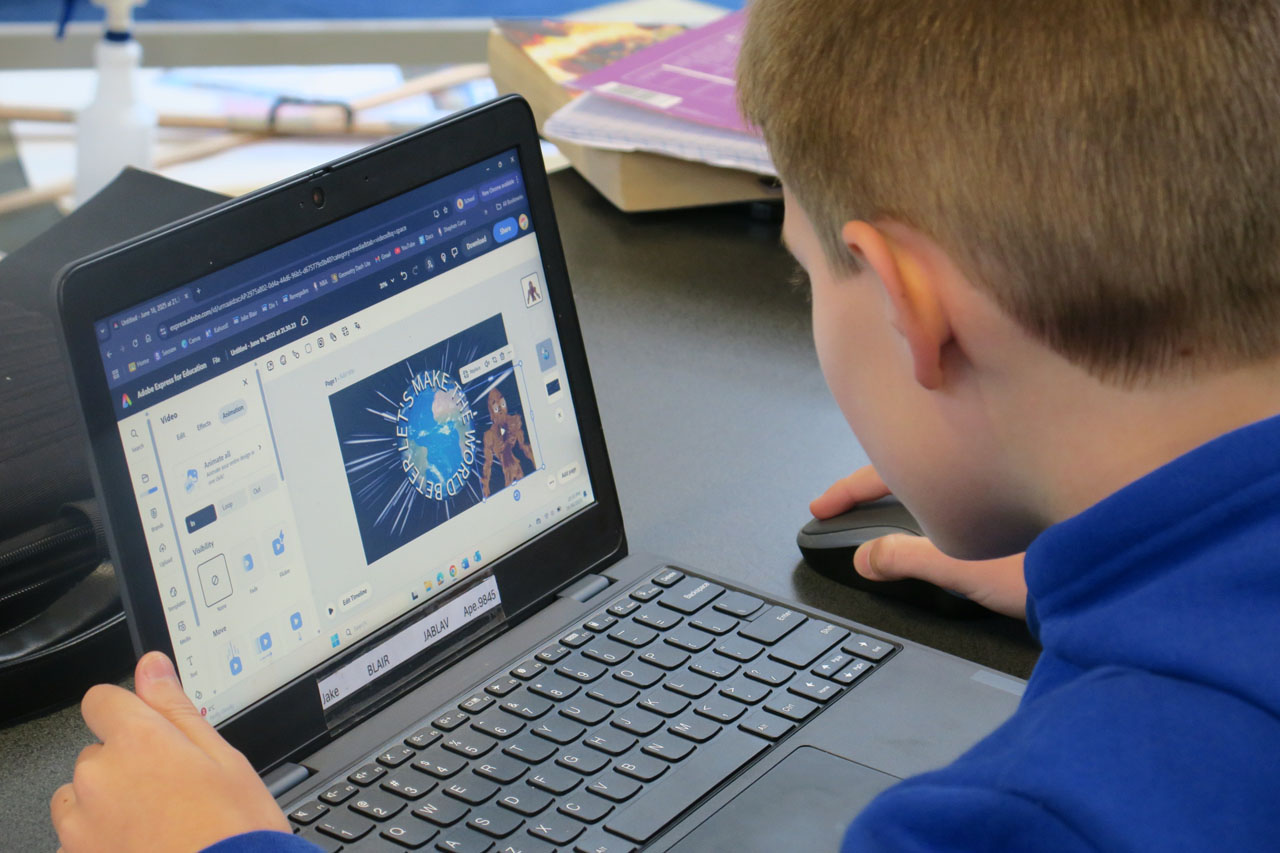
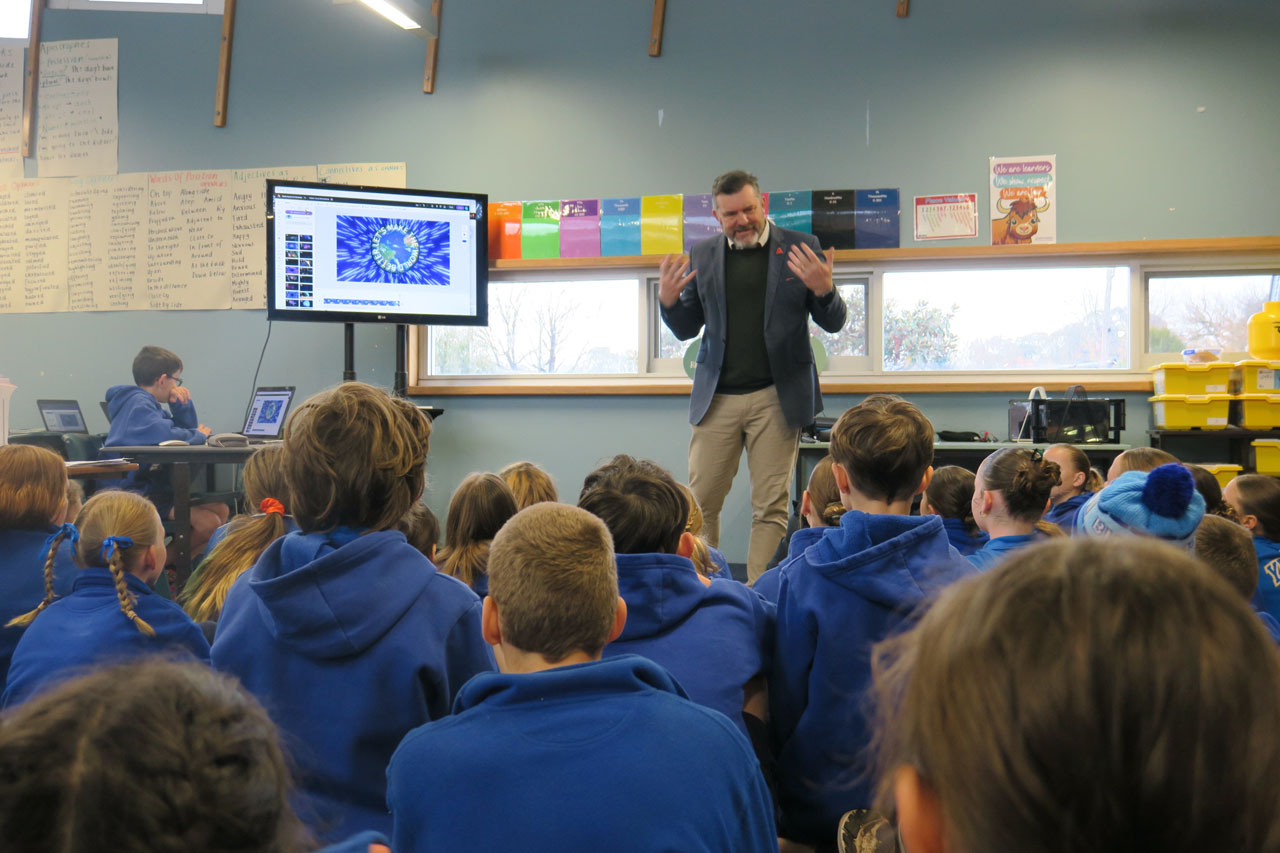
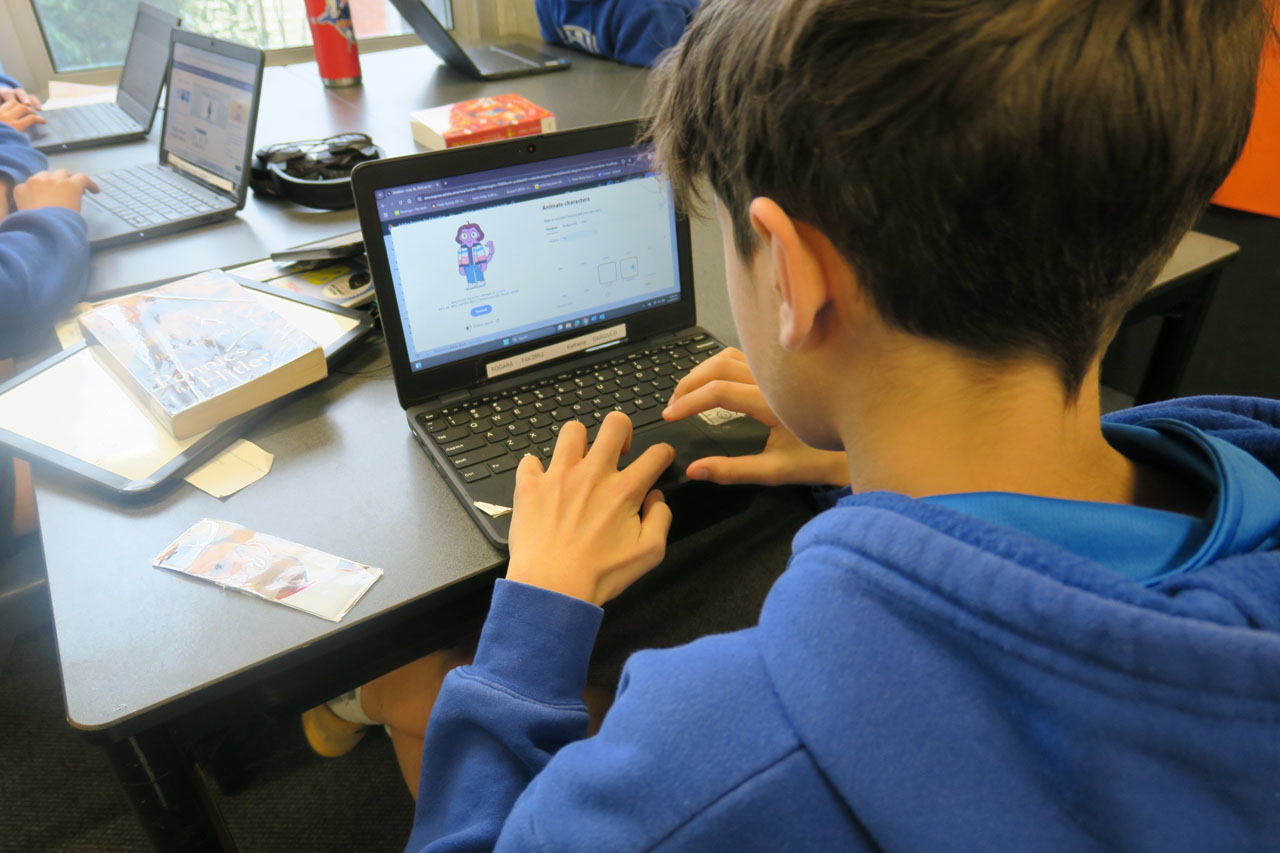
It was delightful to visit the Oyster Bay Public School and work with just about every student from Year 3 to 6 where I set them all a design challenge to create an animated video with Adobe Express based on making the world a better place.
After school, I ran many of the teaching staff through the Adobe Creative Educators Level 1 micro-credential course.
I would like to thank Principal Mat Egan and Ashley Napier for organising this special incursion event for their school.
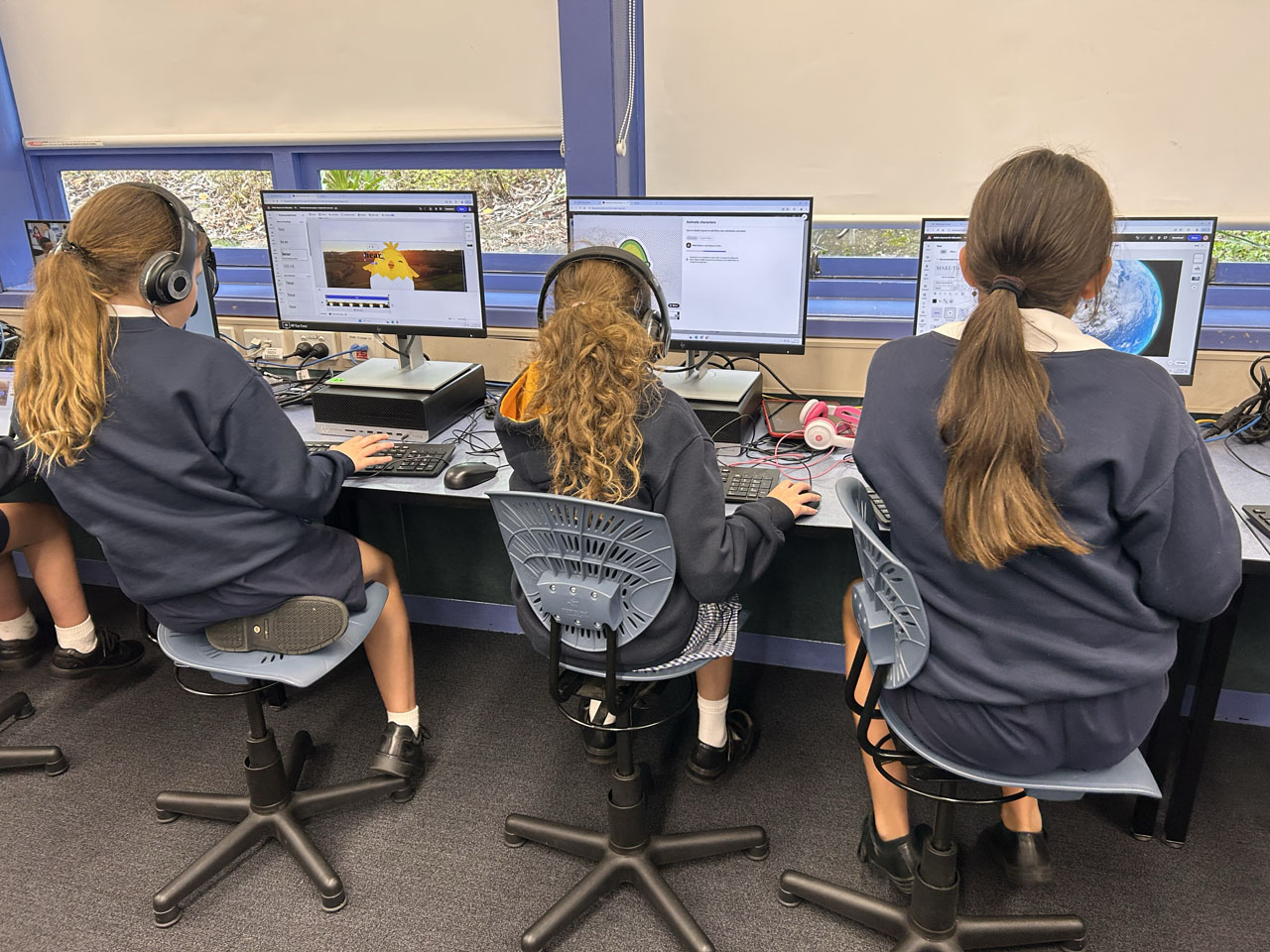
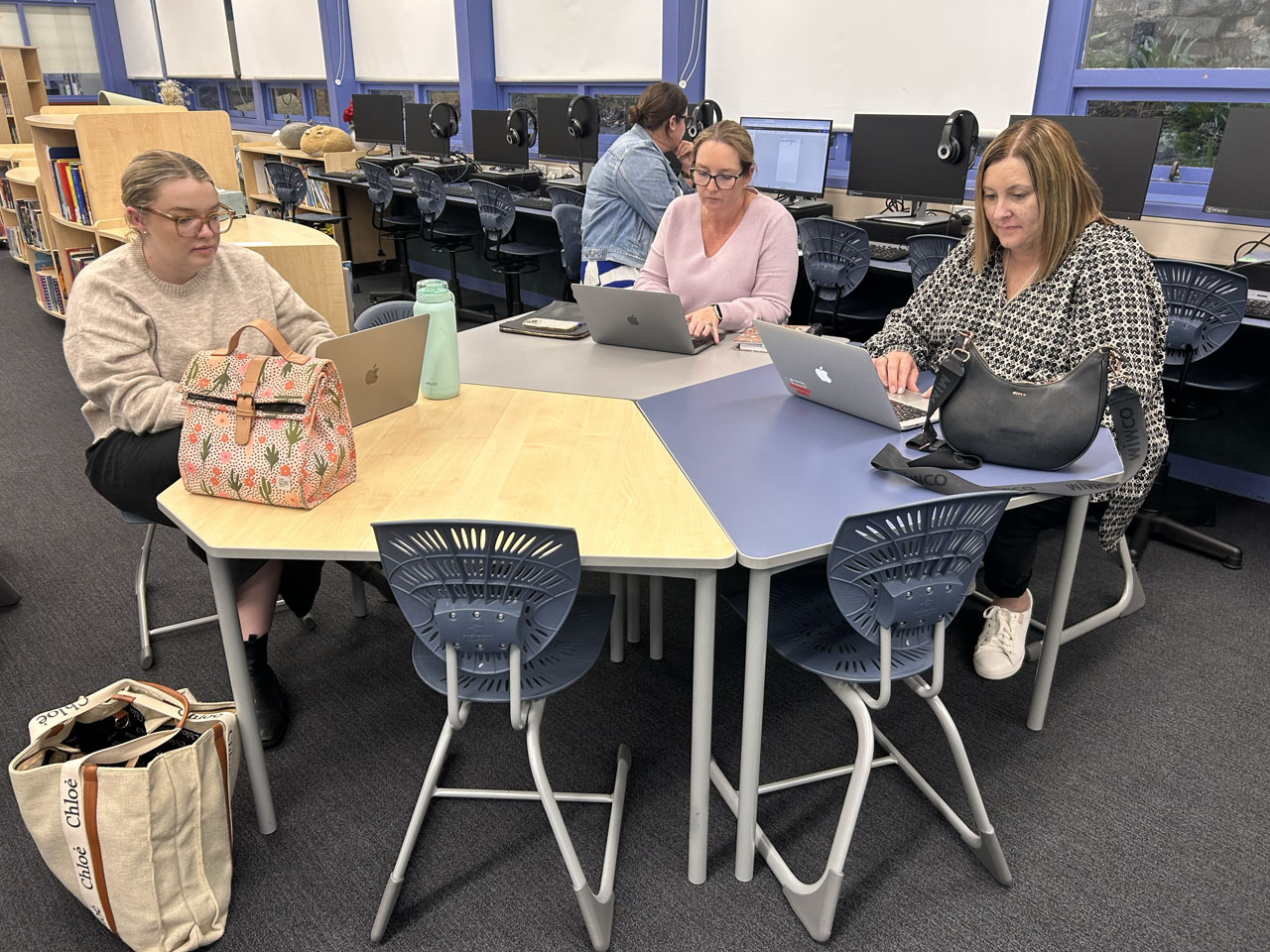
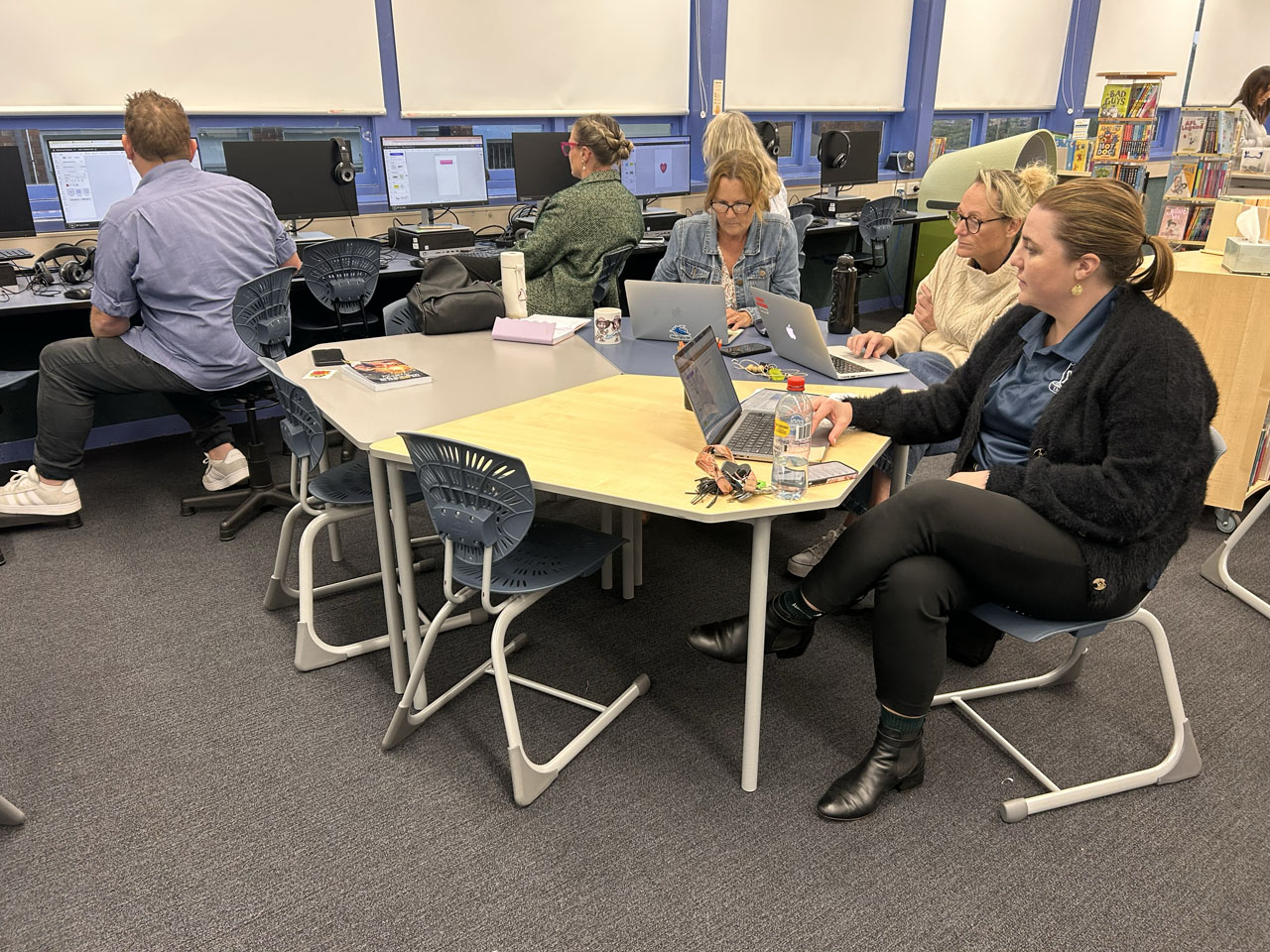
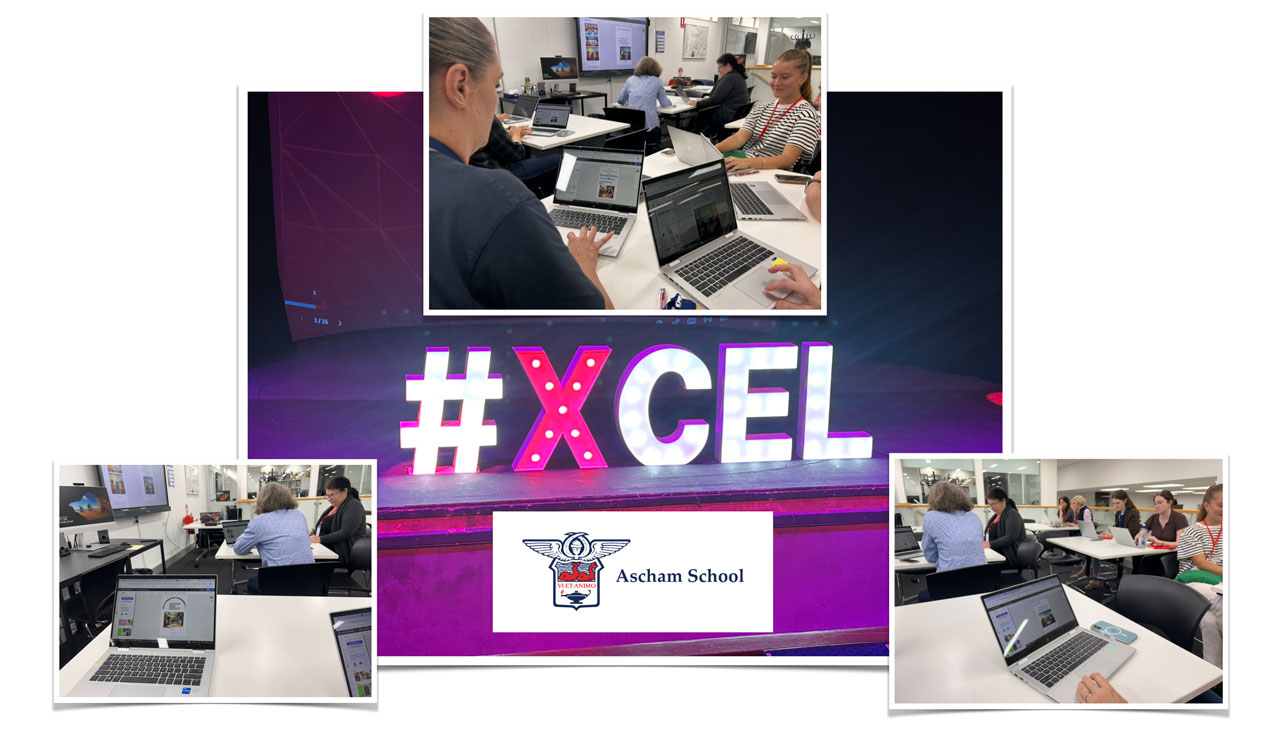
On Monday, 28 April 2025, Ascham School ran a special professional learning conference for their teaching staff called TechXcelerate.
Ascham School is a prestigious independent, non-denominational day and boarding school for girls, located in Edgecliff, an inner eastern suburb of Sydney. Established in 1886, the school has a long-standing tradition of academic excellence and holistic education.
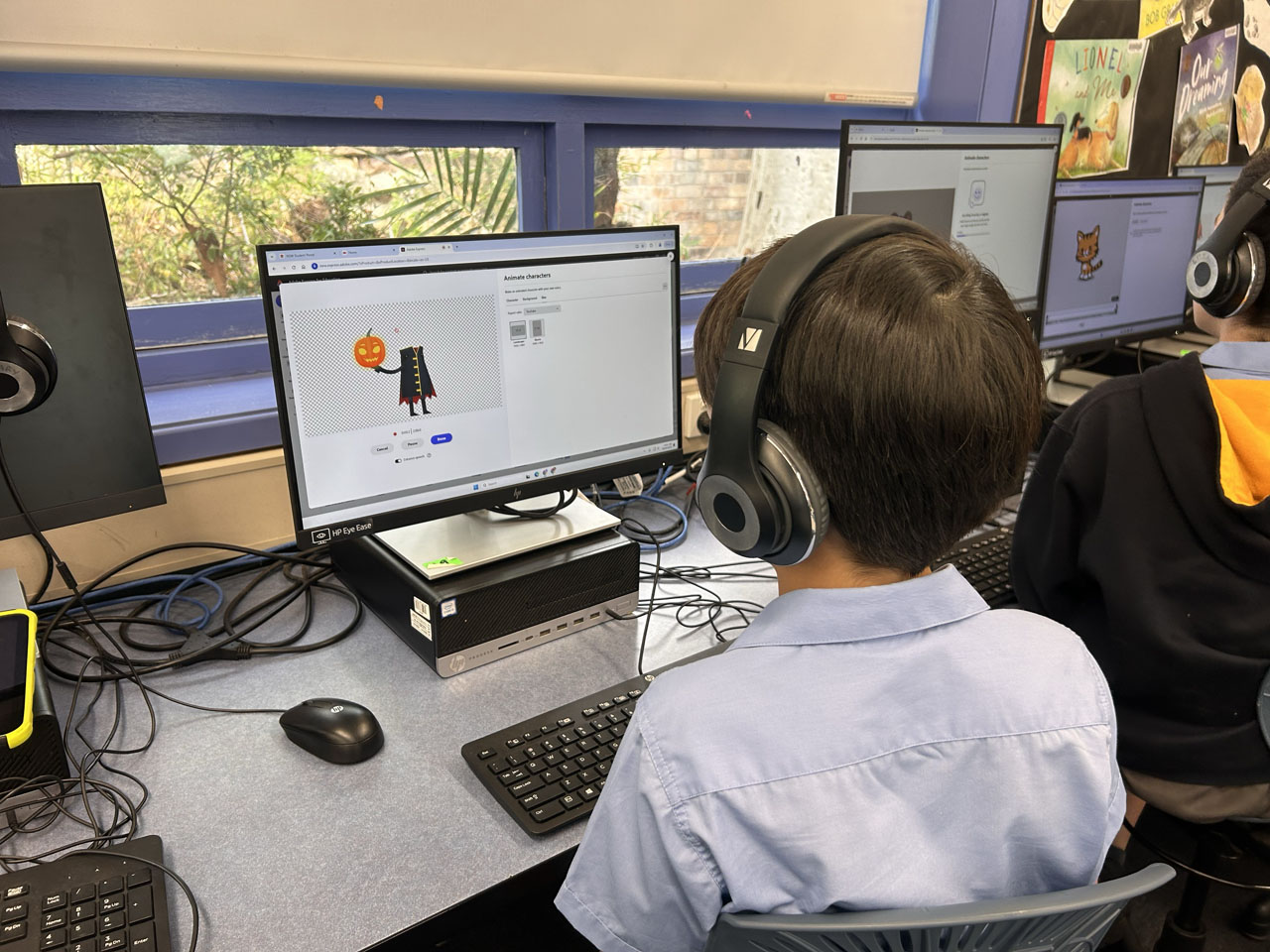
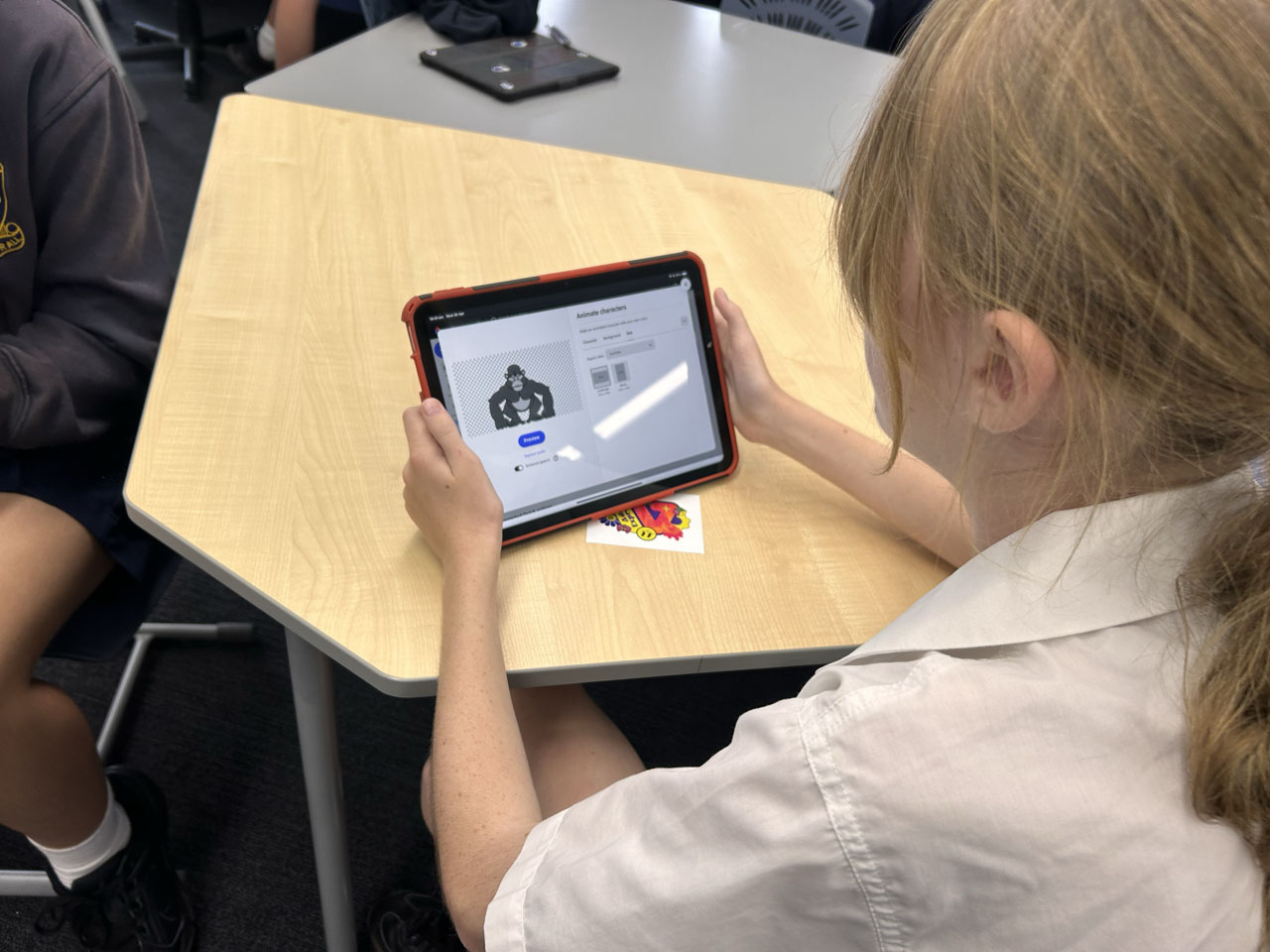
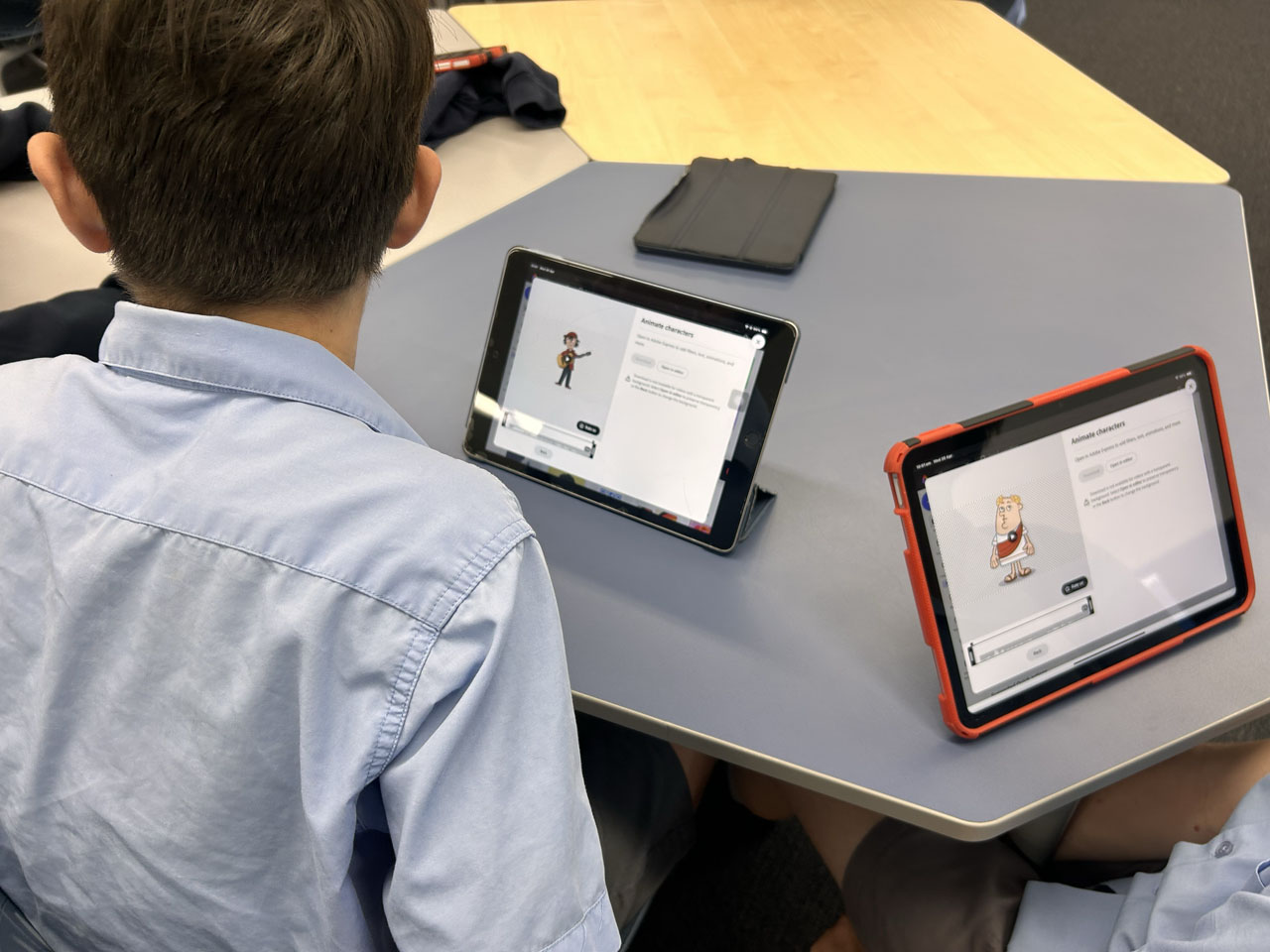
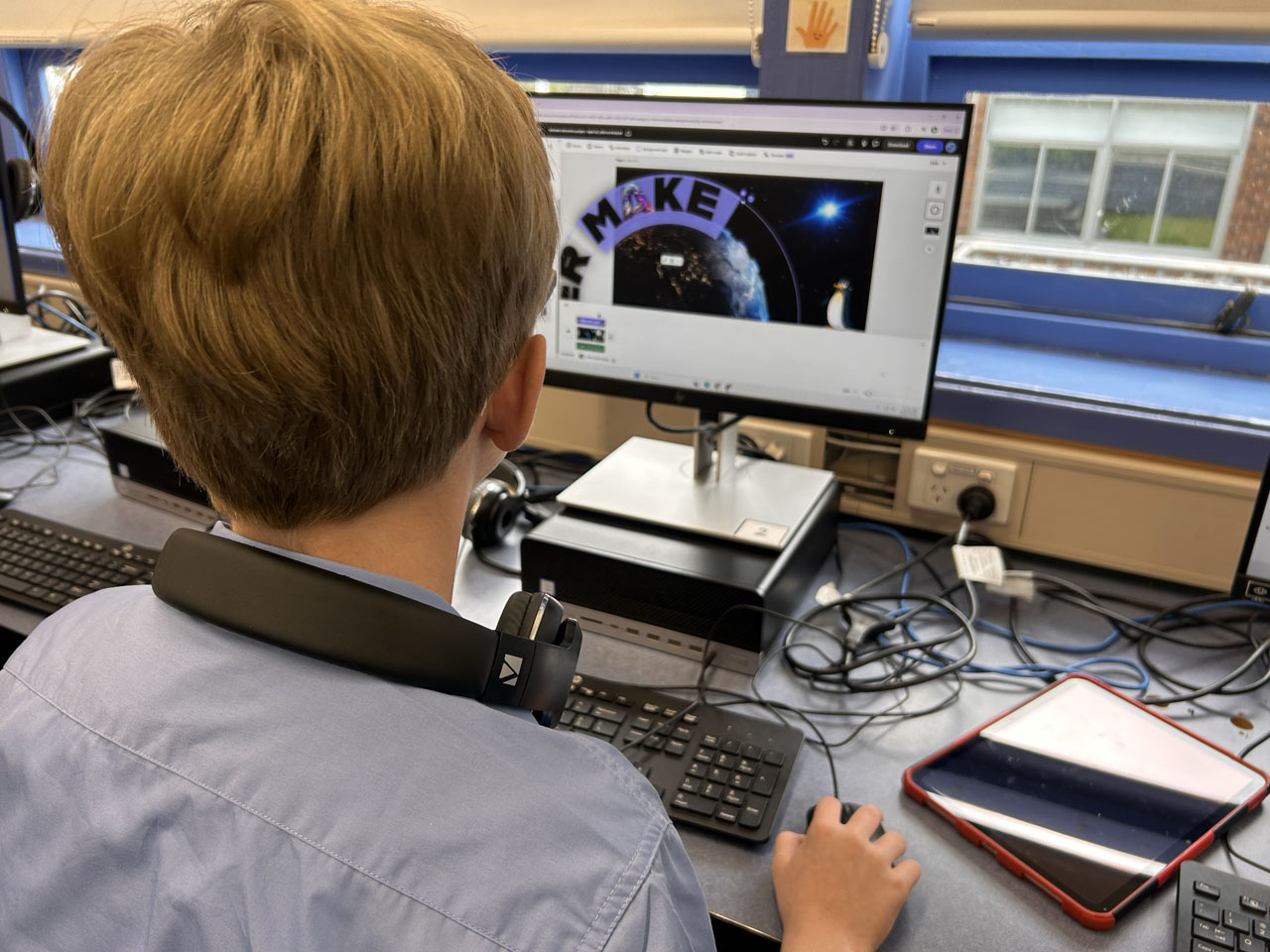
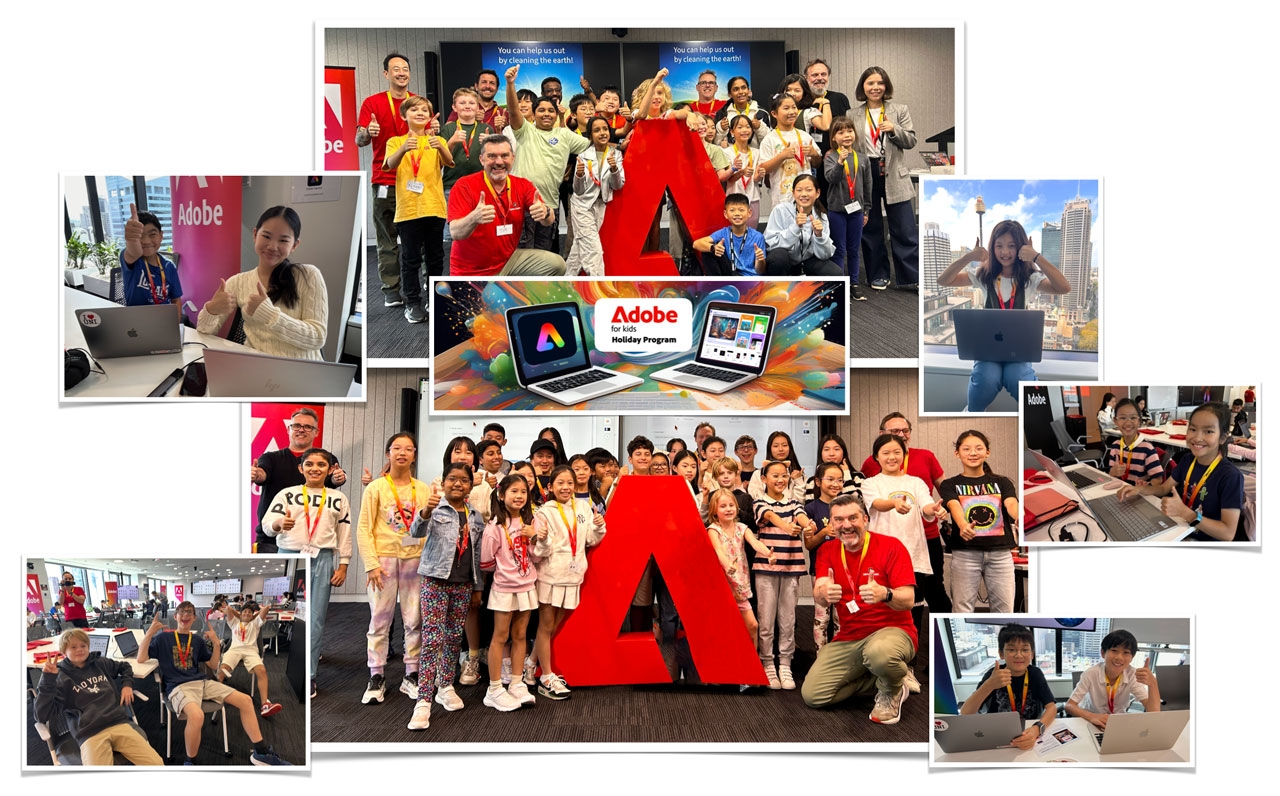
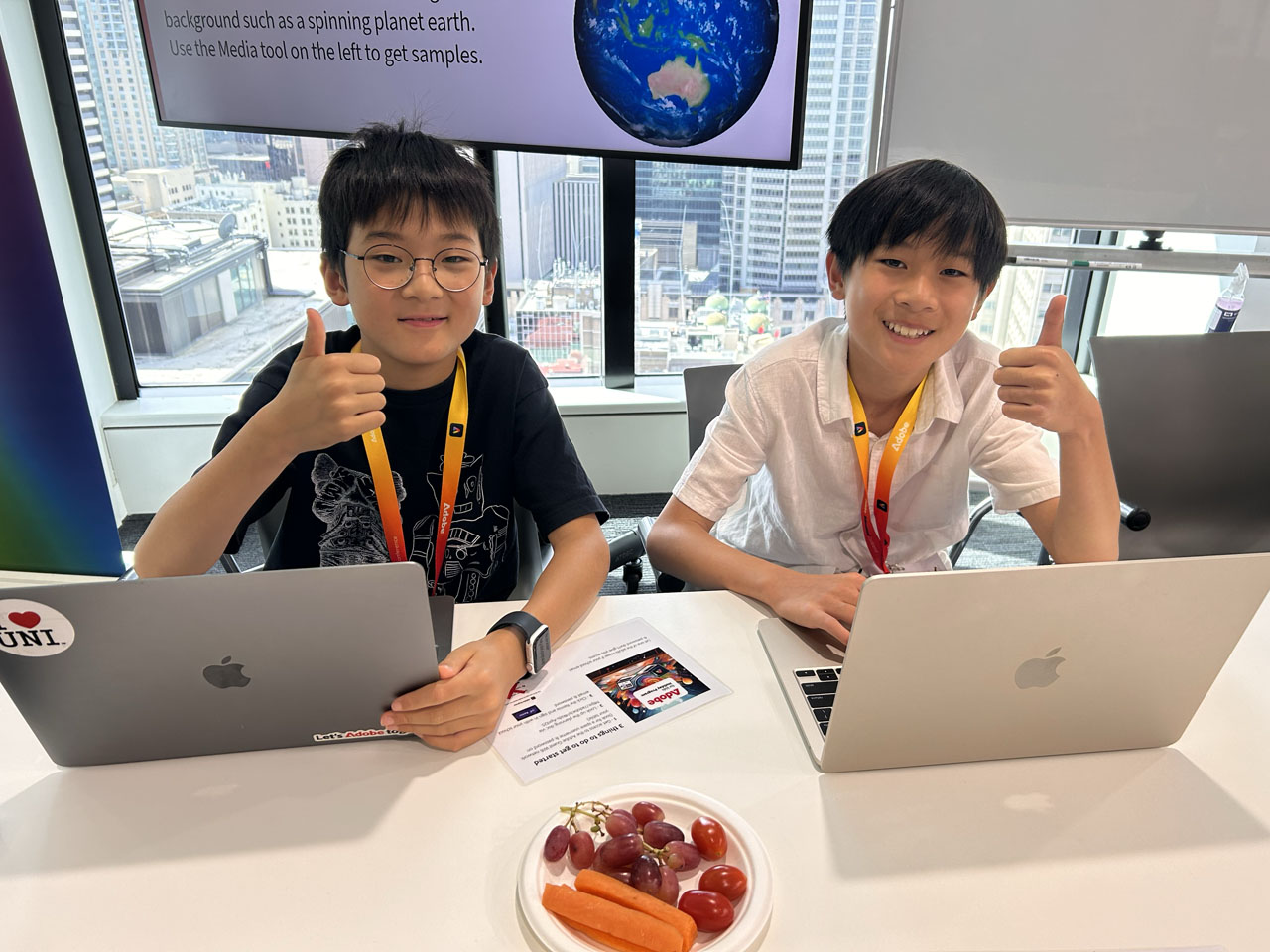
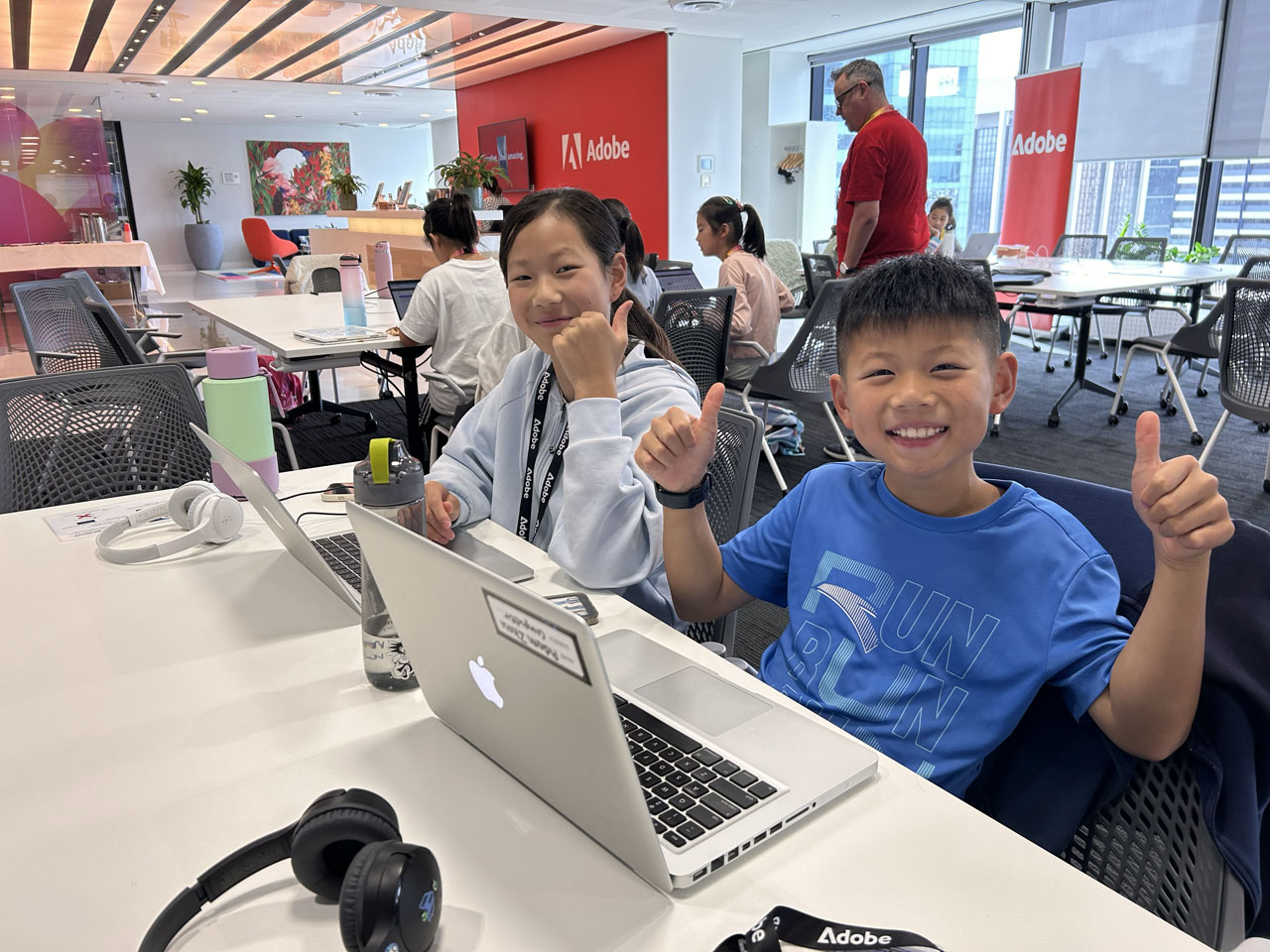
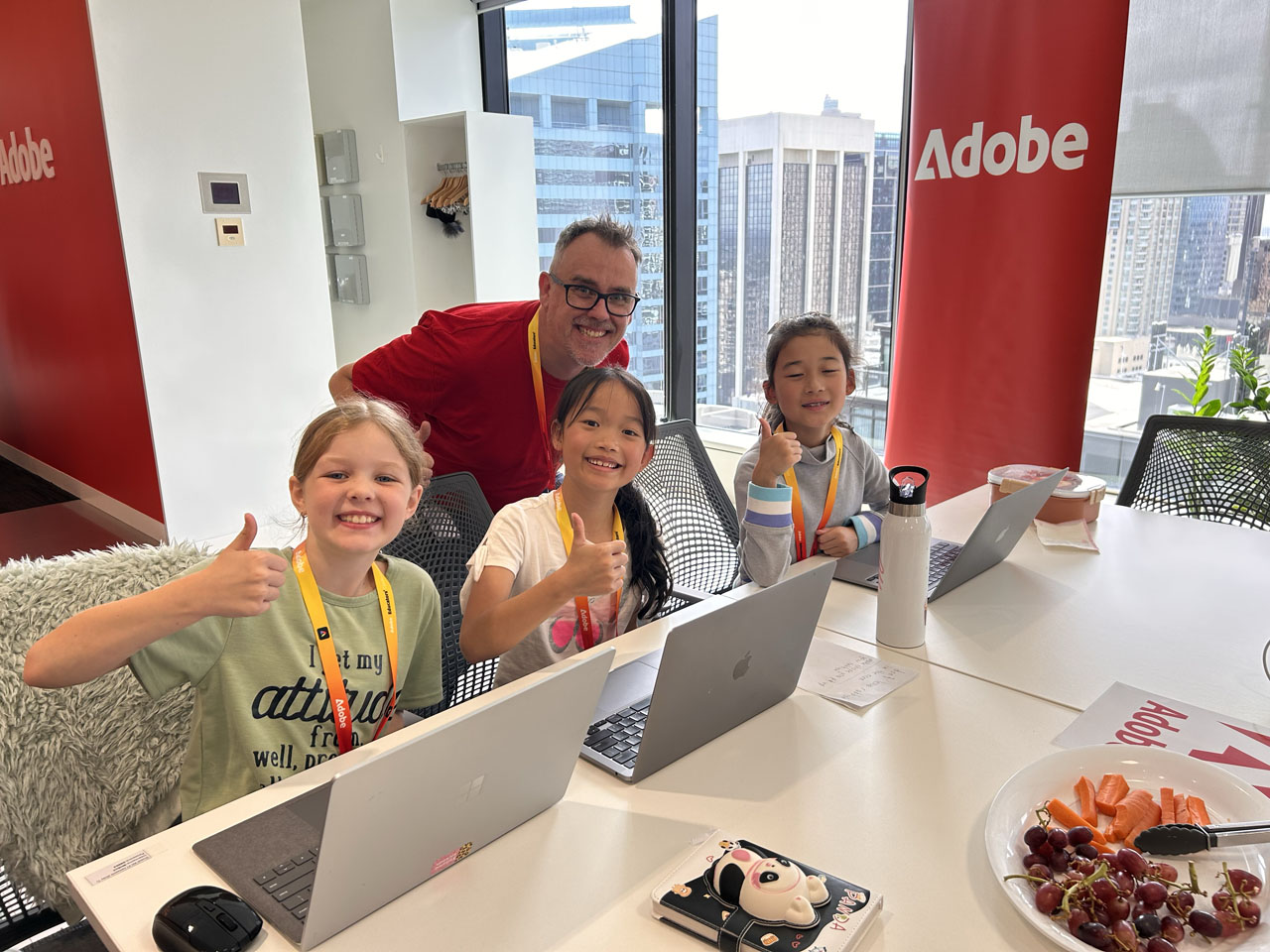
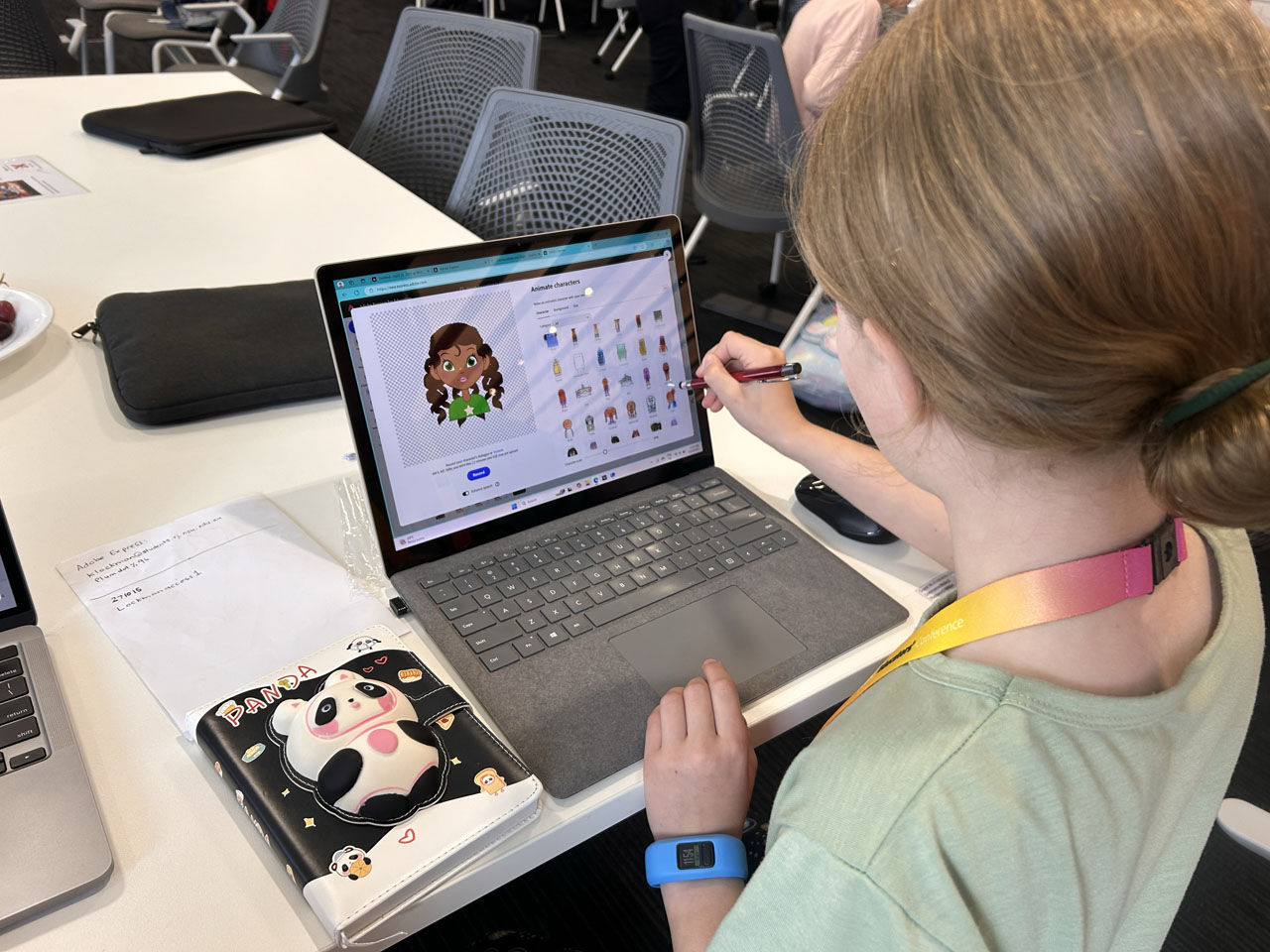
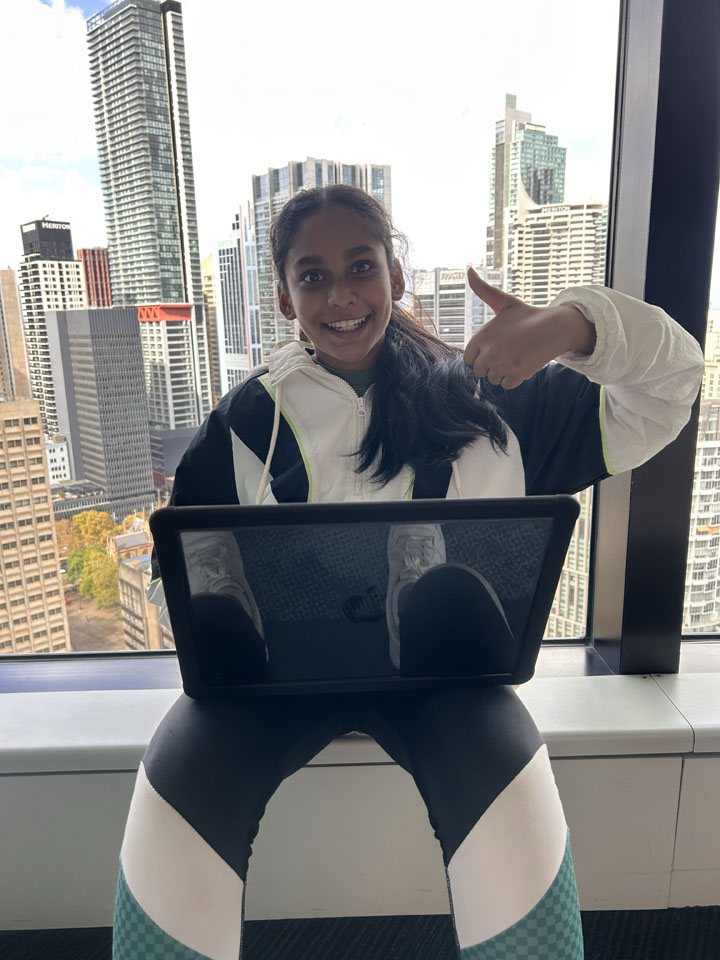
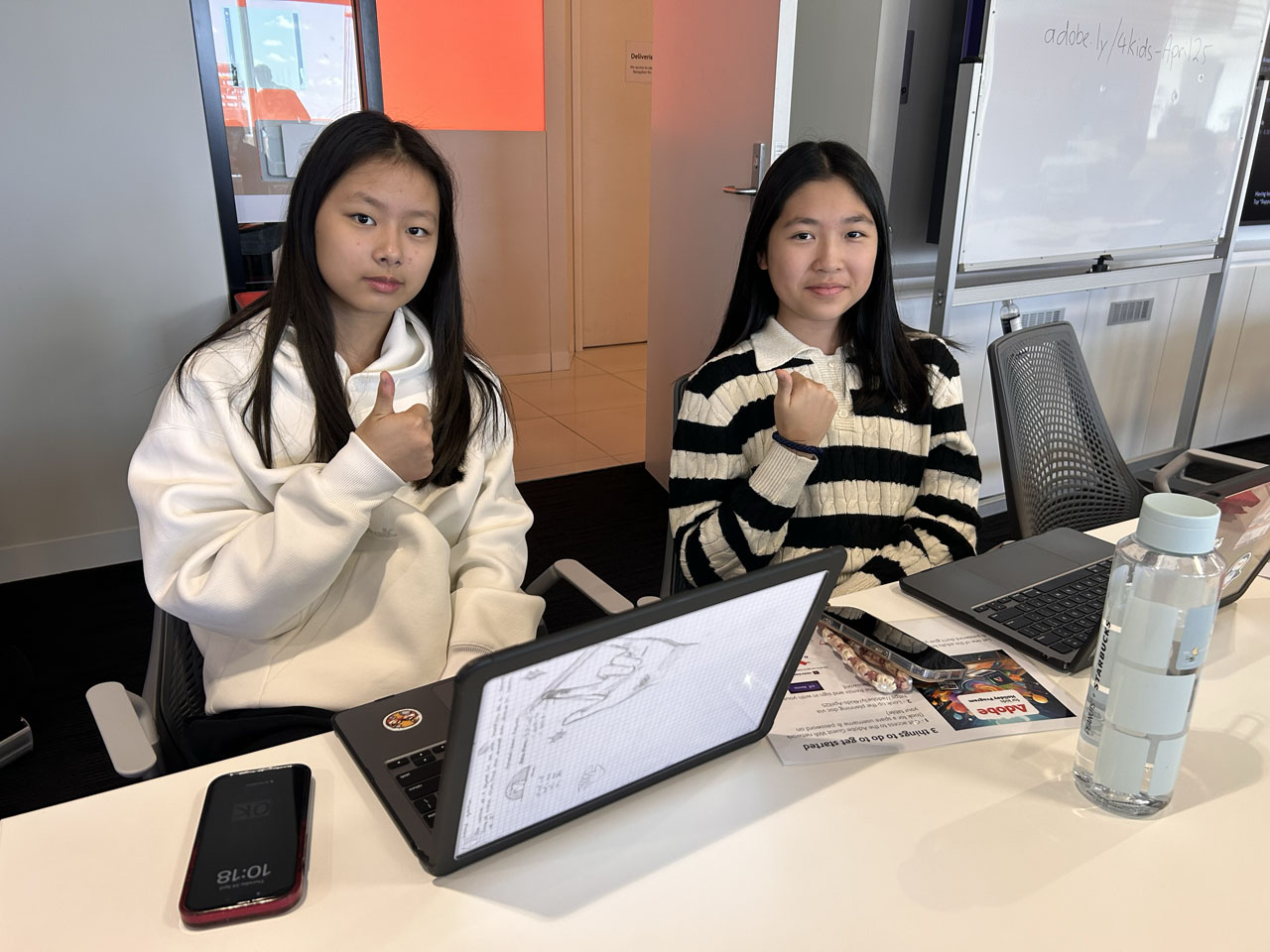
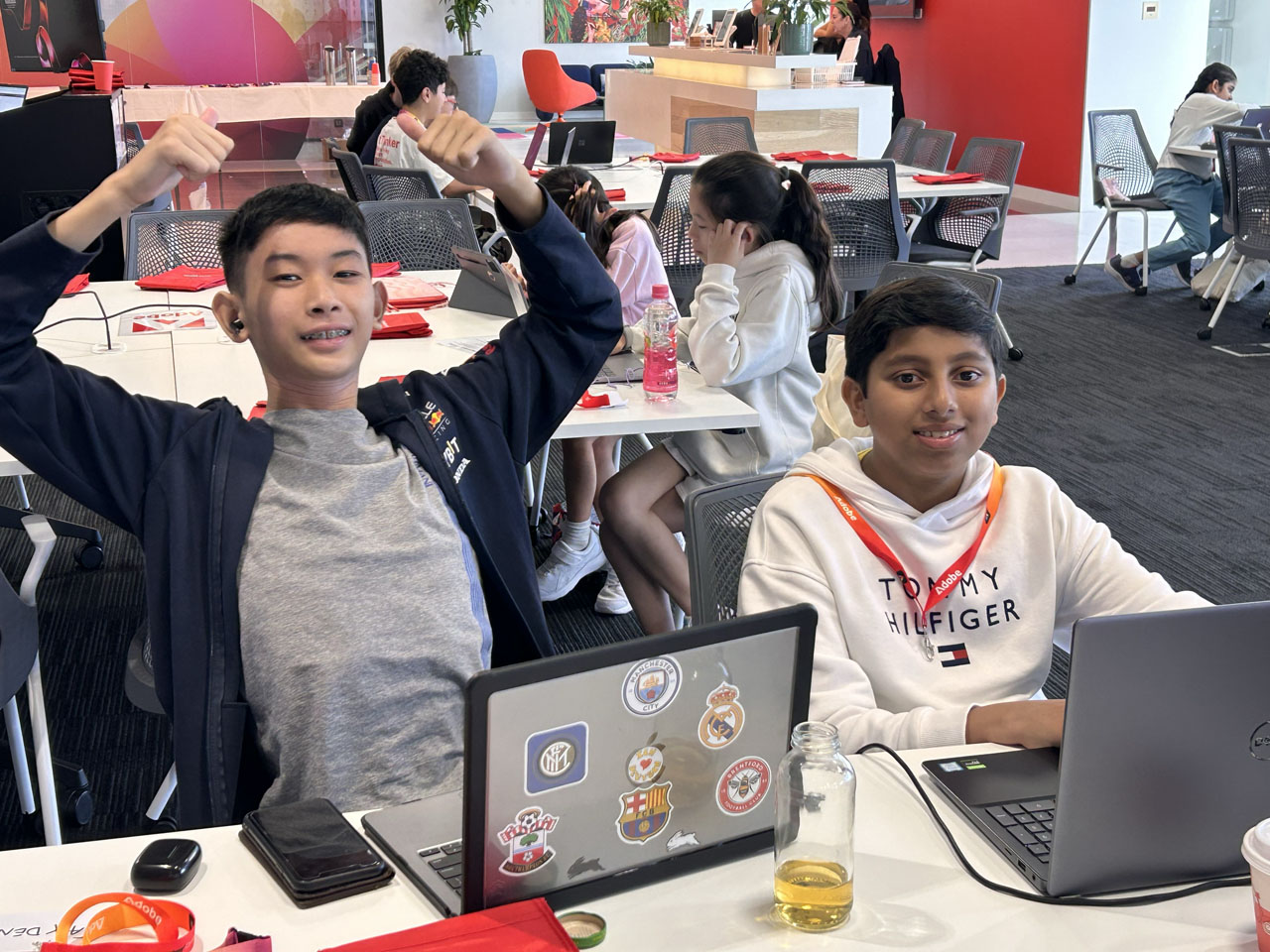
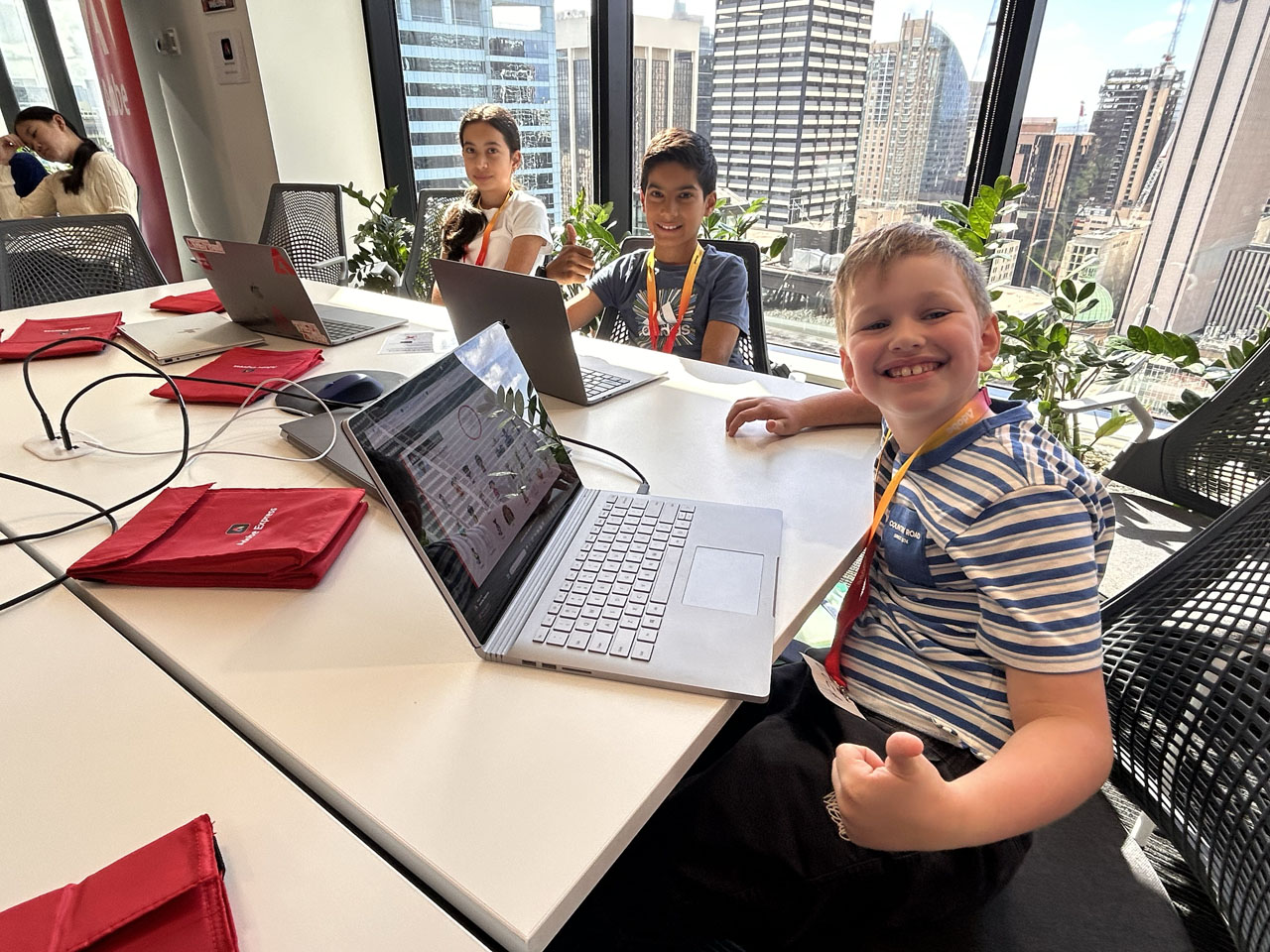
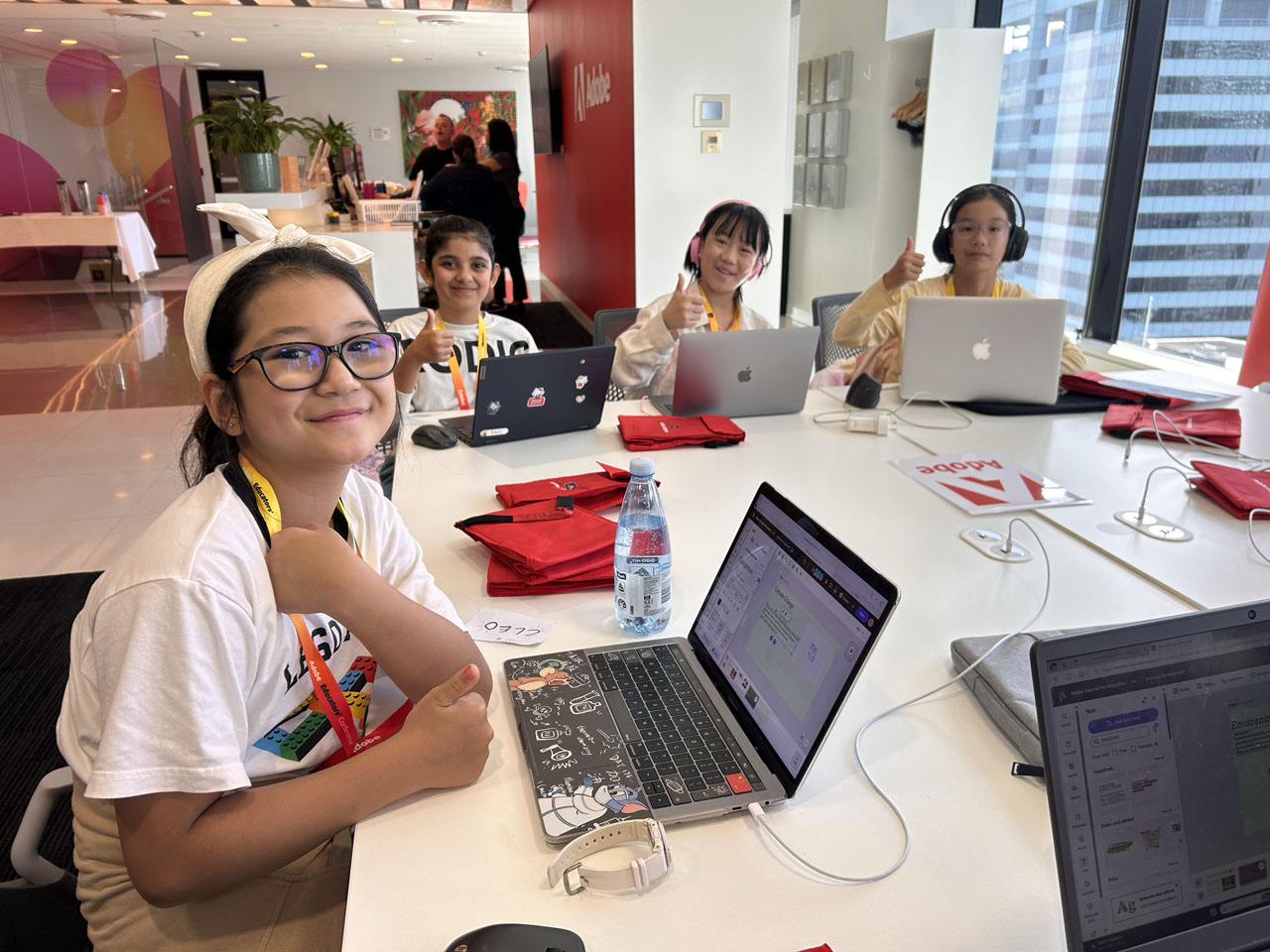
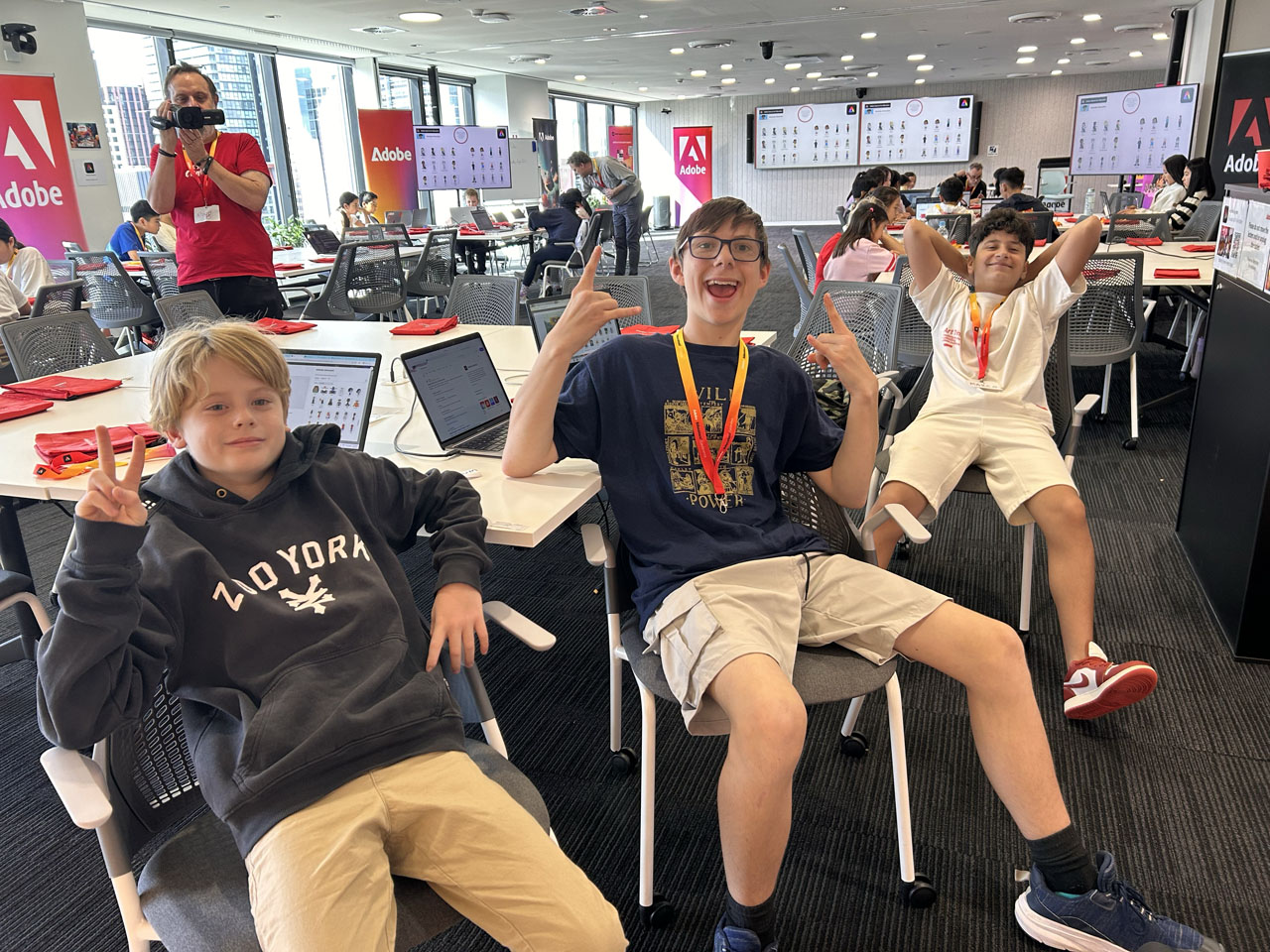
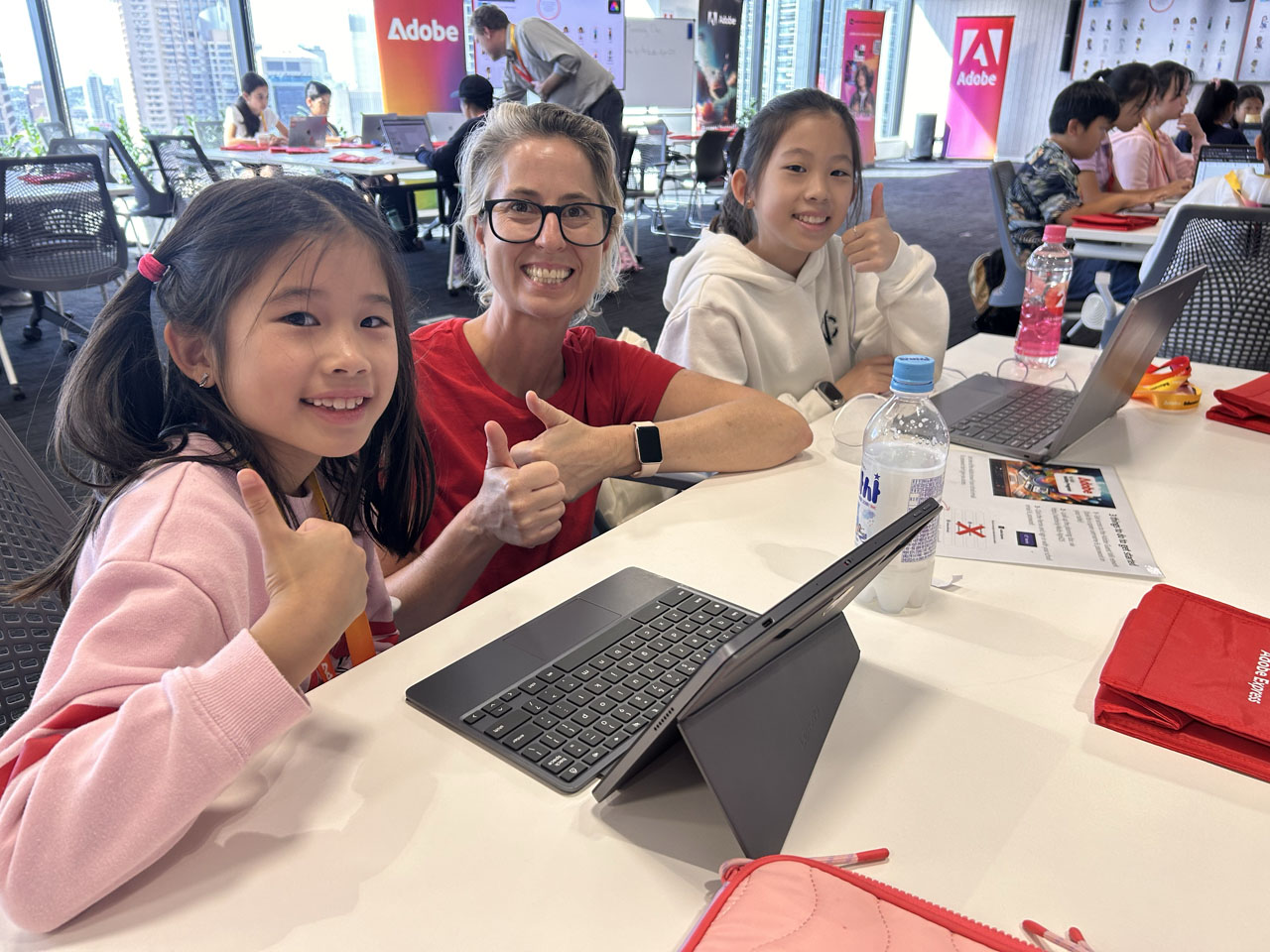
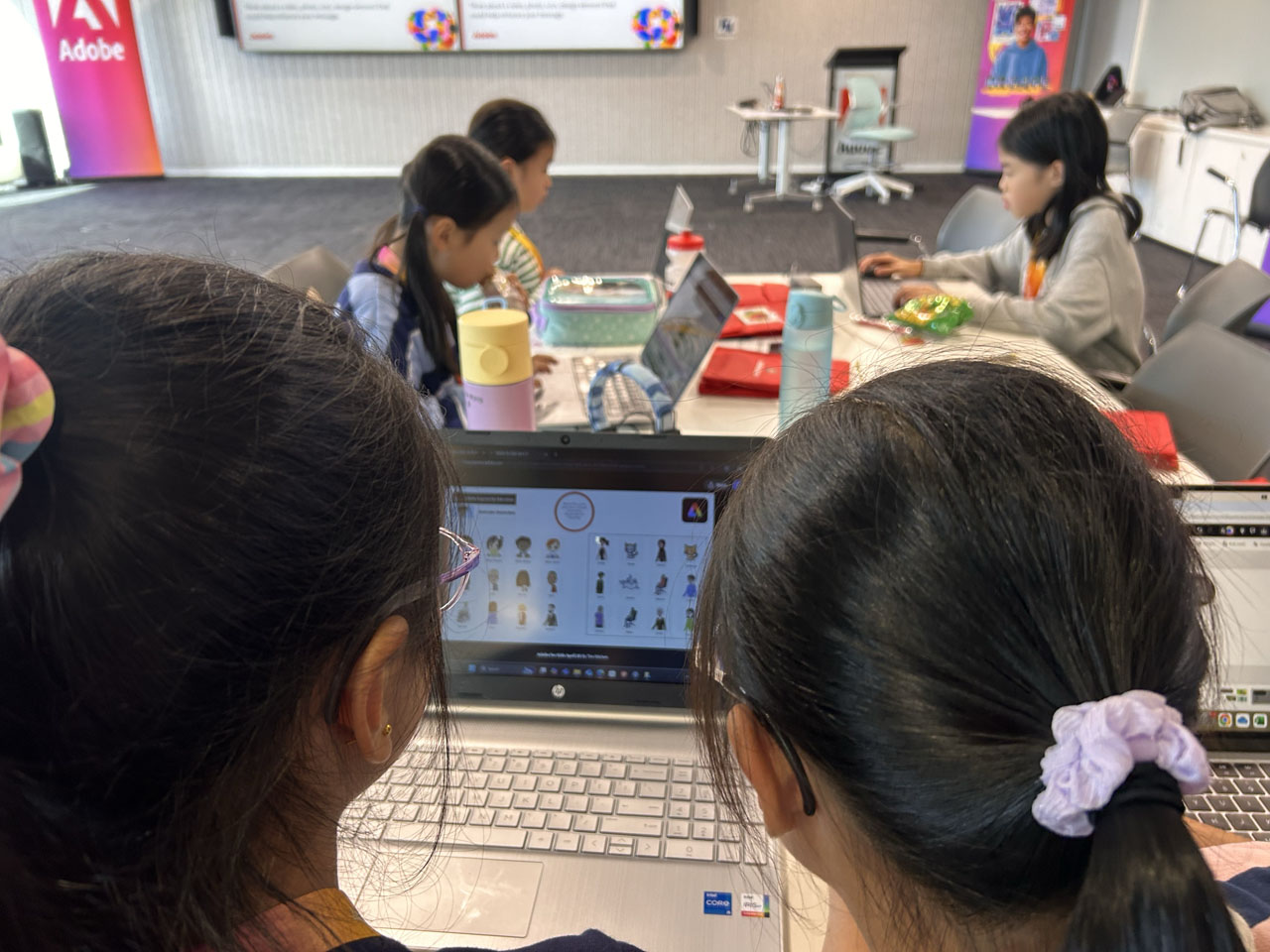
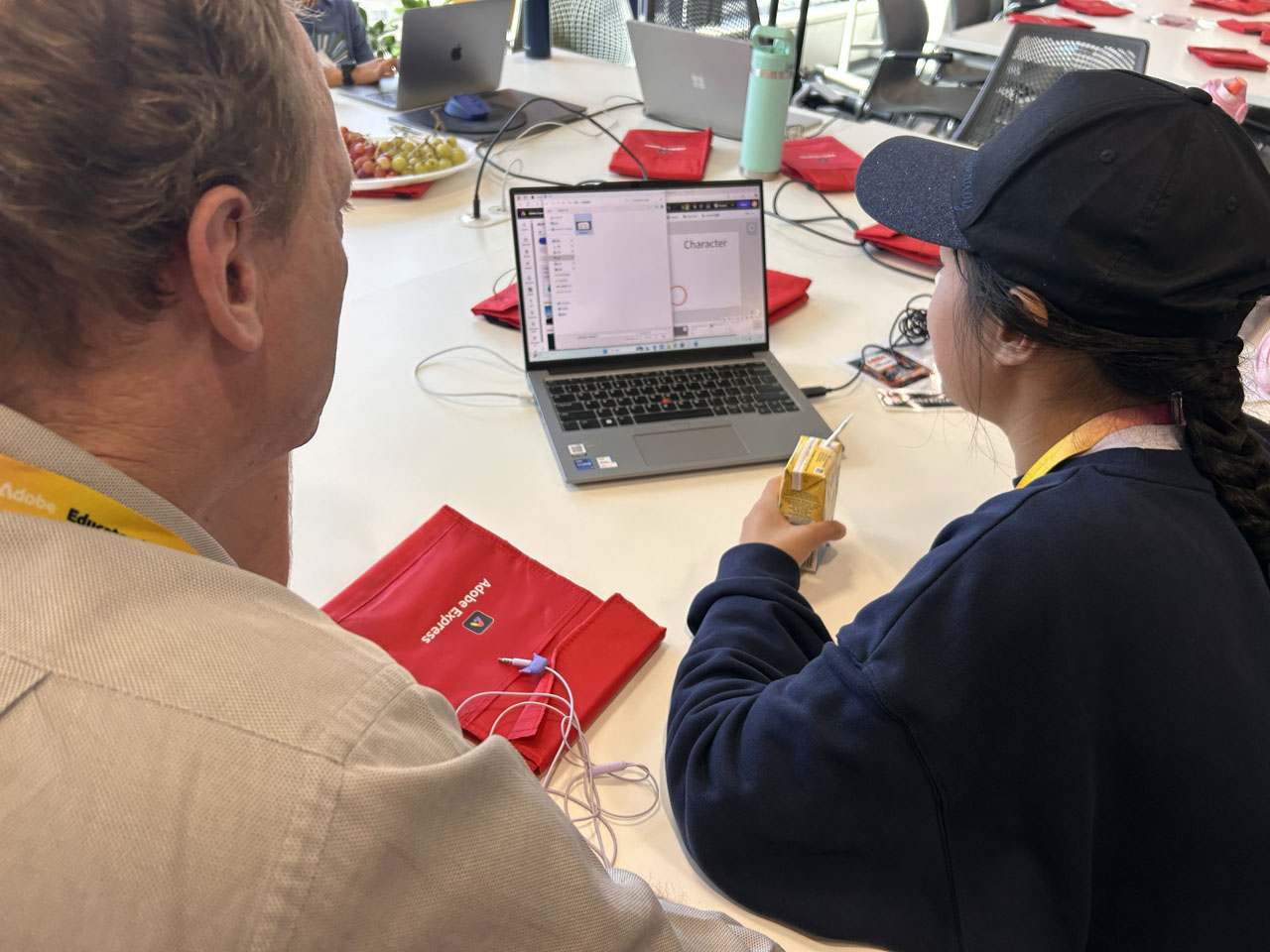
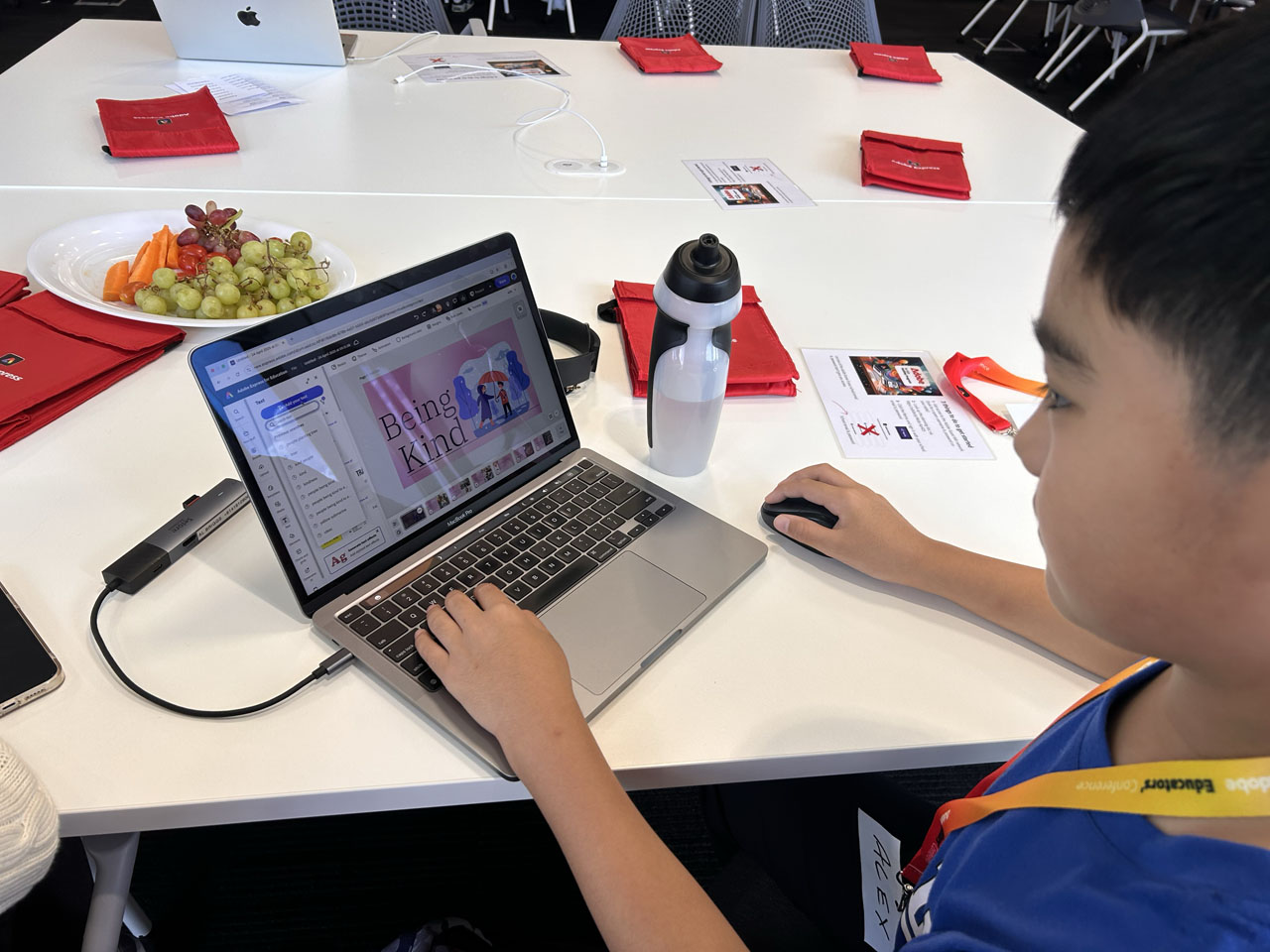
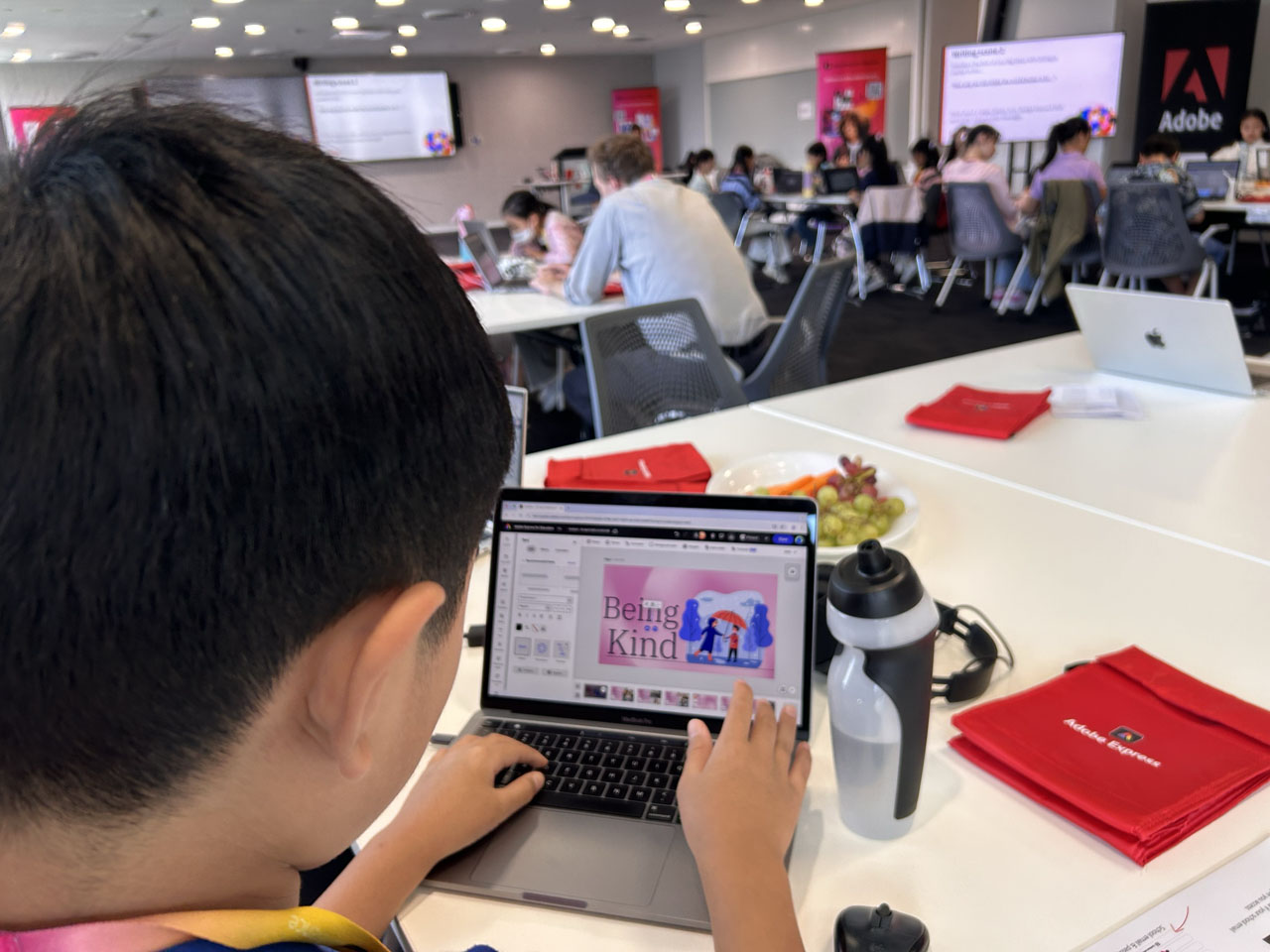
The Adobe for Kids Holiday program was back in the Adobe Sydney office on April 23 & 24, 2025. About 60 kids aged 9 to 14 worked in small groups to plan & produce a set of wonderful short video/animations with Adobe Express based on how to make the world a better place for everyone.
It was delightful to see the way they worked together so beautifully throughout each day to do the brainstorming, research, scripting and then the actual production. For many of the students it was their first time working with Adobe Express.
Scroll down to see some samples.
Some of the feedback highlights from the students included …
We made a video about how to make the world a better place.
A highlight was when we learned how to animate the characters, include the transitions and add the audio. It was fun and challenging at the same time.
I liked that i got to learn new skills and got to play with my creativity.
A highlight of today was working in a teem, and also having fun learning about the features on Adobe
I love making the animations
My highlight is making the video with all the adobe tools like Gen AI.
My highlight was making the video with my partner and learning lots of new things.
Adobe express is the best and the staff is very kind.
Adobe express is cool 🌈
Making a presentation as a group
The staff at adobe are very helpful
There’s an activity where we can earn prize, it’s when we do the “do this”, “do that”.
This is a great experience
Being able to be creative with software that allowed me to be imaginative
Having fun with my friends.
Being able to work on a video about being kind with my favourite sister.
It was very fun creating the story
Solving the problems we had.
I enjoyed animating the characters and the recordings.
The NTSDE plays a crucial role in providing educational opportunities to students who cannot attend traditional schools due to geographical, social, or other constraints. It offers a comprehensive range of online senior secondary courses aligned with the Australian Curriculum and the South Australian Certificate of Education (SACE). It uses modern technologies and innovative teaching methods, such as flipped learning pedagogy, and Adobe Express to ensure students receive a high-quality education regardless of their location.
I would like to thank Dina Campbell-McQuillan (Learning Area Leader Arts) for organising this professional learning opportunity for her colleagues.
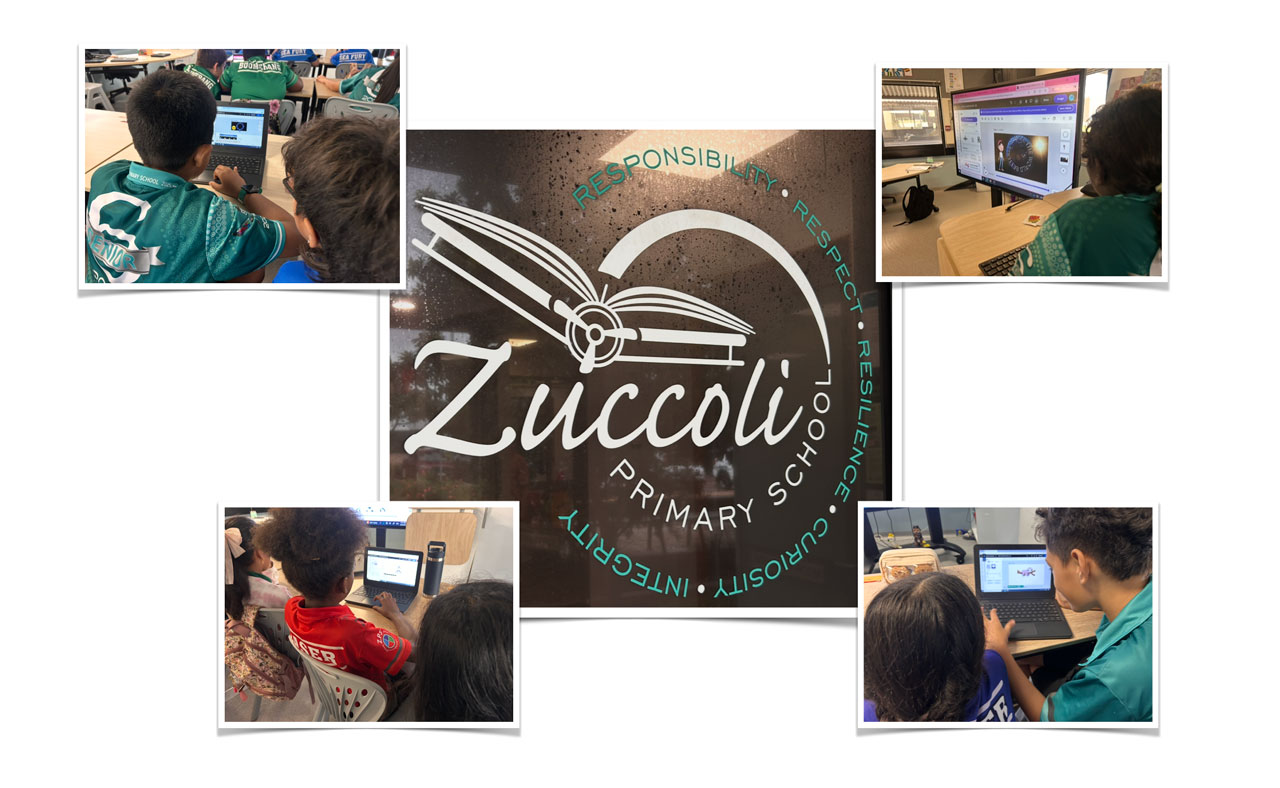
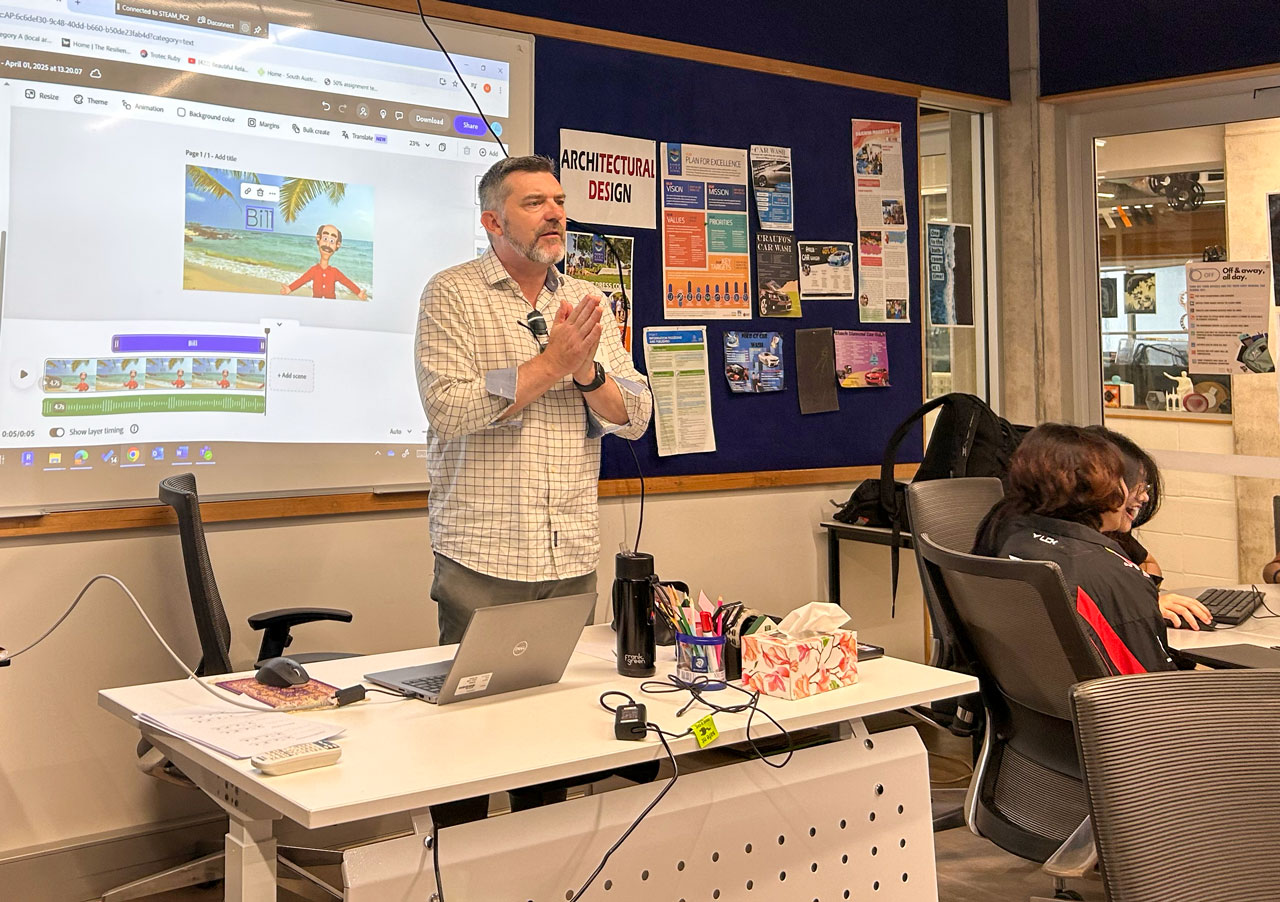
On Wednesday 2nd April, I was invited to work with the Year 5 & 6 students at Zuccoli Primary School, in Palmerston, about a 20 min drive out of Darwin in the Northern Territory.
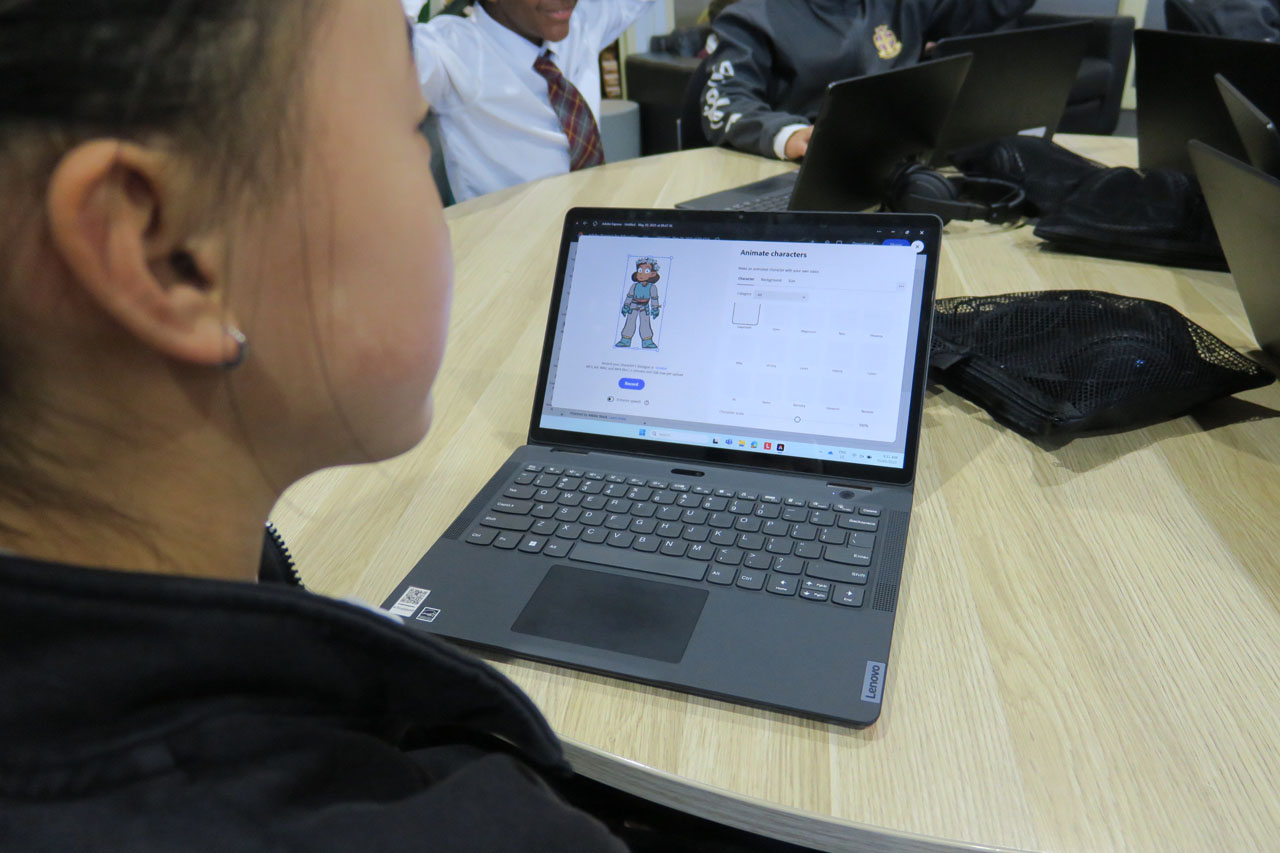
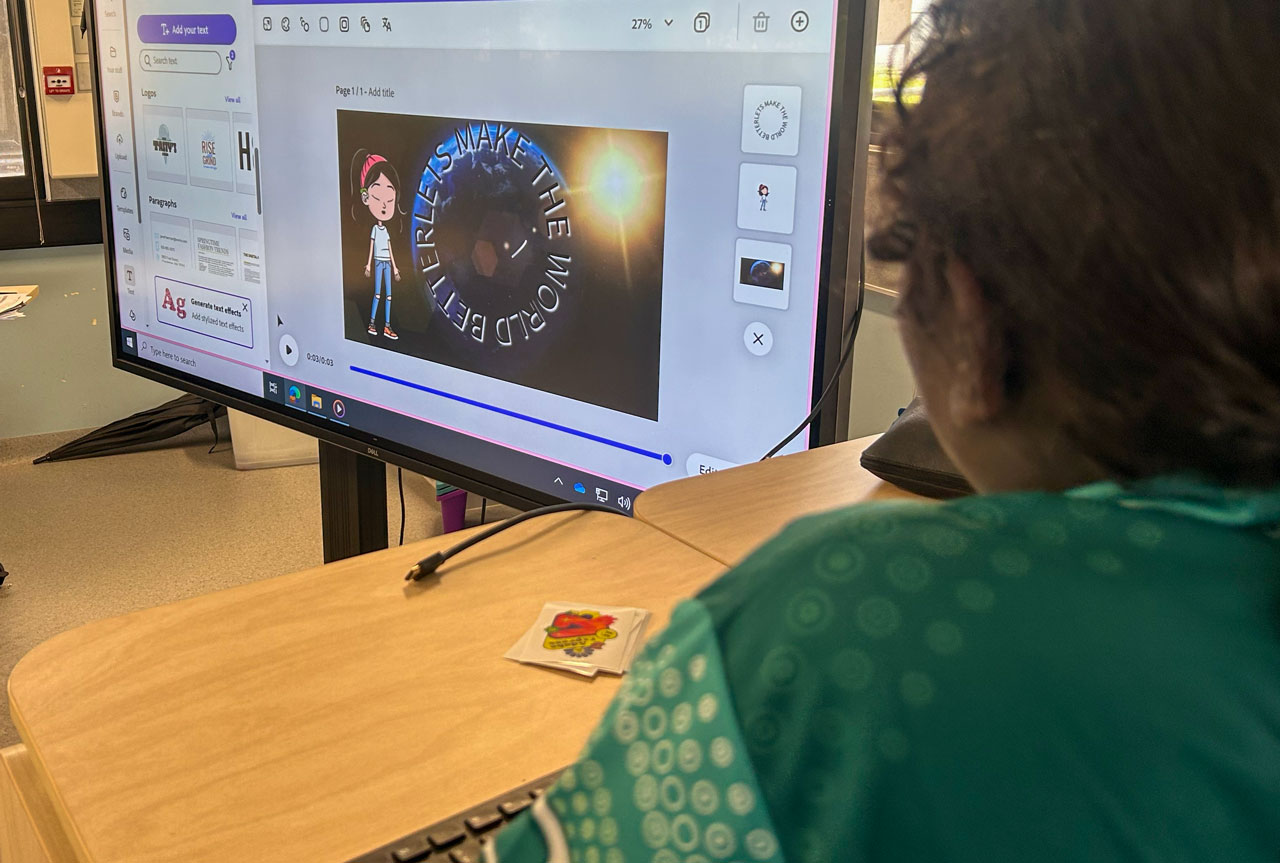
The students worked in pairs with their class laptops to get to know the education version of Adobe Express and create a short animated video about how to make the world a better place to live. The students really enjoyed working with the software and I’m looking forward to hearing about what they will be achieving in the future.
Only 5 years old, Zuccoli Primary is located in a newly created suburb. The school focuses on innovative teaching and learning programs that foster inquiry-based learning and explicit teaching methods. It is committed to developing students into lifelong learners and independent global citizens, with a strong focus on respect, responsibility, resilience, curiosity, and integrity
A very well equipped school, it shares facilities with Mother Teresa Catholic Primary School, including an oval, air-conditioned hall, library, home economics, and science rooms.
I would like to thank Georgia Trindall (Digital Technology Specialist) and Chantelle Scott (NT DoE Teaching and Learning Advisor) for organising this visit.
April 2025 started with my second trip to the Northern Territory for the year and one of the highlights was spending time at the amazing students and teachers from Darwin High School.
Darwin High currently caterers to students in years 10-12 but will be opening up to younger year levels in the near future. The school is known for its strong academic programs and commitment to providing a comprehensive education and a standout feature of the school is its state-of-the-art STEAM (Science, Technology, Engineering, Arts, and Mathematics) Centre.
Officially opened in October 2019, this $21 million facility offers students access to modern, interconnected classrooms, a cutting-edge robotics and electronics hub, and versatile presentation and project spaces and lots more. The STEAM Centre is designed to foster collaboration, innovation, and problem-solving skills, preparing students for future careers in STEAM fields.
The Adobe Creative Cloud is used in a range of subject areas with a focus on Photoshop, Illustrator, Premiere Pro and InDesign. It was my pleasure to introduce these students to what Adobe Express can offer, especially as a link to Adobe Stock and a great tool for creating assets to be used in Adobe’s pro-tools.
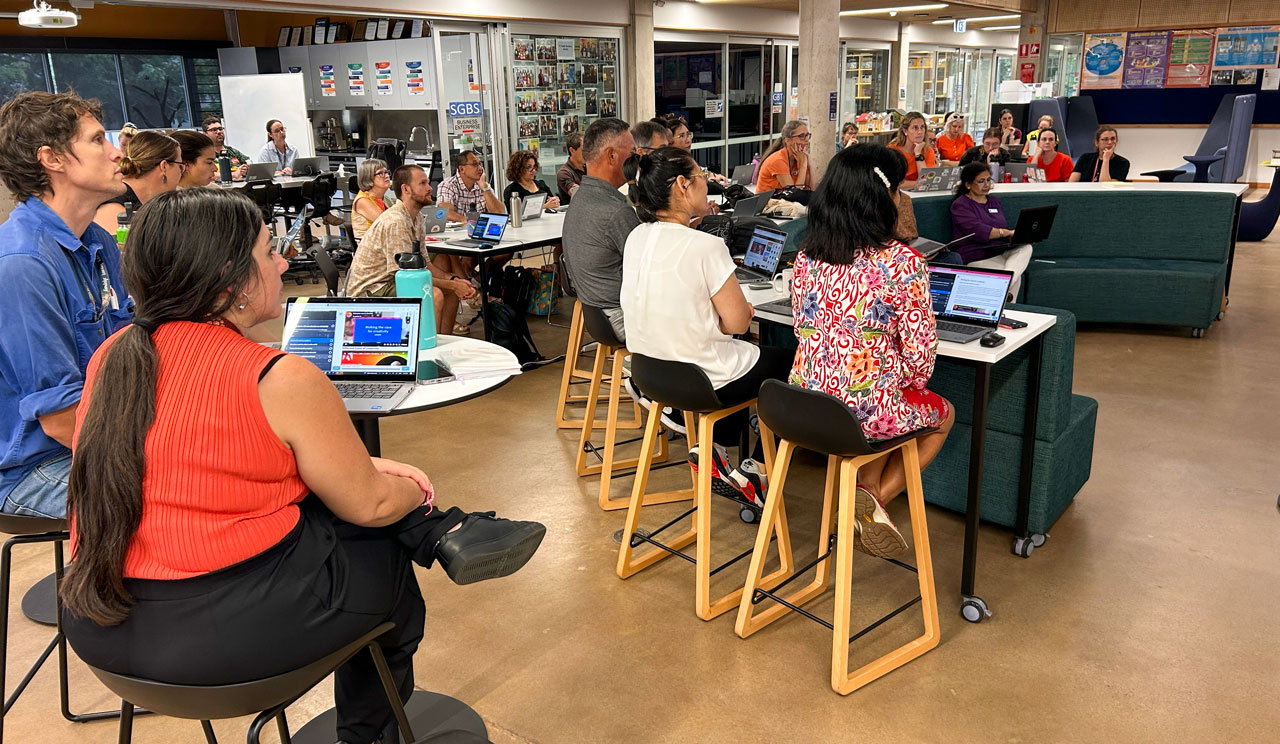
Close to 50 Darwin High School teachers registered for the Adobe Creative Educators Level 1 course that was run after school on Wednesday 2nd April.
It was great seeing representatives from most subject areas interested in expanding their understanding of why creativity is important is all curriculum areas and join the international Adobe Creative Educator community.
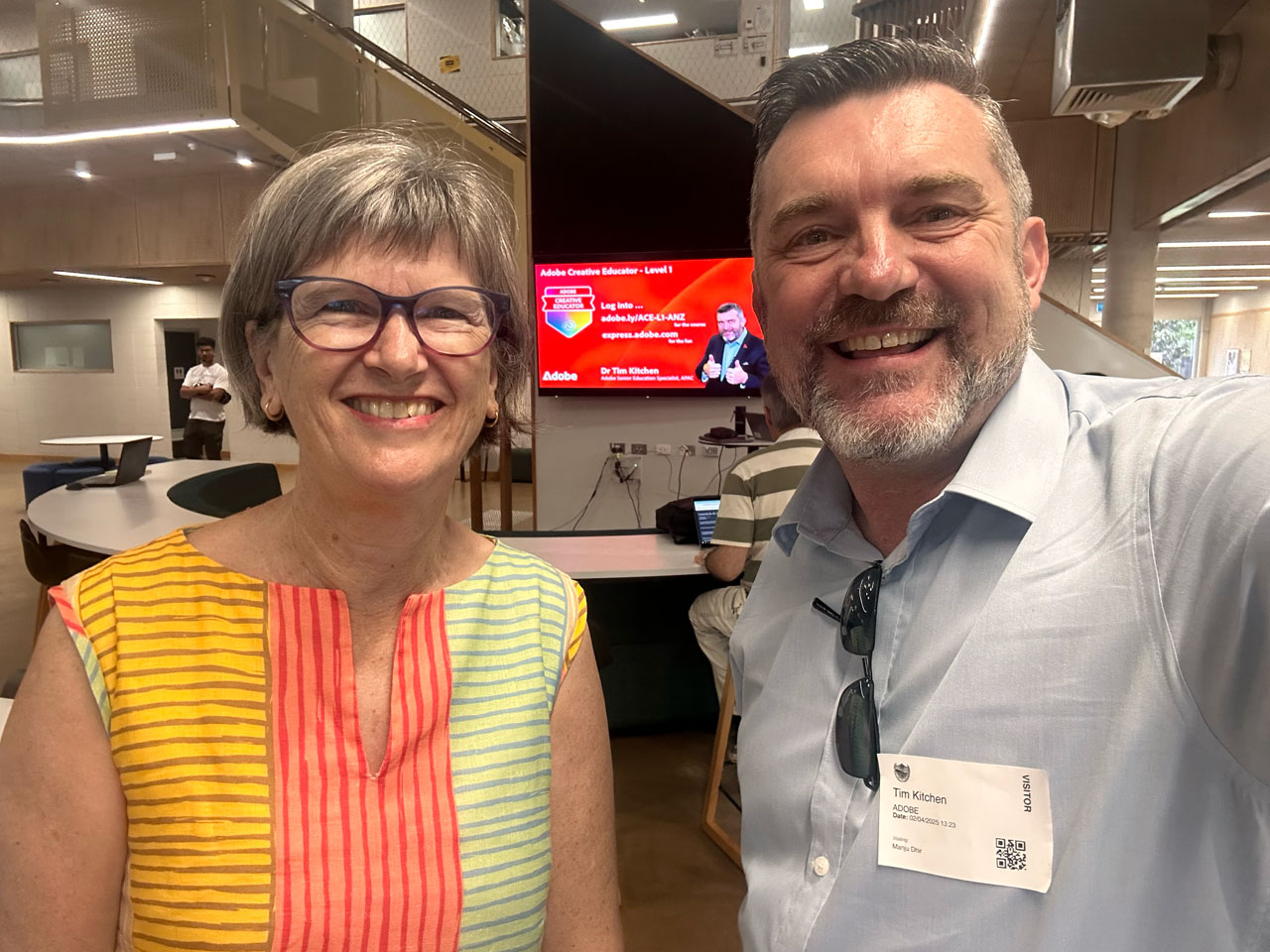
It was wonderful to catch up with delightful Anne Myerscough whose husband Dr Mark went to school with me in the mid 1980s and has been doing great work as a medical professional with indigenous communities in Darwin since the 1990s.
I would like to thank Manju Dhir (Senior Teacher. LOTE, IT, Business) for making the above sessions happen and encouraging so many of her colleagues and students to be involved.
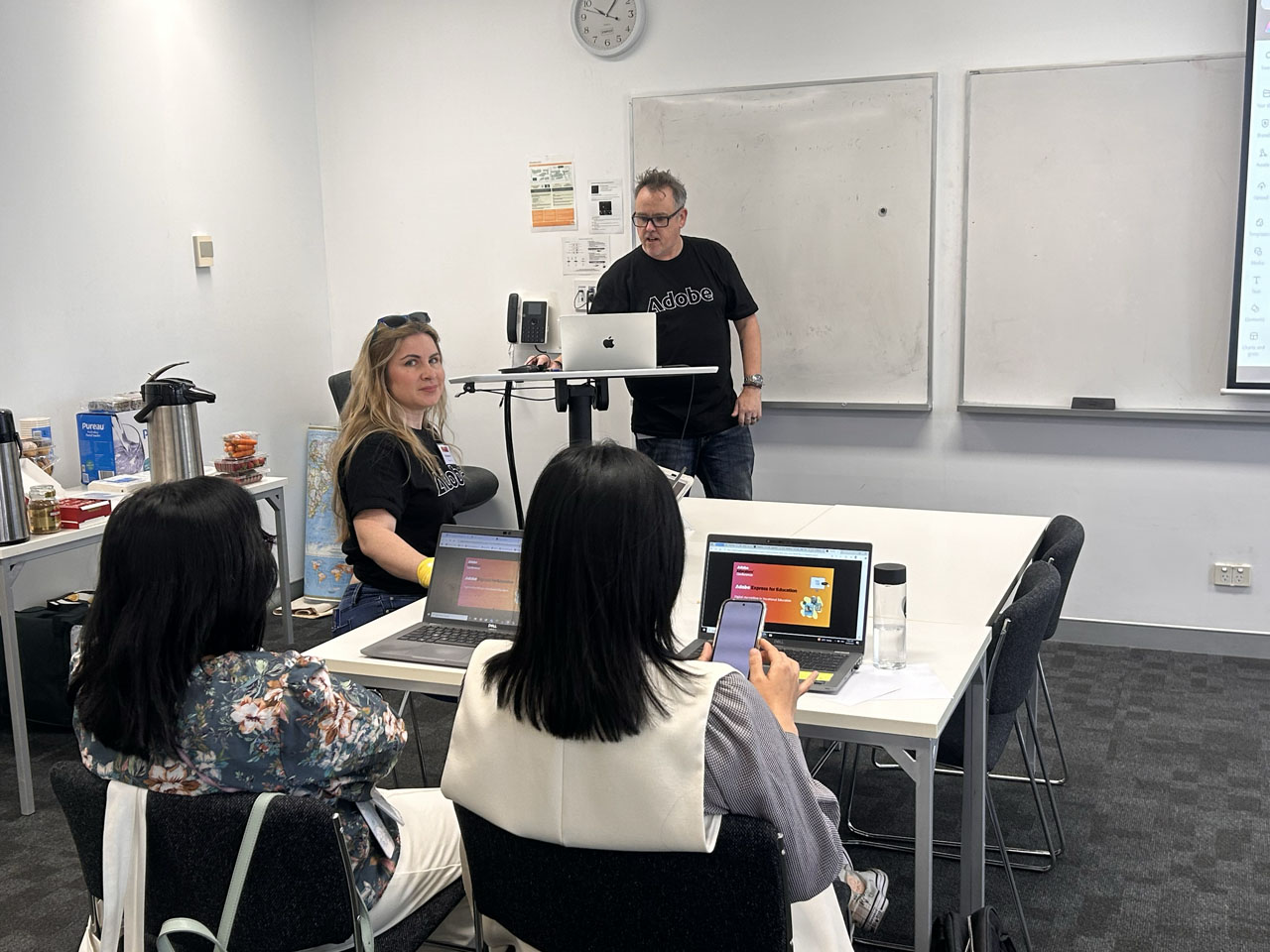
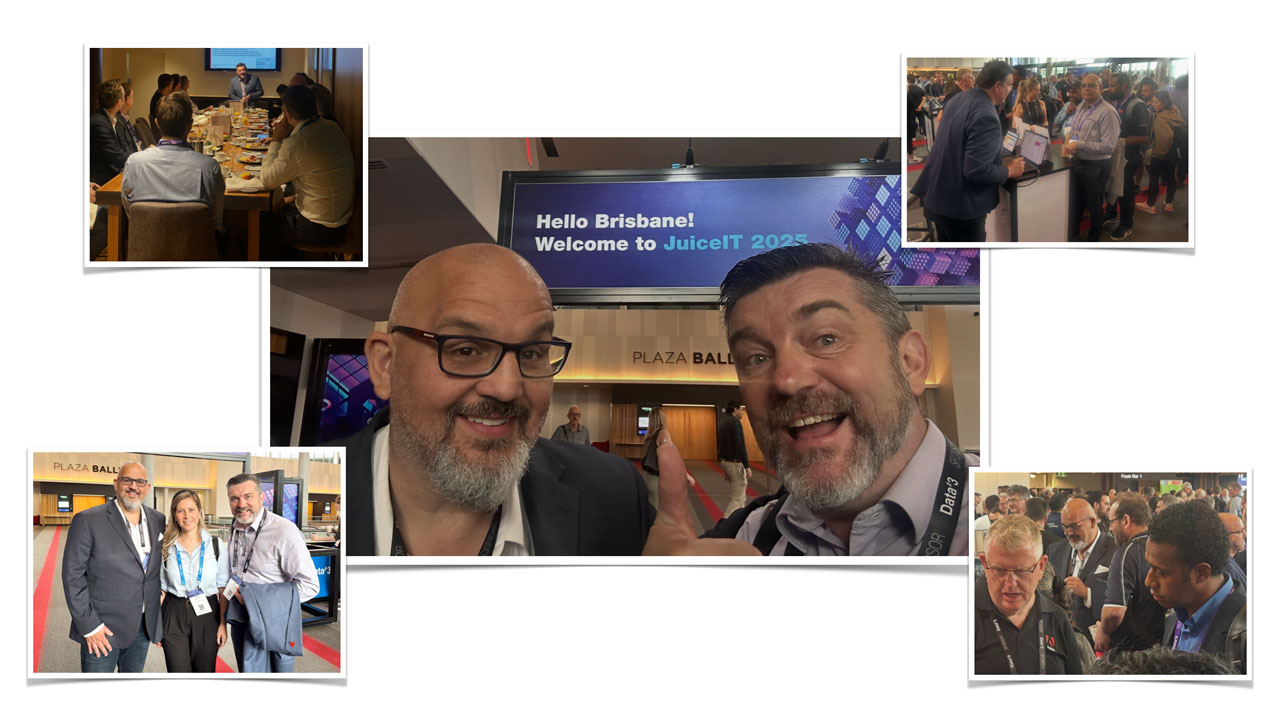
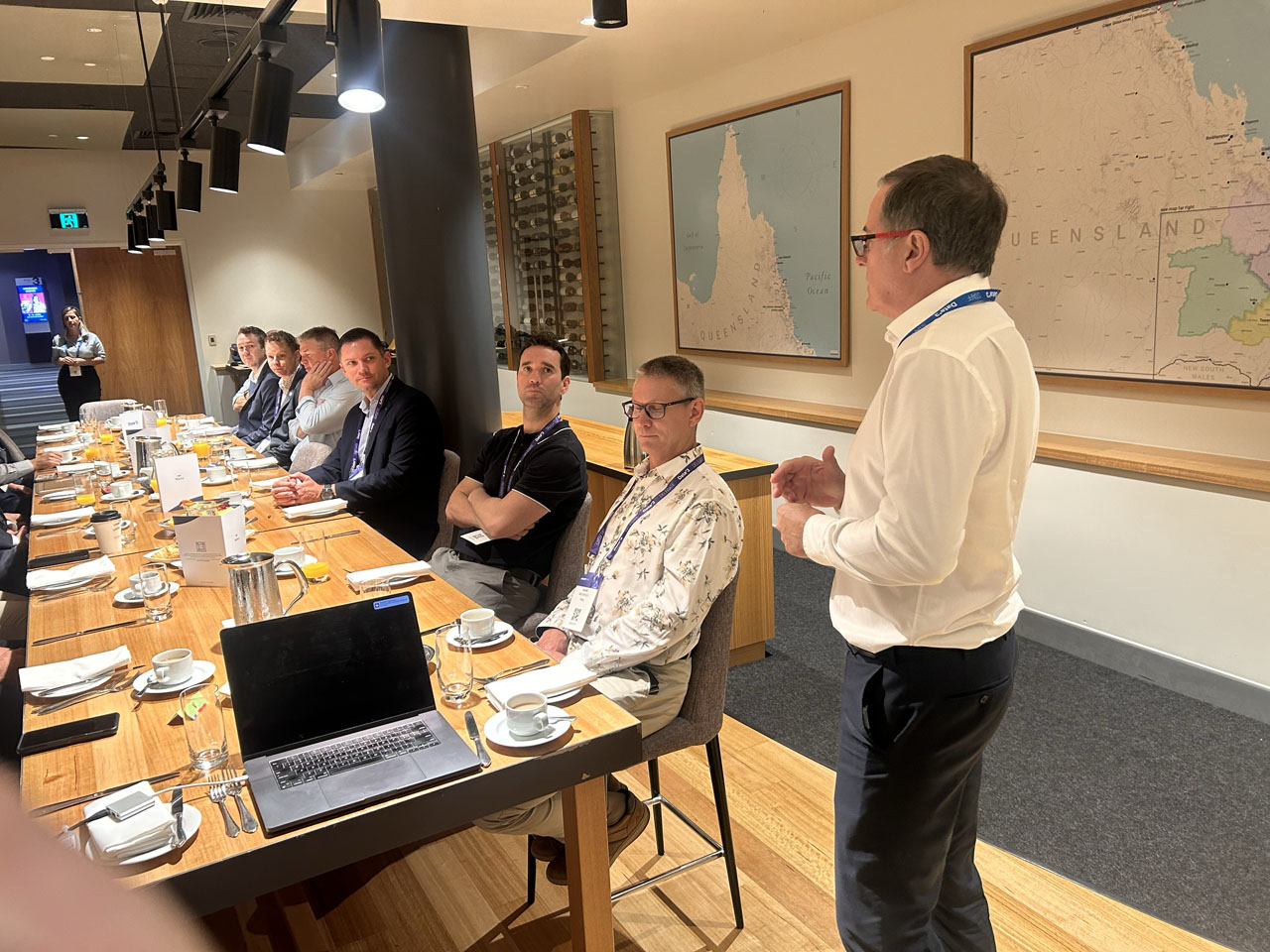
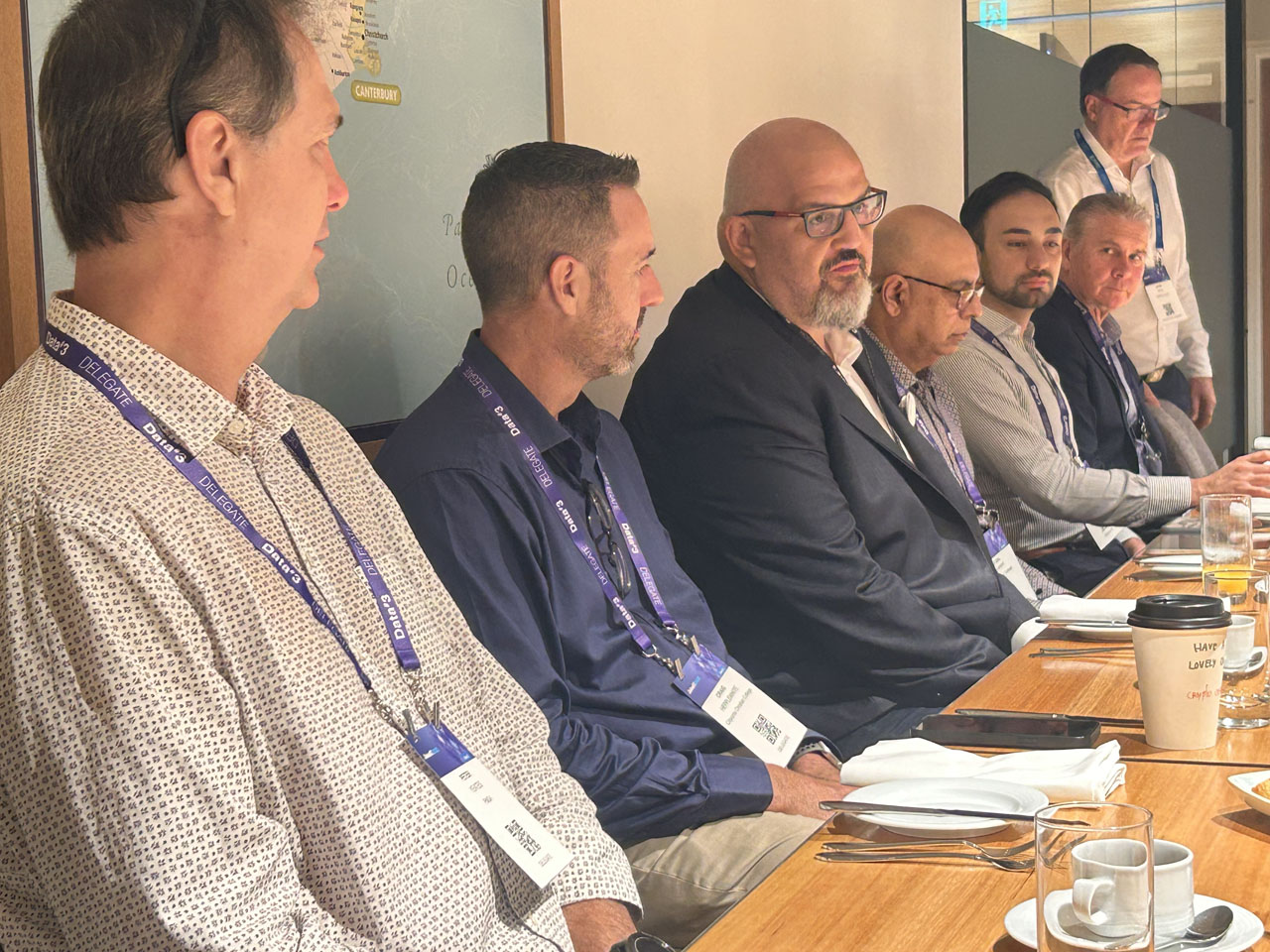
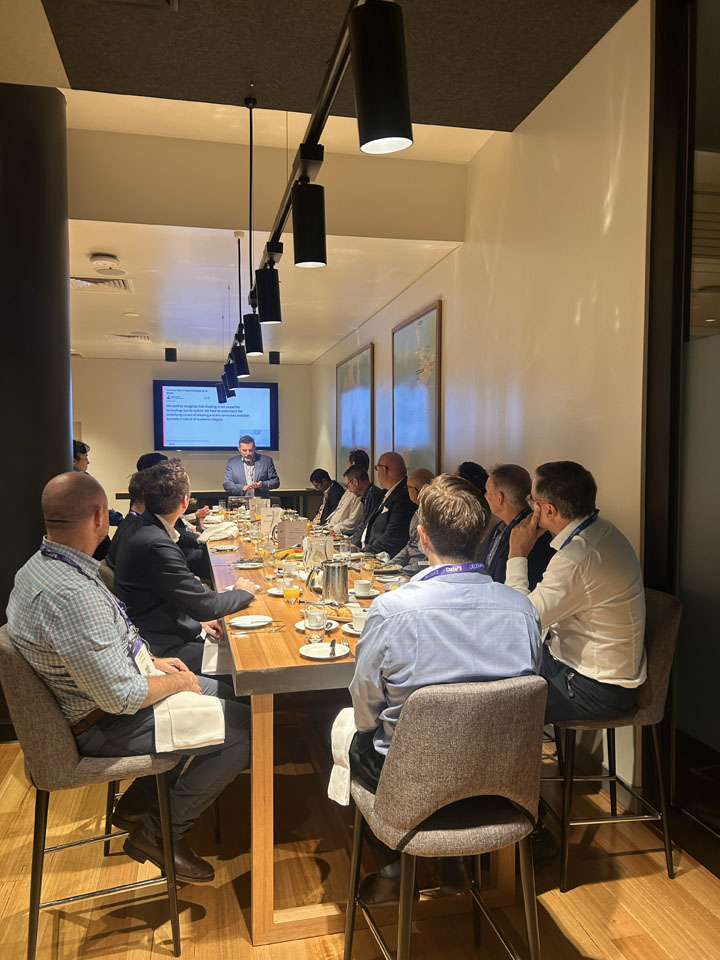
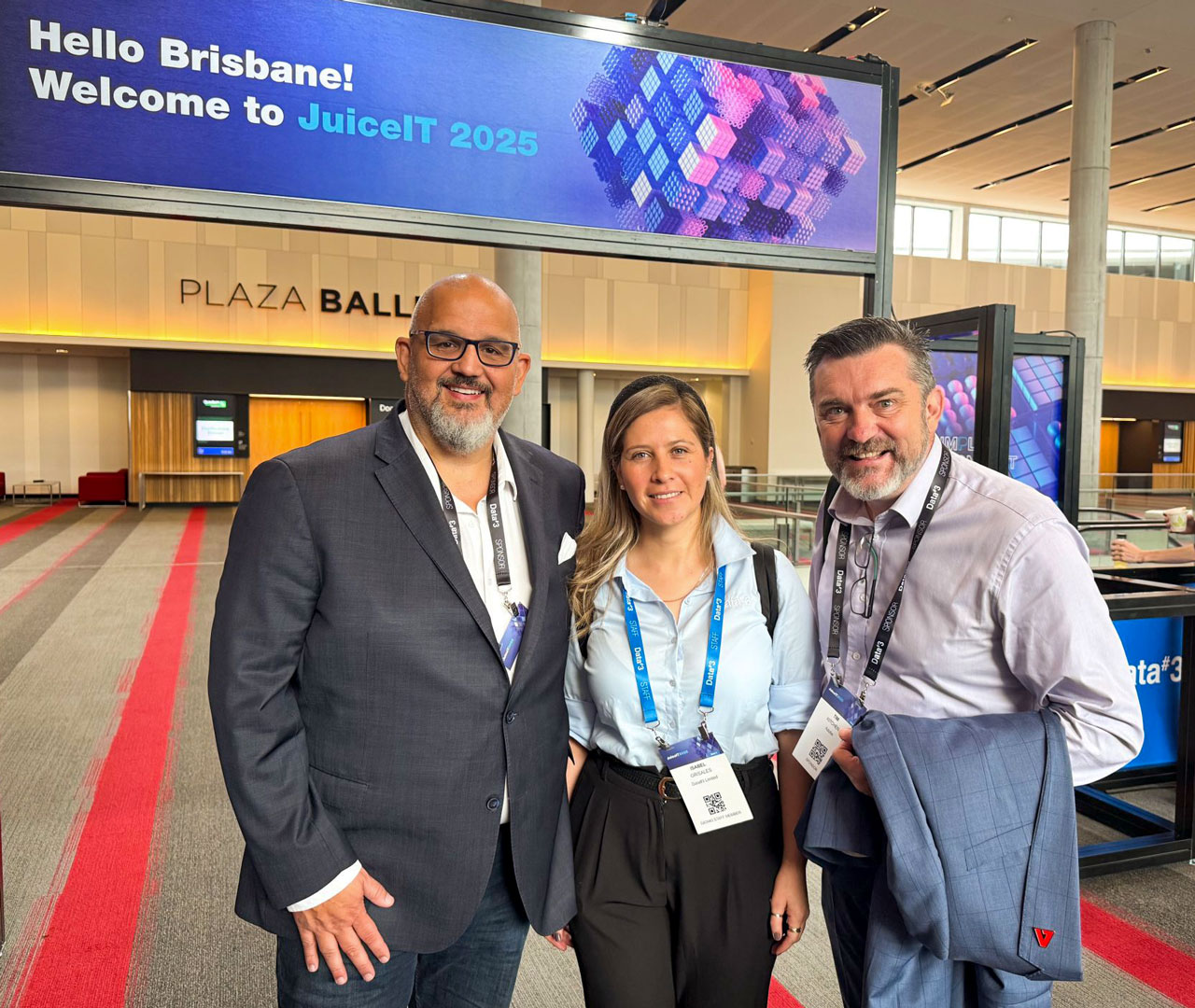
Organised by Adobe partner Data#3, Juice IT stands as Australia’s premier free IT Solutions & Services conference. In 2025, the event will take place in Adelaide, Brisbane, Perth, Fiji, and Sydney. I was honored to be invited to speak at a special executive breakfast during the Brisbane event on Wednesday, March 26th, hosted by my friend (HP Education Ambassador) and Adobe Creative Educator – Innovator Brett Salakas.
The breakfast event was with senior representatives from a range of Queensland schools as well as the Fiji Department of Education and the focus was how AI is being used in schools. It was a pleasure to share some of the recent research Adobe has done with Advanis in the Creativity with AI in Education 2025 report.
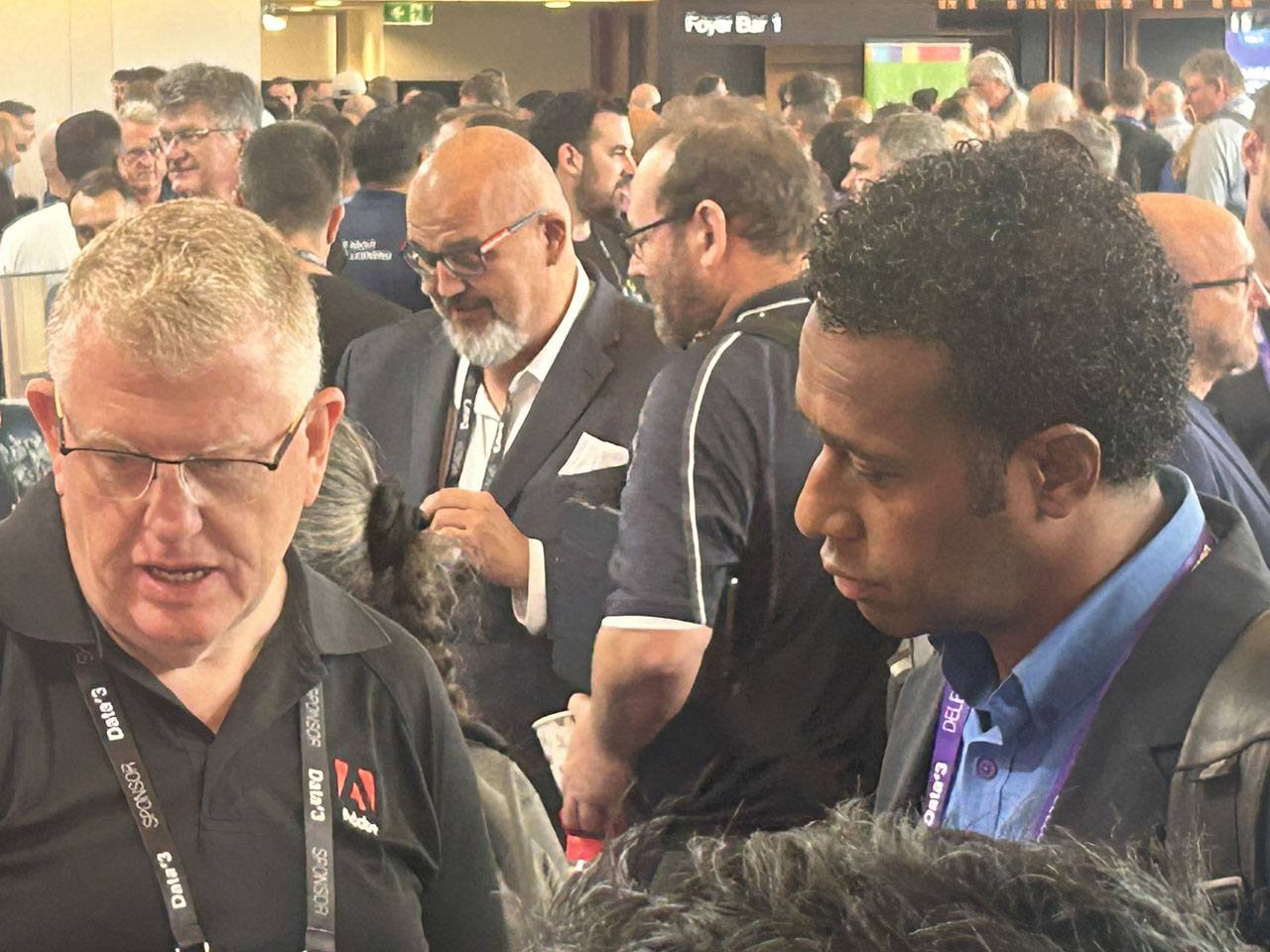
Davide Wain (Data#3 National Practice Manager – Education Sector) introducing the session.Meeting Ravin Rai from the Fiji Department of Education
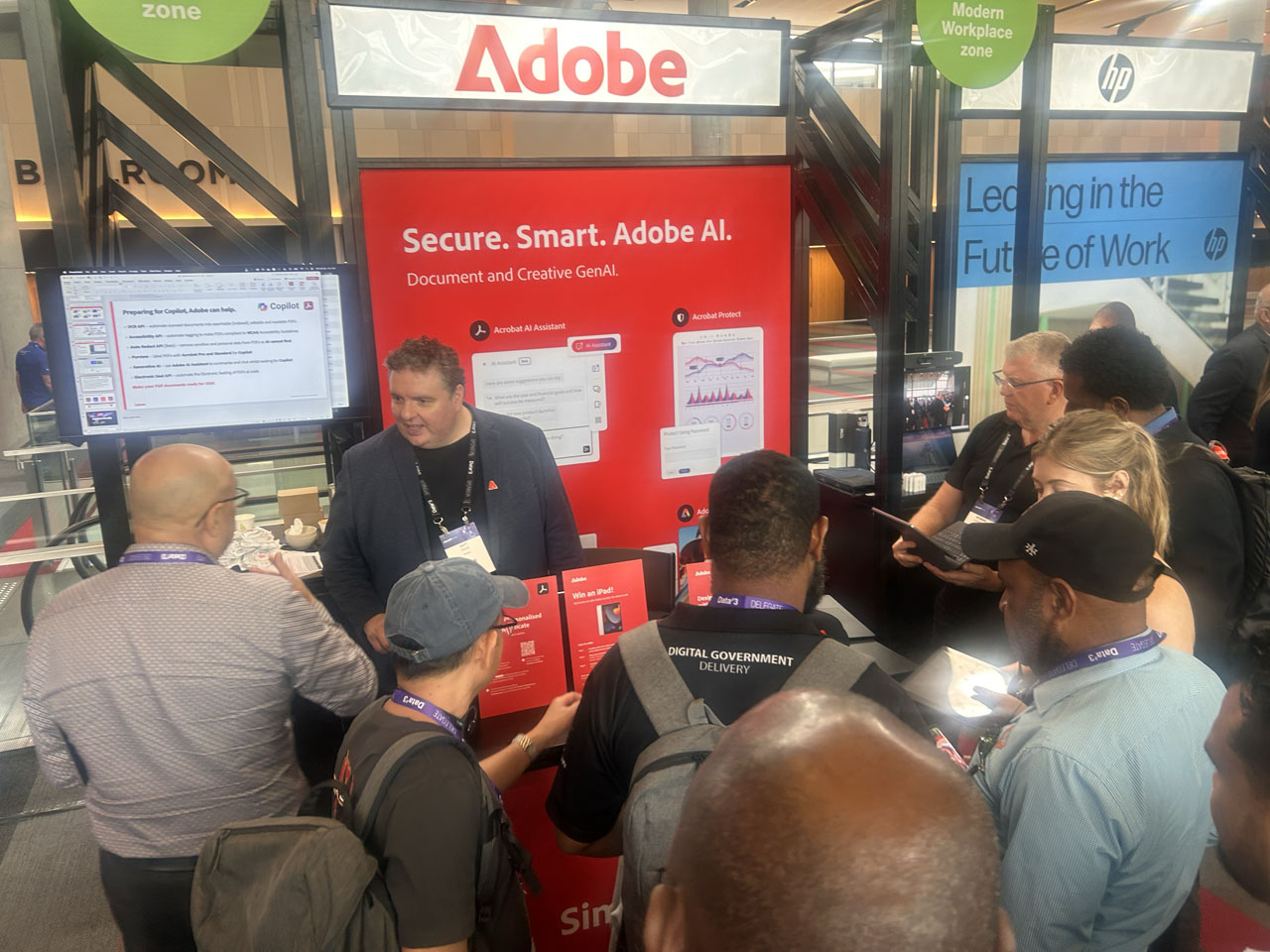
The Brisbane Juice IT was attended by over 550 IT specialists from a wide range of industries and was sponsored by 35 IT companies including Adobe.
Rey Chapman from Adobe in action at the Adobe boothAdobe Senior Solution Consultant Matt Davis presenting one of the breakout sessions.
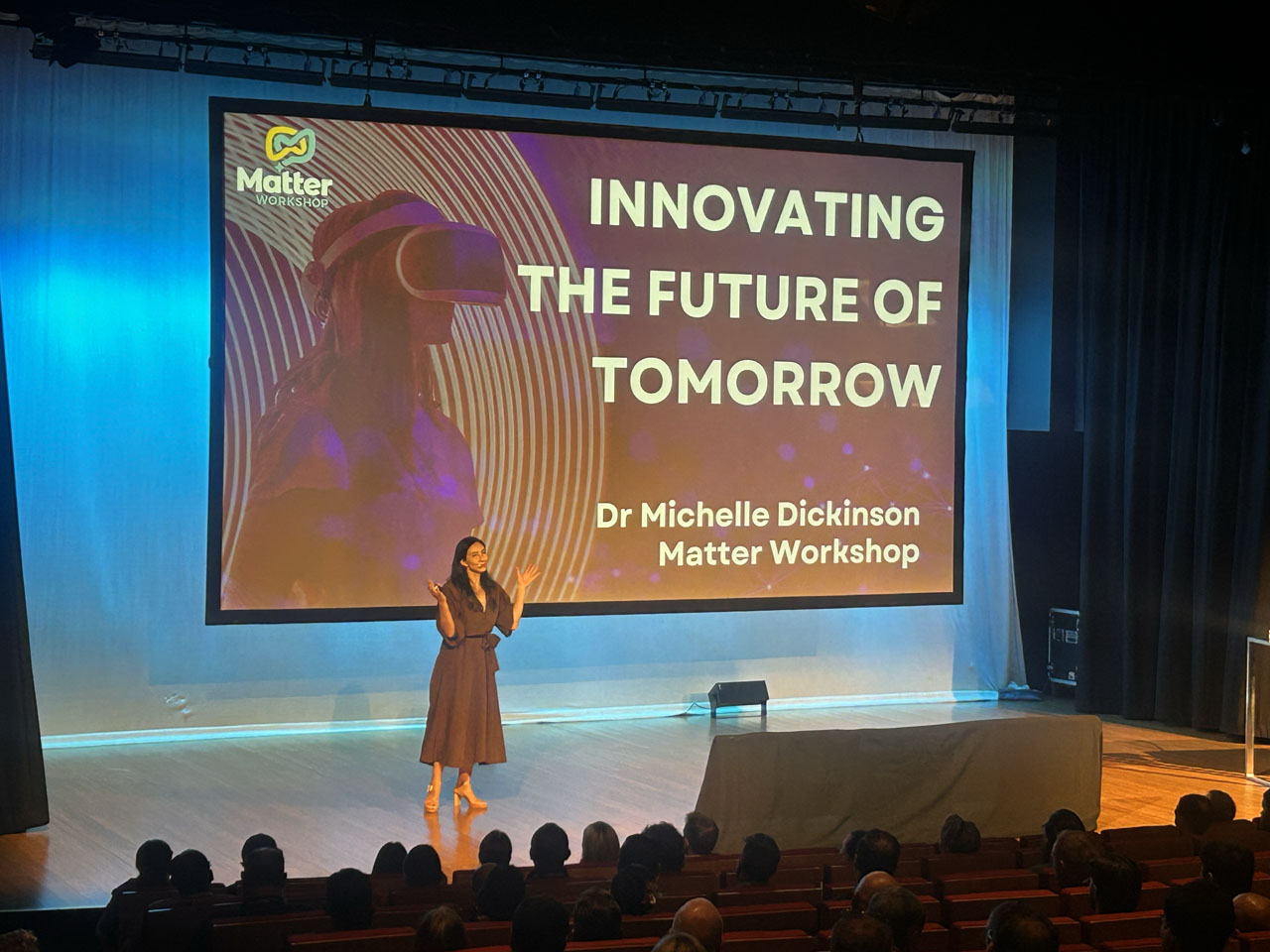
The highlight of the main conference event for me was meeting the keynote speaker Dr Michelle Dickinson, one of the most inspiring Women in STEM I have met. She has worked with Steve Jobs on helping to invent the iPhone, she has also worked on many other inventions with amazing collaborators including Sir Richard Branson.
I would like to thank Dave Wain and especially Isabelle Grisales for inviting me to be involved in this event.






























































































































































































 Dr Tim Kitchen