

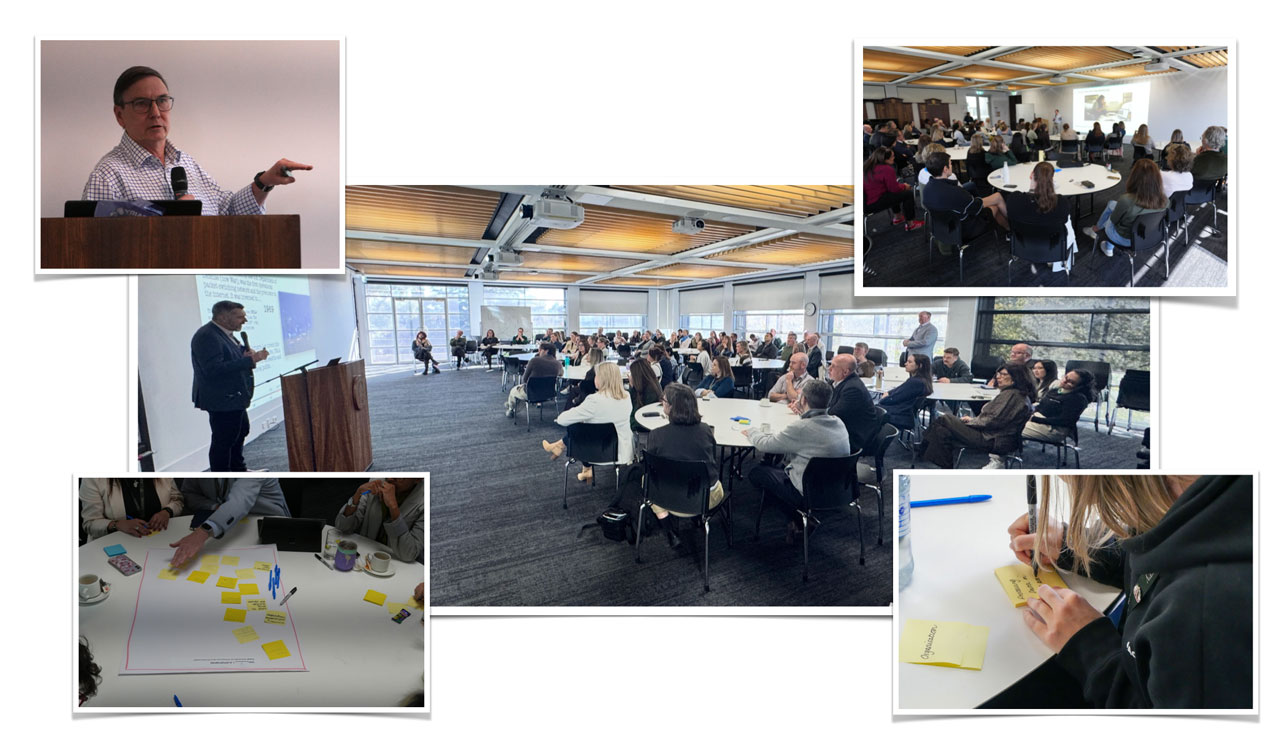
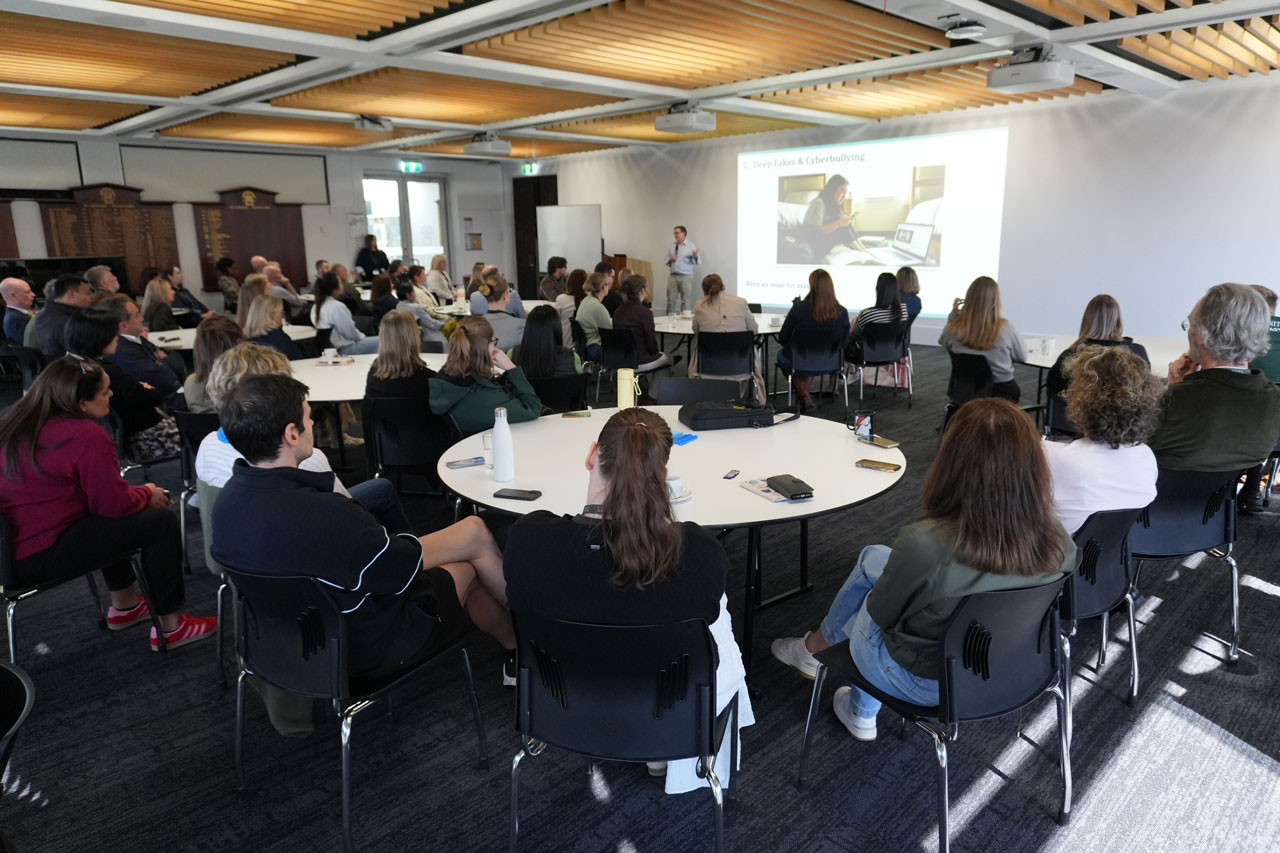
Almost 80 non-teaching staff at Trinity Grammar in Melbourne gathered on Monday 20th April for a specially designed two-hour professional learning presentation/workshop exploring the rapidly evolving world of generative artificial intelligence and what it means for their work, their school community, and the wider education sector.
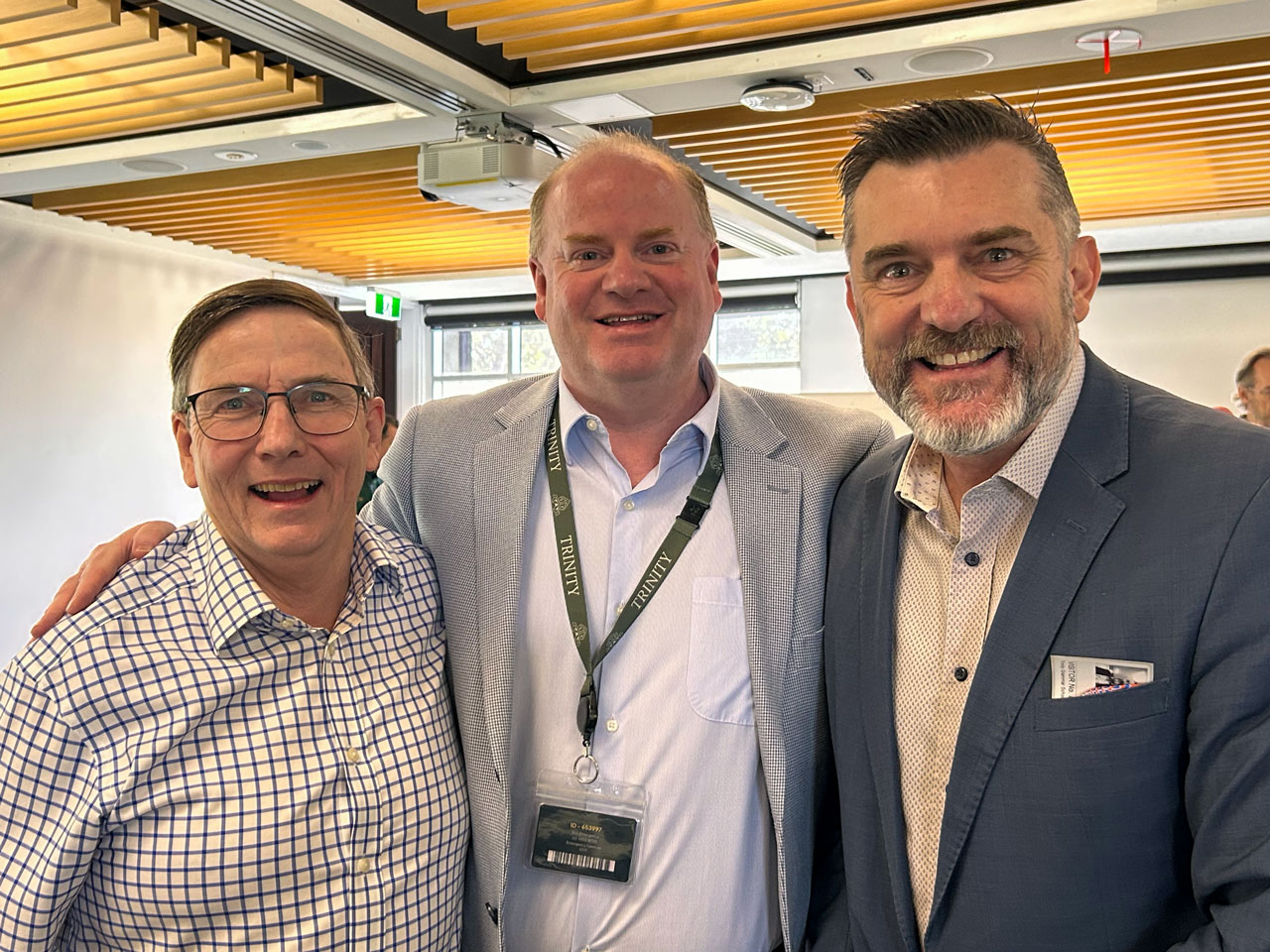
The session was co-facilitated by Dr Tim Littlejohn and Dr Tim Kitchen, both Senior Consultants with CulturePath AI, a newly established organisation that brings deep, school-grounded expertise to the operating models of school systems and schools navigating the opportunities and challenges of AI.
While much of the public conversation about AI in education focuses on classrooms, teachers, and students, the reality is that generative AI is already reshaping the work of the professional services staff who keep schools running. From administration, finance, HR and marketing, to operations, IT, facilities, development and beyond, non-teaching staff are encountering AI tools daily, sometimes deliberately, sometimes embedded quietly inside familiar software.
Trinity Grammar recognised that giving this group a dedicated, high-quality learning experience was essential. The workshop was purpose-built to meet non-teaching staff where they are: curious, capable, and ready to engage with AI in ways that are confident, safe, and aligned with the school’s values.
Hour one: Building a shared understanding
The first hour was led by the two Dr Tim’s as an interactive briefing, designed to give every participant (regardless of prior exposure to AI) a solid and shared foundation. Four core questions anchored the session:
- What is generative AI? Cutting through the hype to explain, in plain language, how today’s generative tools actually work.
- Why does it matter? Connecting AI to the real, day-to-day work of schools and the communities they serve.
- What are the implications? Exploring the opportunities, risks, ethical considerations, and cultural shifts that AI brings to workplaces and to education.
- How do we take control? Moving the conversation from passive observation to active, informed agency so that staff shape how AI shows up at Trinity Grammar, rather than the other way around.
Throughout the hour, the facilitators drew on their combined decades of experience across school leadership, educational technology, research and strategic consulting to ground big ideas in practical, relatable examples.
Hour two: The community shapes the future
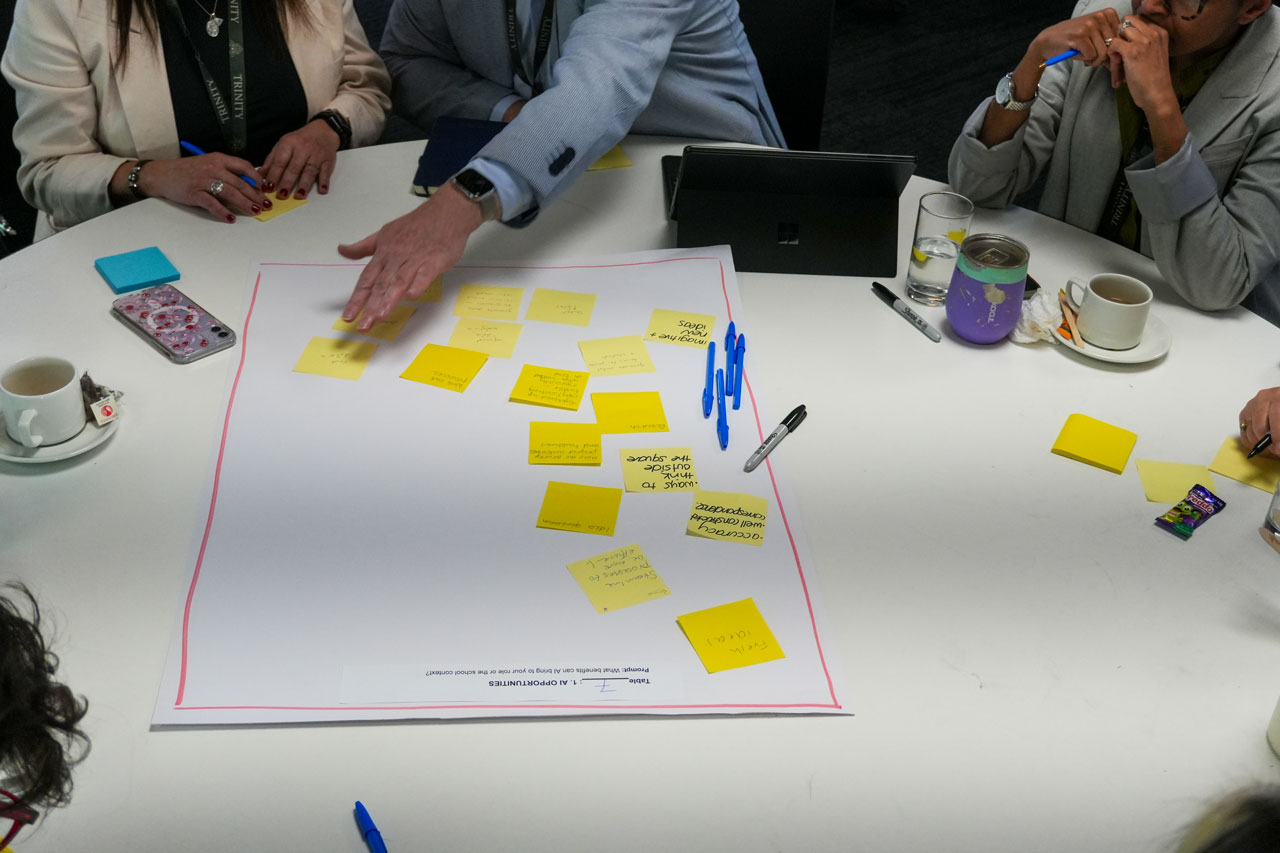
The second hour belonged to the staff themselves. Participants worked in small groups to explore four structured prompts:
- AI Opportunities — where could generative AI genuinely improve our work, our service to students and families, and the effectiveness of the school?
- AI Risks — what are we worried about, and what could go wrong if AI is adopted without care?
- AI Guardrails — what boundaries, principles, and practices should be in place to make sure our use of AI is safe, ethical, and aligned with Trinity’s culture?
- Questions for School Leadership — what do staff want leaders to consider, clarify, or commit to as the school’s AI journey continues?
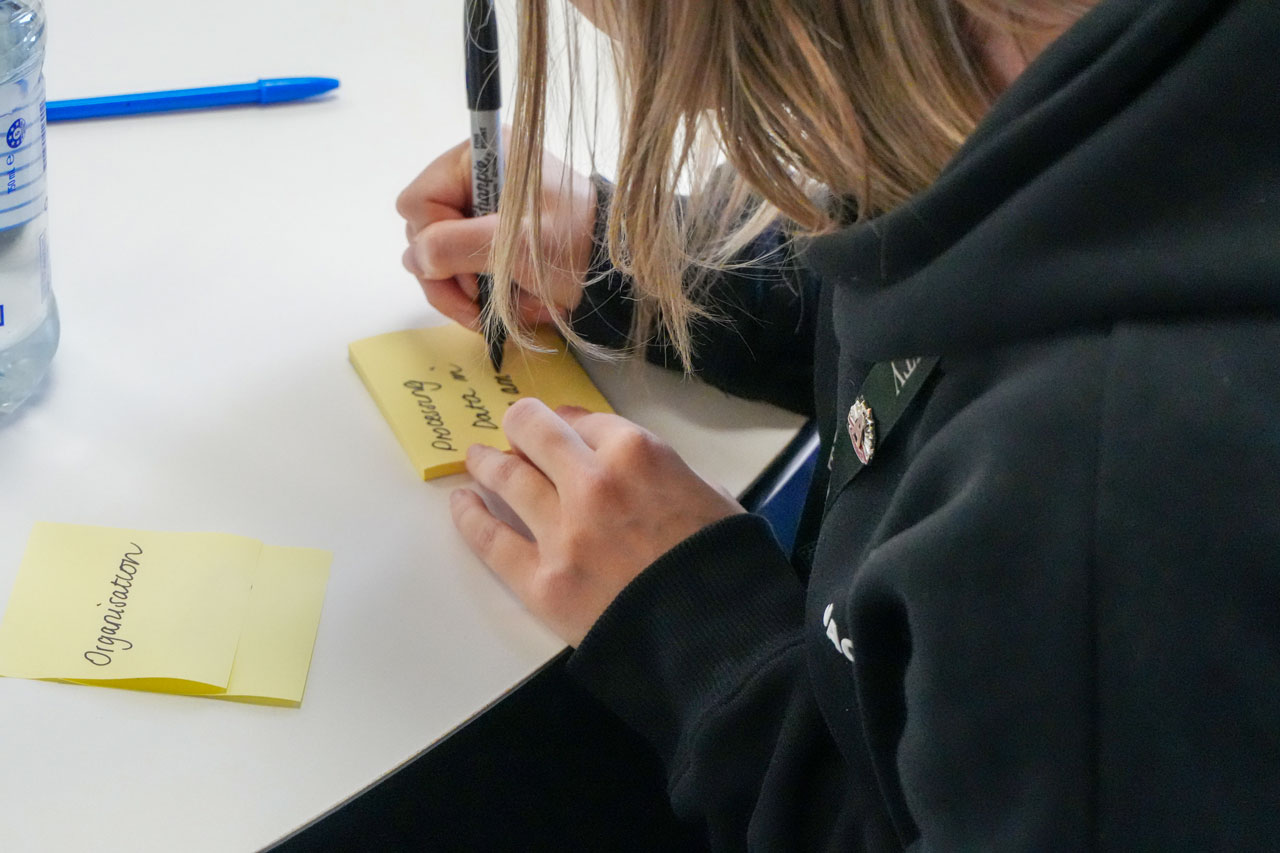
The energy in the room was palpable. Conversations were thoughtful, honest, and at times robust, exactly the kind of engagement that produces genuinely useful input. Groups captured their thinking on post-it notes, and the collective output represents a rich, authentic snapshot of the staff voice on AI.
From workshop to policy
The responses gathered in the second hour will now be synthesised and fed into Trinity Grammar’s ongoing work to shape future policies around AI use throughout the school. Rather than a top-down directive, the school is deliberately building its AI approach on the lived perspectives of the people who work there, a culturally grounded, human-centred way of approaching one of the most significant technological shifts of our time.
This aligns closely with the philosophy that CulturePath AI brings to every engagement: that meaningful, sustainable AI adoption in schools is as much about culture, values and people as it is about tools and technology.
Special thanks goes to Mark Glover Trinity’s Chief Operating Officer and Chair of ASBA Ltd
About CulturePath AI
CulturePath AI is a new organisation bringing school-grounded expertise across the operating models of school systems and schools. The team works alongside school leaders, staff and communities to help them understand, adopt, govern and benefit from generative AI in ways that are safe, strategic and culturally aligned. Learn more at culturepathai.com.
 Dr Tim Kitchen