

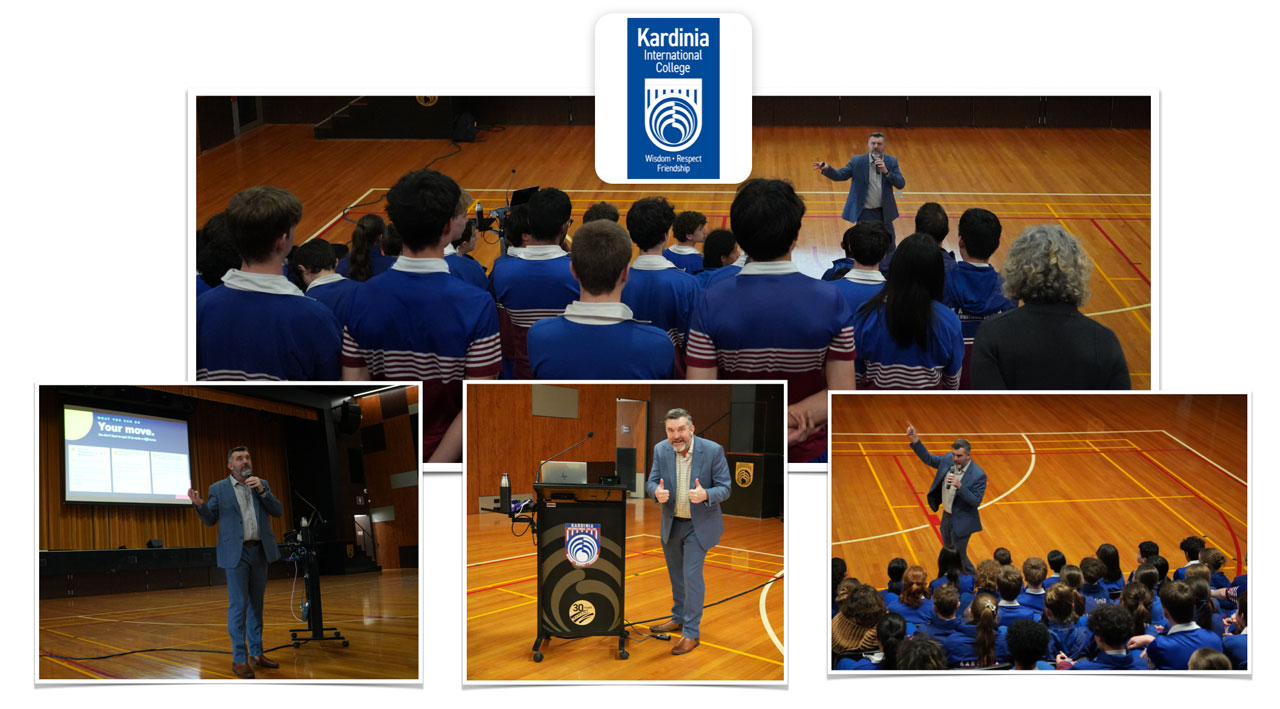
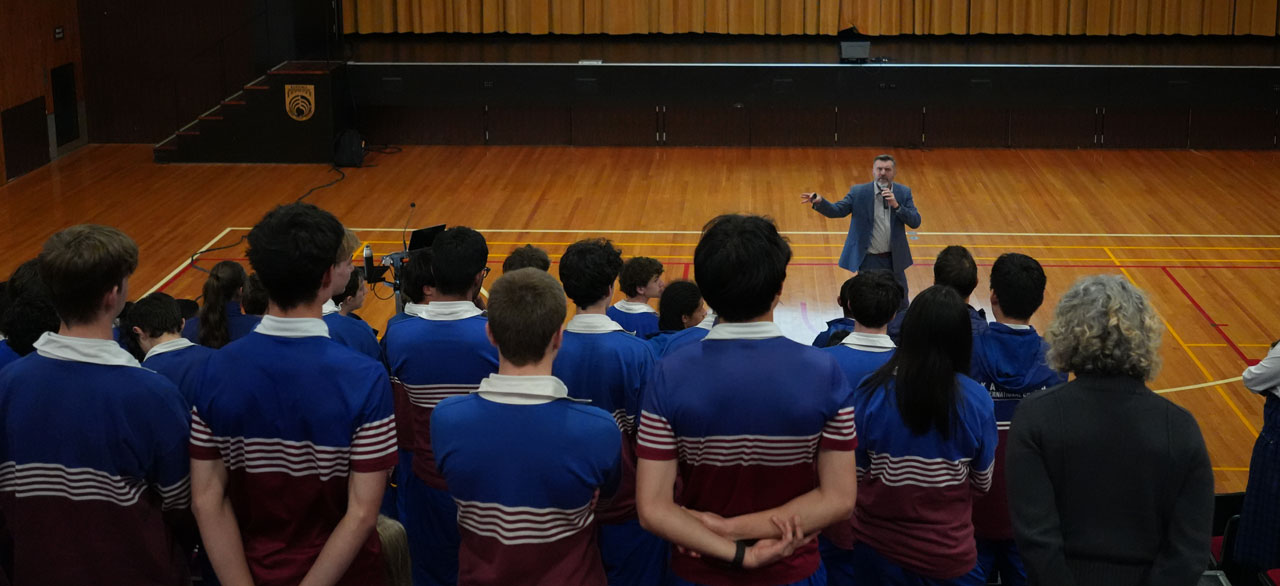
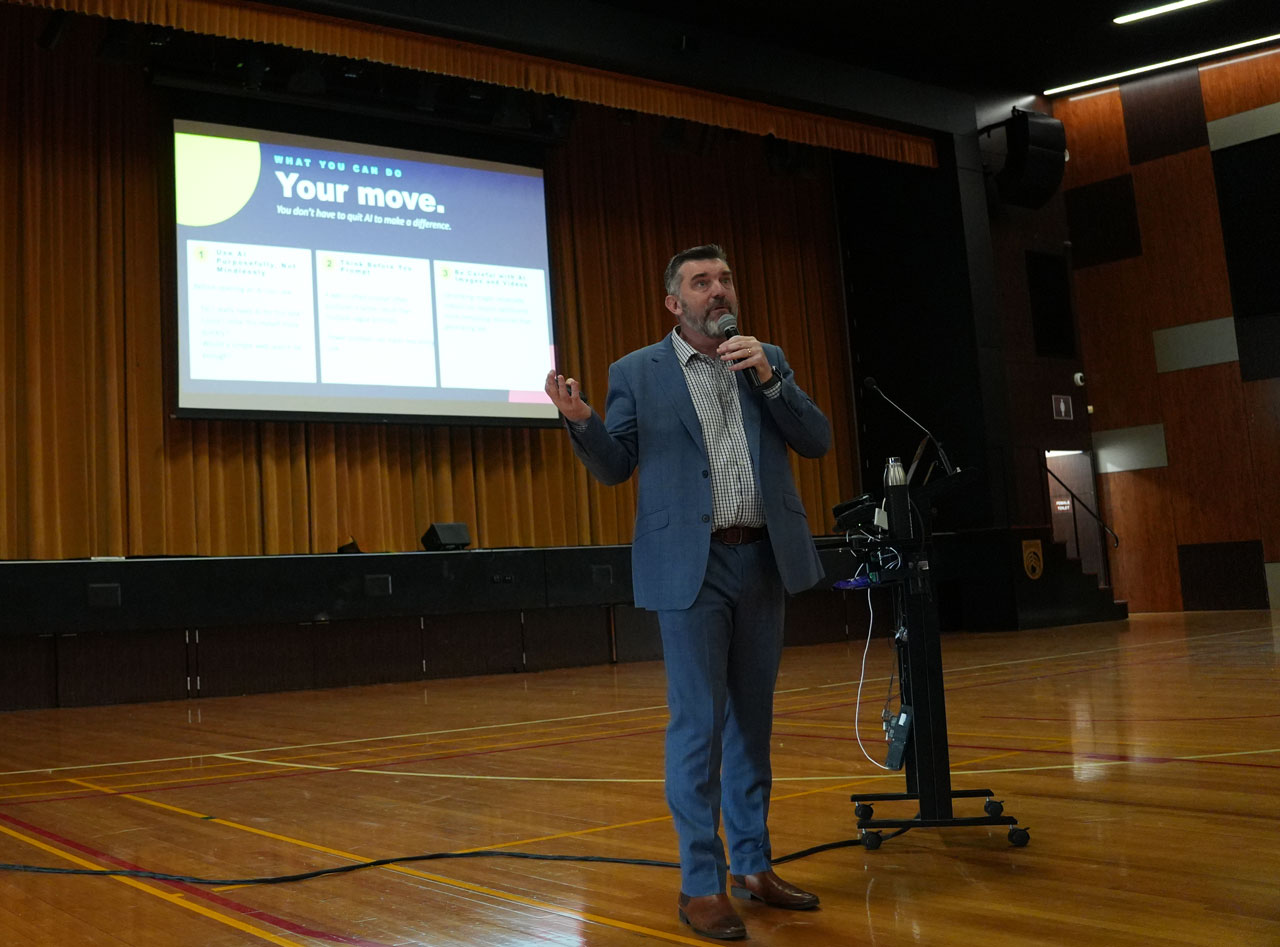
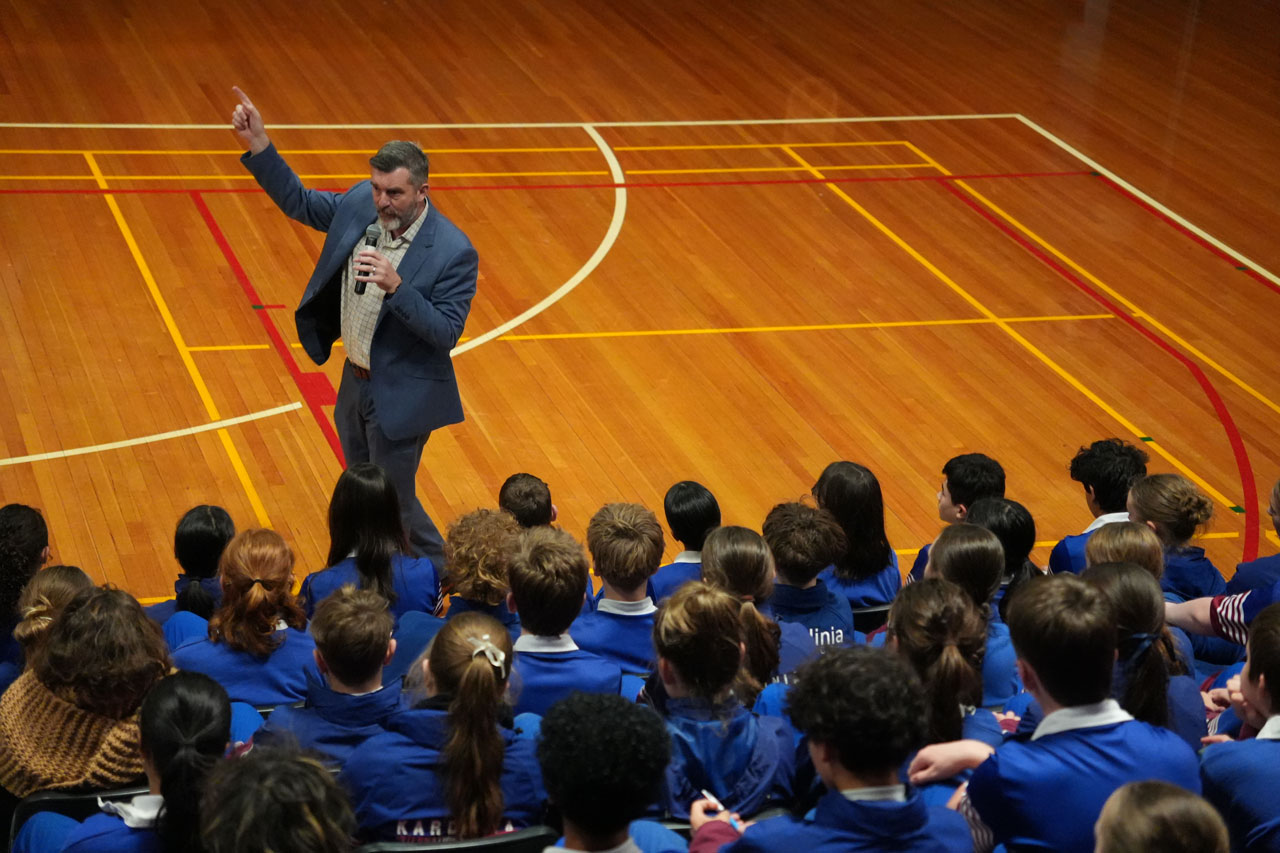
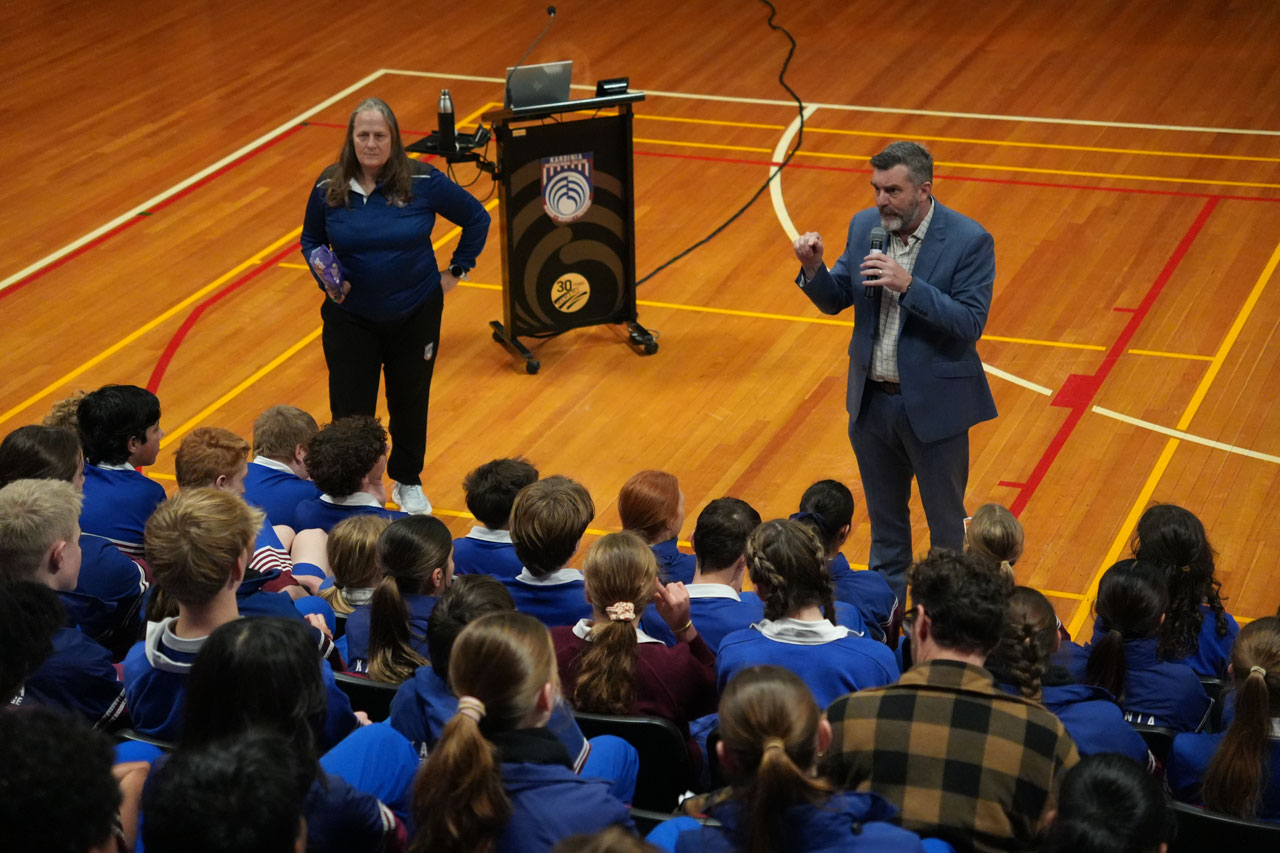
Over two days on the 9th and 10th of June, I had the pleasure of working with students from Years 7, 8, 9 and 10 at Kardinia International College in Geelong, exploring one of the most important topics facing young people today – the safe, ethical and responsible use of artificial intelligence.
With generative AI tools becoming increasingly accessible to students, it is more important than ever that schools help young people develop the knowledge, skills and critical thinking needed to use these technologies wisely. Each year level participated in a tailored presentation designed to address issues that were relevant to their age group and learning experiences.
Year 7 – Effective Prompting
Students explored the art and science of prompting, learning how the quality of the questions and instructions they provide to AI tools can significantly influence the quality of the responses they receive. We discussed how prompting is a skill that requires clarity, creativity and critical thinking rather than simply typing a question and accepting the first answer.
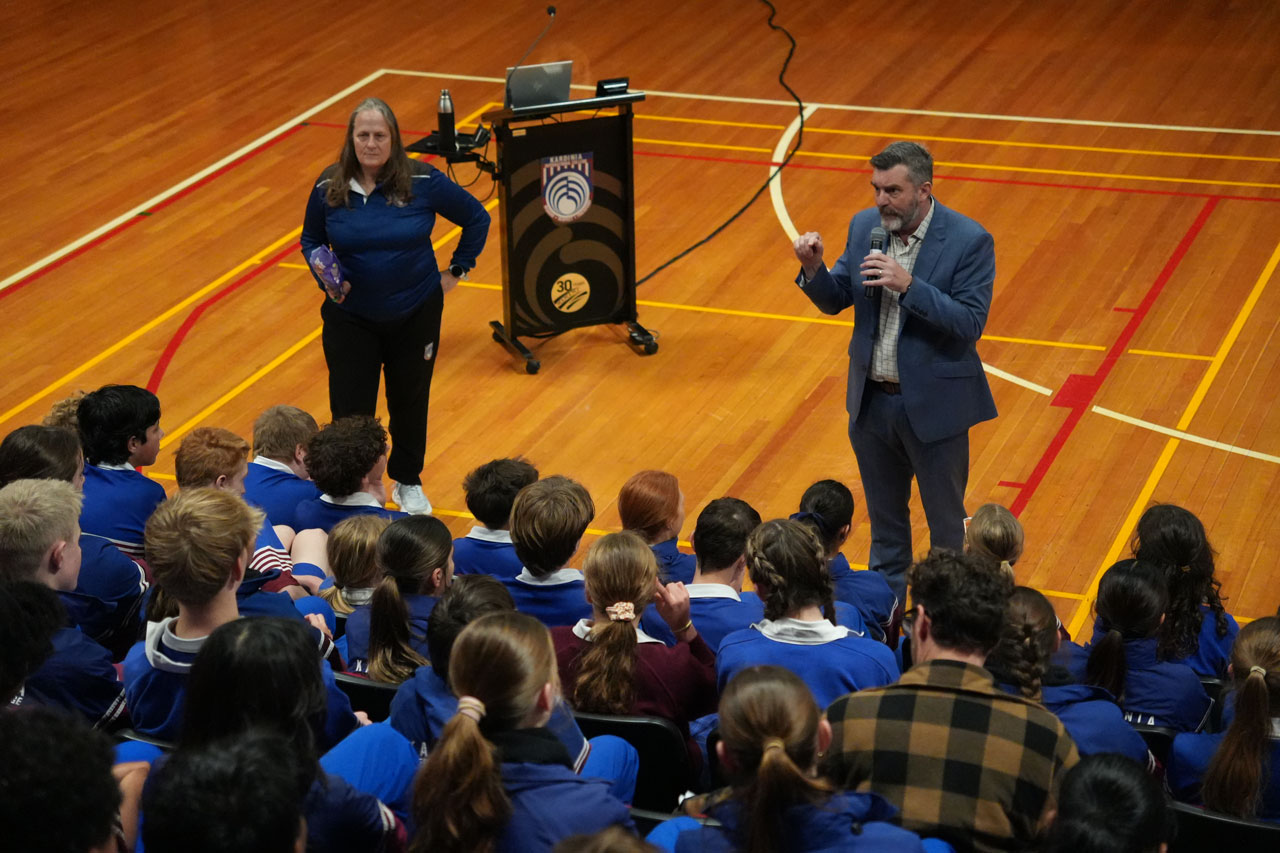
Year 8 – Who Owns AI-Generated Work?
Year 8 students examined the increasingly complex question of authorship and ownership in an age of AI. Through practical examples and discussion, students considered concepts such as copyright, intellectual property, attribution and the role that human creativity plays when AI tools are used as part of the creative process.
Year 9 – When Does AI Support Learning and When Does It Cross the Line?
This session focused on the distinction between using AI as a learning support tool and using it in ways that undermine learning. Students explored scenarios involving brainstorming, feedback, research assistance and assessment tasks, discussing where responsible use ends and academic misconduct begins.
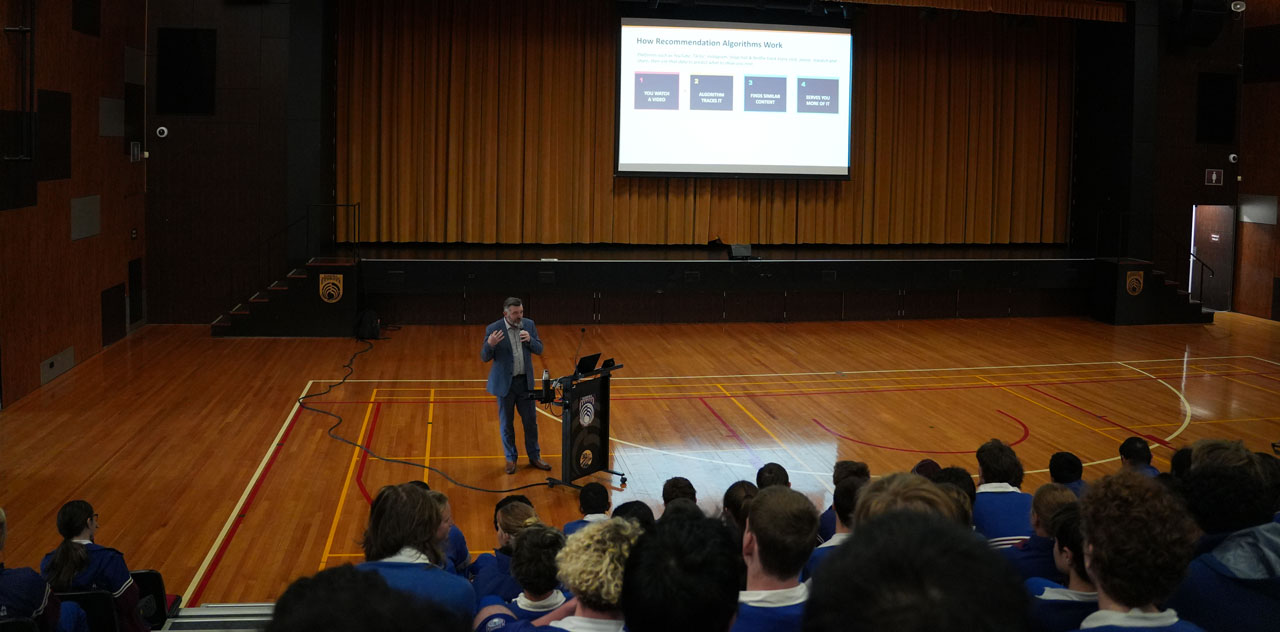
Year 10 – How Algorithms Shape What We See, Believe and Share
With many students spending significant amounts of time online, Year 10 students investigated how recommendation algorithms influence the content they encounter on social media, video platforms and search engines. We explored concepts such as filter bubbles, confirmation bias, misinformation and the ways algorithms can shape opinions, beliefs and online behaviours.
The Environmental Impact of AI
A common thread across all four year levels was a discussion about the environmental impact of generative AI. Students learned that while AI offers many exciting opportunities, it also relies on significant computing infrastructure, energy consumption and water usage. Understanding both the benefits and costs of these technologies is an important part of becoming informed and responsible digital citizens.
It was encouraging to see students engaging thoughtfully with these topics, asking insightful questions and reflecting on the opportunities and challenges that AI presents.
Preparing young people for an AI-rich world is not simply about teaching them how to use the technology. It is about helping them develop the critical thinking, ethical awareness and human skills that will allow them to use it wisely.
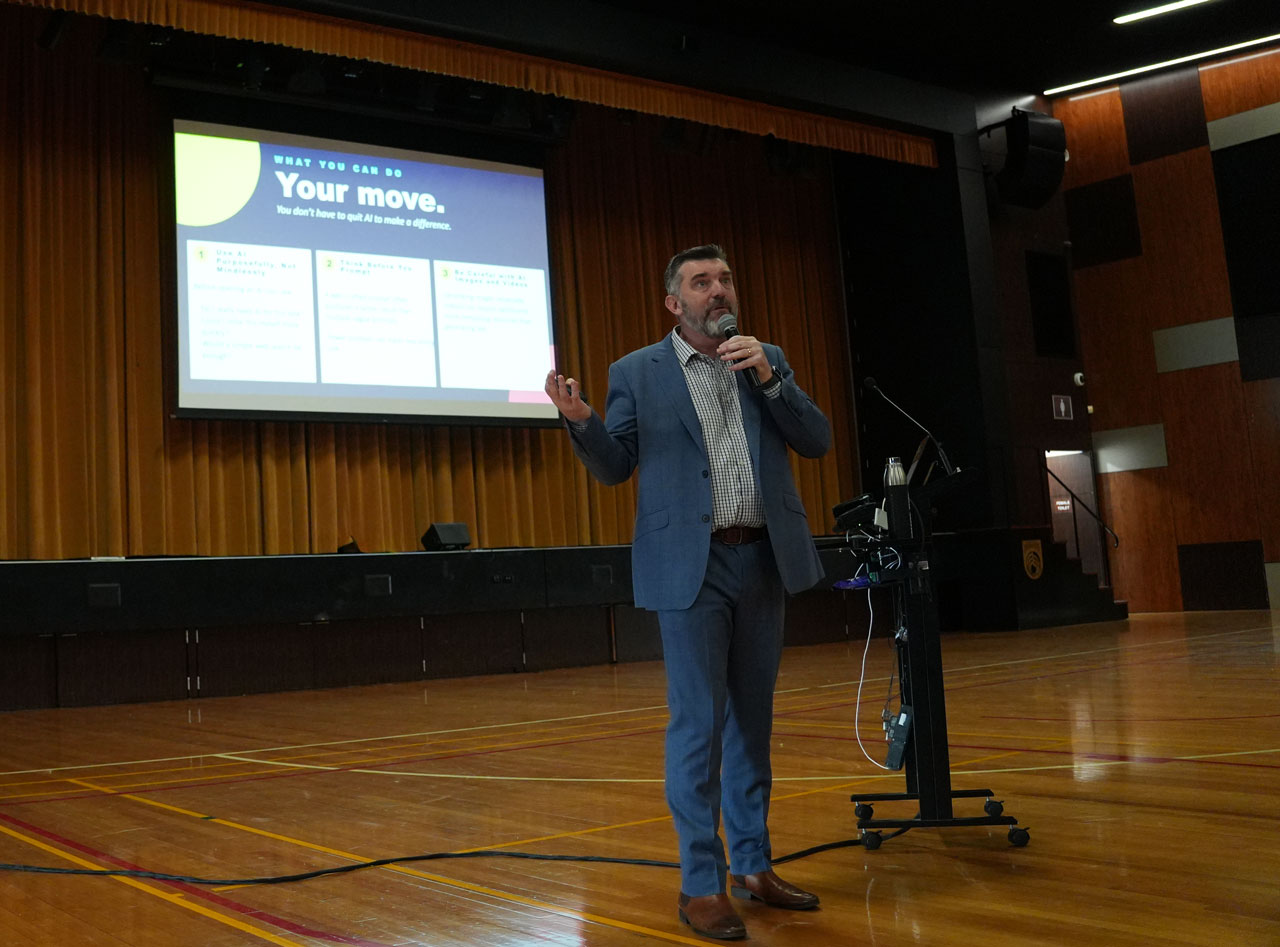
Special thank you to Mrs Aisha Kristiansen (Director of Innovation & Technology K-12) for organising these sessions for her school.
Gallery
 Dr Tim Kitchen