After many years of writing articles, running workshops and speaking with educators around Australia and globally, I’m excited to launch a brand-new podcast/vodcast series largely based on my LinkedIn article series called ‘The Kitchen Think’
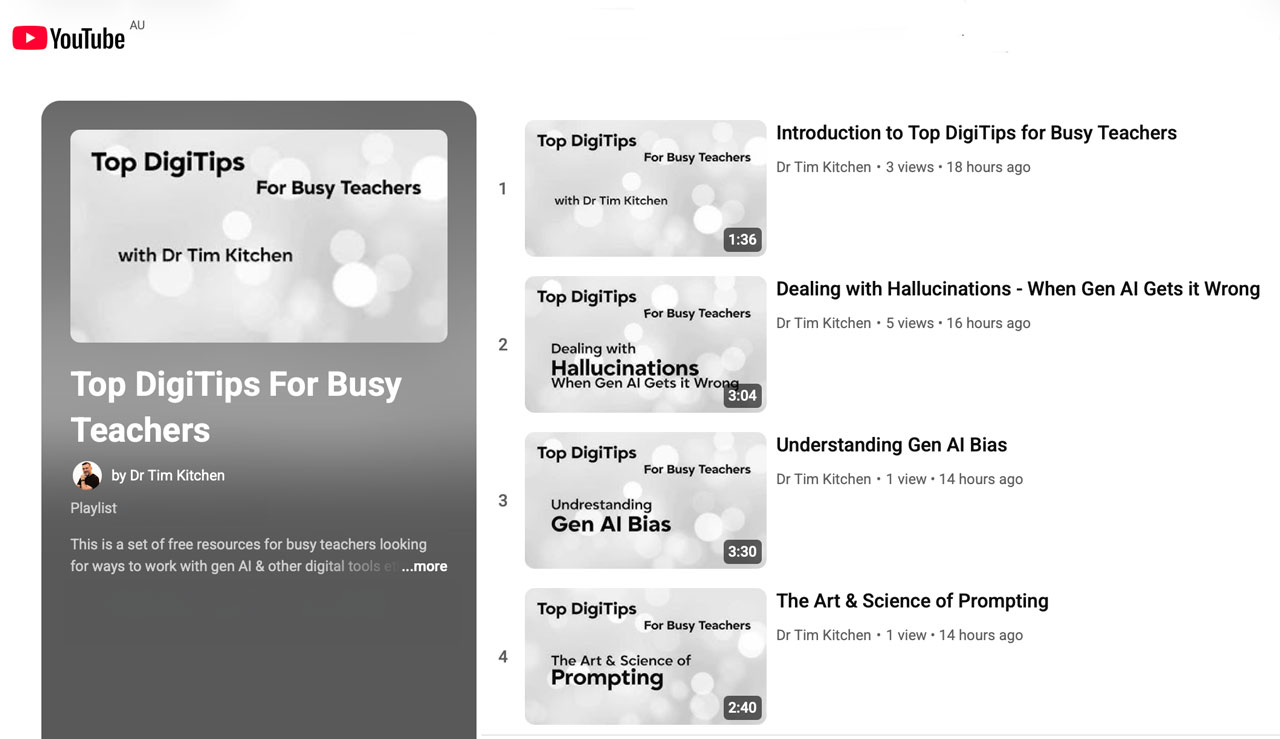
I recently added a video to my Top DigiTips for Busy Teachers YouTube playlist titled – Who’s watching your AI conversations? – Managing AI Model Training Features.
This is a quick guide on how to turn off AI model training features in ChatGPT, Copilot and Gemini. It goes through why these privacy settings matter for protecting student data, assessment content and responsible AI use, while remembering that no AI tool is completely risk-free.
The full Top DigiTips for Busy Teachers playlist is available here.
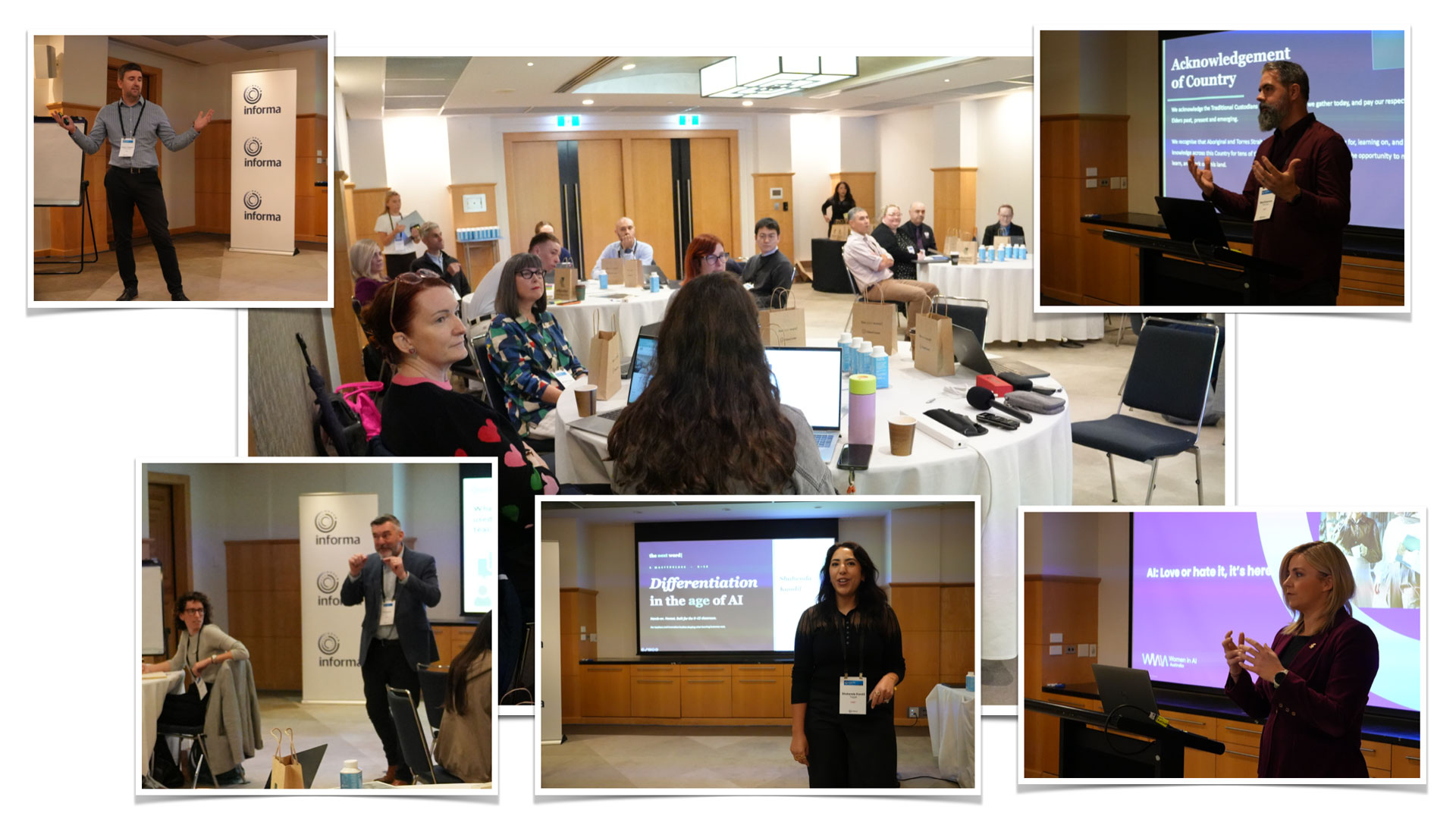
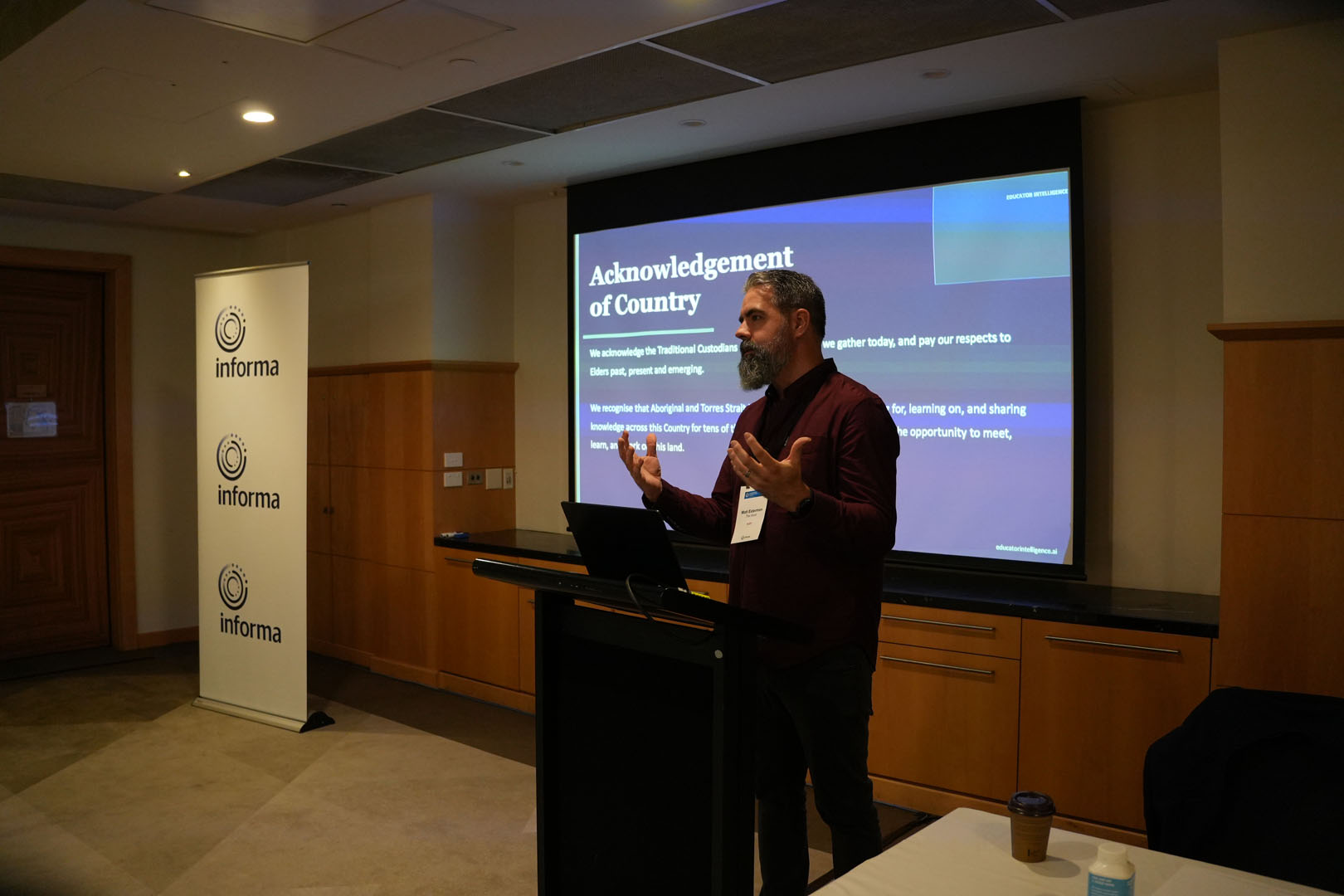
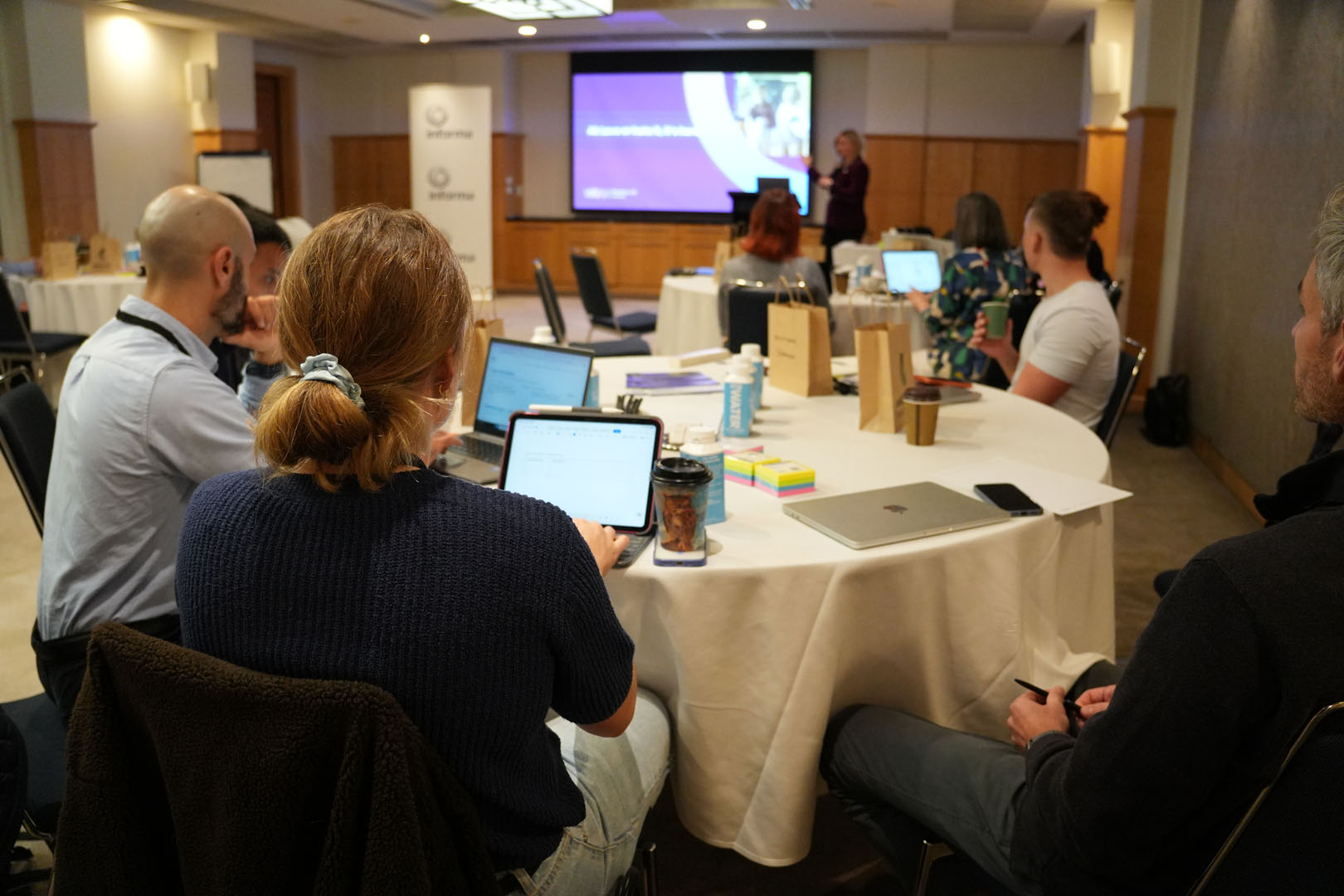
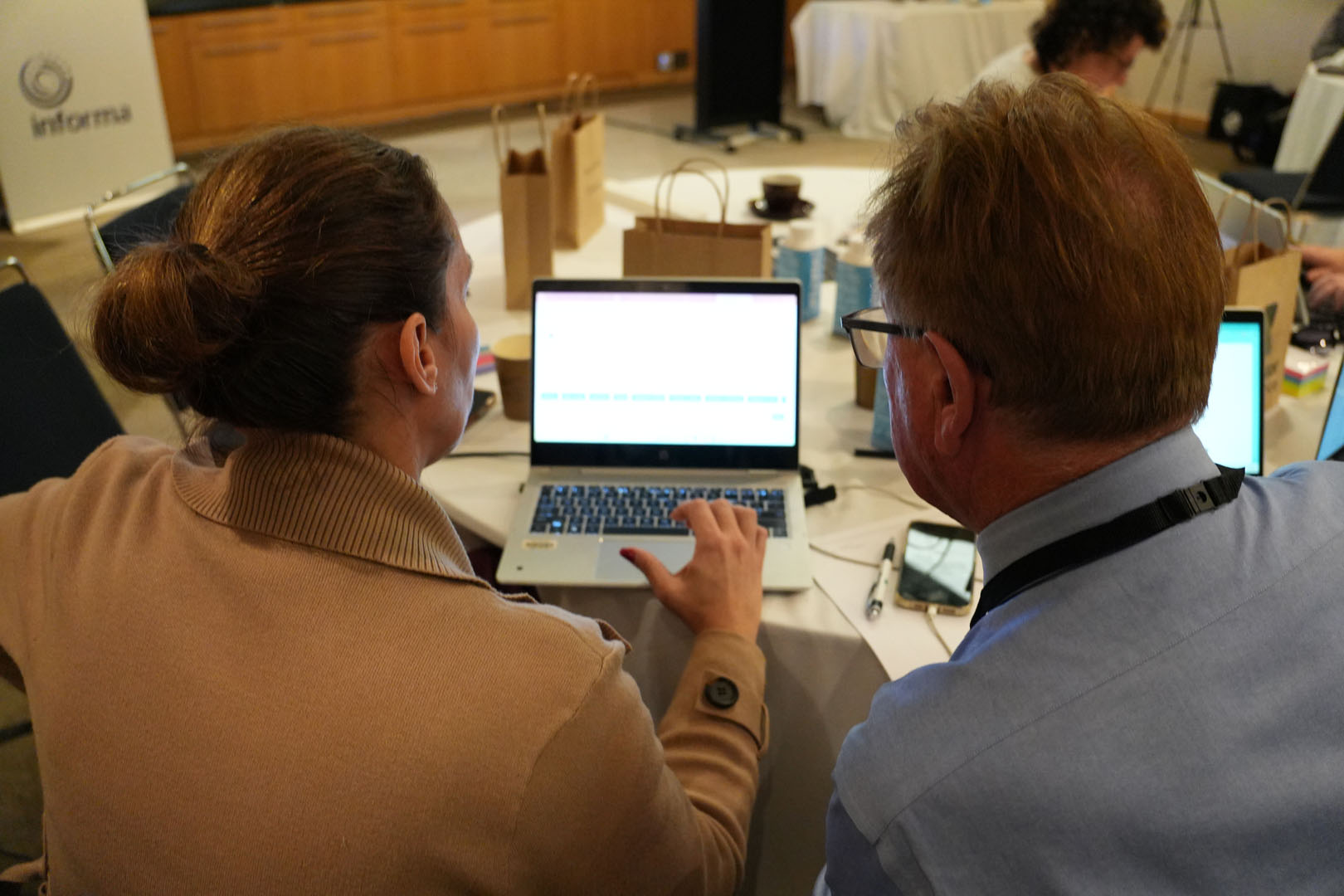
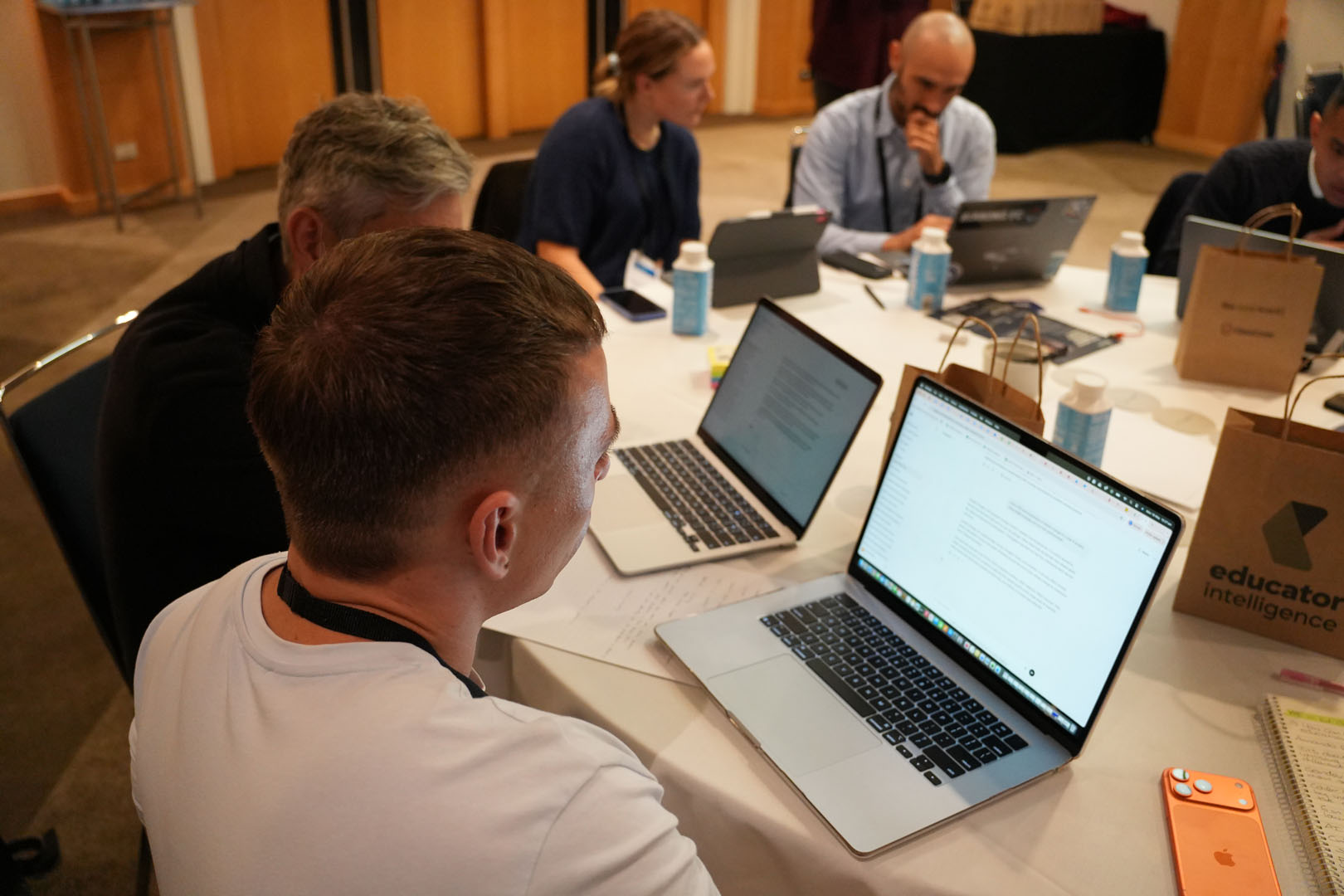
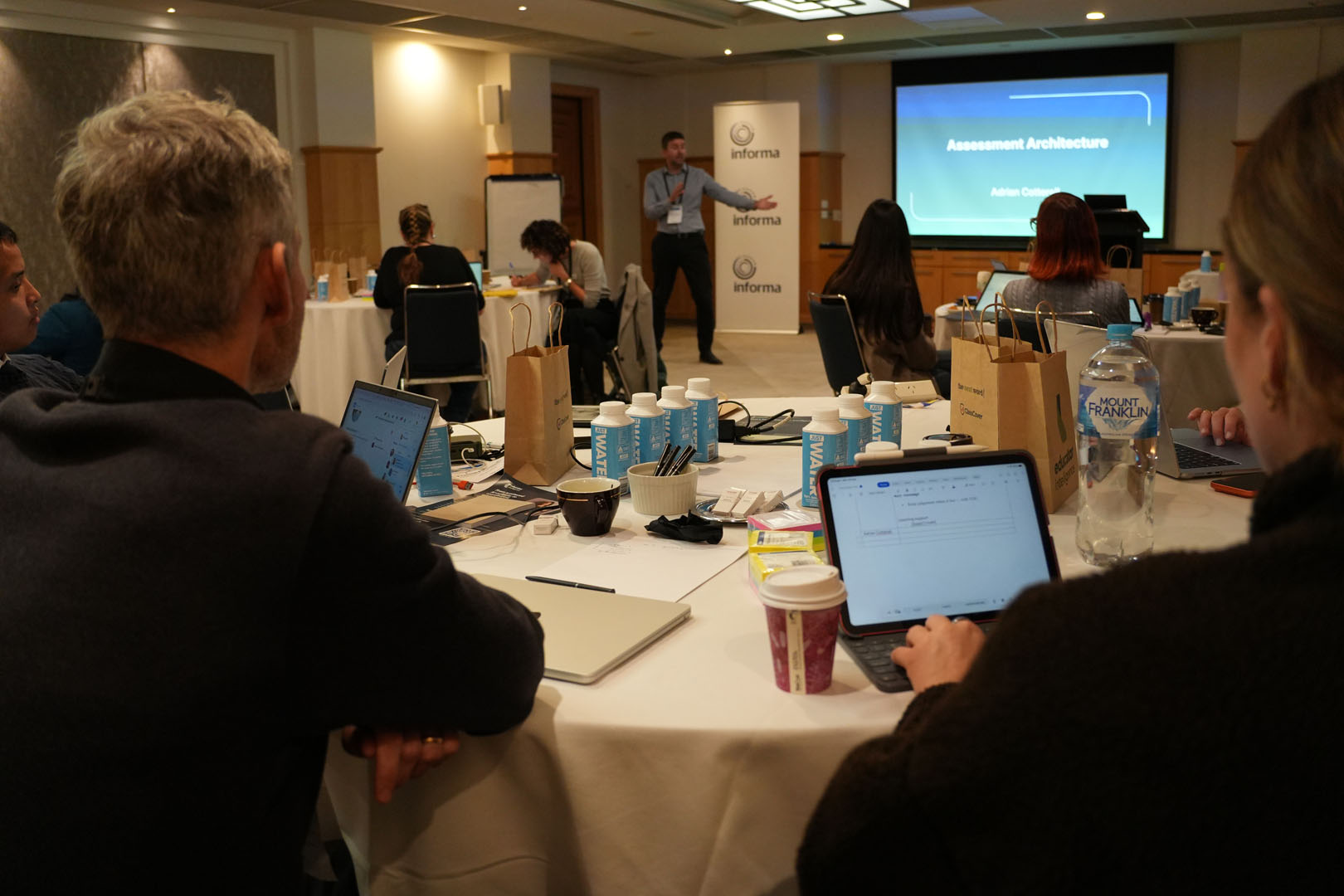
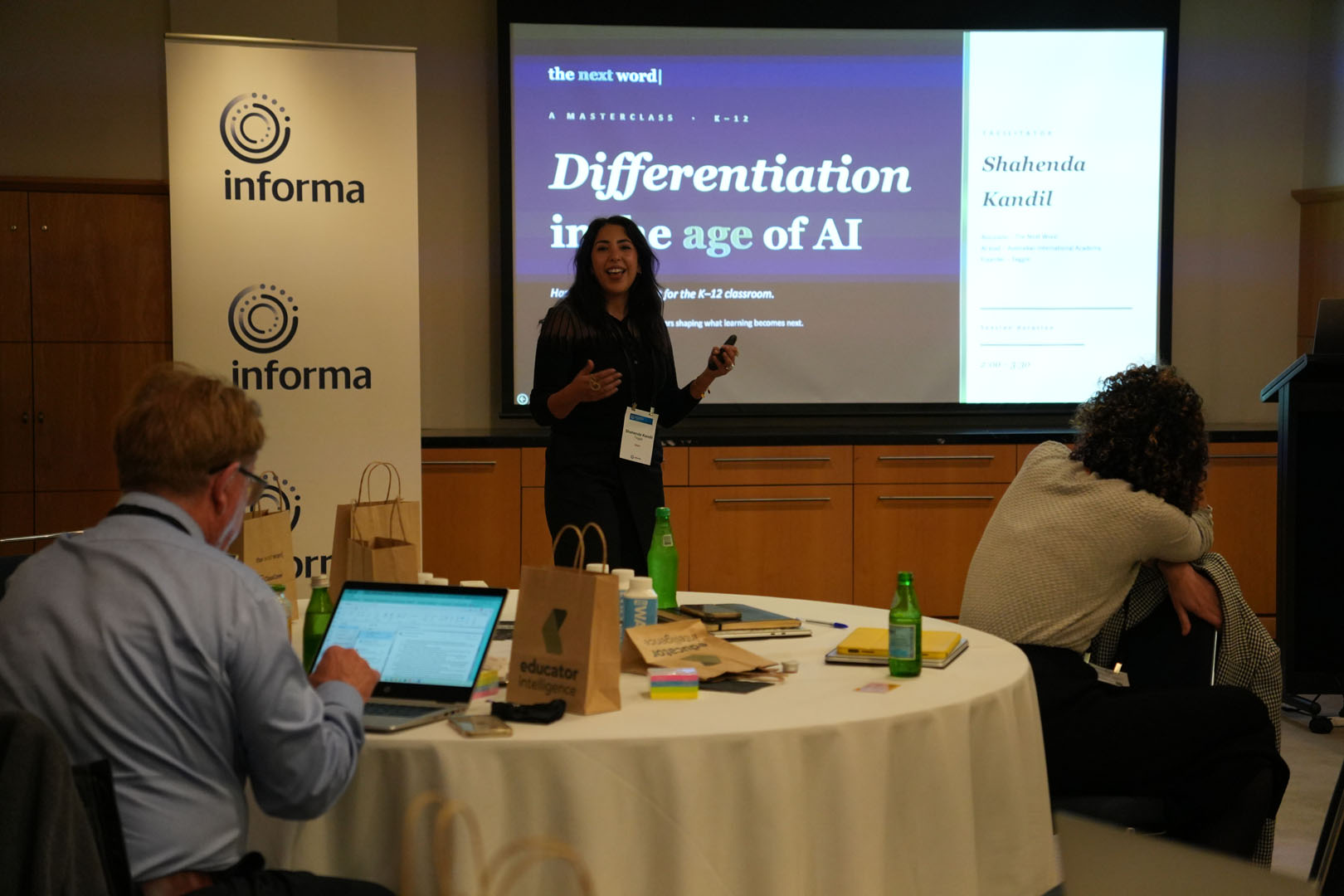
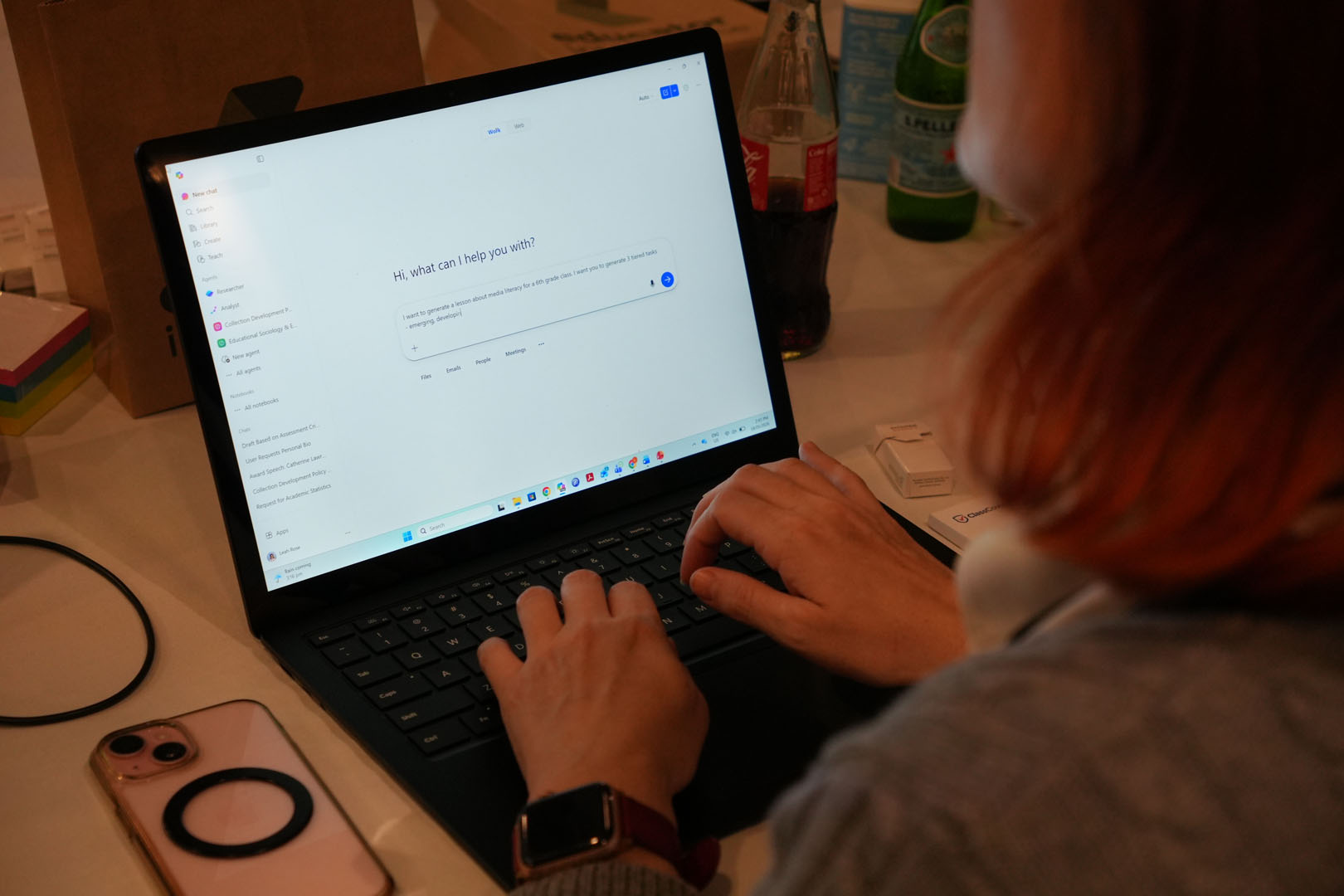
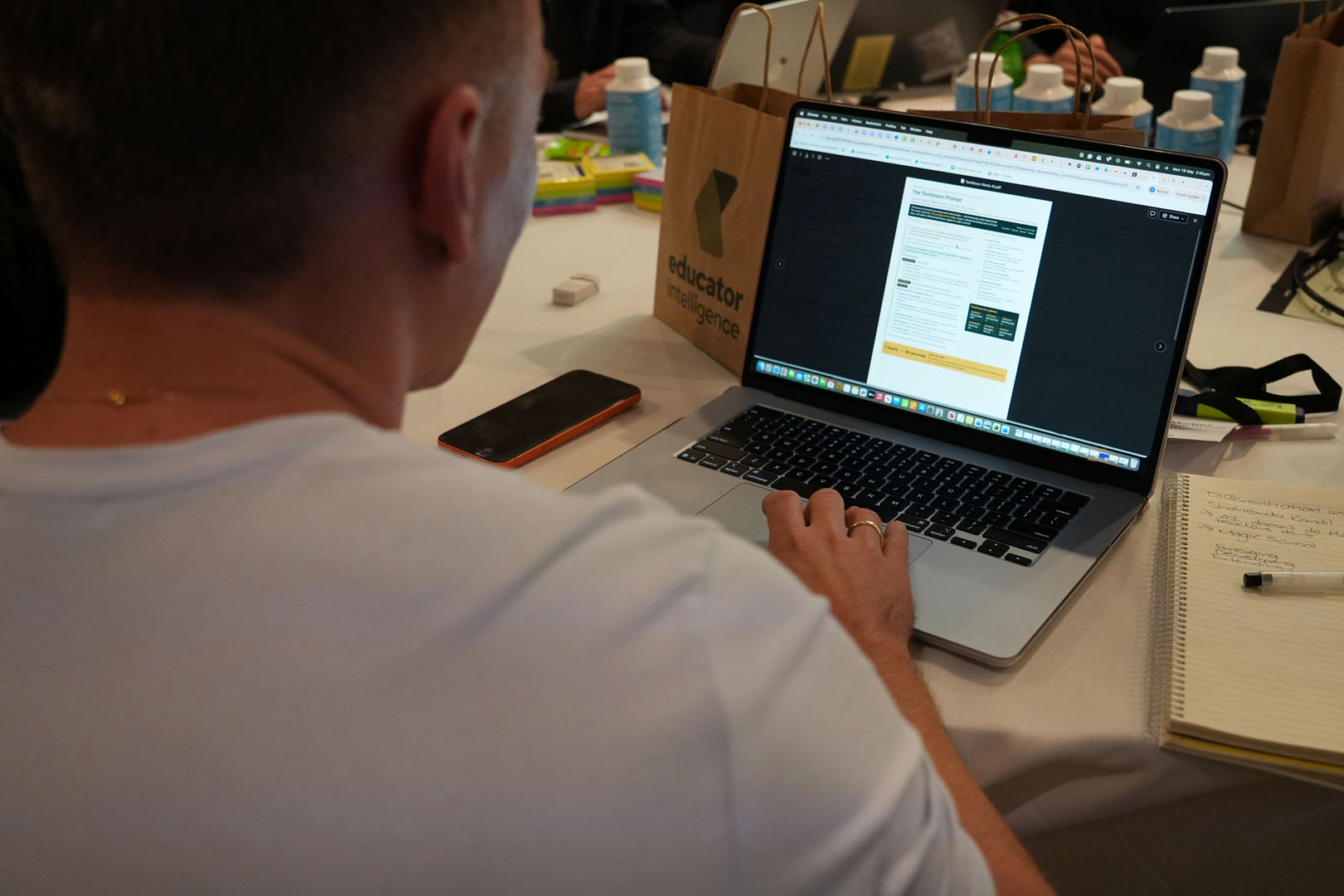
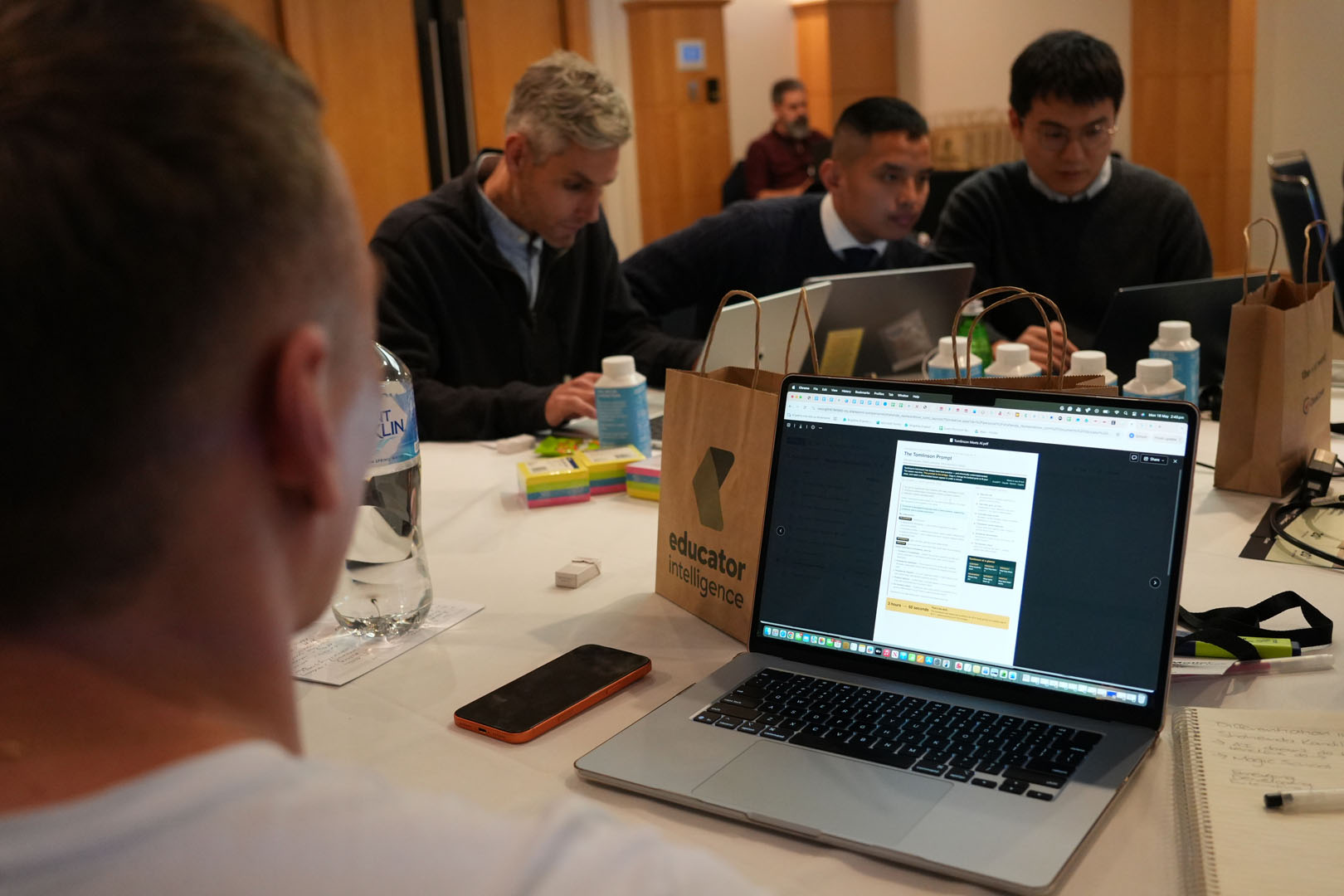
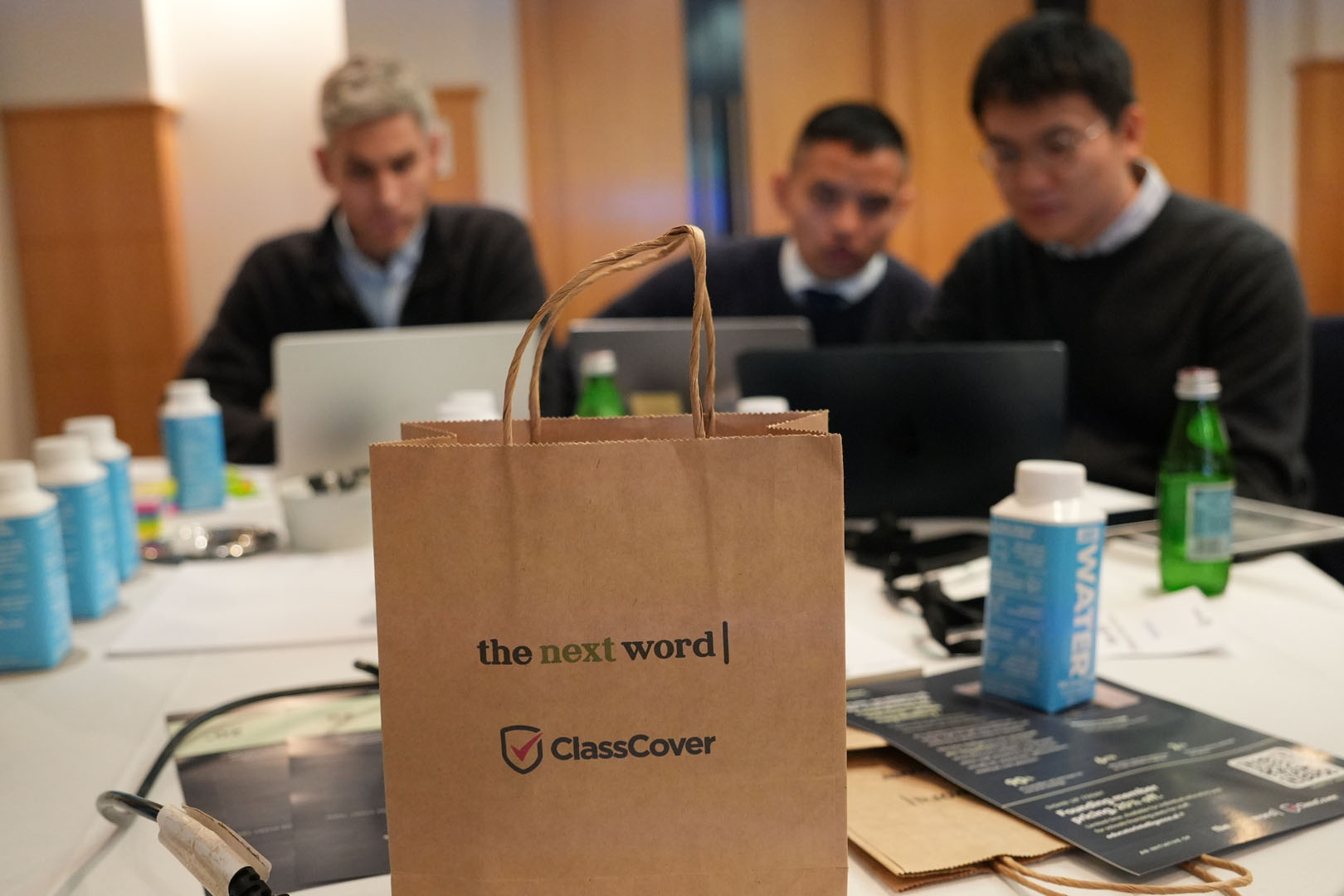
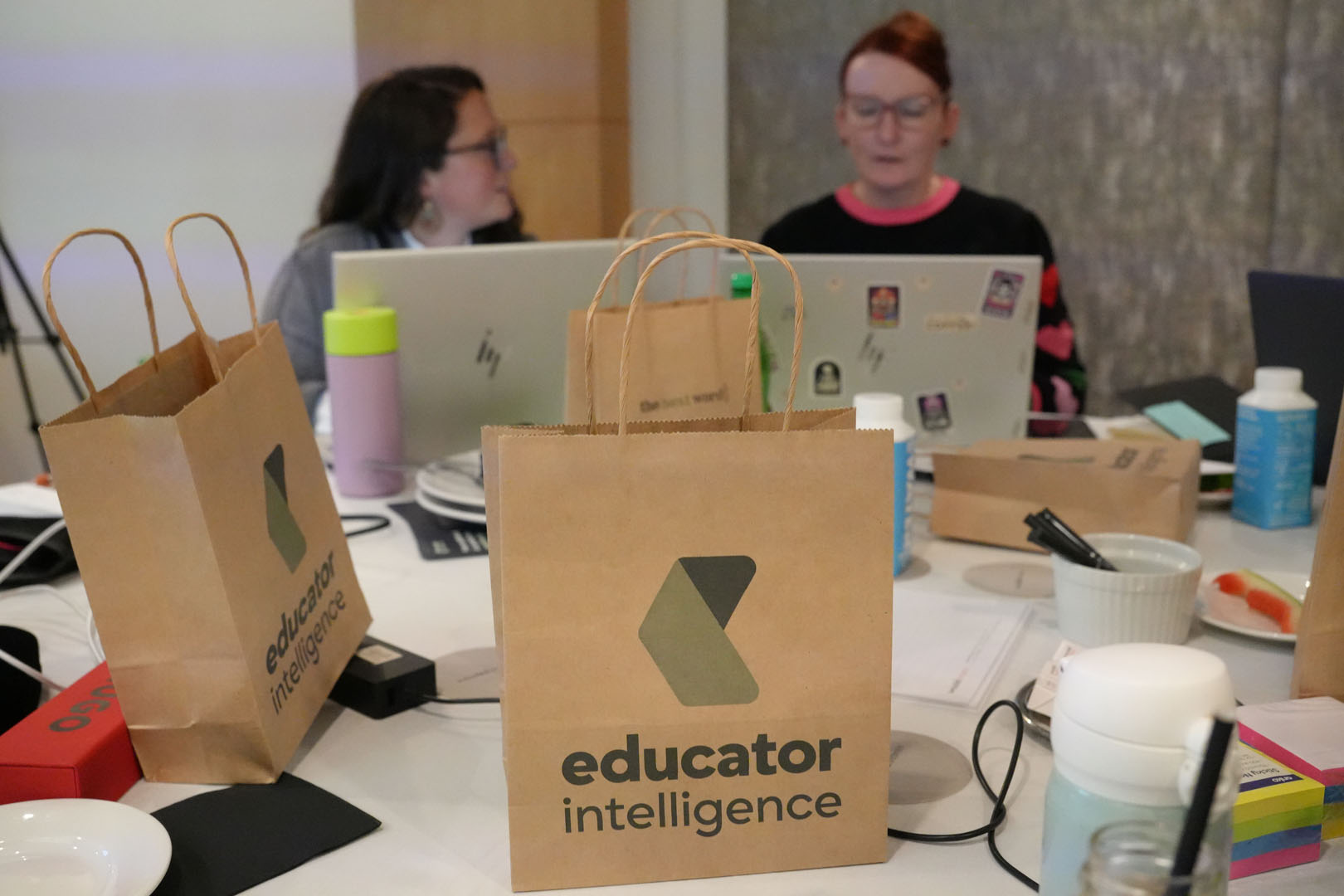
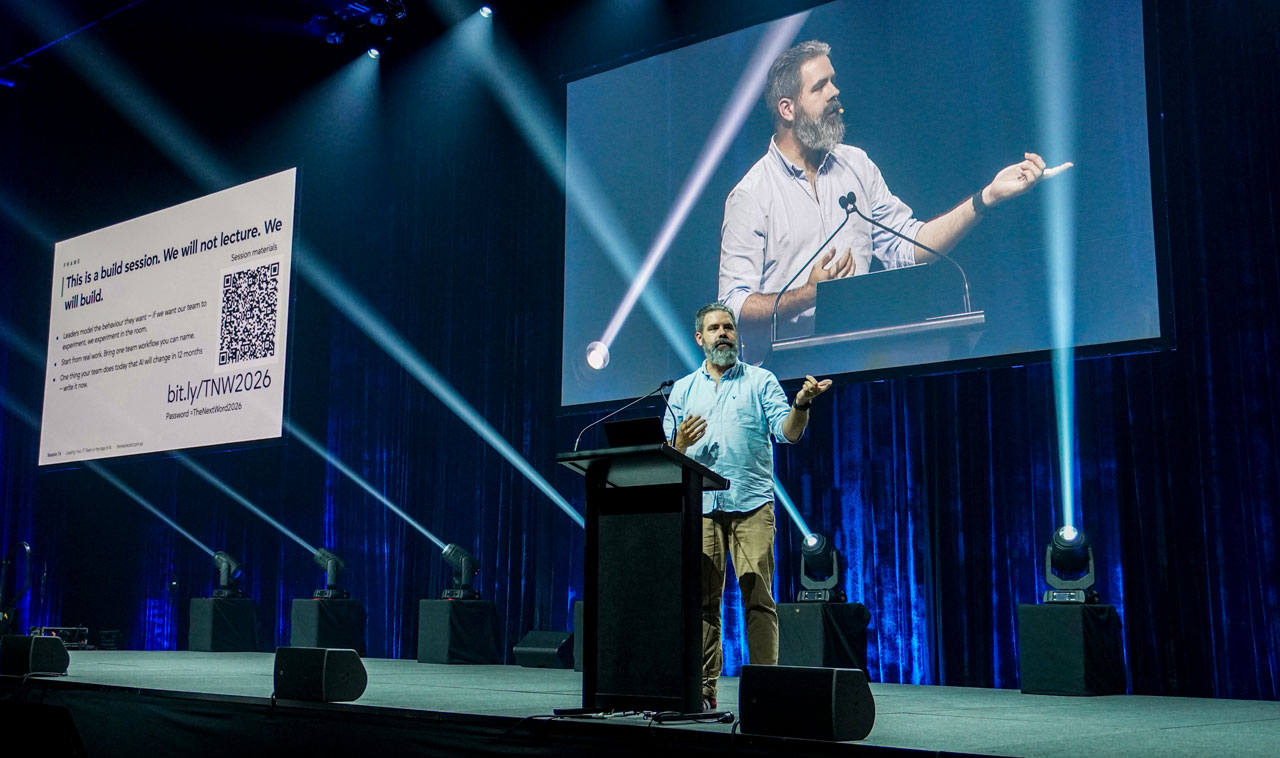
The Informa AI in Education Pre-Conference Masterclass (New South Wales) was held on Monday 18th May 2026 at the luxurious Swissôtel in Sydney. It brought together a passionate group of 25 school leaders and teachers from across New South Wales for a day of deep thinking, practical workshops and collaborative conversations about the future of AI in education. Hosted by the amazing Matt Esterman (from The Next Word and the new Educator Intelligence), the masterclass created a valuable space for educators and leaders to move beyond the hype and explore what meaningful, ethical and sustainable AI integration can actually look like in schools.
Rather than focusing on AI as simply another digital trend, the day centred on a far more important question: how can educators harness AI in ways that genuinely enhance teaching, learning and human capability?
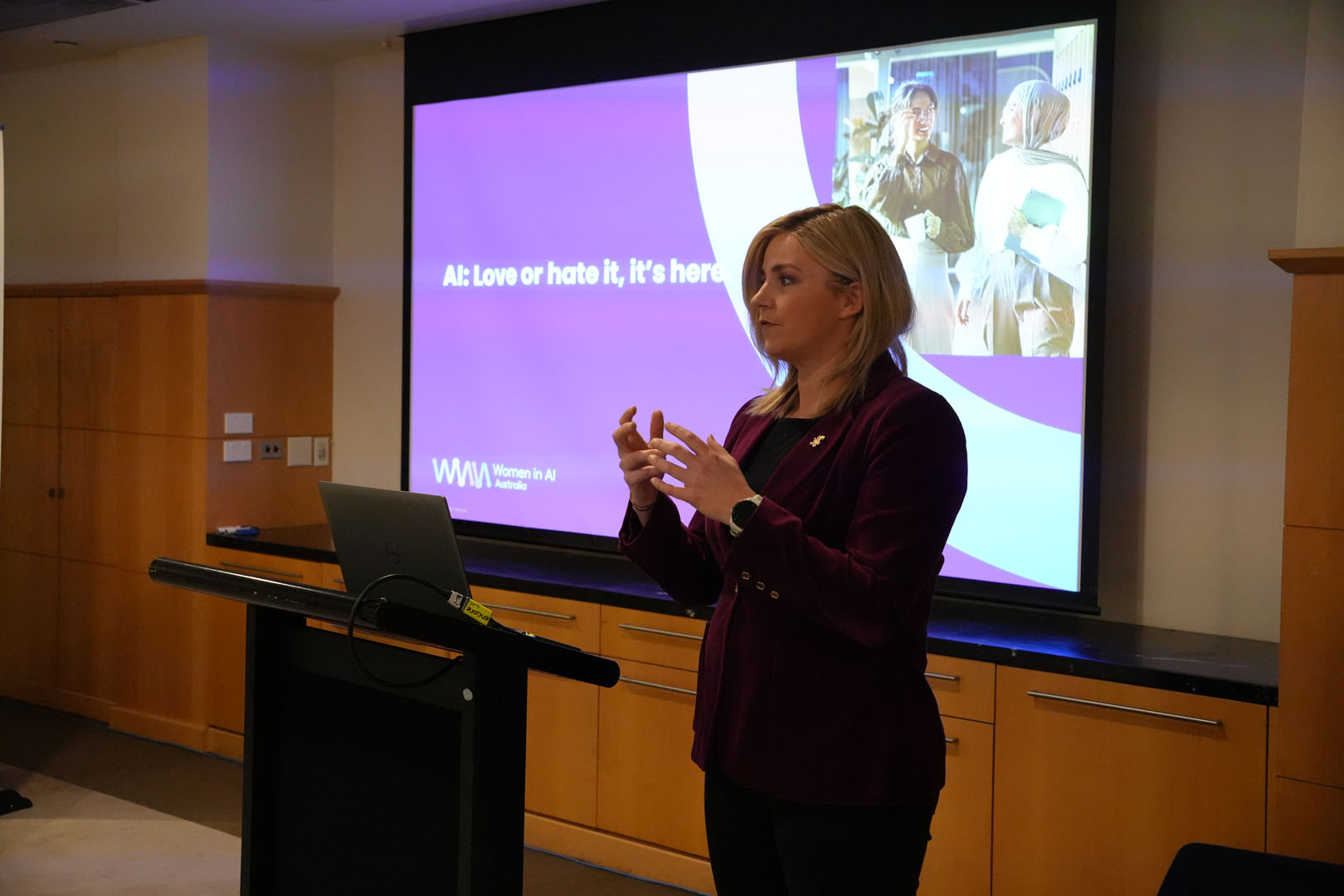
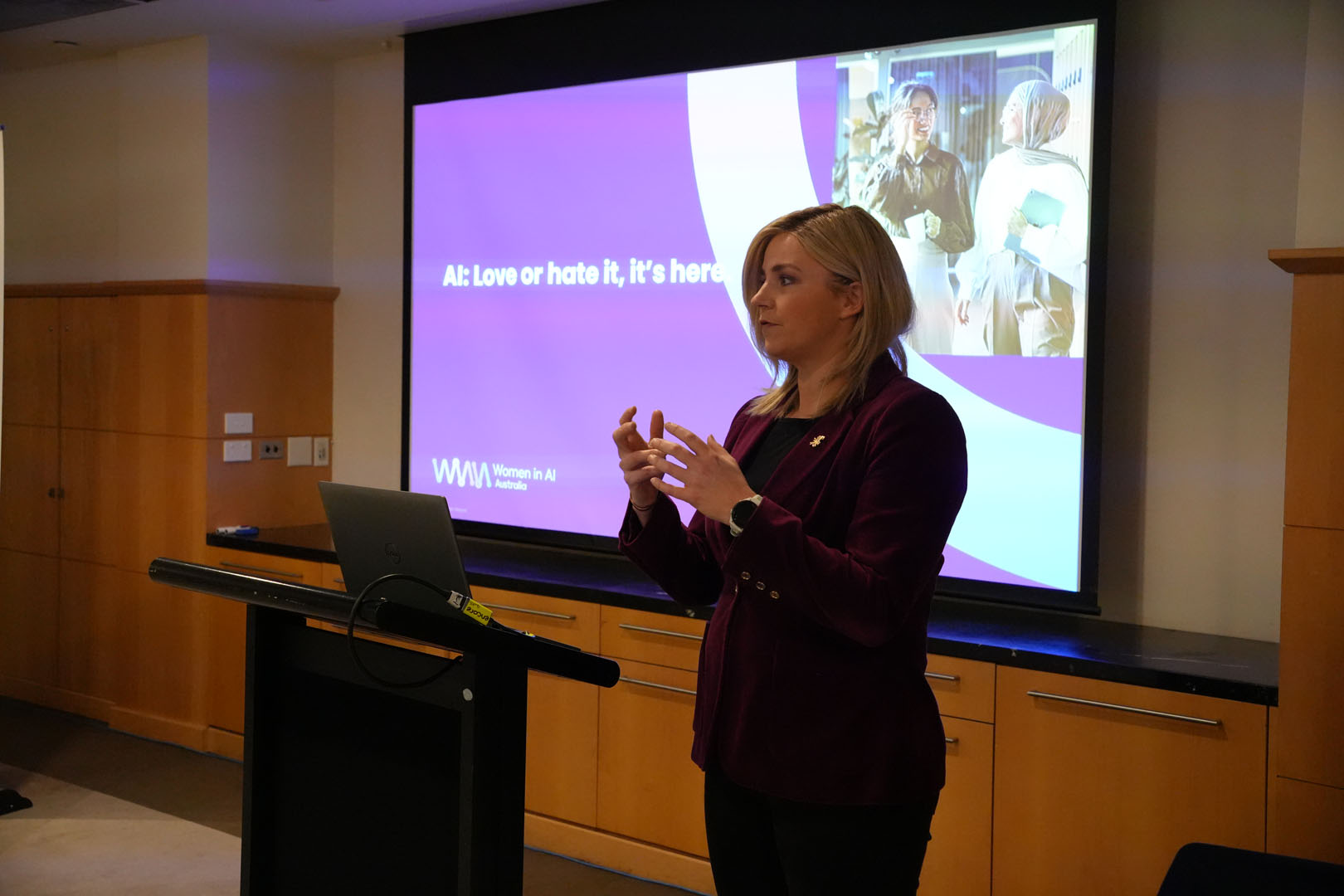
Amanda Rose (Founder & CEO, Western Sydney Women), explored why AI literacy is now becoming a core capability for every educator. Amanda challenged participants to move from simple awareness of AI tools towards meaningful action and implementation. Her session encouraged educators to collaborate with industry and think critically about the role everyone plays in guiding students through an increasingly AI-rich world.
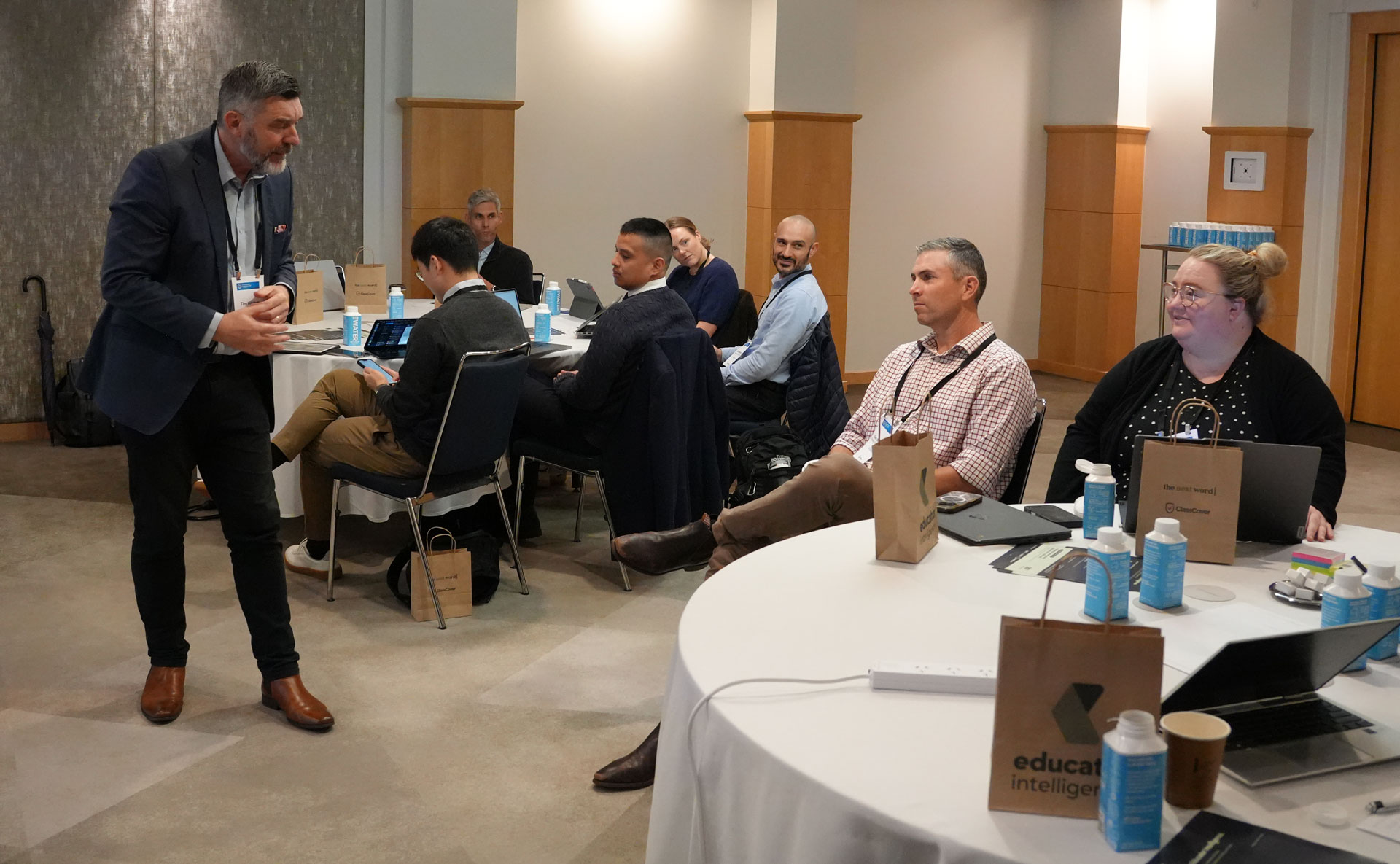
Dr Tim Kitchen led an interactive workshop titled AI First Aid – A 101 on Generative AI for Educators. Designed for educators either starting their AI journey or looking to strengthen their foundational understanding, the workshop covered core concepts behind generative AI, responsible and ethical use principles, practical prompting techniques, and strategies for building a personalised AI toolkit. Participants explored a range of tools hands-on and left with their own personal AI use protocol, a practical framework to guide safe, ethical and effective use of AI in their professional context.
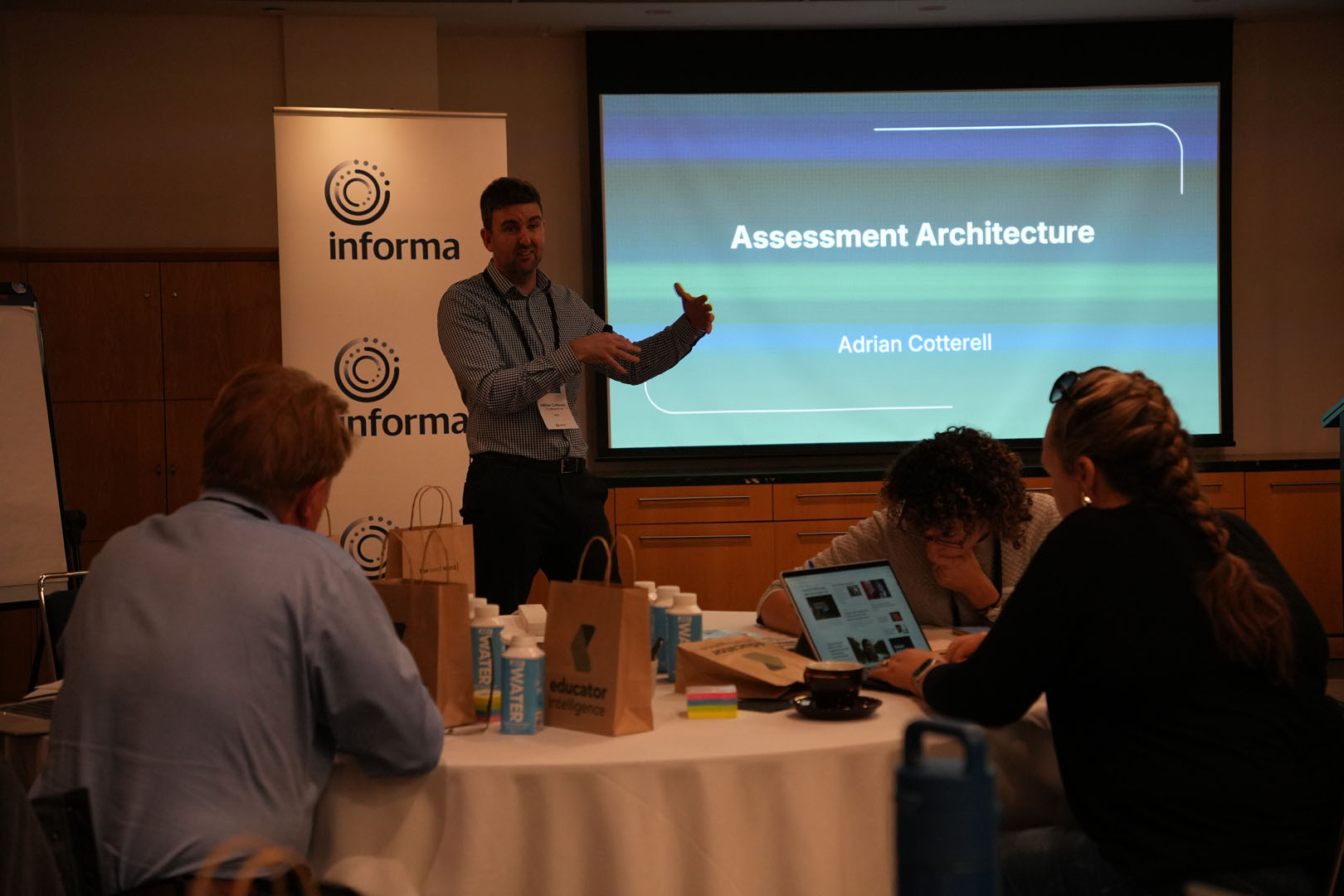
Assessment redesign was another major focus of the day, with Adrian Cotterell from Thinking Mode presenting a highly practical workshop on redesigning assessment for an AI-enabled world. Participants worked through a structured framework to audit existing assessment tasks and rebuild them using principles of authenticity, process visibility and AI resilience. The workshop reinforced a growing reality in education, that assessment must increasingly prioritise critical thinking, creativity, reflection and evidence of learning processes, not simply final products.
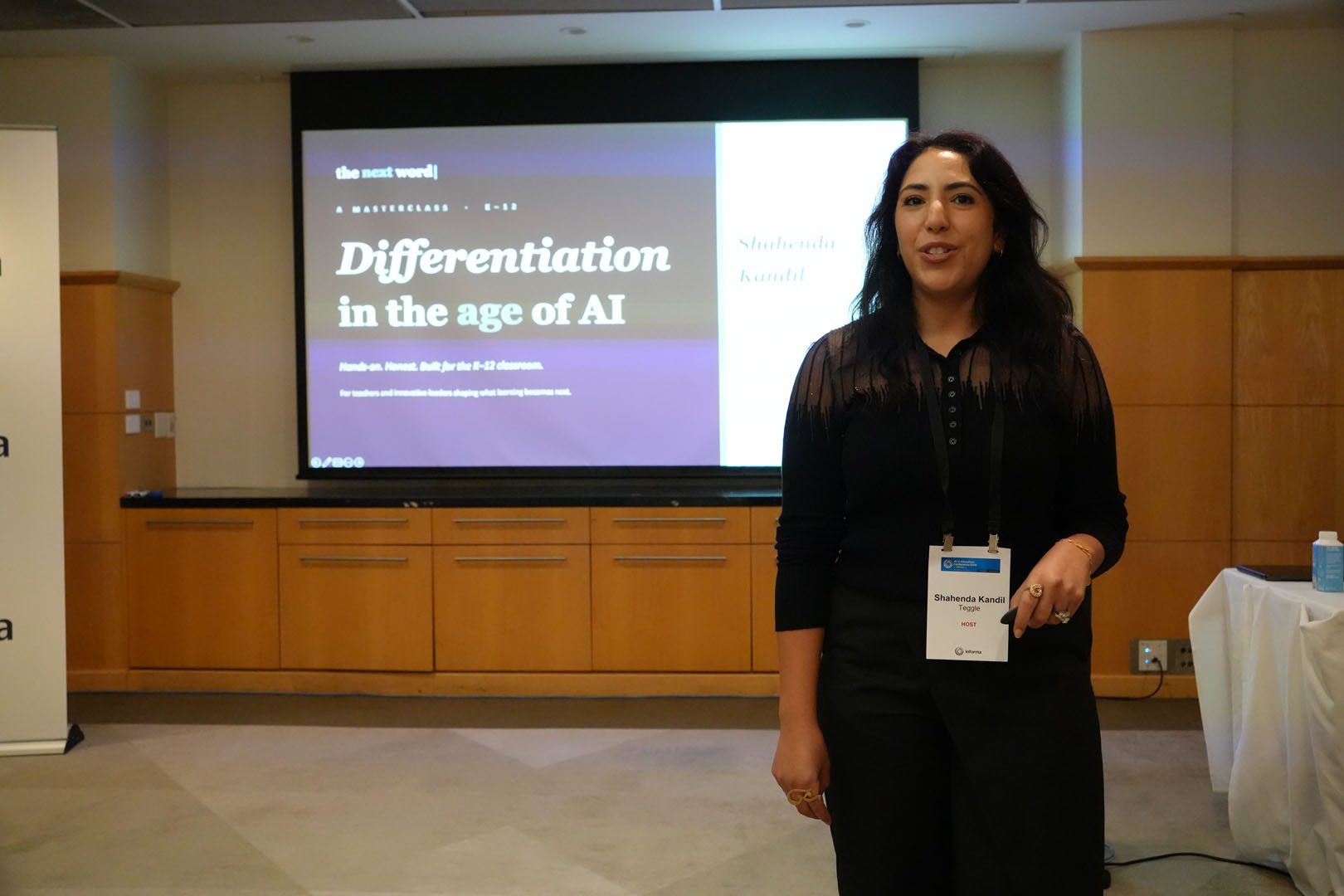
The final workshop from Shahenda Kandil (founder of Teggie) explored how AI can support the personalisation of learning at scale. Through hands-on activities, participants developed differentiated resources, scaffolds and learning pathways using AI-supported workflows and protocols. Importantly, the session maintained a strong focus on ensuring that AI-supported personalisation still respects the diverse needs, backgrounds and capabilities of learners.
Across the day, one message became increasingly clear: while AI tools are evolving rapidly, the human side of education has never been more important. Critical thinking, ethical judgement, creativity, empathy and relationship-building remain at the heart of effective teaching and learning. The masterclass highlighted that successful AI integration is not about replacing educators, but about empowering them with better tools, stronger understanding and clearer frameworks.
The energy and openness of the participating school leaders also stood out. There was a strong sense that schools are actively searching for balanced, practical and ethical approaches to AI adoption, approaches that enhance learning opportunities while protecting the human relationships and critical thinking skills that education depends on.
As schools continue navigating the opportunities and challenges presented by generative AI, events like this masterclass play an increasingly important role in helping educators move from uncertainty to informed action.
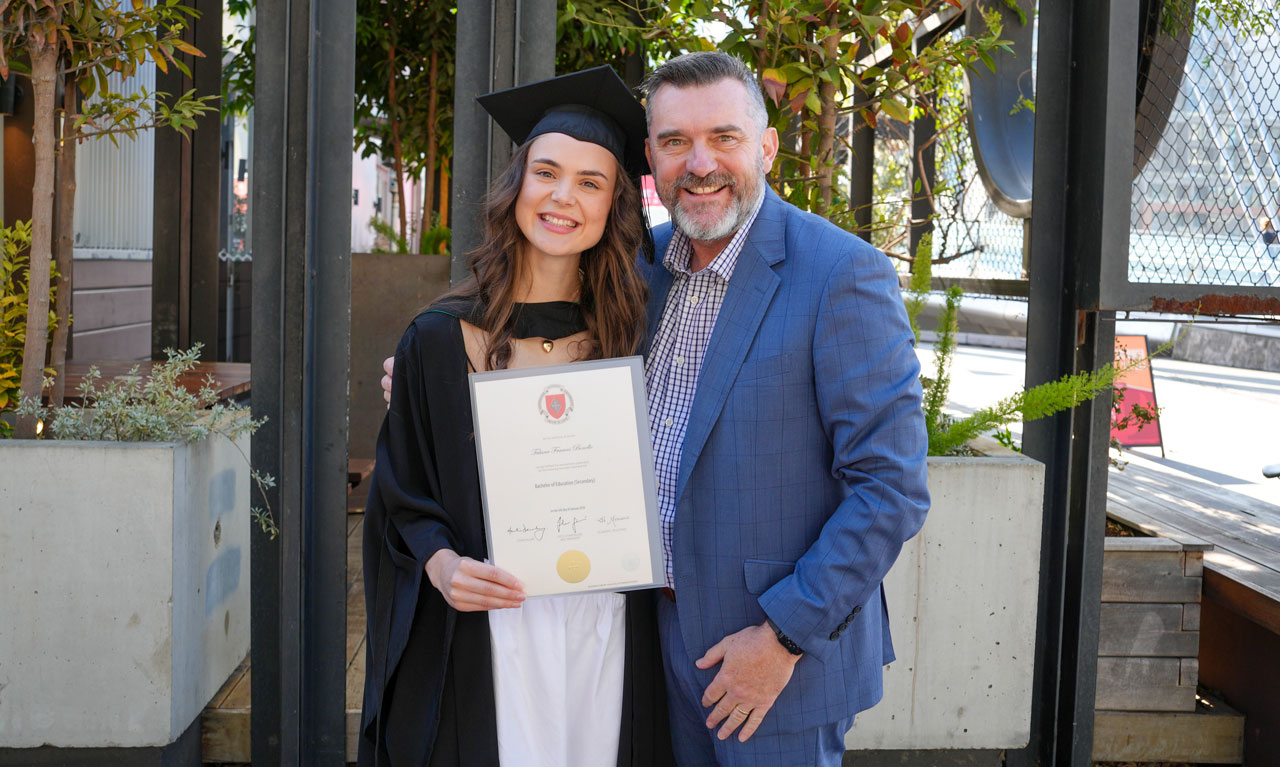
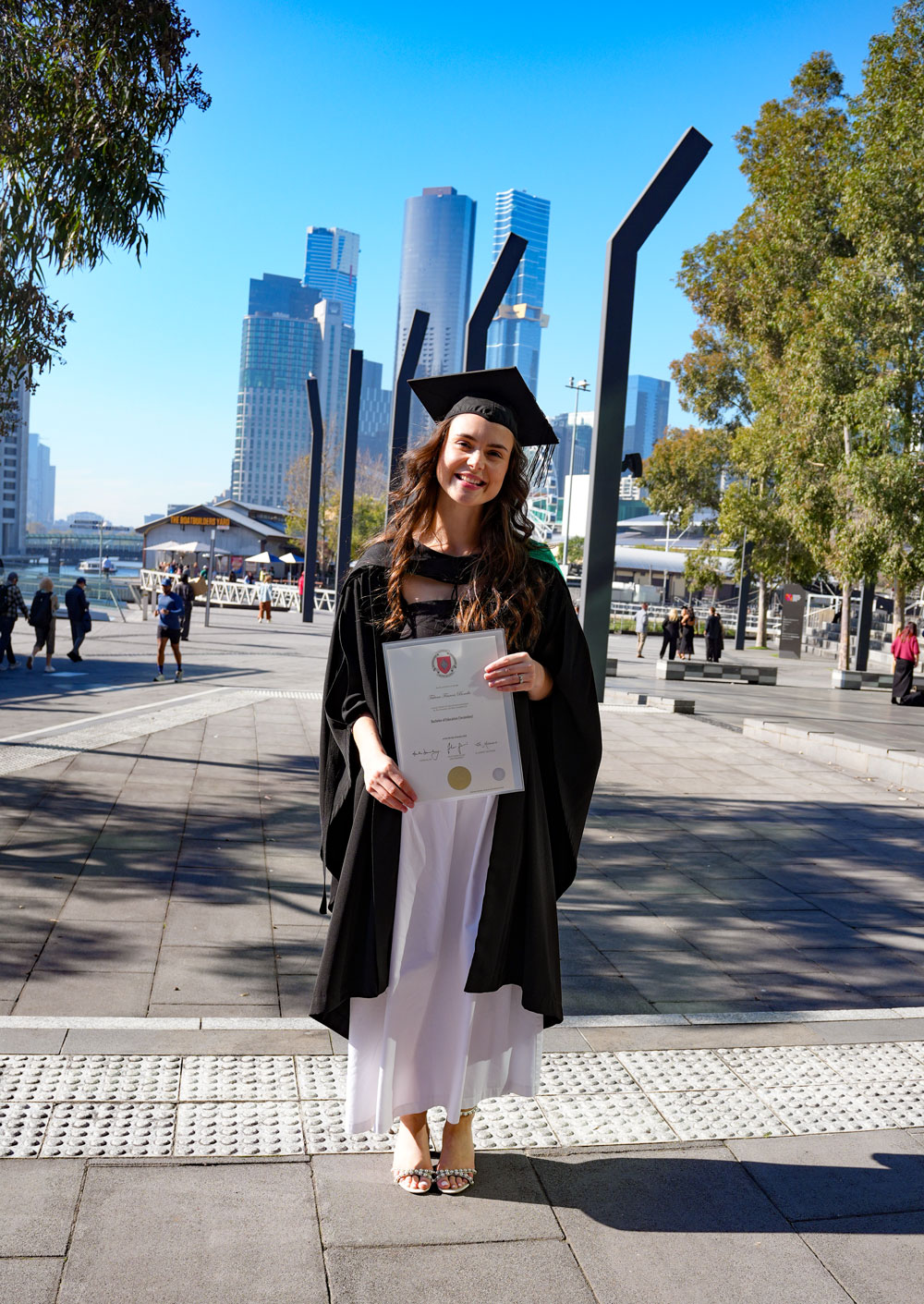
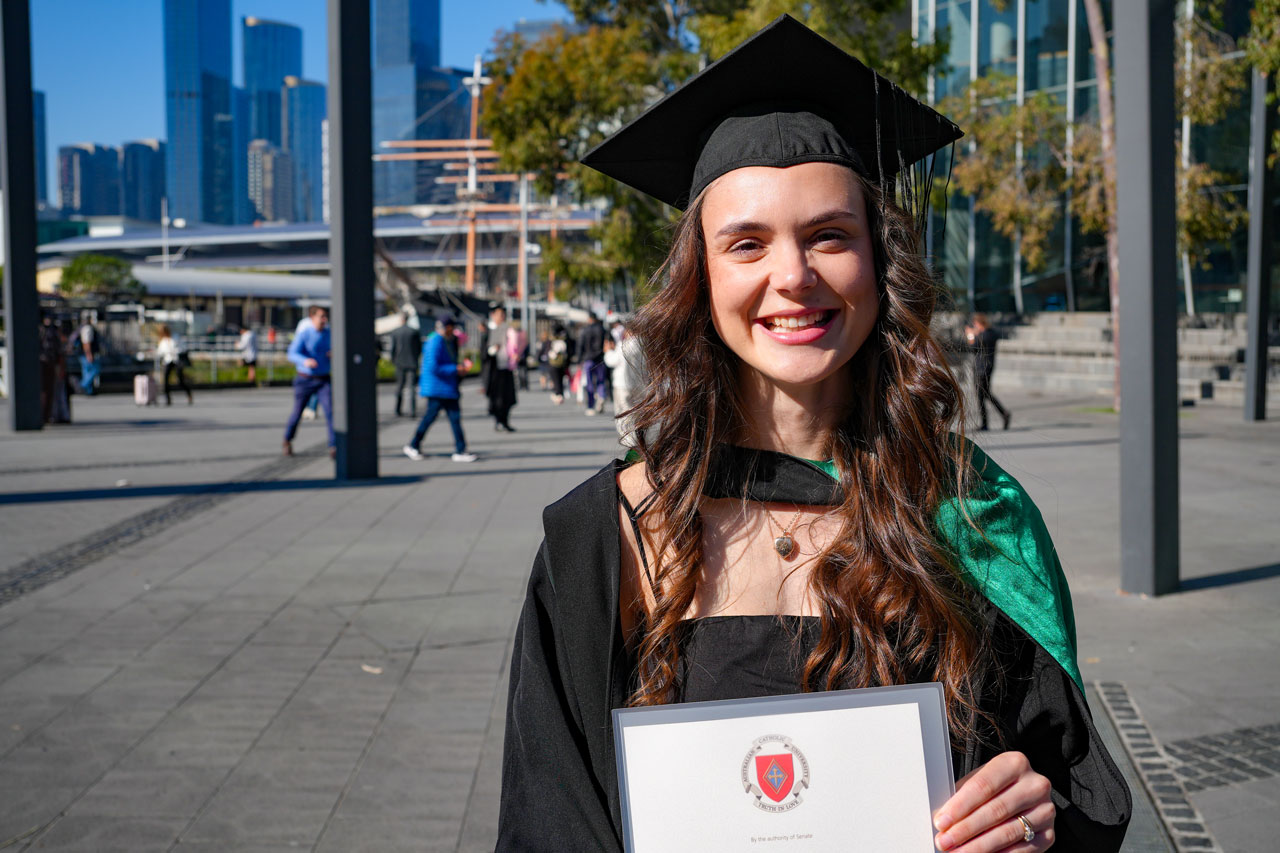
There are moments in life that remind you about the gift education can be. Watching my daughter Talana graduate this week as a secondary school teacher from Australian Catholic University (ACU) was one of those moments.
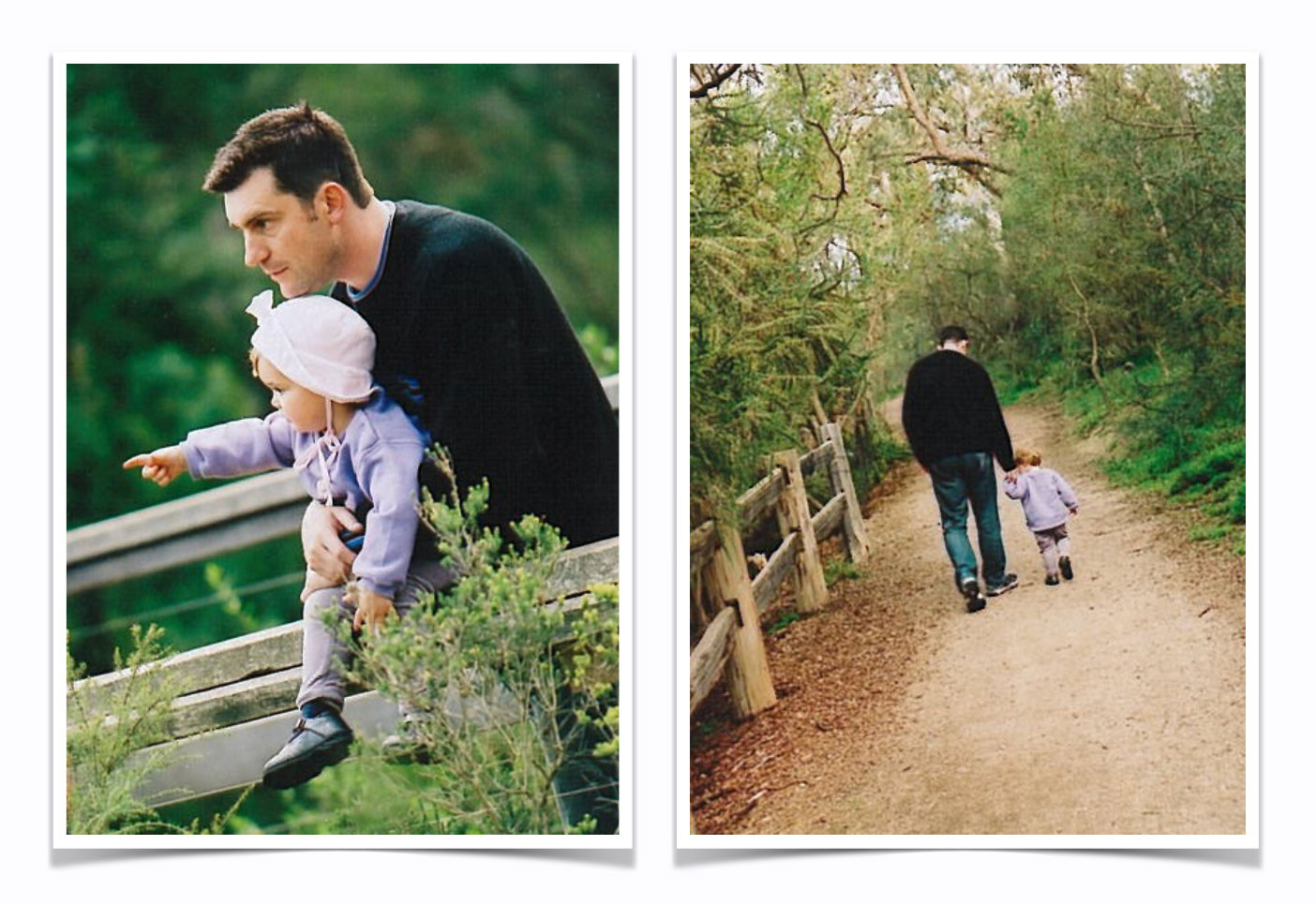
As both a parent and someone who has spent more than three decades working in education, it is difficult to put into words just how proud I am of her.
Teaching is not an easy profession to step into. It requires patience, resilience, compassion, creativity, adaptability, and an enormous commitment to helping young people grow. In today’s rapidly changing world, especially in an era being reshaped by generative AI and constant technological change, education has never been more important, and neither have great teachers.
What makes this milestone even more special is that she has chosen this path because it genuinely reflects who she is. Teaching is not simply a job to her. It is a passion. It is about relationships, encouragement, curiosity, and making a difference in the lives of others. Watching her develop that passion over the years and now seeing her officially begin her career at Overnewton College as a Mathematics teacher has been incredibly rewarding.
As a parent, there is something deeply moving about seeing your child find meaningful work that aligns with both their strengths and their values. I know the journey ahead will bring challenges, long days, moments of doubt, and steep learning curves, every teacher experiences those. But I also know it will bring moments of joy, connection, laughter, and the privilege of helping young people discover who they are and what they are capable of becoming.
One of the beautiful things about teaching is that its impact often extends far beyond the classroom walls. Great teachers shape confidence. They inspire creativity. They help students feel seen, supported, and capable. Sometimes a single encouraging conversation or moment of belief from a teacher can stay with a student for life. Talana has already experienced the potential of this truth.
As someone who has spent much of my professional life advocating for creativity, curiosity, and meaningful learning, it fills me with enormous pride to see my daughter now joining this profession at such an important time in history. Schools need passionate educators who care deeply about students and who are willing to continue learning themselves as the world evolves around them.
This graduation is not just the completion of a degree. It is the beginning of a career built on service, empathy, and the desire to make a positive difference.
To my daughter Talana, congratulations! I could not be prouder of the person you have become or more excited to watch the educator you will continue to grow into.
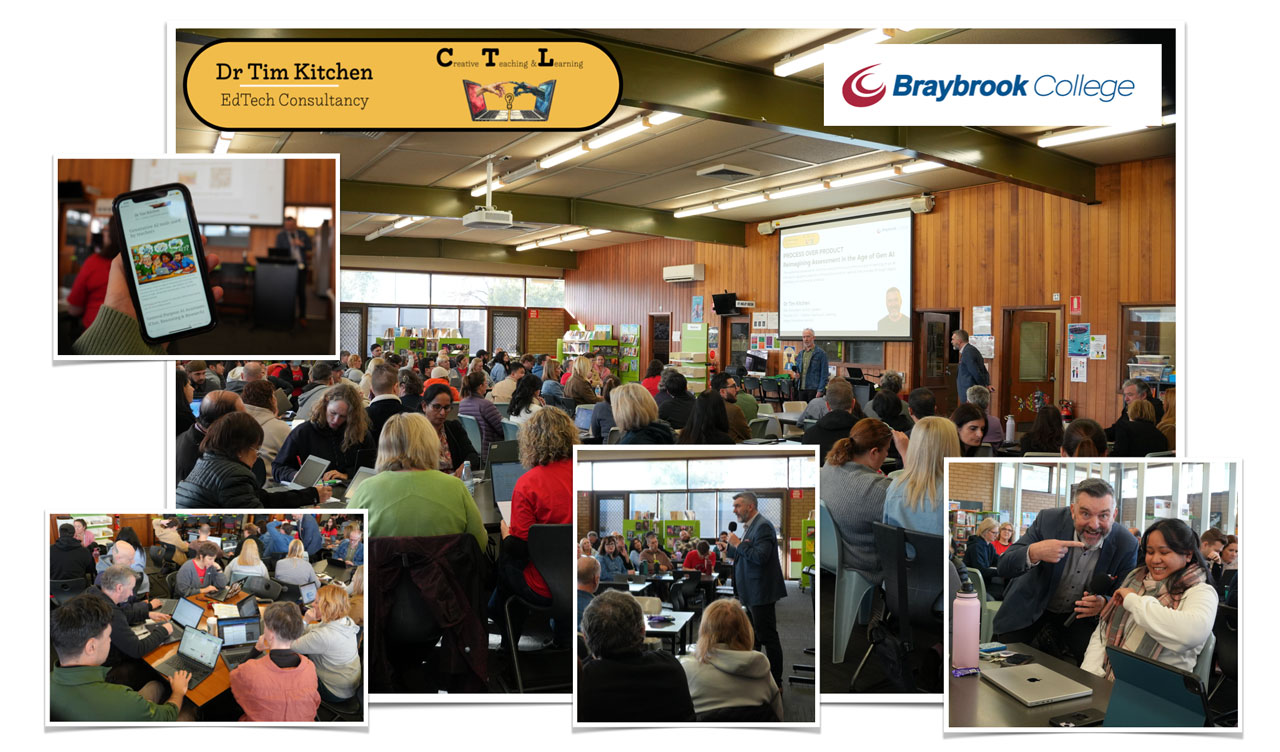
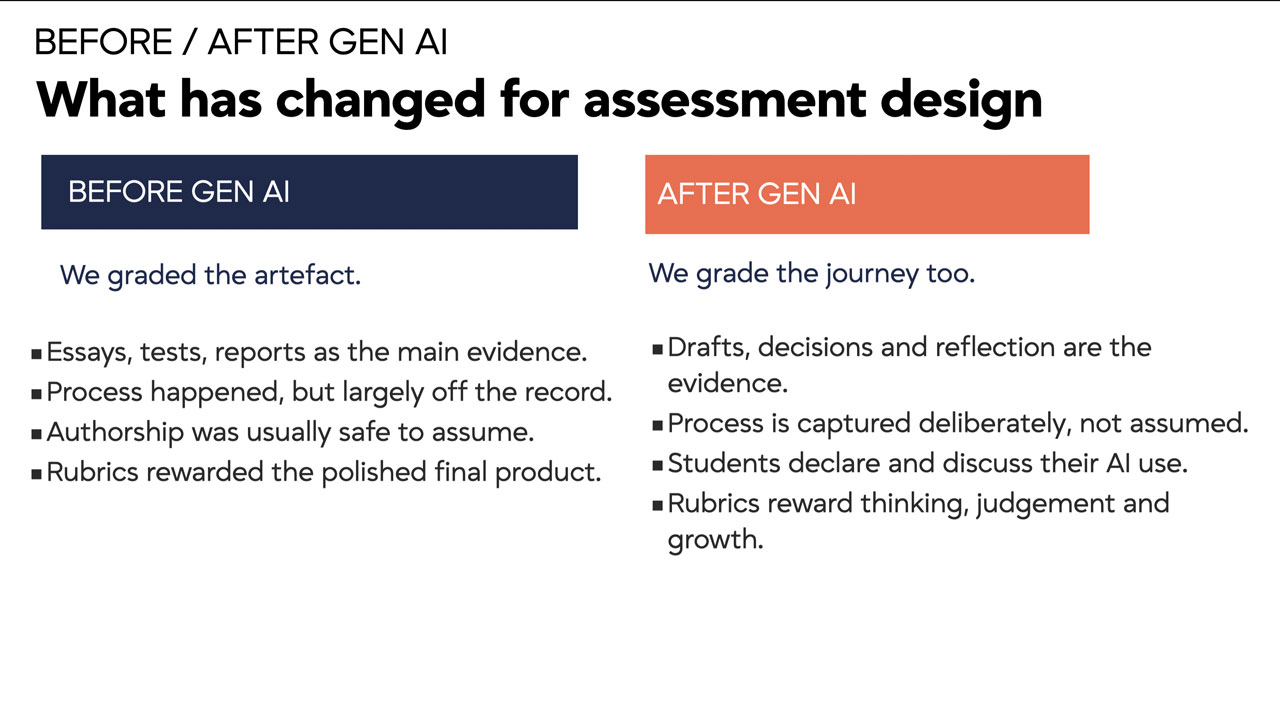
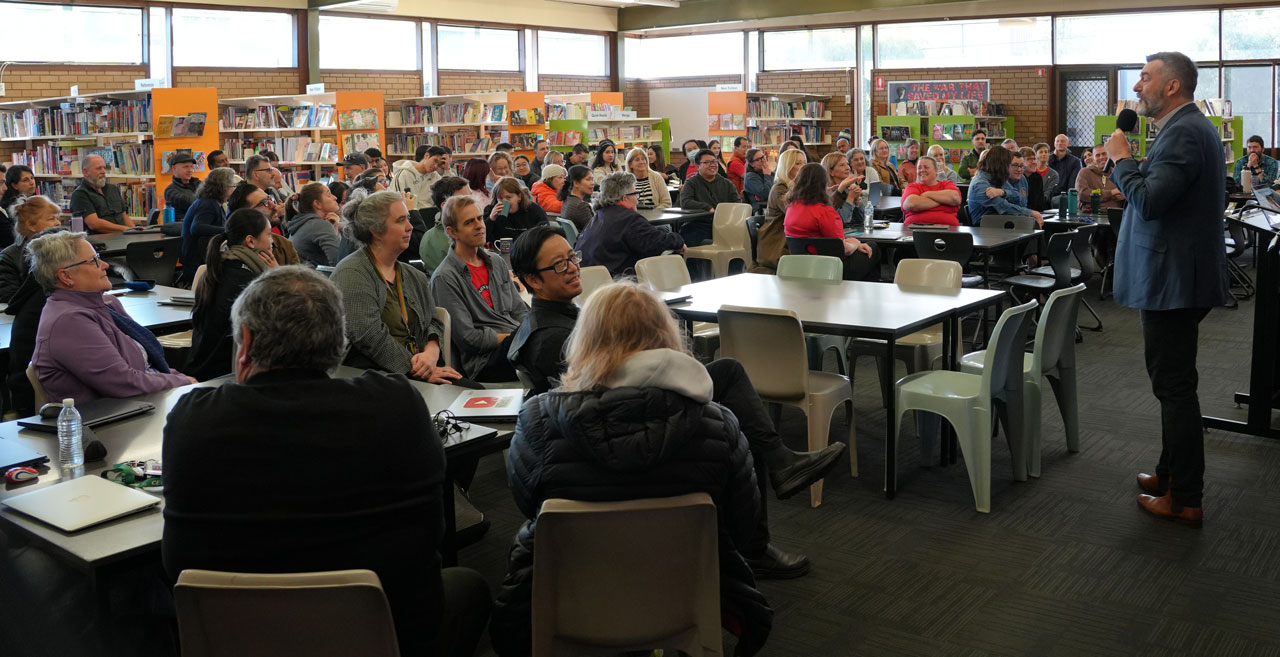
On Thursday 14th May, had the pleasure of visiting Braybrook College to work with approximately 125 staff in a hands-on professional learning session titled PROCESS OVER PRODUCT – Reimagining Assessment in the Age of Gen AI.
The session explored one of the biggest challenges currently facing education, how assessment needs to evolve in a world where generative AI tools can instantly produce polished final products. Rather than focusing solely on the end result, the workshop encouraged teachers to rethink assessment around the process of learning itself – making student thinking, creativity, iteration, reflection, and decision-making more visible and meaningful.
We looked at what we did before gen AI and compared it to what needs to happen these days in a gen AI rich world.
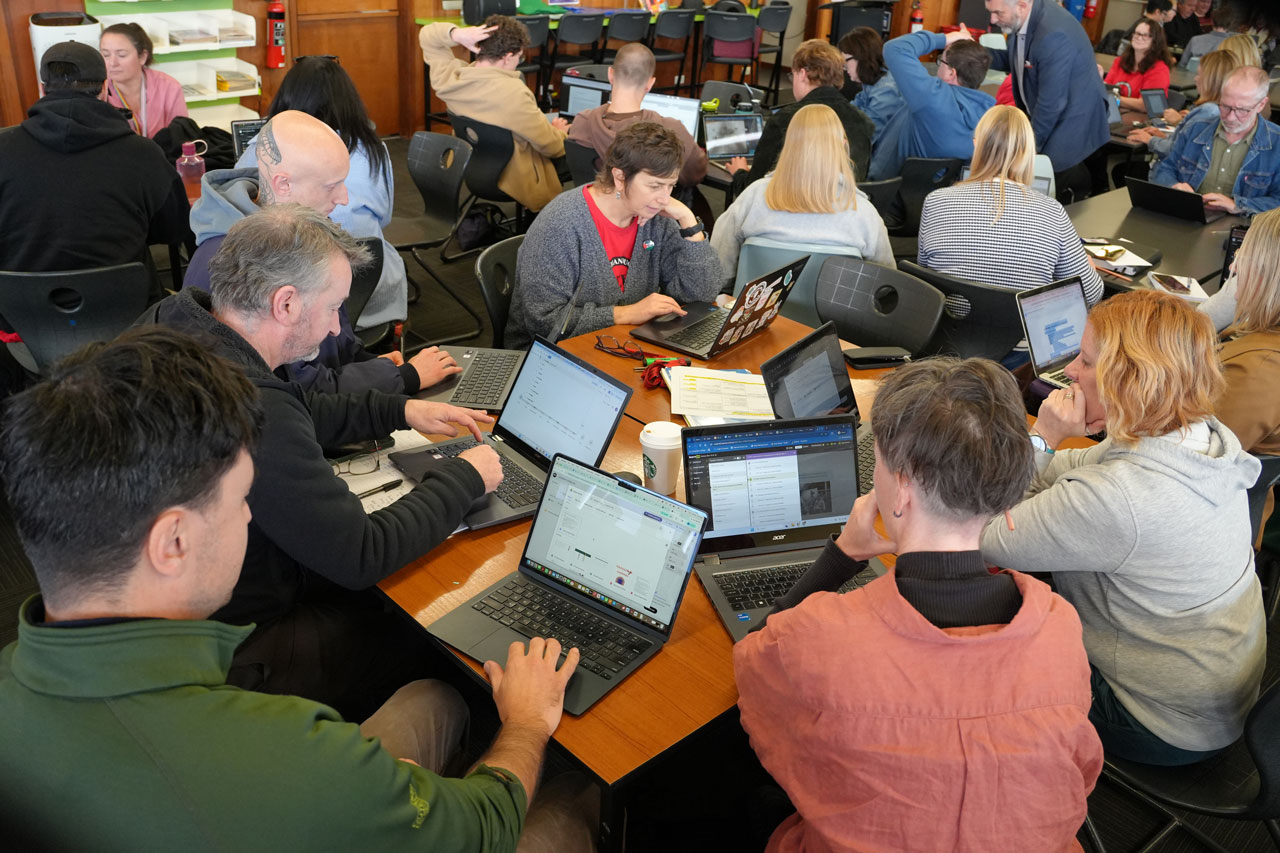
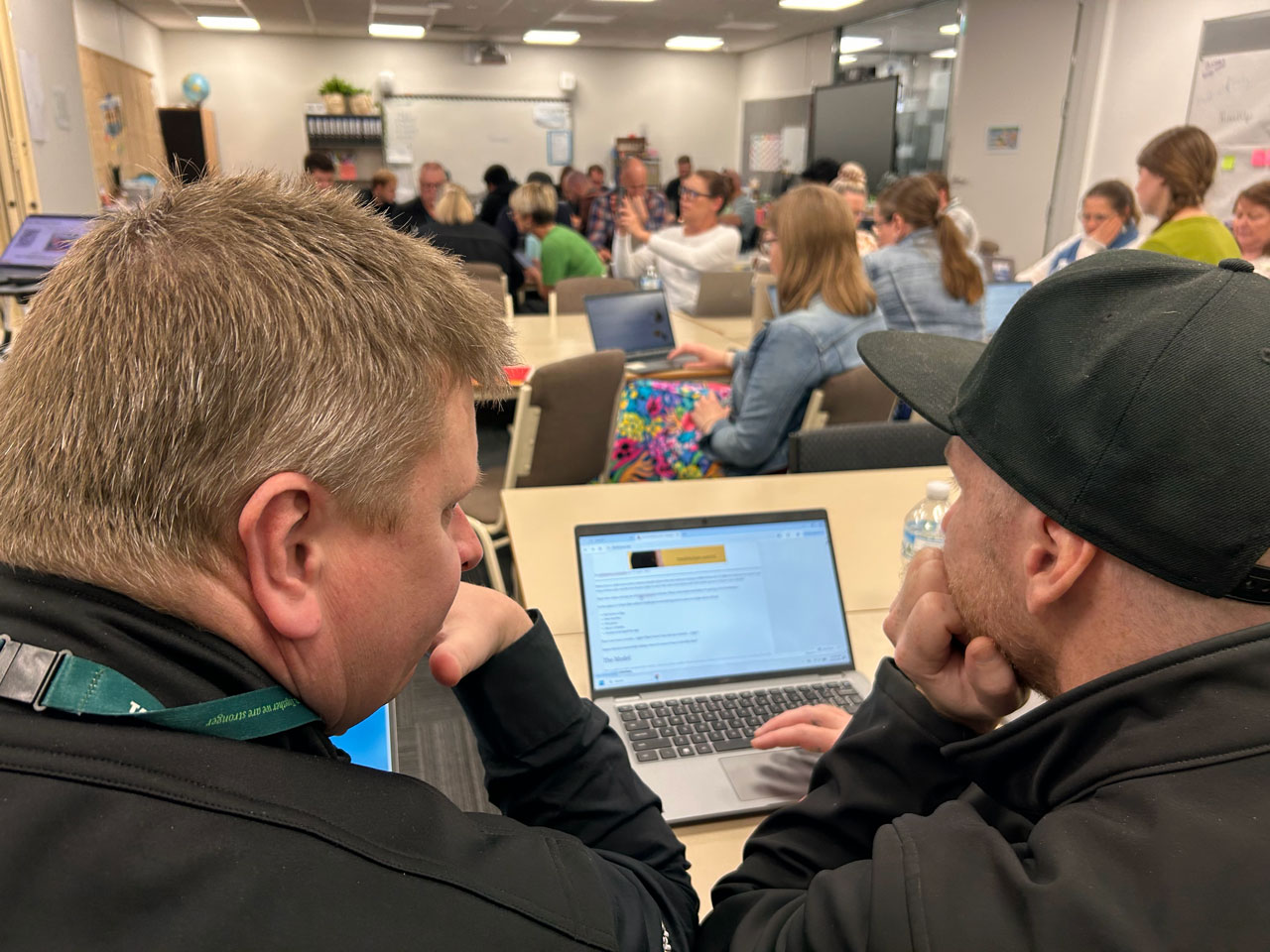
Throughout the morning, staff engaged directly with a range of generative AI and digital creativity tools including ChatGPT, NotebookLM and Adobe Express for Education. The focus was not simply on using AI to save time, but on how these tools can be used to enhance teaching & learning, support creativity, improve feedback cycles, and help capture evidence of learning through digital portfolios and multimodal artefacts.
A key message throughout the session was that in an AI-rich world, schools need to place greater emphasis on the human aspects of learning — critical thinking, creativity, ethical decision-making, communication, and reflection. By shifting assessment toward the learning journey rather than just the finished submission, educators can better prepare students for a future where AI is becoming embedded across almost every industry and profession.
It was wonderful to see staff actively experimenting, collaborating, and discussing practical classroom applications throughout the workshop. The willingness of teachers to engage with these rapidly evolving technologies while keeping student learning at the centre was incredibly encouraging.
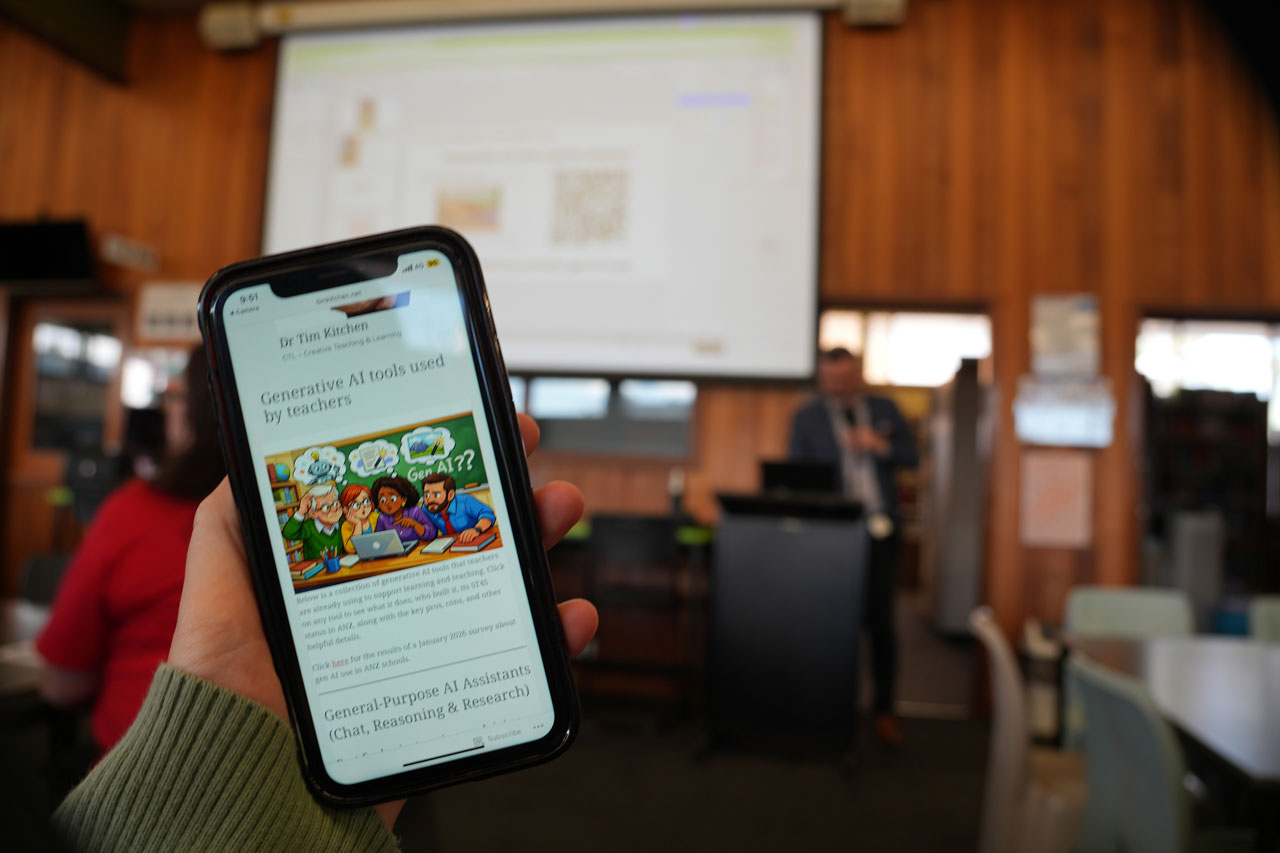
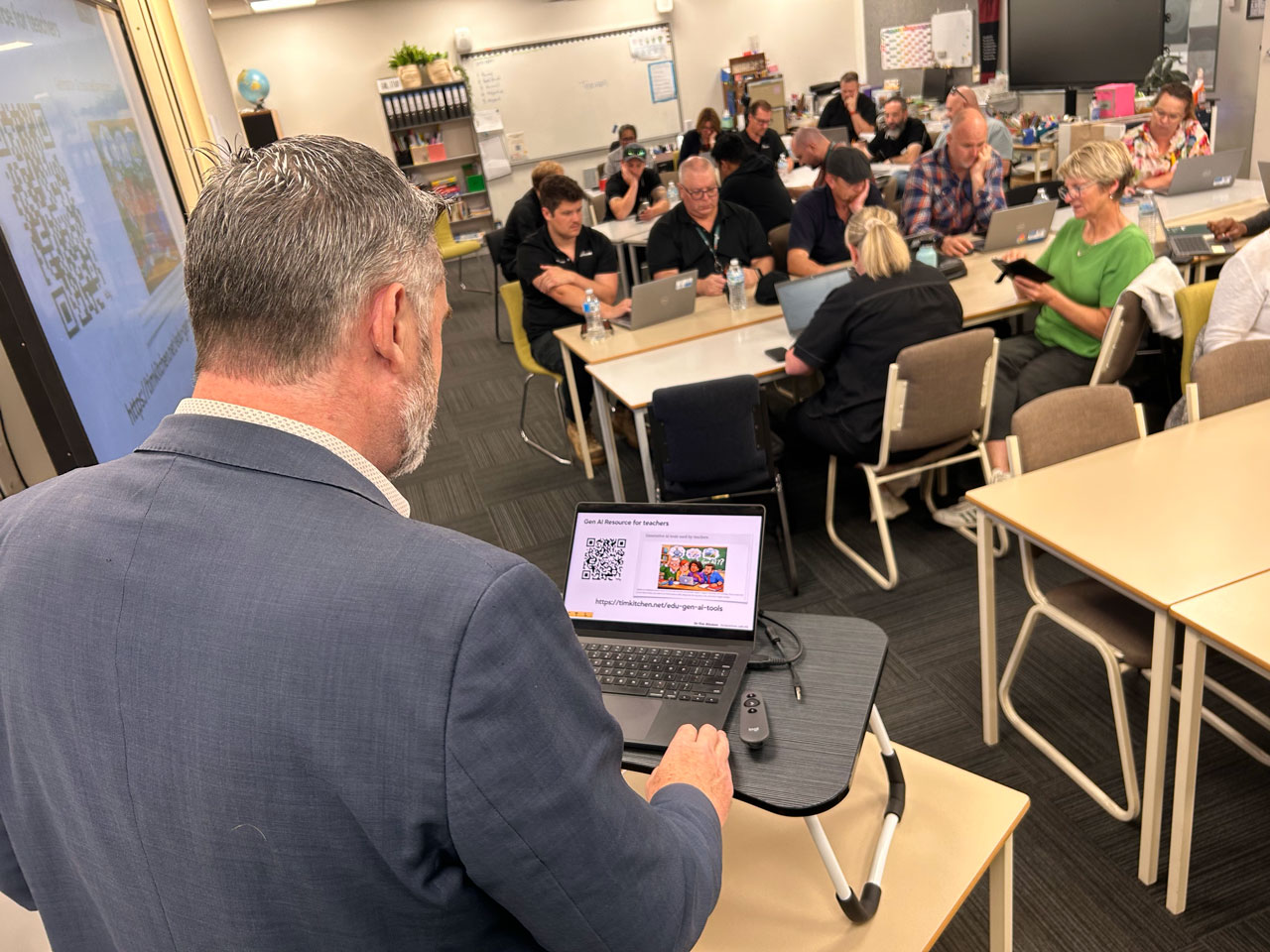
During the session I also shared a range of free resources to support ongoing learning, including my Generative AI Tools Used by Teachers resource, my growing collection of practical videos on my YouTube channel, and my Safe & Ethical AI Use Framework designed to help schools integrate generative AI thoughtfully and responsibly.
Thank you again to the leadership team and staff at Braybrook College, especially Deputy Principal Sean McMahon and Loc Nguyen for organising this event and for the warm welcome and enthusiastic participation throughout the morning.
Hopefully you have had a chance to see some of my new (and free) video resources titled Top DigiTips for Busy Teachers. The first three episodes are based on the following generative AI topics:
Dealing with hallucinations — when Gen AI gets it wrong
Understanding Gen AI bias
The art & science of prompting
Please share these with your networks.
To all school leaders
Register soon for the Educator Intelligence Live! Pre-Conference Masterclass, on Monday 18 May, running alongside the AI in Education Conference in NSW.
This isn’t another sit-and-listen session about ChatGPT. It’s a focused, practical masterclass for leaders who are ready to move from curiosity to capability: the landscape of tools at your fingertips, assessment integrity, differentiation, and what responsible implementation actually looks like in a K–12 school.
AI Governance support
As generative AI rapidly reshapes education, many school leaders are recognising the need for clear governance, practical policies, and sustainable implementation strategies. CulturePathAI works alongside school leadership teams to build the foundations for safe, ethical, and effective AI adoption through a strong governance-first approach.
Their support includes strategic planning, policy development, risk management, staff capability building, and practical guidance aligned with emerging Australian frameworks for AI in schools — helping schools make informed, culturally aligned decisions that strengthen leadership confidence while supporting responsible innovation across teaching, learning, operations, and community engagement.
I am very pleased to be part of the CulturePathAI team as a Senior Consultant and encourage your school or school system to see how we can help.
Attention Sydney teachers
Come to my special Gen AI workshop at St Andrew’s Cathedral School on Tuesday 19 May:
This hands-on professional learning event empowers teachers to explore how generative AI can support (not replace) creativity, critical thinking, and authentic learning.
The Next Word — update
Is your school in need of an AI audit, or some extra support and advice about AI use in the classroom? The Next Word is a forward-thinking education consultancy that helps schools navigate the rapidly evolving world of generative AI through practical professional learning, strategic advisory services, leadership support, and human-centred approaches to AI adoption that balance innovation with pedagogy, governance, and wellbeing.
I am very pleased to be on The Next Word team as an Associate and encourage you to look up what we can offer.
The Kitchen Think
The May edition of The Kitchen Think is titled Critical Thinking: The Essential Skill for Students in the Age of Generative AI. I argue that the rapid rise of generative AI has made critical thinking one of the most essential skills for modern education, and highlight that while Critical and Creative Thinking has been part of the Australian Curriculum’s General Capabilities since 2010, it has often been treated as a secondary priority.
Independent Schools NSW ICT Management and Leadership Conference
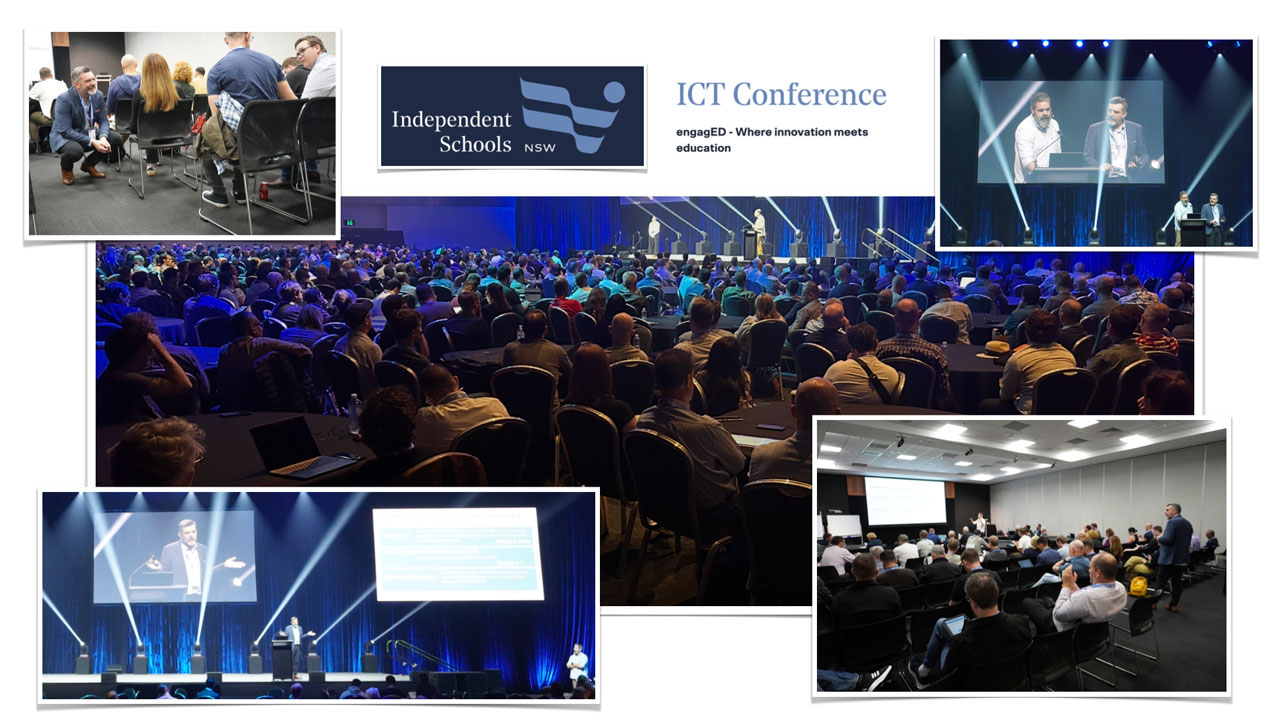
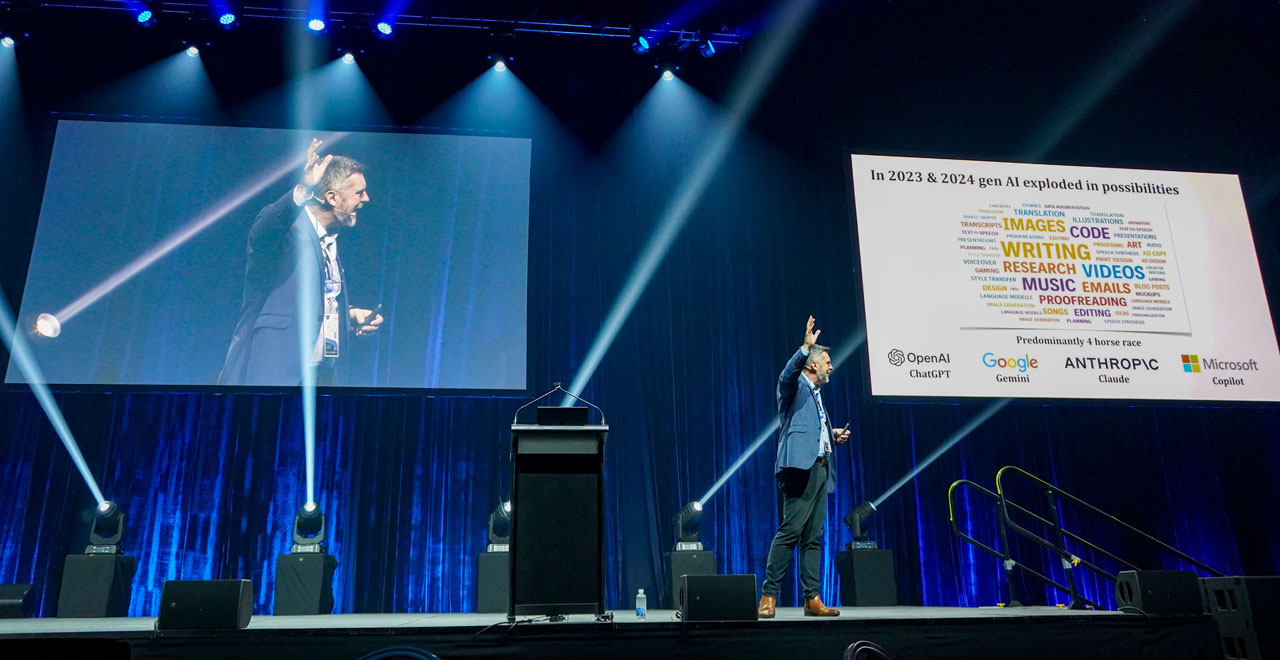
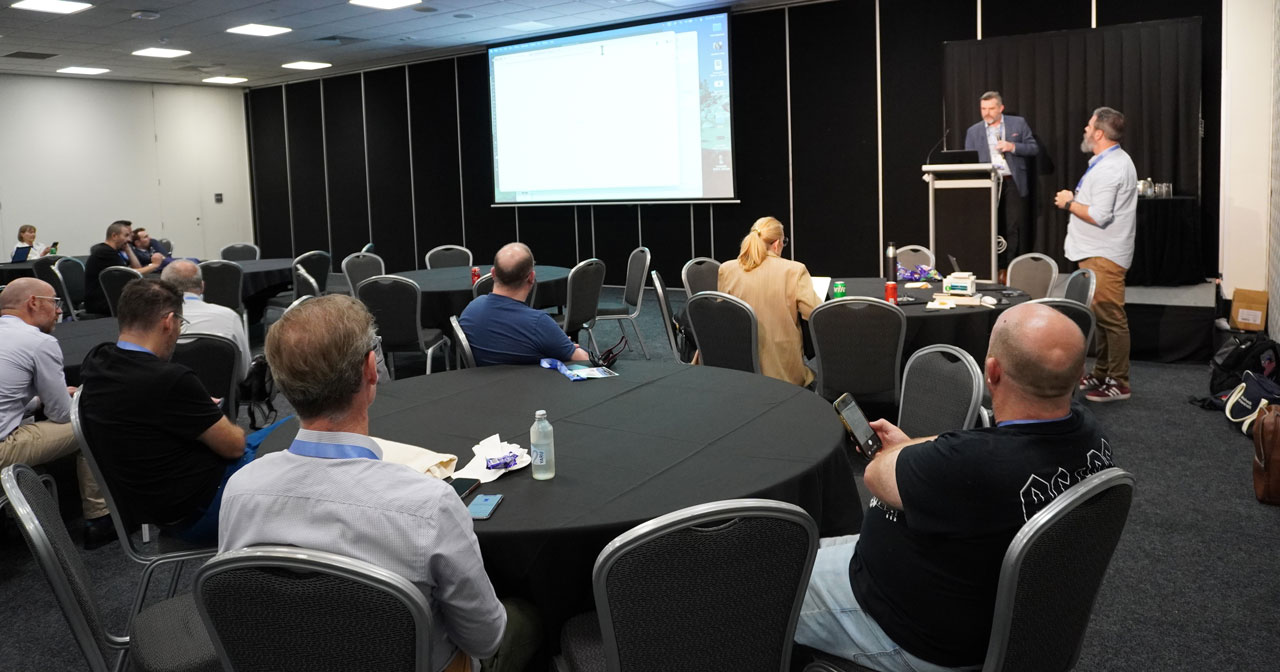
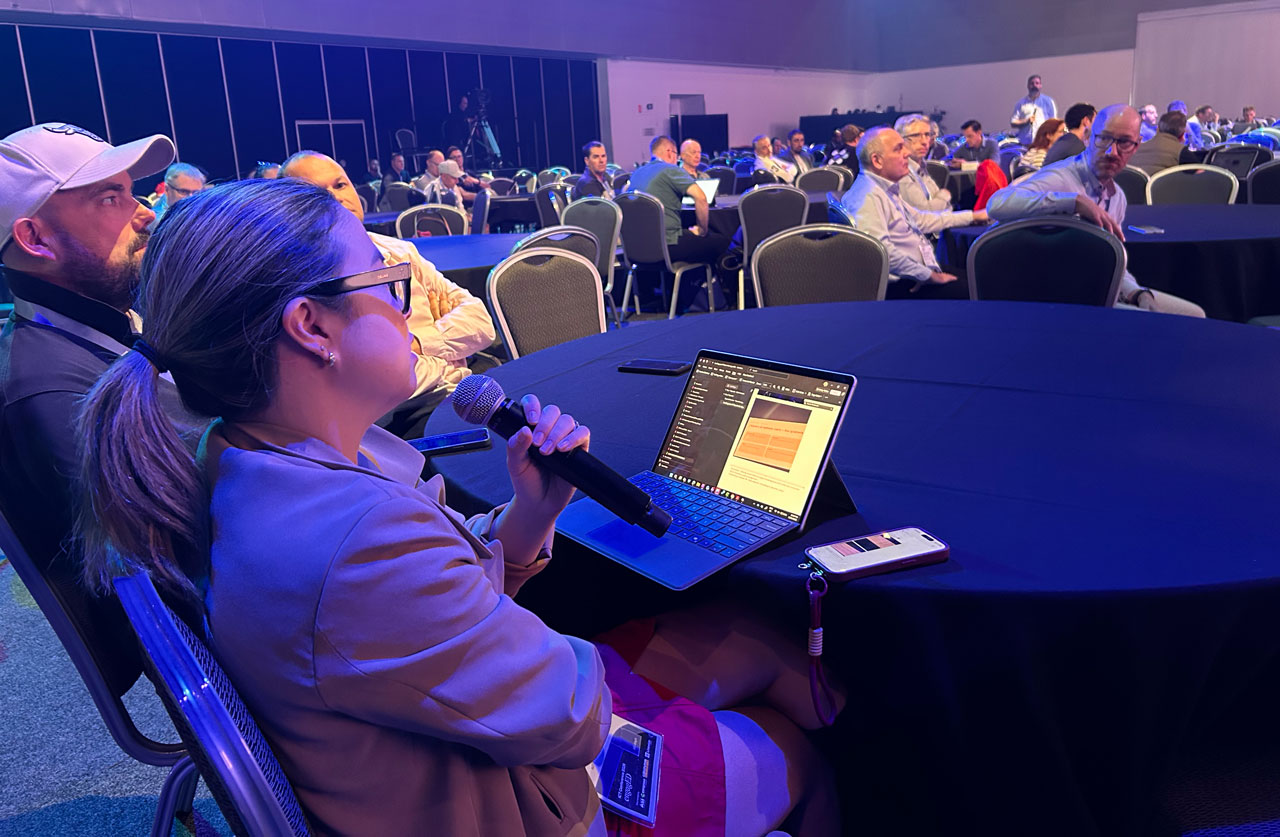
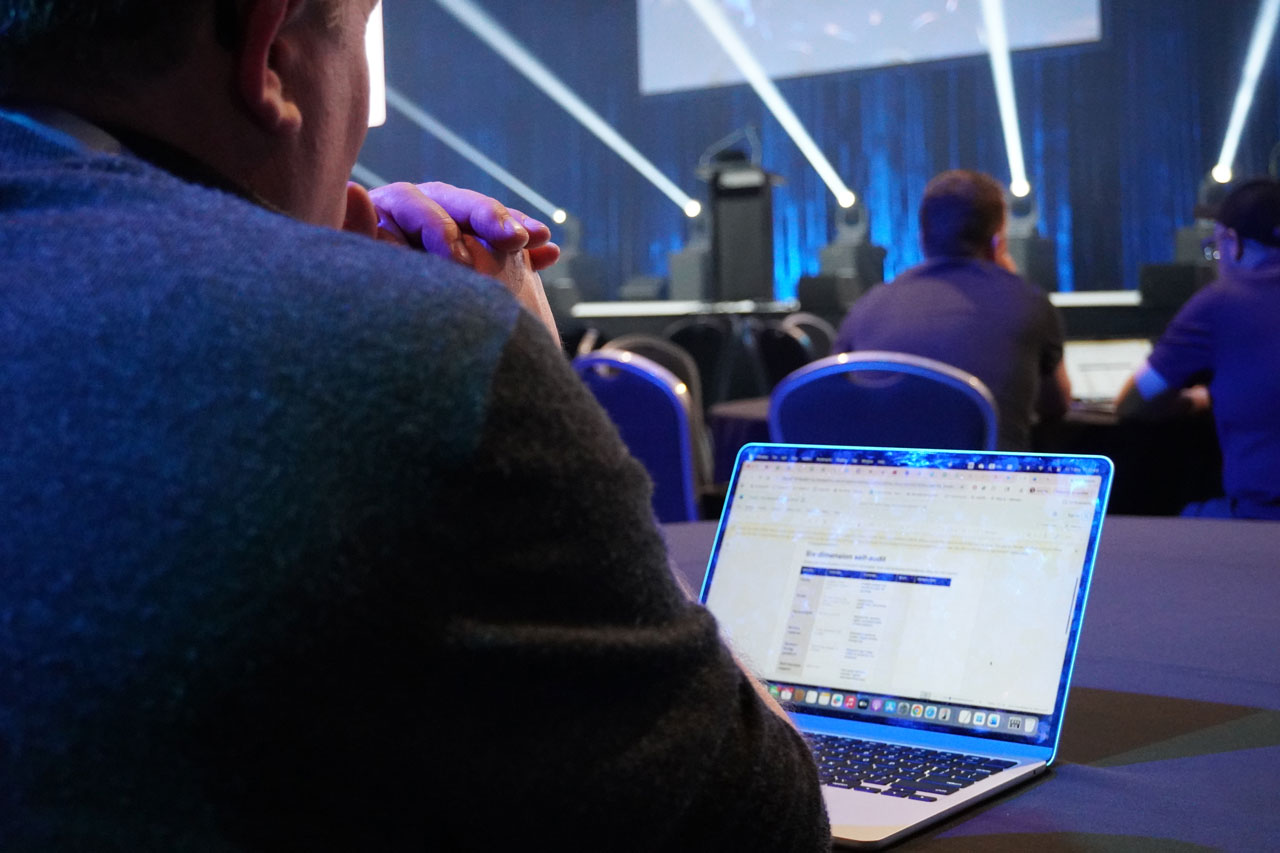
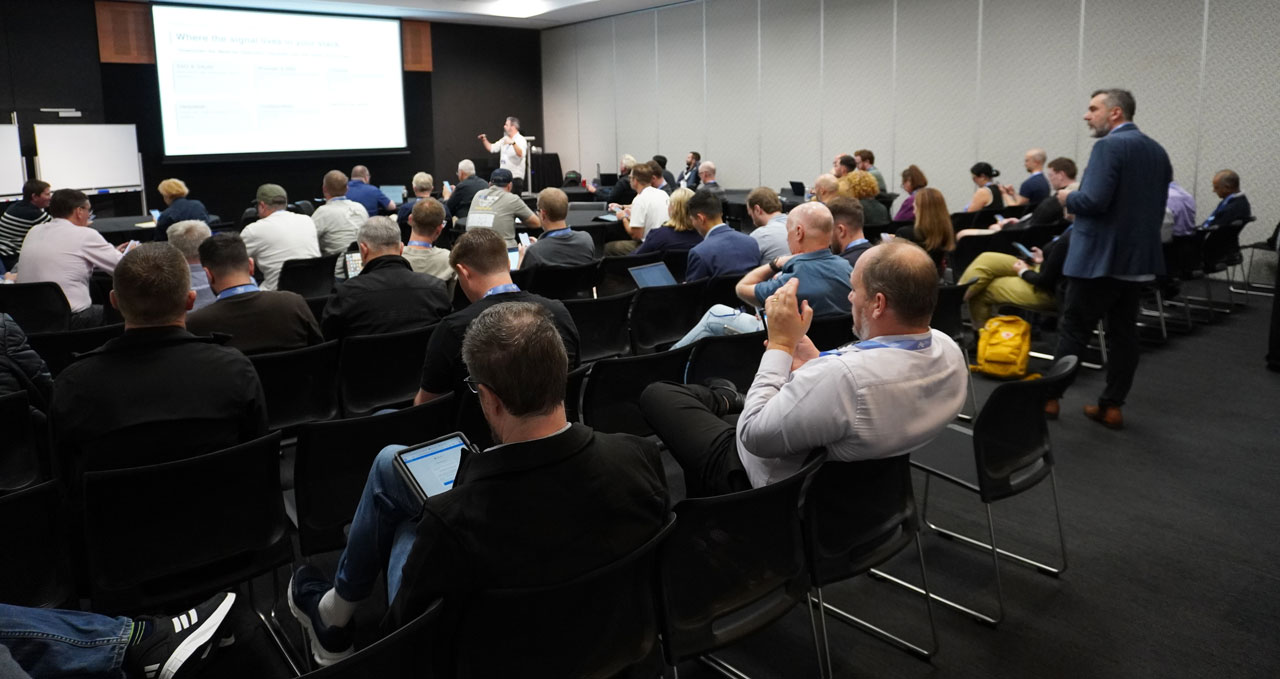
I was honoured to be invited to run five workshops/presentations at the Independent Schools NSW ICT Management and Leadership Conference on the Gold Coast (29 April to 1 May). Four of those sessions were with my friend and colleague Matt Esterman as we explored a range of topics to help ICT Managers and school leaders manage the influx of Gen AI solutions being used by students and teachers across the education process.
Teacher PD Australia
Have you discovered Teacher PD Australia yet? It’s a growing Australian platform designed to help busy educators easily discover high-quality professional learning opportunities — courses, events, webinars, books, and resources tailored to their subject areas, career stage, interests, and teaching context. An all-in-one, easy-to-navigate directory built specifically for Australian teachers. Well worth sharing with your networks.
Book me to visit your school
If you would like to book some time for me to visit your school(s) to work with key leaders, teaching staff, non-teaching staff and/or students, use this site to help with the planning.
Generative AI has changed the game for what students need to succeed, not just at school, but in work and everyday life. Tools like ChatGPT, Claude, Gemini, and Copilot can now generate essays, write code, analyse complex information, and create impressive content in a matter of seconds.
But there’s another side to that speed and convenience. These same tools can also produce convincing inaccuracies (hallucinations), biased perspectives, made-up references, and misinformation that sound credible on the surface. That’s why, in this new AI-rich landscape, one skill matters more than ever for the next generation of learners: critical thinking.
A Long-Standing Capability, Often Overlooked
Critical and Creative Thinking has been part of the Australian Curriculum’s General Capabilities since 2010 (ACARA, 2010). Alongside Literacy, Numeracy, Digital Literacy (and other capabilities) schools have long been expected to develop these skills across all learning areas.
In reality, though, critical thinking has often sat on the edges of classroom practice. It’s usually been assumed that students would “pick it up” through good teaching, rather than having it explicitly taught, modelled, assessed, and intentionally prioritised. Schools have concentrated on curriculum coverage and a range of standardised assessment requirements, while critical thinking has frequently been treated as a secondary outcome rather than a central one.
That approach is becoming increasingly difficult to justify. With generative AI now woven into classrooms, workplaces, and everyday digital tools, students need far more than the ability to recall information or produce polished answers. They need the capacity to question, evaluate, interpret, and challenge what AI systems generate. Critical thinking is no longer an optional extra sitting alongside the curriculum; it is quickly becoming one of the most essential capabilities students can develop.
From Producing Answers to Evaluating Them
When students can generate an essay draft or solve a mathematics problem with a single prompt, the role of the teacher is no longer simply to help students produce answers, but to help them question, evaluate, refine, and challenge those answers.
That means schools need to place far greater emphasis on explicitly teaching skills such as:
interrogating the credibility of sources;
recognising bias;
testing claims against evidence;
constructing reasoned, evidence-based arguments; and
creatively connecting ideas in ways AI cannot easily replicate.
These are no longer “nice-to-have” capabilities sitting at the edges of the curriculum. They are becoming the new foundations of literacy in an AI-rich world.
Beyond these capabilities, students also need regular opportunities to analyse evidence, reflect on differing perspectives, and understand that AI should support human judgement rather than replace it. In many ways, generative AI has made critical thinking one of the most important forms of digital literacy.
This shift is reflected globally. The OECD’s Future of Education and Skills 2030 framework identifies critical thinking as one of the key “transformative competencies” students will need to navigate uncertainty and shape the future (OECD, 2019). The 2025 World Economic Forum Future of Jobs Report identified analytical thinking as the number one core skill sought by employers, with seven out of 10 companies considering it as essential (World Economic Forum, 2025). UNESCO’s Guidance for Generative AI in Education and Research makes a similar point, arguing that human judgement, ethical reasoning, and critical evaluation must sit at the centre of any meaningful use of AI in learning (UNESCO, 2023).
In other words, the rise of generative AI does not reduce the importance of human thinking, it amplifies it.
Embedding Critical Thinking Across the Curriculum
For educators, the implication is clear: critical thinking can no longer sit on the margins of a unit plan. It must be visible in every classroom experience, every subject, and throughout every course. A science teacher might ask students to fact-check an AI-generated explanation of climate models. A humanities teacher might invite students to deconstruct the assumptions in an AI-written historical narrative. A mathematics teacher might require students to identify and correct errors in AI-generated worked examples. A primary teacher might use AI-generated picture books as a springboard for questions about authorship, truth, and bias.
Teachers can foster critical thinking through inquiry-based learning, ethical discussions, project-based tasks, collaborative problem solving, media analysis, and regular opportunities for students to justify their thinking. The use of generative AI itself can become a powerful teaching tool when students are encouraged to critique outputs, identify inaccuracies, improve prompts and reflect on the strengths and limitations of AI-generated content.
Ultimately, the rise of generative AI is reminding educators of something deeply important. Education is not simply about producing polished answers. It is about developing thoughtful, capable and adaptable human beings who can navigate complexity, uncertainty and rapid technological change.
Preparing Students for the Future of Work
This shift also re-frames student preparation for future employment. Many predictable tasks will be automated, but employers will continue to value workers who can ask better questions, verify information, weigh competing evidence, and apply uniquely human judgement within AI-augmented workflows. Critical thinking is not a defence against AI, it is the skill that allows young people to use it wisely, ethically, and creatively across their working lives.
Importantly, critical thinking is not simply about identifying problems or criticising ideas. It also involves curiosity, reflection, creativity and adaptability. In fact, creativity and critical thinking are increasingly interconnected in modern learning and future employment. As AI takes over more routine production tasks, the uniquely human ability to imagine new possibilities, innovate, collaborate and apply judgement becomes increasingly valuable.
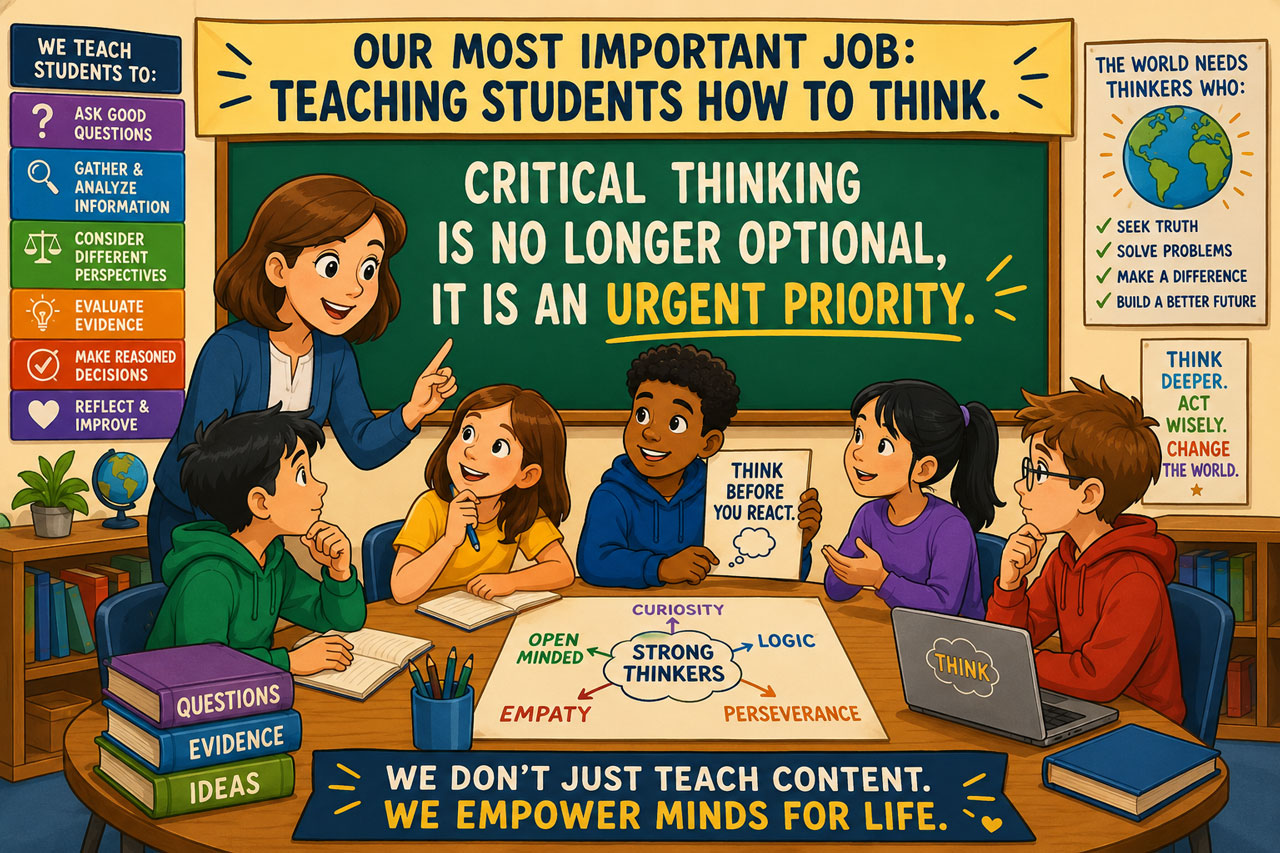
The Australian Curriculum has named critical and creative thinking as essential for sixteen years. The arrival of generative AI has, at last, made it impossible to ignore. For educators, the message is now unmistakable: critical thinking is no longer optional, it is an urgent priority.
In a world increasingly shaped by artificial intelligence, teaching students what to think is no longer enough. Helping students learn how to think may be the most important responsibility education now has.
If you are looking for practical ways to apply what is covered in this article in your classroom, have a look at my new Top DigiTips for Busy Teachers playlist on YouTube.
Australian Curriculum, Assessment and Reporting Authority (ACARA). (2010). Australian Curriculum: General Capabilities — Critical and Creative Thinking. Retrieved from https://www.australiancurriculum.edu.au
OECD. (2019). Future of Education and Skills 2030: Conceptual Learning Framework. Paris: OECD Publishing.
UNESCO. (2023). Guidance for Generative AI in Education and Research. Paris: UNESCO.
Set against the energy and colour of Queensland’s Gold Coast, the engagED ICT Conference by ISNSW — felt less like a typical EdTECH conference and more like a genuine meeting of minds.
Held from 29 April to 1 May at the Gold Coast Convention and Exhibition Centre, the event brought together a strong mix of close to 1000 ICT leaders, educators and industry partners from across Australia and beyond. What stood out was the shared focus: making sense of how technology is reshaping education in real, practical ways.
Across the three days, conversations ranged from big-picture digital transformation right through to the tools teachers are using every day in classrooms. It created a space where people weren’t just talking about innovation—they were actively unpacking what it looks like in practice, and where it’s heading next.
I had the opportunity to run five sessions across the three days, which was a real highlight. Four of those were in partnership with Matt Esterman, and together we leaned into a shared theme: how schools can thoughtfully navigate the scale of transformation happening in a world now shaped by generative AI.
Each session, in its own way, circled around that central question—what does it actually look like for schools to respond well to this moment? Not just in theory, but in the day-to-day reality of leadership, teaching and learning.
Session 1 – A Structured Approach to Reviewing AI App
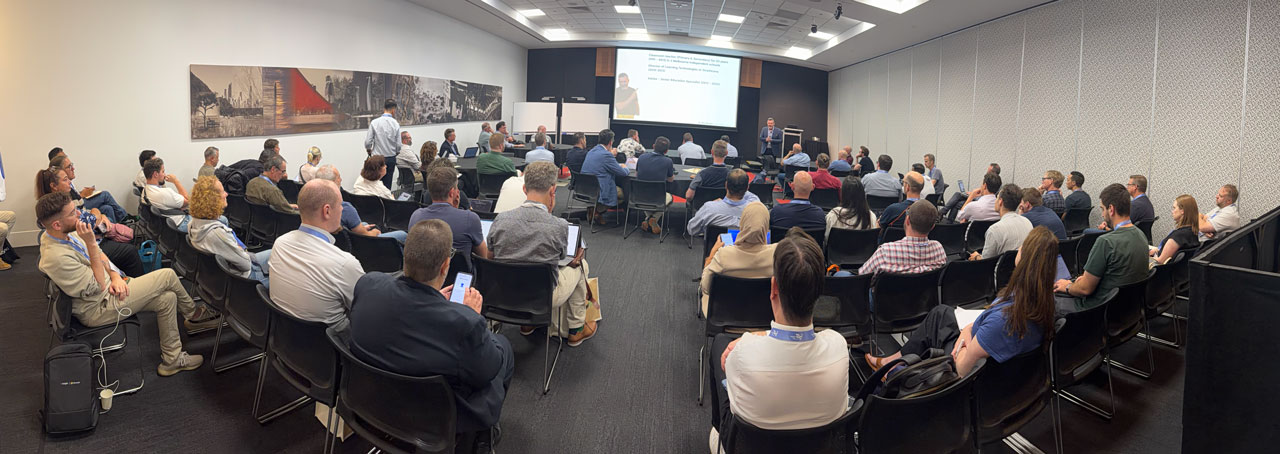
This was a hands-on workshop focused around my framework for assessing gen AI tools for safe, ethical classroom use. It involved over 80 ICT managers and educators. We looked at some of the research around average weekly tasks for a typical Aussie teacher and how AI can help safe time on the less human focused areas.
Session 2 (with Matt Esterman) – Leading your IT team in the age of AI
In this session, Matt & I explored strategies with about 70 ICT managers to build capacity within their various school IT teams to help them navigate the AI storm of activities happening in schools across Australia.
Session 3 (with Matt Esterman) – AI in schools: a structured roundtable
This was a structured round table session where IT leaders shared what is actually happening with the AI in their schools, the wins the failures and the unresolved challenges.
Session 4 (with Matt Esterman) – operational AI governance in your school
This session demonsatrted how to build a practical, whole school, governance framework that moves beyond compliance checklist. The participants explored who needs to be at the table, how to bridge the gap between IT teams and the broader School community, and what it takes to create AI policies that people actually use not just file away.
Session 5 (with Matt Esterman) – shadow AI: what your staff are already doing (and what to do about it?)
This final session re-framed AI not as a compliance failure, but as a useful signal of unmet needs, creative pressure, and staff adapting faster than policy. We explored how banning what we don’t understand creates blind-spots, and how leaders can surface these practices, learn from them, and shape them into safer smarter norms.
Huge congratulations to the IS NSW team and a special shoutout to Chris Woldhuis for bringing together such a thoughtfully and well put together program of presentations. An amazing effort all around
It was a great pleasure to work with Matt for most of these sessions and catch up with a number of EdTECH gurus.
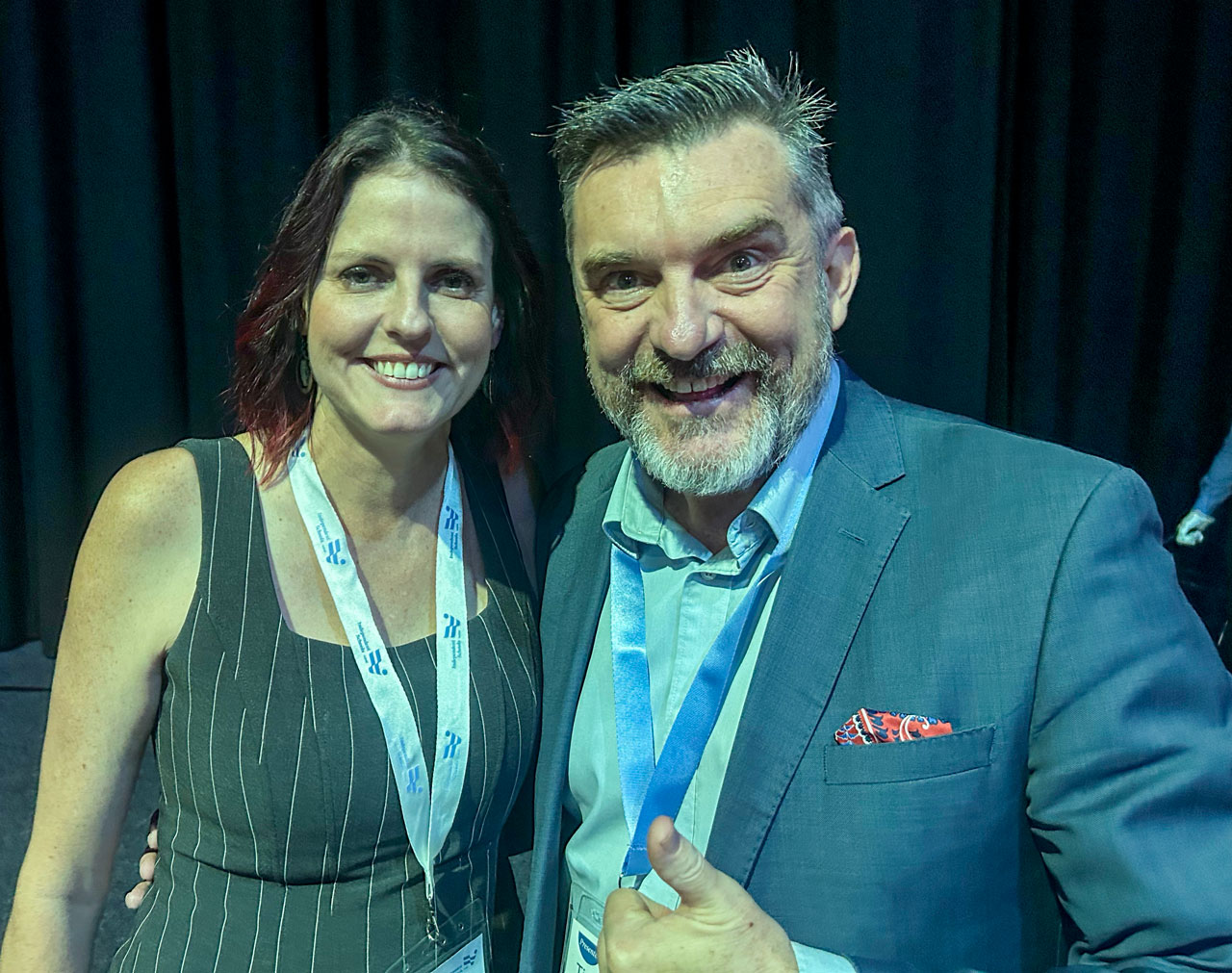
Jason EddieTroy Waller & Dan BowenPhil CallilRob McTaggart & Brett SalakasMiriam Scott
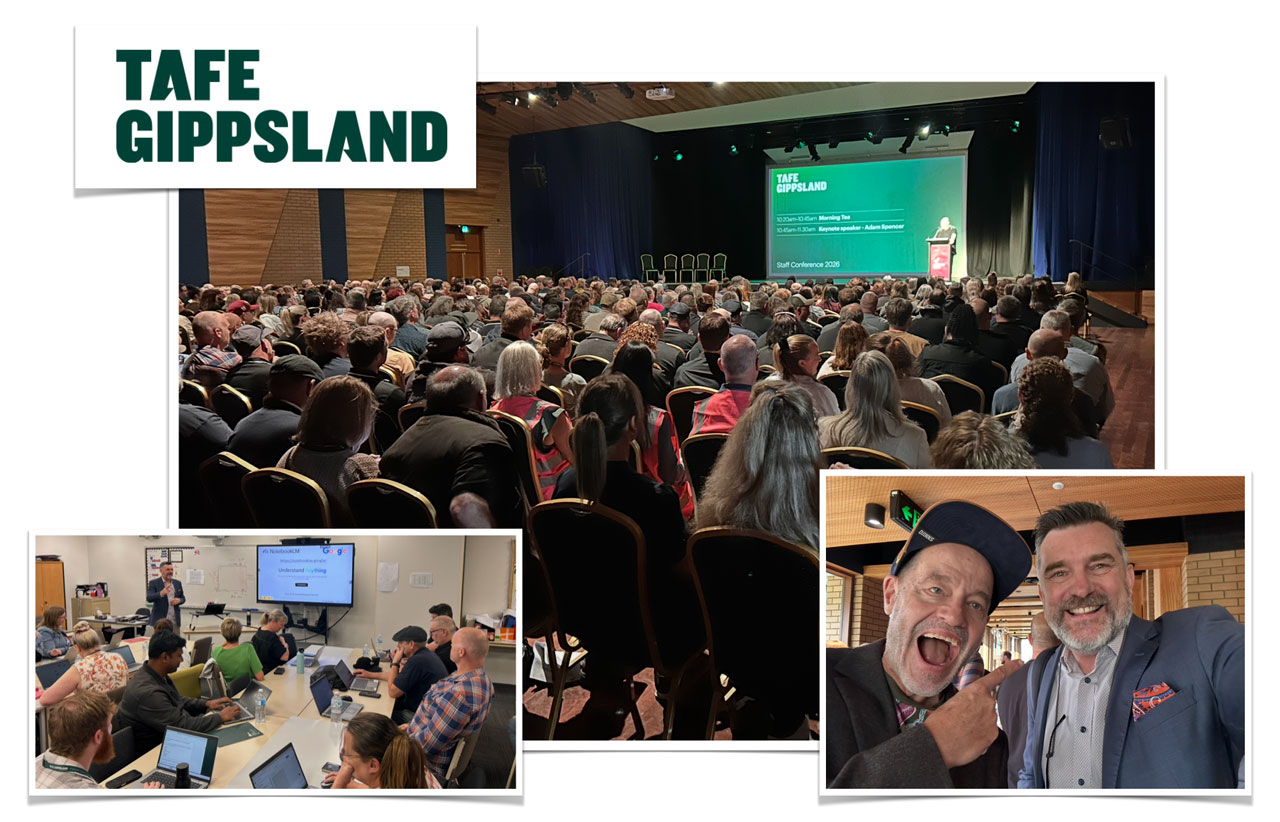
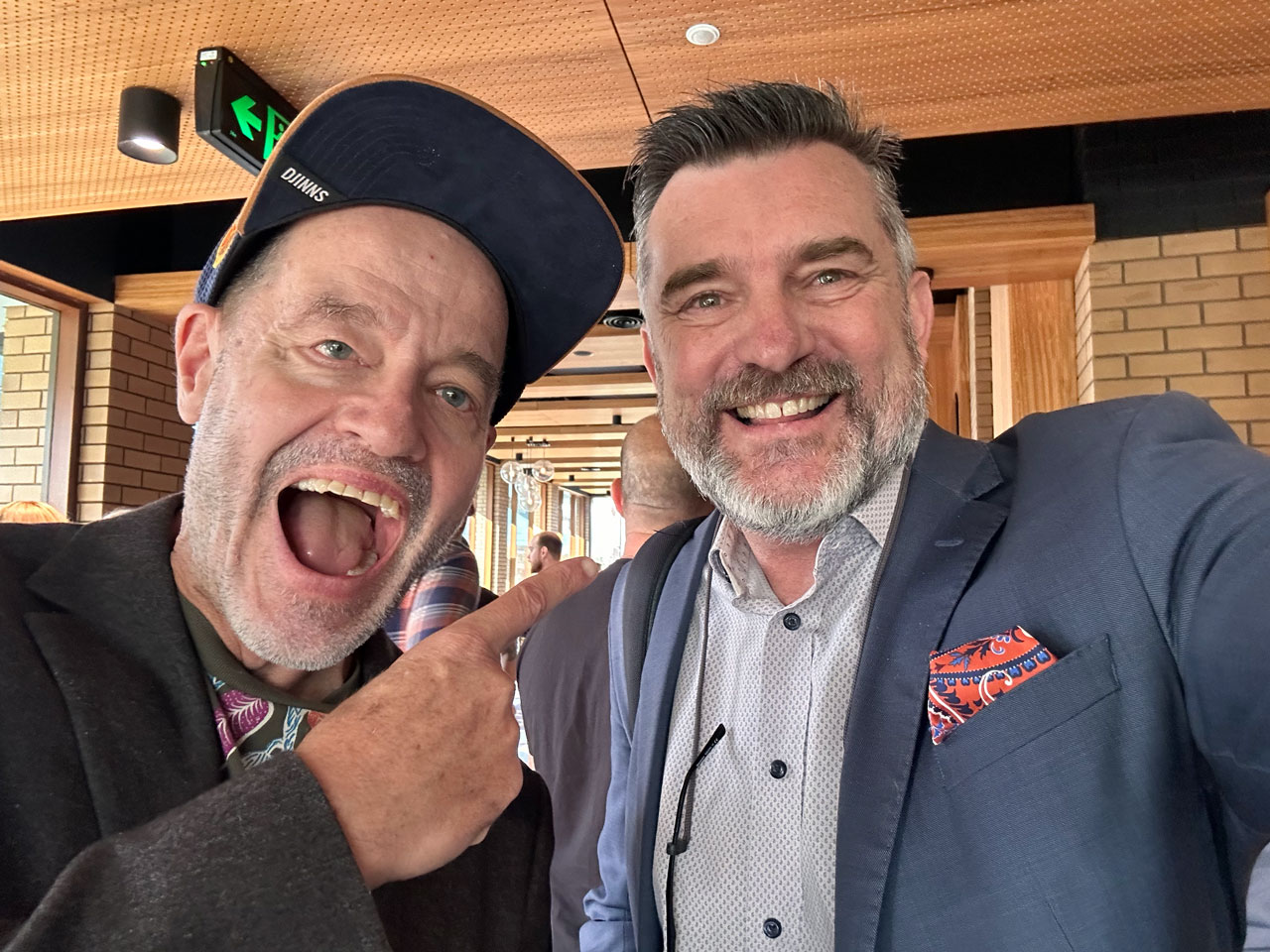
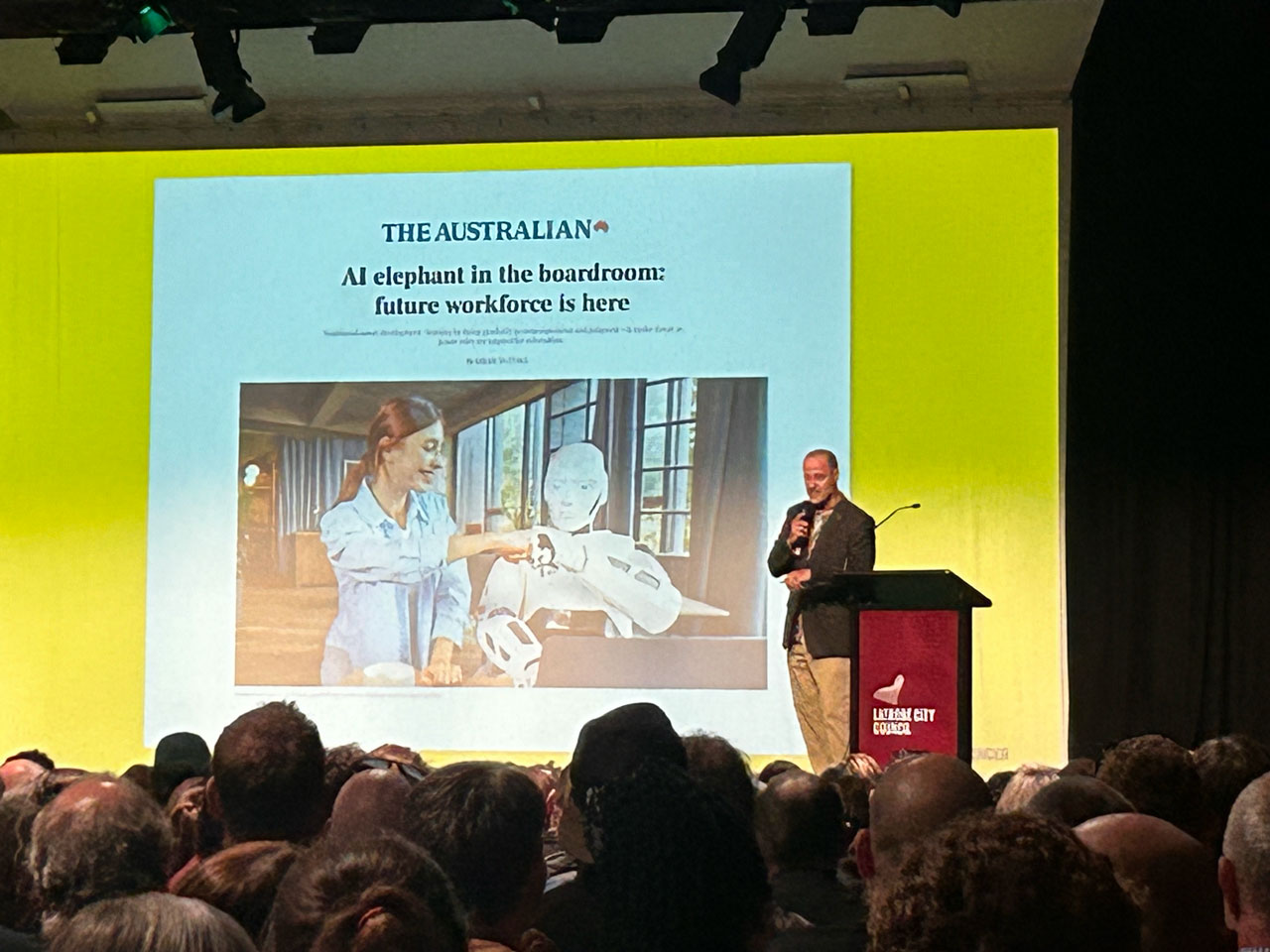
It was wonderful to reunite with ABC personality and Aussie genius Adam Spencer at the TAFE Gippsland Staff Conference in regional Victoria on Tue 28th April, 2026.
TAFE Gippsland has 9 campuses throughout Victoria and about 500 of their staff gathered at their Morwell campus for a day of conferencing.
Adam Spencer was the main keynote presenter. Adam is a well-known Australian broadcaster, comedian, and self-described “maths geek” who became a household name through his long-running work with the Australian Broadcasting Corporation (ABC), particularly as host of ABC Sydney’s popular breakfast radio program. With a background in mathematics from the University of Sydney, he blends sharp intellect with humour, making complex ideas (especially around science, technology, and numbers) accessible and engaging to a broad audience. Known for his energetic style, quick wit, and ability to connect big ideas with everyday life, Adam is a champion for education, curiosity, and the joy of learning.
We have both aged a bit since we last presented together at the 2019 Future Focused Learning STEM Conference in Regional NSW,
2019
Adam’s very entertaining keynote was titled Achieving Ambition amid the GPT Revolution. He shared about the value of a number of gen AI tools and how they are being used in society and education. He quoted former Canadian PM Justin Trudeau when he said, The pace of change has never been this fast before … And it will never be this slow again.
He shared a number of AI trends and concerns and how gen AI is changing the face of education globally. He talked about, and provided examples of, vibe coding and how it enables anyone to be a coder.
Adam quoted Dr Kellie Nuttall (AI Institute Leader and Strategy and Business Design Leader for Deloitte Australia) who says the whole notion of traditional organisational structures needs to be rethought entirely … Shift your focus from training people to compete with AI to helping them augment it. Invest in creativity, emotional intelligence, complex decision-making, systems thinking—the skills machines can’t replicate
Adam’s main message was that AI is impacting most industries, we can either deny it, push back against it, let it happen or better still … embrace it, empower ourselves, keep what we do best at the core of our role and augment our skills with these new technologies.
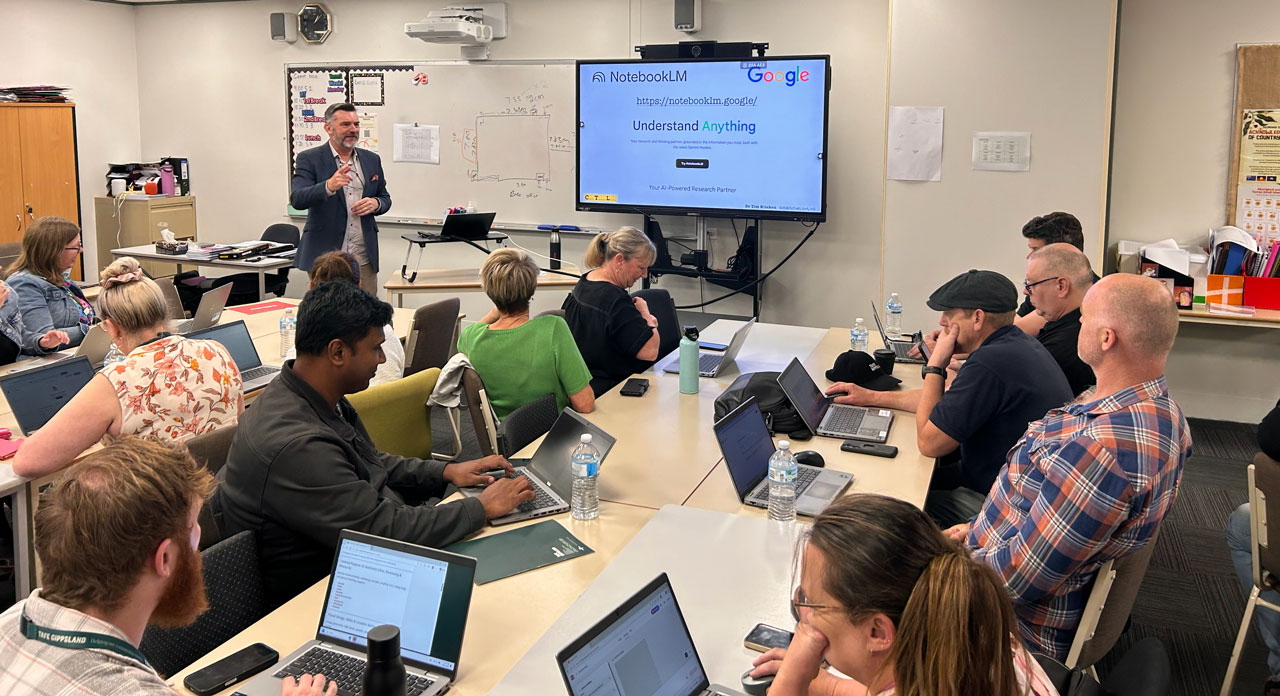
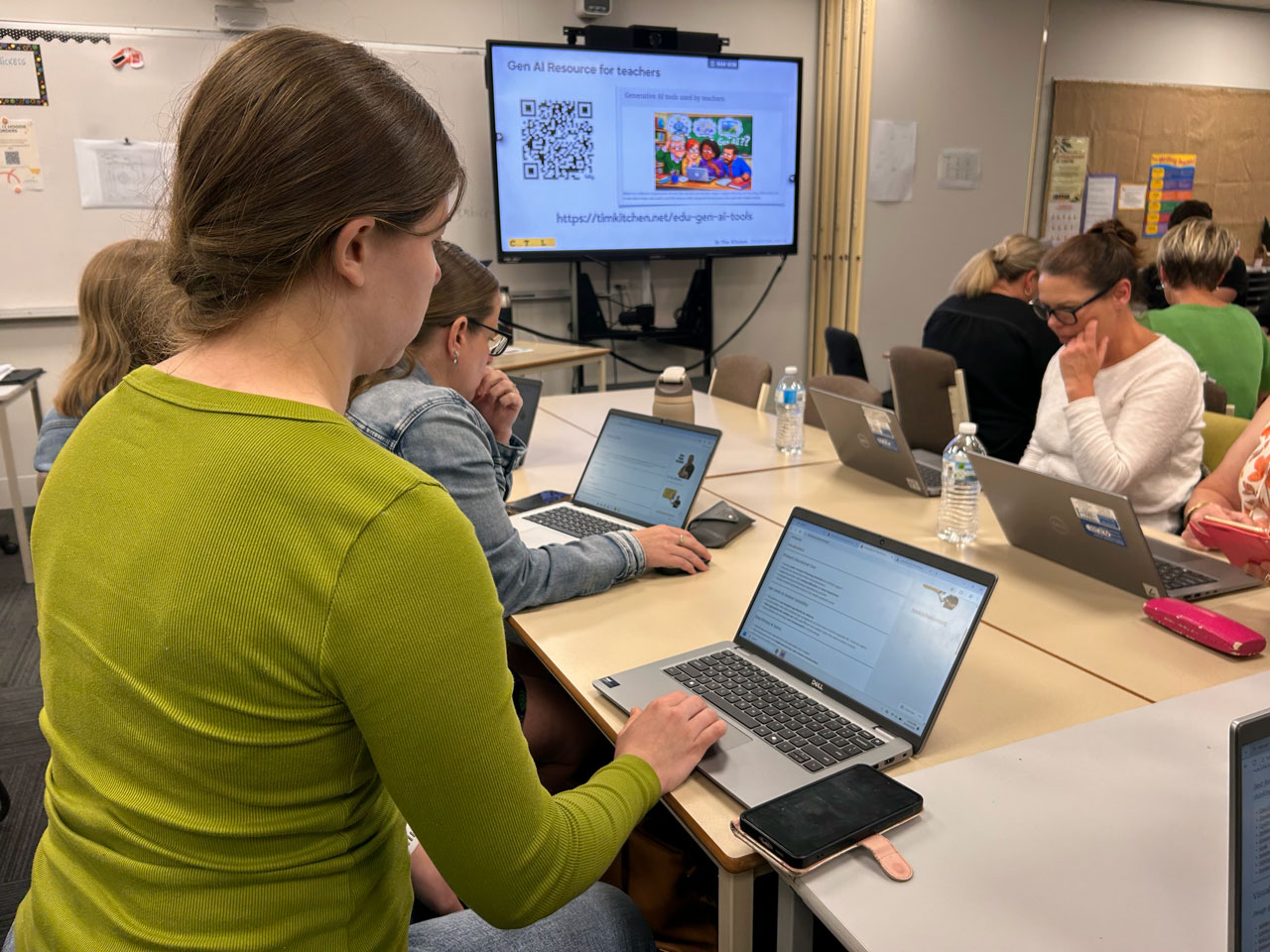
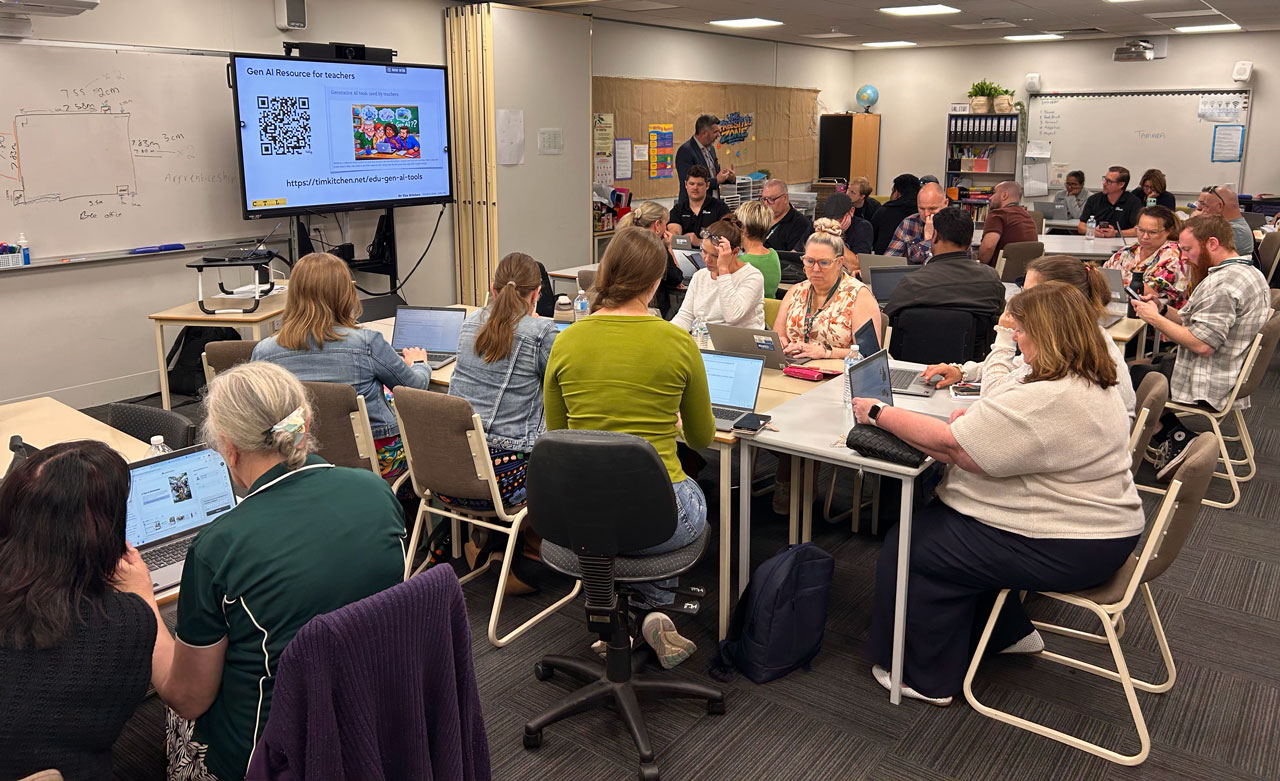
I had the pleasure of running two repeated workshops to about 80 TAFE staff titled AI as Your Teaching Apprentice: Practical Gen AI Applications for Teachers
I introduced everyone to my new Gen AI Resource for teachers and encouraged them to view my analysis of almost 50 gen AI apps that are being use by teachers these days.
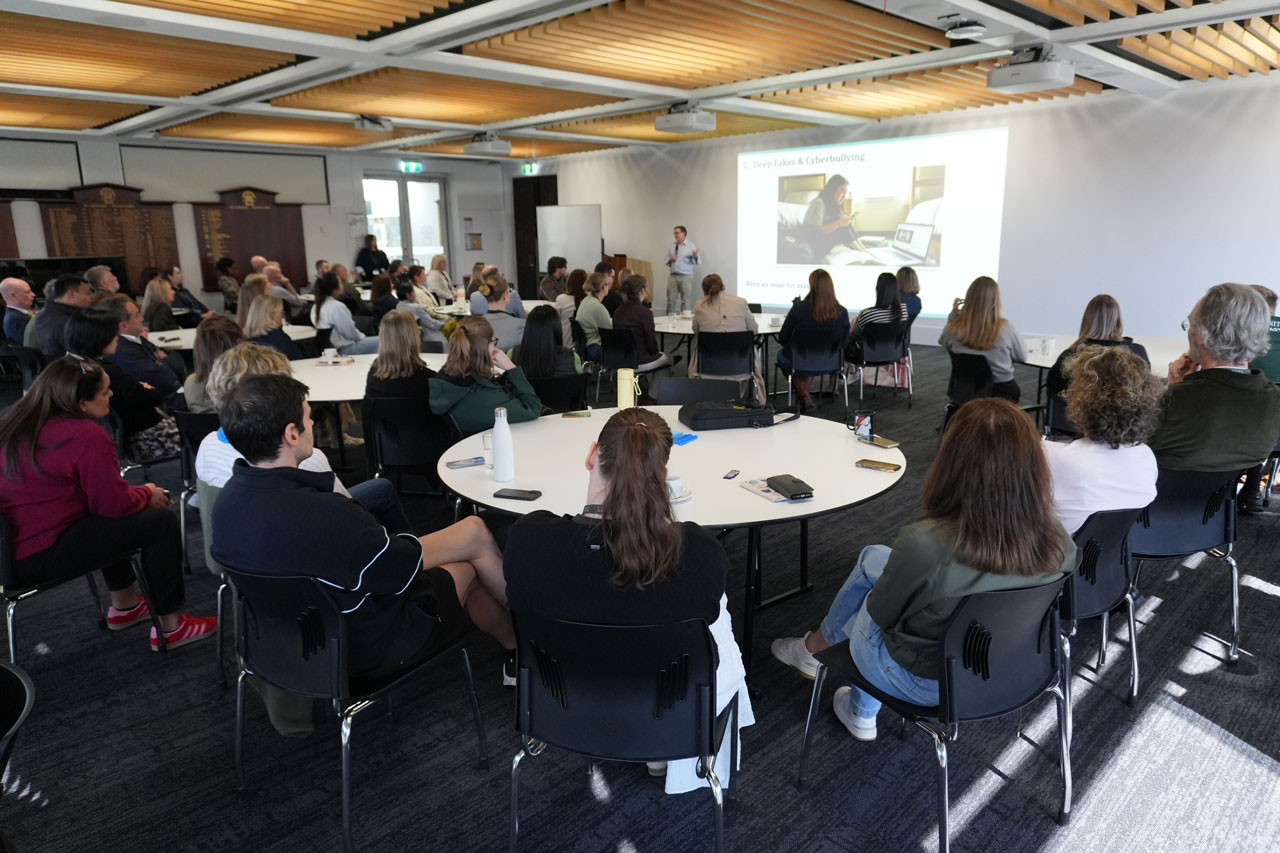
Almost 80 non-teaching staff at Trinity Grammar in Melbourne gathered on Monday 20th April for a specially designed two-hour professional learning presentation/workshop exploring the rapidly evolving world of generative artificial intelligence and what it means for their work, their school community, and the wider education sector.
The session was co-facilitated by Dr Tim Littlejohn and Dr Tim Kitchen, both Senior Consultants with CulturePath AI, a newly established organisation that brings deep, school-grounded expertise to the operating models of school systems and schools navigating the opportunities and challenges of AI.
While much of the public conversation about AI in education focuses on classrooms, teachers, and students, the reality is that generative AI is already reshaping the work of the professional services staff who keep schools running. From administration, finance, HR and marketing, to operations, IT, facilities, development and beyond, non-teaching staff are encountering AI tools daily, sometimes deliberately, sometimes embedded quietly inside familiar software.
Trinity Grammar recognised that giving this group a dedicated, high-quality learning experience was essential. The workshop was purpose-built to meet non-teaching staff where they are: curious, capable, and ready to engage with AI in ways that are confident, safe, and aligned with the school’s values.
Hour one: Building a shared understanding
The first hour was led by the two Dr Tim’s as an interactive briefing, designed to give every participant (regardless of prior exposure to AI) a solid and shared foundation. Four core questions anchored the session:
What is generative AI? Cutting through the hype to explain, in plain language, how today’s generative tools actually work.
Why does it matter? Connecting AI to the real, day-to-day work of schools and the communities they serve.
What are the implications? Exploring the opportunities, risks, ethical considerations, and cultural shifts that AI brings to workplaces and to education.
How do we take control? Moving the conversation from passive observation to active, informed agency so that staff shape how AI shows up at Trinity Grammar, rather than the other way around.
Throughout the hour, the facilitators drew on their combined decades of experience across school leadership, educational technology, research and strategic consulting to ground big ideas in practical, relatable examples.
Hour two: The community shapes the future
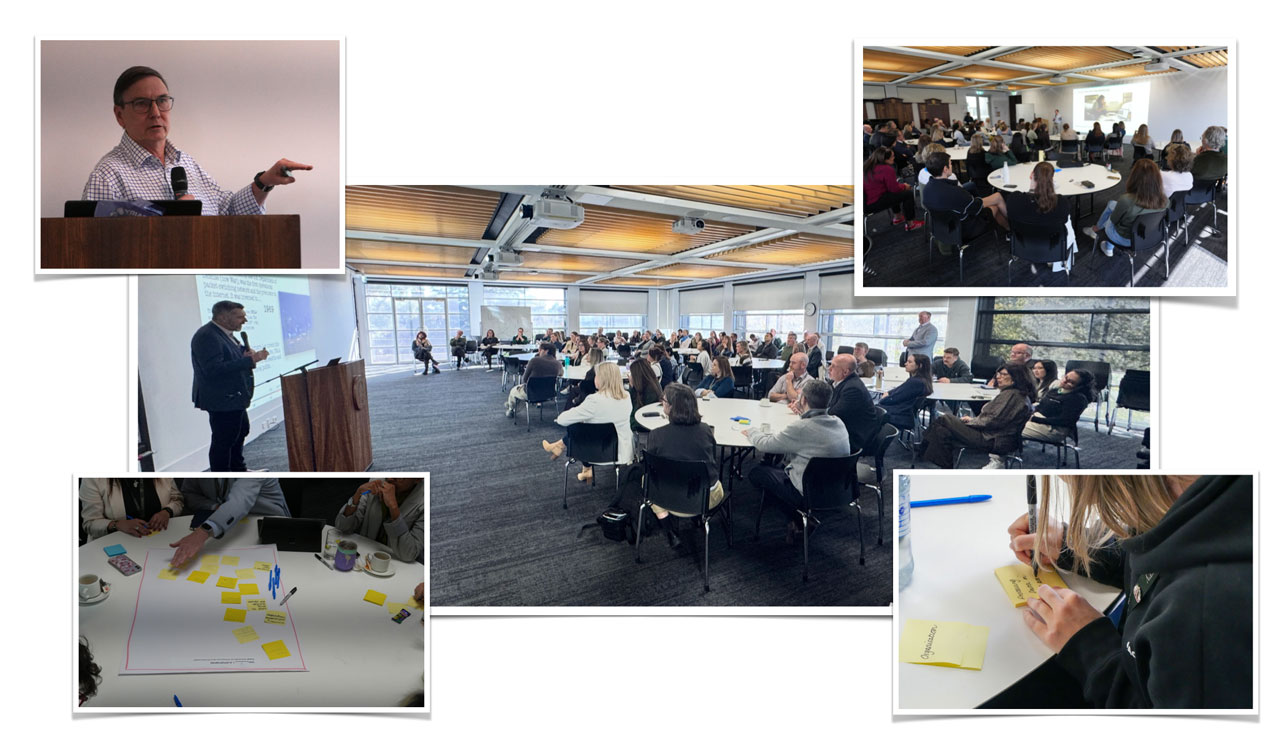
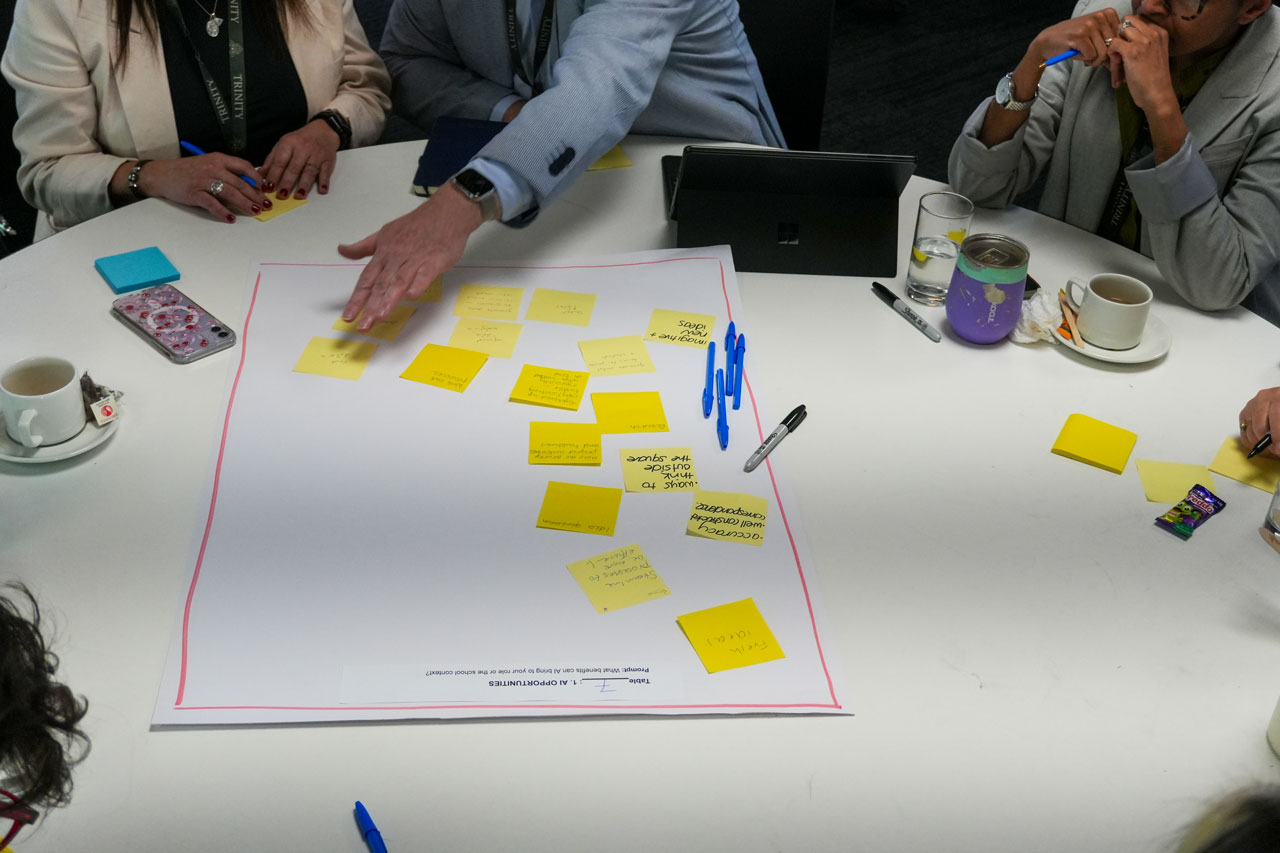
The second hour belonged to the staff themselves. Participants worked in small groups to explore four structured prompts:
AI Opportunities — where could generative AI genuinely improve our work, our service to students and families, and the effectiveness of the school?
AI Risks — what are we worried about, and what could go wrong if AI is adopted without care?
AI Guardrails — what boundaries, principles, and practices should be in place to make sure our use of AI is safe, ethical, and aligned with Trinity’s culture?
Questions for School Leadership — what do staff want leaders to consider, clarify, or commit to as the school’s AI journey continues?
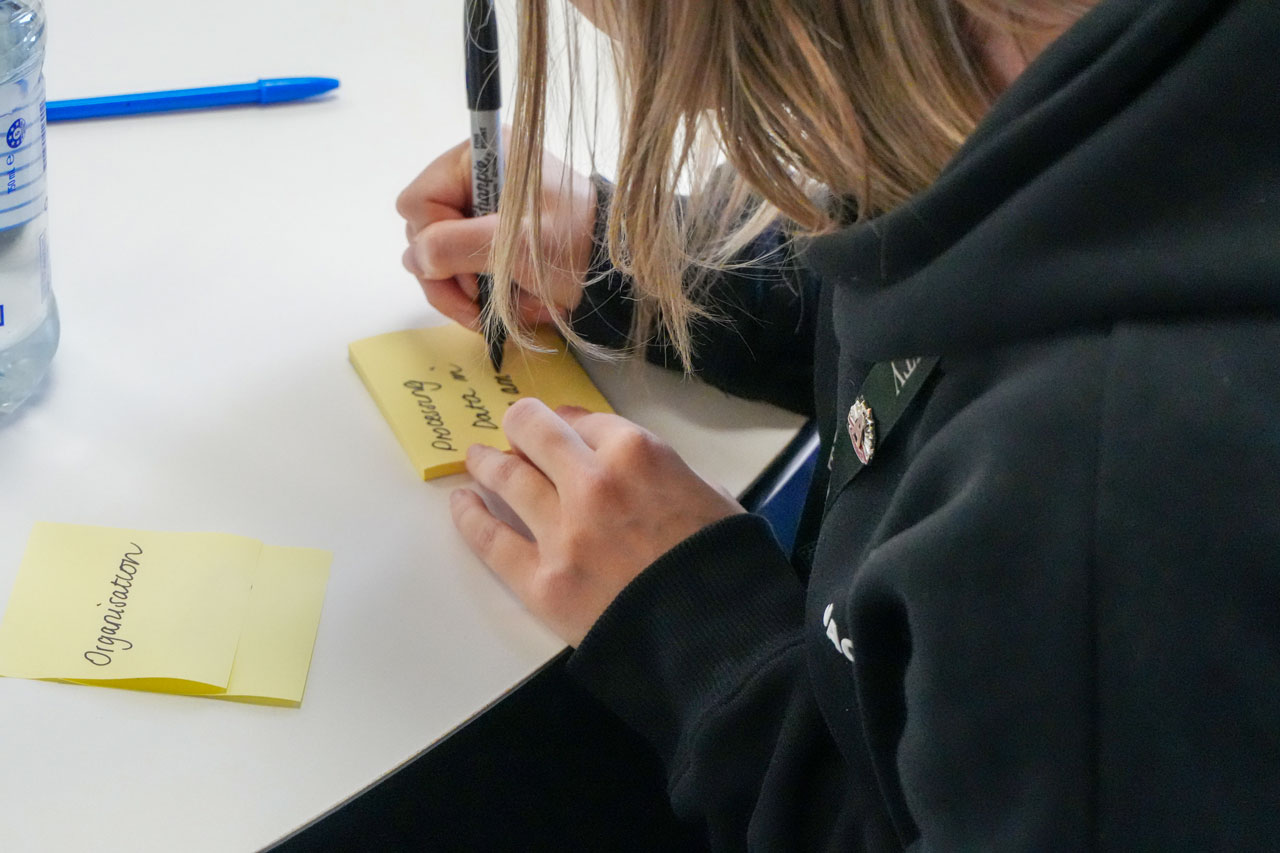
The energy in the room was palpable. Conversations were thoughtful, honest, and at times robust, exactly the kind of engagement that produces genuinely useful input. Groups captured their thinking on post-it notes, and the collective output represents a rich, authentic snapshot of the staff voice on AI.
From workshop to policy
The responses gathered in the second hour will now be synthesised and fed into Trinity Grammar’s ongoing work to shape future policies around AI use throughout the school. Rather than a top-down directive, the school is deliberately building its AI approach on the lived perspectives of the people who work there, a culturally grounded, human-centred way of approaching one of the most significant technological shifts of our time.
This aligns closely with the philosophy that CulturePath AI brings to every engagement: that meaningful, sustainable AI adoption in schools is as much about culture, values and people as it is about tools and technology.
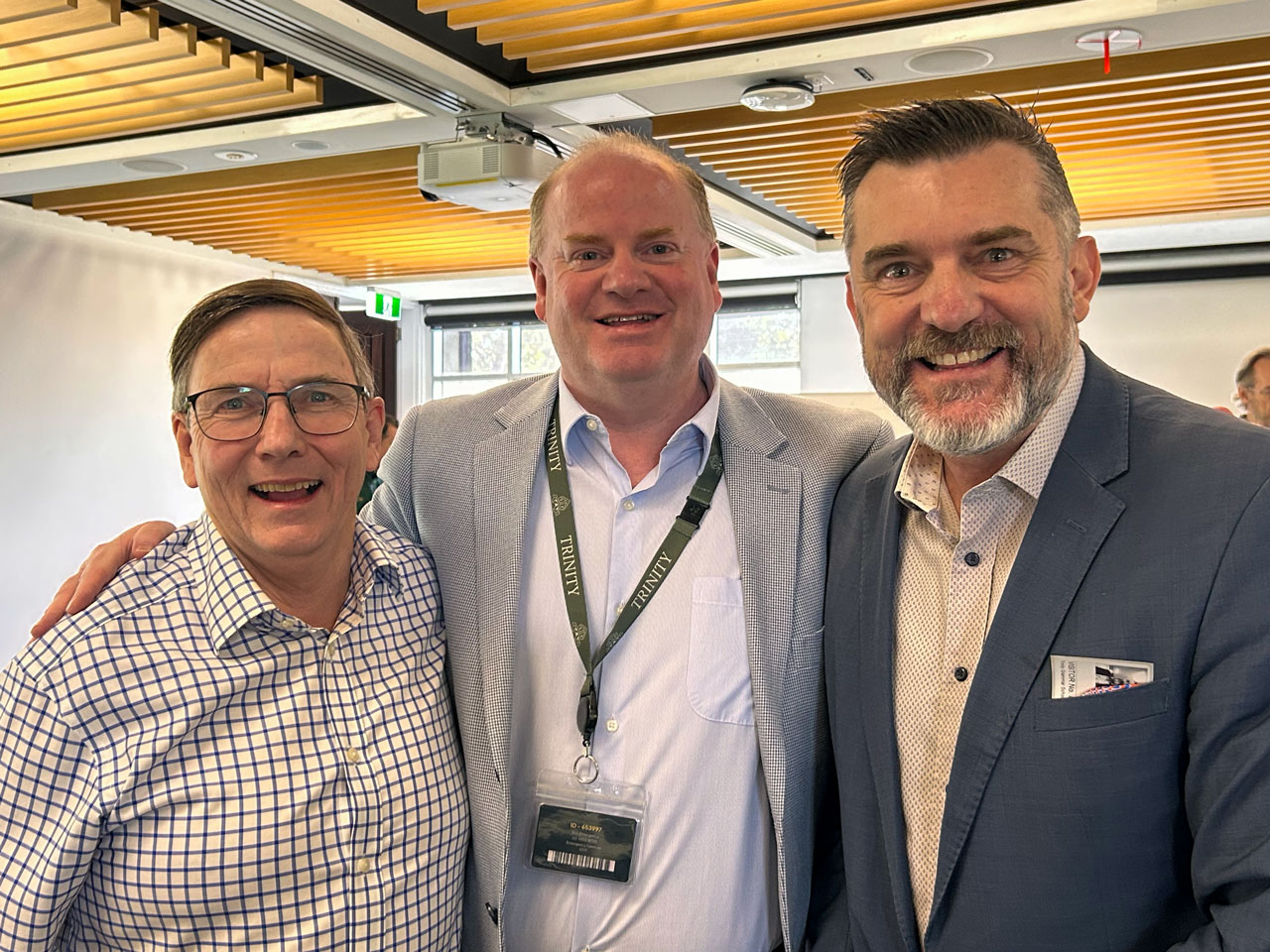
Special thanks goes to Mark Glover Trinity’s Chief Operating Officer and Chair of ASBA Ltd
Dr Tim Littlejohn, Mark Glover & Dr Tim Kitchen
About CulturePath AI
CulturePath AI is a new organisation bringing school-grounded expertise across the operating models of school systems and schools. The team works alongside school leaders, staff and communities to help them understand, adopt, govern and benefit from generative AI in ways that are safe, strategic and culturally aligned. Learn more at culturepathai.com.






 Dr Tim Kitchen