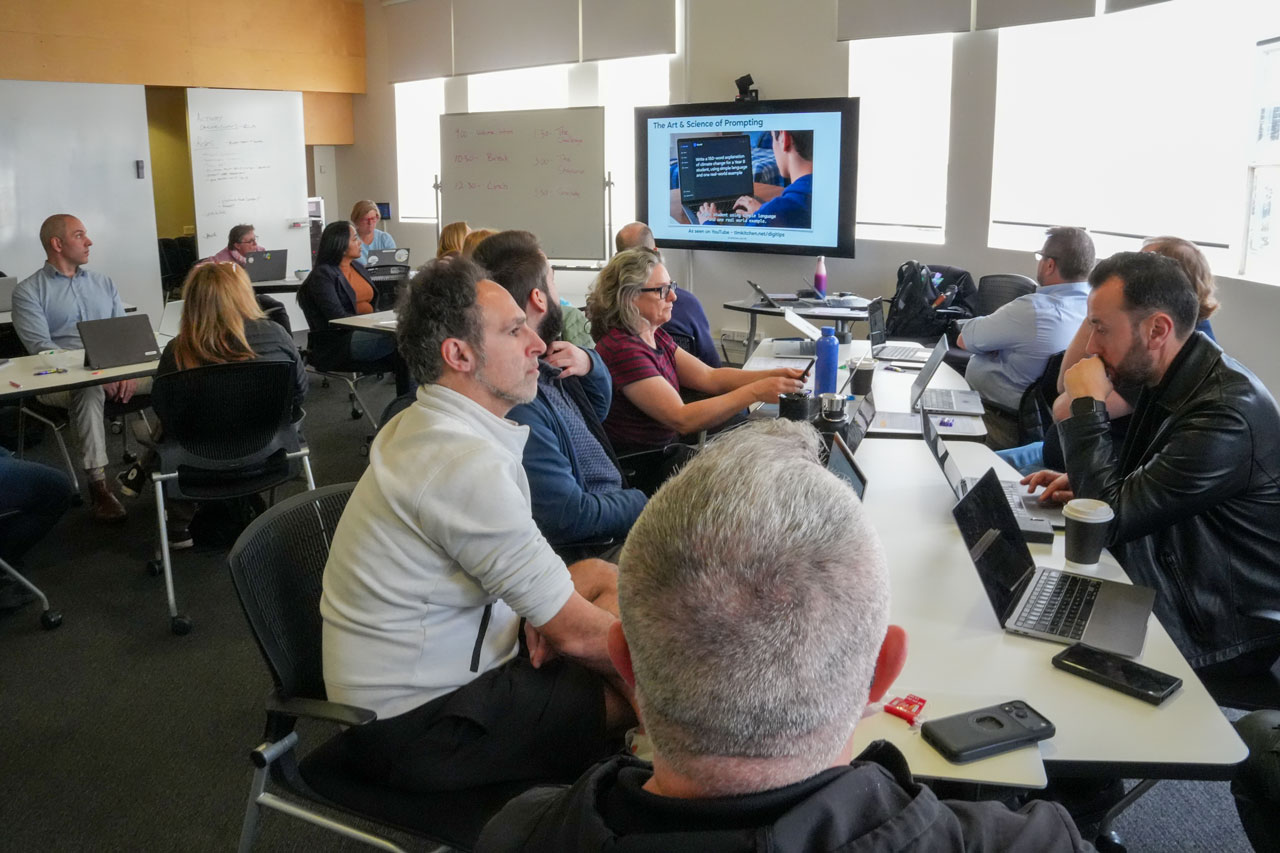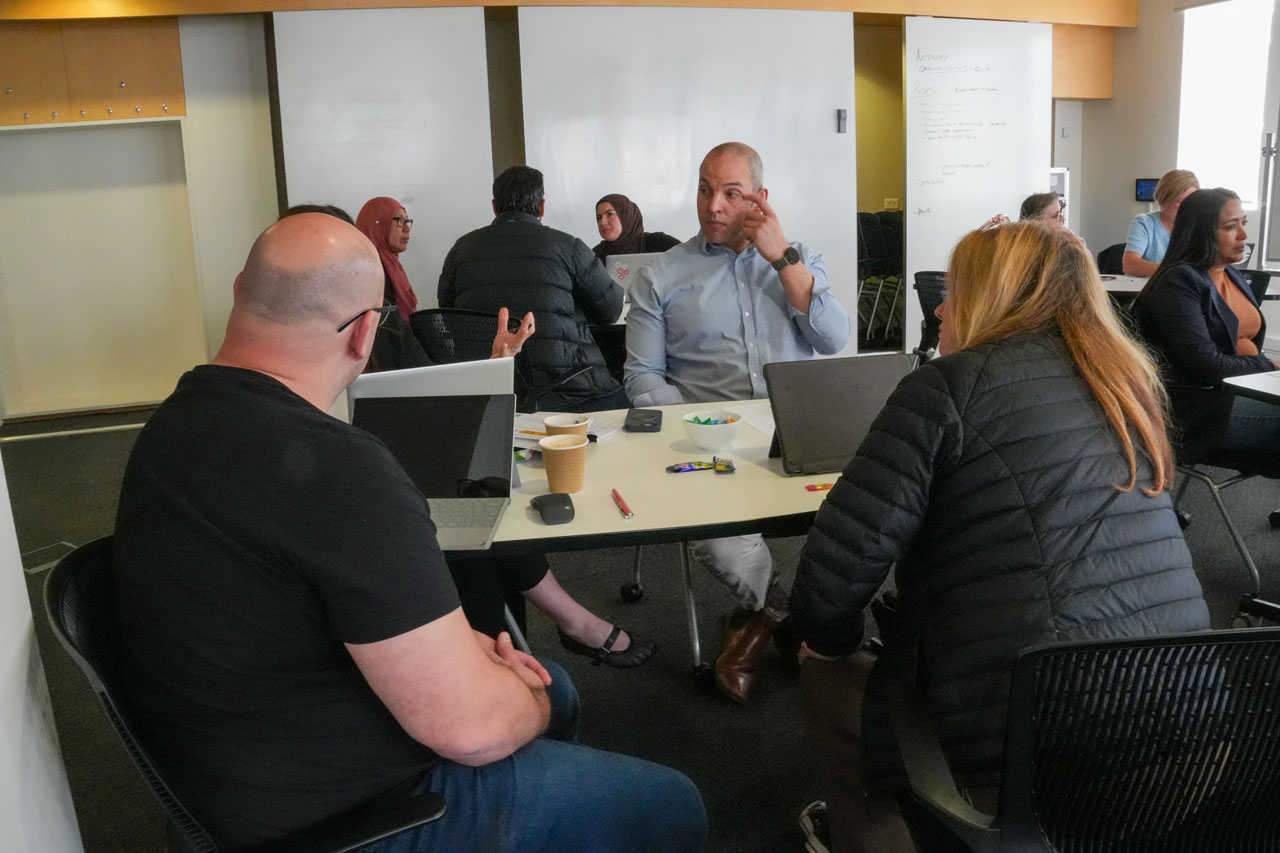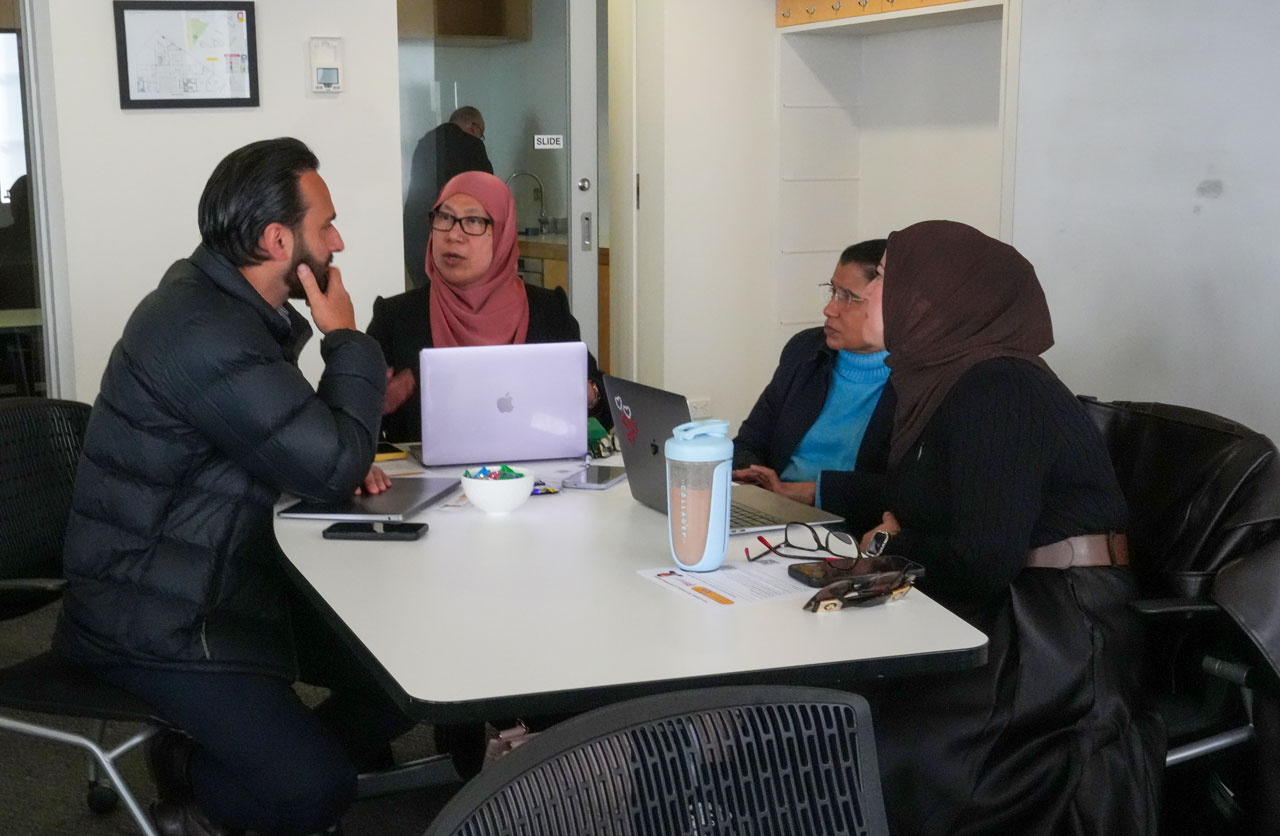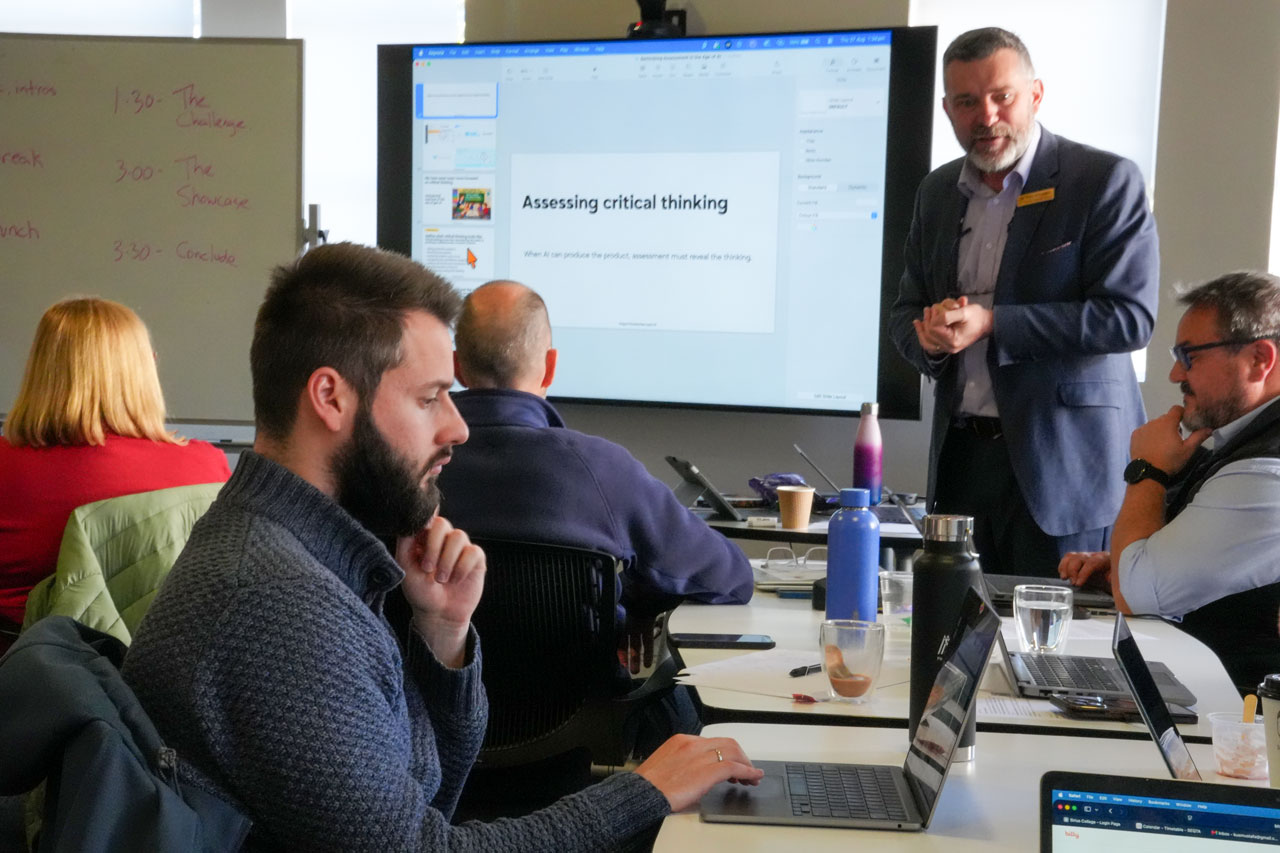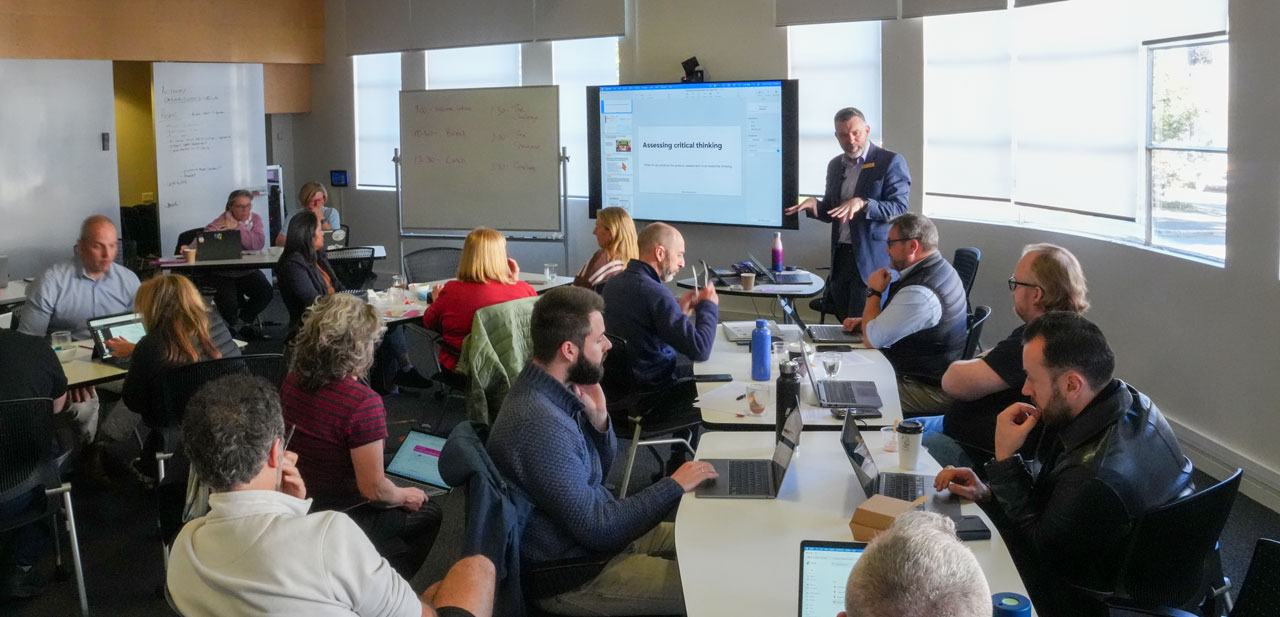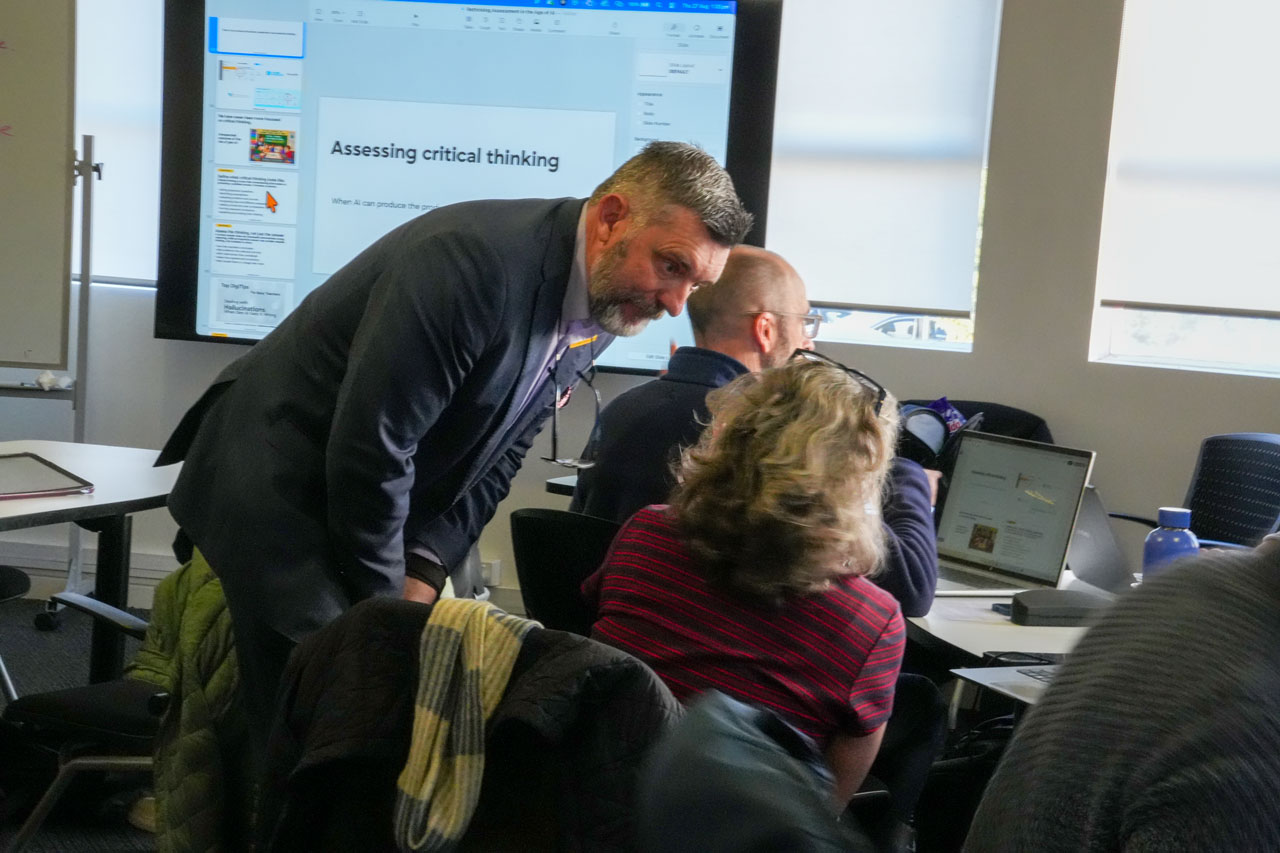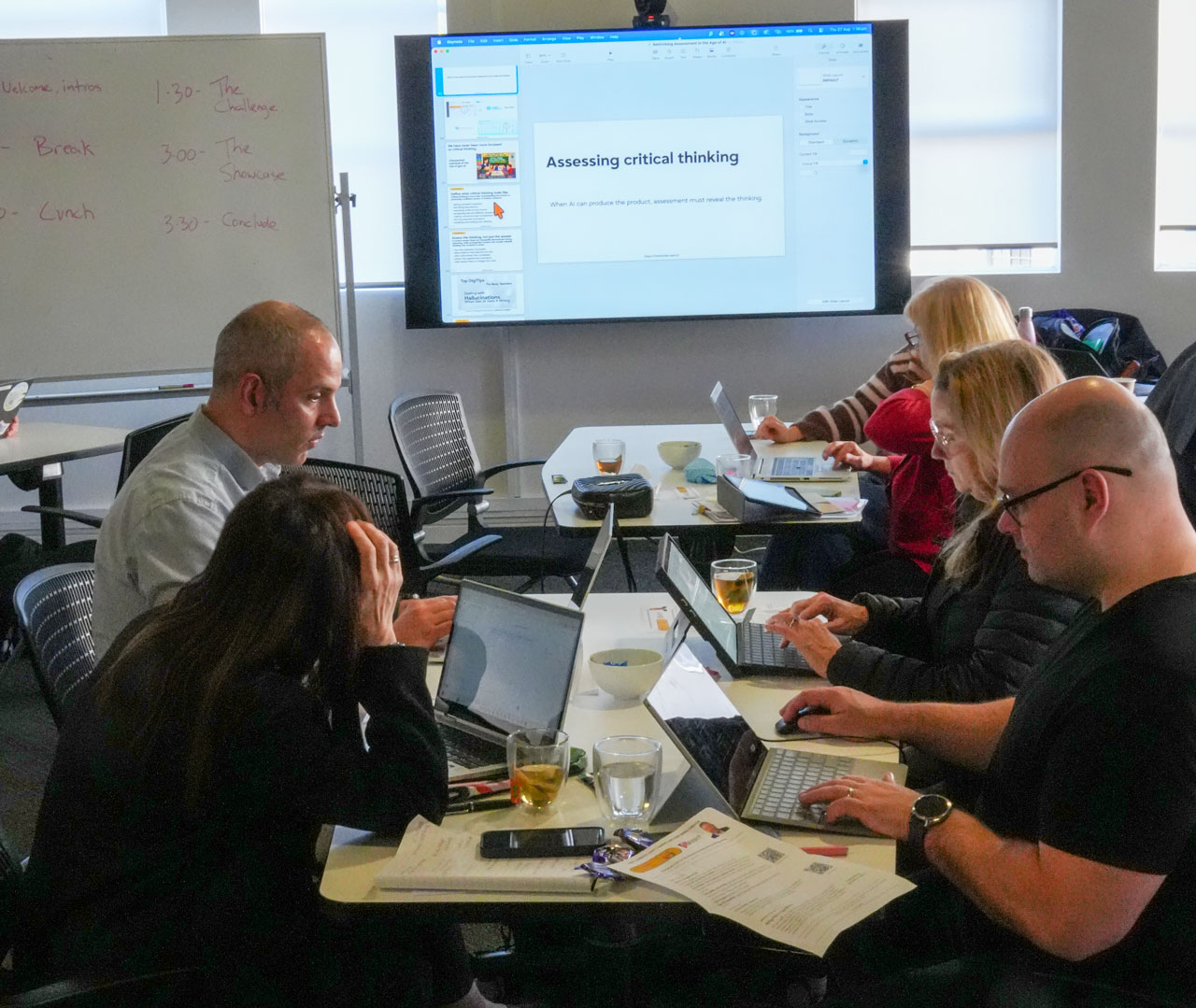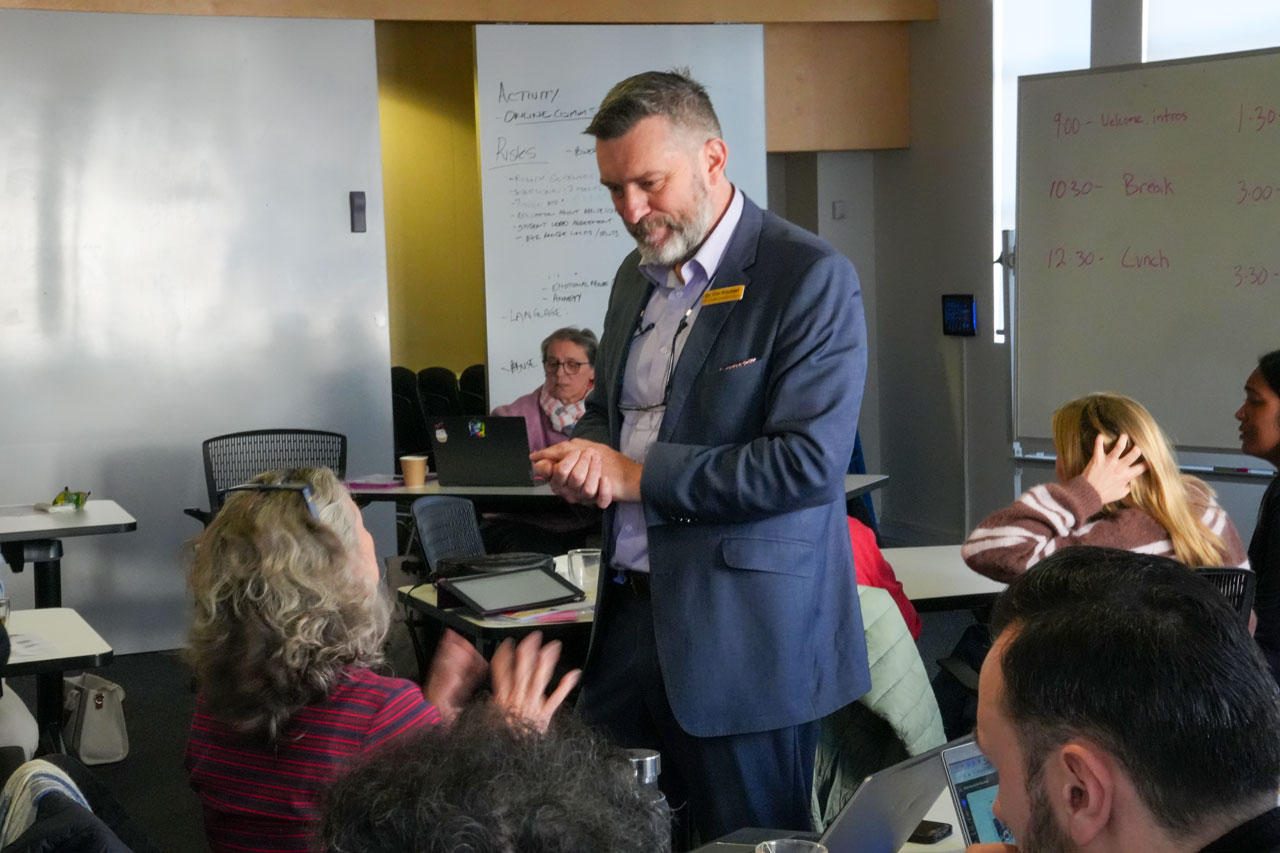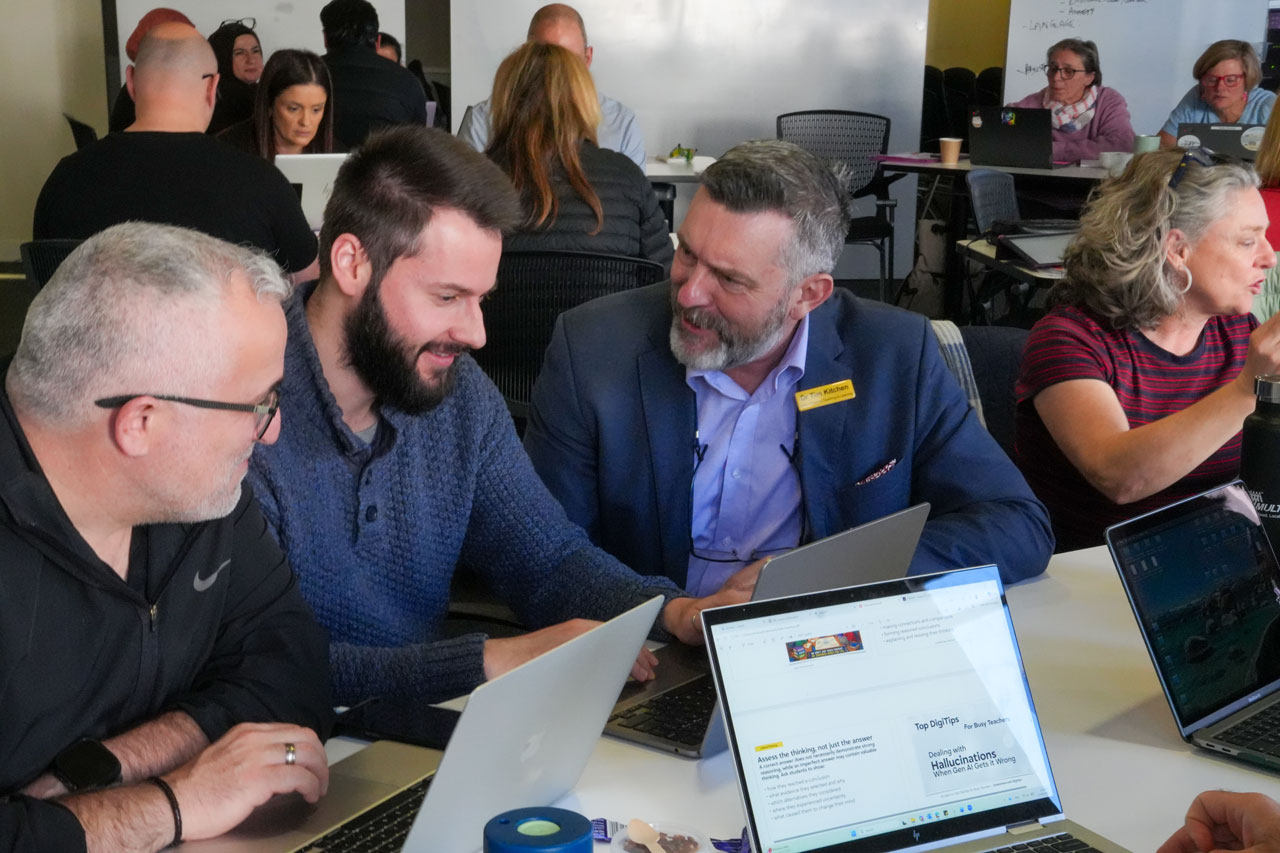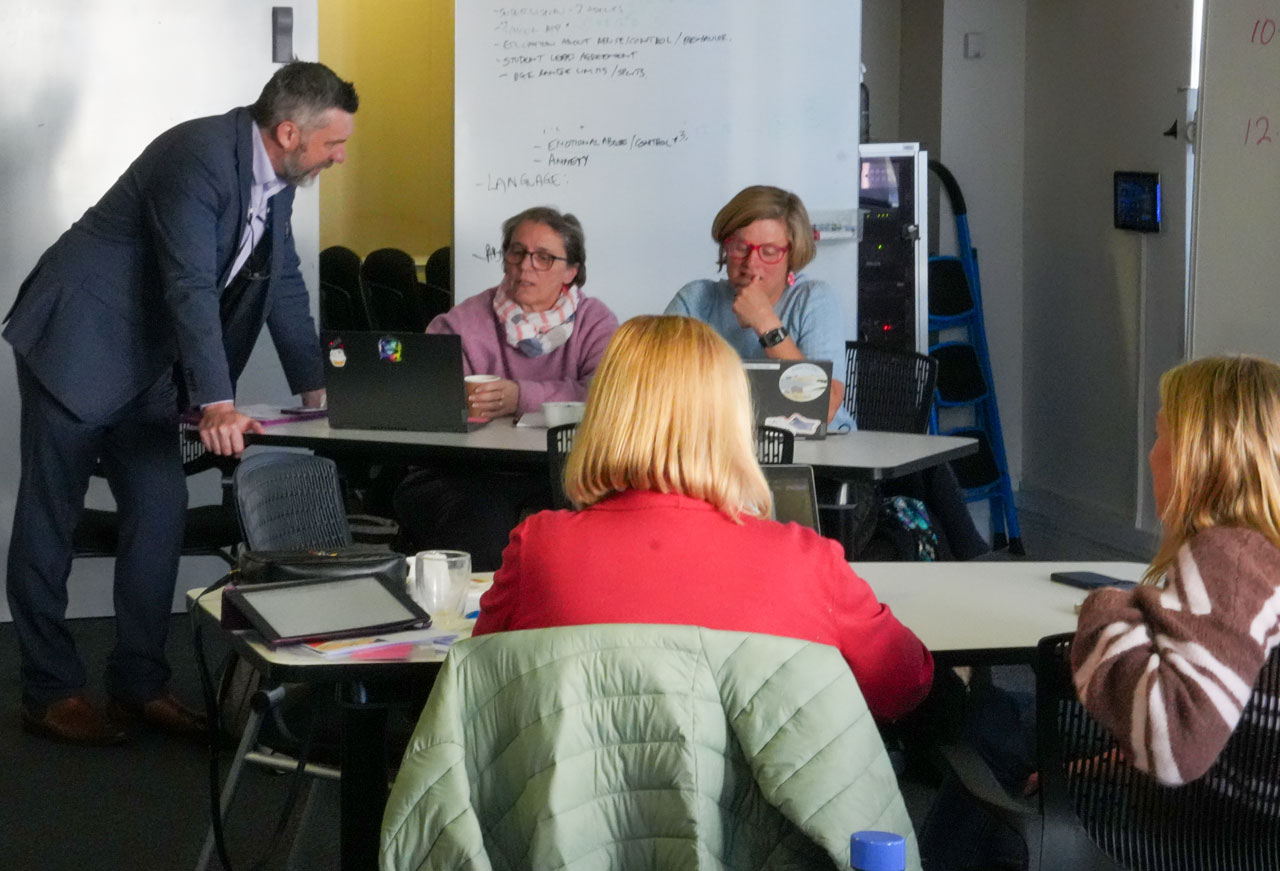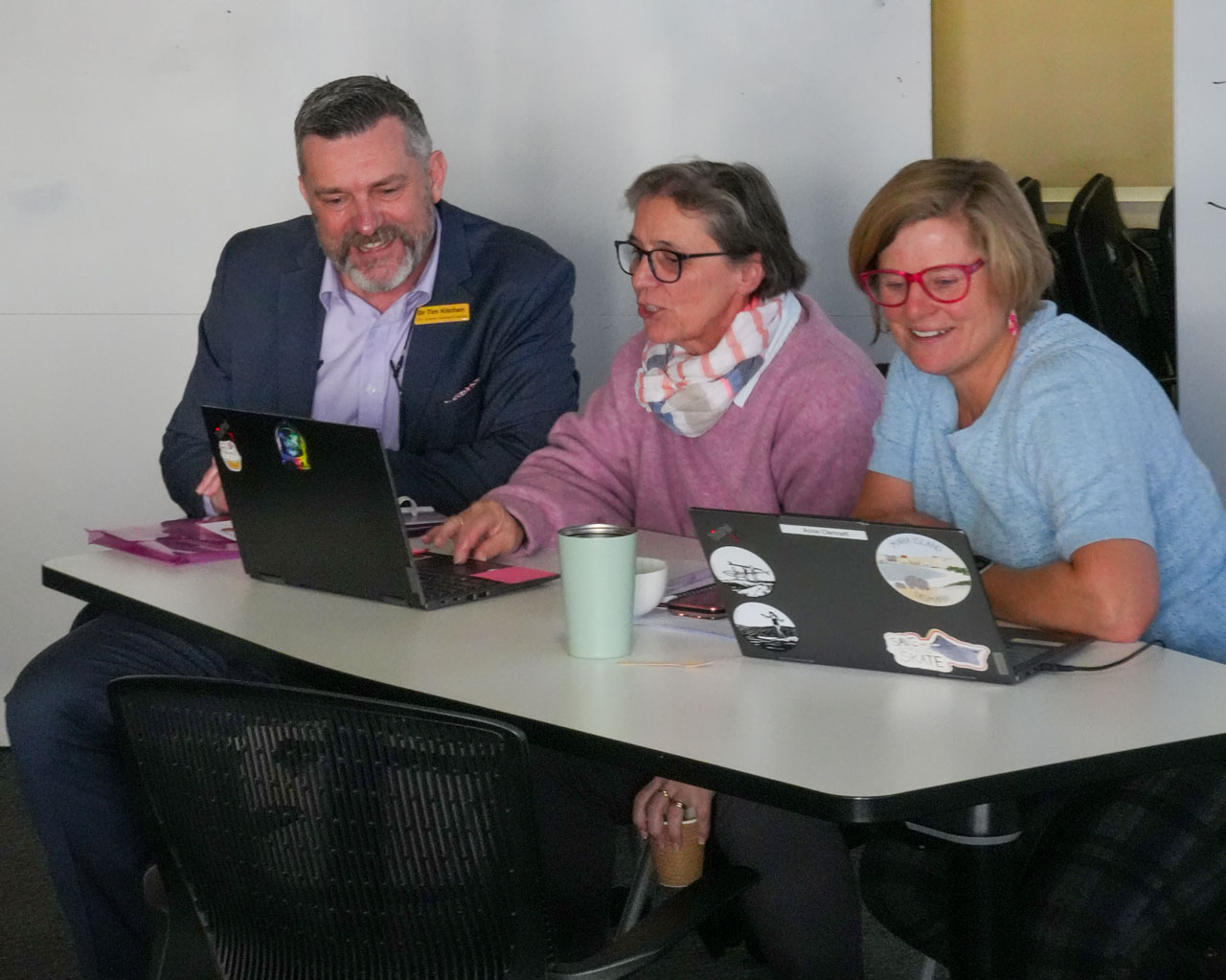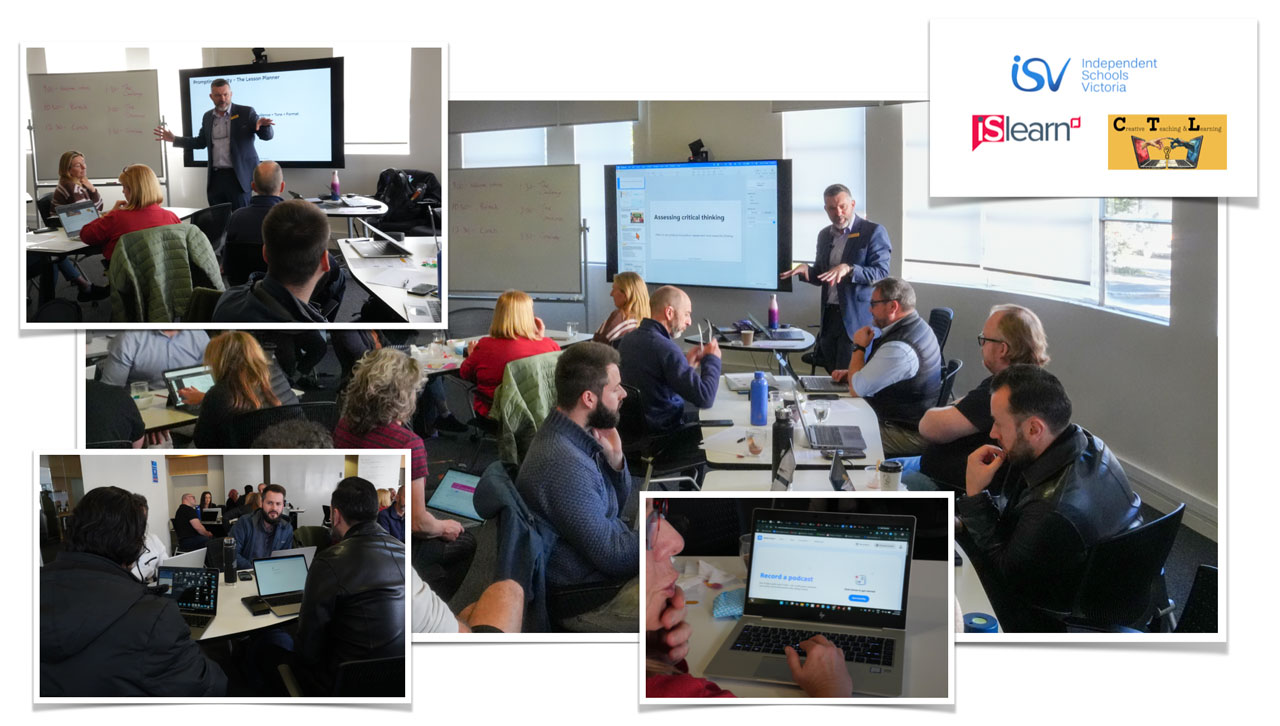
On 27th August 2026, I had the privilege of working with 22 teachers from about 10 different schools for a professional learning workshop hosted by ISV titled Rethinking Assessment in the Age of AI.
Generative AI is placing increasing pressure on many traditional forms of assessment. When students can produce polished essays, reports, images and presentations within seconds, it is becoming more difficult to determine what they genuinely understand and how much of the work reflects their own thinking.
However, the answer is not simply to return to handwritten examinations or rely on unreliable AI-detection tools. Instead, schools have an opportunity to design assessment that provides richer evidence of learning, makes students’ thinking more visible and values the learning journey as much as the final product.
The morning was devoted to exploring and discussing several important aspects of this challenge.
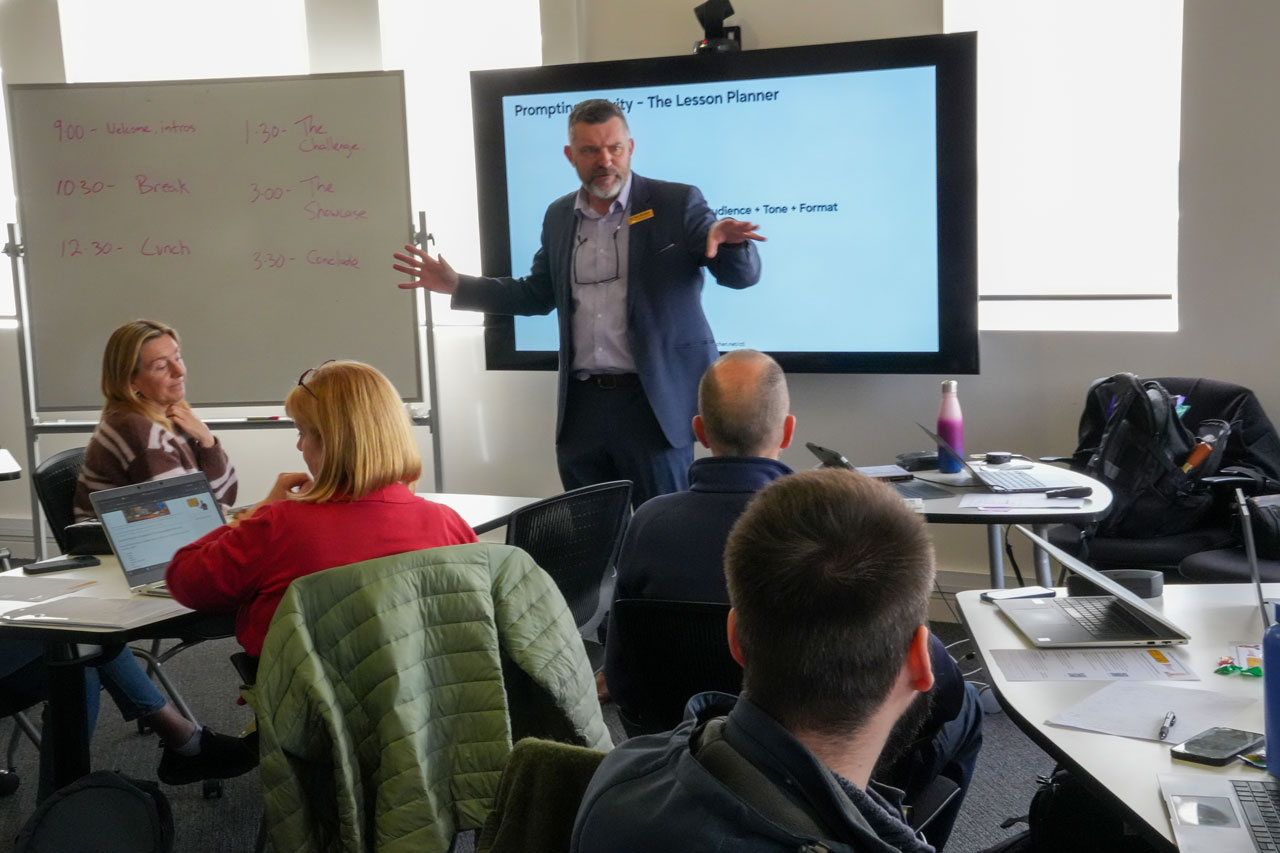
We began by considering why traditional assessment is under pressure and identifying the types of tasks that are particularly vulnerable to inappropriate AI use. Teachers reflected on whether some long-established assessment practices still provide trustworthy evidence of student learning.
From there, we explored ways of designing more AI-resilient assessment tasks. These approaches included making tasks more personal and contextual, incorporating opportunities for discussion and oral explanation, collecting evidence at different stages of the learning process and asking students to reflect on the choices they made.

A major focus was the principle of process over product. A polished final submission does not always reveal how a student developed an idea, responded to feedback, overcame difficulties or used AI and other forms of assistance. Digital portfolios can help address this problem by capturing drafts, research, feedback, reflections and evidence of revision over time. They provide teachers with a much clearer picture of how learning has developed.

We also examined practical principles for redesigning assessment through an AI lens. This involves asking questions such as:
- What do we genuinely want students to learn?
- What evidence would demonstrate that learning?
- Which parts of the task should students complete independently?
- Where might AI appropriately support the learning process?
- How will students explain and take responsibility for their decisions?
- What evidence of thinking and development should be collected along the way?
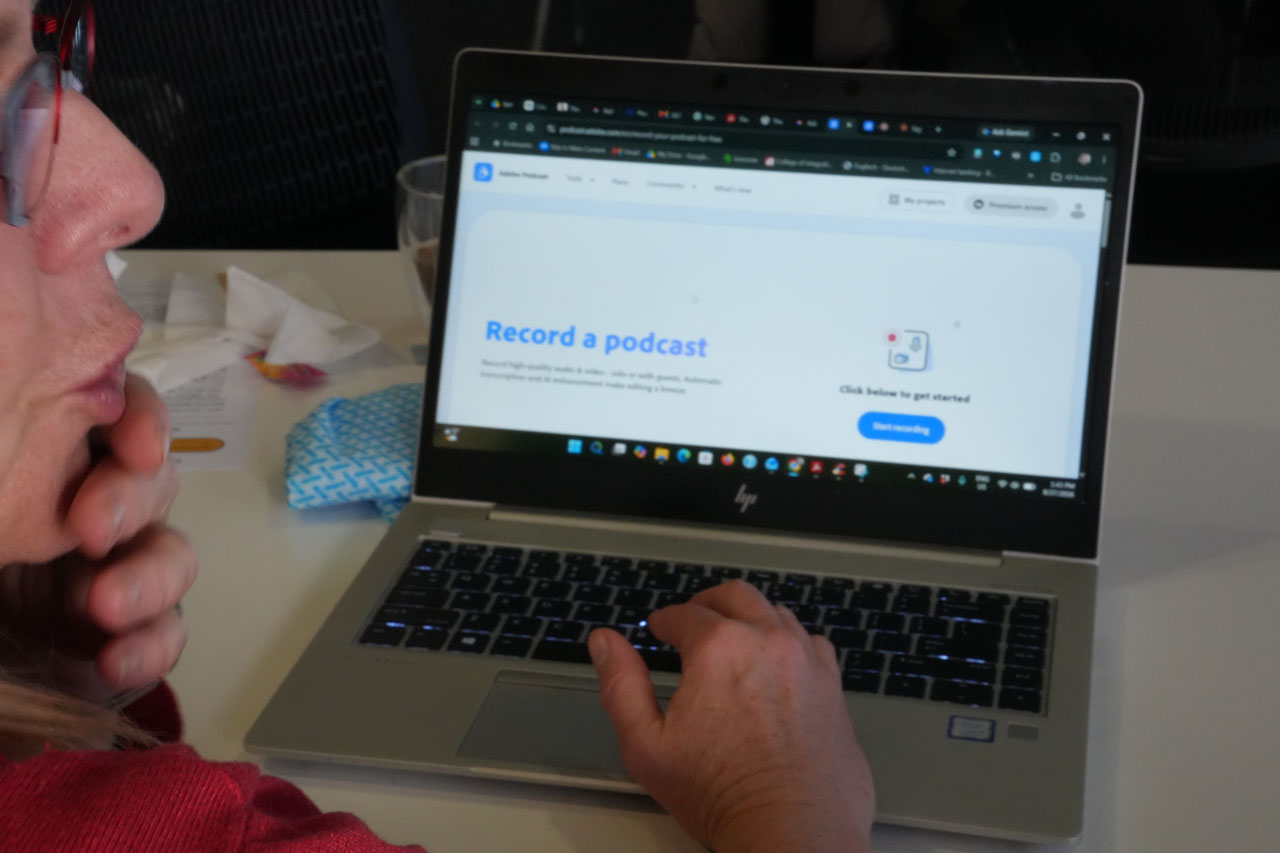
Podcasting was explored as one valuable alternative to conventional written assessment. A podcast requires students to understand their topic, organise their ideas, communicate clearly and make decisions about audience, tone and structure. It can also incorporate conversation, questioning and reflection, making it more difficult for students to submit material they do not understand.
We spent time examining how critical and creative thinking can be assessed more explicitly. Rather than treating these capabilities as vague qualities or judging only the final outcome, teachers can look for observable evidence. Critical thinking might involve evaluating sources, questioning assumptions, comparing perspectives and justifying conclusions. Creative thinking might be demonstrated through generating possibilities, experimenting with alternatives, making connections and refining an idea in response to feedback.
During the afternoon, the teachers moved from discussion to creation. Working in small groups and using Adobe Express, they were asked to produce either a podcast or a short animation addressing one of two topics: defining what critical thinking looks like or exploring how creative thinking might be assessed.
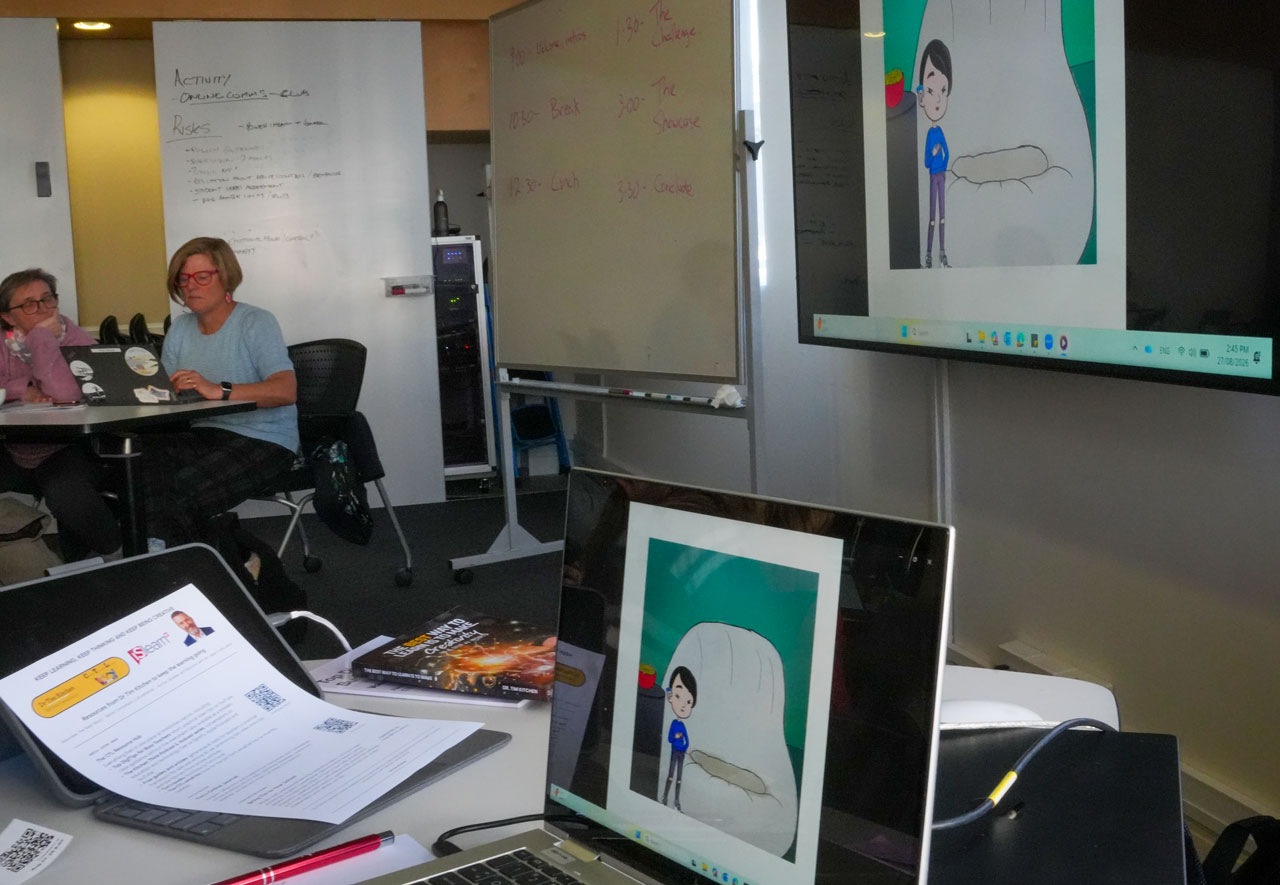
The results were very impressive. In a relatively short period, the groups transformed complex educational ideas into engaging and accessible multimedia pieces. The activity also modelled the kind of assessment we had been discussing throughout the day. Teachers needed to collaborate, interpret a challenging concept, generate ideas, make creative decisions and communicate their understanding to an audience.
Importantly, the task was not simply about producing a polished podcast or animation. The conversations, decisions, revisions and reflections that took place during its creation provided equally valuable evidence of learning.
Generative AI has exposed weaknesses in assessment practices that were already present. It has also given schools a powerful opportunity to reconsider what they value, what they assess and how students can best demonstrate genuine understanding.
Rethinking assessment in the age of AI is not about making every task resistant to technology. It is about designing assessment that values human thinking, creativity, judgement, communication and reflection. Yesterday’s workshop showed what is possible when educators are given the time to question established practices, experiment with new approaches and become learners and creators themselves.
Gallery