Critical Thinking: The Essential Skill for Students in the Age of Generative AI

As published in LinkedIn on 8 May, 2026

Generative AI has changed the game for what students need to succeed, not just at school, but in work and everyday life. Tools like ChatGPT, Claude, Gemini, and Copilot can now generate essays, write code, analyse complex information, and create impressive content in a matter of seconds.

But there’s another side to that speed and convenience. These same tools can also produce convincing inaccuracies (hallucinations), biased perspectives, made-up references, and misinformation that sound credible on the surface. That’s why, in this new AI-rich landscape, one skill matters more than ever for the next generation of learners: critical thinking.

A Long-Standing Capability, Often Overlooked

Critical and Creative Thinking has been part of the Australian Curriculum’s General Capabilities since 2010 (ACARA, 2010). Alongside Literacy, Numeracy, Digital Literacy (and other capabilities) schools have long been expected to develop these skills across all learning areas.

In reality, though, critical thinking has often sat on the edges of classroom practice. It’s usually been assumed that students would “pick it up” through good teaching, rather than having it explicitly taught, modelled, assessed, and intentionally prioritised. Schools have concentrated on curriculum coverage and a range of standardised assessment requirements, while critical thinking has frequently been treated as a secondary outcome rather than a central one.

That approach is becoming increasingly difficult to justify. With generative AI now woven into classrooms, workplaces, and everyday digital tools, students need far more than the ability to recall information or produce polished answers. They need the capacity to question, evaluate, interpret, and challenge what AI systems generate. Critical thinking is no longer an optional extra sitting alongside the curriculum; it is quickly becoming one of the most essential capabilities students can develop.

From Producing Answers to Evaluating Them

When students can generate an essay draft or solve a mathematics problem with a single prompt, the role of the teacher is no longer simply to help students produce answers, but to help them question, evaluate, refine, and challenge those answers.

That means schools need to place far greater emphasis on explicitly teaching skills such as:

  • interrogating the credibility of sources;
  • recognising bias;
  • testing claims against evidence;
  • constructing reasoned, evidence-based arguments; and
  • creatively connecting ideas in ways AI cannot easily replicate.

These are no longer “nice-to-have” capabilities sitting at the edges of the curriculum. They are becoming the new foundations of literacy in an AI-rich world.

Beyond these capabilities, students also need regular opportunities to analyse evidence, reflect on differing perspectives, and understand that AI should support human judgement rather than replace it. In many ways, generative AI has made critical thinking one of the most important forms of digital literacy.

This shift is reflected globally. The OECD’s Future of Education and Skills 2030 framework identifies critical thinking as one of the key “transformative competencies” students will need to navigate uncertainty and shape the future (OECD, 2019). The 2025 World Economic Forum Future of Jobs Report identified analytical thinking as the number one core skill sought by employers, with seven out of 10 companies considering it as essential (World Economic Forum, 2025). UNESCO’s Guidance for Generative AI in Education and Research makes a similar point, arguing that human judgement, ethical reasoning, and critical evaluation must sit at the centre of any meaningful use of AI in learning (UNESCO, 2023).

In other words, the rise of generative AI does not reduce the importance of human thinking, it amplifies it.

Embedding Critical Thinking Across the Curriculum

For educators, the implication is clear: critical thinking can no longer sit on the margins of a unit plan. It must be visible in every classroom experience, every subject, and throughout every course. A science teacher might ask students to fact-check an AI-generated explanation of climate models. A humanities teacher might invite students to deconstruct the assumptions in an AI-written historical narrative. A mathematics teacher might require students to identify and correct errors in AI-generated worked examples. A primary teacher might use AI-generated picture books as a springboard for questions about authorship, truth, and bias.

Teachers can foster critical thinking through inquiry-based learning, ethical discussions, project-based tasks, collaborative problem solving, media analysis, and regular opportunities for students to justify their thinking. The use of generative AI itself can become a powerful teaching tool when students are encouraged to critique outputs, identify inaccuracies, improve prompts and reflect on the strengths and limitations of AI-generated content.

Ultimately, the rise of generative AI is reminding educators of something deeply important. Education is not simply about producing polished answers. It is about developing thoughtful, capable and adaptable human beings who can navigate complexity, uncertainty and rapid technological change.
Preparing Students for the Future of Work

This shift also re-frames student preparation for future employment. Many predictable tasks will be automated, but employers will continue to value workers who can ask better questions, verify information, weigh competing evidence, and apply uniquely human judgement within AI-augmented workflows. Critical thinking is not a defence against AI, it is the skill that allows young people to use it wisely, ethically, and creatively across their working lives.

Importantly, critical thinking is not simply about identifying problems or criticising ideas. It also involves curiosity, reflection, creativity and adaptability. In fact, creativity and critical thinking are increasingly interconnected in modern learning and future employment. As AI takes over more routine production tasks, the uniquely human ability to imagine new possibilities, innovate, collaborate and apply judgement becomes increasingly valuable.

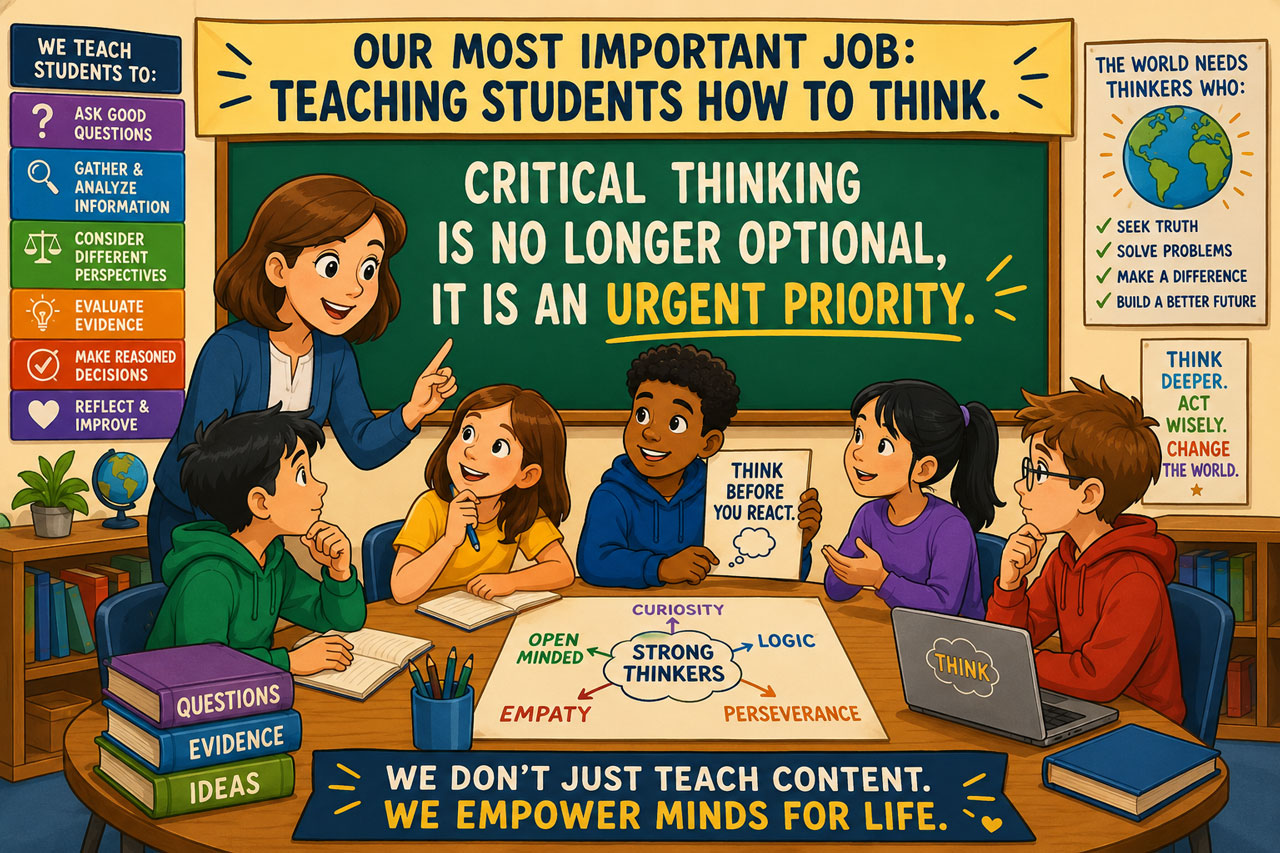
The Australian Curriculum has named critical and creative thinking as essential for sixteen years. The arrival of generative AI has, at last, made it impossible to ignore. For educators, the message is now unmistakable: critical thinking is no longer optional, it is an urgent priority.

In a world increasingly shaped by artificial intelligence, teaching students what to think is no longer enough. Helping students learn how to think may be the most important responsibility education now has.


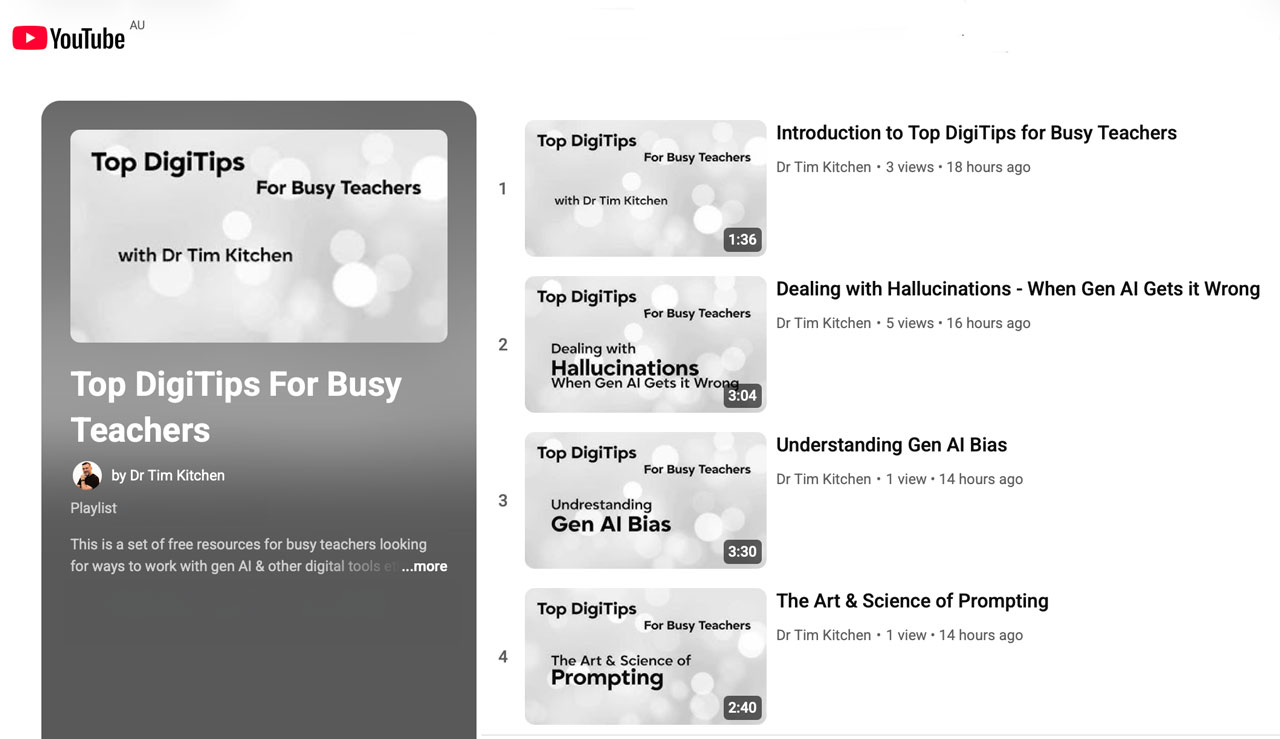
If you are looking for practical ways to apply what is covered in this article in your classroom, have a look at my new Top DigiTips for Busy Teachers playlist on YouTube.
If you would like me to visit your school, contact me via – https://timkitchen.net/ctl/


References

Australian Curriculum, Assessment and Reporting Authority (ACARA). (2010). Australian Curriculum: General Capabilities — Critical and Creative Thinking. Retrieved from https://www.australiancurriculum.edu.au

OECD. (2019). Future of Education and Skills 2030: Conceptual Learning Framework. Paris: OECD Publishing.

UNESCO. (2023). Guidance for Generative AI in Education and Research. Paris: UNESCO.

World Economic Forum. (2025). Future of Jobs Report 2025. Geneva: WEF. Retrieved from https://www.weforum.org/publications/the-future-of-jobs-report-2025/


Special thank you to Claude and ChatGPT for being my sparing partners in the production of this article.
IS NSW Conference – 2026

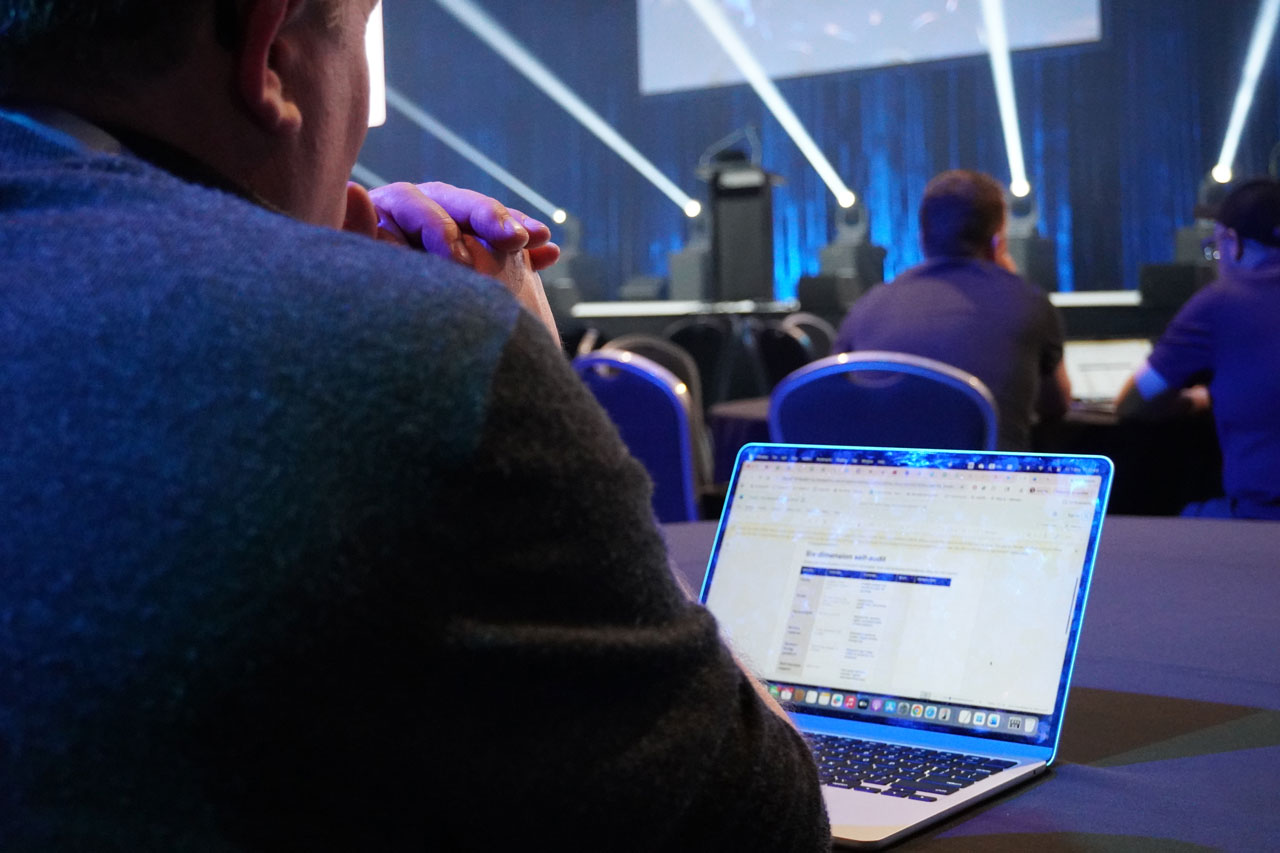
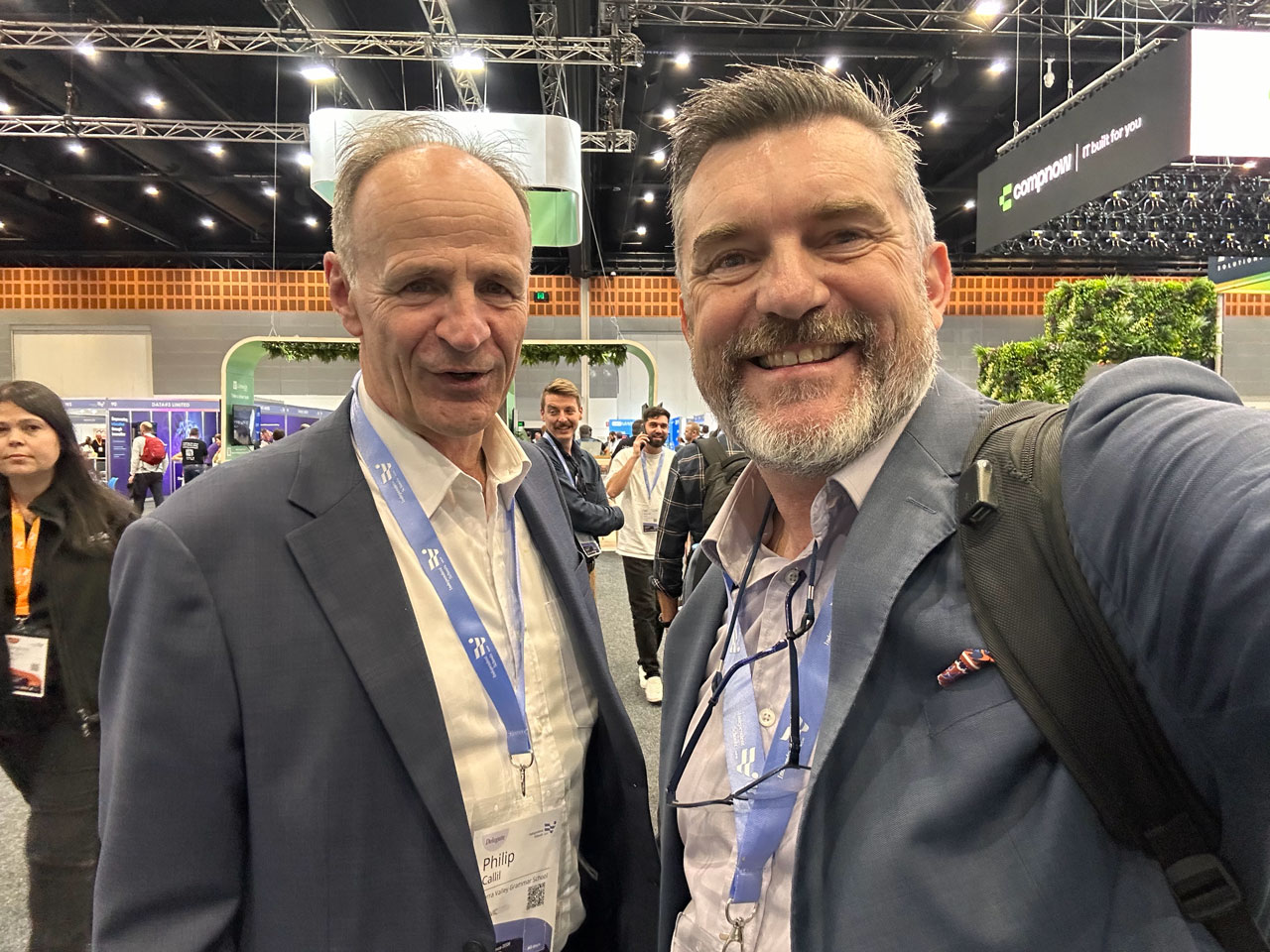
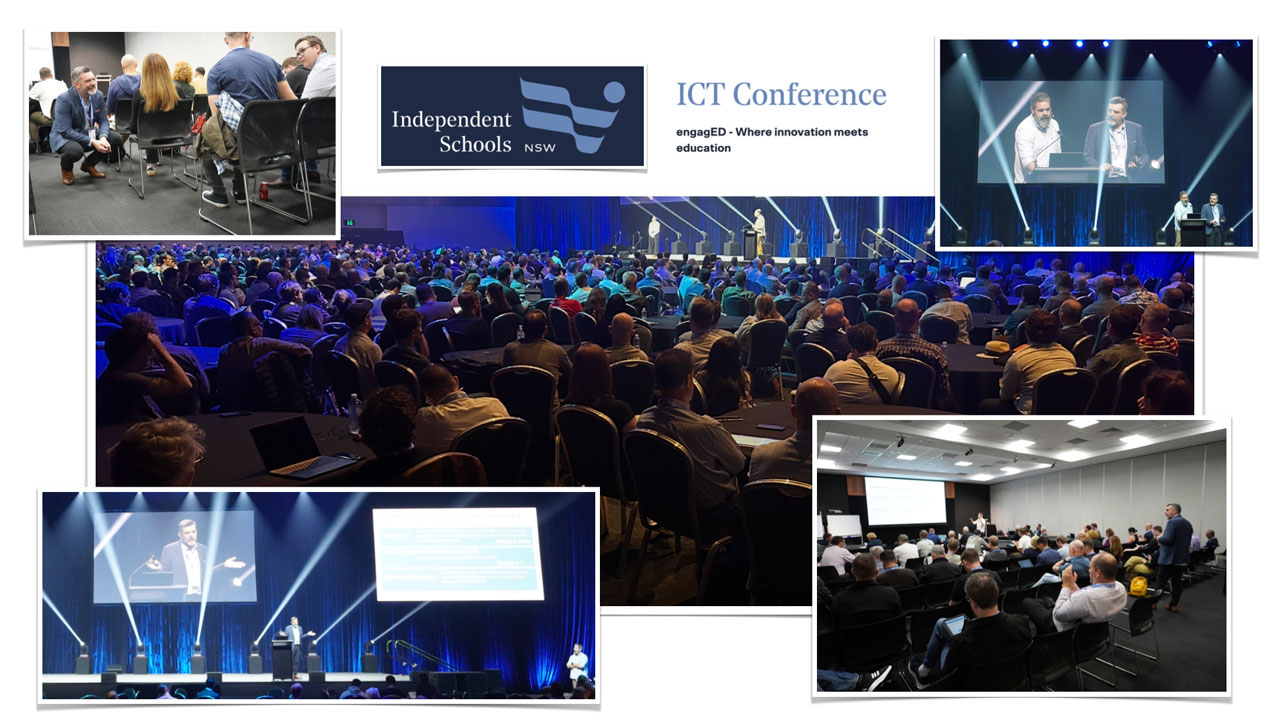
Set against the energy and colour of Queensland’s Gold Coast, the engagED ICT Conference by ISNSW — felt less like a typical EdTECH conference and more like a genuine meeting of minds.

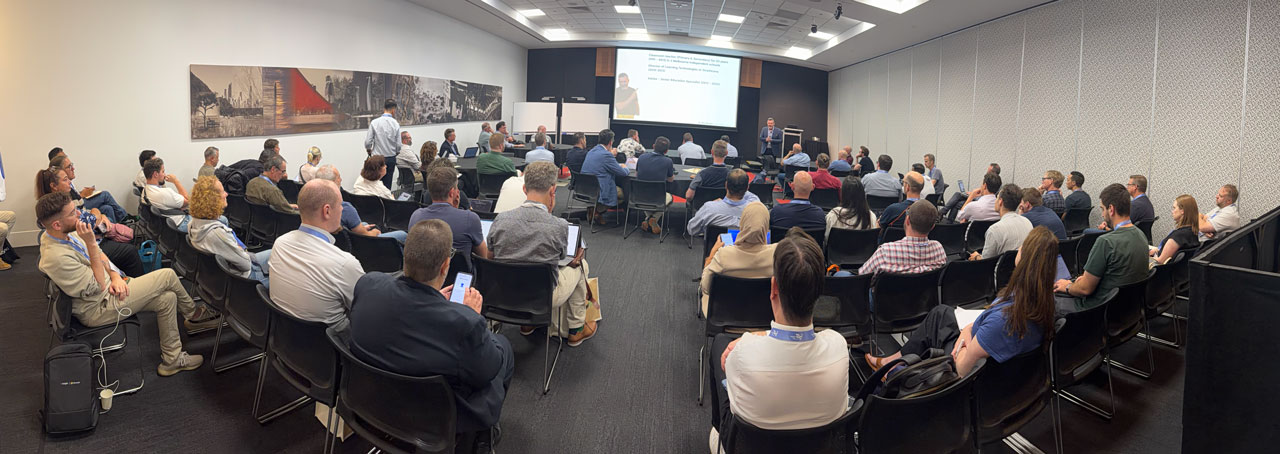
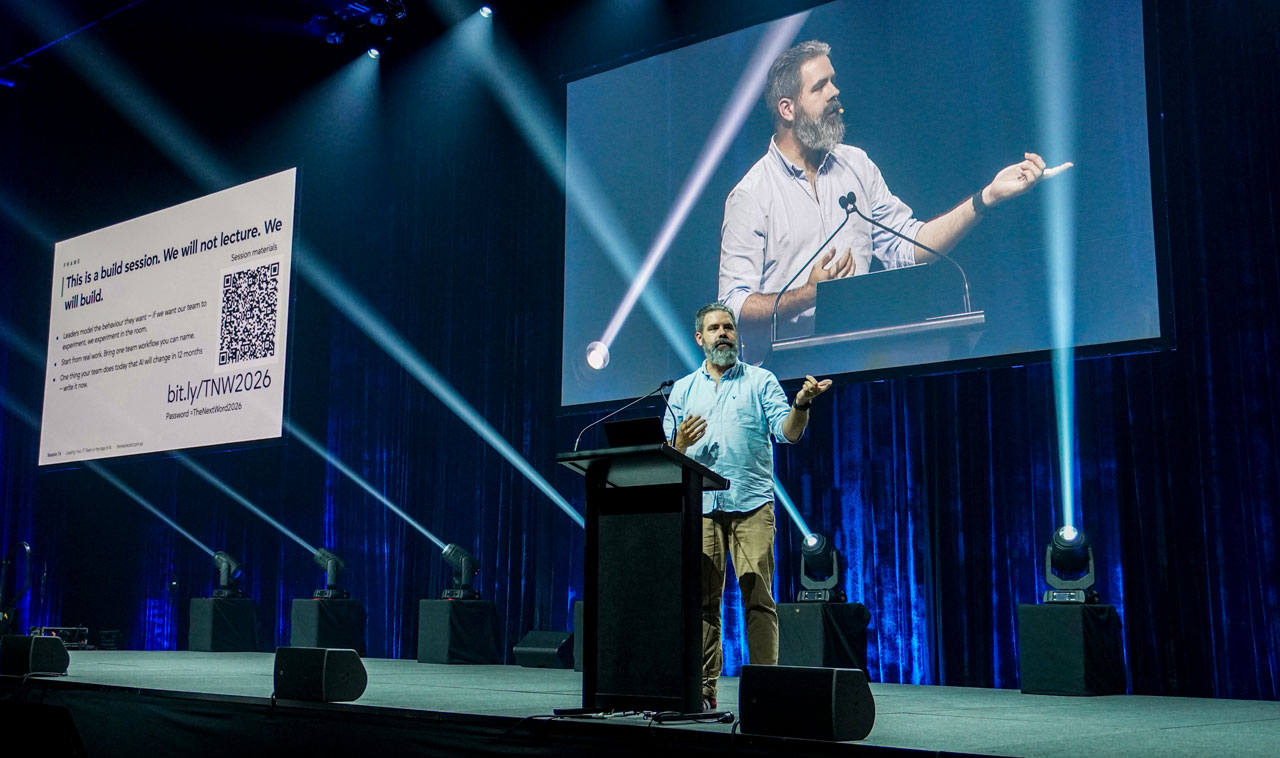
Held from 29 April to 1 May at the Gold Coast Convention and Exhibition Centre, the event brought together a strong mix of close to 1000 ICT leaders, educators and industry partners from across Australia and beyond. What stood out was the shared focus: making sense of how technology is reshaping education in real, practical ways.

Across the three days, conversations ranged from big-picture digital transformation right through to the tools teachers are using every day in classrooms. It created a space where people weren’t just talking about innovation—they were actively unpacking what it looks like in practice, and where it’s heading next.

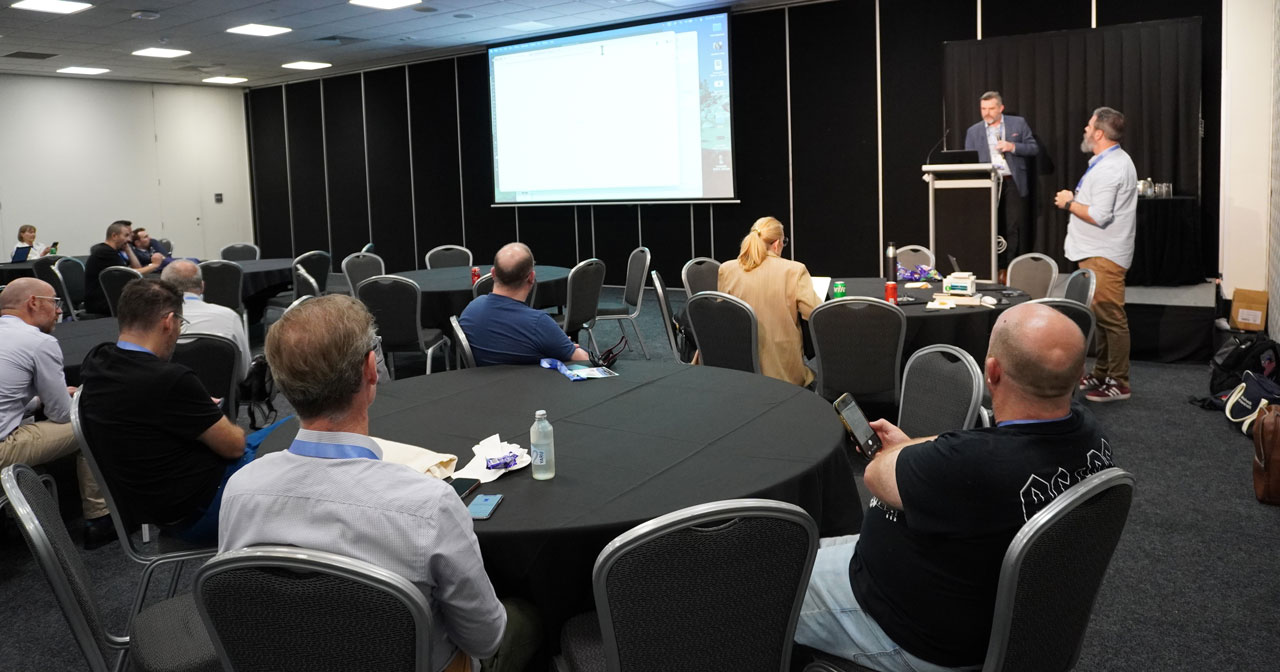
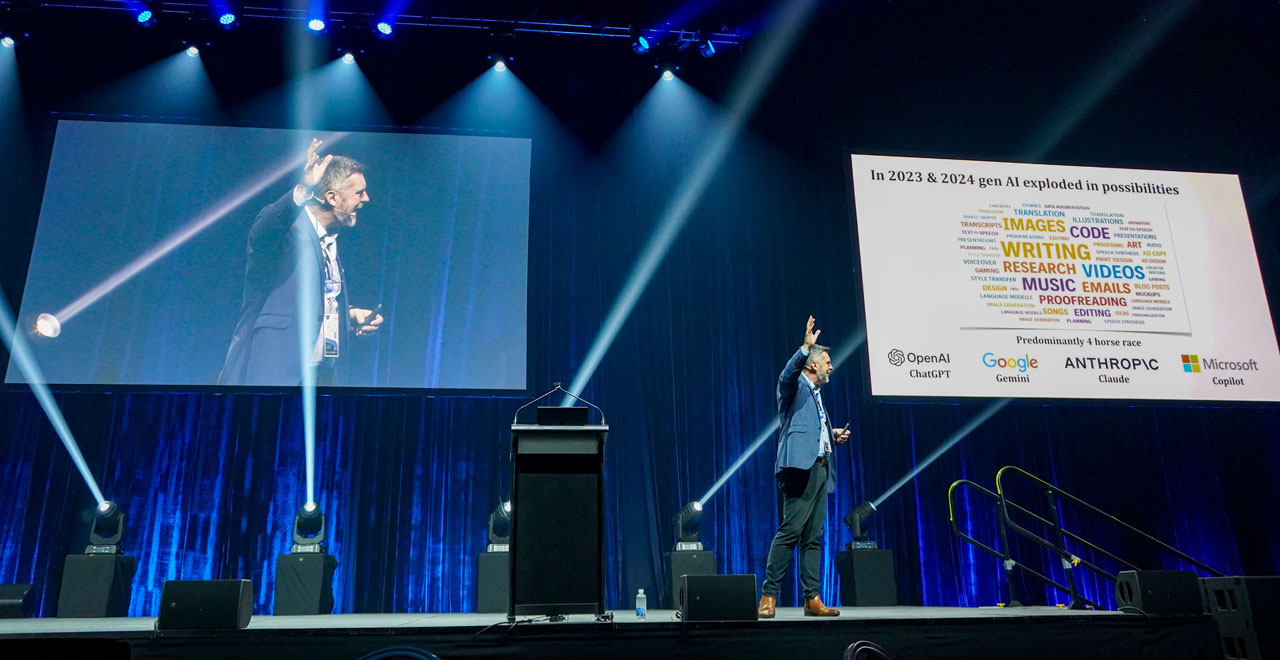
I had the opportunity to run five sessions across the three days, which was a real highlight. Four of those were in partnership with Matt Esterman, and together we leaned into a shared theme: how schools can thoughtfully navigate the scale of transformation happening in a world now shaped by generative AI.

Each session, in its own way, circled around that central question—what does it actually look like for schools to respond well to this moment? Not just in theory, but in the day-to-day reality of leadership, teaching and learning.

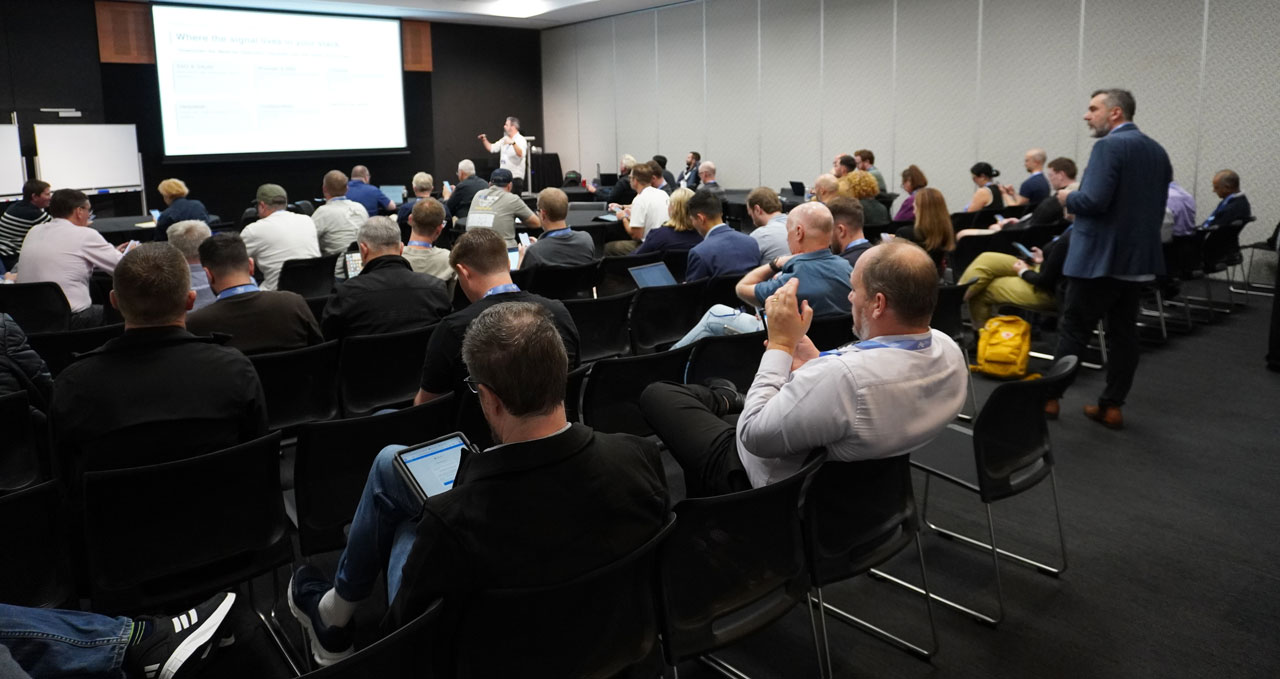
Session 1 – A Structured Approach to Reviewing AI App

This was a hands-on workshop focused around my framework for assessing gen AI tools for safe, ethical classroom use. It involved over 80 ICT managers and educators. We looked at some of the research around average weekly tasks for a typical Aussie teacher and how AI can help safe time on the less human focused areas.

Session 2 (with Matt Esterman) – Leading your IT team in the age of AI

In this session, Matt & I explored strategies with about 70 ICT managers to build capacity within their various school IT teams to help them navigate the AI storm of activities happening in schools across Australia.

Session 3 (with Matt Esterman) – AI in schools: a structured roundtable

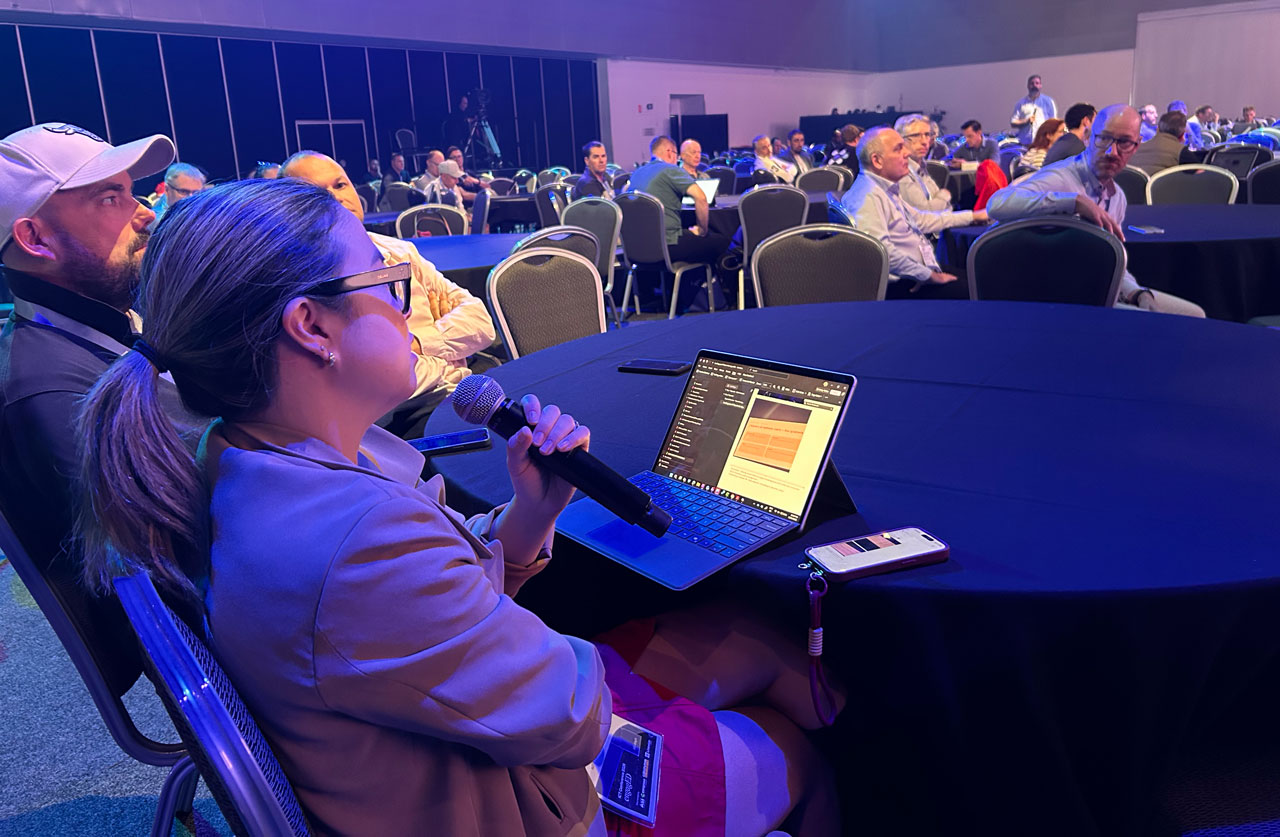
This was a structured round table session where IT leaders shared what is actually happening with the AI in their schools, the wins the failures and the unresolved challenges.

Session 4 (with Matt Esterman) – operational AI governance in your school

This session demonsatrted how to build a practical, whole school, governance framework that moves beyond compliance checklist. The participants explored who needs to be at the table, how to bridge the gap between IT teams and the broader School community, and what it takes to create AI policies that people actually use not just file away.

Session 5 (with Matt Esterman) – shadow AI: what your staff are already doing (and what to do about it?)

This final session re-framed AI not as a compliance failure, but as a useful signal of unmet needs, creative pressure, and staff adapting faster than policy. We explored how banning what we don’t understand creates blind-spots, and how leaders can surface these practices, learn from them, and shape them into safer smarter norms.

Huge congratulations to the IS NSW team and a special shoutout to Chris Woldhuis for bringing together such a thoughtfully and well put together program of presentations. An amazing effort all around

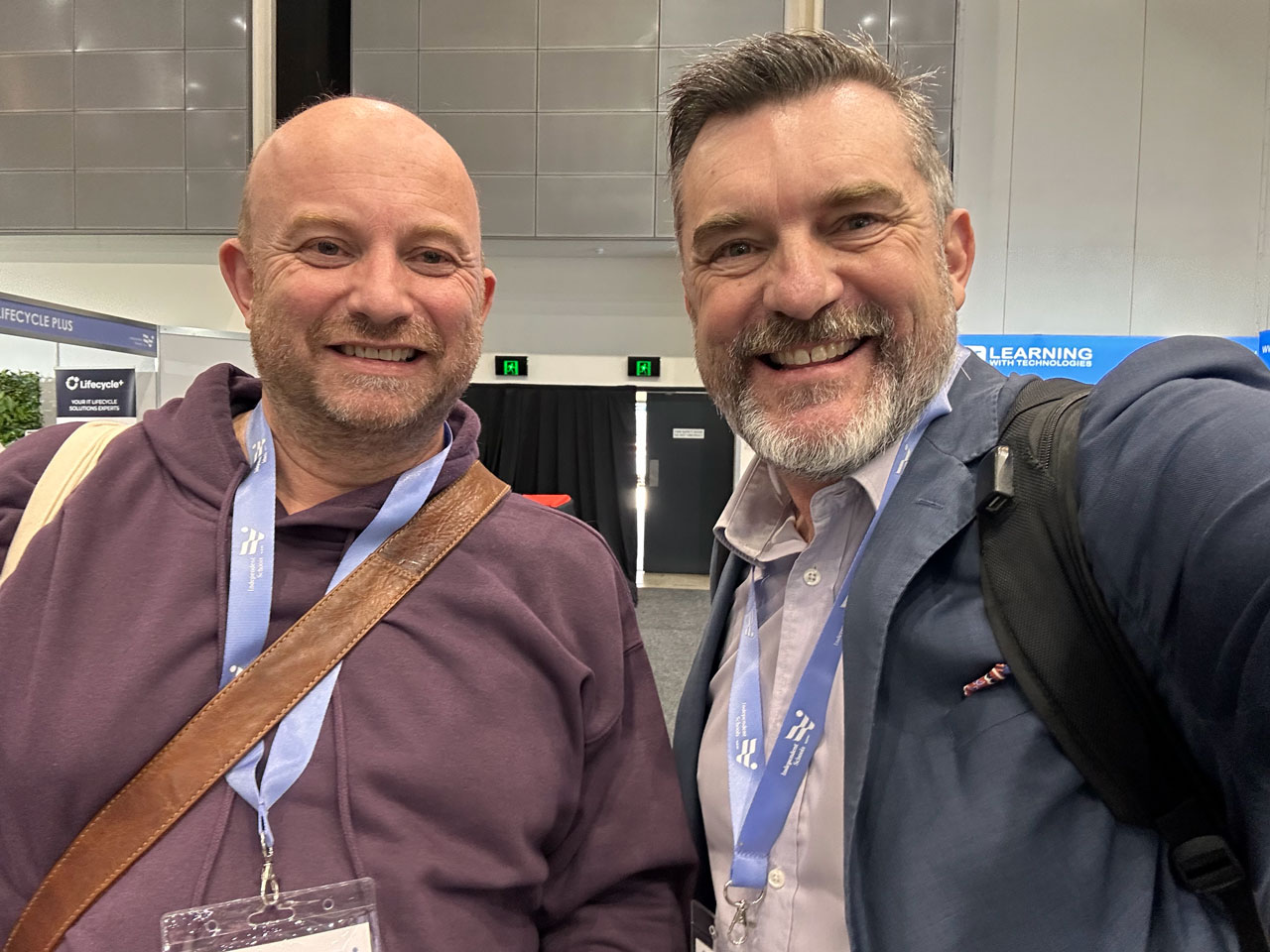
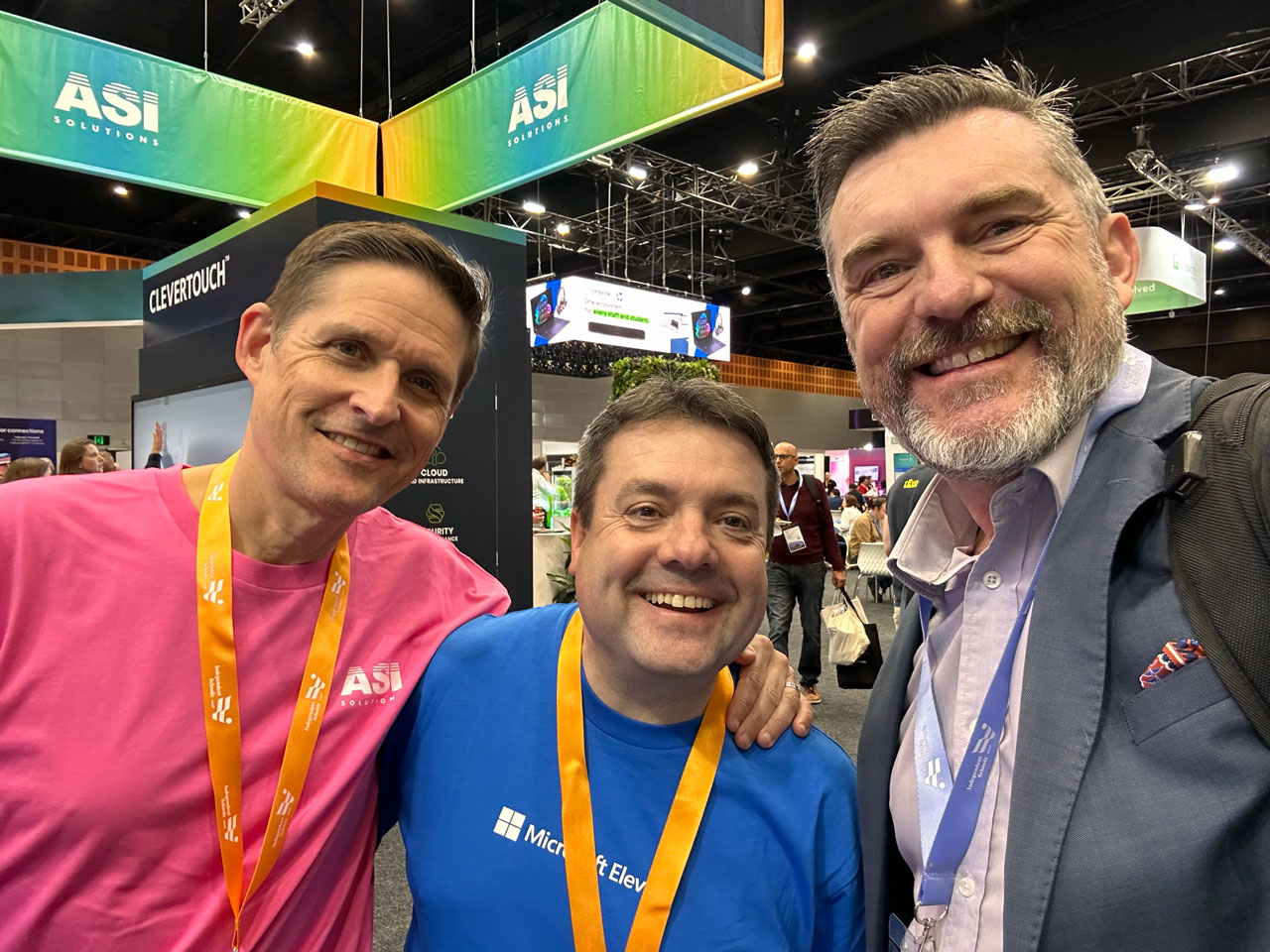
It was a great pleasure to work with Matt for most of these sessions and catch up with a number of EdTECH gurus.

Helping TAFE Gippsland on their gen AI journey.

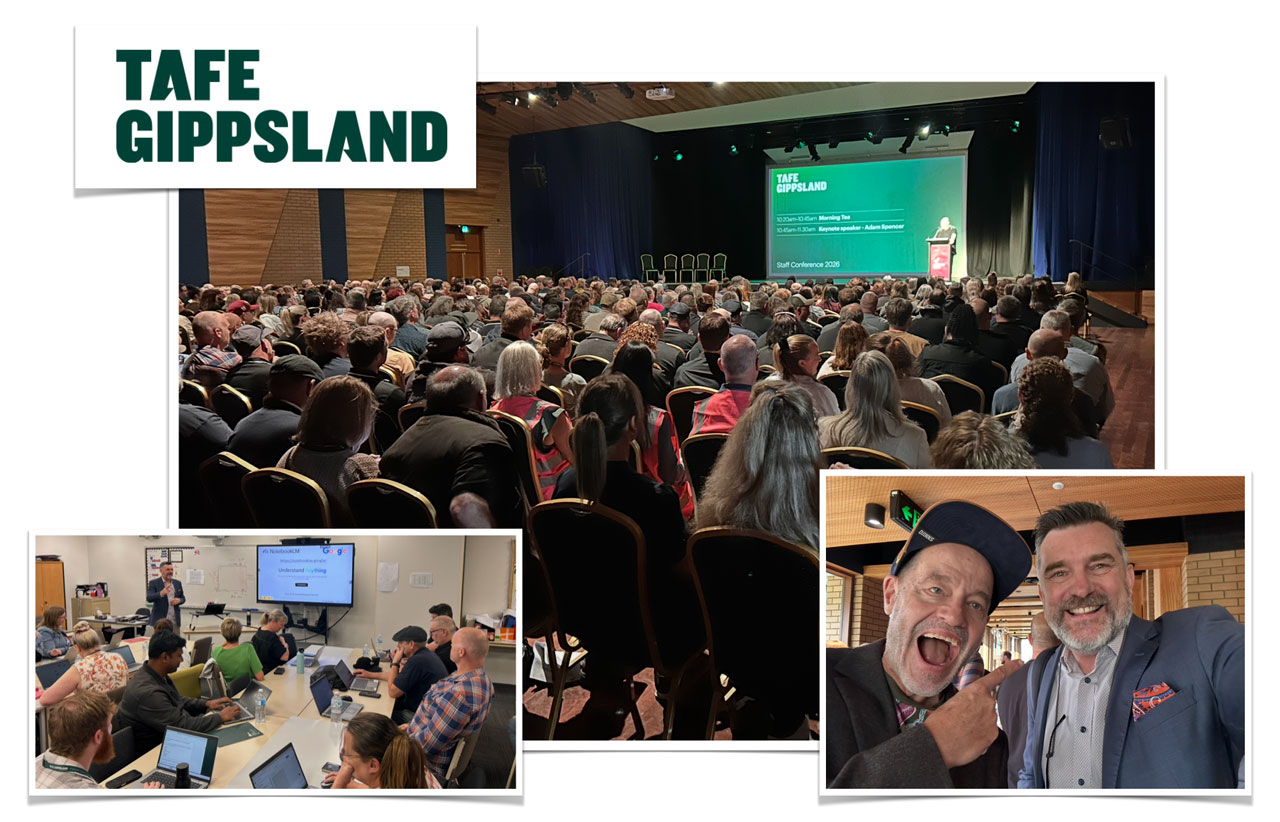
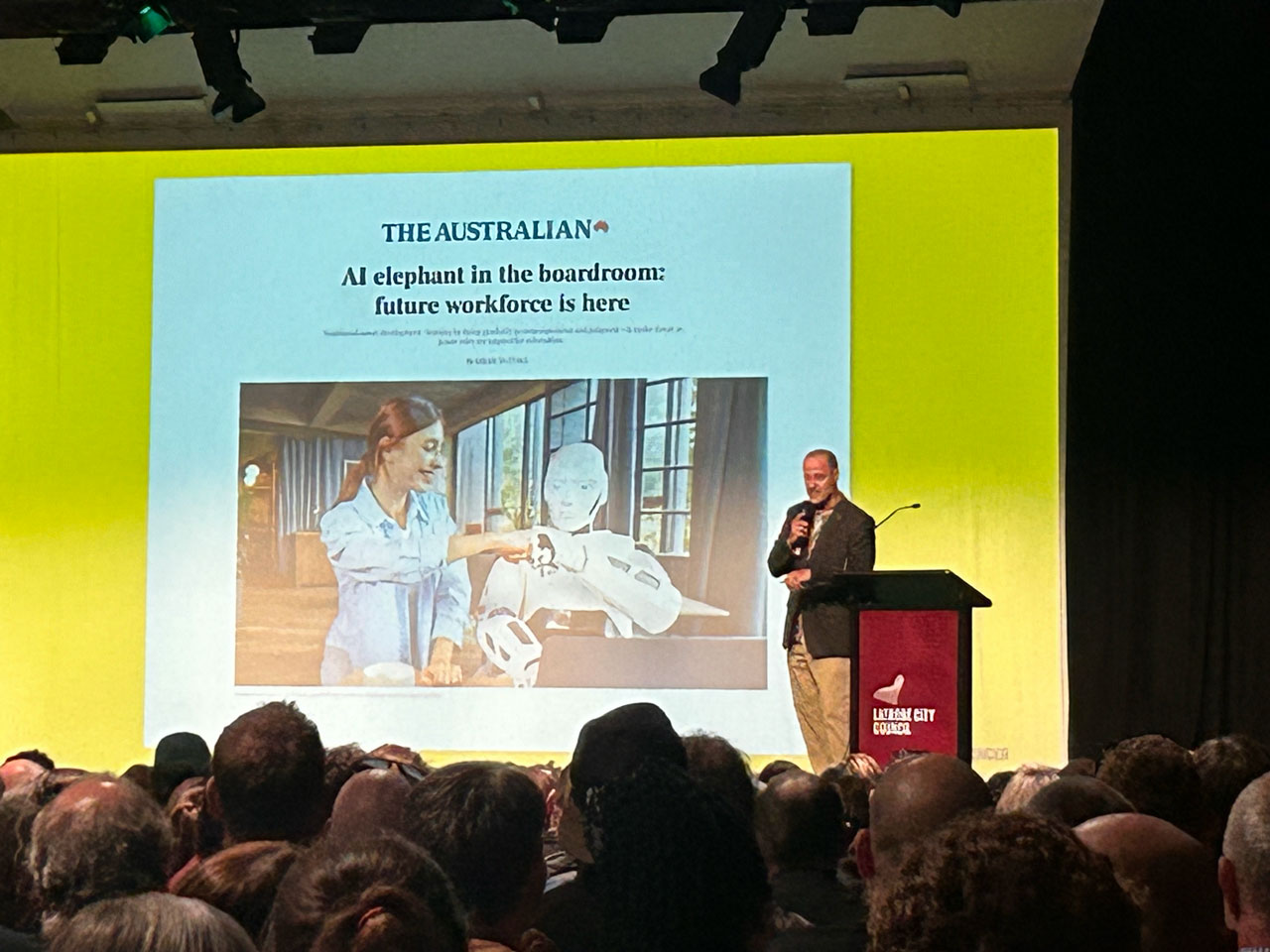
It was wonderful to reunite with ABC personality and Aussie genius Adam Spencer at the TAFE Gippsland Staff Conference in regional Victoria on Tue 28th April, 2026.

TAFE Gippsland has 9 campuses throughout Victoria and about 500 of their staff gathered at their Morwell campus for a day of conferencing.

Adam Spencer was the main keynote presenter. Adam is a well-known Australian broadcaster, comedian, and self-described “maths geek” who became a household name through his long-running work with the Australian Broadcasting Corporation (ABC), particularly as host of ABC Sydney’s popular breakfast radio program. With a background in mathematics from the University of Sydney, he blends sharp intellect with humour, making complex ideas (especially around science, technology, and numbers) accessible and engaging to a broad audience. Known for his energetic style, quick wit, and ability to connect big ideas with everyday life, Adam is a champion for education, curiosity, and the joy of learning.

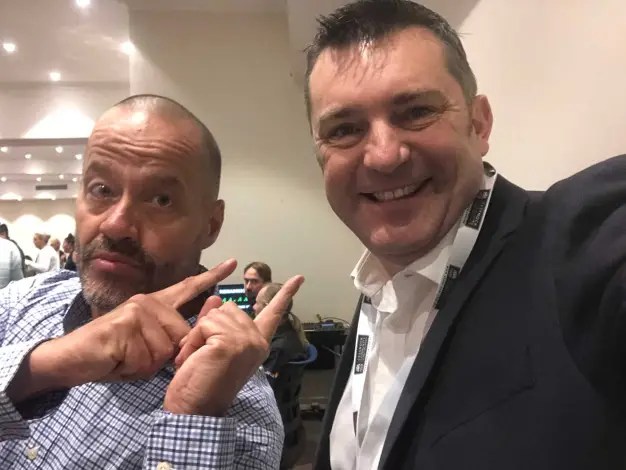
We have both aged a bit since we last presented together at the 2019 Future Focused Learning STEM Conference in Regional NSW,

2019

Adam’s very entertaining keynote was titled Achieving Ambition amid the GPT Revolution. He shared about the value of a number of gen AI tools and how they are being used in society and education. He quoted former Canadian PM Justin Trudeau when he said, The pace of change has never been this fast before … And it will never be this slow again.

He shared a number of AI trends and concerns and how gen AI is changing the face of education globally. He talked about, and provided examples of, vibe coding and how it enables anyone to be a coder.

Adam quoted Dr Kellie Nuttall (AI Institute Leader and Strategy and Business Design Leader for Deloitte Australia) who says the whole notion of traditional organisational structures needs to be rethought entirely … Shift your focus from training people to compete with AI to helping them augment it. Invest in creativity, emotional intelligence, complex decision-making, systems thinking—the skills machines can’t replicate

Adam’s main message was that AI is impacting most industries, we can either deny it, push back against it, let it happen or better still … embrace it, empower ourselves, keep what we do best at the core of our role and augment our skills with these new technologies.

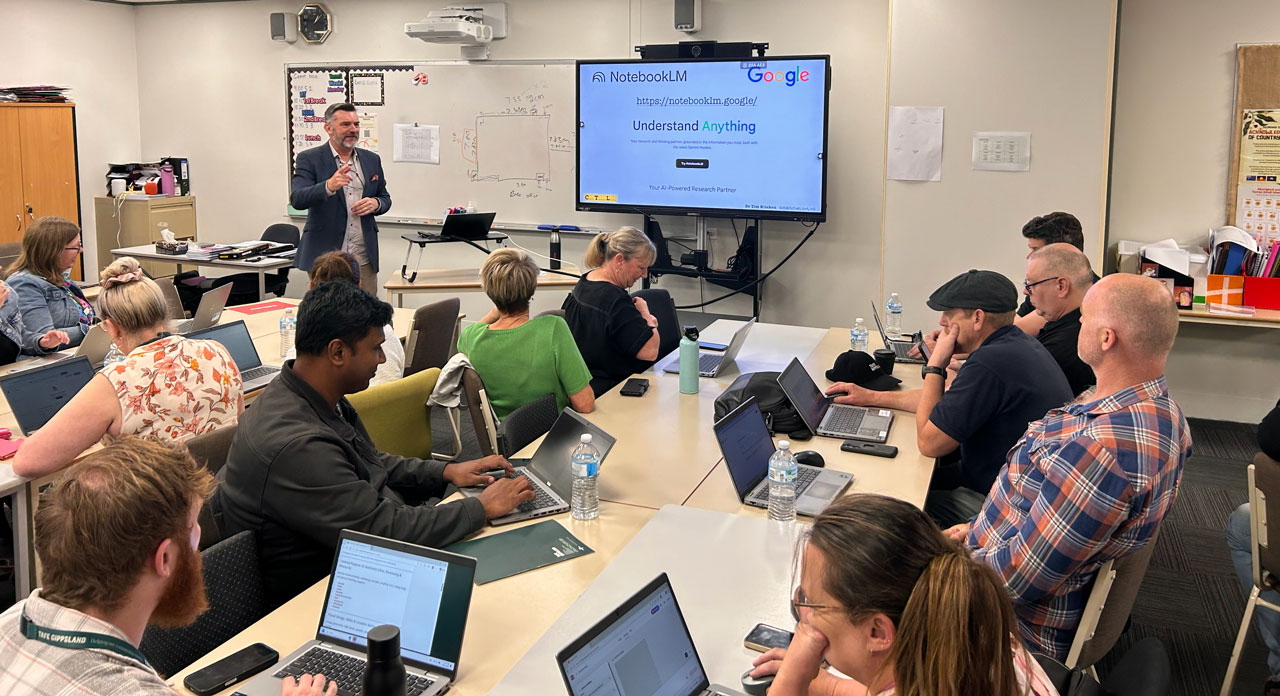
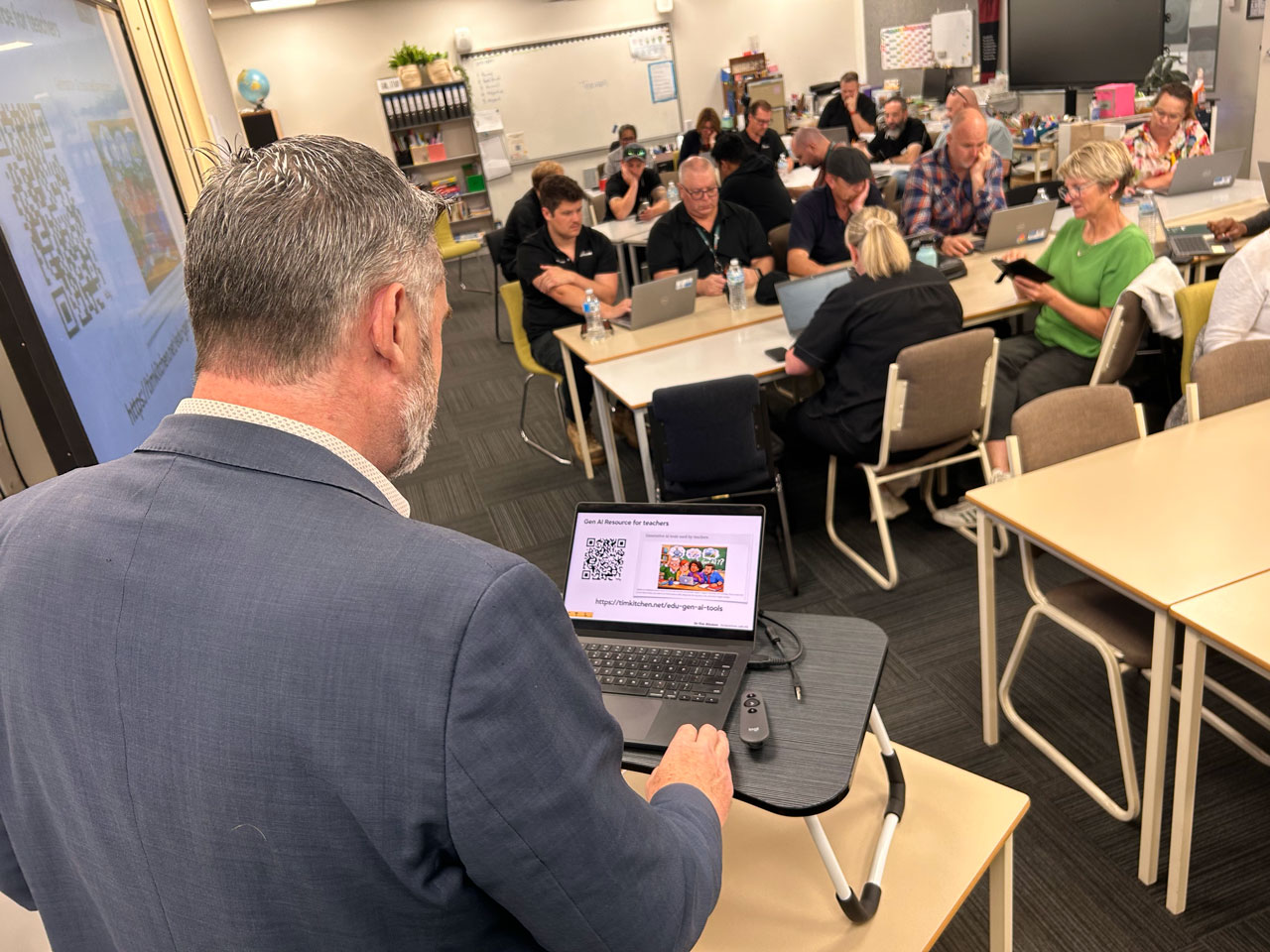
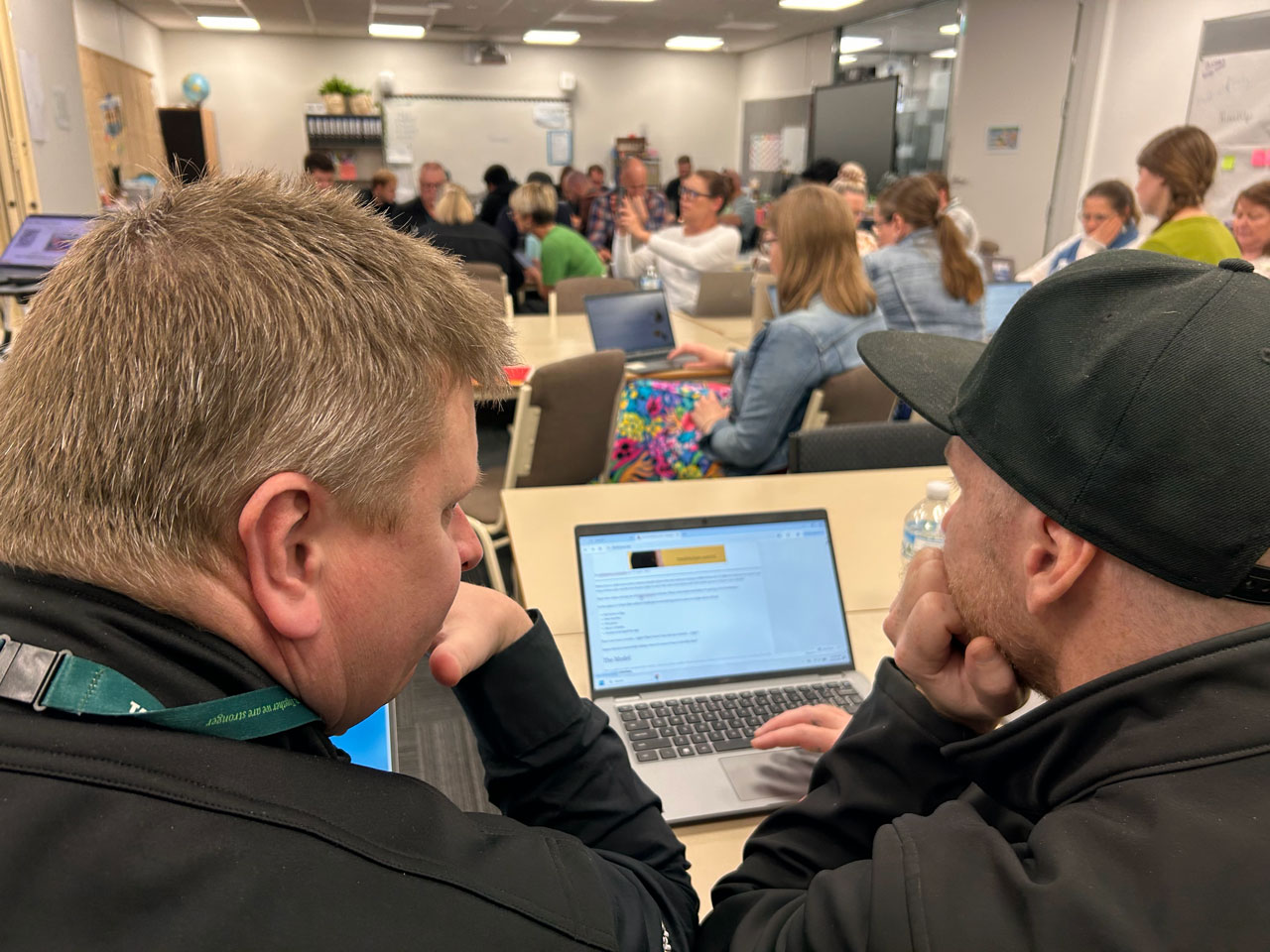
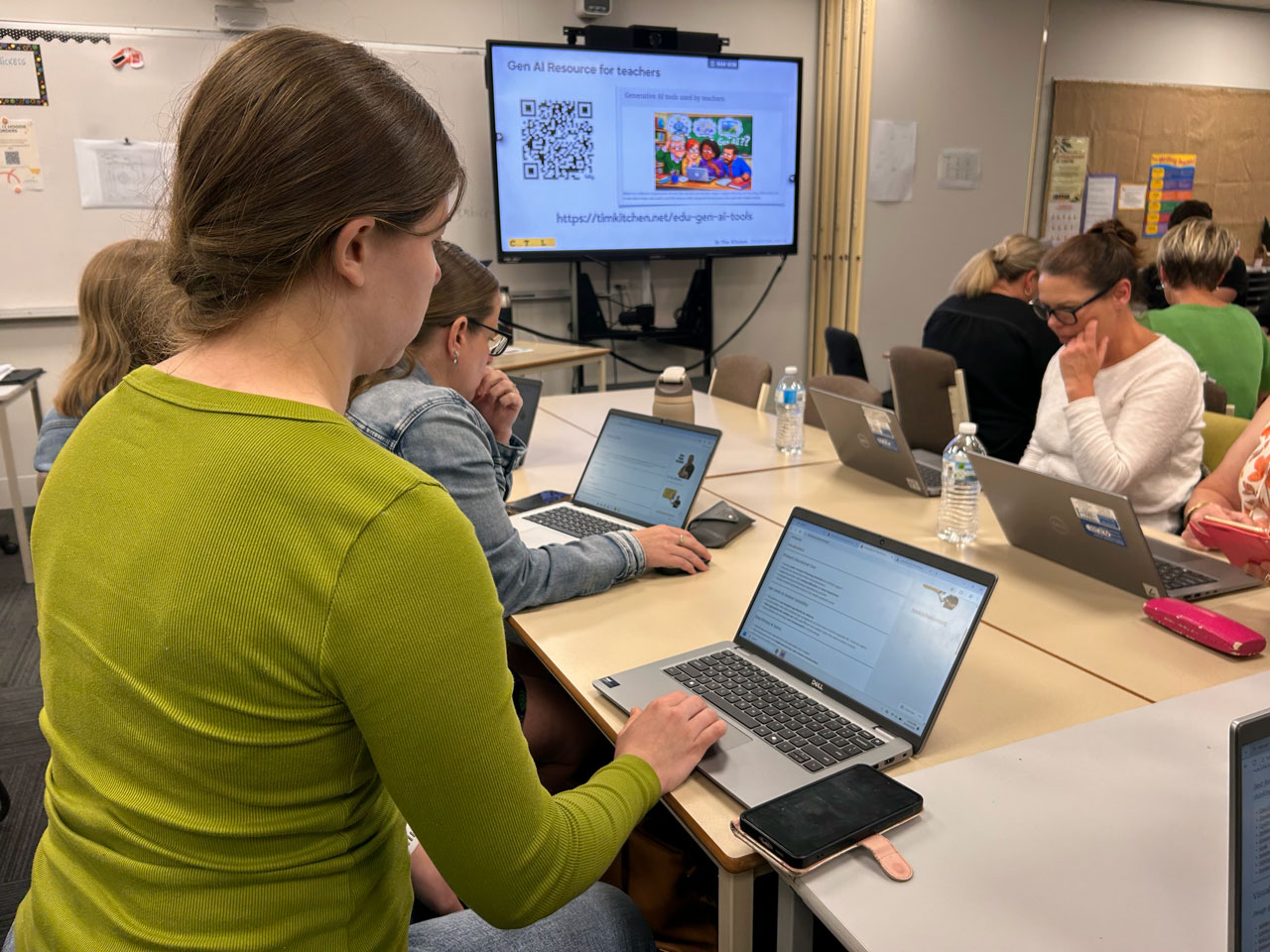
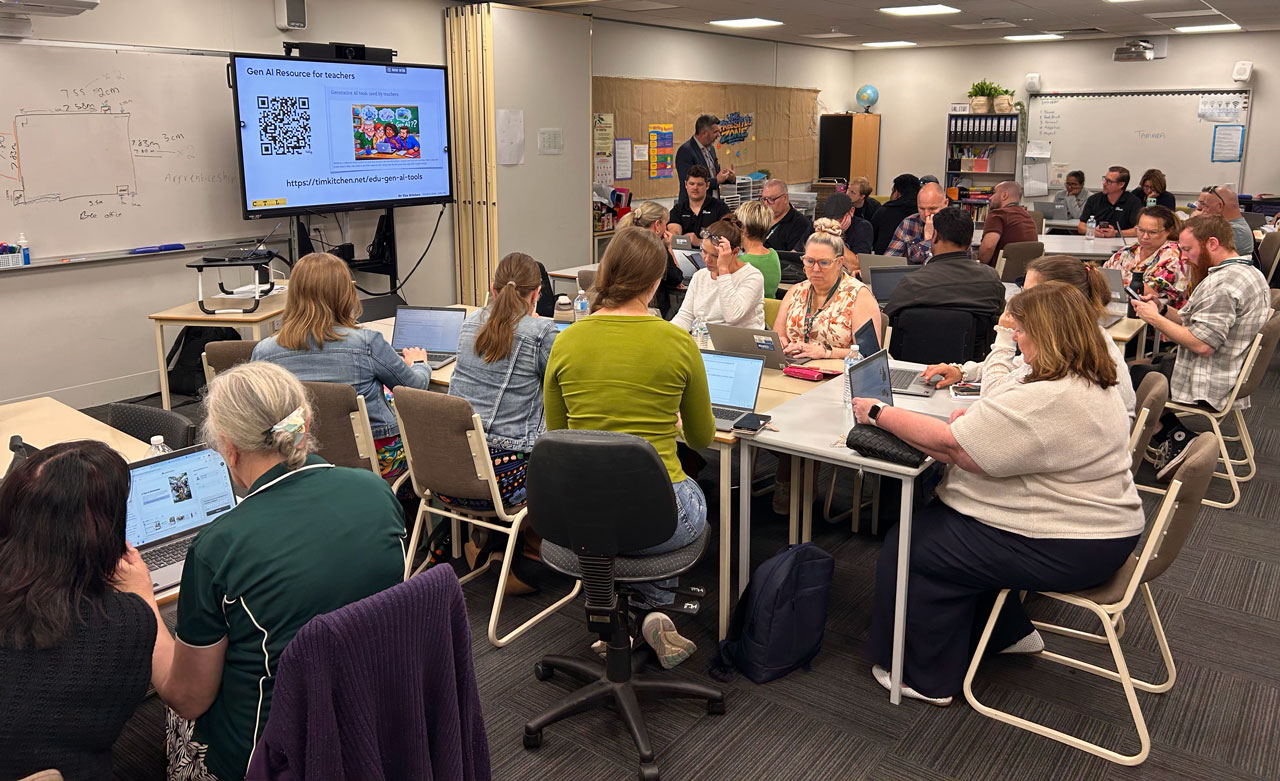
I had the pleasure of running two repeated workshops to about 80 TAFE staff titled AI as Your Teaching Apprentice: Practical Gen AI Applications for Teachers

I introduced everyone to my new Gen AI Resource for teachers and encouraged them to view my analysis of almost 50 gen AI apps that are being use by teachers these days.

We also went though my new prompting resource and Safe & ethical AI use framework.

It was a pleasure to spend the day with these passionate teachers.

Trinity Grammar Melbourne – taking AI seriously

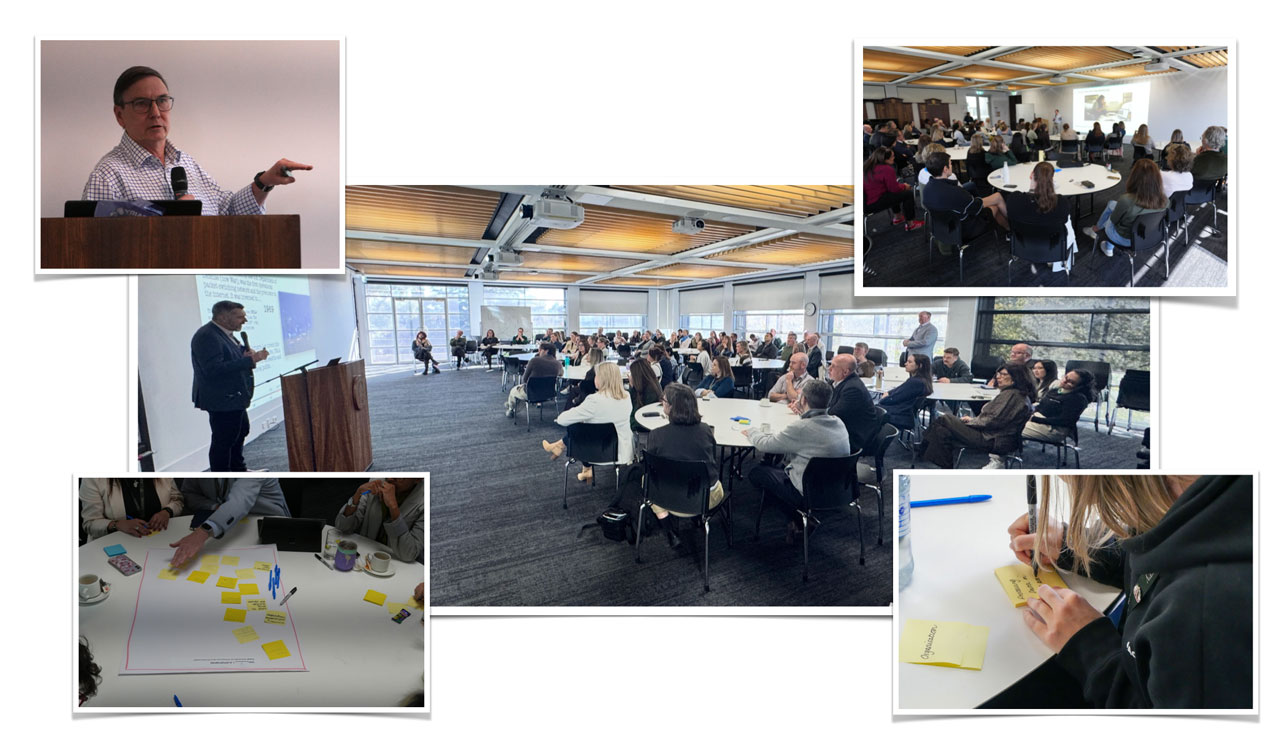
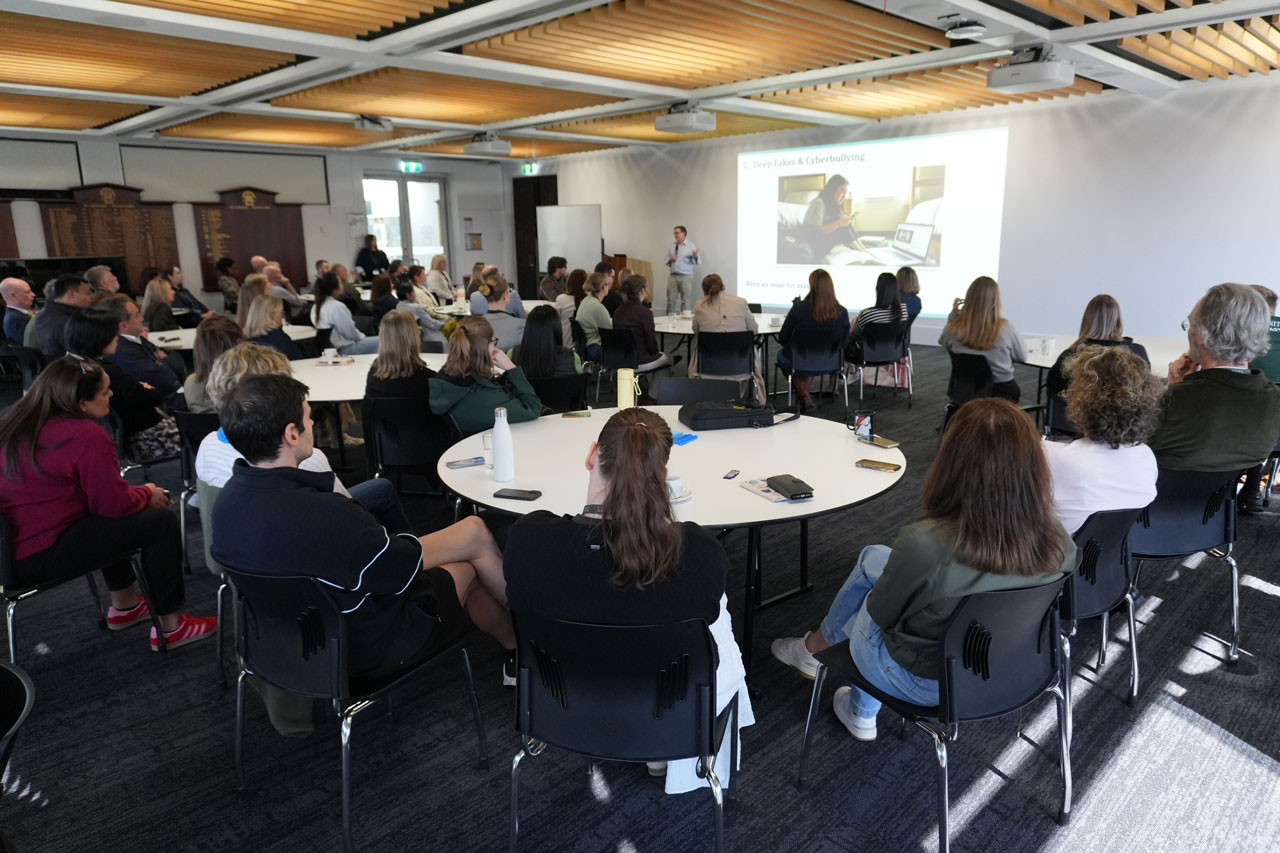
Almost 80 non-teaching staff at Trinity Grammar in Melbourne gathered on Monday 20th April for a specially designed two-hour professional learning presentation/workshop exploring the rapidly evolving world of generative artificial intelligence and what it means for their work, their school community, and the wider education sector.

The session was co-facilitated by Dr Tim Littlejohn and Dr Tim Kitchen, both Senior Consultants with CulturePath AI, a newly established organisation that brings deep, school-grounded expertise to the operating models of school systems and schools navigating the opportunities and challenges of AI.

While much of the public conversation about AI in education focuses on classrooms, teachers, and students, the reality is that generative AI is already reshaping the work of the professional services staff who keep schools running. From administration, finance, HR and marketing, to operations, IT, facilities, development and beyond, non-teaching staff are encountering AI tools daily, sometimes deliberately, sometimes embedded quietly inside familiar software.

Trinity Grammar recognised that giving this group a dedicated, high-quality learning experience was essential. The workshop was purpose-built to meet non-teaching staff where they are: curious, capable, and ready to engage with AI in ways that are confident, safe, and aligned with the school’s values.

Hour one: Building a shared understanding

The first hour was led by the two Dr Tim’s as an interactive briefing, designed to give every participant (regardless of prior exposure to AI) a solid and shared foundation. Four core questions anchored the session:

  • What is generative AI? Cutting through the hype to explain, in plain language, how today’s generative tools actually work.
  • Why does it matter? Connecting AI to the real, day-to-day work of schools and the communities they serve.
  • What are the implications? Exploring the opportunities, risks, ethical considerations, and cultural shifts that AI brings to workplaces and to education.
  • How do we take control? Moving the conversation from passive observation to active, informed agency so that staff shape how AI shows up at Trinity Grammar, rather than the other way around.

Throughout the hour, the facilitators drew on their combined decades of experience across school leadership, educational technology, research and strategic consulting to ground big ideas in practical, relatable examples.

Hour two: The community shapes the future

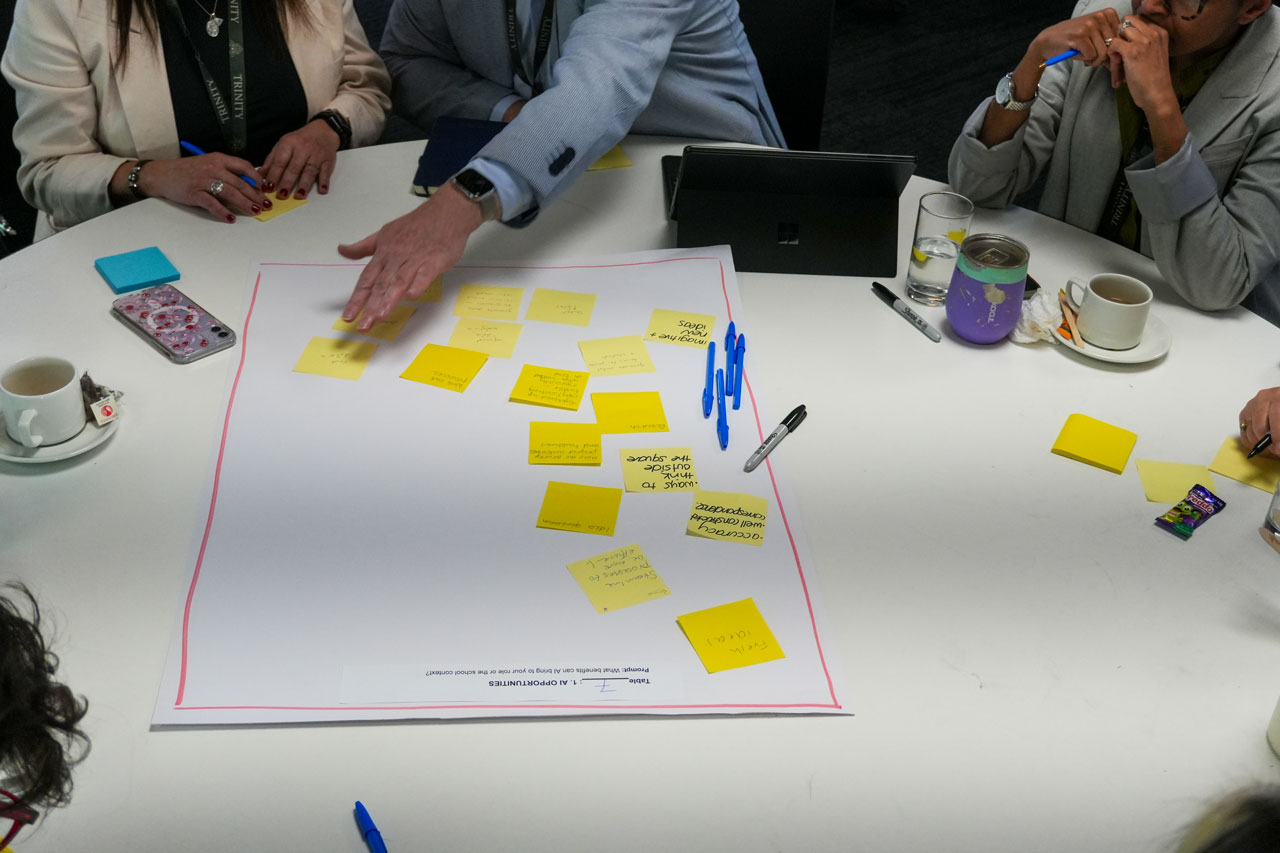
The second hour belonged to the staff themselves. Participants worked in small groups to explore four structured prompts:

  • AI Opportunities — where could generative AI genuinely improve our work, our service to students and families, and the effectiveness of the school?
  • AI Risks — what are we worried about, and what could go wrong if AI is adopted without care?
  • AI Guardrails — what boundaries, principles, and practices should be in place to make sure our use of AI is safe, ethical, and aligned with Trinity’s culture?
  • Questions for School Leadership — what do staff want leaders to consider, clarify, or commit to as the school’s AI journey continues?

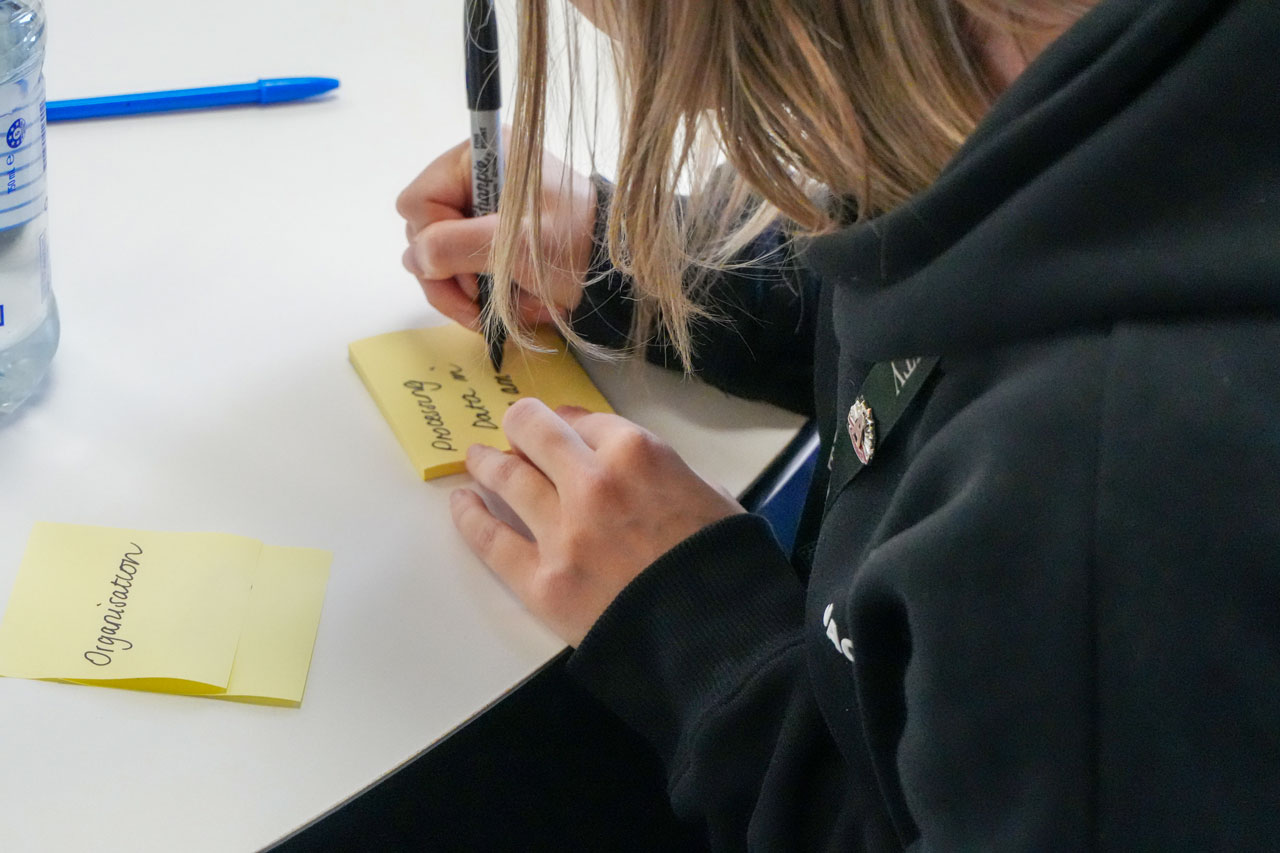
The energy in the room was palpable. Conversations were thoughtful, honest, and at times robust, exactly the kind of engagement that produces genuinely useful input. Groups captured their thinking on post-it notes, and the collective output represents a rich, authentic snapshot of the staff voice on AI.

From workshop to policy

The responses gathered in the second hour will now be synthesised and fed into Trinity Grammar’s ongoing work to shape future policies around AI use throughout the school. Rather than a top-down directive, the school is deliberately building its AI approach on the lived perspectives of the people who work there, a culturally grounded, human-centred way of approaching one of the most significant technological shifts of our time.

This aligns closely with the philosophy that CulturePath AI brings to every engagement: that meaningful, sustainable AI adoption in schools is as much about culture, values and people as it is about tools and technology.

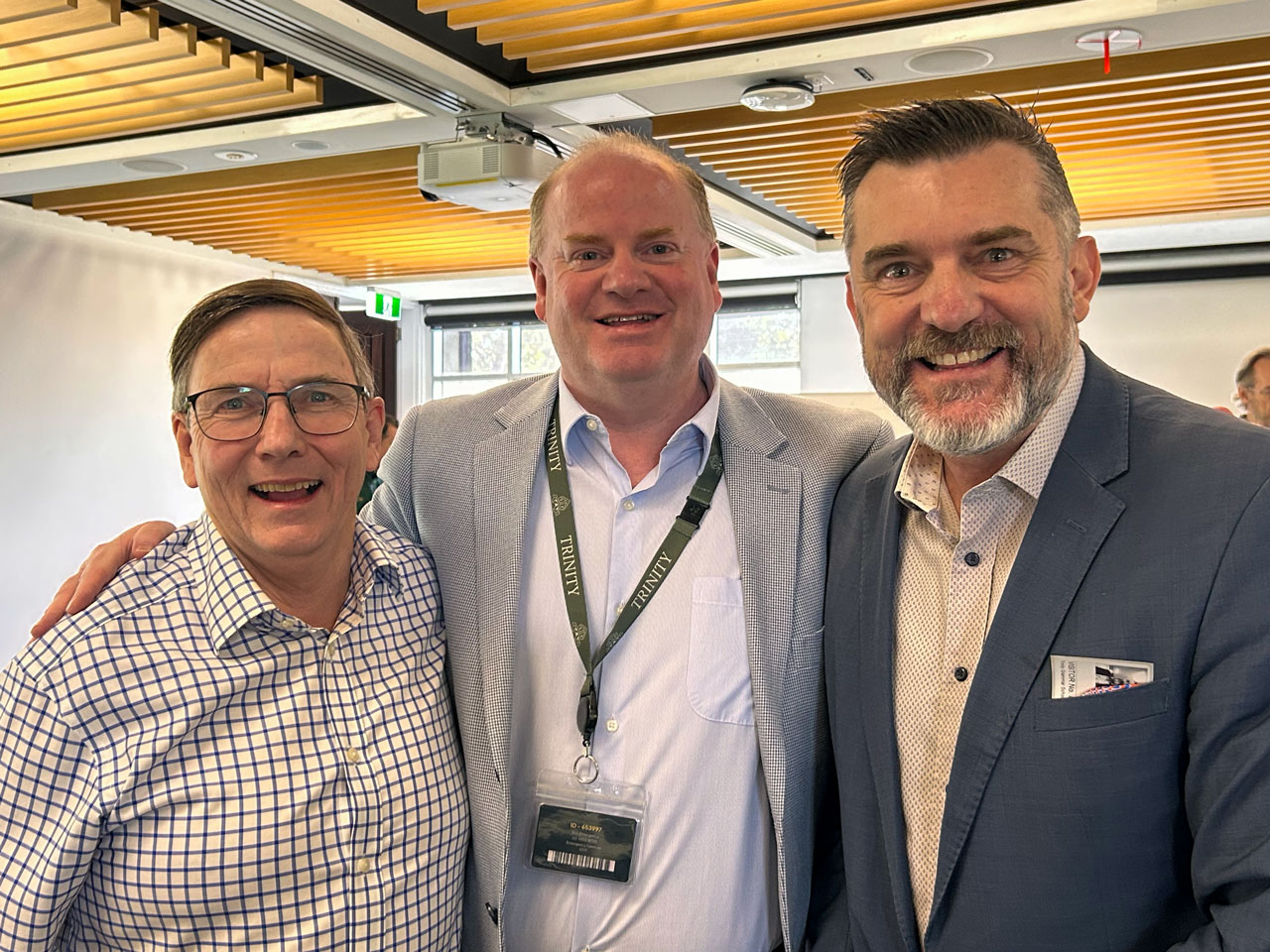
Special thanks goes to Mark Glover Trinity’s Chief Operating Officer and Chair of ASBA Ltd

Dr Tim Littlejohn, Mark Glover & Dr Tim Kitchen

About CulturePath AI

CulturePath AI is a new organisation bringing school-grounded expertise across the operating models of school systems and schools. The team works alongside school leaders, staff and communities to help them understand, adopt, govern and benefit from generative AI in ways that are safe, strategic and culturally aligned. Learn more at culturepathai.com.

Tim on Radio

I recently had the chance to sit down for a chat on the Simon Owens Show, where we talked through some of the stories behind my book An Australian Manufacturing & Mission Success Story.

If you’ve got 17 minutes up your sleeve, it’s a great little listen – click here.

We covered quite a bit of ground, especially the history behind Lever & Kitchen (J Kitchen & Sons), and how it all connects into some bigger stories. That includes my family’s involvement with the Billy Graham Crusades, links to the China Inland Mission, and connections across a number of Melbourne churches.

We also touched on my first book, The Best Way to Learn is to Make – Creativity in a Gen AI World, and how those ideas around creativity and AI matter.

And toward the end, we had a bit of a detour into family history, particularly the Wilson side. That includes my grandfather Ron, his connection with Channel 9, and the St Kilda Football Club.

All in all, a really enjoyable conversation.

Two Hours a Day and Ahead by Years? What Alpha School Is Telling Us

As published in LinkedIn on 10 April, 2026


What if you could meet every student exactly where they are without trying to differentiate for 25 different learners at once? And what if they only needed two hours a day to cover the core curriculum and still ended up two or three years ahead?

That’s the claim coming out of Alpha School in Austin, Texas. And understandably, it’s getting a lot of attention.

At first glance, it feels like a direct challenge to everything we’ve come to accept about school.

  • Six hours a day,
  • One teacher,
  • One pace,
  • Rows of desks,
  • Students grouped by age.

That’s just how it works… right? That’s how it has always worked … right?

Alpha School is essentially asking: what if it doesn’t have to be like that?

The Model

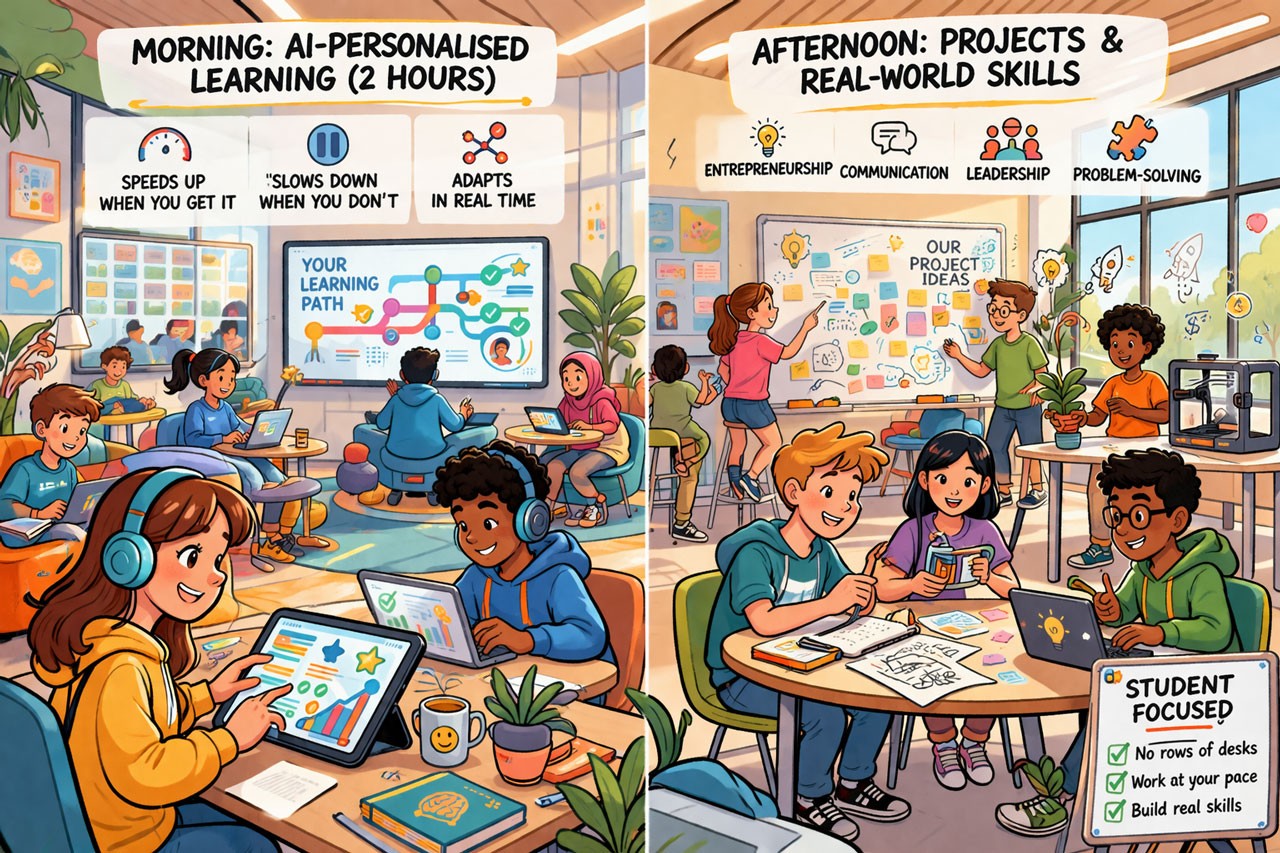
The model sounds surprisingly simple, at least on the surface. Each morning, students spend about two hours working through a personalised learning program powered by AI. It adapts in real time, speeding up when a student gets it, slowing down when they don’t, and constantly adjusting the path.

No waiting for the rest of the class. No getting left behind either.

Then the afternoon shifts gears completely. Instead of traditional lessons, students work on projects focused on entrepreneurship, communication, leadership, and problem-solving. The kinds of transferable skills we all say matter, but often struggle to prioritise in a crowded curriculum.

n paper, the results are impressive. Students reportedly testing in the top 1–2% nationally, with many jumping multiple year levels in a short time.

You can see why people are paying attention.

Why This Resonates with Teachers

Most teachers already know the core problem. Students don’t learn at the same pace. They don’t need the same explanations. And they definitely don’t all benefit from moving through content at the same speed. Yet many classrooms still run that way.

So the idea of true personalisation, not just differentiated worksheets, but something that actually adapts in real time is incredibly appealing.

AI, when it’s used well, can:

  • Identify gaps instantly
  • Provide immediate feedback
  • Adjust difficulty on the fly
  • Keep students in that productive zone of challenge

For some students, that could be game-changing.

And Then There’s the Bigger Shift

It’s also about what we make space for.

  • Resilience
  • Creativity
  • Communication
  • Initiative
  • Critical thinking
  • Problem-solving

These are the capabilities employers keep talking about. They are what universities wish students had more of. And yet, in many schools, they’re still treated as side effects rather than intentional outcomes.

Alpha School flips that. It treats these human capabilities as core business, not extras squeezed in when there’s time.

Here’s Where It Gets Interesting and Uncomfortable

Alpha Schools don’t have teachers. They have guides.

That’s not just a change in title, it’s a shift in role. Instead of being the primary source of knowledge, the adult in the room becomes a facilitator of learning. Someone who supports students as they move through personalised pathways and engage in real-world projects.

The focus shifts from delivering content to:

  • Coaching students through challenges
  • Supporting goal setting and reflection
  • Facilitating collaboration and discussion
  • Helping students make sense of their learning
  • Nurturing motivation, curiosity, and wellbeing

AI handles much of the direct instruction, practice, and feedback. Which raises a bigger question – if AI can deliver content… what is the most valuable role of the teacher?

Let’s Slow Down for a Moment

As compelling as this model sounds, there are some important questions sitting just under the surface.

Access and equity

Alpha School is a private, fee-paying school. Which means many students come from relatively advantaged backgrounds. So when we see strong results, it’s fair to ask:
How much is the model and how much is the context?

The social side of school

School isn’t just about content delivery. It’s where students learn how to deal with people they didn’t choose. How to navigate conflict. How to belong.

If much of the academic learning is happening through a screen, what happens to that social layer?

The role of the teacher

Great teachers notice things. They read the room. They build trust. They know when to push and when to pause. That kind of professional judgement isn’t easily replaced by software. And if guides don’t have deep subject expertise, there’s a risk students miss out on the nuance and depth that expert teachers bring.

Not all students thrive with autonomy

Some students will flourish in a self-paced, self-motivated environment. Others need structure. They need direction. They need someone to guide them more explicitly through the learning process. Without that, motivation and focus can quickly slip.

The evidence question

The reported results are impressive but at this stage, they’re largely self-reported. We don’t yet have long-term, independent data showing how these students perform over time. That doesn’t mean the model doesn’t work. But it does mean we should be cautious about drawing big conclusions too quickly.

So What Do We Do With This?

Alpha School might not be the answer for every context. But it is asking a question we can’t ignore anymore:

Does school have to look the way it always has?

Whether or not this exact model works at scale, the ideas inside it matter:

  • Personalised pacing
  • Smarter use of technology
  • A deliberate focus on human capabilities. And perhaps most importantly…
  • A reframing of the teacher’s role, not as someone competing with AI, but as someone focusing on what AI can’t do.

We don’t need to abandon teaching. But we may need to rethink what parts of it matter most. Because in the end, the future of learning won’t be decided by the technology itself. It will be shaped by the teachers who choose how to use it.

Find out more via – https://alpha.school


Thanks to Claude Cowork, ChatGPT & Adobe Firefly for being my sparing partners with this article.

Invite Dr Tim Kitchen to your school …

With more than three decades in education, including 23 years in the classroom and 13 years as Adobe’s Senior Education Specialist for Australia, New Zealand & South East Asia, Tim now runs CTL – Creative Teaching & Learning, an education consultancy supporting schools to implement safe, ethical, and creative AI practices that strengthen teaching and learning.

You can book a teacher &/or student workshop session (online or in-person) with Tim via – https://timkitchen.net/book-tim/

Have a look at the resources & events found within the new look CTL – Creative Teaching & Learning site – https://timkitchen.net/ctl/

Premiere Pro training at St Andrews Cathedral School, Sydney

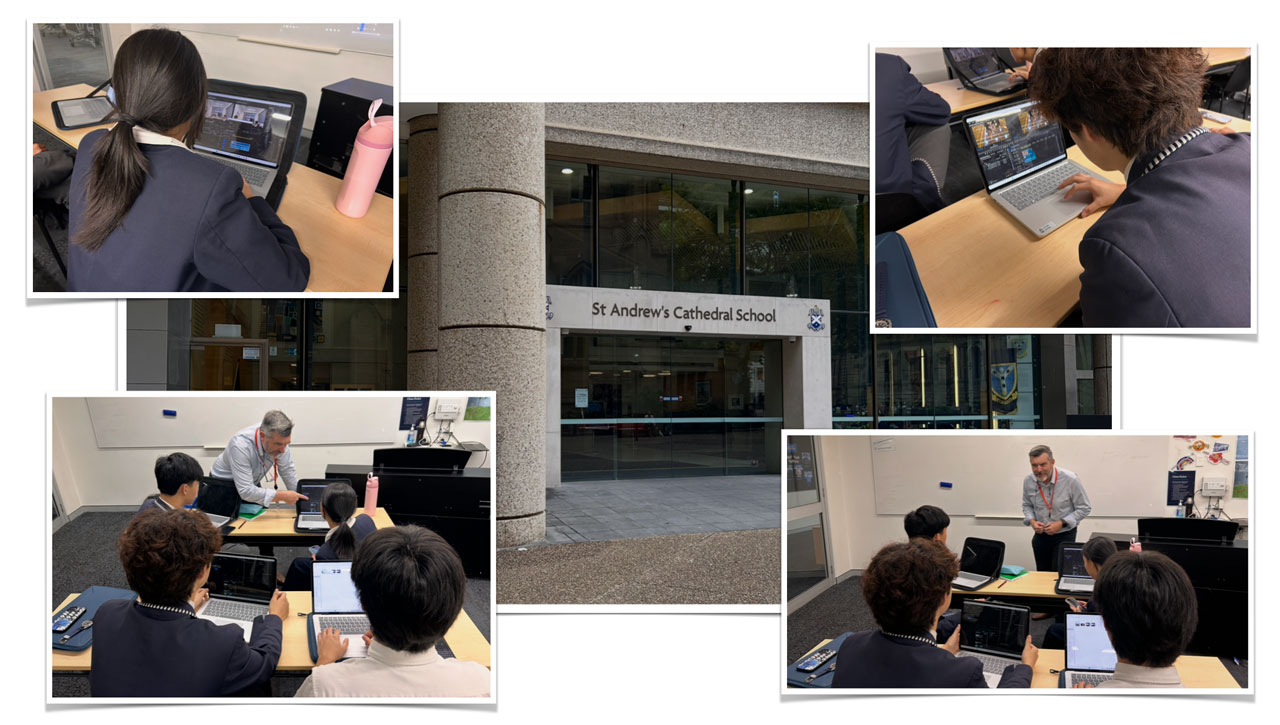
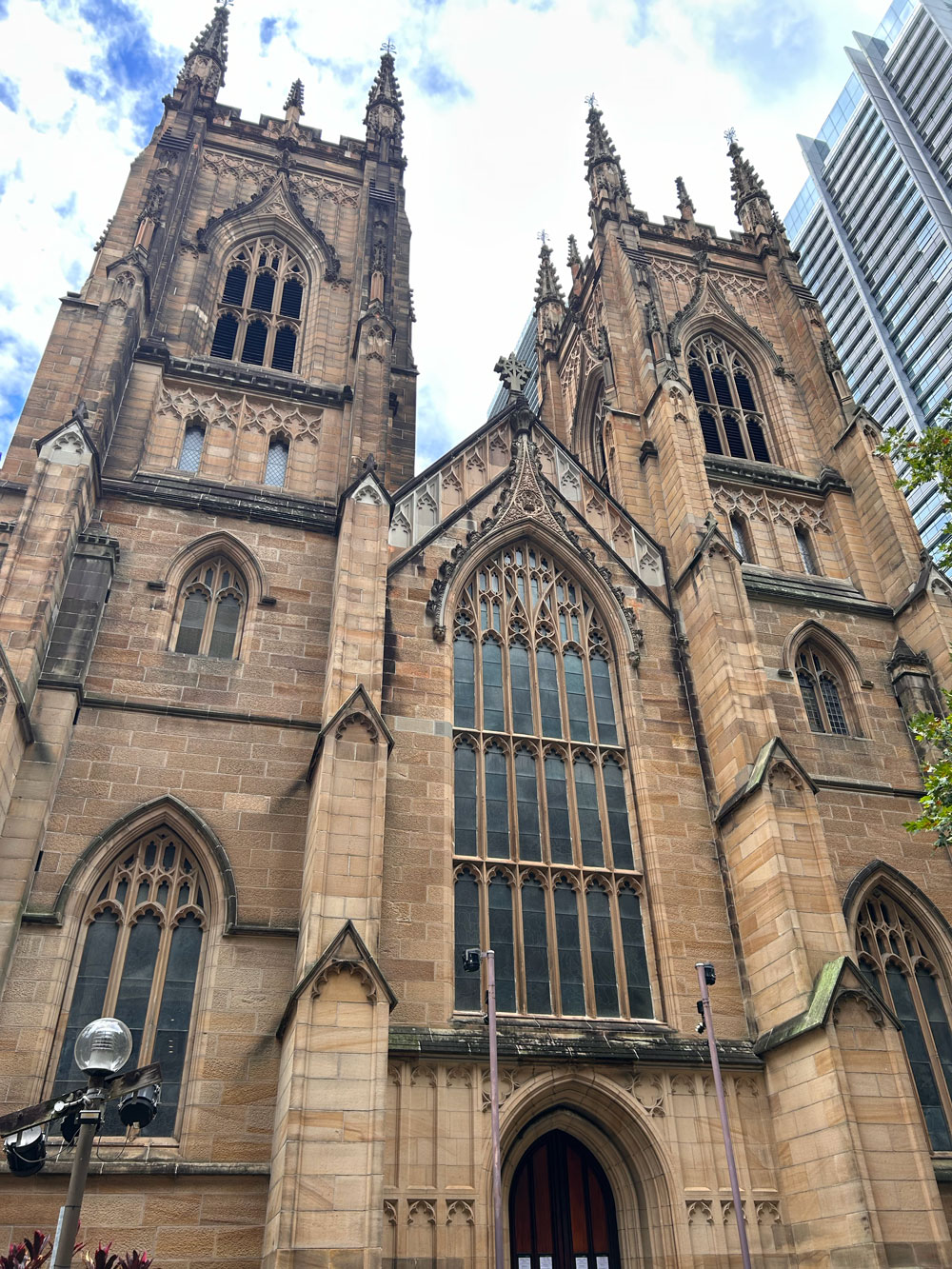
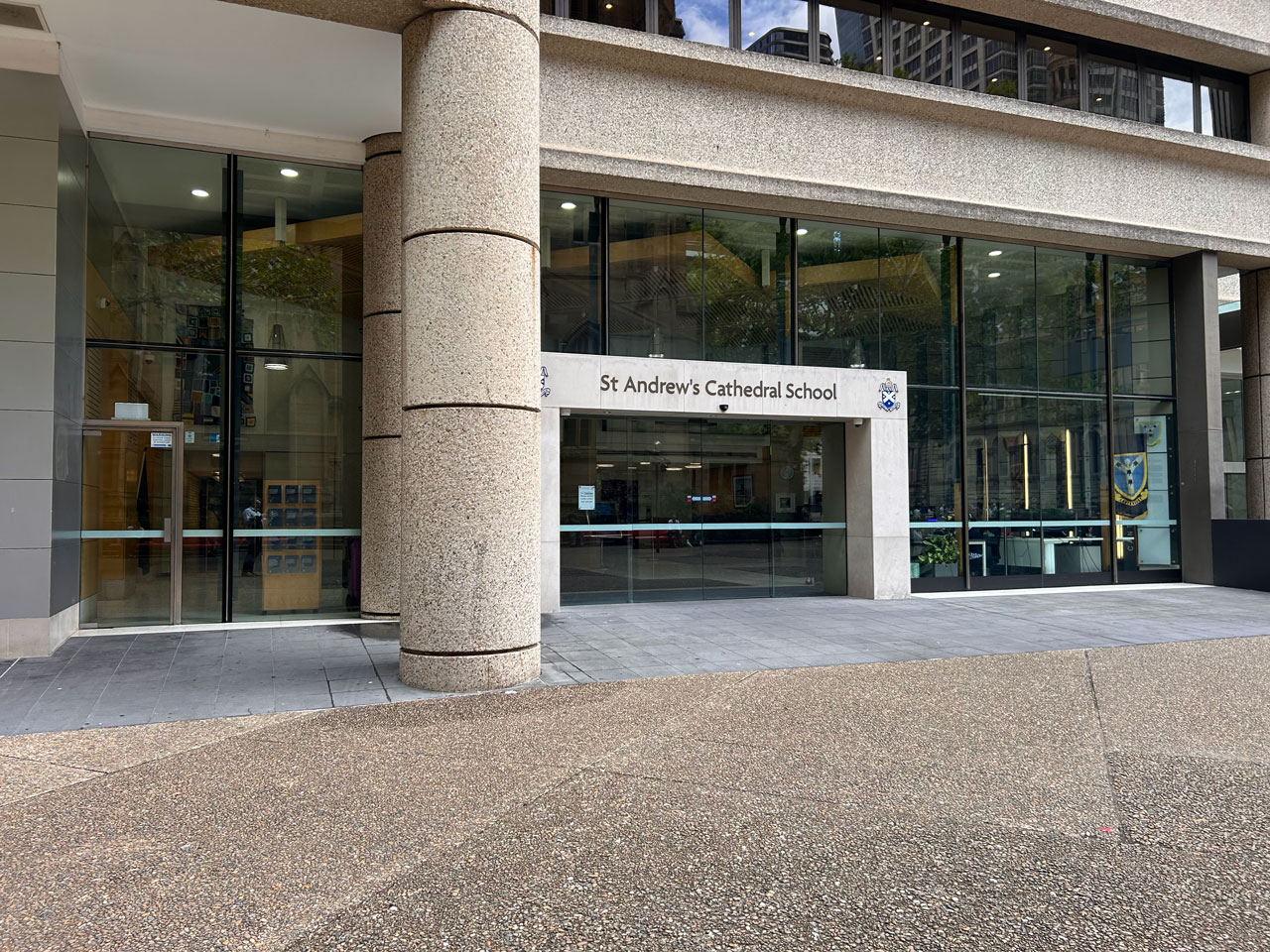
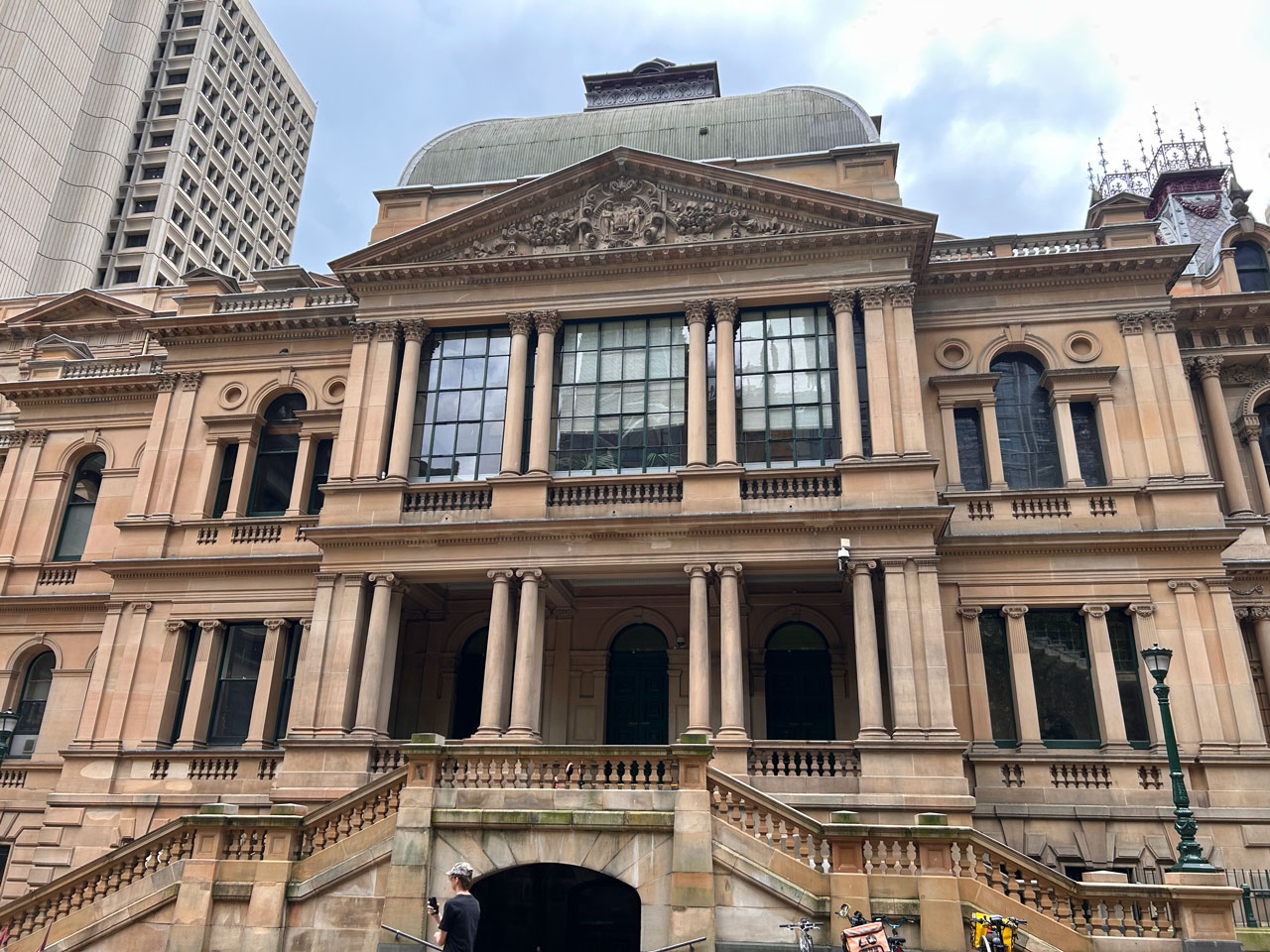
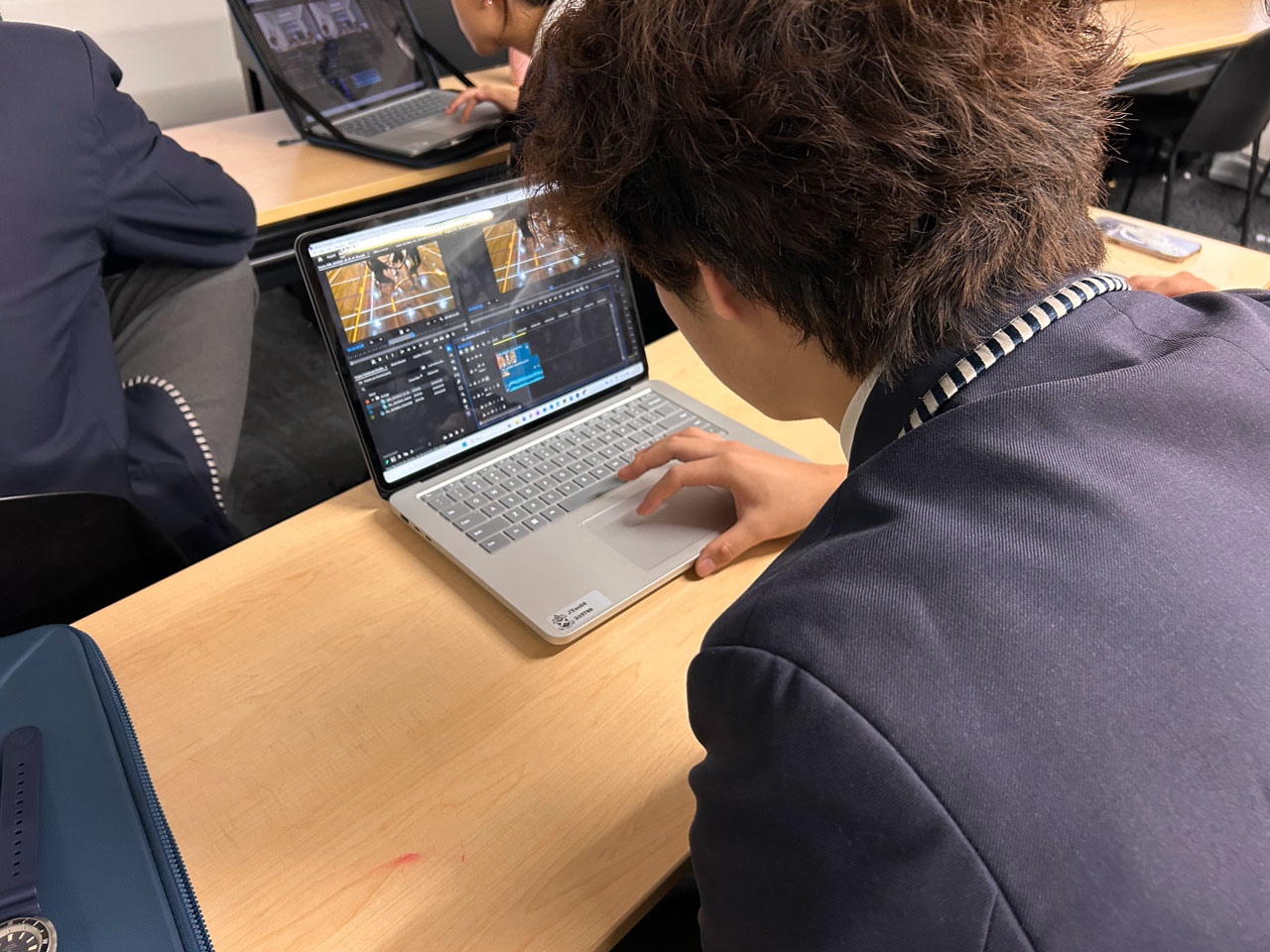
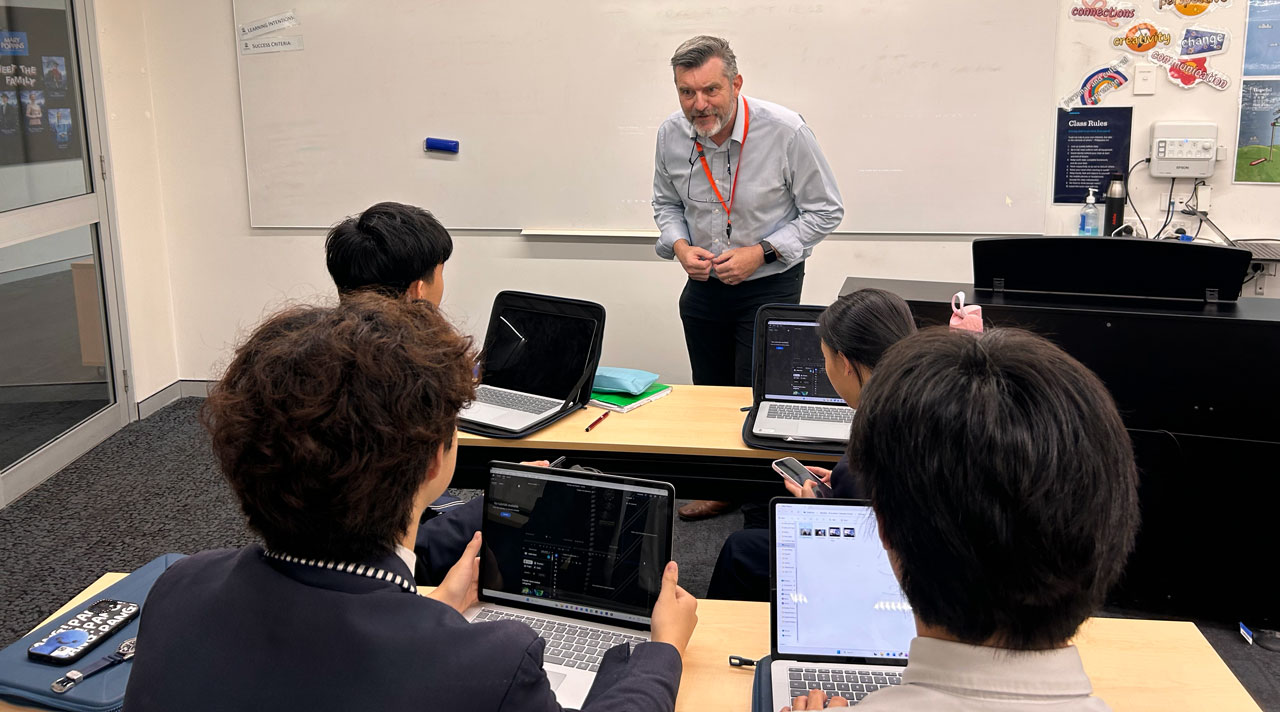
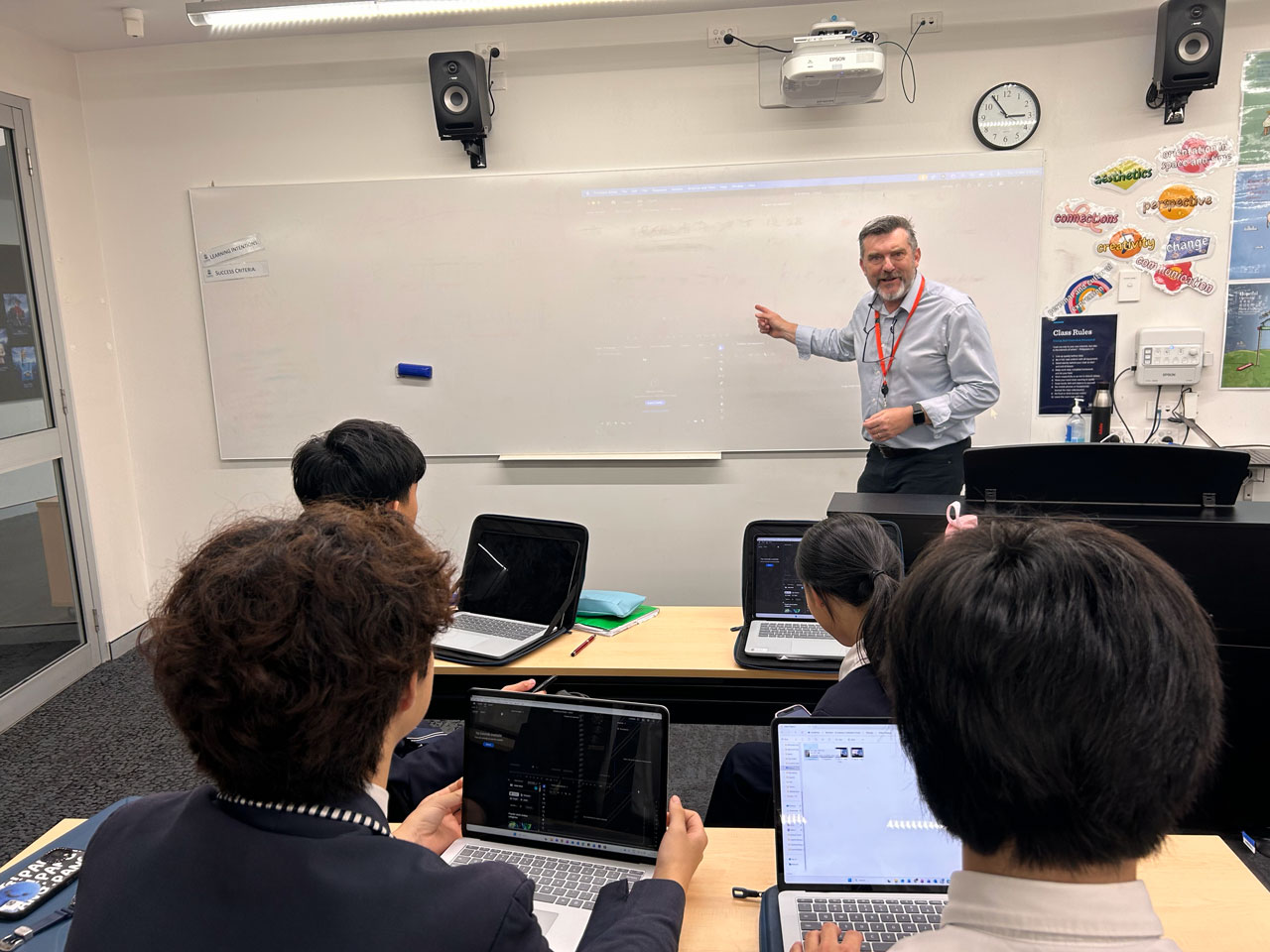
Adjacent the Sydney Town Hall and St Andrews Cathedral is the very impressive St Andrew’s Cathedral School. It was here on Thursday 19th March, I had the delight to run an Adobe Premiere Pro video editing workshop with a class of Year 11 music students at St Andrew’s Cathedral School in the heart of the Sydney CBD.

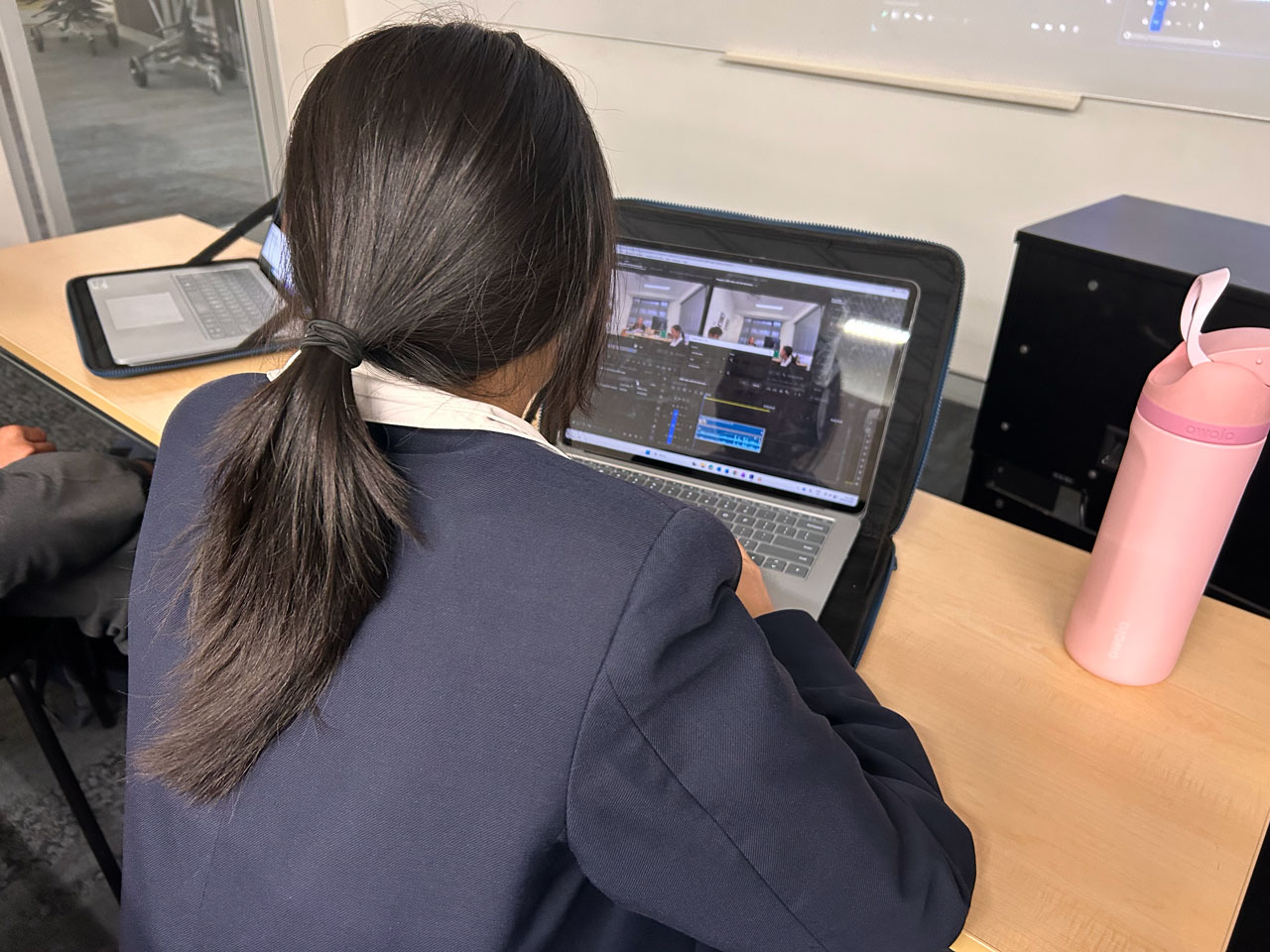
Premiere Pro is a professional video editing application widely used by filmmakers, content creators, educators, and media organisations around the world. Part of the Adobe Creative Cloud suite and available in many schools, it offers a powerful, timeline-based editing environment that supports everything from simple classroom projects to complex film and broadcast productions.

These Year 11 music students will be using Premiere Pro as part of their Contemporary Music Maker project. So I introduced them to the following video editing skills:

  • File management
  • Creating, saving & locating a new project
  • Setting up & understanding the workspace
  • Importing assets
  • Creating a New sequence
  • Basic editing
  • Adding titles
  • Transitions
  • Adding & managing audio
  • Exporting

I would like to thank Dr Kirsten Macaulay (Deputy Head -Teaching & Learning K-12) for organising this event for her students.

If you would like to book me to run a similar session for your students, click here.

UNSW College – Applied IT degree programs

Today was my first opportunity to help support the Applied IT degree programs at UNSW College in Sydney.

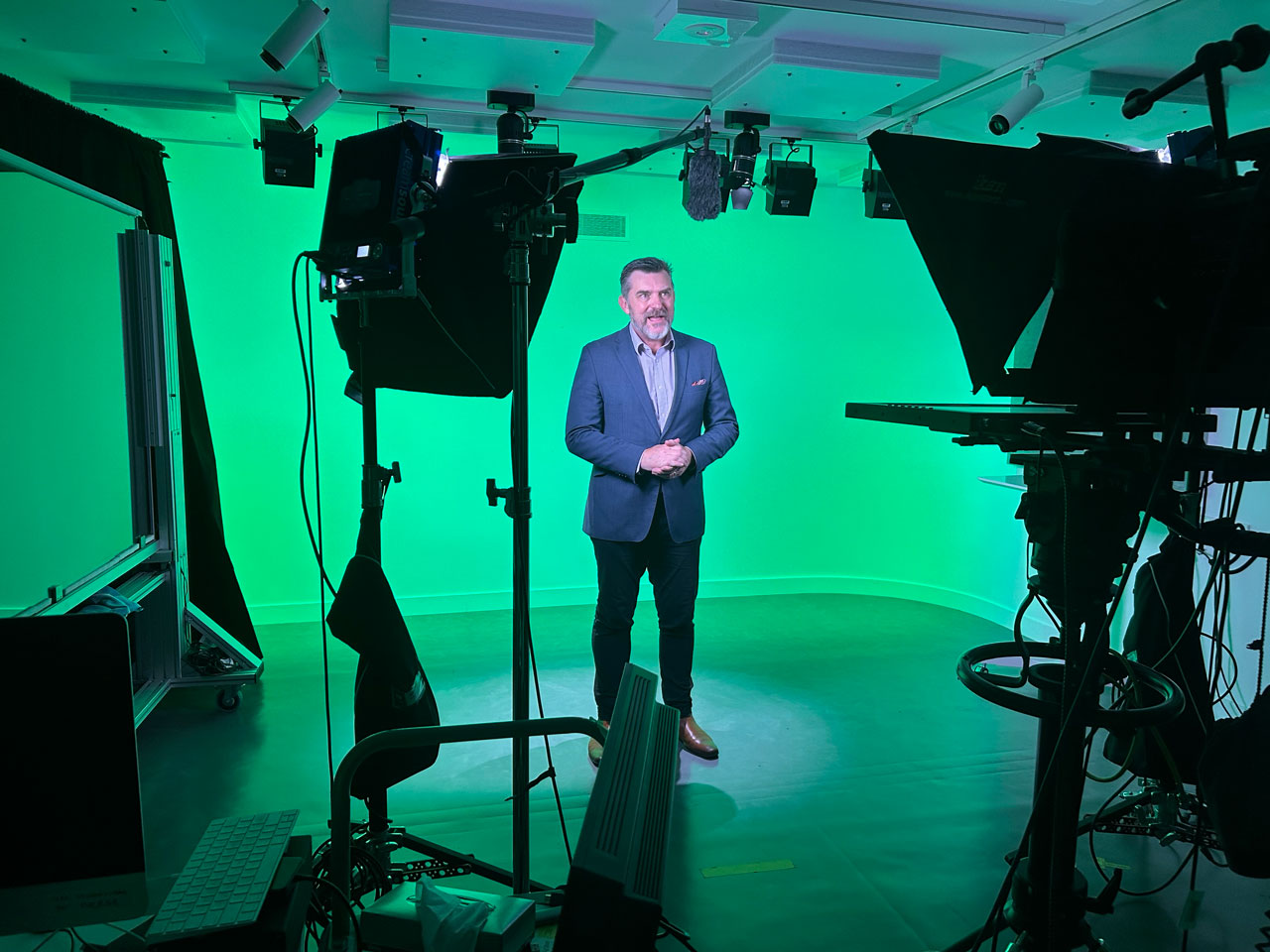
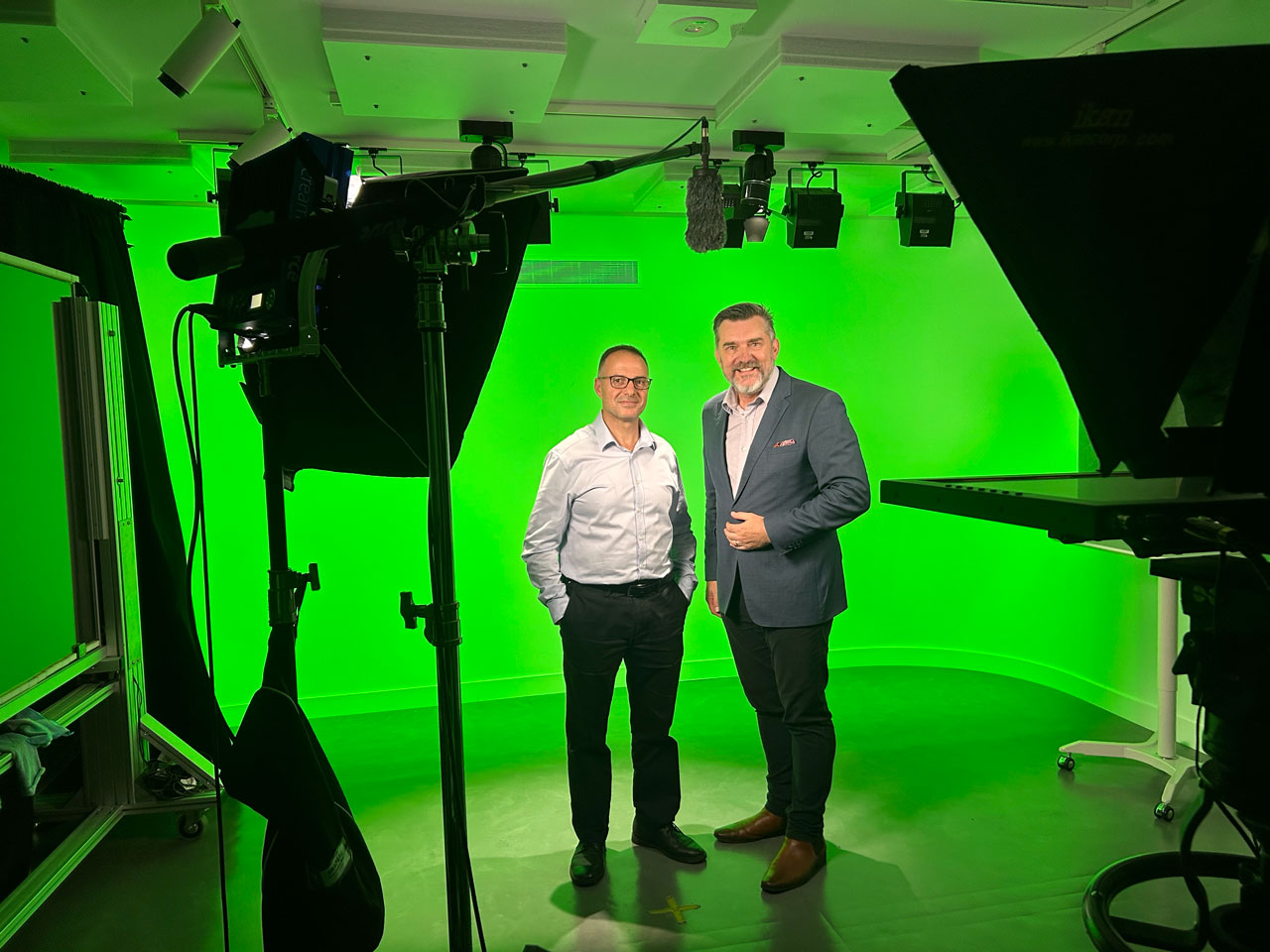
I recorded a series of about 20 introduction videos for each stage of the Cyber Security Operations & Practical Data Science courses.

It was a pleasure to work with Alan Hatem (UNSW College Program Lead, Applied Programs – STEM) and his team.

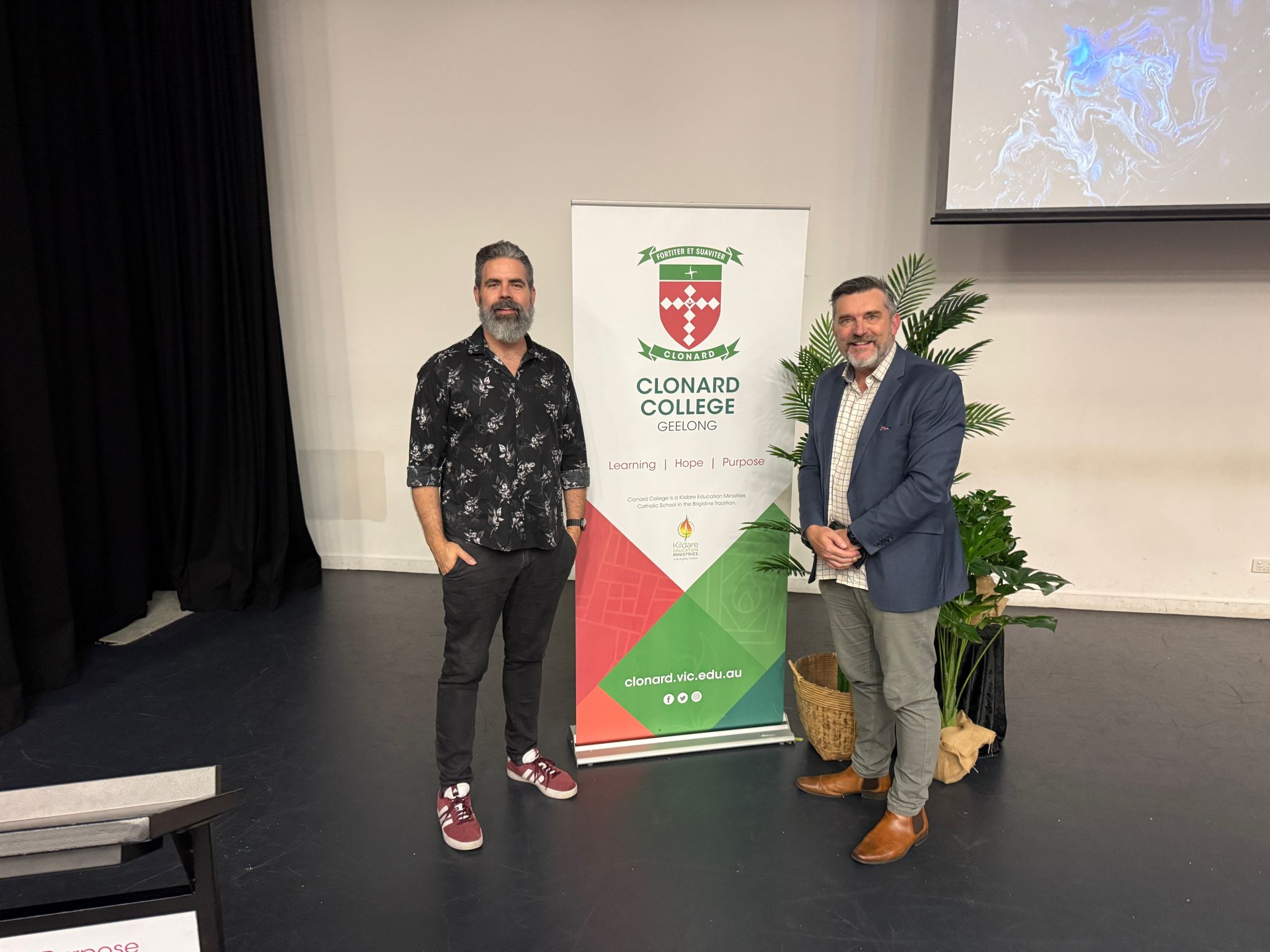
Safe, Ethical and Creative use of AI at Clonard College – Geelong.

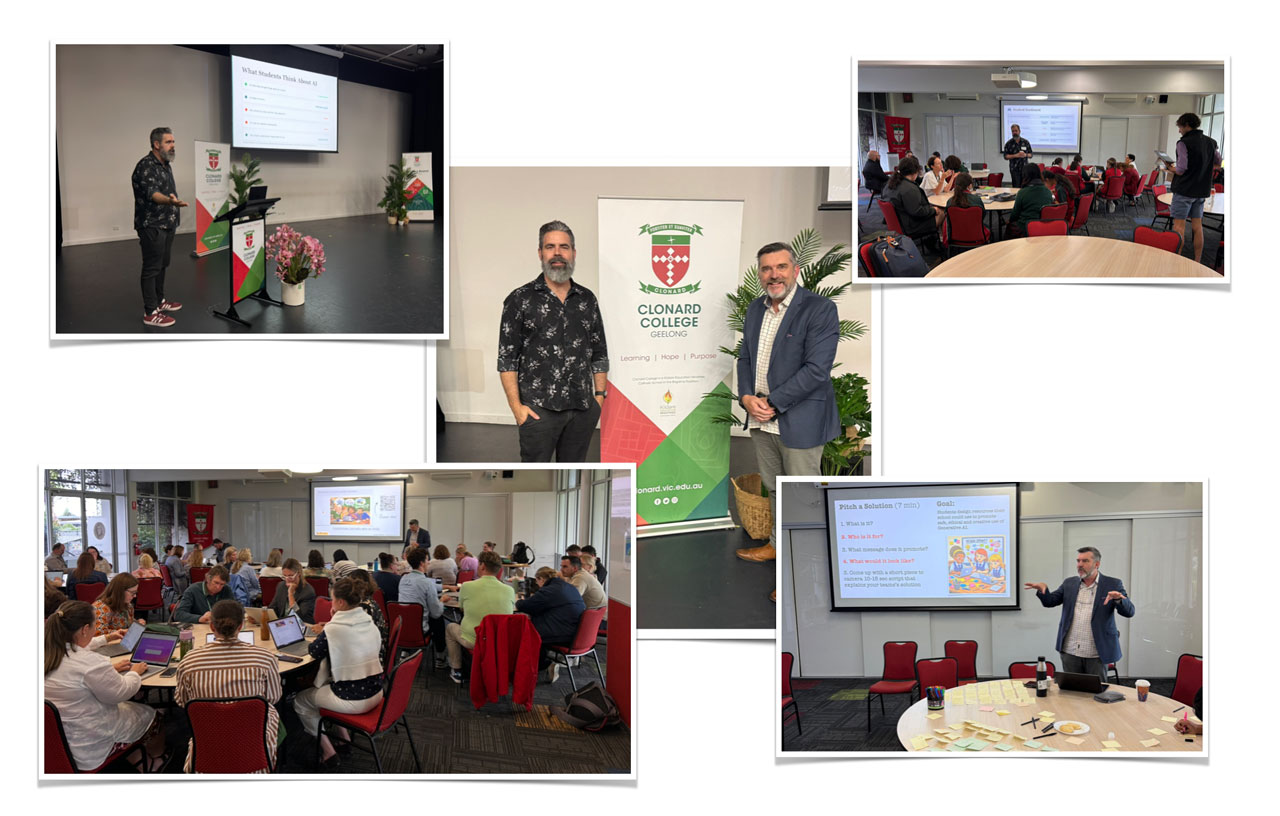
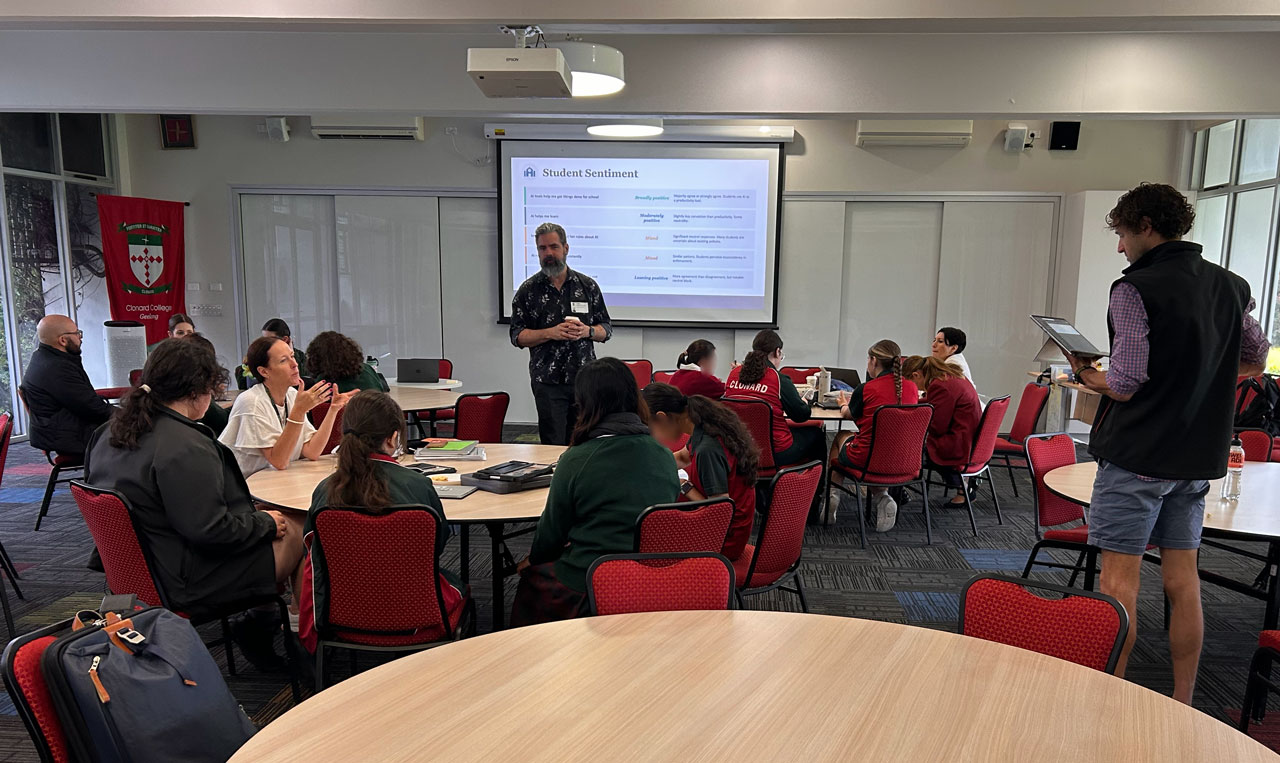
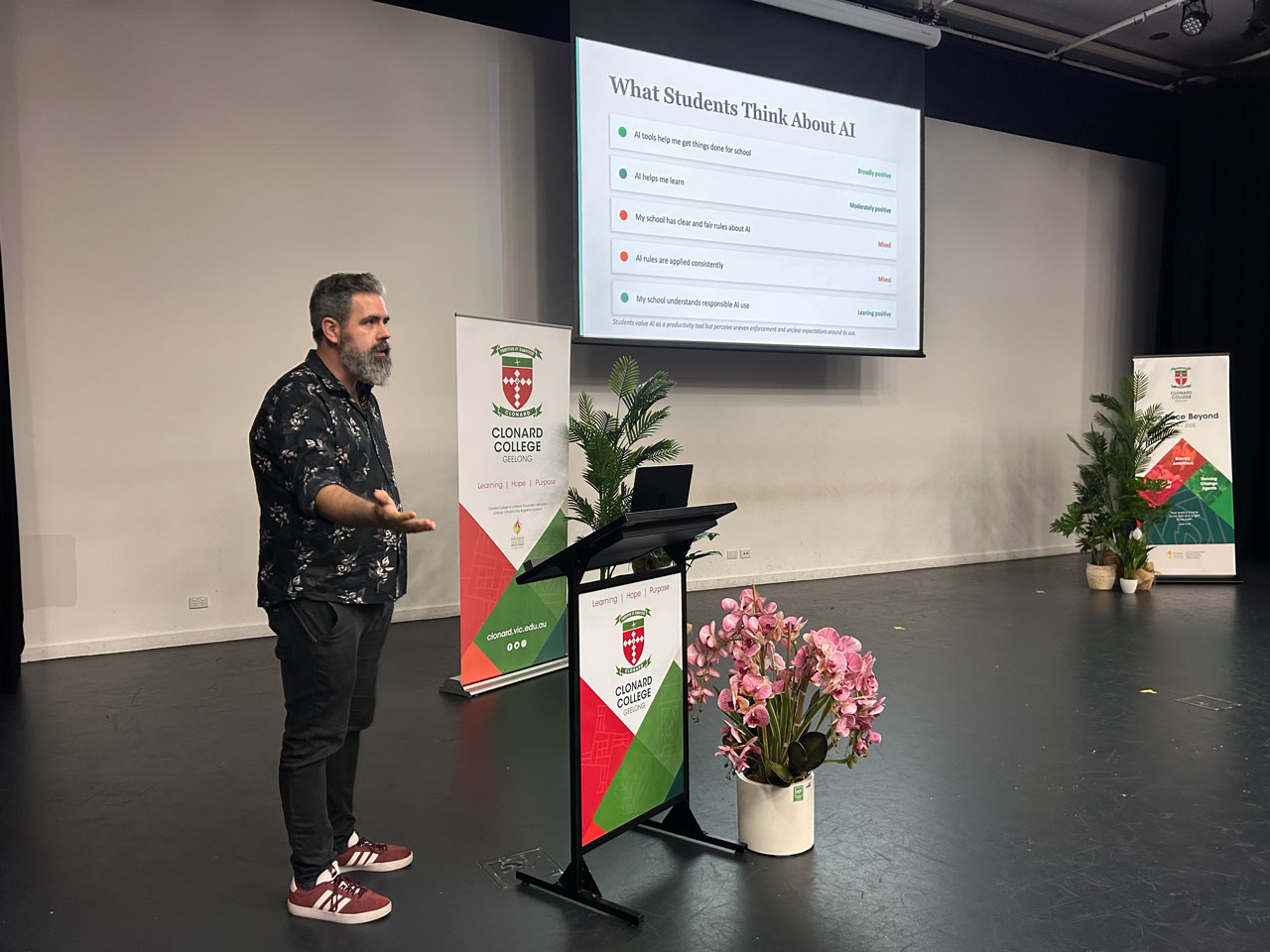
It was a privilege to spend a full day at Clonard College in Geelong yesterday, working alongside the amazing Matt Esterman to support the school’s thinking around the safe and effective use of AI in education.

The day was designed as a whole-community exploration of Generative AI and its implications for teaching, learning and school policy.

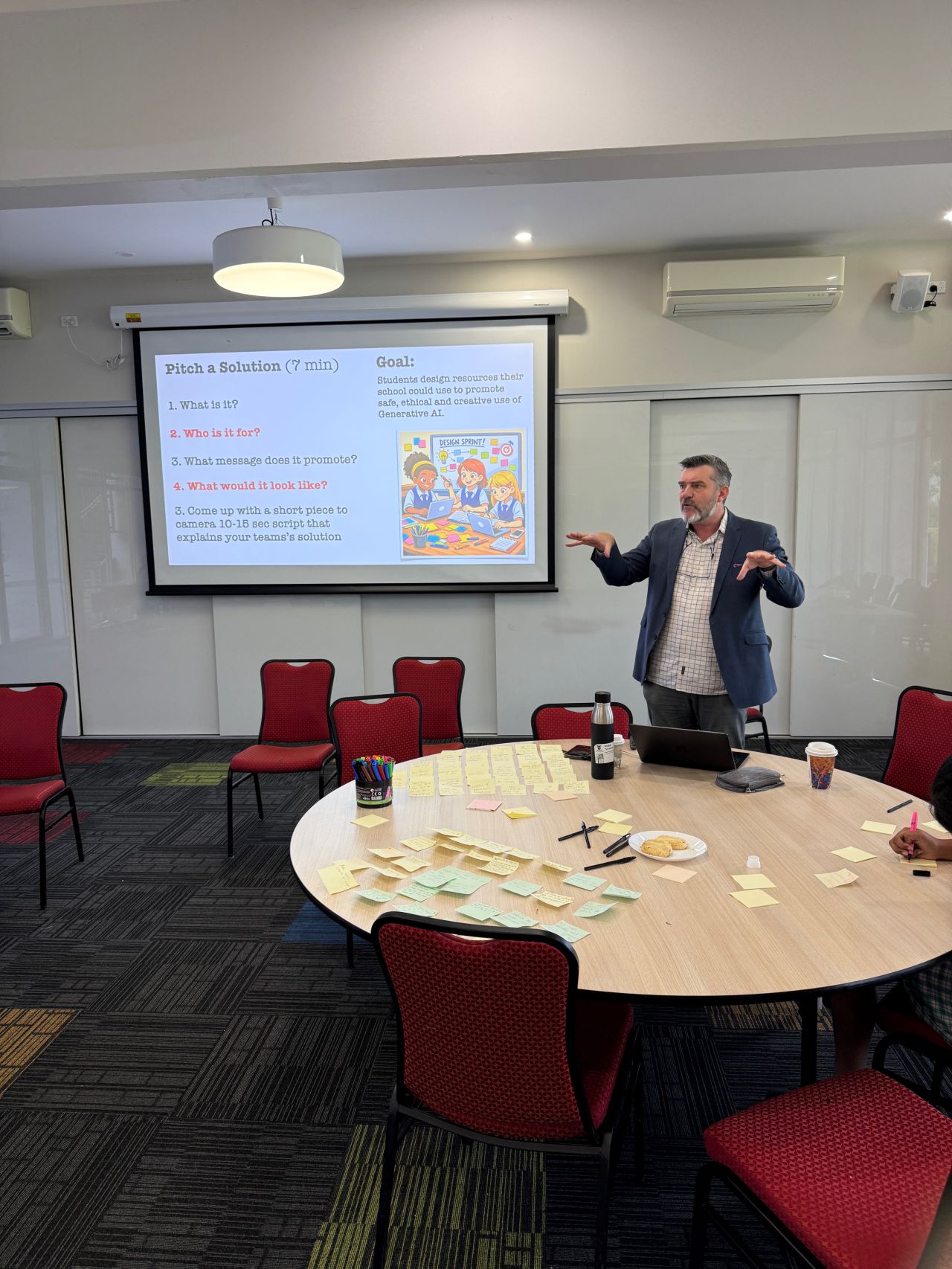
In the morning, we ran a series of student focus groups involving representatives from every year level. Each group participated in a Design Sprint, where students worked collaboratively to design resources their school could use to promote safe, ethical and creative use of Generative AI.


The ideas students generated were thoughtful and insightful, ranging from student-friendly guides and posters to peer workshops and digital resources that could help their community better understand how to use AI responsibly.


Throughout the day we also met with the school leadership team to explore how emerging insights from students and teachers could help shape future school policy and guidelines around AI use.

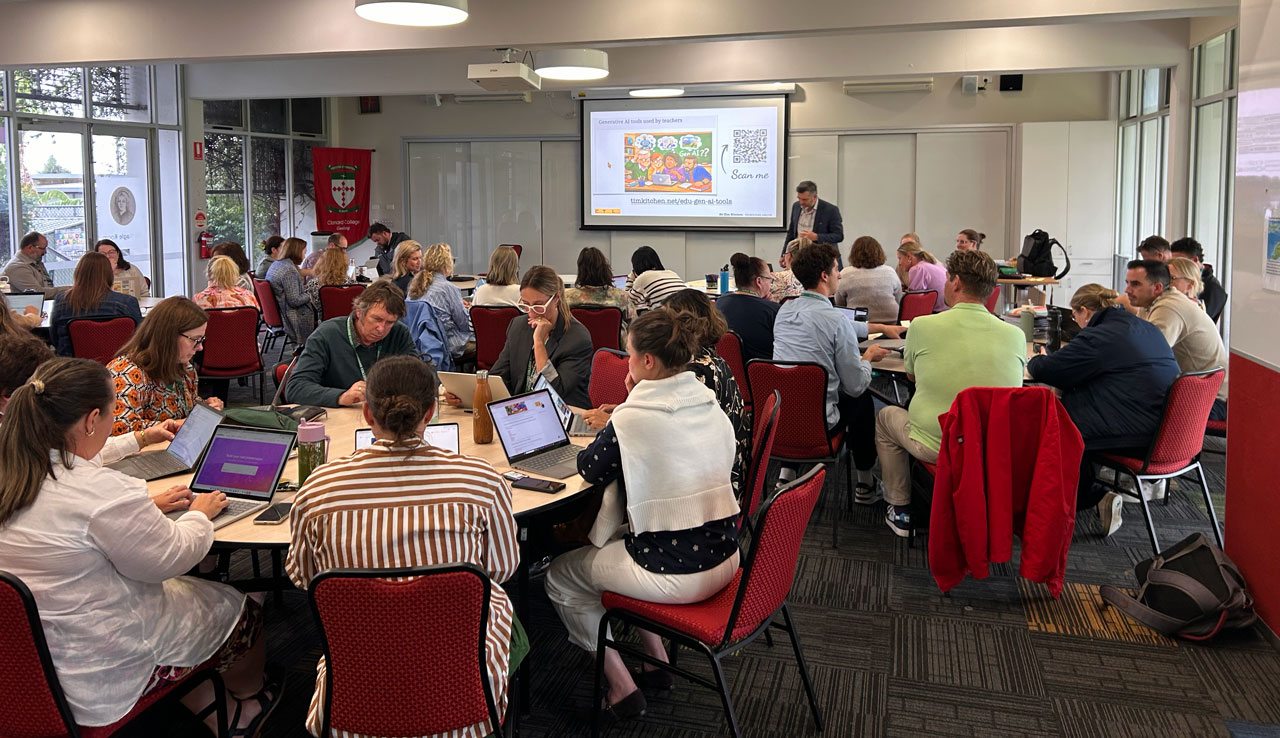
In the afternoon, we ran professional learning sessions for the teaching staff, split into two streams:
– An AI foundations session for teachers beginning their journey with AI.
– An advanced workshop designed to help experienced teachers move to the next level in their use of AI to support teaching, learning and assessment.


The evening concluded with a parent information session, where we discussed many of the questions and concerns families currently have about AI from academic integrity and learning impacts to how students can develop the human skills that matter most in an AI-enabled world.


What stood out most during the day was the thoughtfulness of the students and the openness of the school community to engage with these important questions.

Clonard College are showing that the best way to approach AI is not through fear or avoidance, but through dialogue, experimentation and community involvement.

A big thank you to the Clonard team for their leadership in this space and to Matt Esterman for a fantastic collaboration.

If your school is looking for a similar experience, don’t hesitate to reach out via – https://timkitchen.net/ctl/

Are We Losing Skills in the Age of Generative AI?

As published in LinkedIn on 11 March, 2026

There is a growing concern among educators that generative AI may be contributing to a decline in key skills the have been taught in school for decades such as writing, problem-solving, critical thinking, and even basic persistence.

When students can generate essays, summaries, code, images and even video content in seconds using a range of generative AI tools, it’s natural to ask an important question:

What happens to the skills we used to teach explicitly?

Some educators worry that students may begin outsourcing their thinking rather than developing it. Others are concerned that AI may create shortcuts that bypass learning rather than supporting it. There is also a fear that foundational skills could be skipped instead of strengthened.

However, it is worth acknowledging that many of these challenges existed long before generative AI appeared.

Students were already:

  • Googling instead of researching
  • Memorising for tests rather than building deep understanding
  • Completing tasks for marks rather than meaning

Research into student learning has long suggested that traditional task design can sometimes prioritise completion over thinking (Hattie, 2009; Wiggins & McTighe, 2005). In many ways, generative AI has not created these issues, it has simply made them more visible.
So perhaps instead of trying to stop students from using AI, we should be asking:

What skills matter most in an AI-rich world?

Because the most important skills going forward are not the ones AI can easily replicate. They are the distinctly human capabilities that technology struggles to replace.
Skills That Matter in an AI-Rich World

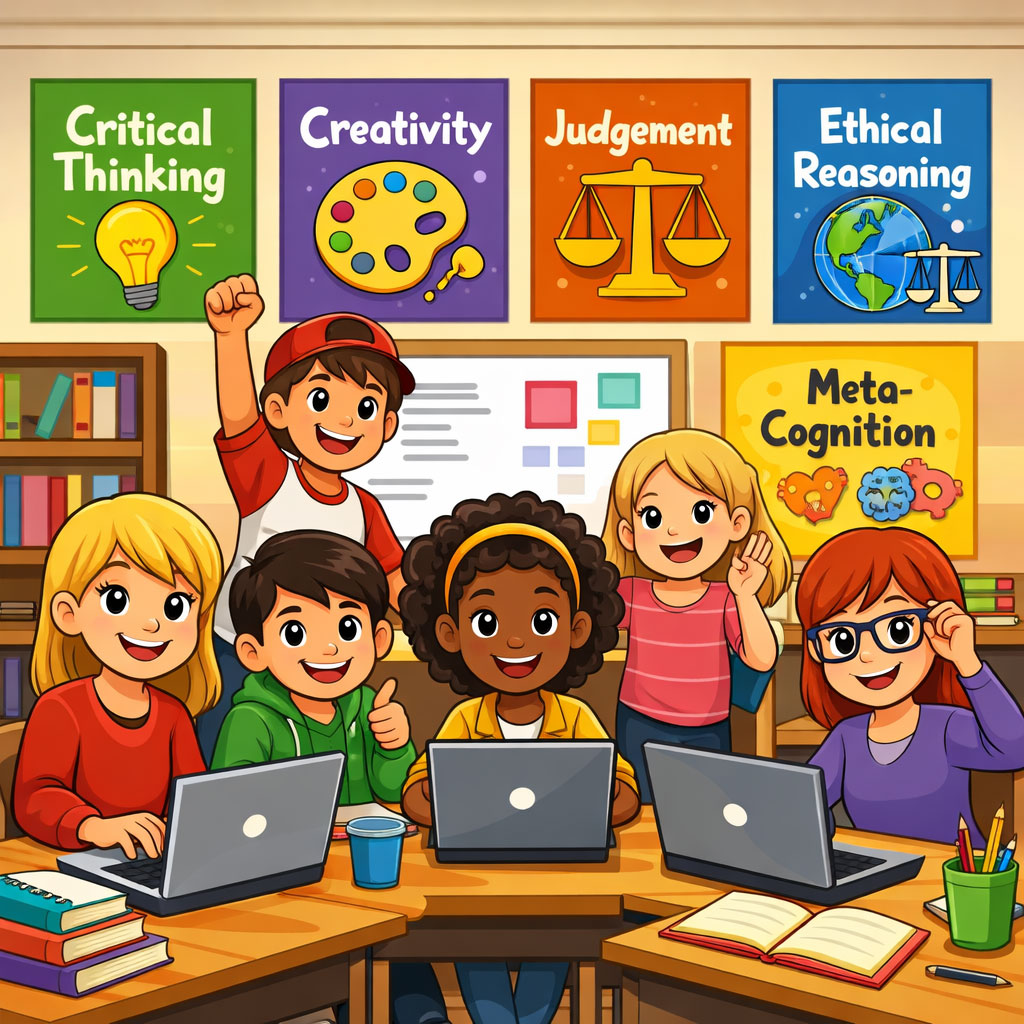
To thrive in a world shaped by AI, students will need to develop a range of higher-order capabilities including:

Critical thinking

They must generate original ideas, explore possibilities, and make connections across disciplines.

Judgement

Students need to know when AI tools are helpful, when they are misleading, and when independent thinking is required.

Ethical reasoning

Issues of authorship, responsibility, bias, and academic integrity are becoming increasingly important.

Communication

Explaining ideas clearly, persuasively, and authentically remains a core human capability.

Meta-cognition

Perhaps most importantly, students need to learn how to learn and develop the ability to adapt as tools, contexts, and problems change.

Research consistently shows that these skills are central to effective learning and long-term success (OECD, 2019; Pellegrino & Hilton, 2012).

Rather than disappearing because of AI, these capabilities are becoming more important.

What Employers Are Saying About Future Skills

For nearly a decade, the World Economic Forum has been tracking how work is changing through its Future of Jobs reports. These reports survey hundreds of global employers across industries to identify which skills are becoming most important in the workforce.

Across multiple reports spanning almost ten years, creativity remains one of the top five most important transferable skills for the future workforce (World Economic Forum, 2016; 2020; 2023).

Importantly, creativity in this context does not simply mean artistic expression.

It refers to the ability to:

  • Generate new ideas
  • Solve unfamiliar problems
  • Make connections across fields
  • Adapt when there is no clear solution

In other words, creativity reflects the type of thinking required in a complex and uncertain world. And in a world increasingly shaped by automation and generative AI, the value of these human capabilities is rising.

As machines become more capable of routine tasks such as writing, calculating, summarising and predicting, the human ability to interpret, question, and create meaning becomes more valuable.

AI can generate outputs. But it cannot decide what matters to humans

What This Means for Schools

If creativity and critical thinking are essential future skills, they cannot be treated as optional extras. They cannot exist only in electives, enrichment programs, or occasional projects.

Instead, they need to be developed across the curriculum in science, mathematics, humanities, technology, and the arts.

This does not mean abandoning curriculum standards or content knowledge. Rather, it means designing learning experiences that:

  • Allow multiple possible solutions
  • Value the thinking process as much as the final product
  • Encourage curiosity, experimentation, and reflection
  • Give students opportunities to make decisions and justify their reasoning

Research on deeper learning highlights that meaningful learning occurs when students engage in complex thinking, problem-solving, and authentic tasks (Fullan, Quinn & McEachen, 2018).

Creativity is not about lowering expectations. It is about raising the quality of thinking we ask students to do.

The Role of Educators

Generative AI does not necessarily mean the loss of important skills. But it does force us to be more intentional about the capabilities we prioritise.

The role of educators is not to compete with AI. It is to cultivate the human capabilities that give learning meaning. Because in the future, the most valuable skill may not be knowing the answer. It may be knowing:

  • what questions to ask,
  • what information to trust, and
  • what truly matters.

Most of the content in this article is covered in more depth as part of The Human Advantage course (Part 1), now available via Leon Furze site – https://practicalaistrategies.com/

Please share this course with your colleagues and school leaders.


Invite Dr Tim Kitchen to your school …

With more than three decades in education, including 23 years in the classroom and 13 years as Adobe’s Senior Education Specialist for Australia, New Zealand & South East Asia, Tim now runs CTL – Creative Teaching & Learning, an education consultancy supporting schools to implement safe, ethical, and creative AI practices that strengthen teaching and learning.

You can book a teacher &/or student workshop session (online or in-person) with Tim via – https://timkitchen.net/book-tim/